
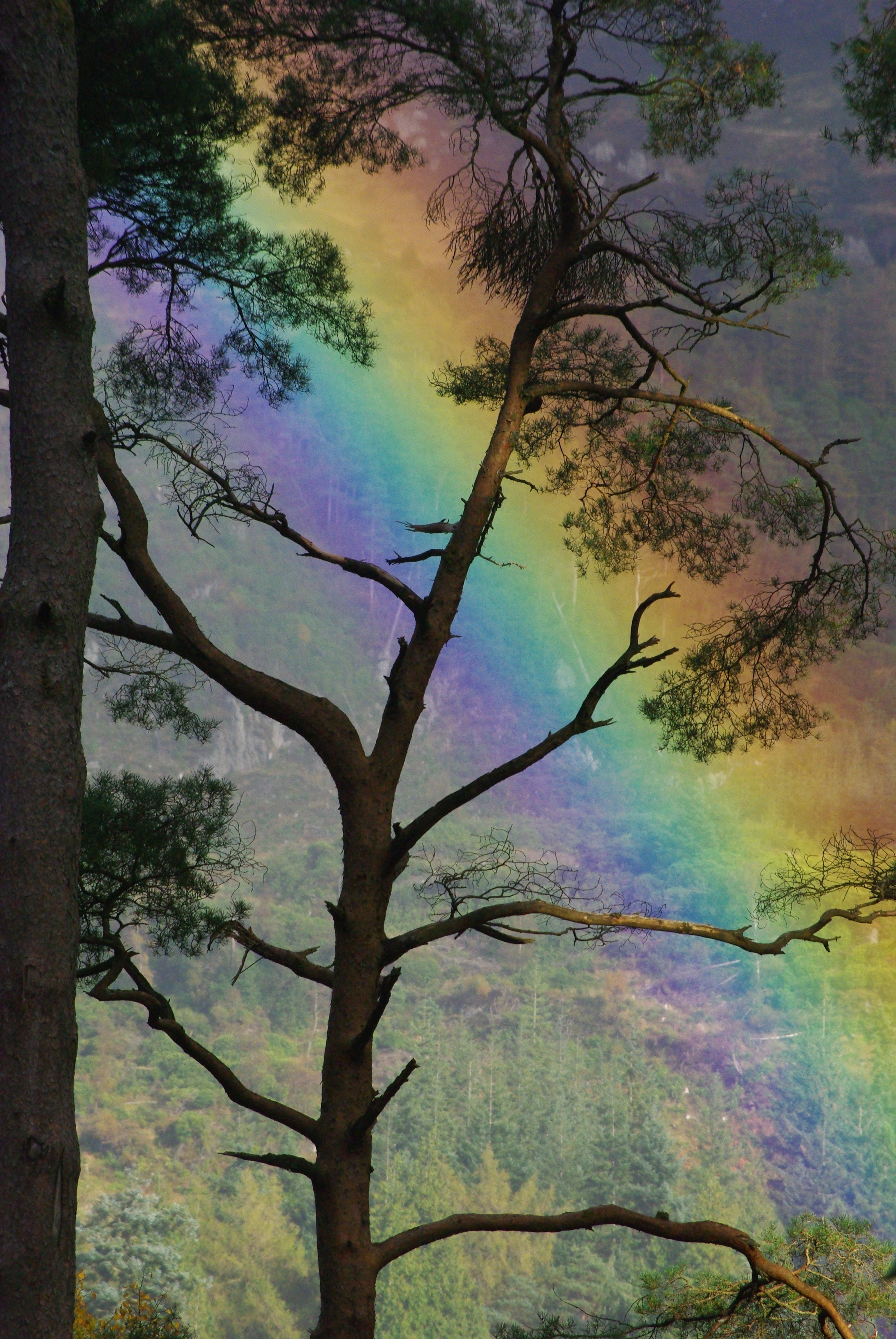
Recently, I heard someone say this;
The best hope for humanity is that in a thousand years, the ancient forests will have been restored.
The point here, in case it is not obvious, is that it will take at least that long. Forest (as opposed to tree plantations) are diverse, dynamic, self-regulating ecosystems made of up many many networks of interdependence. They are lung, they are larder, they are apothecary and place of our birth and becoming.
Arguably, the human race has spent the span of our existence fighting the forest. First ridding it of fierce creatures, then slashing an burning it in an attempt to tame it, then seeing it as a resource for us to harvest for profit, until almost nothing is left. We are at a turning point where – for the sake of our very existence – we have to have a conversation about forest.
There are signs that even the most conservative of us are starting to realise that we need more trees, but in the rush to plant, often driven by desires to soak up carbon or because of green-washing carbon offset schemes, we easily forget that forest is not just about trees. The trees are merely the canvas on to which forest is painted.
Old-growth forest – or even an old single tree – has a powerful, measurable effect on our human psyche and physiology. Many others regard these as places of deep spiritual renewal. Why is this? What is it about such places that root us, connect us, open us up, hold us?
I have been involved in a number of conversations about forest in the last few weeks and months, and as ever, writing about these conversations helps me process them.
Over the next period, this is going to be my theme.
Lets talk about forest.
 this fragile tent