
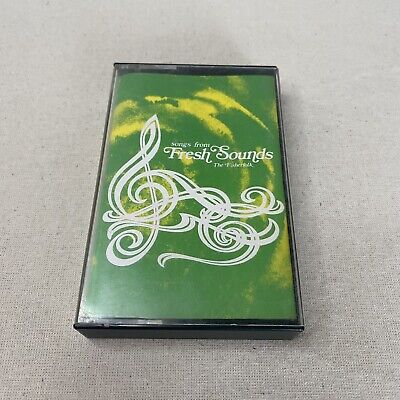
When I was a boy, I attended an Anglican church that was part of what was later described as the ‘charasmatic revival’. Lots of werd things happened, but lots of very lovely things too. If there was a soundtrack to this experience, it was the gentle folk songs of The Fisherfolk, an American Christian community who inconcruously lived on the Island of Cumbrae, which I can see from my Kitchen window. (The story of this community is rather interesting but that is for another time.) One of the Fisherfolk ongs we sang went something like this;
Peace is flowing like a river
Flowing out through you and me
Spreading out into the desert
Setting all the captives free.
Of course, I had no idea what this meant. If pushed I might have had a very dualistic idea of how Christianity was going to take over the sinful world and sanctify it one soul at a time, but this song sometimes randomly comes into my head even now. It connects me with something simple and good, but also something I still hope for decades after I fist heard the song – even if my concept of what peace looks like has shifted considerably.

For a long time, I have been interested in something called the ‘Shalom of God‘. In my way of thinking, this is a foundational part of the Gospel of Christ- which is after all NOT primarly concerned with saving souls from Hell (If you don’t beleive me, read Mathew Mark Luke and John again) but with strange ideas about the coming of a ‘Kingdom of God.’ This Kingdom is both here and now and future hope, where peace and justice reign. It has an upside-down, topsy-turvy politics in which the humble will be lifted up and broken people will be healed. In fact, it seems to have a set of rules and obligations that are entirely incompatable with any earthly empire that has ever been built.
And there is is the problem. To make peace, it seems that we have to turn things upside down. To make Shalom, we have to learn a new path- one that goes beyond mere peacemaking into the idea of restoration of deeper dependencies and connections.
The Bible Project puts it like this;
Again, it is impossible to think about these ideas during this Advent and not constantly be aware of what is happening in Gaza, where the very opposite of Shalom is being displayed in all its horror and gore. There has been no peace in this desert for generations.
Perhaps the Shalom of God is not a final destination, but a constant process of engagement with the brokenness in the world and in ourselves. A constant call to be a channel for the peace to flow out from.
All wars must end, but this is not the end of war. We will always need peacemakers who long for the Shalom of God.
The fruit of the spirit is peace…


After the rain squalling

And the bombs falling

After the back stabbing

And the tongue lashing

After love is betrayed

And dreams disarrayed

When the knife cuts and slashes

After sackcloth and ashes

Comes the peace


After the tumours

And cruel vicious rumours

After bodies broken

And evil words spoken

After guns cease their shooting

Troops no longer jack-booting

With the grave trodden down

And the trees turned brown

Comes peace


Even after the failure

Of life-long labour

And after deadlines missed

After the getting pissed

When the pressure’s done mounting

And it’s all over-even the shouting

When the race has been run

In the setting of sun

Comes the peace


When anger burns out

After faith turns to doubt

When we give up on walking

And wolf packs are stalking

When the money is spent

Safety curtains are rent

At the end of all coping

Even Polyanna’s done hoping


Even then

Will fall

My peace


From 'Listing'
 this fragile tent