
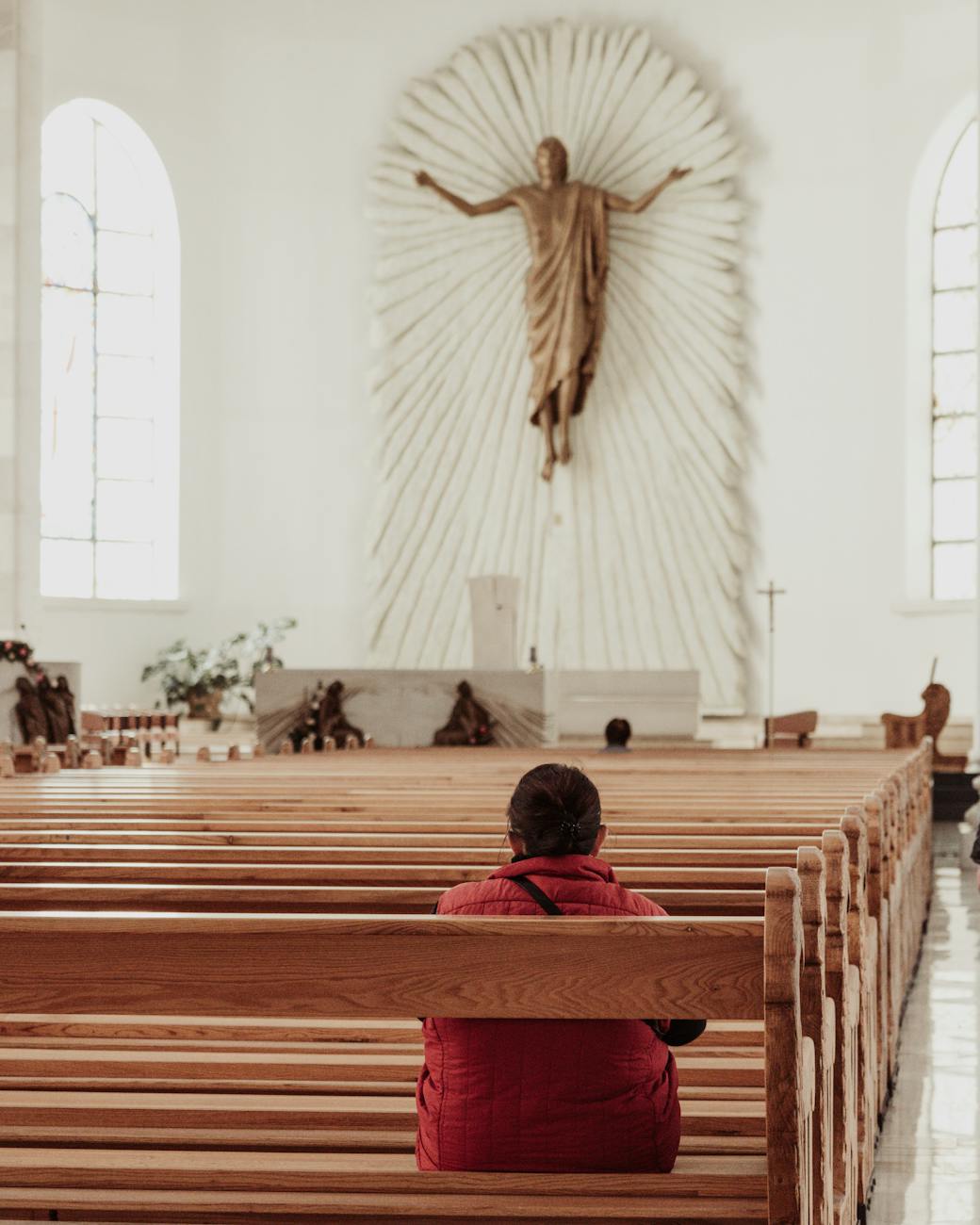
If you read this blog, you probably share my interest in faith, and in how this shapes us and in turn shape our communes and the wider society. It makes sense then that many of us watch the continuing decline in church attendance with a complex set of emotions.
For many years, all denominations in my part of the world have known about this decline, and have reacted with alarm and even panic. There have been repeated attempts to stem the flow, to plant more churches, to make existing churches more friendly, more culturally sensitive. Some have gone the other way and proclaimed themselves apart from the world, standing as a last bastion for God in a world soon to end in fire and judgement. With some individual exceptions, none of these attempts to reverse the delining trend have been successful.
Consider the Church of Scotland, for example. I am not sure exactly where this youtube is coming from, but the facts up front are stark;
Along with Rob, who lives in Jersey (because proximity is no longer a prerequisite for working together, or friendship, or even Churching together) I am working on a project to (potentially) revive an old publishing platform called ‘Proost’. This was previously an organisation that gathered resources, materials and liturgies written and created around the edges of progressive church movements in the nineties and early millenium. It was a time when we used terms like ’emerging church’, or ‘small missional groups’ or ‘alternative worship’. Proost was the hub around which a tribe of passionate and creative people gathered, and even though it never offered formal community, for many of us, this is what it became.
By the way, if you should be tempted to follow any of the links to former Proost resources, I would suggest you do not, as the old site address (ownership of which was allowed to lapse) now leads to porn!
One question we have been asking is what a revived Proost would be for. I( think we can agree on the low bar of ‘not porn’.) Do we still need to gather resources produced on the edge of church? If so, who is producing these things now? Whose stories still need to be told? Where are the people who are telling them? Anyway, what happened to people from all those small missional communities that were part of the first Proost? What are they doing now with all of that creativity?
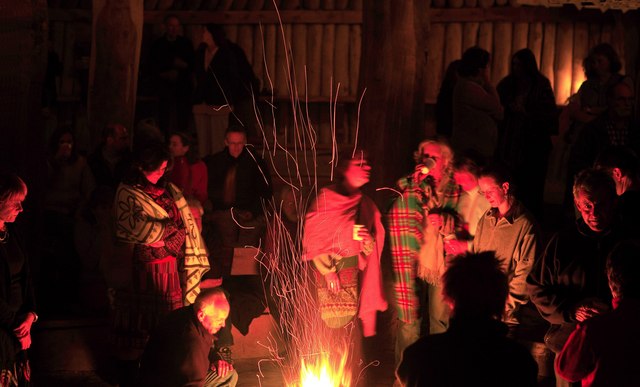
We explored this in part in our last podcast, which was an interview with Jonny Baker, one of the founders of Proost. Jonny is still very much working hard within the CofE, as the current UK director of CMS, and is persuasive about the role that Church is playing and will continue to play in supporting and developing new expressions of faith within our shifting culture.
But the latest episode provides another perspective.
I am very excited about this episode. It is an interview with Dr Katie Cross, whose work I have mentioned before on this blog, here, when I said this;
I grew up in and around Churches. Most of my early adult life involved participating in, playing music for and serving the people of church. Then, after becoming increasingly unable to cope with narrow factional forms of faith, I left, albeit for at least a decade to become part of a small community of faith.
At present, I do not attend ‘church’. I can have a long conversation with you about why this is, but many of my friends are in just the same position.
For most of us this is not about the loss of faith – it might be that the way we think about this faith has changed and traditional forms of church no longer felt relevant. That is certainly not intended as a criticism of Church. We still need those who travel in the big old religious ships, even if many of us want to get into small boats.
Through the work of people like Steve Aisthorpe, we now know that we ‘church leavers’ form the majority of the people of faith in the UK. You might even say that these people ARE the church now. The old insitiutions have been and are continuing to be, hollowed out.
If this is true – if the church is now scattered, not gathered – what sort of support might people need? How do we collectivise? How do we teach? How do we debate? What the word ‘Christian’ still mean and do any of these things still matter in a world of global warming and mass extinction?
If this is of interest to you – and if you too are a church leaver, then you might like to add your voice to some research being undertaken by Katie Cross at Aberdeen University. You can join on on this link.
What the podcast enabled us to do was to dig deep into what katie’s research is beginning to reveal, but so much more than that. It became a conversation about trauma, about power and control and about the future of faith in these islands.
Slight spoiler. When I asked Katie if she was excited about what the future might look like, she said ‘Yes’.
 this fragile tent
Pingback: Remaking religion 3: organisation… | this fragile tent