The new Proost podcast is out, this time featuring a fantastic chat with Mark Berry.

If you don’t know Mark and his work here is a starter;
Before training to be a Youth Minister, Mark Worked as a Theatre and Music Lighting designer and a musician, he retains a deep love for the arts, and plays Guitar and Bass.
Mark began his ministry as a Youth worker in 1994, before becoming a Pioneer minister in 2005. His ministry has seen him sharing life with Far Right Skinheads, Gangs and Nightclubbers, growing a Church with unchurched young people in a secondary school, becoming a Chaplain and then a Director of a professional football club and running ‘Sanktuary’ an overnight café andsafe zone for the night time community.
These days, Mark is working with prison leavers and (pertinent to this discussion) teaches a module on art and spirituality.
Here is the pod;
I very much enjoyed this chat – as I always do with Mark – there is so much in here that I feel the need to explore further, both in terms of my own ponderings, but also in relation to the broader issue of Proost. After all, Rob and I have done a lot of talking about what might emerge around Proost, but as yet there is no actual publishing or promoting going on. Having said that, I think this is right. We are determinded that if and when a new organisation emerges, it will do so because it is part of a movement of people who have some clarity about what they are about. We can’t do it by ourselves anyway so we need to explore and develop these ideas in community.

That word, Poeisis
In pod 10, we spoke a lot with Mark about this word, which had been very significant for him as he found meaning in artistic expression. My entry into this idea had been through theopoetics (you can read more about this here) and you may be able to hear me grappling to reach some kind of clarity as to how these things fitted together. In the end we got there, but it required a lot of subsequent chat with Mark, and another pod chat with Rob, which you can listen to here;
We would love to know what others think. Are these useful terms? Might they give clues as to our unfolding, our unveiling?
Allegory
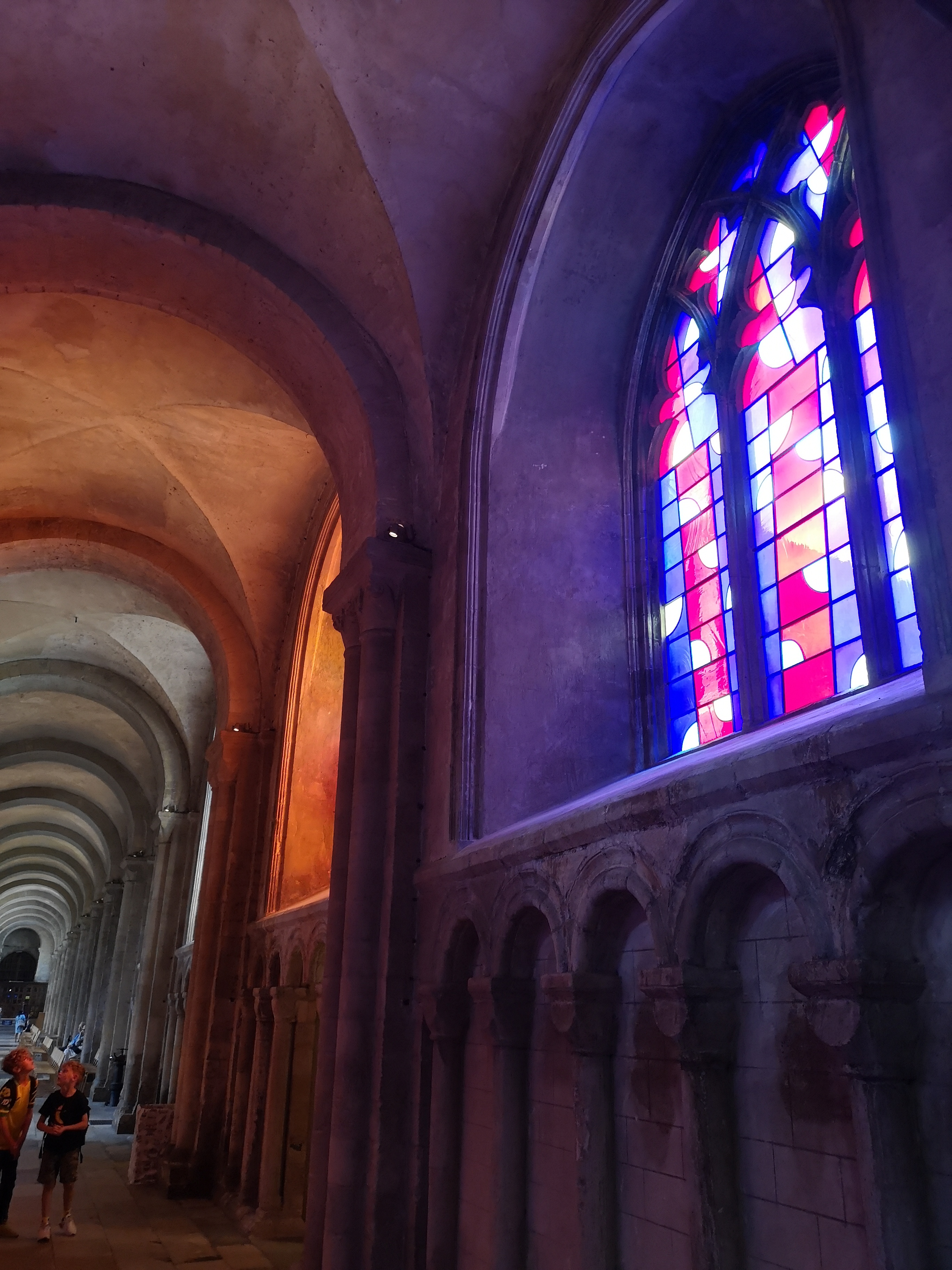
I particularly love this; art making is itself an allegory, another way to encapsulate – no, to demonstrate – the ground of our being.
In making this statement, I am rejecting another common way to think about art, namely, as the means of defining the ‘specialness’ of humanity, as the only animals capable of abstract expression. (This also means rejecting at least in part, the ‘specialness’ of the individual artist.)
Instead, perhaps we can think about art as co-production, in deliberately deciding to join the great unfolding, the explosion of creativity which we are part of. You might chose to use religious language here- Creation and the endless excitement of a creative god – or you could just decide to leave this space wide open.
If we follow this logic, the intrinsic value of the art we make is found not in its percieved ‘excellence’, but rather the degree to which it enables reconnection to the creative stream at the heart of everything. Not that this is easy to define, but I think we know it when we encounter it.
Artistry
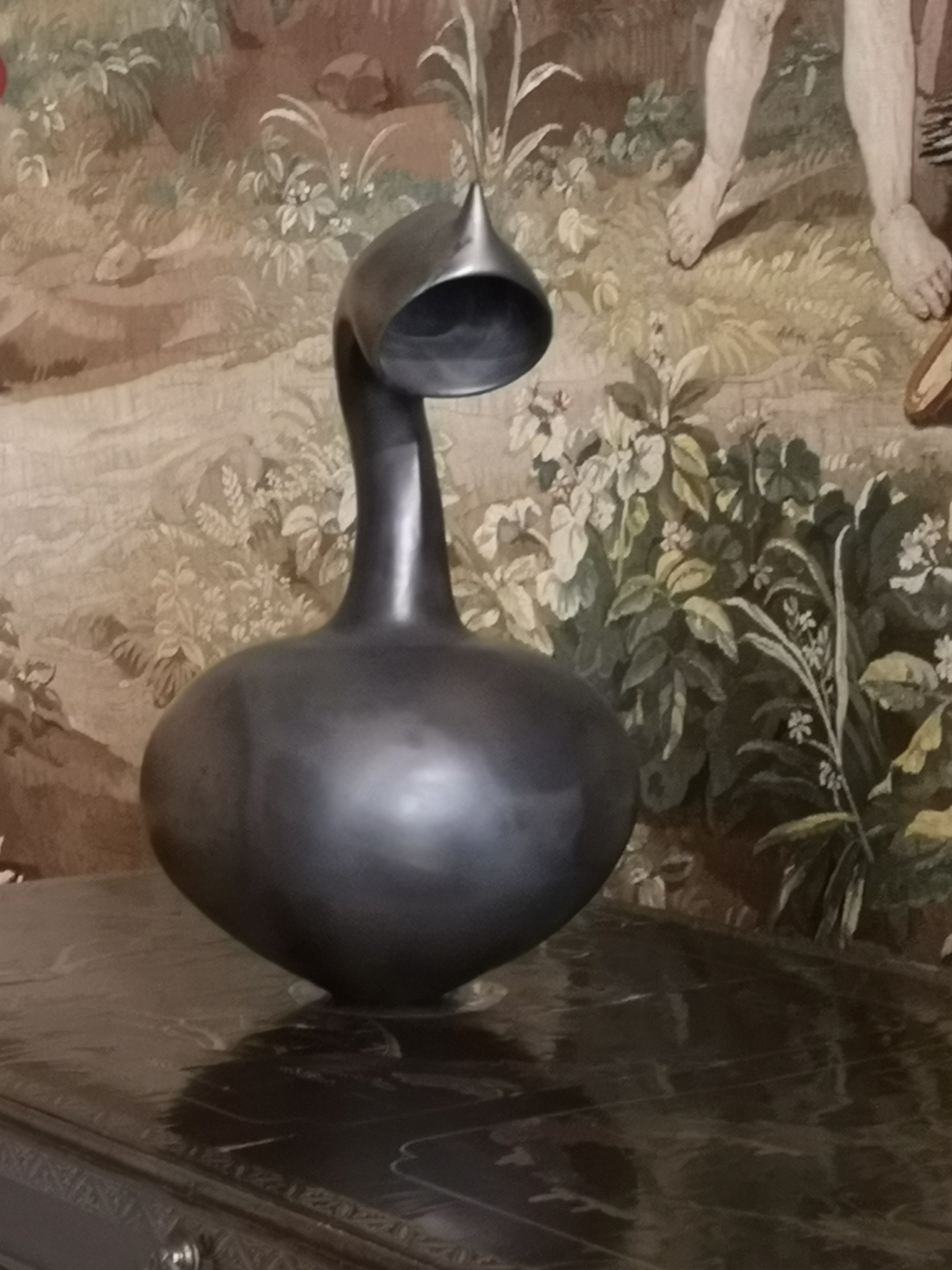
The above photo is of one of Dame Magdalene Odundo’s pots, on dsiplay in the appalling oppulence of Houghton Hall, Norfolk. The juxtaposition of empire plunder and black female art was by far the highlight of our vist there a couple of months ago.
In my above rejection of the centrality of the ‘great artist’ narrative, I must acknowledge that some people have particular gifts and skills. What they do with this gifting should be a matter for their own exploration and of course some will reach fame and acclaim in their own lifetimes. Many will not.
I am more interested in ordinary artistry – in the way that we all seek to orniment, to illustrate then to make meaning through object and experience. When we collectivise this pursuit, adding power to each other, becoming more than the sum of our individual talents, special things happen.
There has to be space and room for both.
 this fragile tent