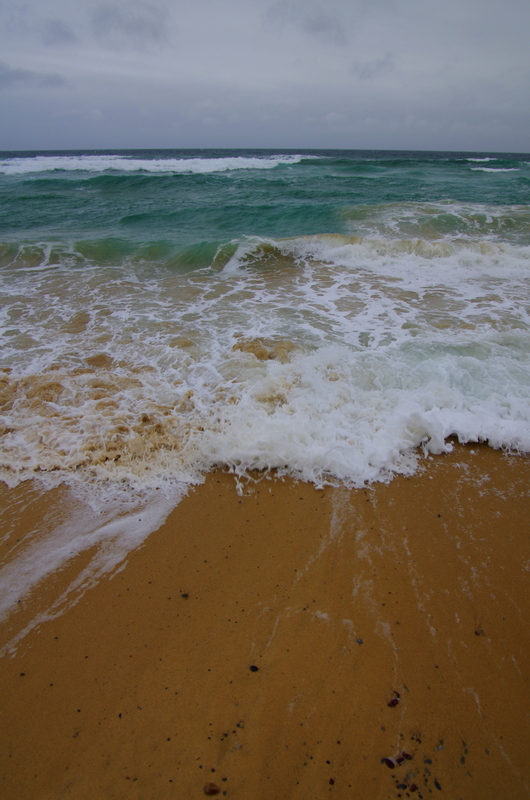
All change.
Yesterday was amber
Today jade, draped in damask
The wind carries parcels of sea and salt
For whom can contain the waves?
All change.
Yesterday was amber
Today jade, draped in damask
The wind carries parcels of sea and salt
For whom can contain the waves?




I know, other people’s holiday snaps are rather passe. But I feel the need to prove to you that early spring in the Hebrides is but a small step from heaven.
It was one of those days in which you could wear hats and scarves or shorts and tea shirts, dependent on your age or fortitude.
Some of us even went swimming…







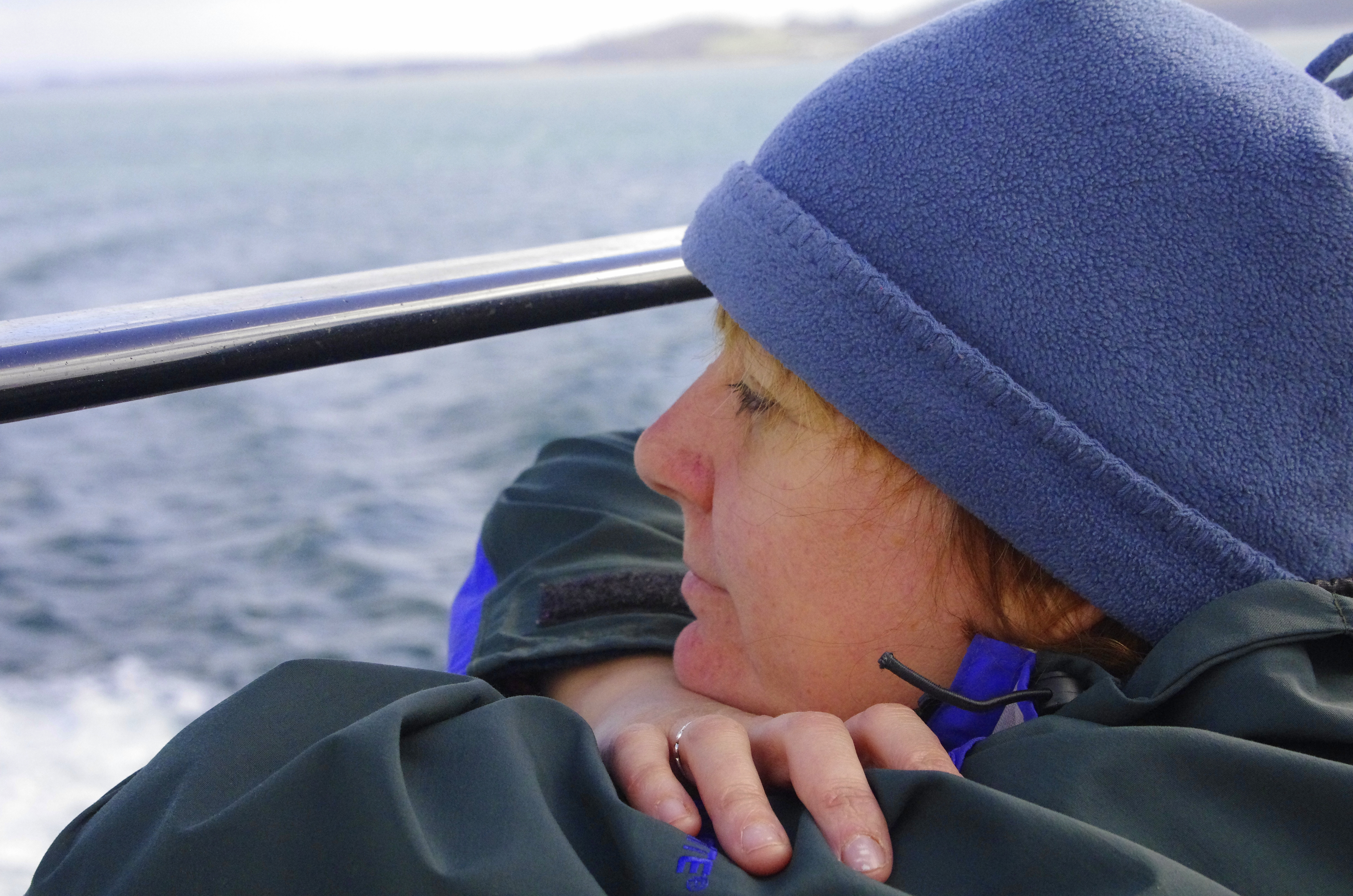
Today my lovely Michaela is 46.
We are away on the island of Coll with some friends… a few photos are required I think…




It is all go for us these few weeks. Over the weekend we have been down in England visiting family- I loved spending time with my sister and her managerie of dogs and no-longer-kids. It was Ben’s birthday and Lily is off to work in a hospital in darkest rural Uganda…
I also took my mum out for the day to Woolaton Park– it is so long since I lived in my place of birth that these excursions to what where once local land marks increasingly feel like anchorage point on the high seas.
Talking of high seas, our next excursion is with a group of friends out to the Hebridean island of Coll. It is Michaela’s birthday on Wednesday and 15 of us have taken over the recently built community owned bunkhouse. Our ages range from 13 to 75.
See you the other side of the sea…
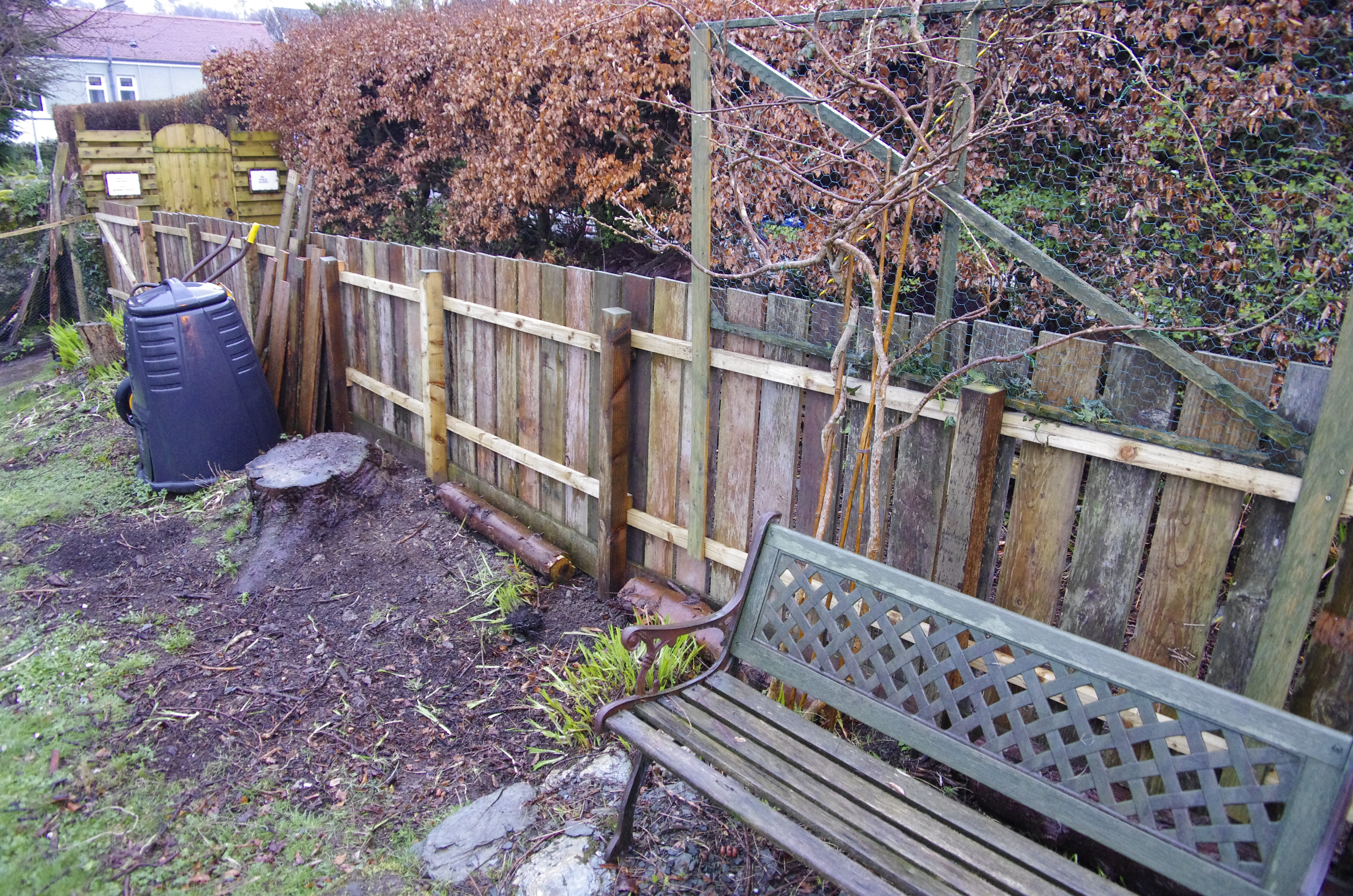
I spent four days building a new fence. The big winter winds did for the last one and now it is replaced by a smaller more solid version. My arms and knees are knackered from the labours.
I normally like doing things like this; I am in my own head, working with my hands, but still with a whole interior world to explore. I love too the sense that what was not is slowly becoming.
This time, it felt slightly different. The house is surrounded by other kind of fences- over which neighbours are at war with neighbours. I am building this fence just as my house is going on the market. I am building it to define the lines of defence for the next occupants.
Fences.
OK for keeping chickens in, but useless as a method of building communities.
I am not done with community, but it is time to move on…
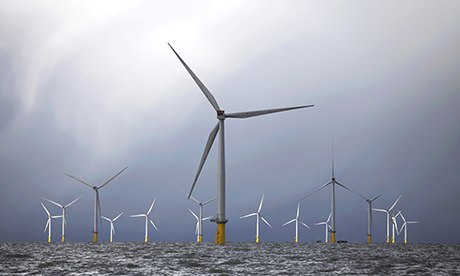
Our prime minister, David Cameron, has revealed that he intends to cap the number of wind turbines in our oceans and on our hillsides. It seems a long way from his ‘Vote blue, go green’ days. “get rid of all the green crap”, he said recently.
It is hot news in our parts– the rights and wrongs of wind farms.
I have always found myself slightly divided in my opinions about the giant turbines springing up on our hillsides. On the one hand, I love the wilderness of Argyll, and I do not want anything to steal from this. On the other hand, far too much of the land is covered already with contour planted conifers, and these offend my eyes every time I drive north. The fact is, despite how wonderful Argyll is, very little of it is true wilderness. Every hill has been shaped and changed by man, or by the animals we put there.
But a whole hillside full of white windmills? You can’t ignore them can you?
I still remember the first time I saw a wind turbine. I was about 19 or 20, and visited the Alternative Technology Centre in Macynlleth, Mid Wales with my friend Mark. It was a magical place full of hippies eating bean burgers and experiments with compost and conserved fart gas. Up on the hill they had two of these new fangled turbines, turning in the Welsh wind, regal and wonderful. I could not take my eyes of them. They had a grace and a wonder- they promised to my naive eye the possibility of a real alternative to the consumption of fossil energy that was surely of the devil.
They seem to have gone all posh these days- not a tie died pair of underpants on show anywhere;
But just because I went all tellytubby back in the 80’s, this does not really make an argument for or against industrialised wind farming now does it?
Well, perhaps it does. I suspect that our opinions about these turbines has little to do with the hard ecological/economical facts. These are obscured by entrenched battlements, from behind which hand-grenade statistics are lobbed out by each side.
One side opens with stats that suggest that wind farms are not an economic reliable source of power- wind is not constant, it can not be matched to peak demand, it can only manage a few 40 watt bulbs. The other side counters with the fact that wind IS constant enough in the right sites, of which the UK is almost uniquely blessed, and technology to store energy (such as using pumped hydro electric schemes) is getting better all the time. They would also suggest that the unit price of wind power is less than that using generation through heat from fossil fuels. (If you are interested in some of the more balanced use of facts around all this, check out the wikipedia entry.)
The other side comes back with the impact on wild life- bird strikes in particular. We are siting these giant scimitars in the paths of migrating birds, and in places where some of our most iconic raptor species cling to the fringes in small numbers. This is countered with the fact that any bird deaths caused by wind turbines are localised, and tiny by the numbers killed by the polluting effect of more traditional generation technology, which kill birds a thousand miles from their smokestacks.
Perhaps the real issue is that we feel out of control of all these carbunkles festooning our hillsides. They are schemes cooked up by big business and planning departments- contrast this with the German situation, where most windfarms are owned and administered by local communities.
Back to David Cameron and the Tories. Given the global and national pressure to reduce greenhouse gas emissions, their willingness to stop new wind farm development seems rather bizarre.
Perhaps Cameron is pandering to the far right of his party, who would see The Centre for Alternative Technology as some kind of hell. They shoot Grice in these places old boy…
Perhaps the other driver is the fact that even though wind farms are big business, they are not the right kind of big business- too European, too beanfeast. The City of London prefers Nuclear. Even French Nuclear.
But I think the main reason is that they never stood before a turbine as an impressionable teenager, slightly bloated from undercooked pulses, awed by the grace of the things- and the possibility that technology could be good, not just expensive.
I, on the other hand, would happily strap one to my house…
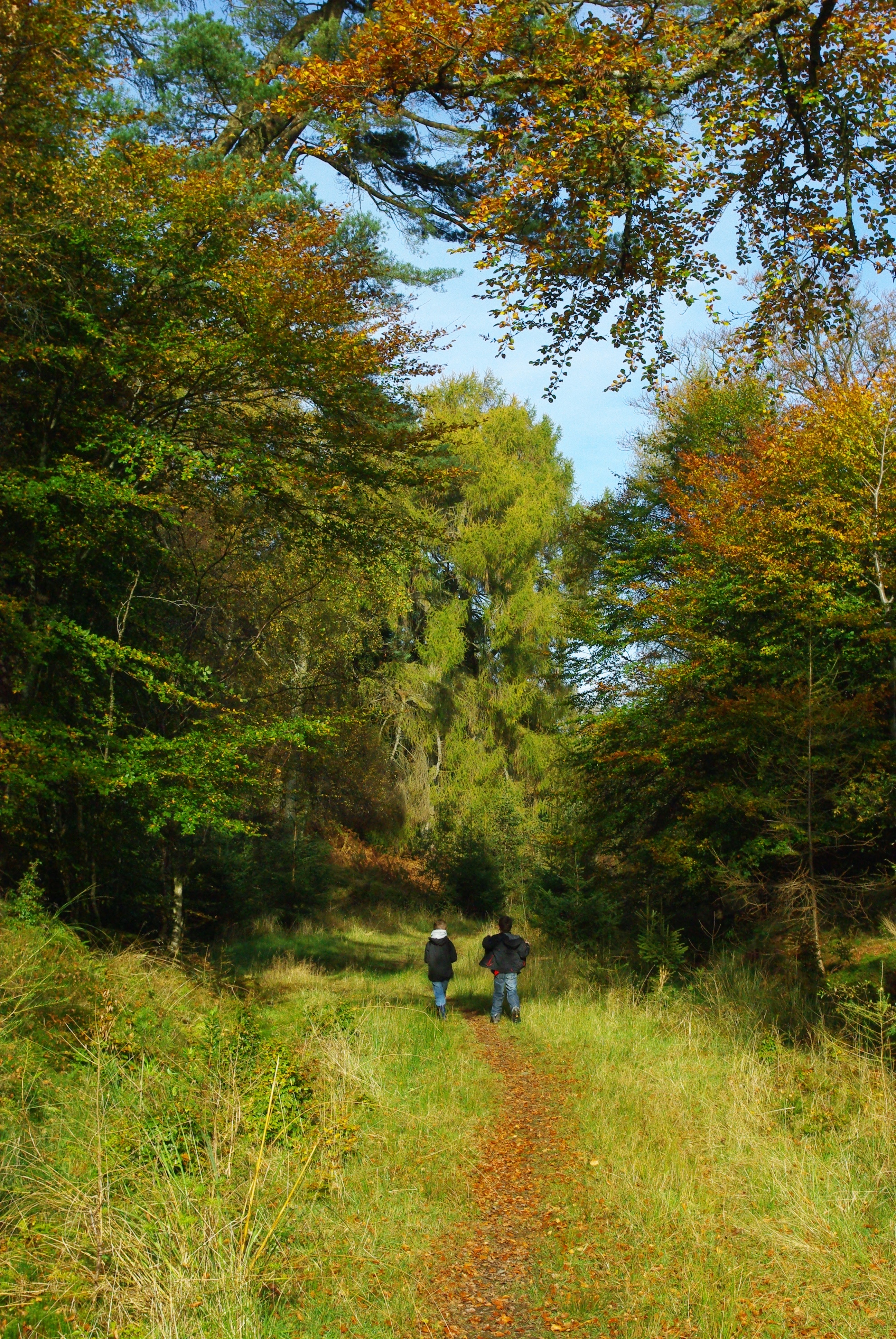 Over the decades working as a social worker, I have worked mainly with adults, often who were suffering the consequences of a childhood in which they have been damaged almost beyond repair.
Of course there is rarely, if ever, a smoking gun. We can surmise that some of the experiences are causal, not just associations, but proving this – separating it from so-called genetic disposition, or from weakness of personality, or the consequences of all the maladaptive coping strategies that we use to get by, and then become the slave of – this is another matter entirely.
It will not surprise you then to hear that I have been more than a little interested in the recent news that the government are to introduce a new criminal offence in relation to the emotional neglect of children. Robert Buckland, the Conservative MP for Swindon South was quoted in the Guardian as follows;
Buckland said: “Current law focuses only on the physical effects of abuse, stating for example that it is an offence to ill-treat a child resulting in the ‘loss of sight, or hearing, or limb, or organ of the body’. Emotional neglect, by contrast, which modern science now shows can be equally as destructive to a child’s wellbeing as physical abuse, is excluded from the law.” Action for Children said that out of 41 legal systems examined around the world, only two, including England, did not criminalise emotional abuse.
It is worth remembering the rather shocking research results about the link between emotional abuse and the later development of psychotic illnesses- Oliver James in the Guardian said this;
A definitive analysis of the 41 best studies into the impact of childhood adversity on the risk of psychosis (mostly schizophrenia and bipolar disorder) was published in 2012. It broke down the role of different kinds of maltreatment. Emotional abuse meant exposure to behaviour such as harshness and name-calling from parents. Emotional neglect meant lack of love and responsiveness. Overall, in order of impact, emotional abuse increased the risk of psychosis the most (by 3.4 times, physical abuse and emotional neglect did so by 2.9, sexual abuse and bullying by peers by 2.4).
That emotional abuse is more damaging than sexual and physical abuse may seem surprising, although they tend to go together. One study found that the emotionally abused were 12 times more likely to be schizophrenic than the general population (compared with six times for the physically abused and twice as likely for the sexually abused).
Another study followed adolescents for 15 years and found that over a third became schizophrenic if both parents were hostile, critical and intrusive, compared with none where only one parent was or neither were.
In his definitive book, Models of Madness, John Read, a clinical psychologist at Liverpool University, shows that in the 10 studies testing the matter, the more extreme the childhood adversity, the greater the risk of adult psychosis. The results are similar for the number of adversities.
In one large study, those subjected to five or more adversities were 193 times more likely to suffer psychosis than those with none. Similar findings come from studies of less extreme emotional distress. In the definitive one, which followed 180 children from infancy to the age of 18, 90% of those who suffered early maltreatment qualified for a mental illness. Emotional neglect under the age of two was a critical predictor.
It is in light of this evidence that the government’s plans must be understood: the crucial role of early nurture seems to be accepted in a cross-party consensus.
Why then do I still find myself with an uneasy sense of foreboding about all this?
I think it is because child protection in this country has been characterised by such simplistic banner waving. We are desperate to find someone to blame; the reason children are abused is because of all those horrible people (who are not like us) who need to be sorted out. If only the bloody woolly liberal social workers would get out of their bloody CND meetings and do their bloody jobs.
I also know just how incredibly difficult it can be to firstly identify the damaging patterns of parenting that might be categorised as emotional neglect, or even emotional abuse. Add this to the growing awareness within child protection services of the association between parental mental illness and emotional neglect. The fear is that the perfect storm of political pressure and the desperate need to protect children might end up demonising and criminalising parents who are themselves needing help and support.
This recent Ofsted report kind of makes the same point- back in 2013, they called for a mandatory reporting system for mental health services to collect data on children whose parents or carers have mental health difficulties and report on such data nationally. What might we use such data for? My hope is that it would be to assist families. To get alongside young people and find ways of making them feel special, loved, accepted. For injecting a sense of delight and wonder into their childhoods. But this is no easy task either.
These are complex issues, requiring careful thoughtful engagement. The law is part of this, but it is a blunt instrument- applied when it is actually too late. Suggesting that such a law will operate as any kind of deterrent on people who are often affected by their own complex difficulties is fanciful in the extreme.
When will politicians stand up and trumpet a the unsexy quiet work of the family link workers, paid just above minimum wage, who hold the hands of children who most of us would never give a second glance?
 this fragile tent