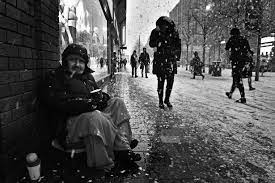
Advent conspiracy 19: the loss of light…

It goes without saying that here in the northern hemisphere, the advent season is inseperable from the deepening of winter, the shortening of days towards icy darkness. The longing for light. It is this juxtaposition that adds immersurably to the poigniancy of how we approach it, so much so that I find it difficult to imagine what a southern hemisphere advent, with just the opposite trajectory, might look and feel like.

Here there is also a feeling that we are treading pre-Christian paths too, in that the traditions that come to us only in fragments suggest that our ancestors also felt the spiritual significance of this season, so much so that they celebrated their own rebirth in the great festival of Yule, the winter solstace. Of course, any of these fragments live on in our Christmas traditions – the date itself, the mistletoe, the father christmas, the tree, the candlelight…

Rather than disturbing our Christian world view, I think it is more helpful to attempt towards a gratefulness because we stand in a long line of people trying to hold and help each other through the darkness.

I don’t need to tell many of you about how hard the season of darkness can be, or why these depths of winter, approaching the enforced jollility of Christmas, can sometimes be the lonliest place.

Perhaps it was not like that in the more connected, agricultural communities that were previously celebrated the winter solstace, but then again, there are always outliers in any human grouping. Those cast low or cast out.

Despite the stark beauty, winter can be cruel.
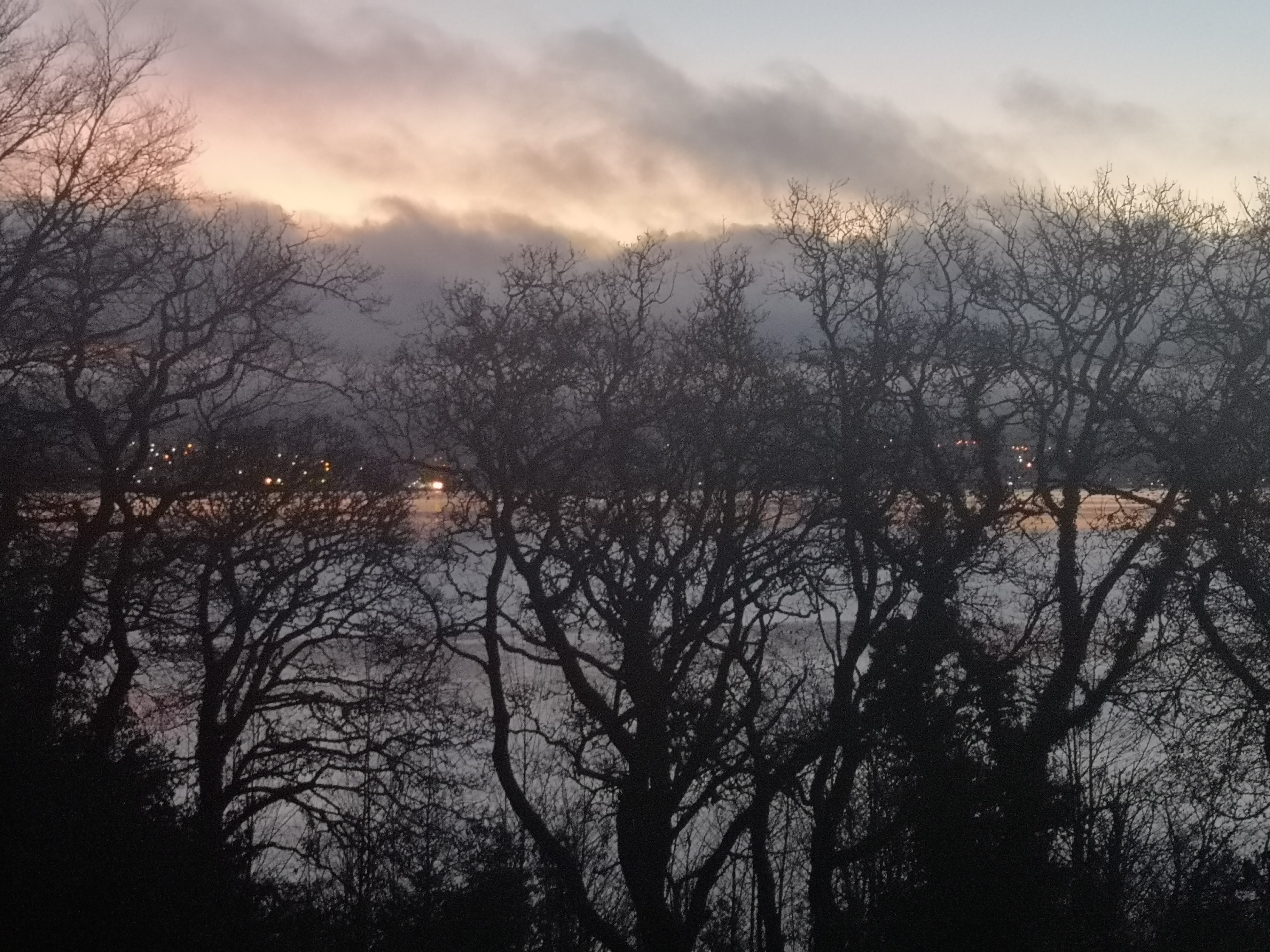
In to this dark place, the Jesus that comes through the old stories, and through the lives of those trying to hold and help, is not one who makes the winter go away. That searing passage from the beginning of John’s gospel about the darkness not being able to put out the light never pretended that darkness would not continue to exist.

Light exists in the midst of darkness, just like solstice comes at the depth of winter.

I would like to share with you a poem, which means a lot to me. It was my attempt to banish my own winter blues and to look for light.

Light of the world

.

The low winter sun takes power from

Puddles of last night’s rain and I turn away

Resonating to signals sent from distant stars

.

Something glints in the tops of bare branches –

A flash of wing or a white tooth or the

Coming together of choirs of angels

.

And in a wet manger of clogged earth, summer

Sleeps, waiting for light to burst out

Brand-new hallelujahs

.

For behold, the light is with us. The light is

In us. The light shines in the darkest places –

It even shines in me

Advent conspiracy 18: looking backwards in order to look forwards…

Photo by Alex wolf mx on Pexels.com

This post invites you to do a bit of pondering…

One of the gifts of advent is to set the business of hope in both a historical and an extra-historical conext. In other words, hoping has been going on for a long time, even if our own version always seems the most pressing. Even in the span of my own lifetime this seems true, in that my own adult children believe that the political and economic circumstances they are forced to endure are the worst ever, – a view that is unchanged despite my description of the Thatcher years I grew up in.

To help us think about this a little more, I offer you two videos. The first one is rather long and describes anthropological and architechtural work to try to understand the pre-agricultural hopes of ancient civilisations.

Why? I hear you ask. The answer to this is perhaps more evident in the light of the second video, which is of me reading a poem.

Until the realities of man-made climate change and ecocide became more widely appreciated, human history was almost always understood in terms of rise, ascendence, progress, advance. We moved from being primative towards civilisation. It is perhaps of note that the history we speak of is only a fraction of human history. Homo Sapiens – people just like us – have been around for at least three hundred thousand years, but our knowledge only goes back a few thousand. For all of those year, our ancestors hoped.

What where they hoping for? David Wengrow (in the video) describes a fascinating account of the abandonment of a sophisticated city, and a return to the land. The hint here is that people may have trying to find a better way to live.

Just like us.

Here is my poem, written a few years ago, recorded in the spring hills.

Advent conspiracy 17: the leg club…

Another delightful post from Steve Broadway…

For the past two months, I’ve been attending a remarkable weekly ‘Leg Club’ (don’t laugh, it’s a clinic specialising in treating people with all sorts of horrible foot and leg issues)… and, brilliantly, they’ve just discharged me! It’s led by 3-5 specialist nursing staff plus a team of perhaps 8 volunteers. They probably deal with perhaps 30-40 patients a day. Most of the patients are ‘regulars’ who come to have their condition monitored and their specialist dressings changed.


It’s a rather humbling, compassionate experience – which includes nurses kneeling on the floor and carefully washing patients’ feet (and legs).

It’s an almost biblical scenario.


Over the past weeks, I’ve been cared for by the same nurse on three occasions. We’ve chatted and it turned out that, apart from her weekly attendance at ‘Leg Clinic’, she was a full-time Carer for her mother… and apparently had been for most of her adult life (the nurse is perhaps in her late 40s). The last time we’d chatted, she told me that her Mum had recently been transferred to a ‘home’ and so I enquired how her mother was getting on.
The nurse paused, looked at me and gently explained that her mother had died a fortnight ago.


As you can imagine, I was quite devastated.


We continued to chat about her mother and how the nurse had been coping since her death (I’d previously got the impression that the nurse was single and lived at her mother’s house). She told me that her mother’s death had left an enormous vacuum in her life – it had happened so suddenly and that her mother was ‘her life’… and that’s what she did. What was going to happen now? What would she do? How would she cope? We continued to chat quietly and I hopefully said the ‘right things’. I even asked her if I could give her hug… and she said yes, that would be ok… and so I did.


And then she said: “My mother was quite religious and fairly recently told me that she’d like to die either at Easter or Christmas… and so I think she’d be happy”.

I’ve been thinking of the nurse quite a lot over the past few days.


I hope she’ll be alright.


I hope she’ll be able to take time to evaluate things and be able to find a new focus in her life.

I hope her mother’s God will be with her on her journey this Advent.

Advent conspiracy 16: Eric in his party hat…

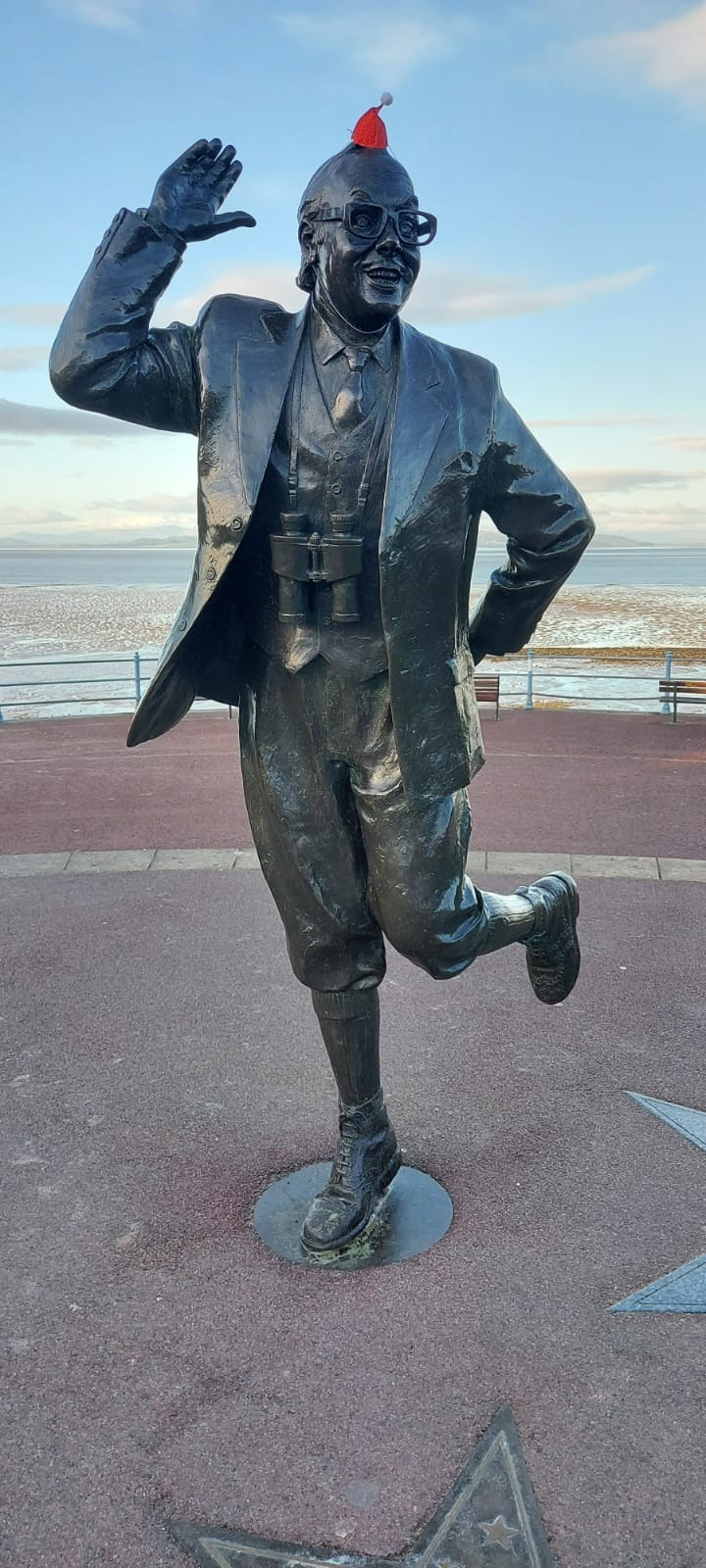
Today we welcome a new voice to the conspiracy – Poet Steve Page. I first met him years ago as one of the poets contributing to an anthology. I remember well how his playful use of words impacted me. More recently we have had the pleasure of him staying here, sadly because of the loss of his mother in law and the need to travel to attend her funeral. It was great to spend some time with him talking poetry. Here, Steve’s advent reflection starts with a statue of Eric Morecombe. Who else?

Christmas Past 

I’m sitting in The Lighthouse Cafe in Morecambe Bay.   Looking up from my scrambled eggs I can see Eric Morecambe (dancing of course), silhouetted against a cloudy sky.  Someone has placed a party hat on his head – I’ve no idea whether that’s a permanent feature, but it’s apt as I’m reminded of his TV appearances with Ernie and the laughter that accompanied them from our family sofa.  And so I drift and reminisce.

I know that Advent is a call to anticipate, to look forward into the not yet known chapters that await us.  But I’m also drawn to reminiscence as I anticipate another Christmas while imperfectly recalling Christmases past, a warm childhood, a loud family and Christmas specials like the Morecambe & Wise shows. And it’s in that tension of the push and pull that I find myself once again.

I am grateful for the prompts to think ahead, to place value in the wait, the anticipation of what is in store for me and to perhaps make some plans.  But I’m also grateful for the prompts to remember, to recall the path that brought me here.

Today I’m driving south back home having spent a few days in Scotland to attend my mother in laws’ funeral.  Like a lot of us I feel that I’ve been to too many funerals these past few years, but I must admit that each one has been a prompt to think back and remember, to give thanks and to express love to family and friends.
And each one has also been a prompt to think ahead, to garner more determination to make each year count.

And, not for the first time, I dug around for this old poem:

Remember

Remember to think better, 
think further, think deeper and with vigour.
Pepper your remember with colour, with light,
with friends who delight.
Boost your remember with story, with histories,
with cramped group selfies.
And remember your remembers
whenever, wherever you drift off centre.
And there you’ll rediscover your defenders,
your never-surrenders – against all contenders.
Then you’ll remember your forevers.


Bonus  feature:  Harry Nilsson, ‘Remember’


Advent conspiracy 15: snow on the roof…

As much of the country is wearing the first snowfall, this seems appropriate. Today Bob Fraser treats us to a lovely song written with his wife Val. I’ll let him tell you about it…

By the way, Bob has a long history of making fantastic music, including writing songs still being sung in churches up and down the country.

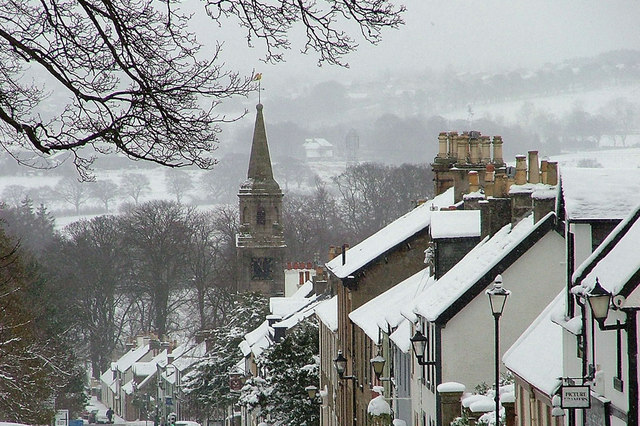
Eaglesham in the Snow by Stewart Macfarlane is licensed under CC-BY-SA 2.0

There are a few songs that I’ve written that can only really be sung at certain times of the year. They just don’t seem relevant if I sing them outside their seasonal references.

One such song is Snow on the Roof, with lyrics written mainly by my wife Val, with a few lines and the tune added by me. It was written during a time when, amongst other challenges, we were both going through the decline and eventual loss of parents. The lyrics I added were in what song-writers refer to as the Middle 8 – ‘Joy and pain run side by side, like ebb and flow of time and tide. Friendship matters and family too, so here in my heart I remember you’. This resonates with the comments by Graham Peacock in Advent Conspiracy 11 when he refers to older hymns saying ‘they seem to hold joy and pain together better than any other form of song that I know’. The video Val created to go with Snow on the Roof tried to capture those feelings of joy and pain running in parallel, together with the importance of family ties and friendships in our lives.

This season, and the songs that accompany it, can lead to a kind of mellowing, a melting of hearts hardened by life’s challenges. We remember Christmases of old, sometimes all the way back to our own childhood, grieve once more for the folks who are no longer with us, and huddle around the fire to feel warmth and comfort from those close to us.

Advent conspiracy 14: spiritual practising…

Before you correct my spelling (I am dyslexic after all) I did mean to spell practising with an ‘s’ rather than a ‘c’.

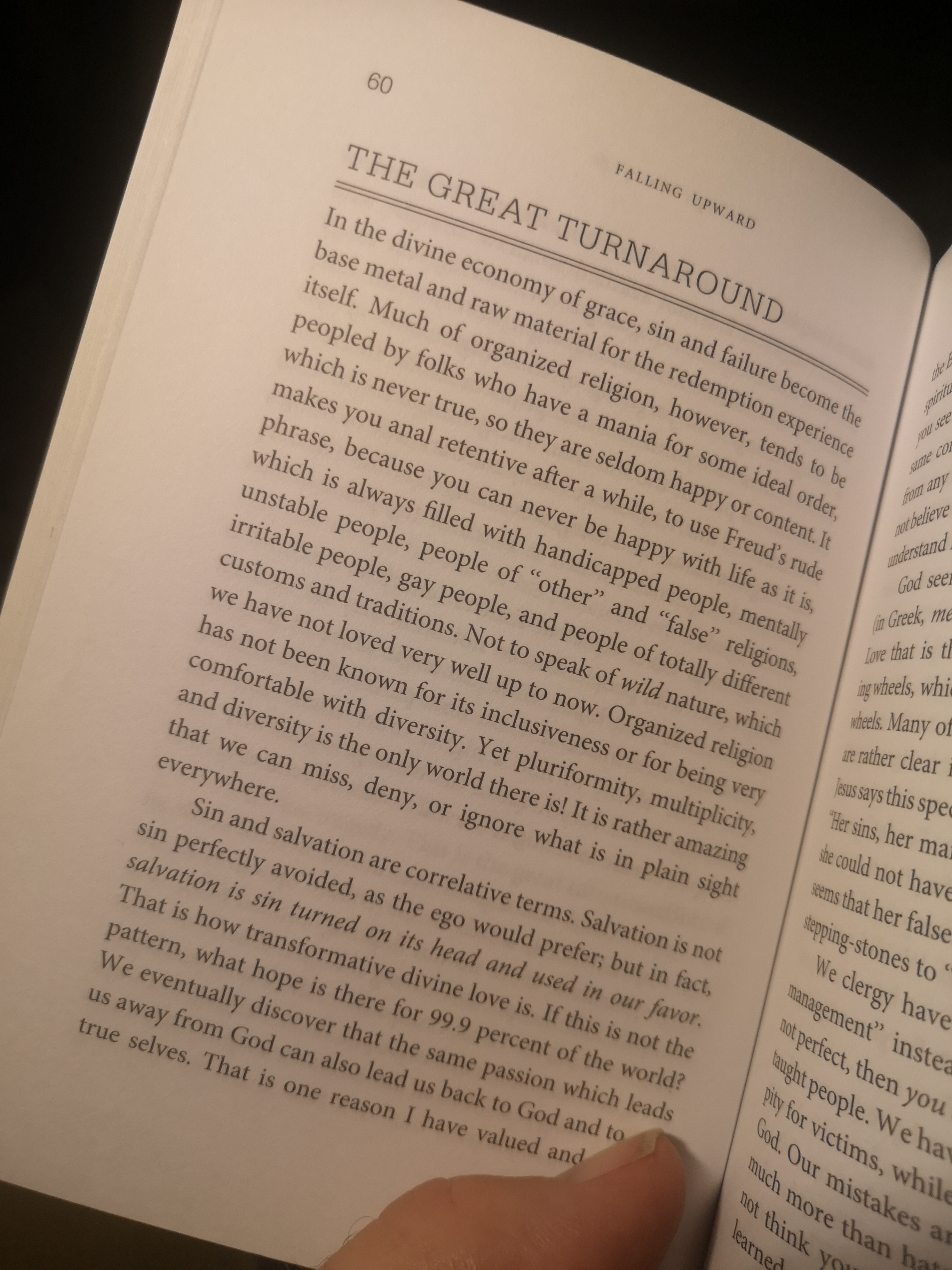
This side of the Atlantic there is a difference, in that ‘practice’ (noun) is a naming word, whereas ‘practise’ (verb) is a doing word. The distinction is very important when applied to spirituality I think. Too often we have named our doctrines – written them in gold ink – and mistaken this for the hard work of practising the adventure of faith, in all its fumbling uncertainty and ephemeral transcendence.

As I consider my own experience of this kind of practise, I have to acknowledge that I have spent too long ‘practicing’, as if for an exam that I have under prepared for. I have been too concerned with getting things ‘right’, forgetting that most spiritual journeys are advanced more reliably by getting things wrong – by failure and falling flat on our faces.

We practise not to get things perfect, but in order to stumble towards grace.

As ever, Richard Rohr puts it better (from ‘Falling upward‘.)

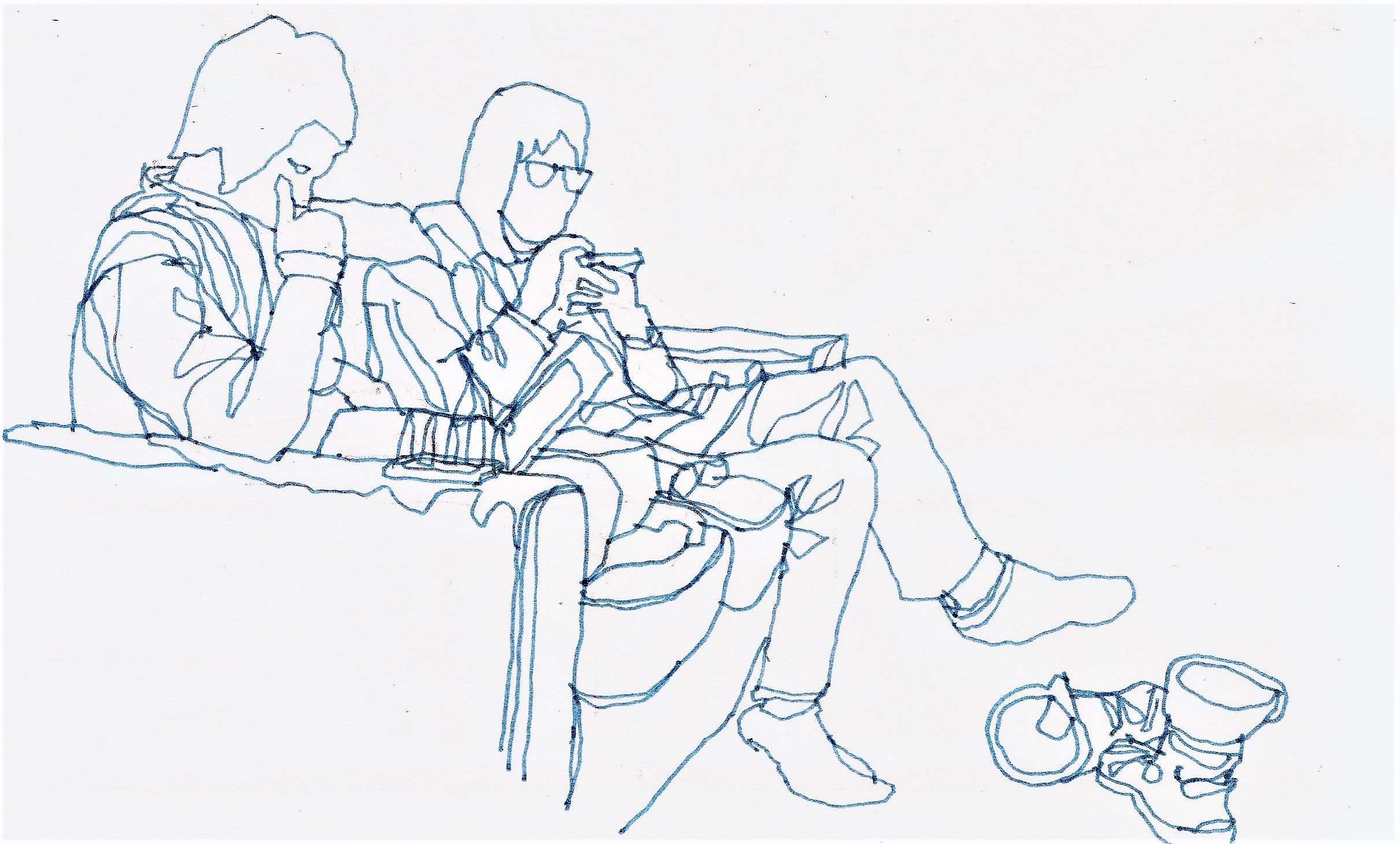
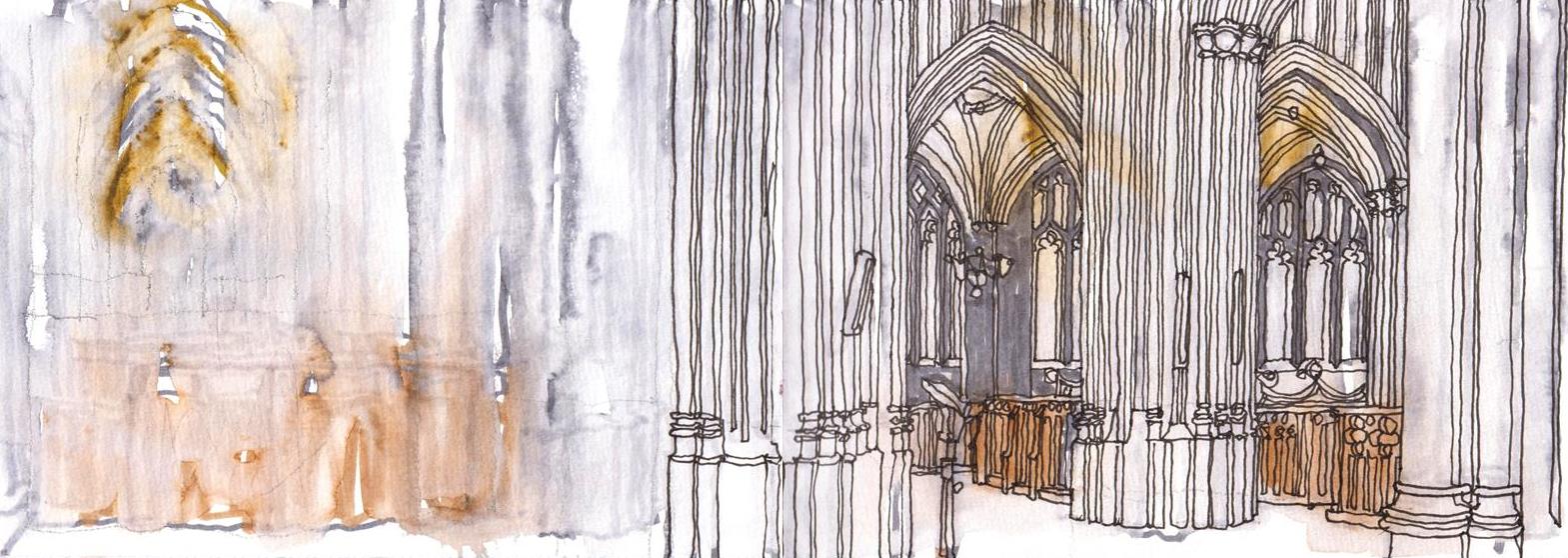
I was reminded of the business of practising again during a conversation with Steve Broadway (a name you will recognise as one of the contributors to this ‘conspiracy’.) I was asking him if he saw his remarkable artistic practise as a ‘spiritual’. After all, it is a daily meditative experience, involving something I can perhaps best describe only in poetry.

Incense scent of shaved pencil

Scratch of point on paper

Trace the turn of heel

Whilst hardly looking

Steve was characteristicaly modest, as if unaware of the rarity of his gift and uncomfortable with promoting his ‘scribblings’ as anything as grand as spiritual discipline, but I think that is exactly what they are.

For him, it is the pause, the looking deeper, the vitilisation, the tingle of connection to the undefinable beyond, the moments ‘in the flow’. It is a different way of looking – at small things, with love.

It has nothing to do with practice, because to label it, to try to contain it within doctrinew would be too pompous and self consciously ‘religious’. It is not seeking to make converts -even of its own adherants – rather it is the grounding of being on something both beautiful and broken.

(I have tried to describe the relationship between spirituality and creativity before, using the term theopoetics. If this idea is of interest you can read a bit about it here.)

Lest you start to think about this kind of pracise as requiring talent of the kind displayed by Steve, let me say that this is not my point at all. I feel strongly that this kind of pracise is hyper ordinary, not extra-ordinary. It is a gift of attention, not an attention placed on giftedness.

Here in post-modern, post-pandemic, post-religious UK, I think we are experiencing something of an unfolding crisis of identity. We cast around for some anchor for our sense of being; some kind of over-arching narrative to give shape and sense to our lives. Into this vacuum, some call us towards patriotism and nationalism. Others invest themselves in sport or the pursuit of unique experience. We all buy in to the dream of aspirational ownership of consumer ideals.

None of these things are necessarily ‘bad’, but many of us still feel them to be hollow, empty of something we find almost impossible to describe.

Is this not the very reason why we turn again to mark the season of advent? Or I could say, why we practise our advent?

We all have at least one more journey in us. One more trip into the unknown, using what we have to try to connect with something we sense but can never fully know.

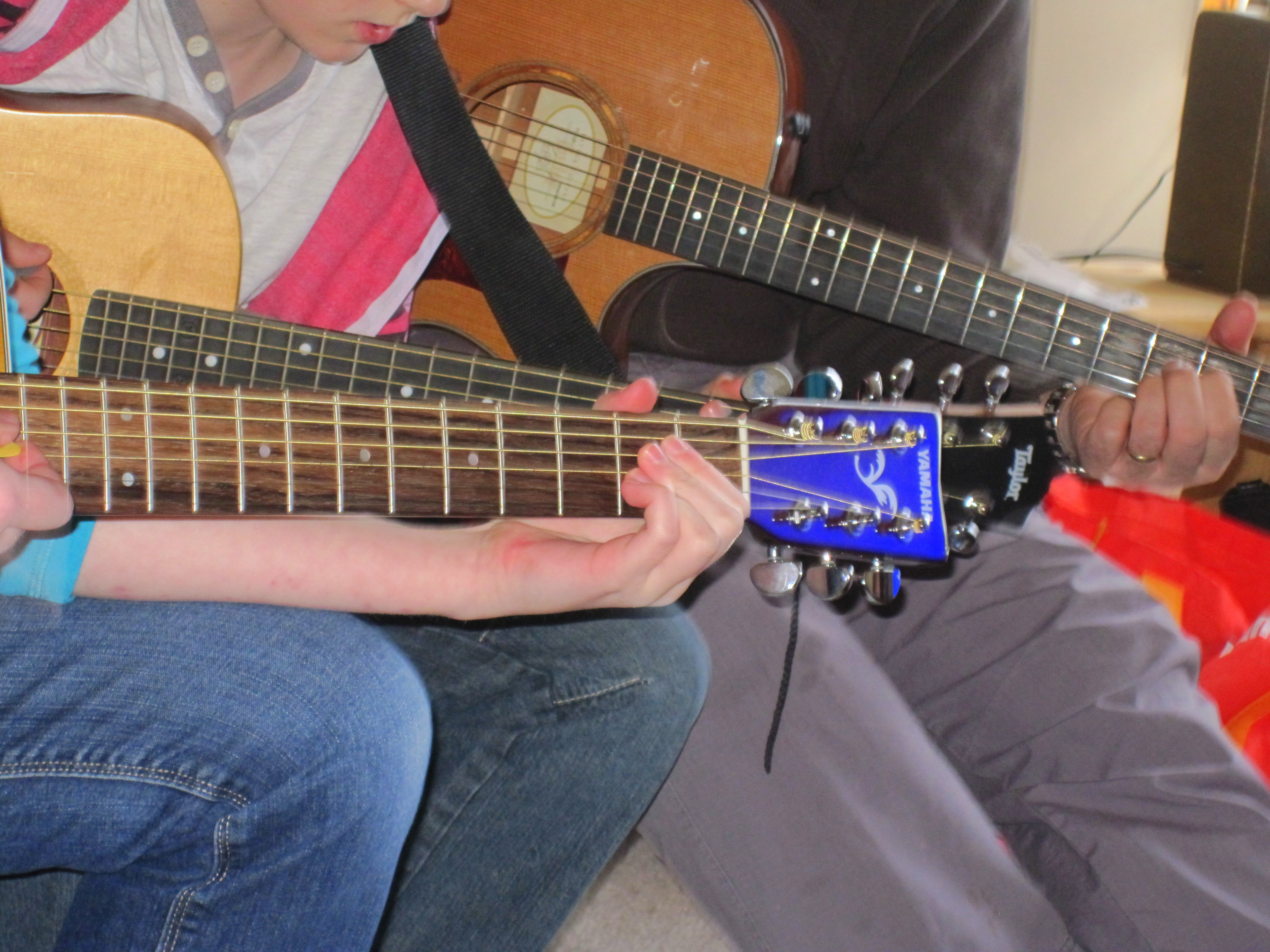
The best we have, my friends, is within those moments when we stop and look deeper, using whichever tools we have – pencil, guitar, knitting needles, camera, or simply…

…silence.

May yours be full of grace and wonder.

Advent conspiracy 13: money matters…

Today we hear some more thoughts from Steve, as he reflects on the excess happening in an around Bristol…

Over the past few days, I’ve been reflecting on contrasting lives…

Here in Bristol, especially on weekend evenings, the city’s streets are heaving with people ‘out for a good time’… the bars are crowded, the restaurants and food outlets appear pretty busy (I appreciate that some hospitality businesses are struggling to find staff and therefore continue to live with all the uncertainties of running a business). Clearly, a lot of people are spending a lot of money… and I suspect that many of them can’t really justify doing so… and, when the January bills arrive, won’t be able to.


It’s almost as if some people are burying their heads in the sand – ‘buy now, pay later’ (or not) – because they perhaps just can’t face the reality of what lies ahead.

I’ve been thinking about politicians who earn ridiculous amounts of money for giving a single speech… about a hedge fund manager who, last year, was paid more £1.5million a day in dividends.


There are so many such examples.

Meanwhile, around 14.5 million people are living in poverty in the UK, according to the Joseph Rowntree Foundation’s UK Poverty Profile 2022. That’s more than one in every five people. Of these, 8.1 million are working-age adults, 4.3 million are children and 2.1 million are pensioners.


In the UK, as we enter the challenging winter period, huge numbers of people are anxious about being able to cope with the so-called ‘cost of living crisis’. It’s affecting people right now – with food, energy, transport and mortgages costs having all increased quite alarmingly – but winter will inevitably bring even greater challenges.


Such worries will inevitably have severe implications for people’s mental and physical health. In many instances, it will put family relationships under great strain; some might end up losing their homes. Many simply don’t know how they’ll be able to cope and, if so, how long they’ll be able to cope for.

So, yes, this Advent will certainly be a time of waiting and anticipating… but perhaps, for many, not quite in the traditional or spiritual sense.

Advent conspiracy 12: bring on the songwriters…

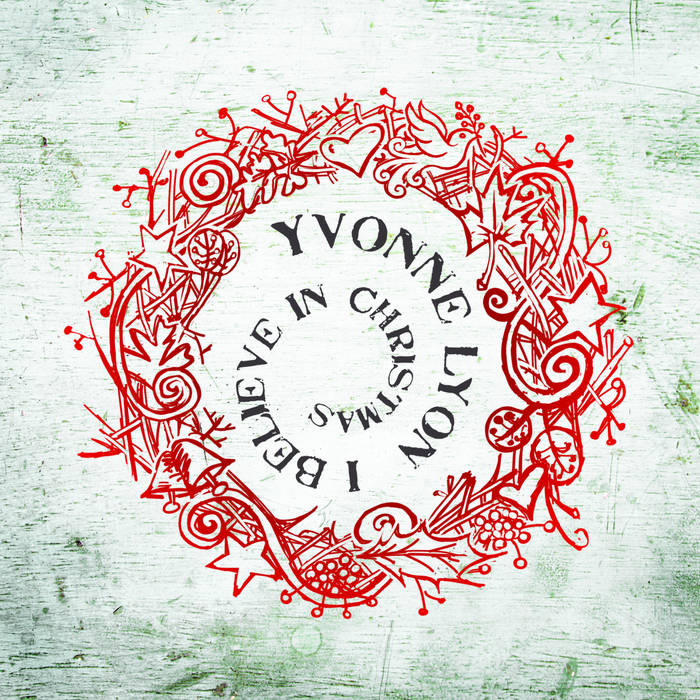
Today I have the great pleasure of introducing some words from our friend Yvonne Lyon, multi-talented artist/musician and star of TV and stage across the land. She has ten studio albums to her name, and has that poetic gift of framing things in words and music in such a way as to take you deeper into yourself.

If you do not know her music, you really should. Check out her website, or Youtube, or all the good things on bandcamp.

Today she reflects on an old Christmas song and how music can connect us to deep memories, particularly during this time of year.

This song is now ten years old. It was my tiny, and fairly gentle protest against a certain coffee conglomerate in the West End of Glasgow. The ‘red cups’ were eagerly anticipated and it was them that seemed to now herald in Christmas. The song was also inspired by my Dad who would call this ‘the silly season’. For some reason, we both found Christmas difficult. Ironically, we would get together and go shopping on Christmas eve (or there abouts) in an attempt to enter in to the spirit and no doubt to buy a last-minute present for Mum. We would end up sitting in the aforementioned coffee conglomerate wondering what it was all about. Dad never had the answers. That used to trouble me. But looking back I’m glad that Dad didn’t pretend to have them. No platitudes but quite often a humble nod to the mystery of it all. 

Christmas is even harder now. Dad passed away on 18th Dec 2020 in the heart of Covid restrictions, when so called poilticians broke the rules to become celebrities that now broker book deals and when we could only have 20 people at his funeral. I wonder how many similar stories there are (the grieving families that is, not the politician/celebrities). 

Despite the pain and grief, I still believe in Christmas. I also believe Dad does. 

Richard Rohr in his Centre For Action and Contemplation devotionals wrote:

You don’t die into the kingdom of God, you awaken into it. 

I like this

After all. What is Christmas if it is not all about life, life, life.

Advent 11: worship and adore him…

Today we hear from Graham Peacock – chaplain, music lover, impresario, pantomime dame and somone I am proud to call friend.

We start with some more music.

Sometimes the songs we sing stop connecting with us.

I’ve preached and led worship for years. In the last few years choosing to pick something that I can sing with integrity has been a struggle.

In the early years of my Christian experience I used to like worship songs, then I moved through tolerating them to finally if I was at a large gathering finding ways of not singing them. When I hit crises I felt that the only solution that they offered was just to song louder.

It didn’t work for me.

Then I started going back to the older hymns: largely the ones that I had been bought up and first sang as a child without really understanding their meaning. The language is dated, but often quite beautiful. They do another thing for me now: they seem to hold joy and pain together better than any other form of song that I know.

In Advent, I like singing this hymn the most of all. Some days I struggle to contain the emotion when I do. I don’t know why; perhaps it is the tune which seems wistful and full of longing or maybe it is the childhood memories that it elicits. Sometimes I think that I prefer the uncertainty and ‘not yet’ of Advent hymns than the ‘It’s here!’ of Christmas carols.

As I’ve got older, the words have also begun to resonate: I get the feeling that I’m caught up in a bigger, centuries old story of people longing for deliverance and hope. These people never got to see it, but lived and behaved as if it could be; if not for them, for others yet to be born.

That faith moves me: sometimes I feel that I’ve lost it, yet when I sing that hymn, it returns. Maybe what is sung about won’t happen in the way of the images and beliefs that I used to have. Perhaps though it is the longing for deliverance and hope that gives us reason still  to go on and still to keep singing.

Either way, I like the idea that the hymn isn’t impregnated by the first person singular and that I’m not exhorted to ‘rise up/take this land/press into the promise’ or any of the repetitive activist cliches that have long ceased to speak to me. In contrast the hymn seems more relaxed and comfortable with itself and with mystery.

This version is by Sufjan Stevens. I like how it starts almost playfully before sliding into devotion. The fragility of his voice and the quietness of this version makes it all the more powerful: you don’t always have to ramp the volume up to 11 to encounter the Divine.

Advent 10: all that is beautiful and all that is broken…

It is time to break out my winter music, which always starts with this sublime offering from Over the Rhine, which almost always reduces me to tears, so much so that I save it for soft days when I need something to help me get deeper into this season.

I listened to it with a friend today, through snot and tears, at the same time trying to explain why this was a good thing. Music of this kind breaks through to something that matters, which I can only describe using the words of Jean Vanier;

“The quest for the eternal, all-beautiful, all-true and all-pure, and the quest to be close to the poor and most broken people appear to be so contradictory. And yet, in the broken heart of Christ, these two quests are united. Jesus reveals to us that he loves his Father, and is intimately linked to him; at the same time, he is himself in love with each person and in a particular way with the most broken, the most suffering and the most rejected.”

Jean Vanier, Community And Growth

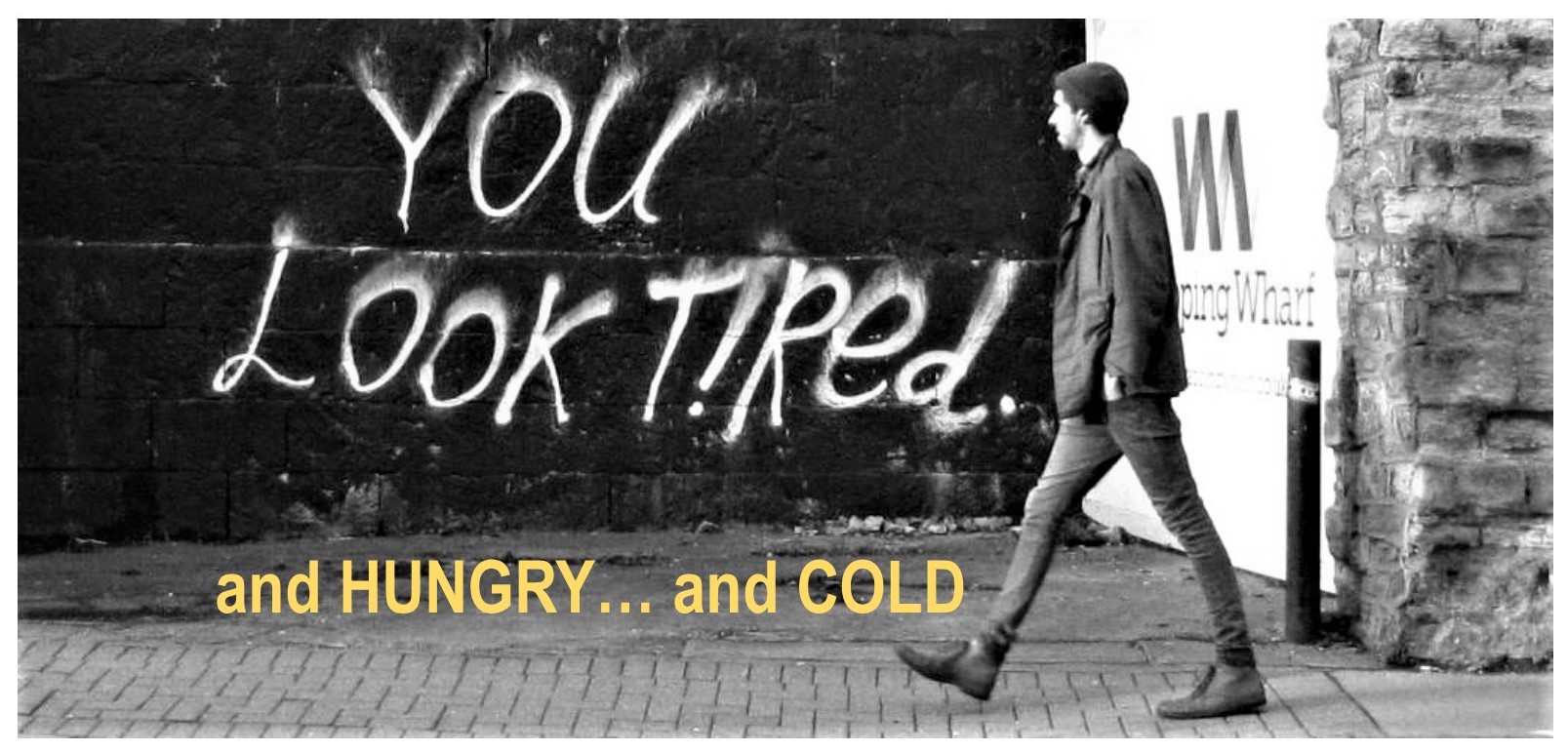
We worked away over the weekend, at a ‘Winter market’, selling the ceramic art that pays our bills. This meant a couple of days in the middle of Glasgow, along with our daughter and son in law who were there for the same reason. After a busy Saturday, we walked towards a chip shop that served safe gluten free grub, through the massed saturday night revellers.

The shop was predictably busy, so we queued to be served then waited for our order, at which point I noticed a girl sitting on the floor, leaning on an overflowing dustbin. She was young, obviously freezing despite the thin blanket she was wrapped up in and appeared to be from a middle-eastern country. Smiling as if to reassure people that she was OK really, she held out a polystyrene cup towards the mass of moving humanity and from time to time gently utter the word ‘please’.

Something inside me broke. I find myself standing on the pavement openly weeping, this time not in a good way.

All the same questions I have asked a hundred times. How is this possible? How can we have become a country in which this is regarded as acceptable? Surely she is not safe? Where is she sleeping tonight? What can I do? Who in power can I shout at right now?

In the end, we bought her chips and she ate them ravinously as if it was the first meal of the day. She assured us she had a bed for the night at a local shelter and I hope this was true, but still, she was on the street, trying to scape money together for the next meal. The system of support we have carved out from the wealth of those who have too much in this country has shrunken down to this.

Today, I wait for the god who comes first to all that is beautiful and all that is broken.

Photo by Timur Weber on Pexels.com

Last year, pondering some similar matters, I re-wrote these words to a famous carol. I am sure you will recognise it.

.

What can I give him, wealthy as I am?

Does he need an i-phone or a well-aged Parma ham?

Should I bring him trainers, a pair of brand-new jeans?

Or Halo for the X-box (whatever the hell that means)

.

In a tower block in Camden, a woman breaks her heart

Her credit score is hopeless, her marriage fell apart

Her cupboards all lie empty, her clothes are wafer thin

Her kids can thank the food bank for turkey from a tin

.

If I were a kind man, I would bring good cheer

I would house the homeless, if for only once a year

I’d buy my cards from Oxfam, for virtue is no sin

I’d send some Christmas pudding to poor old Tiny Tim

.

In the bleak midwinter, frosty winds still moan

And Mr Wilson’s waited ages to get the council on the phone

He’s worried cos his boiler has given up the ghost

And since Mabel got dementia, she feels cold more than most

.

If I were a wise man, I would do my part

I’d sell that gold and incense and invest it for a start

In gilt-edged annuities and solid pension schemes

For without good fiscal planning, what can ever be redeemed?

.

In a lock-up by the roadside a bastard-child is born

To another teenage mother whose future looks forlorn

A host of heavenly angels up high in star-strewn sky

Sing blue-scale hallelujahs as lorries thunder by