I don’t think I have ever started a post with a quote from the bible before, but here we go;
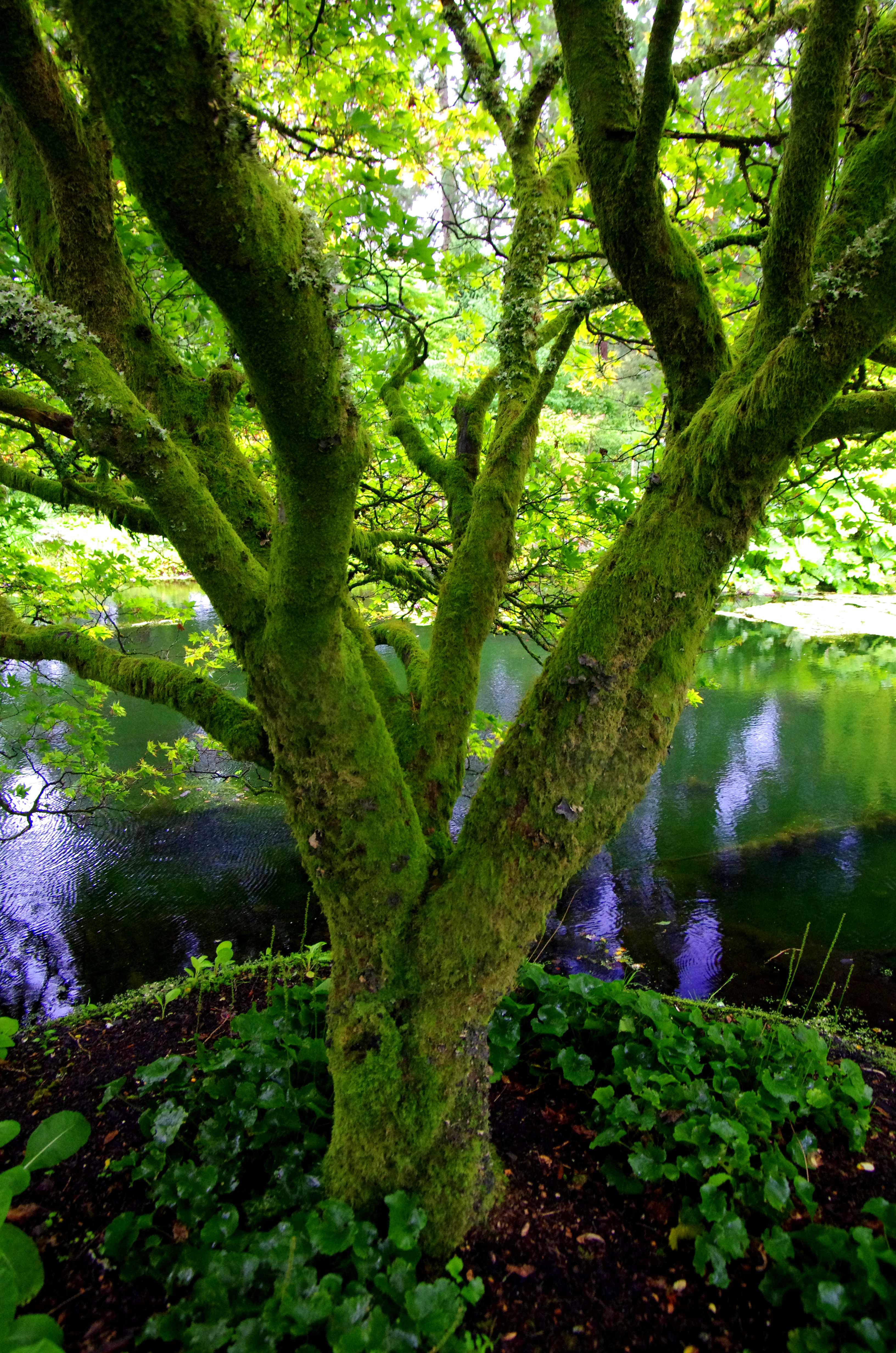
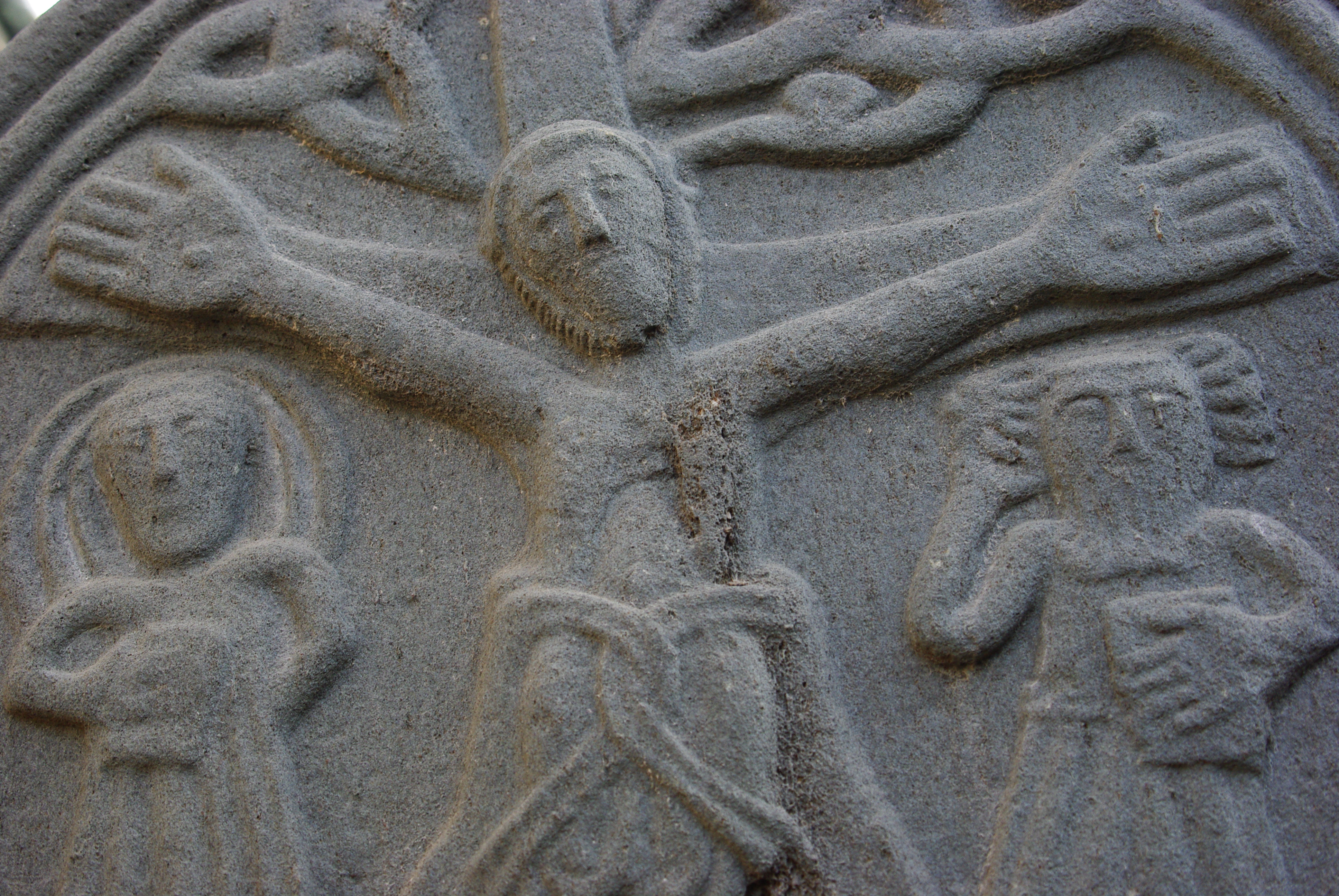
Then the angel showed me the river of the water of life, as clear as crystal, flowing from the throne of God and of the Lamb 2 down the middle of the great street of the city. On each side of the river stood the tree of life, bearing twelve crops of fruit, yielding its fruit every month. And the leaves of the tree are for the healing of the nations.
Revelation 22
This passage is taken from an ancient text written in the mostly forgotten form of ‘apocalyptic literature‘, in which mystical language is used to shine light on the age; to bring new connection between the righteousnes of God and the oppression of the people. In the case of the book of Revelation, we are pointed towards a great reconcilliation, during which all the inequalities and injustices of the past will be wiped away. The bizarre imagary used may well have been better understood back then, and it has been subject to endless (and often problematic) interpretation since, but the utopian dream has been dreamed by all subsequent human generations.
Can we imagine better? What does this look like?
It seems to me that the Hebrew texts are full of these questions, couched not only in terms of individual righteousness, but also in the form of national/international justice and peace. Arguably, our religion has mostly emphasised the individual and convenienty forgotten the national/international.
We live in strange times, when shadows seem to be darkening, obscuring the light that remains. Wars in the middle east are not new, but this one seems all the more vicious and brutal, growing out of injustices that have been sponsored then actively ignored, resulting in hatred and extremist forming like sepsis in a wound. It is a deep irony to recall that the book of Revelation has played a negative part in the unfolding tragedy in Gaza. Christian Zionism, arising in part from a flawed and fantastical modern interpretation of St. John’s apocalypse, has entered the mainstream of US politics. It is a polarising force that makes heroes of one side and dehumanises the other.

Can we imagine better? What might this look like?
Or to return to those searing images from Revelation, where is that great tree whose leaves are for the healing of the nations?
I do not believe that history is unwinding like clockwork towards some kind of great reckoning point, shedding disposable casualties along the way. If the words of this ancient book are anything, if they have any worth, then they have to be encountered carefully, with safety goggle firmly in place. Their ‘meaning’ is no excuse for loss of compassion, loss of love, loss of perspective. The meaning does not outweigh the primary call of that sweep of Christian scripture towards grace, towards an understanding of the profound beauty and dignity of each person and of our relatedness towards each other, and to the created world that carries us.
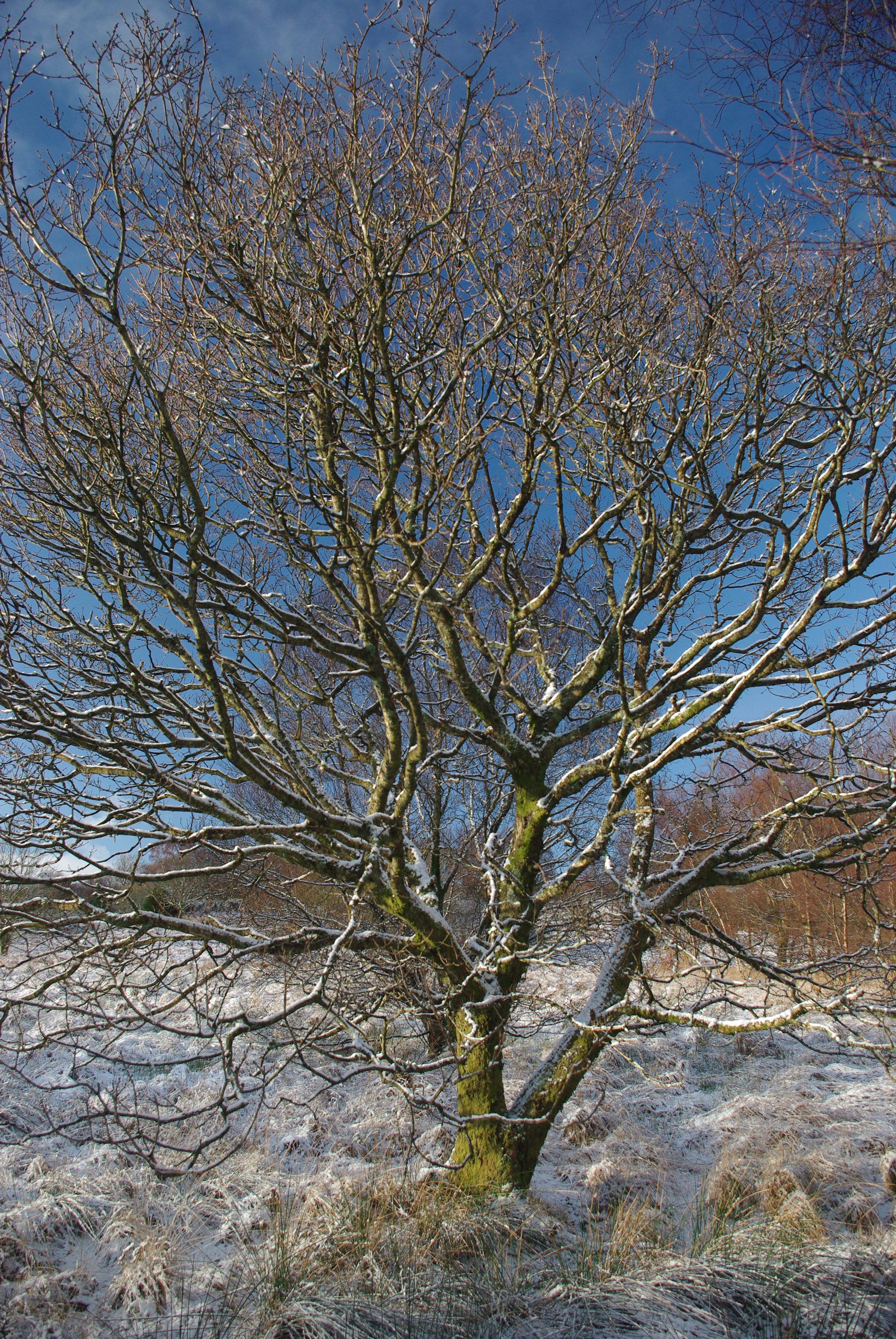
Can we not image better? What might this look like?
How do we heal what has become sick? It seems as though we are not able to answer this question yet, because first we would need to understand the nature of our sickness.
The symptoms are everywhere. Not just in Gaza, but also right here in the UK. I read this in The Guardian this morning and felt broken;
It starts slowly at first. A food bank crops up inside your local mosque. You notice more sleeping bags on the walk to work. Over time, the signs seem to grow. A donation bin appears in Tesco for families who can’t afford soap or toothpaste. Terms such as “bed poverty” emerge in the news because we now need vocabulary to describe children who are so poor that they have to sleep on the floor.
Then one day you read a statistic that somehow feels both shocking and wearily unsurprising: about 3.8 million people experienced destitution in the UK last year. That’s the equivalent of almost half the population of London being unable to meet their most basic needs to stay warm, dry, clean and fed.
Does this sounds like a healthy nation? What does healing from this kind of sickness look like? What sort of leaves do we have to eat and where is the tree planted?
This blog has concerned itself with this question for a long time, in terms of politics, economics, theology, sociology, ecology and so on. I claim no deep personal insights, just ones borrowed and understood only in part. The answers here – if there are any – are complex and nuanced, and much like the interpretation of the passage above, have to be approached carefully, with safety googles in place and subject to the higher calls of compassion and love.
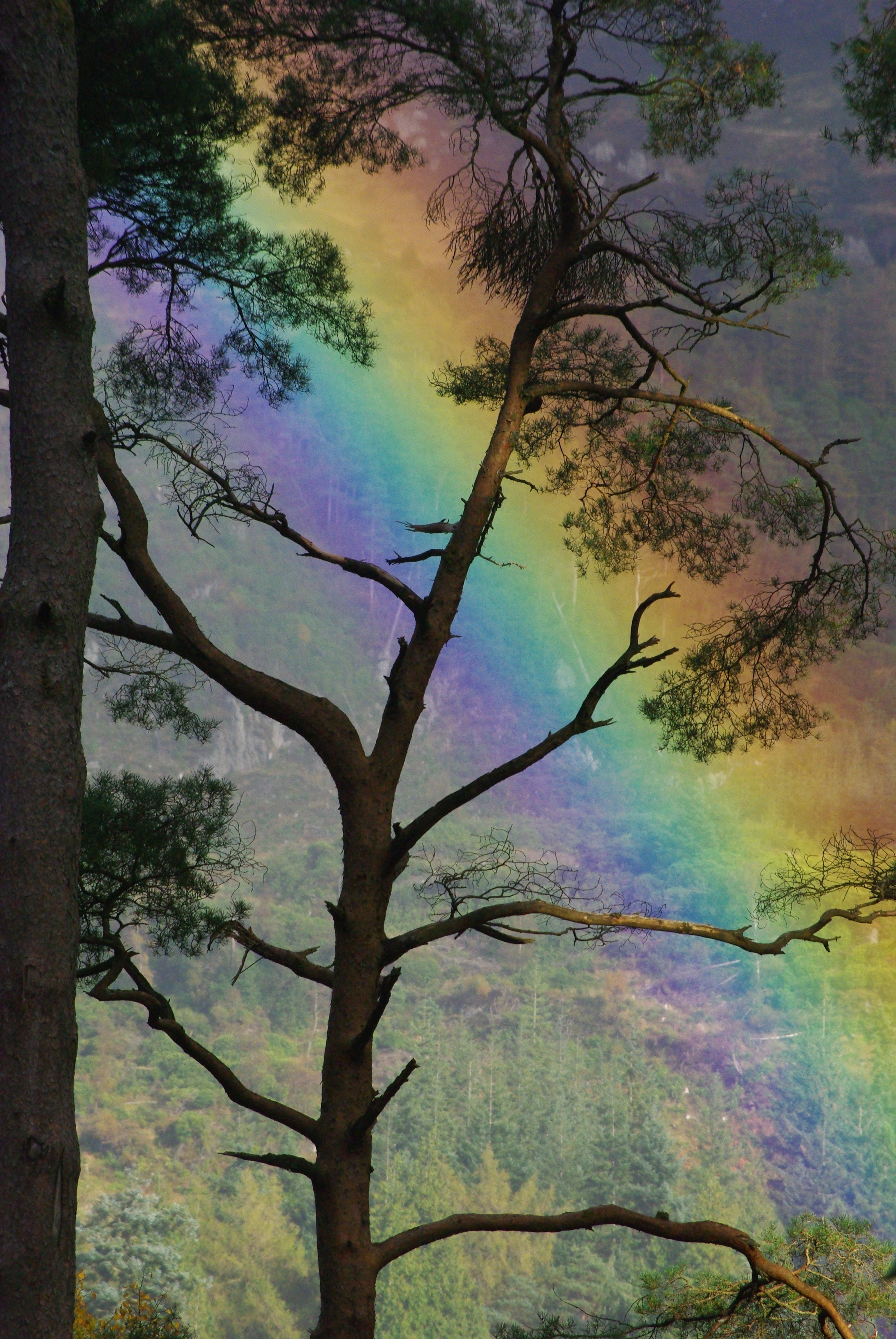
And the leaves of the tree are for the healing of the nations.
This passage also takes my mind towards the forest. As I put it in a poem once;
You cannot ignore the forest, for like all
Prodigal apes you must eventually return to
Crawl soft ground beneath your mother oak
Burying your nose in those half-familiar musks
That smell like home
From ‘Prodigal apes’, in ‘After the Apocalypse’ 2022.
Or to put it another way;


 this fragile tent