The politics of division…

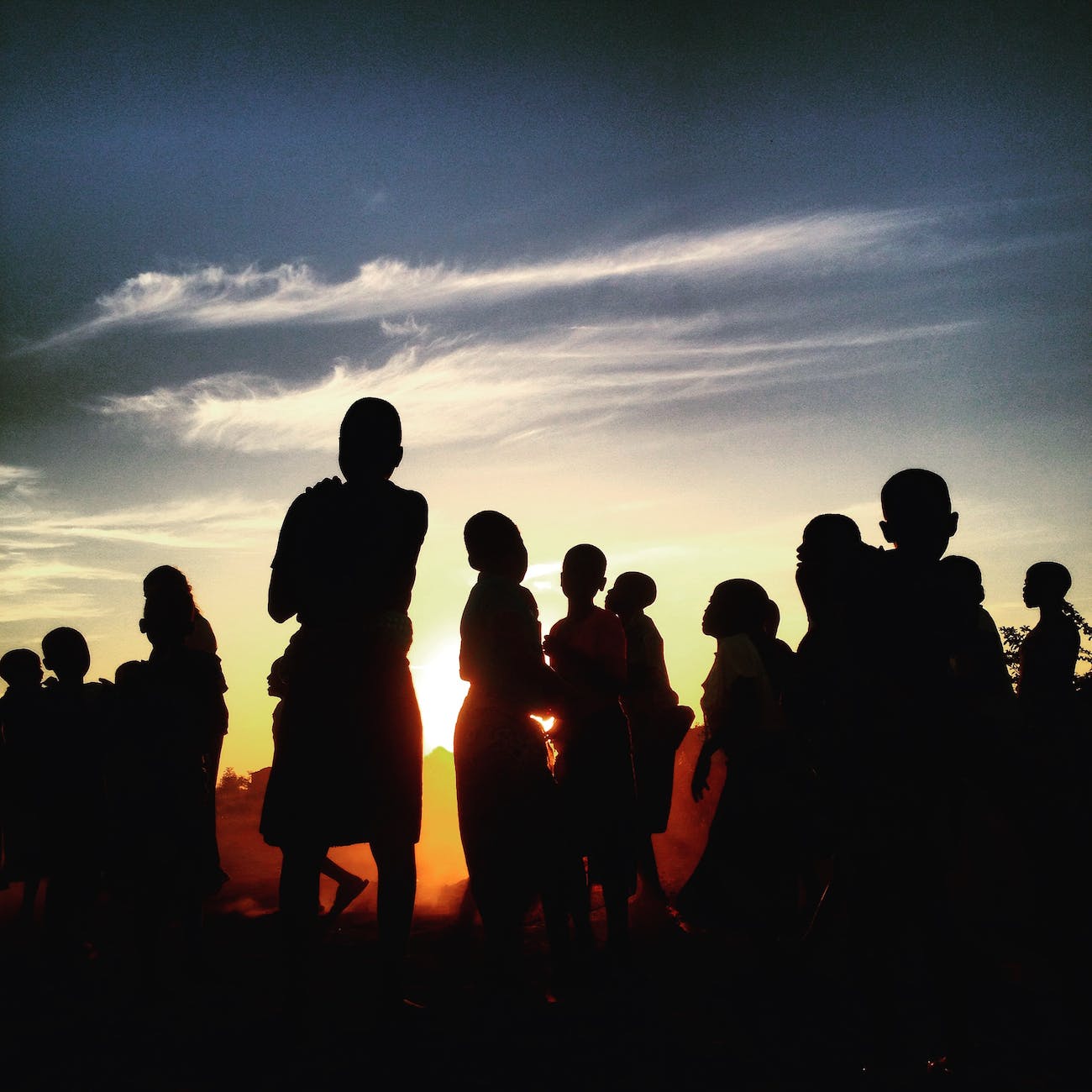
Photo by Marcelo Renda on Pexels.com

It rests like a concrete block, pressing down on our souls.

You know what I am talking about – the relentless messaging from our ruling class/government, echoed to a lesser or greater degree by ‘news’ stories in the media – all of which paints a picture of the world that just feels… wrong.

It is exhausting to keep it all in some kind of perspective; to keep striving to push back; to reframe; to give more considered perspective; a kinder, more compassionate set of goggles through which to view the world. Most of us reach a point (or many points) at which we simply switch everything off and seek the usual distractions.

How do we characterise what seems wrong? It is easy to take a swing at the pantomime villains whose faces are always in our news feeds – I have indeed done this many times – but this achieves little because what drives our political machine has changed. It is no longer a clash of ideas thrashed out through debate, protest and counter-protest. Rather what we have is an algorithm, through which power is mediated by the creation of division.

The appalling reality is that political success is achieved most not through inspirational, hopeful invocations towards higher ideals but through the creation of division because we are most enervated, most engaged, when we are outraged, offended, threatened or angry.

I wrote this once;

To the left, to the right

If they are not wrong

How might it be possible

For me to be right?

If they are not bad

How will we ever know

That we are good?

If they have success

How can I destroy it

To substitute my own?

If I grudgingly turn the other cheek

How many slaps am I entitled

To return?

From ‘After the apocalypse’

Anger is not always a bad thing, but when it is stoked in order to create convenient compartments into which to sell simplistic products/solutions, it becomes worse- far worse – than the old Roman bread and circuses. This kind of anger, bred as it is by a social media drip-feed of micro outrage and downright distortion, is toxic, but it is now seen by both sides of the political spectrum here in the UK (and of course, elsewhere too) as the only short-term means of getting and holding power.
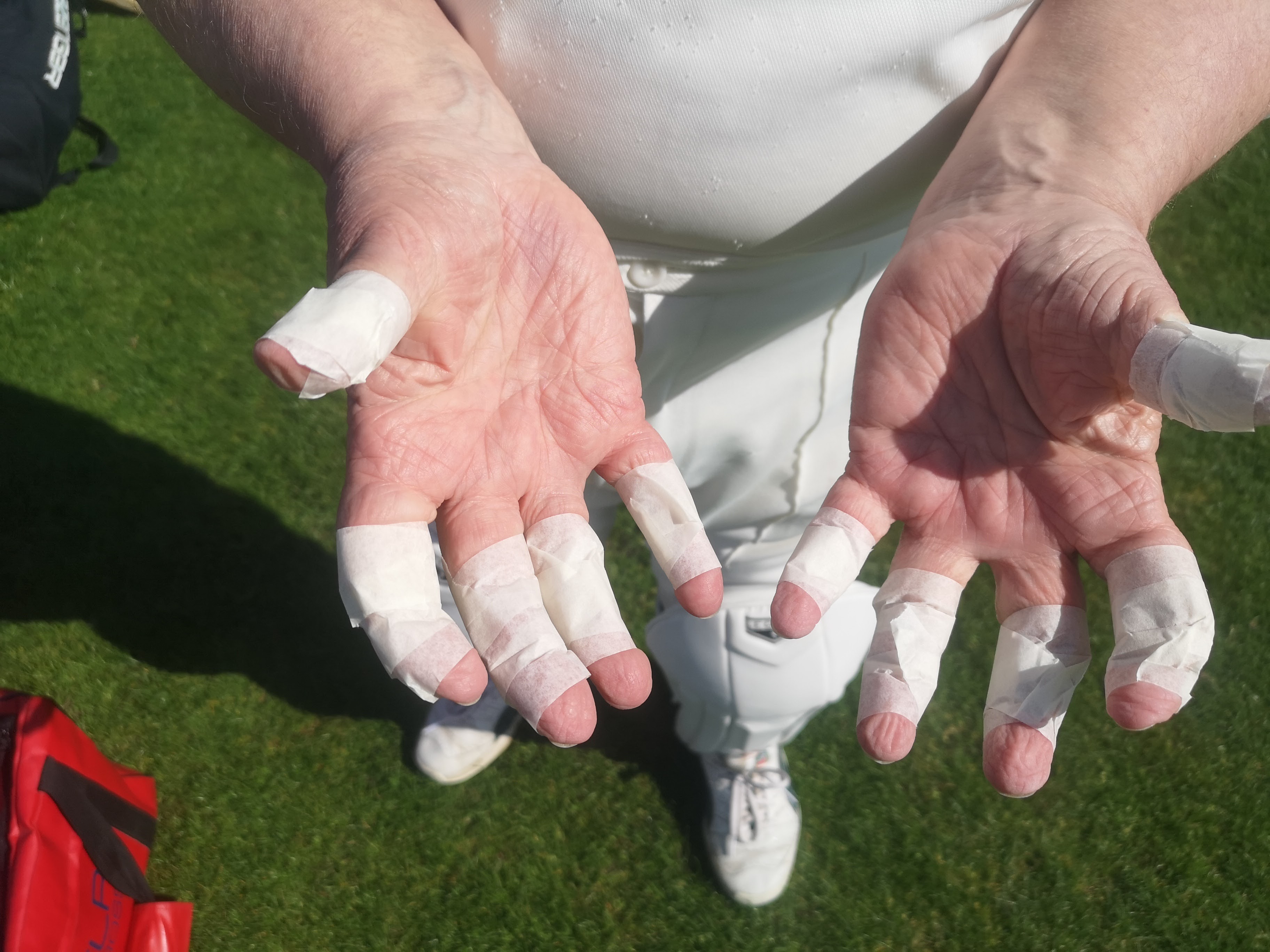
Let me diverge for a moment and tell you a story from my week.

I play cricket for a small local team, Despite my introversion (leading to the obvious tendency to avoid/limit social events) I very much value the connection to the lovely bunch of blokes who make up this side. I am older than most and we are a diverse bunch, but I am motivated by two things. firstly, I love playing cricket. Secondly, I love the making of community, in this case all the more so because these are men that I would normally not share my life with. It is a chance to interact with different persectives, outside my own bubble. It is also good to feel that in small ways I can help to build a safe space in which others can feel welcomed and included, particularly those who have had some tough times.

In real community of any sort, we only get back in proportion to the investment we make. Part of the probem with the algorithm is that almost no investment of self is required.

Last weekend was our cricket club annual general meeting and dinner, which involved a complicated journey for me as it meant an overnight trip to an island. Fortunately William picked me up in his boat, which also give me a bed for the night and a chance to spend some time with my lovely lad. The dinner went well and afterwards the festivities moved to a local pub who sponsors the club, where much drinking commenced. I am not much of a drinker, so mostly I sat back and listened as people first relaxed then became exaggerated versions of themselves, getting louder and louder. In one case, this also meant making sexist and overtly racist statements.

Reflecting on this later with Will and his girlfriend (who was also present) made it clear that they were not impressed. I wondered at my complicity – should I have called out those bigotted statements for what they were? Was I just humouring him, people-pleasing as a I am prone to do? Perhaps, but after all, drunk people are not usually amenable to reasonable chastisement so a challenge was unlikely to go well. There is more here though…

Clearly, this bloke has had totally different life experiences to me. His childhood taught him different things. His politics where shaped by other ideas which were then stoked and re-enforced by the algorithm.

I have got to know this man a little and he is a warm, friendly chap, who loves his family. I sense in him a woundedness too, and have heard bits of his story that suggests where this comes from. I have set myself towards him, to try to hear from him and this investment must involve empathy and compassion. I might hate his views, but does that mean I have to hate him?
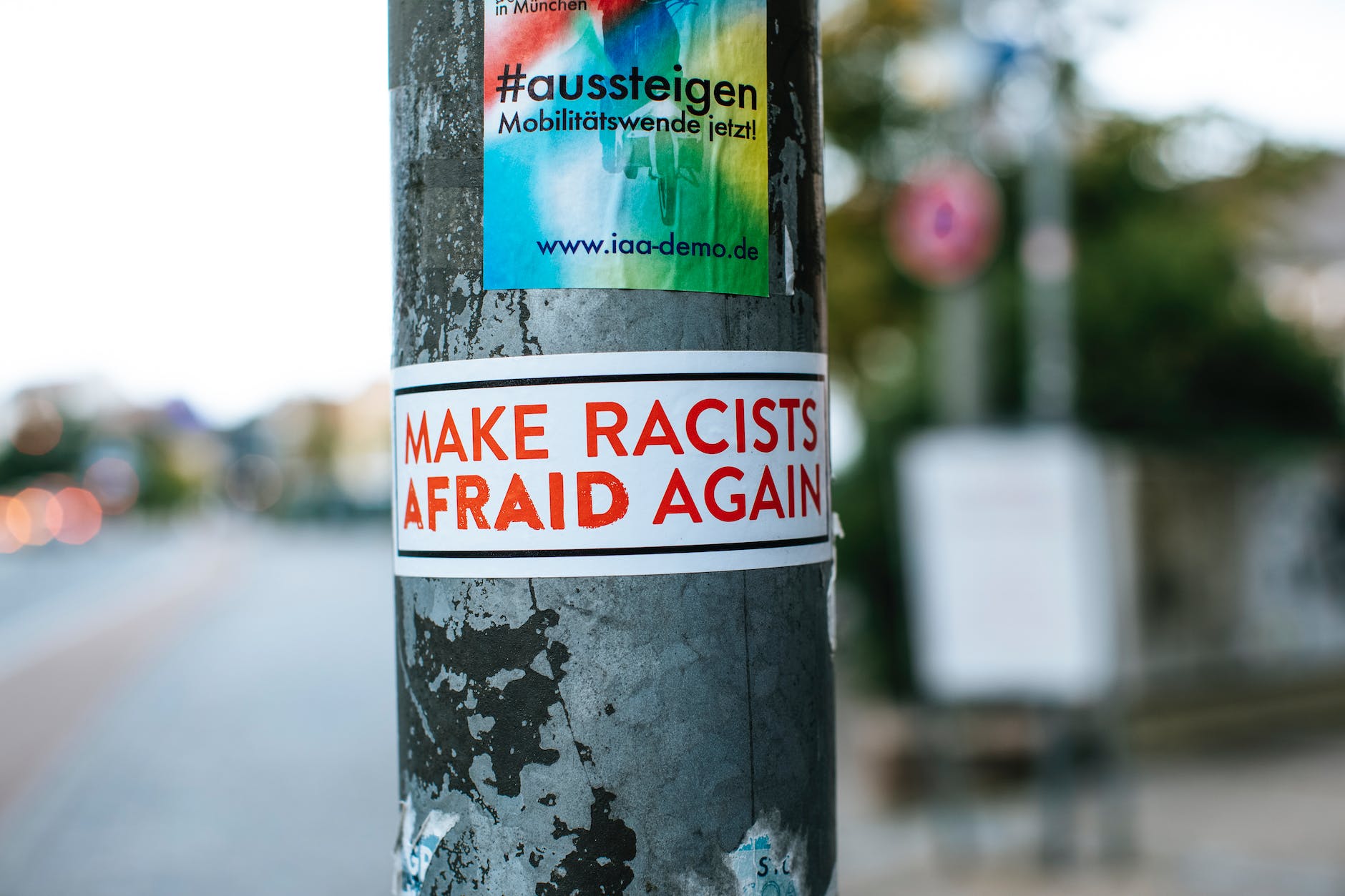
Photo by Markus Spiske on Pexels.com

Must all opposing views be called out? Even those who make victims of others? In the algorithm, the answer is a simple yes. In community it is always more complicated than that.

I am not the hero here. I am not always right. Even when I am right, compassion might dictate caution within community. It might need to start with relationship and then look for opportunities to talk things through. It might nor go well but it should not be for the lack of care.

The principle, no matter how noble, has to be moderated by the person. Or, to put it in another way If I speak in the tongues of men or of angels, but do not have love, I am only a resounding gong or a clanging cymbal.

The Upside Down House, Brighton by Ruth Sharville is licensed under CC-BY-SA 2.0

This kind of talk may seem like madness, but perhaps this is in part because it defies the zeitgeist imposed by the algorithm. The world is not divided into us and them, good and bad, right and wrong, rather it is made up of people who are trying to make sense of their lives, to find paths of meaning. Some of these paths lead us more towards the clenched fist than the open hand and the algorithm both encourages this trend and encourages it.

None of us are immune. Certainly not me. I am not the hero of this story. The holes you can see in what I have written are quite obvious.

That passage I quoted from first Corinthians ends like this; And now these three remain: faith, hope and love. But the greatest of these is love.

An old poem, relocated…

On a recent trip to Iona, I walked down to Columba’s bay and walked one of the labyrinths laid down in the close-cropped grass at the edge of the rocky shore. An old poem was on my mind, and here it is, along with some video footage I made.

I post it slightly uncomfortably, because the words of the poem were written a long time ago, using words that I would probably not use now.

But they are still ‘true’ I think. At least they are for me. I hope they are for you too.

Tools for conviviality: (re)imaging a world in which industry is human scale…

A few weeks ago I listened (as I always do) to a Nomad podcast. I am a subscriber to Nomad as it has been a portal for all sorts of ideas that I have found useful over the years. This particular episode featured a conversation between David Benjamin Blower and a theologian/community gardener called Sam Ewell, from whom I was grateful to be reminded of the work of Ivan Illich, a name forgotten since my undergraduate sociology studies, which were (ahem) some time ago. Illich suddenly seemed to be a prophet worth listening to in the midst of our present realities.

Since then, I have been skimming the internet for Illichian materials. He was somewhat prolific, both in terms of his written output but also in film and video. I’ll throw a few links into this post, which might be the first of a few emerging from my deep(ish) dive into these materials.

A good place to start is to do a bit of a skim of this book – Tools for Convivality – which can be read online, and gathers many of the themes and ideas that Illich explored in his work.

I cannot begin to summarise the broad brush of Illich’s writings becuase he was prolific, but for a little bit of background, this old school chat is rather good (although rather dense!)

Illich comes from a place out of which so many good things seem to flow- that of the rebellious priest. His background as a Catholic priest anchored him in the religious tradition but also led him to quiestion it all in the name of truth.

The central part of his thinking seemed to be concerned with the nature of post industrial societies, and how the shapes and objects we make (the tools) start to become bigger than all of us. The end result, for Illich, is that what might start out good easily skews towards something else.

His use of the word ‘conviviality’ is rather useful. Some tools (defined widely to incliude both the screwdriver and the car and the national health service, or the school system) are simply more convivial than others, but within our complex societies, they tended towards becoming less convivial.

Tools for Conviviality by Ivan Illich | Goodreads

Illich defines “conviviality” as the opposite of industrial productivity, or “autonomous, creative intercourse among persons and between individuals and their environment“. Tools for conviviality are those which maximize an individual’s autonomy and impose the fewest constraints on their freedom.

Conviviality has a rather helpful way of not being a black and white. good and bad dualistic way of seeing the world, rather it sees all things as being on a spectrum. Things will be more or less convivial – for example, he also discussed how health systems, offering universal health care to wider population, are good things, but that they also tend towards a loss of convivility. Humans are lost in a larger system. Our inate ability to create, to connect, to love one another becomes overwhelmed by an industrial institution.

One tool Illich thought a lot about was modern education. Here is a good summary.

Why is this particularly relevant now?

Many of us have an awareness, or a ‘feeling’ that the world we have created is now creating us. Change is impossible because the tools around us have become fixed. We feel this within our politics, our economics and our enslavement to the unsustainable comsumer culture that is destroying our planet. Illich gives us a language to talk about these feelings.

You could describe them as ‘convivial conversations’.

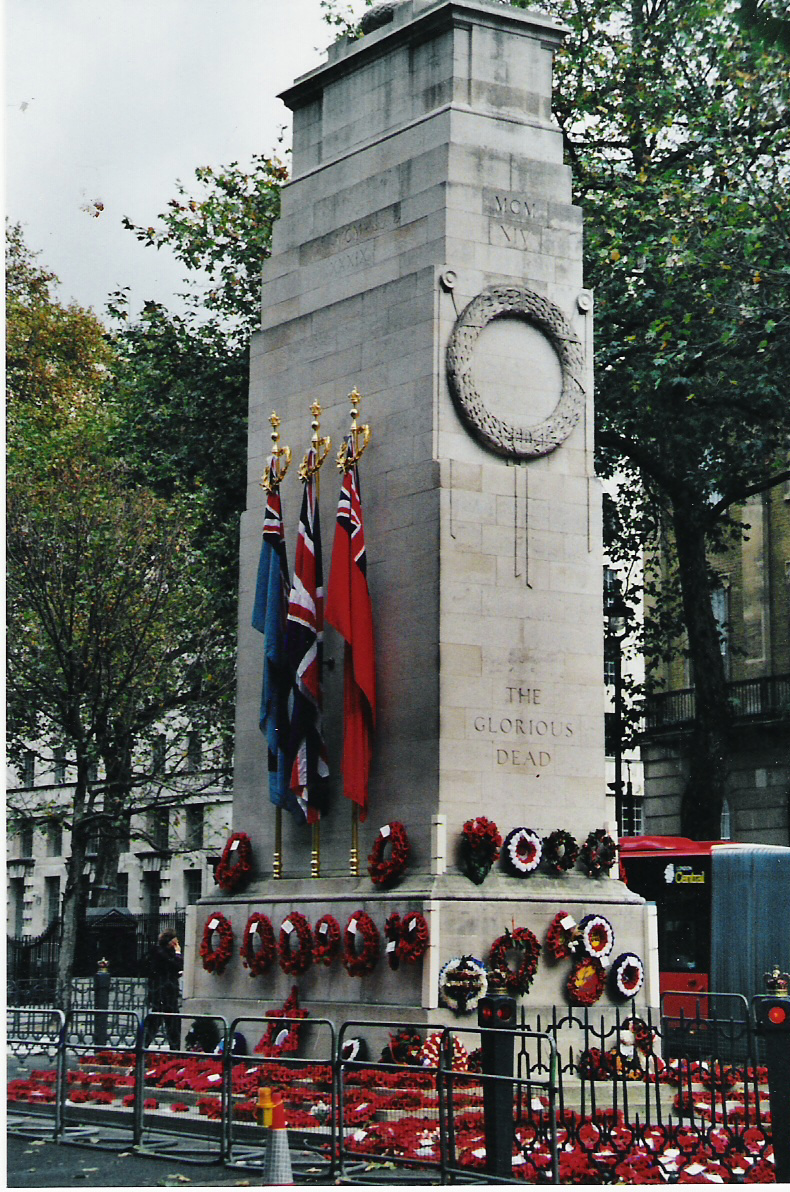
Why I will no longer wear a poppy for ‘remembrance’…

I have lived through a period in which many small wars have been fought, mostly in poor countries a long way from here. Overwhelmingly, the British soldiers who have died in these wars have been young working class men. We have taken no serious count of those we have killed.

These wars are often framed using the same language as the last world war, as if they were the same. Whatever your stance on the nature of war itself, surely we must concede that the world wide struggle against fascism is not analagous to an empire struggle in Kenya or the dreadful, deceitful, illegal Iraq war which has left such a legacy of pain and stoked the hate that has led to so much more violence.

Back in 2018, I put it like this

Every year, we remember those who died in the world wars of the last century. Industrial slaughter after industrial slaughter.

They died for us, we are told. To preserve our way of life.

At some point, I fear that the act of remembrance was hijacked. We do not remember the terrible first war as being a futile obscene expression of empire. Rather we remember it as a mass exercise in noble sacrifice. The dead soldier is sacred. We must worship him.

And we do not remember the second war as arising in brutal consequence of the first, in that it created the precise broken and splintered context into which populism and fascism could flourish. Rather we glorify and obsess over Merlin engines and the Dunkirk spirit. Britain is sacred. Her empire will last for a thousand years.

I fear that both kinds of remembering are an exercise in forgetting. They miss the point, perhaps deliberately.

Perhaps the war generations did not die for us after all. They died for them– the others, those for whom war is simply politics by another name.

I am done with it all. Rememberance day is no longer a way to make a commitment to peace, in the wake of all the suffering that war brings. I will not stand with those who glorify and fetishise the poor expendab le soldier as some kind of noble defender of our way of life.

I will be buying some of these instead.

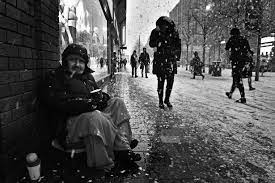
Some thoughts on homelessness, individualism and social policy…

Oh Braverman, Braverman, Braverman…

The more astute commentators have pointed out that the (very nasty) political game behind the victimisation of the most vulnerable people in our society relates to who might be the next leader of the Conservative party, God help is all…

Braverman’s brand of toxicity has traction, and her strategy seems to be to make as big a splash as she can in order to rile up the far right of her party. The more unpleasant she is towards the old ‘enemies’ (scroungers, benefits cheats, liberal protestors, environmentalists etc.) the better. In these polarised times, this may well be a winning strategy, but at what cost?

Street sleeping has increased by 75% since 2010, even using the rather ludicrous official statistics.

I have been chewing over Braverman’s comments and the mostly (frustratingly) weak and thoughtless response to them in the media. You know the sort of thing- a panel discussion in which a Tory politician spouts stories about ‘begging scams’ and experts from homeless charities try to talk about the unsexy messy work of trying to help people off the streets. There are some exceptions;

Lord Bird says so many things that resonated with me, including his suggestion that street sleeping is an indictment on the failure of services and social policies. A phrase I have used previously is that they are our ‘litmus people’. They show us what we are.

I have some experience in this area because of my background as a social worker, mental health practitioner and manager of heath and social care services. I have met many people who have previously been, or were currently, living on the streets. Not one of them did so as a ‘lifestyle choice’ (whatever that actually means.)

Social policy has never been a perfect science (my undergraduate degree was in applied social policy), but at best, it is evidence-based and carefully shaped by both history and international comparison. Since Thatcher, we have pretty much abandoned this approach. Acedemic research has been mostly ignored – by the right as being too liberat, by the left as being unpalatable to middle English taxi drivers and suburban pensioners. We stopped seeking to understand society-wide shifts and instead placed our emphasis on individuals.

During the Blair years, this meant a focus on education, as if the poor could be socially engineered away via the classroom. The subsequent Conservative led governments have taken the Thatcher lesson much further, weaponising individualism by suggesting that all poverty, all vagrancy, all homelessness is the result of individual failings, choices, or character flaws. This justified a period of austerity during which social services, funding to voluntary groups and local authority support was slashed. The message has been underlined by increasingly punitive policies to police/sanction benefits claimants, or to stop people claiming housing benefit for properties with too many bedrooms.

When considering the wider causes of individual distress, it is almost never appropriate to make what is general specific.

Or to put it another way, we can point to a number of societal factors that might explain the rise in homelessness in the UK;

  • The rise in cost of living, having particular impact on low income households
  • Soaring rents and unafordable homes for first time buyers
  • Chronic housing shortage, including supported living environments
  • The sqeeze of benefits, increase in sanctions, the bedroom tax
  • Underfunded addictions services due to austerity cuts
  • Underfunded mental health services due to austerity cuts
  • A voluntary sector expected to pick up the slack, but also underfunded
  • A job market dominated at the bottom end by insecure poorly paid employment

To this list we have to also add a number of potential individual factors;

  • Childhood trauma,
  • Poverty leading to erosion of resillience
  • Addiction
  • Mental health problems
  • Divorce, bereavement, family breakdown
  • Uncontrolled debt
  • Prisoners struggling to adapt after release
  • Ex servicemen with PTSD
  • Refugees not allowed to work
  • Bad judgement, mistakes made
  • Bad luck

This begins to describe the complexity of factors that might lead to someone ending up sleeping in a tent on the street. Each individual story takes place in a context that is to a lesser or greater degree helpful. The presense or absence of individual vulnerabilities tells us little before the fact.

Do you think Braverman knows all this? I suspect she does.

Dispersed networks and the post-churched…

A couple of weeks ago I wrote a post about church leavers – making reference to work done mapping an increasing Christian diaspora here in the UK who used to go to church but for many reasons no longer feel that they can. The research reveals a rather fascinating pattern of people who retain faith, but not religious observance in the sense of attending institutional gathered worship. As far as we can tell, these are not small numbers of people – in fact Steve Aisthorpe (in his book Invisible Church) has suggested that we need to start thinking about these people as the larger part of the ‘church’.

This raises lots of questions. Here are just a few of them;

If more people who seek to live out faith in the UK are NOT attending Church regularly than are, what is Church doing wrong? Or what are those non attenders looking for that they are not finding? (My last post tried to describe some of the past ways that Church has tried to renew itself, with at best limited and local successes)

How can faith form and reform without gatherings, without buildings, without programmes and paid staff?

How will we ‘make diciples’? How will we learn? How will we find commonality and inspiration? How will we prevent our ‘coals going cold’?

If we even wanted to make converts, what would we do with them after they converted?

If people are free to believe what they want to practice what they feel like, then what is the point of doctrine or creeds? Is this OK? How much freedom to make a new way is acceptable? What if this new way takes extremist paths?

One explanation/condemnation for church leaving we hear within Church is concerned with the scourge of post-modernist individualism. Those who leave do so because we are seduced by it. Whether this is true or not, it points to a cultural reality of isolation, ex-carnation and avotarism. (I might have made up at least one of those last words.) In this contect, how do people find connection and community?

Perhaps these church leavers need help. What does this look like? Where will the help come from?

Photo by Keith Wako on Pexels.com

I have few answers to these questions, but I think they need to be asked. The current approach has tended to take a ‘save the Church’ approach and it does not seem to be working. If it was working, I would still think it wrong headed.

I should say again that I certainly do not mean this to be read as a criticism of Church. So much good happens in and around the old buildings. So many good people still work in them. Those who attend are not to be abandoned.

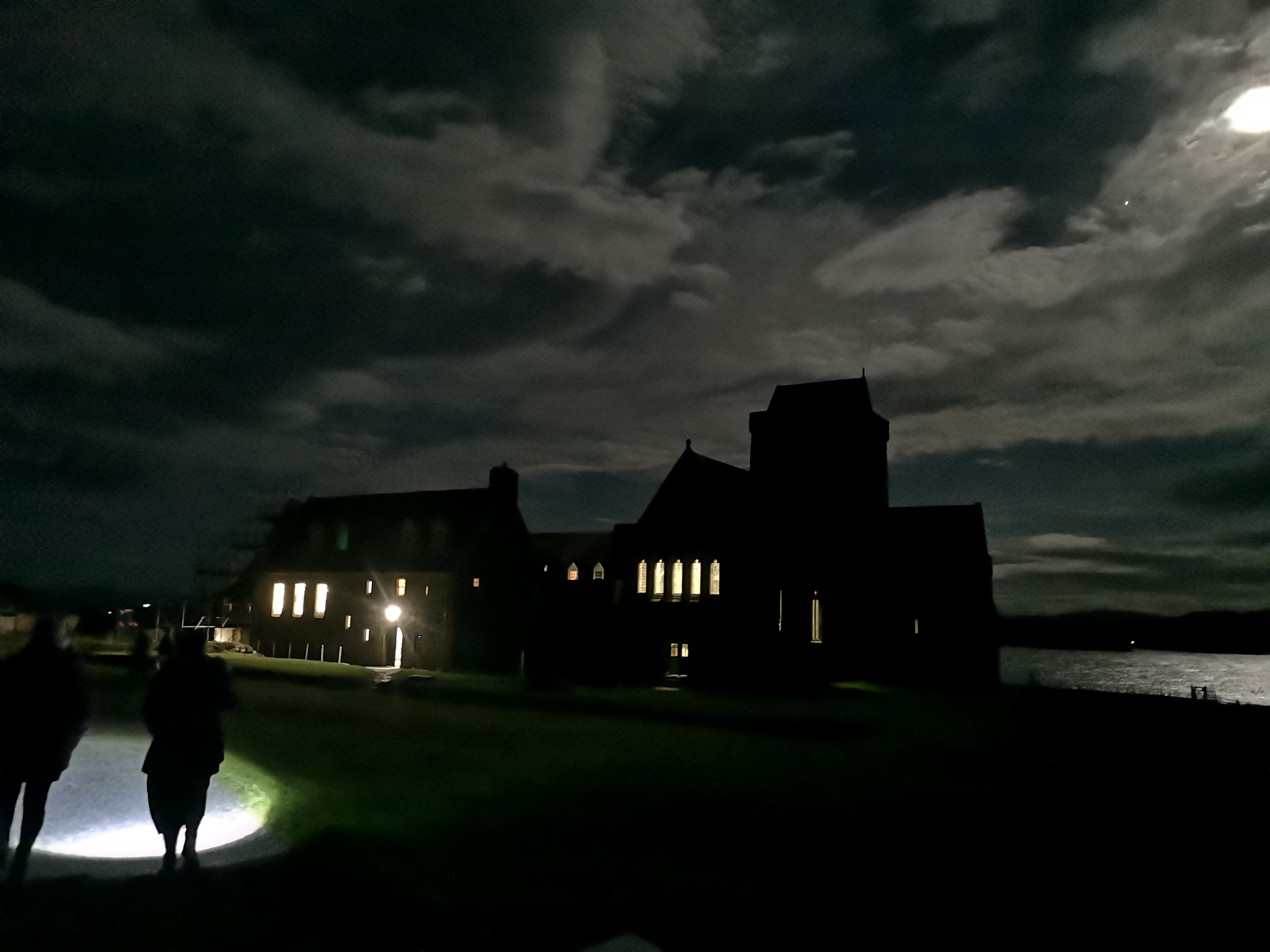
I took the photo above a week ago, on our way into the abbey on Iona to attend a service led by members of the Iona community. This service, and the one the next morning, had a profound effect on both of us. It was simple, unflashy, with dirge-like hymns. We sat in the cold and damp of the old abbey and I wept.

Why did I find this service so moving? It was the welcome, the sense of deliberate inclusivity, the freedom to make and take whatever I needed from the gathering with no expectations, no narrow hoops to jump through. Then there was the liturgy, skewed towards justice and grace. (It feels like a long time since I did not have to grit my teeth through at least some parts of a communion service.) Then there was the companionship, which included people from all over the world. A mental health social worker from Philadelphia wondering if she could keep going. A group of muslims from Bradford. All of us gathered around the same table which belonged to none of us and all of us at the same time. It was like coming home.

Later we spent a long time talking about the community to one of the members. Despite the relativly high profile of the Iona community, there are only about 250 full members, although a few thousand associate members around the world. The full members hold each other accountable in relation to four rules, wheras associate members make a more general commitment to the same;

Daily prayer, worship with others and regular engagement with the Bible and other material which nourishes us.

null

Working for justice and peace, wholeness and reconciliation in our localities, society and the whole creation.

null

Supporting one another in prayer and by meeting, communicating, and accounting with one another for the use of our gifts, money and time, our use of the earth’s resources.

null

Sharing in the corporate life and organisation of the Community.

I have been reflecting on all of this ever since. The gift of time and transcendance found in the abbey on Iona, then the scattering of goodness throughout the world in the form of a dispersed community. Some within this community have made a deeper commitment and this feels fine too, because we need them to act as elders, as eclesia.

Those two element – the occassional special gathering and the wider connection – seem to me to be very important in the context of our post-churched diaspora of faith. Those who do it well have a vital role to play.

There are other networks of course. Other ways that this plays out. The internet offers us and whole new way to move and connect. We zoom now as easily as we telephone.

Is this the way forward for many of us?