This is an old theme here- in fact it might be worth reading this first, in which I asked a list of questions like this;
If more people who seek to live out faith in the UK are NOT attending Church regularly than those who still do, what is Church doing wrong? Or what are those non attenders looking for that they are not finding? (I should add that I personally am done with trying to rescue Church.)
How can faith form and reform without gatherings, without buildings, without programmes and without paid staff?
How will we ‘make diciples’? How might we learn? How will we find commonality and inspiration? How will we prevent our ‘coals going cold’?
If we even wanted to make converts (I don’t, but I do long for people to turn towards good, to long for better) what would we do with them after they converted?
If people are free to believe what they want, and to practice what they feel, what is the point of doctrine or creed? Is this OK? How much freedom to make a new way is acceptable? Do we eventually have to settle on a new orthodoxy? What if this new way takes extremist paths? How much variety can we tolerate?
One explanation/condemnation for church leaving we hear within Church is concerned with the scourge of post-modernist individualism. Those who leave do so because we are seduced by it. Whether this is true or not, it points to a cultural reality of isolation, ex-carnation and avotarism. (I might have made up at least one of those last words.) In this contect, how do people find connection and community?
Perhaps these church leavers need help. What does this look like? Where will the help come from?
There were some glaring ommissions from this list that I have been grappling with in myself, partly because of conversations with women who have had to live in a patriarchal society, and try to find meaning within a patriarchal church.
Then there is the fact that old lefties like me fail to see that even in our attempts to include, we end up making spaces that suit people just like me- white, middle class left-of-centre folk, who talk about social justice mainly from our places of comfort and security. We reach out of this of privilege only as ‘helpers’.
Meanwhile, I am working with Rob to try to revive an old organisation called Proost, formerly a platform for gathering church resources, and making them available to small missional groups, emerging church thingamies and alternative worship gatherings. It fell into disuse, and Rob had the idea of restarting it. I was interested in this idea because I remembered fondly the community of belonging that formed around old Proost. It was a large part of my own emergence as an ‘artist’ or a ‘poet’, and brought me into contact with lots of lovely people, some of whom remains an important part of my life.
But…
As we have started the process of re-imagining Proost, we have come up against that list of questions I posted above – and the further ones mentioned too. An overarching question then emerges of what a revived Proost would be for?
What community would it gather now? Where is there a need for this kind of community and what sort of meaning would this community regard as essential orthodoxy?
Where are the potential users of a new Proost? (as an aside, we could also ask where are all the old users of Proost?) Are they still in Church- and if so, what processes/events/resources/community can we offer that is not commonly available within Church? Or are they now often part of the Church diaspora, and if so, how can we support each other to find community, common purpose and shared meaning skewed towards grace?
There is another question for me too is around the importance of art and activism as a means for both personal engagement but also collective action towards change, and how these things might be encouraged, mentored and commissioned.
Already I am being taken outside my comfort zone in terms of what ‘activism’ might look like- how confrontative it might be. What are the right targets of this activism and how much might this cost us in an age of punative laws around protest here in the UK?
What is the point of a faith-based organisation if it only feeds the self-centred spiritual journeys and the creative egos of its own member. Is this not one of the legitimate criticisms of institutional Church?
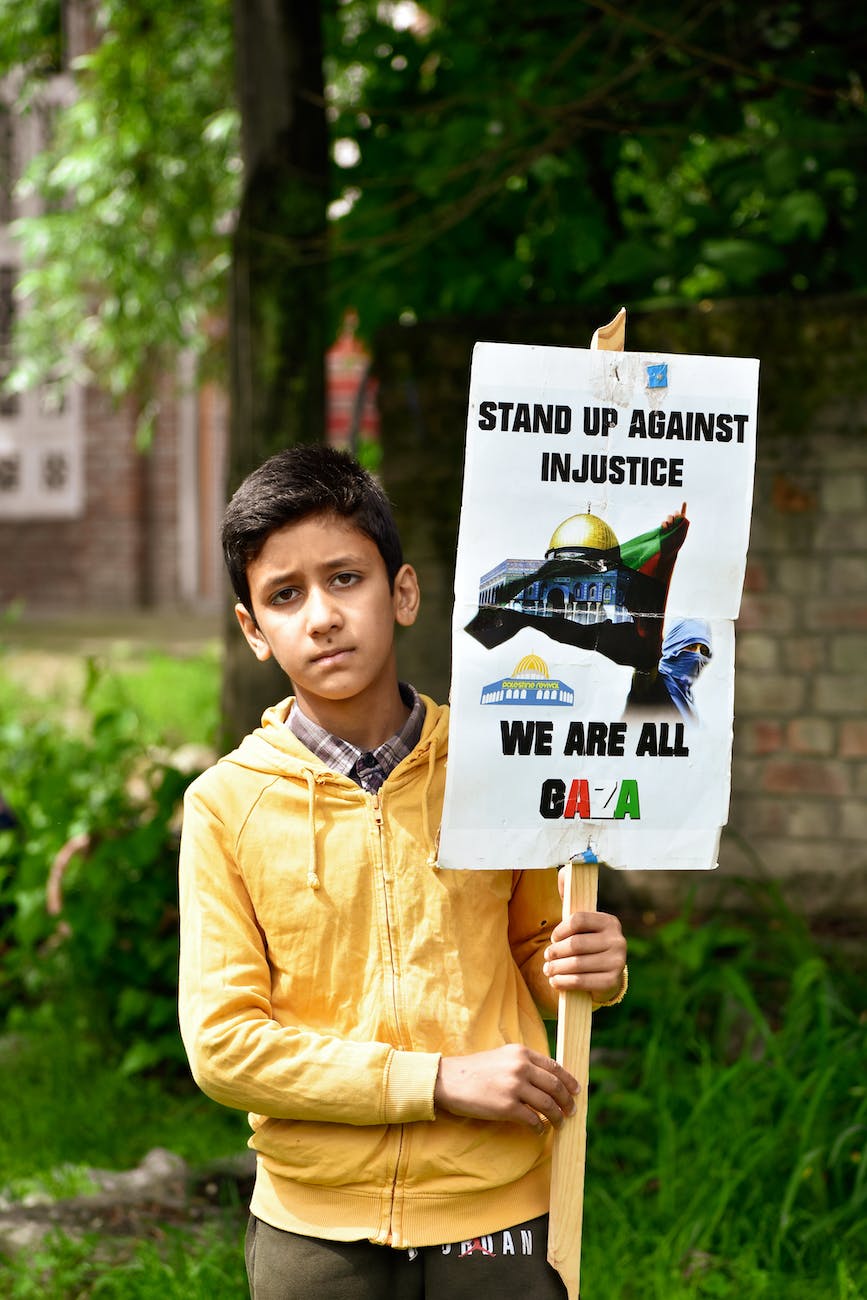
What is the role of spirituality/faith in the face of war in Gaza, the impact of neoliberalism on vulnerable people, climate breakdown and mass extinction? How do we express our faith? How do we reach for alternatives? How do we structure ourselves towards the looking outwards rather than just creating opportunities for moral elevation for ourselves?
How do we listen to/include/defer to those voices prevoiusly excluded? How do we grapple with patriarchy. colonial legacies and the traumas they cause, both historically and presently. How do we celebrate and include people from an LGBTQ background?
How does our theology reshape and reform? Who decides what is ‘acceptabe’ and what is ‘marginal’?
Can an organisation contain these elements safely? How?
This is the Proost conversation that we are trying to have in the open, hoping that it will gatherer others who are asking the same questions. We are trying to be honest, not least about our own personal failure to deal with some of these questions in the past. We are also trying to be honest about our own incompetence, our lack of experience, our maleness, our whiteness and our middle-classness. I could add honest too about a longing for connection, for deeper meaning, for better ways to live and more loving ways to engage with the world.
It is easy to ask questions, but if we are going to actually do something, we have to try to answer at least some of them.
I think some answers are starting to take shape, (almost in the form of intuition, or widely held suspicion) of what a post-church network or organisation that seeks to give proper place to the way that spirituality might look like.
Or perhaps I am mainly talking about myself? (There I go with the questions again.)
Here is my provisional list of what an organisation suited to providing safe spaces for spiritual nomads might look like (and my provision thoughts as to what a reformed Proost might look like);
Decentred geographically and in terms of power structures
Offering inclusion but not obligation
Community making is non-hierarchical in nature
Leadership facilitative, not dominant
A very generous orthodoxy and a high value placed on tolerating difference
There is a presumption that individuals are responsible for their own spiritual formation
Attempts to engage with colonial/patriarchal legacies and trauma within both organisational structure and underpinning theology
Earth centred, through theologies of one-ness, am-ness, mystical Christ embodied in the world
Social justice is at the heart of theology and practice.
Physical gatherings are special ‘events’ , most regular contact is at distance, via internet
Resources produced/employed emerge from dispersed, grass-roots activities within the community. Authenticity has a high value
Art and creativity are key tools for personal refelection, community building and cutural engagement
Those old rules about not talking about politics and religion have never applied here. I take the view that these are just the things we should be talking about. Both concern themselves with ideology and values, which shape our communes. Both have the power to bring change, and so both are targets for manipulation. This blog mostly concerns itself with pre-political and post religious discussion these days, but…
…we are about to be pitched in to another one of those political pantomimes called a ‘general election’. There is consensus amongst all parties, all media outlets, that the result is a foregone conclusion – a Labour victory. It feels like a coronation is about to take place, not an election.
How do I feel about this?
As a life long Labour supporter – and member of the party until last year – part of me feels a wave of relief that we will finally be moving the dial back towards the left. If indeed that is what Starmer’s (‘changed’) Labour party will do. At present, based on the actions and pronouncements of Sir Kier Starmer, it is hard to feel confident that real change around any of the big issues – economy, social justice, international relations, climate emergency, democratic process – will take place. He is currently attasking the Tories on issues like immigration and austerity from the right, not he left. I have no idea where he finds the democratic mandate for this kind of behaviour as it would appall almost everyone who attends a Labour Party conference.
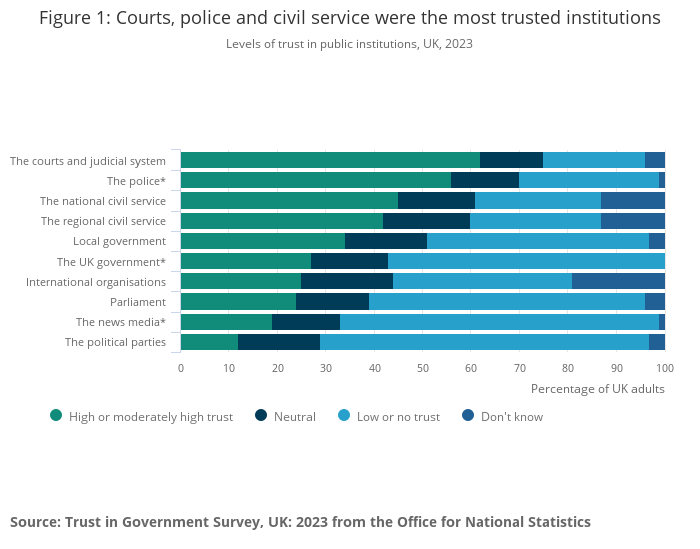
And that is a huge problem, not just because of the missed opportunities, but also because it feels as though the ‘stability’ promised by Starmer might be part of the death spiral for our social and political system. Trust is at an all time low;
A third (34%) trusted local government and a quarter (27%) trusted the UK government. Parliament, including both the House of Commons and House of Lords, and the political parties were the least trusted, with 24% and 12% trusting, respectively.
Part of this is about the ‘truth’ problem. In the age of Trump and Boris Johnston, lying entered the mainstream of our political system. People have always accused politicians of lying, but it has never been so blatant, so consequence free. The standard approach to being found lying appears to be the double-down, then the trippled-down, all supported by compliant media outlets. Lying has become a politcal weapon, used to divide, to paint the other as evil, to demonise and dehumanise. It is hard not to compare this kind of politics with the rise of fascist movements in the 1930’s. ‘Truth’ becomes a fluid concept, mouldable and malleable to the needs of a particular narrative. This is not the same thing as ‘spin’. Spin doctors seek to shape the narrative too, but not all will turn to direct lies.
The Cambridge Analytica scandal has blown open the door into how policial systems use and abuse social media to shape power.
In case you are under the impression that ‘changed’ Labour is different, I am afraid the evidence would very much suggest otherwise. Given that Starmer is about to be prime minister, and that the Labour party central office will take its brightest stars into government, then the integrity of all should be scrutinised, not least by our media. This is simply not happening at the moment – it is almost as if a decision has been taken to wave him through into high office. After all, he is not Tory, but he has shown himself to be no Corbyn either. He is Labour, but he is one of ‘us’. He won’t rock the boat.
If you think I am exaggerating, then I suggest we turn to this definitive and remarkable piece of long form journalism by Al Jazeera, called ‘The Labour Files’. This was an investigation into the Labour party as led by Corbyn and how it all fell apart. It centres on how Labour Party Central Office undermined their own democratic processes, using smears and allegations at all levels to ensure that those on the left of the party would be defeated. The first episode is here.
How do we know this to be ‘true’? Ultimately, we must decide for ourselves. Do the work, chase down the reports and read them. I have done so. Politics has always been a dirty business, but this – it makes me feel ill. Good people are still in the party, and I believe that many of them felt that the dirty work was necessary to make Labour ‘electable’ again. You decide whether you agree with this. Does integrity matter?
What was the Labour response to the Al Jazeera documentaries? Try a google search. They almost entirely ignored it, as did the rest of UK media.
Was Corbyn ever the liability he was painted as? How do we know? Who told us? How was a consensus of opinion achieved? As far as we can see, one of his weaknesses was that he did not engage in this kind of politics. Some call this naive, callow, detached from reality, ideologically backward. Perhaps it was.
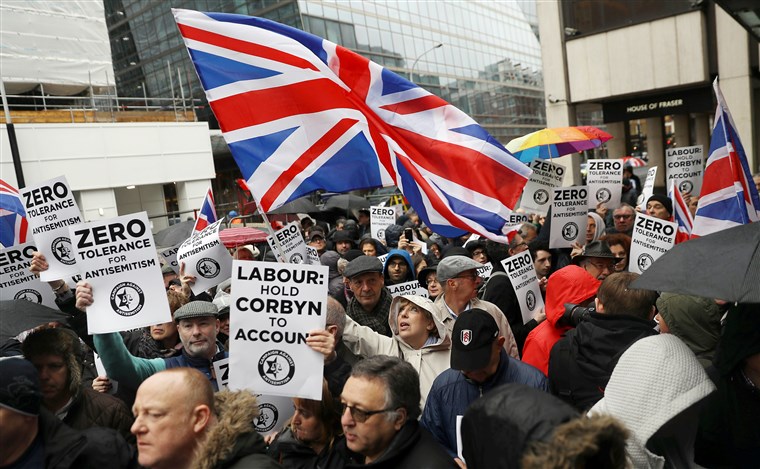
The official reason that Corbyn remains suspended from the Labour party is because he refused to apologise for his suggestion that antisemitic problems within the party had been weaponised for political reasons – something demonstrated by a report comissioned by Starmer himself (The Forde report) let alone the Al Jazeera revelations.
I have long wondered where the hate within the Labour Party came from. The left/right divisions within the Party are not new. Anyone growing up like me in the 1980’s will remember the battles fought then between Kinnock and Militant Tendency for example. We also remember how Michael Foot – arguably the pre-Corbyn – was painted as a shambilic idealist and therefore unelectable. It is these battles, along with the intervening shining success of the Blair years that formed the parliamentary party we know today. This party is metropolitan, neoliberal, small government and concerned most of all with power. In this sense, it has little left of the old working class ideologies of power and equality. The grass roots movement for change created during the Corbyn era was always in direct conflict with the Blairite centre. They were frightened by it, surprised by it, confused by it, suspicious of it. They saw themselves as the ‘adults in the room’, faced with a populist insurgency.
One thing I have heard said which has intrigued me is that the hate within the parliamentary party for the old left has been greater than that expressed towards the actual enemy, the ascendent, right wing Tory party. Can this be true, and if so, what is the psychology at work here? I wonder if there is something about feeling attacked in an area of your percieved strength. If you believe yourself to be on the right side of history, but then people who are on your side tell you that you have not gone far enough, does this provoke more outrage, more hurt, more defensiveness?
If you have fought to the point of compromise stand-still, do you resent those who call you out for your world-wearyness all the more?
If I am right, and our political system is in danger, does this matter? Is collapse inevitable, and perhaps the only way to bring about change?
I think it does matter hugely. Collapse is likely to open the door for extremism and violence. I think there are some basic things that we can do to strengthen and enhance our democratic process. Here are a few of them.
Social media. We have to hold platforms like Facebook and X to account for spreading lies and misinmformation. We need to do this by the process of law. Huge conglomerates can not be allowed to shape our societies through algorithms. This requires meaningful fines and even breaking up the hold of individuals through monopoly laws. We need a powerful independent method to hold all media to account.
Political funding and lobby groups. We have to take the money out of politics. We are heading towards an American system where money buys influence. Make spending on political campaigns limited, and even public funded. Ban lobbying. Refuse Think Tanks access to media outlets unless they publish where their money comes from, and whose agenda they are revealing.
Political and corporate links to end. If you work in an industry and then go into government, you can not go back. No minister can take a cosy job on a board either whilst in office or afterwards.
Truth in political office. Introduce a three strikes rule in public office. Establish public watchdog to police it. Hold all politicians to account for spreading misinformation and missusing statistics.
House of Lords. Just get rid of it. Replace it if you must, but with an elected second chamber with seperate legeslative and scrutiny powers. Or just get rid of it.
Local government. Finish process of federalism begun by Blair. Bring as much power to local communities away from London as possible, including powers to spend money.
Citizens assemblies. Look again at ways to engage people in better. Take real debates to the people and talk them through like adults.
Proportional representation. We have to break up the cosy us/them sectarianism of having two main parties who just wack at each other like Punch and Judy. I would favour a system like Scotland’s, with a hybrid of first past the post MP’s and ‘list’ MP’s. I know this brings some crazies into the main fold, but it forces debate and compromise.
National constitution. We do not have one. We need a commission of experts and ordinary people (perhaps through the citizens assemblies) to work on this as a long term project.
A return to research, evidence based policy. Politics can no longer be decided on our worst instincts, fueled by divisive hate speech. We need a way to frame political debates within the context of research. All major policy should include a clear evidence base, and this should be presented alongside it.
Equality. All policies should receive a rating as to the degree to which they contribute towards greater equality or whether they further undermine the opportunities of minority or disadvantaged groups. This score needs to be once again political dynamite as it was for a while after the last world war.
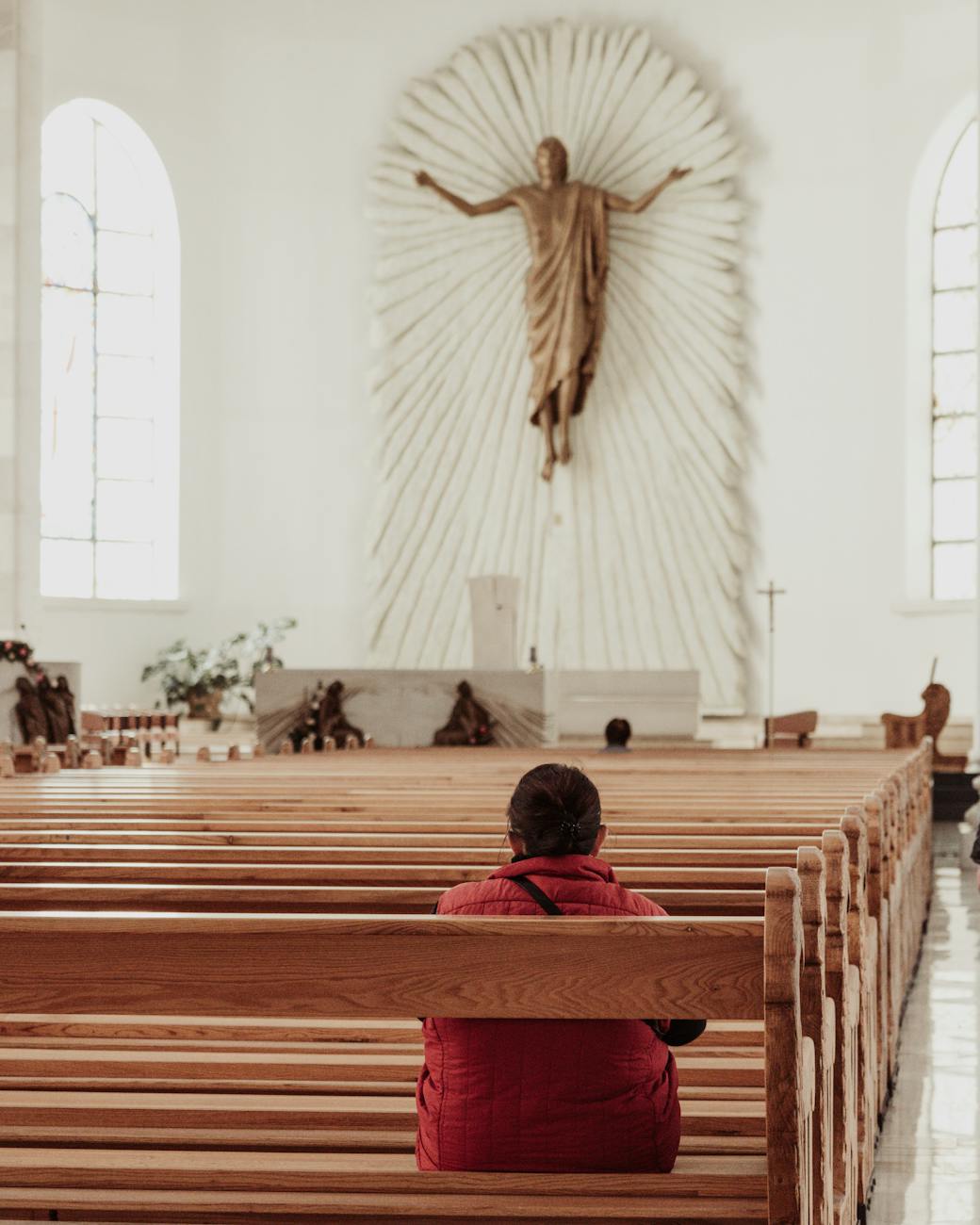
If you read this blog, you probably share my interest in faith, and in how this shapes us and in turn shape our communes and the wider society. It makes sense then that many of us watch the continuing decline in church attendance with a complex set of emotions.
For many years, all denominations in my part of the world have known about this decline, and have reacted with alarm and even panic. There have been repeated attempts to stem the flow, to plant more churches, to make existing churches more friendly, more culturally sensitive. Some have gone the other way and proclaimed themselves apart from the world, standing as a last bastion for God in a world soon to end in fire and judgement. With some individual exceptions, none of these attempts to reverse the delining trend have been successful.
Consider the Church of Scotland, for example. I am not sure exactly where this youtube is coming from, but the facts up front are stark;
Along with Rob, who lives in Jersey (because proximity is no longer a prerequisite for working together, or friendship, or even Churching together) I am working on a project to (potentially) revive an old publishing platform called ‘Proost’. This was previously an organisation that gathered resources, materials and liturgies written and created around the edges of progressive church movements in the nineties and early millenium. It was a time when we used terms like ’emerging church’, or ‘small missional groups’ or ‘alternative worship’. Proost was the hub around which a tribe of passionate and creative people gathered, and even though it never offered formal community, for many of us, this is what it became.
By the way, if you should be tempted to follow any of the links to former Proost resources, I would suggest you do not, as the old site address (ownership of which was allowed to lapse) now leads to porn!
One question we have been asking is what a revived Proost would be for. I( think we can agree on the low bar of ‘not porn’.) Do we still need to gather resources produced on the edge of church? If so, who is producing these things now? Whose stories still need to be told? Where are the people who are telling them? Anyway, what happened to people from all those small missional communities that were part of the first Proost? What are they doing now with all of that creativity?
We explored this in part in our last podcast, which was an interview with Jonny Baker, one of the founders of Proost. Jonny is still very much working hard within the CofE, as the current UK director of CMS, and is persuasive about the role that Church is playing and will continue to play in supporting and developing new expressions of faith within our shifting culture.
But the latest episode provides another perspective.
I am very excited about this episode. It is an interview with Dr Katie Cross, whose work I have mentioned before on this blog, here, when I said this;
I grew up in and around Churches. Most of my early adult life involved participating in, playing music for and serving the people of church. Then, after becoming increasingly unable to cope with narrow factional forms of faith, I left, albeit for at least a decade to become part of a small community of faith.
At present, I do not attend ‘church’. I can have a long conversation with you about why this is, but many of my friends are in just the same position.
For most of us this is not about the loss of faith – it might be that the way we think about this faith has changed and traditional forms of church no longer felt relevant. That is certainly not intended as a criticism of Church. We still need those who travel in the big old religious ships, even if many of us want to get into small boats.
Through the work of people like Steve Aisthorpe, we now know that we ‘church leavers’ form the majority of the people of faith in the UK. You might even say that these people ARE the church now. The old insitiutions have been and are continuing to be, hollowed out.
If this is true – if the church is now scattered, not gathered – what sort of support might people need? How do we collectivise? How do we teach? How do we debate? What the word ‘Christian’ still mean and do any of these things still matter in a world of global warming and mass extinction?
If this is of interest to you – and if you too are a church leaver, then you might like to add your voice to some research being undertaken by Katie Cross at Aberdeen University. You can join on on this link.
What the podcast enabled us to do was to dig deep into what katie’s research is beginning to reveal, but so much more than that. It became a conversation about trauma, about power and control and about the future of faith in these islands.
Slight spoiler. When I asked Katie if she was excited about what the future might look like, she said ‘Yes’.
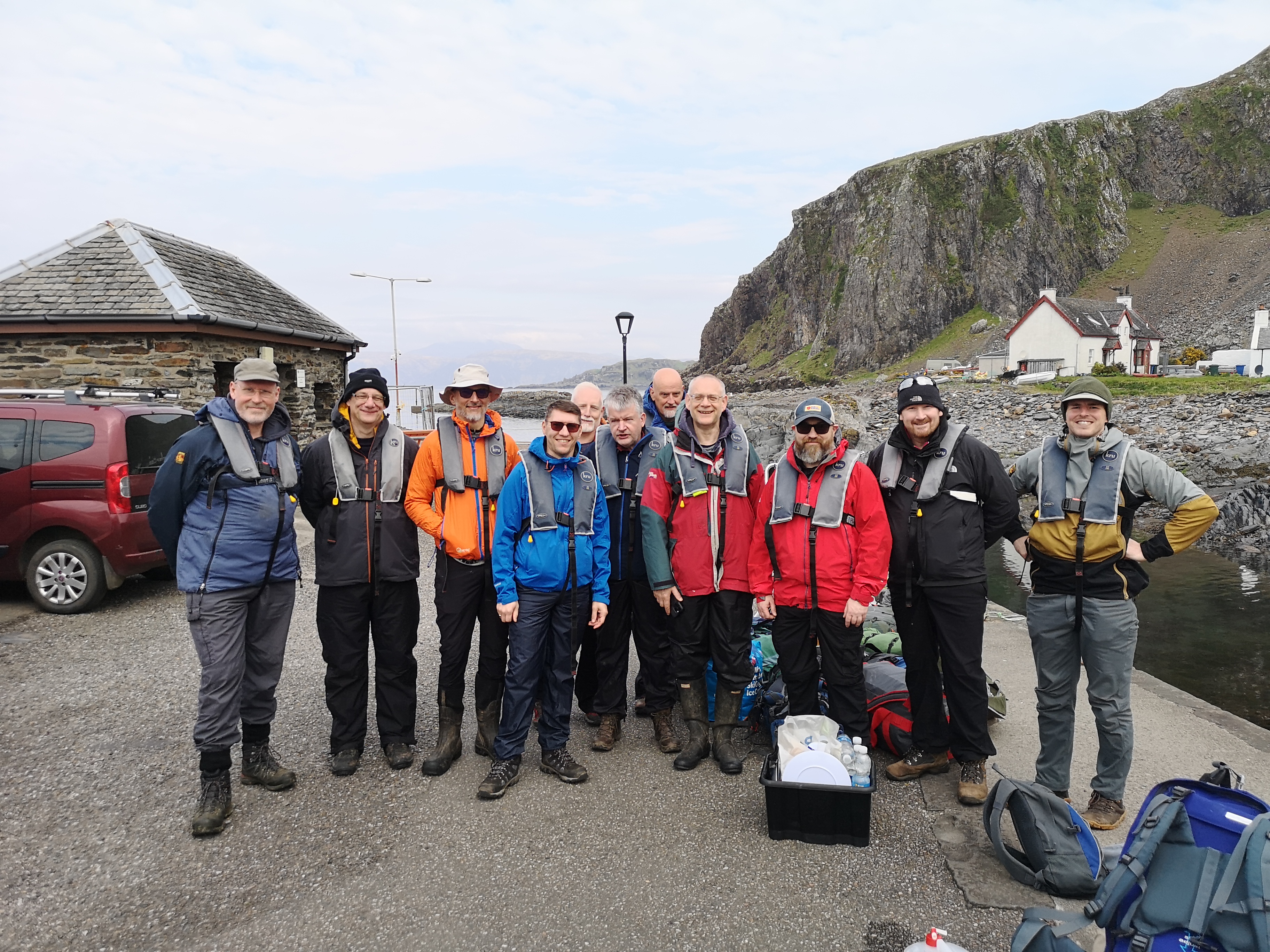
I am just back from leading a gathering of friends into what we call our annual ‘wilderness retreat’. These events have played a central part in my life now for… a long time. Decades. I could go back through the archive on this blog and chart each and every trip, remembering each one for a moment, or moments, but I would rather remember them in the form of friendship.
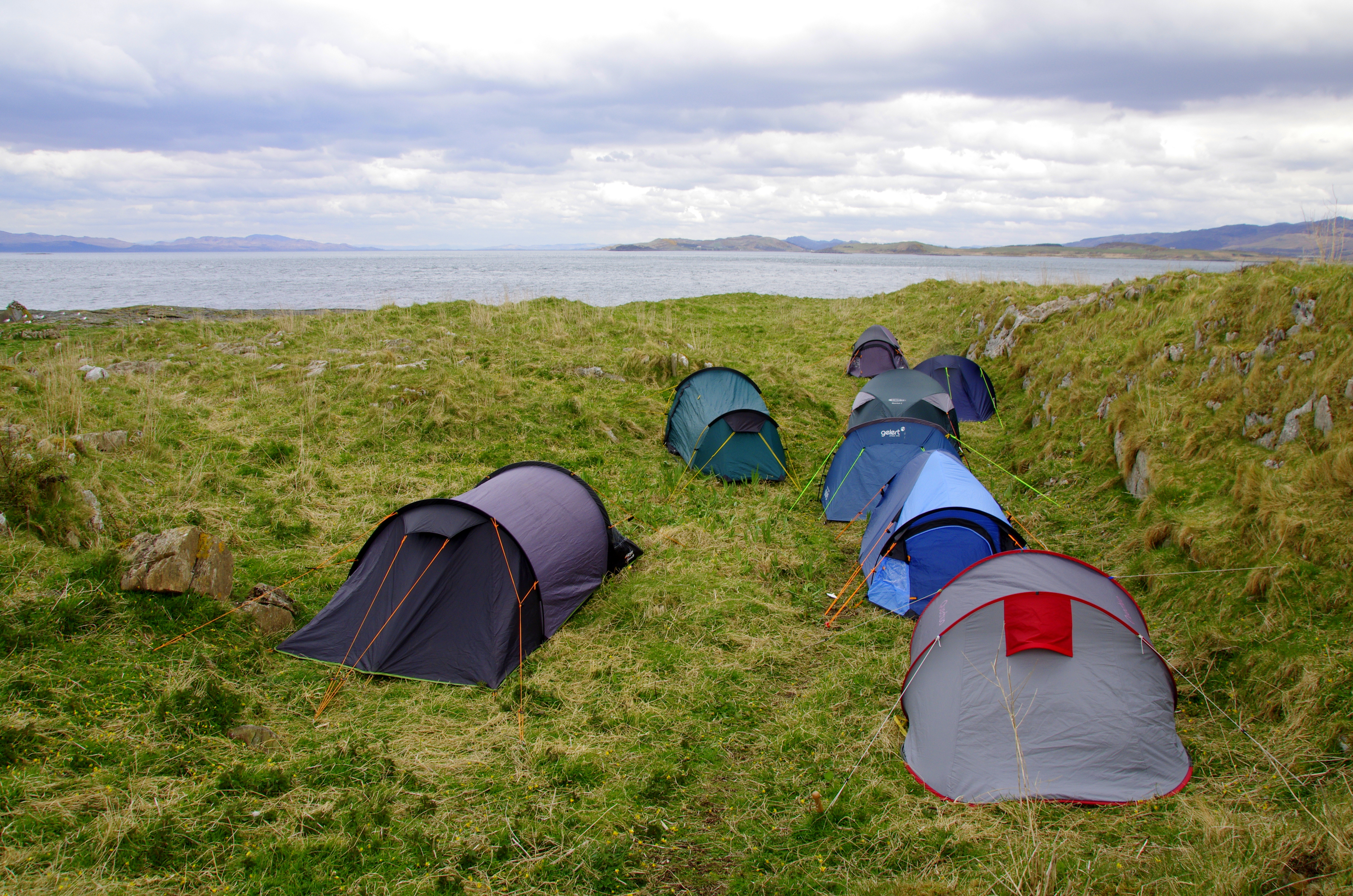
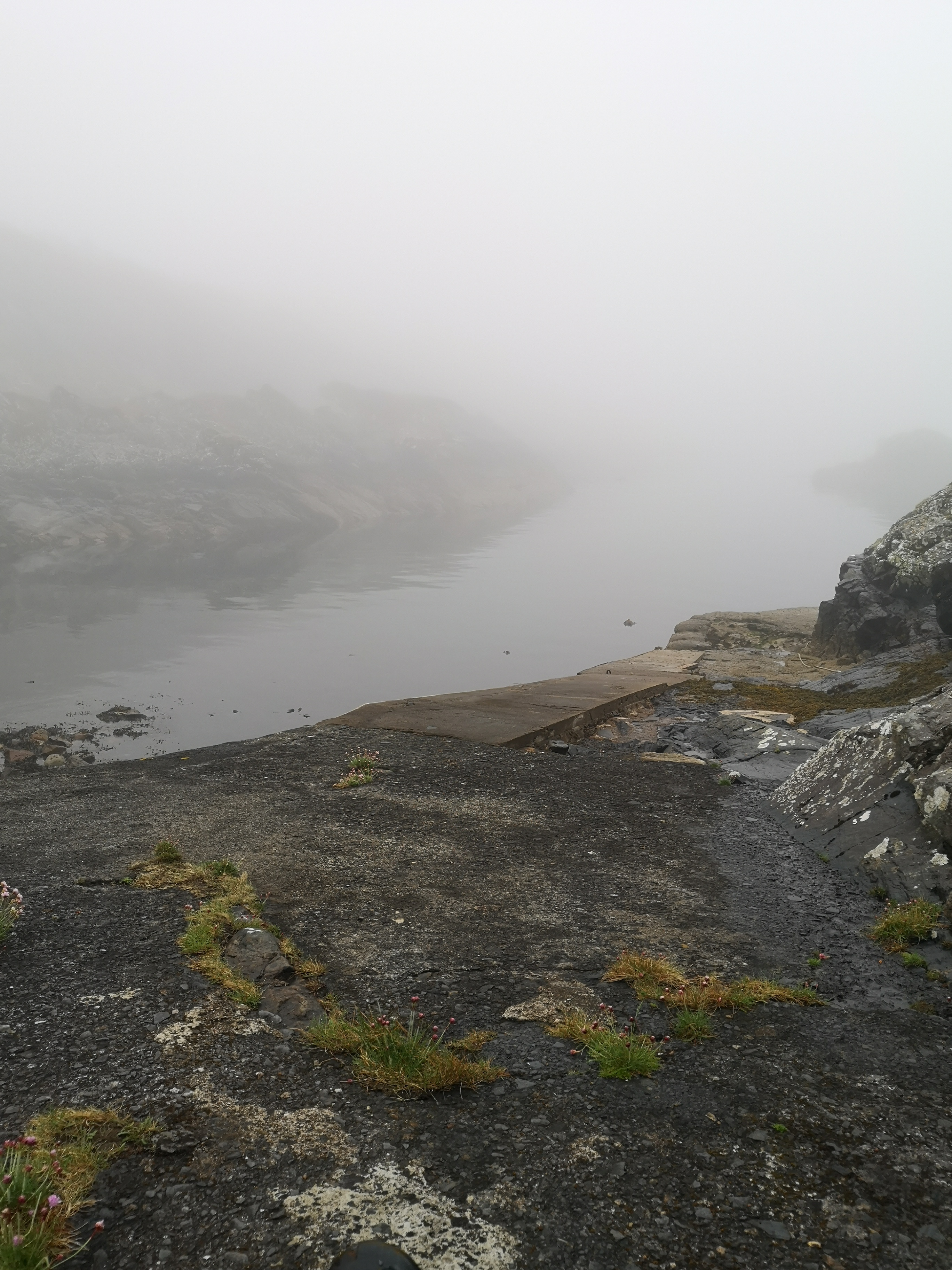
This year, 12 of us went back to an island called Garbh Eileach, exactly ten years after we were last there. It is part of an island chain called The Garvellachs, two islands down from the famous Eileach an Naoimh, with its monastery founded by St Brendan himself. Garbh Eileach is a different beast entirely, wild and wooded, exploding with life. While we were there, we saw deer, slow worms, white tailed eagles, golden eagles, a whale, some dolphins, seals, and innumerable other creatures, feathered, furred, scaled, crawling or swimming.
The island is also crawling with ticks. This caused a collective panic when we first landed. It would be possible to write a whole blog piece on this panic alone- on the ‘leadership’ nature of resolving it (which I carefully avoided as much as I could) and on the way that vulnerability in wild places might be psycologically and spiritualy significant – but this is for another time.
After all, no paradise is perfect.
Every year I spend a long time thinking about what we will ‘do’ as part of these retreat events. This usually comes down to a few ideas, a few scribbled words, along with a subdivision of time into ‘silence’ and ‘togetherness’ (although these are not mutually exclusive). The chat can be blue and profane, then will come a moment of deepest beauty and profundity. It is my experience that not only are these not mutually exclusive either, rather one can enable the other. The raw, earthy business of camping in wild places tends to be rather destructive to ‘nice’ facades, although some find this more true than others.
Unsuprisingly, given the recent output on this blog, this year my head was full of celtic spirituality, with the god who hides inside every living thing- even in us – discoverable not through addition but through subtraction, not by hiding our woundedness from the divine out of shame or condemnation, but by looking beneath it and through it, to that most foundational part of our being, which is god.
The mix of people who attend usually sorts out over the months and weeks- friends, and friends of friends. People have to drop out for all the usual reasons, but the boat usually stays full with others who take up empty slots. I hate to turn people who want to come away, but the limiting factor is always the transport – it is the only ‘cost’ – the boat charter being costly and tends to be in multiples of 12.
I confess to feeling slightly uncomfortable with the mix prior to this trip. Several of my dear friends could not come, so there were a number of new faces. Whilst I love to share these trips with new people, there is always a ‘getting to know the ropes’ phase. Not to mention missing my long term companions, because that is what these trips are for- to linger in wild places with people I love, and to dream of God, whatever of her remains within us.
It turns out that there is plenty.
One of the things we talked about on our trip was the old Celtic idea of an ‘Anam Cara’. Some of you will know the late John O’Donohue’s book of the same name, or even have heard the term used at weddings. It might have become mixed in with a lot of other celtic words and ideas that become so portable that they lose their meaning and power. So let’s reclaim it.
Anam Cara is not just a good friend, it is that friend who knows you. The one whom, when you are with them, you defend the least and share the most. More than that, Anam Cara is that friend who makes you a better person, just because of their friendship.
Not because they necessarily are better, more knowledgable, more spiritual, more mature.
Not because they are your elder, or your ‘mentor’ – at least of the one-directional kind. Top-down relationships are different. They can feel unequal. One big, the other small.
Anam Cara relationships are a soul deep connection that is somehow ‘enough.’
A connection that makes you more complete.
A connection to someone else which somehow intensified your own individuality, whilst simultaneously making us belong to something bigger.
Anam Cara is biased towards you – they are on your side – but they are not bind to your faults and limitations. In fact, because they know you, they know the faults better too – they may even call you out on them. You might do the same for them.
Anam Cara is something I have longed for most of my life.
Somehow, through these annual trips to make retreats to the wilderness, I have made connection with not one, but several people who have become to me, my own Anam Cara.
I have wondered how I came to be so blessed, and this made me realise that there was another ‘personhood’ in this Anam Cara relationship, and it is this.
The island.
If this sounds mystical and fanciful, perhaps it is, but allow we to explain myself.
For some time now, I have thought of god in a very different way to the God I was brought up with. Rather than God, the distant disciplinarian, who pre-judged me even before I was born, who made no allowances for my broken beginnings, whose favour seemed to rest only on my compliance with a narrow set of judgemental rules and commands (having said a single prayer that got me through the door), I instead began to catch glimpses of a god who loves things indiscriminately, wildly, with no thought of propriety or decorum. This god loved us so much that he unleashed herself on the world in the form of the Christ, who wears a coat of a million colours and in these parts of the world, many of them are green.
Then, through immersion in the Celtic wisdom tradition, it occurs to me that people have thought this way about god for thousands of years. Here is the god who animates blades of grass, who is in the weave of sinews that flex in the leg of a deer. Here is the god who lifts the arms of trees and is to be seen in snakes and crack addicts alike.
Remarkably, this is the god who lives in me. More than this, this is the god who IS me- not because I am god, but because through god, I am, and within me, is god. Because of my woundedness, the baggage I carry, the things I do to distract myself, the things I do that I should not and the things I should do but do not, then god is often obscured, deep inside, but she waits still, because like my Anam Cara, she is biased. She is after all, love.
As I seek to move in and to further understand this wisdom tradition, it seems unsurprising that when we linger in quietness in these wild places – particularly in the contained space of small verdant islands – our awareness of god who loves things by becoming them is closer. It enters into our relationships even, broken and imperfect as they surely are.
I feel a deep love for my friends, for those I share these islands spaces with. Sometimes this bursts out of me in unregulated and embarrassing ways. This is in part because I know them to be good, to be loyal, to be true, even to be slightly biased towards me and I towards them.
In part also, I blame the island, which embraces us all.








 this fragile tent