The bench…

I started a new thing today.

I love the beginning of new adventures- the chance to allow new things to unfold.

This one involves a commitment to meet with my friend Paul on a regular basis, and spend some time doing some deliberately spiritual practices, and writing about them. The idea is that we take a few hours and walk into the wilderness, talk, think and meditate.

On a bench.

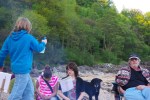
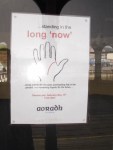
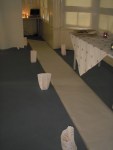
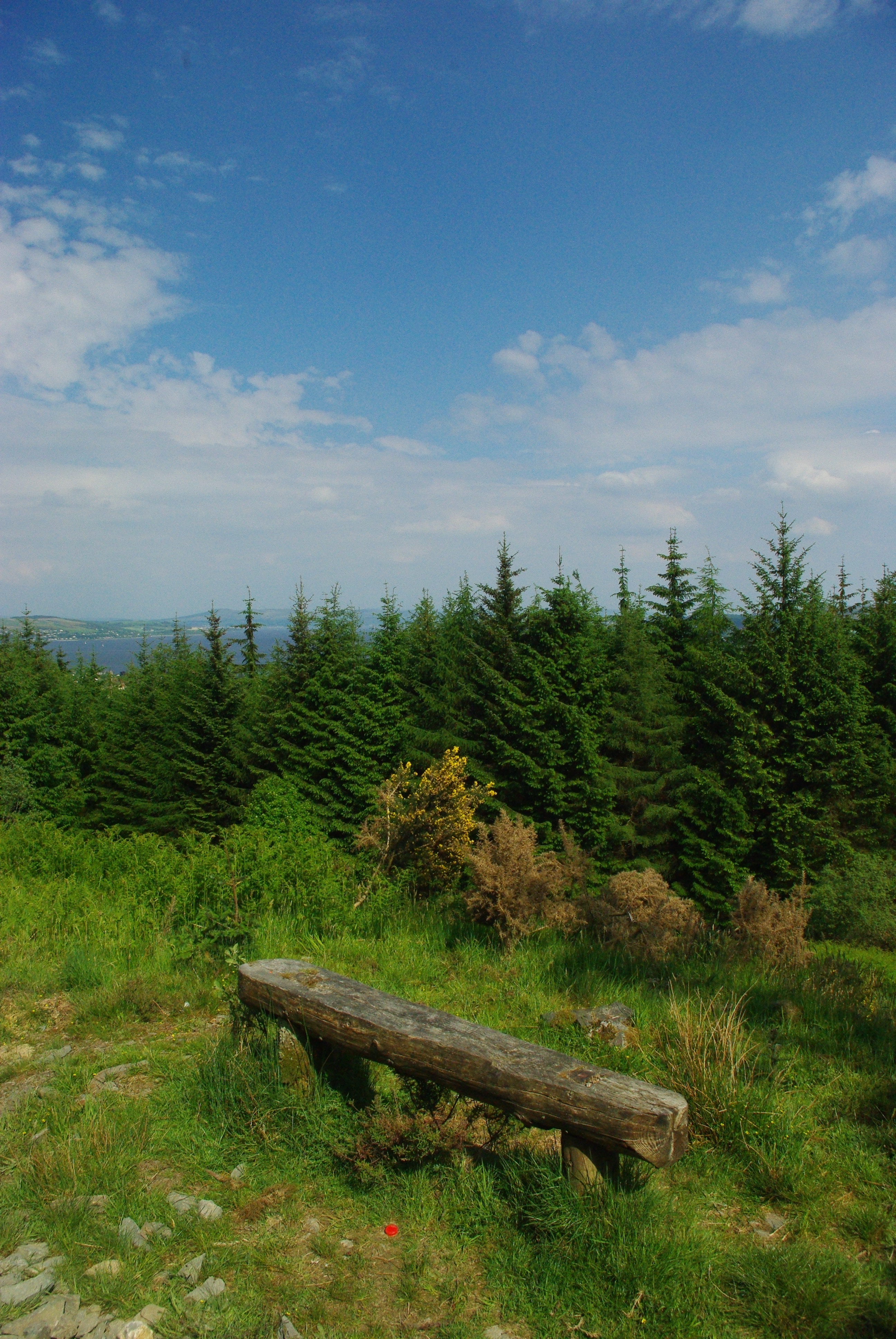
This was today’s bench, in the hills above Dunoon…

Today we used one of my favourite psalms-

1God, I’m not trying to rule the roost, I don’t want to be king of the mountain.
I haven’t meddled where I have no business
or fantasized grandiose plans.

2 I’ve kept my feet on the ground,
I’ve cultivated a quiet heart.
Like a baby content in its mother’s arms,
my soul is a baby content.

3 Wait, Israel, for God. Wait with hope.
Hope now; hope always!

Psalm 131 (The Message)

As I reflect on these ancient words, I am concious of a soul that is not content, and a heart that is unquiet.

I am puzzled too as to what things David was writing about that were ‘too great’ for him (at least in the un massaged version.) He was a king after all- but perhaps a king all too aware of his failings.

And I wonder whether I really want to stop dreaming grandiose plans- it is part of who I am. I kind of believe that our dreams should lie just beyond our grasp- just outside our comfort zones…

But in all of this, I am so aware that I need to hold on to hope.

Hope for life lived in communion with good friends.

Hope for life that is rich and deep and saturated with the things of God.

Hope for life that measures it’s meaning not by a kind of success that rots the soul.

Hope for life that is life-giving to others.

And in awareness that in this life there are no guarantees- no easy short cuts. But there are moments when what has been grey can become saturated with new colour.

Like today, on this bench…

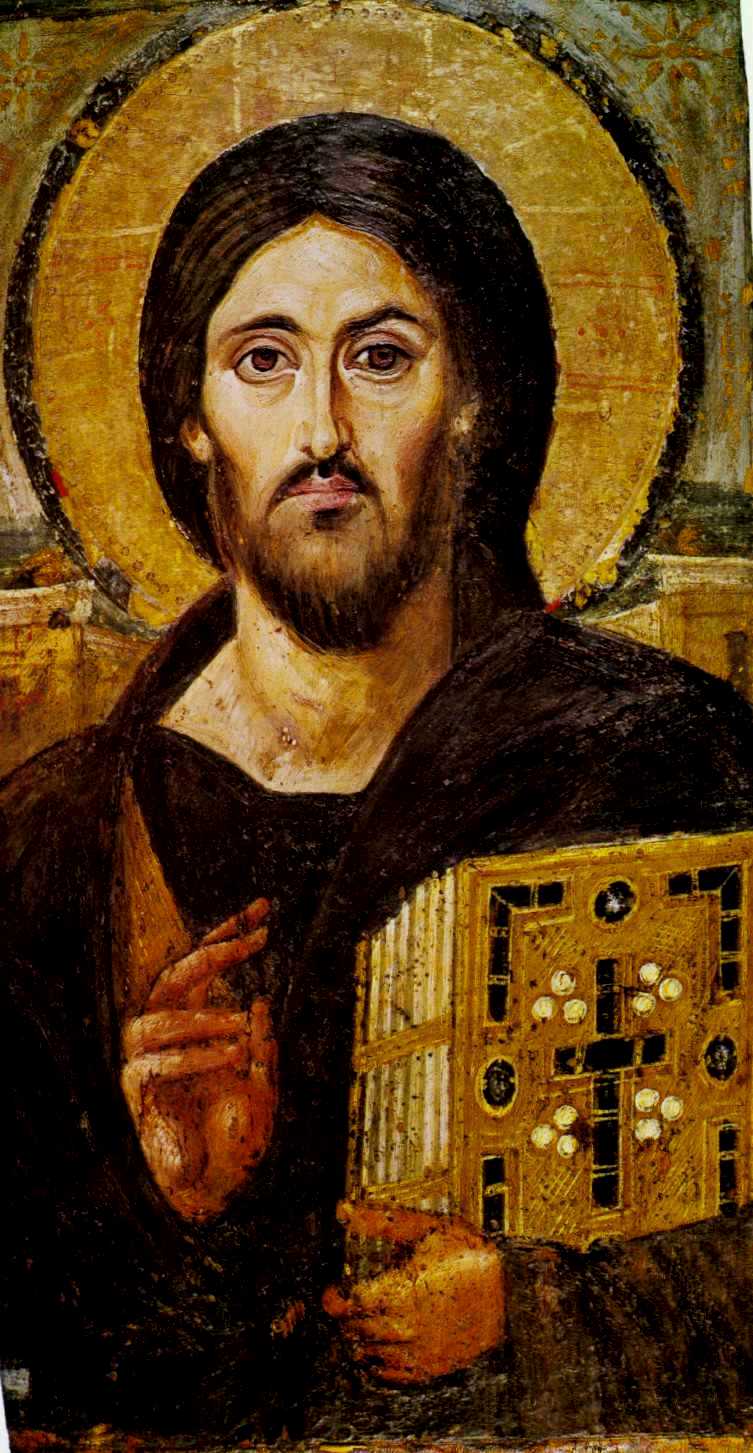
The face of Jesus…

Today’s offering from my faithful radio travelling companion- radio 4- was a discussion about one of the earliest surviving images of Jesus, which was the subject of a wonderful programme called ‘A history of the world in 100 objects‘.

This image was discovered not in Israel, or in Rome, but rather in the unlikely environs of Hinton St Mary, Dorset, by a local Blacksmith in 1963. It was laid down as part of a mosaic floor around 350 AD to decorate part of a building that some say was dining room, others believe may have been a chapel. It is a crude image, existing alongside pagan images of characters from Roman mythologyBellerophon killing the Chimera. The idea of putting images of Jesus on the floor that we could then walk over was outlawed soon after- but by then the Romans had abandoned their colony in far off Britain and pulled back to warmer climes- which is how it survived.

The image dates from a time around 40 years after Roman Emperor Constantine converted to Christianity, and suddenly a faith that had been persecuted and forced underground became the state religion- and so the powerful and affluent began to wear their faith like a badge of success and favour. Western culture (and the church) has been struggling with this unholy allegiance ever since.

The image sets me thinking about how we come to develop an image of the face of Jesus. We have no contemporary descriptions- and the only thing approaching a description in the Bible comes from long before the birth of Jesus in the words to the prophet Isaiah…

He grew up before him like a tender shoot, and like a root out of dry ground. He had no beauty or majesty to attract us to him, nothing in his appearance that we should desire him.

Isaiah 53:2

What we are left with are images (like the one from Hinton St Mary) that arise out of a particular context. The face of Jesus is then employed as a means of somehow making more real our own ideas, hopes  and prejudices about him. They mirror our failing, fumbling theology…

The rich traditions of iconography are deliberate about using such images as part of Spiritual discipline- something that has always been rather alien to my slightly colourless Protestant background.

(The oldest icon of Christ Pantocrator,encaustic on panel, c. 6th century (Saint Catherine’s MonasteryMount Sinai).)

The tradition that I come from does talk a lot about ‘The face of Jesus’ however- often in the context of rather sickly choruses. Here the face of Jesus in conjured up as a kind of shining radiant king looking down in love from on high.

For the rather unimaginative chorus writer- ‘face’ also conveniently rhymes with ‘grace’…

A much better example of this comes from one of my favourite Christian songwriters- Mark Heard, who sadly died in 1992. Here it is-

If I ever get to see Your face
And if You will spare me
I know that my allegiance to the human race
Will not ensnare me

If I ever get to know Your mind
And I survive it
I’m sure that I will leave a way of life behind
I won’t revive it

Lord, You know I need Your love so bad
I hardly even have the strength
To take Your hand

If I ever get to hear Your voice
And I can take it
I’m certain that I will listen
To the better choice
And I will make it

Written by Mark Heard
© 1981 Bug and Bear Music

A new kind of Christianity…

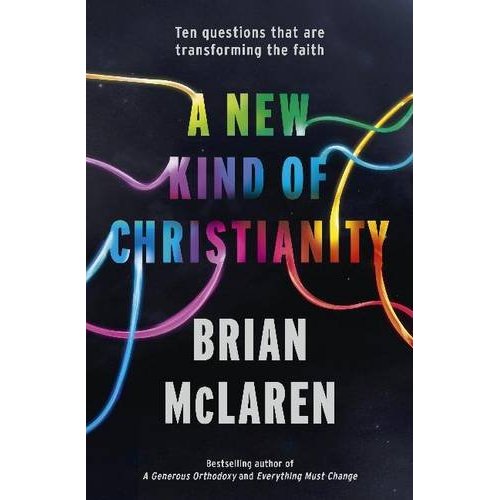
I finally got round to ordering a copy of this book today.

I have found McLaren’s remarkable writing transformative to my own understanding of faith for a number of years. I very much appreciate his willingness to be radical and controversial in his theological thinking, whilst remaining humble and graceful in his response to the tirade of abuse he has been subjected to.

However, I have found myself avoiding this book. Perhaps because I wonder if he is really saying anything new- all the reviews seem to suggest that it is a gathering together of ideas he has been developing in his previous writing. As I read the ’10 questions that are transforming the faith’ I suspect I know what his answers will be, more or less.

To be honest, the hype around the release of the book repelled me a little too…

But then again- perhaps this shows just how much the theological landscape has shifted over the past 10 years. Questions that would once have been as welcome as a trump in a spacesuit are now increasingly part of a the popularist mainstream.

Does this mean that we are seeing the development of a new kind of Christianity?

I am not sure. I hope so though.

In the meantime- I am going to read the book…

By the way- you can watch 10 videos and download study material for group discussions around the themes raised in the book from The Ooze.

Here is a taster- on that difficult questions of relationships with other faiths…

Vodpod videos no longer available.

more about “A New Kind Of Christian- Brian McLare…“, posted with vodpod

Making visual prayers…

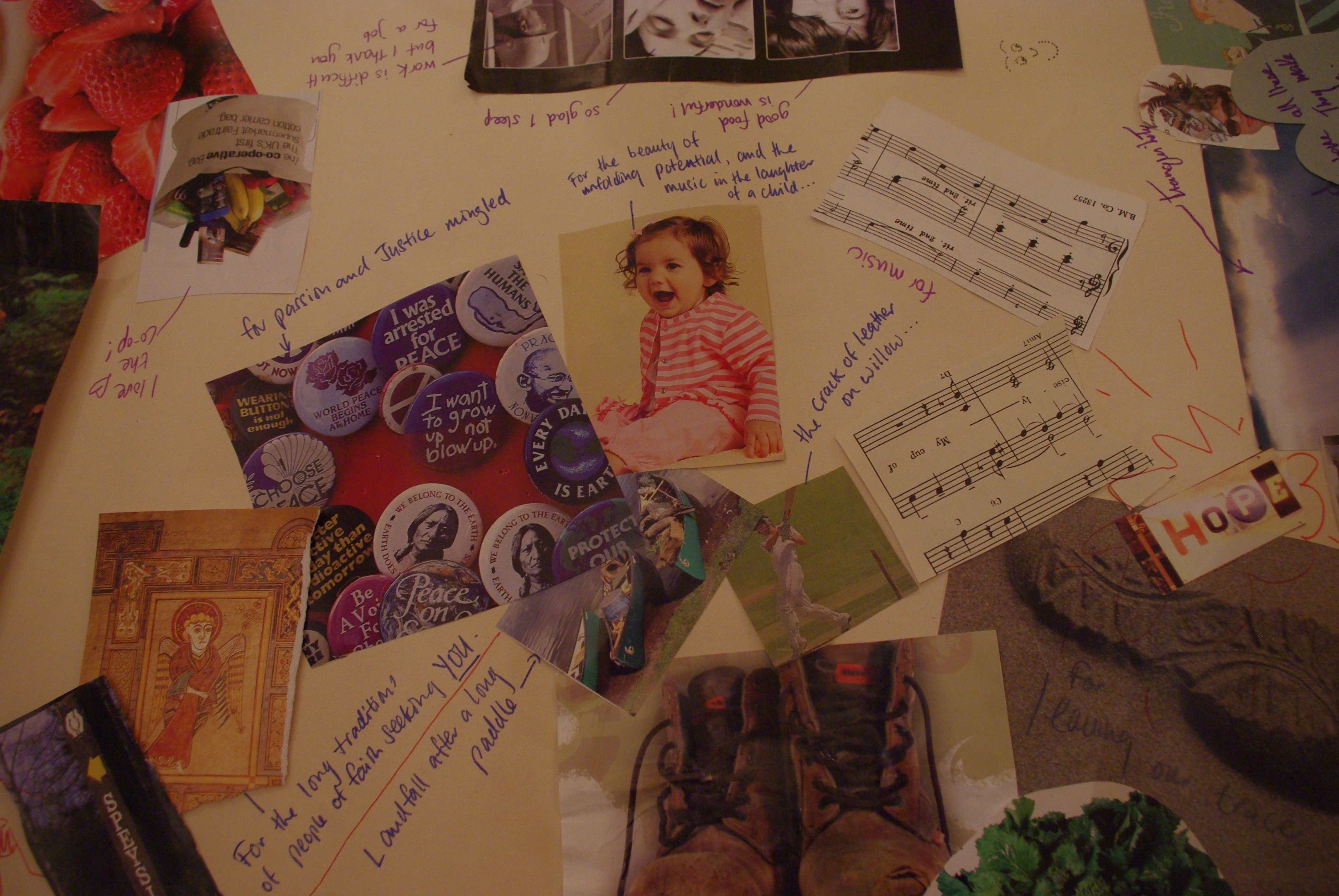
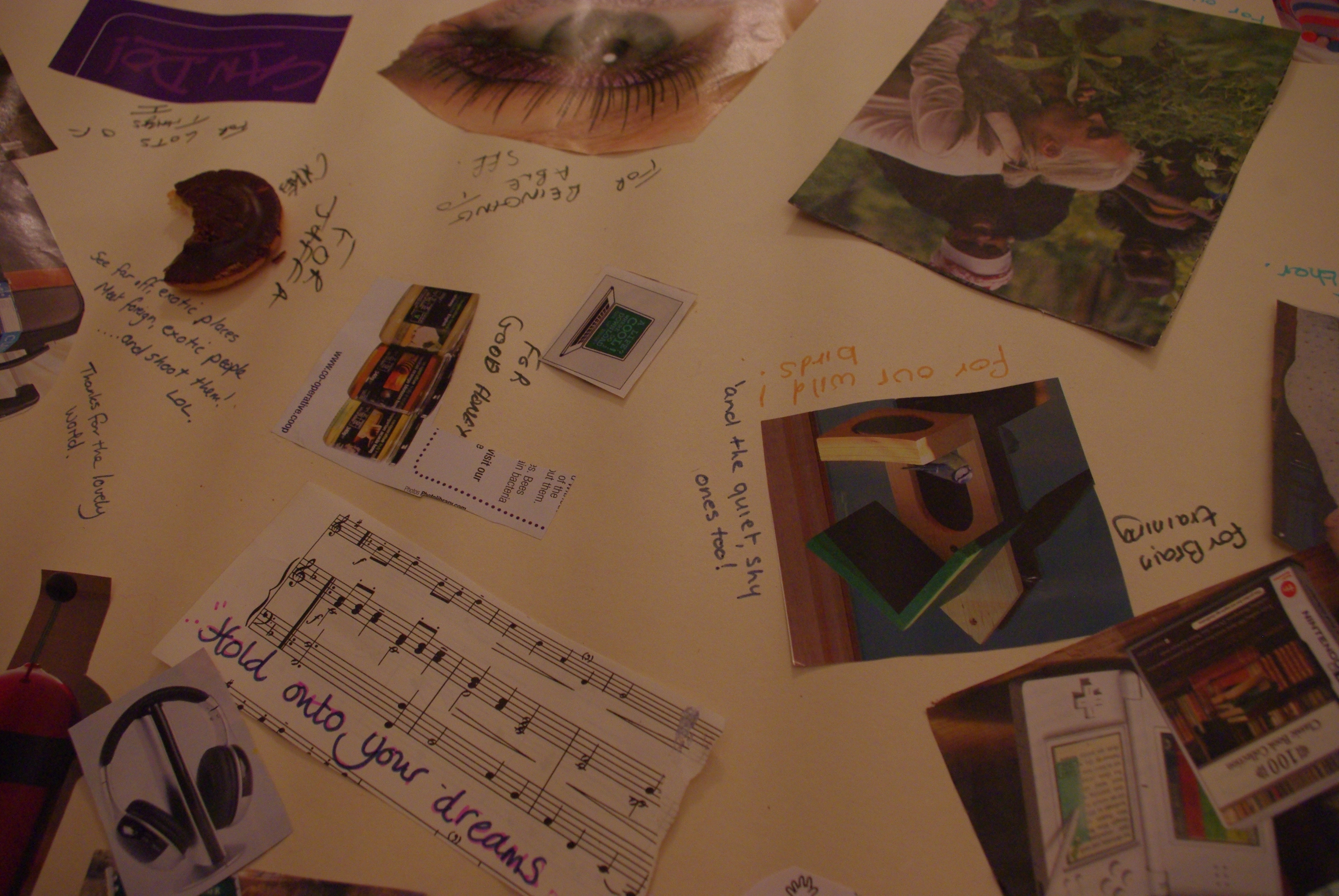
We spent some time sticking pictures at housegroup last night.

We had gathered loads of clippings from newspapers and magazines, and used them to construct a great big prayer of thankfulness.

And there was much laughter, and much friendship.

Which was a kind of prayer too…

Michaela read this poem by Robert Siegel

A Song of Praises

for the gray nudge of dawn at the window

for the chill that hangs around the bed and slips its cold tongue under the covers

for the cat who walks over my face purring murderously

for the warmth of the hip next to mine and sweet lethargy

for the cranking up the hill of the will until it turns me out of bed

for the robe’s warm caress along arm and shank

for the welcome of hot water, the dissolving of the nights stiff mask in the soft washcloth

for the light along the white porcelain sink

for the toothbrush’s savoury invasion of the tomb of the mouth and the resurrection of the breath

for the warm lather and the scrape of the razor and the skin smooth and pink that emerges

for the steam of the shower, the apprehensive shiver and then

its warm enfolding of the shoulders

its falling on the head like grace

its anointing of the whole body

and the soap’s smooth absolution

for the rough nap of the towel and its message to each skin cell

for the hairbrush’s pulling and pulling, waking the root of each hair

for the reassuring snap of elastic

for the hug of the belt that pulls all together

for the smell of coffee rising up the stairs announcing paradise

for the glass of golden juice in which light is condensed and the grapefruit’s sweet flesh

for the incense of butter on toast

for the eggs, like twin peaks over which the sun rises

and the jam for which the strawberries of summer have saved themselves

for the light whose long shaft lifts the kitchen into the realms of day

for Mozart elegantly measuring out the gazebos of heaven on the radio

and her face, for whom the kettle sings, and the coffee percs

and all the yellow birds in the wallpaper spread their wings

Ahhh.

I think I like this bloke’s poems.

(Although to be honest, I am not usually that grateful in the morning.)

Loneliness and the agents of the Kingdom…

There has been a lot in the news recently about loneliness.

One in 10 Britons often feel lonely, and those aged 18-34 are more likely to worry about being isolated than older adults, according to a Mental Health Foundation report.

Four in 10 have been depressed because of loneliness, and 48% believe people are becoming lonelier.

While 17% of over-55s worry about being alone, 36% of under-35s do.

The elderly, jobless and those who are disabled are most likely to be affected.

Persistent loneliness is bad for people’s mental and physical health and can be linked to stress, heavy drinking and poor diet, says the charity.

Peter Byrne, associate registrar of the Royal College of Psychiatrists, said: “Our stereotype of the older person, home alone … is challenged by information [showing] the number of children calling a helpline who are lonely has increased by 60% in five years.”

The Guardian- here.

I find myself interested for several different reasons-

I work in a mental health setting, and the role of community and social support is being ever more recognised as both cause and potential recovery of mental ill health.

I am interested in the role of social networking (and other on line health and social care platforms) in supporting us- and have a strong feeling that our reliance on the web is contributing to the isolation of many people. The stats above for example suggest that loneliness is especially concerning in the ‘facebook generation’- who might have three hundred on line friends, but no-one to go to the pictures with at the weekend.

This is a recurrent theme on this blog- here for example.

It is also a key theme for our Greenbelt worship event this year.

Here is the question- if the statistics suggesting that loneliness, isolation and disconnectedness are increasingly defining characteristics of our society- then what should be the role of we, the agents of the Kingdom of the living (relational) God?

Who made us in a way to be at our best when we love and serve one another?

As we seek to serve those around us, how might we need to structure our activities to better shine light and sprinkle salt to bring out the good flavours of the societies we serve?

It used to be the strength of our institutions of faith- the way we brought together and unified our communities (sometimes for ill as well as good.) We birthed a thousand community groups- womens groups, mens groups, kids groups. And we served our communities at points of crisis and celebration in a way that marked and deepened our understandings of transitions.

We still do many of those things- but perhaps we need to think outside of the boxes in which we currently work within. There is great need out there…

Aoradh pentecost beach bonfire…

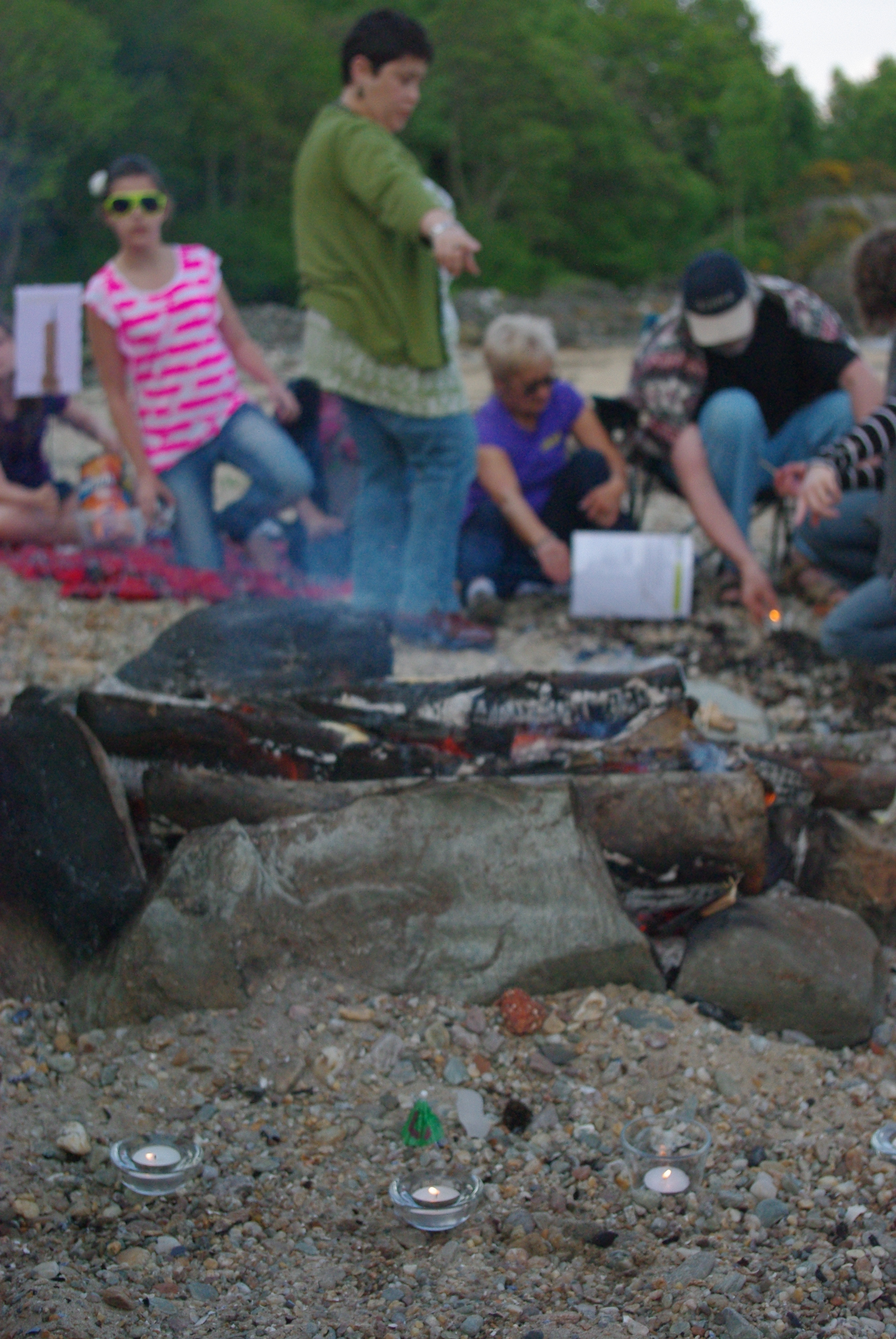
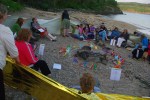
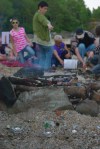
We are just back from Ardentinny beach, where we met to celebrate Pentecost, using a barbecue and a bonfire. The sun shone, the kids swam in the sea, and there were NO MIDGES!

After all the eating, we sat around the bonfire and celebrated the birthday of the church, and presence of the Holy Spirit. We used this prayer to give shape to our activities-

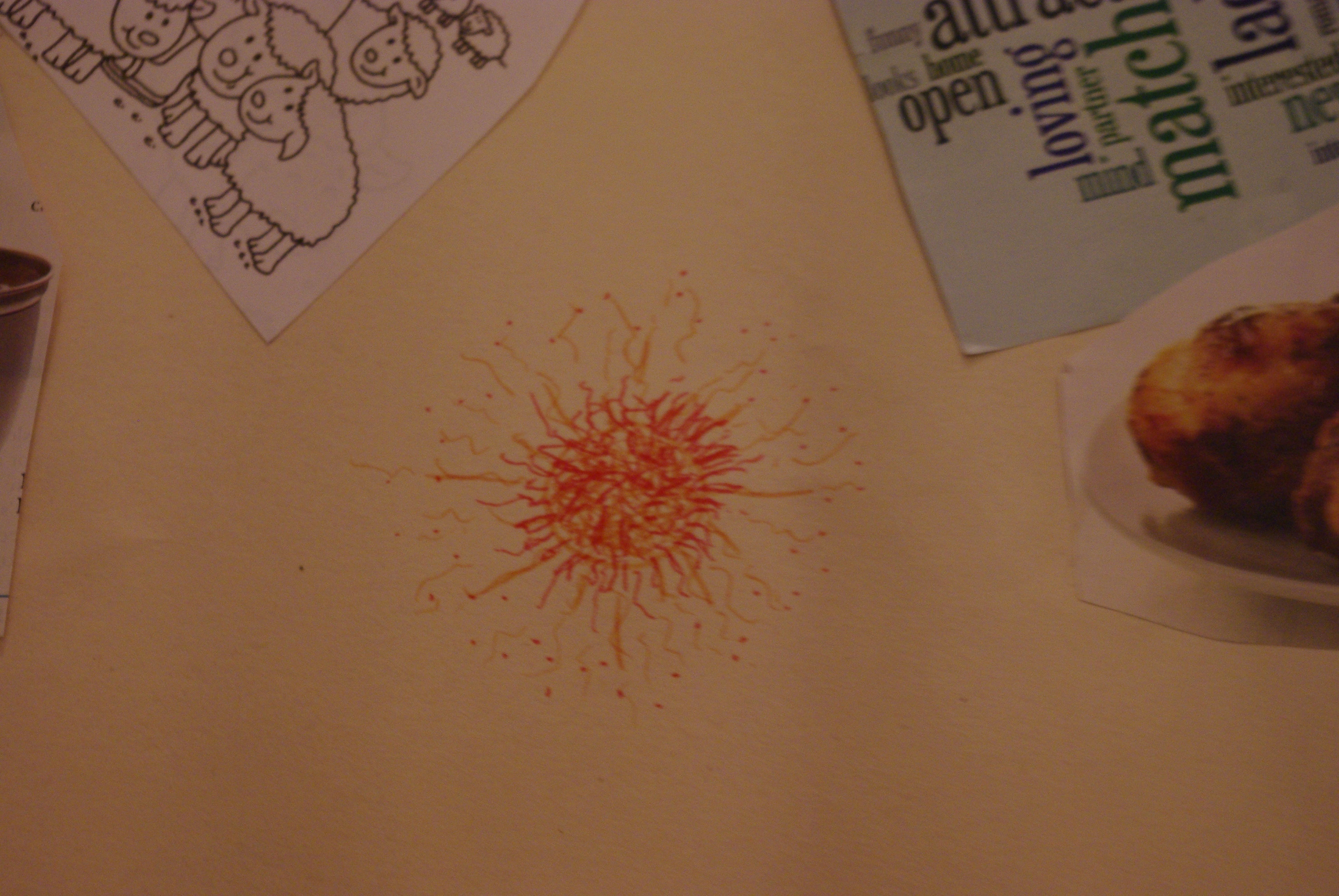
The bonfire was surrounded with concentric rings scratched in the sand.

Come Holy Spirit

Come Spirit like rain, refresh, renew, revitalise.

Come Spirit like fire, embolden, enlighten, enable.

Come Spirit like a mighty wind, move, challenge, enkindle.

Come Spirit like wave, move, tear down, lift up.

Come Spirit, come Breath, draw us close, make song, bring intimacy.

Come Spirit, come Love, make one, make justice, make peace.

Come Spirit, come Kingdom, come Love.

Martin Brown/CAFOD

We took each sentence, and used it as a prompt for an activity- after each activity we added symbols onto the circle.

RAIN- we made rain shakers, and mister sprays squirted over each persons head. We then added cocktail umbrellas to the circle.

FIRE- we threw handfuls of sugar onto the fire, which flared up, and then lit candles and placed them on a circle.

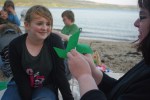
WIND- we made paper windmills and placed them in the circle.

WAVE- we did a mexican wave, and imaged the moving of stones up a beach- adding a stone to the circle.

BREATH- we spoke of the closeness of breath, then took streamers on sticks, and added them to the circle.

LOVE- we added painted stones in the shape of love hearts to the circle (and collected them later to carry away with us.)

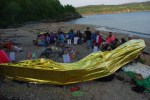
KINGDOM- we took a roll of gold foil, and wrapped it around the whole group as a crown- and a sign of being the agents of the Kingdom of God. We then stepped outside the foil as a sign of going outwards.

Then we closed by reading the prayer out loud.

And it was simple, and lovely, and soul-good.

Conflict…

It has been a difficult period for Michaela and me. Life has thrown a few challenges our way over the last few months.

Recently we seem to have found ourselves in the middle of more conflict. Both of us are having a hard time at work, and there has been one or two other issues that have arisen closer to home.

I continue to find conflict so difficult. It disables me. I am caught between wanting to rise up and smite the ‘enemy’ with my club, and the strong conviction that we are called to a way of loving and peace making. Yes there is a time to stand up and be counted, but in my experience, conflict rarely brings the best out of anyone, and the ground we defend easily becomes poisoned- even when are relatively innocent parties.

Conflict also tends to reduce us to the core of who we are- the masks come off, and we are suddenly 15 years old again.

I have found no easy answers- and recognise my own dysfunction whilst hoping for better things.

Because conflict will come to all of us in some form, even if we attempt to live an insulated life- but all the more so if we follow the way of Jesus and set ourselves towards living more openly and deeply.

So I do what I often do in the face of the challenge of life, and start to write…

Conflict

It squeezes me stiff and sore

Making my brain beat slowly

Taking me down

Bending me like a creaking tree

In an angry wind

I wish I were stronger

Firmer of each conviction

More able to articulate-

Striped in black and white

Not a million shades

Of grey

But aged 43

The man I am

Always I will be

Soft and fragile

Skin thin and stretched

Too easily pricked

And too anxiously defended

Turn me Lord to tenderness

Teach me to forgive

In this sharp and ragged place

Point my way to peace

Because when I am right, I’m also wrong

This castle

Is built on sinking ground

Positivism, despair and the Cross…

A while ago, I wrote a long piece about my (rather negative!) reaction to the dominance of positive thinking within our culture, and perhaps more particularly within our faith based structures.

My friends will smile. Michaela (sometimes known as Polyanna) is almost universally optimistic in our family- a bit like a cross between Christopher Robin and Tigger, and me- well let’s just say I can be a bit of a donkey! But I suppose that is the point. We live in a life of variety and fluidity. Life has this way of throwing in the unexpected- to bring huge joy, sometimes followed by terrible pain and loss. Our roads are long and there is blessing and holiness in all these things- wherever the journey takes us.

We should beware those voices who push us towards a view of life, and an understanding of God, that is based on relentless positivism. There lies a danger that we live our lives towards a kind of wish-fulfilment- a seductive philosophy/theology of success and power which undermines the core messages of the Gospel… and is very much at odds with the way of Jesus.

Equally we should beware the voices of gloom who counsel us that all is lost and the end is nigh. Too many lives are walled in by defeat and damage done by life- and for these people, the way of Jesus is to seek to be a chain breaker and a freedom maker. Some of this might involve the shift of mind-set towards embracing the possibility of change- that old sleight of hand trick called Cognitive behavioural Therapy that I have practiced in my mental health career. The dominance of this approach to almost every human problem is not without good sound reason- even if the cynic in me might also point to the economics of providing short term, focused, ‘one-size-fits-all’ kind of interventions.

I had two reminders of the issues discussed above this week. Firstly, Jonny Baker quoted some lovely writing by Ann Morisy in a discussion paper about mission.

Ann’s take on mission embraces both powerlessness, the eschewing of power AND the power of positive thinking. She cites Seligman, that great doyen of the American ‘self help’ movement. As I read her article I found myself saying YES….yes…(but)…

The YES was to some of these things (my emphasis)-

When we muster an intention to do things like Jesus, i.e. to follow Jesus – even in the most modest of ways – we arrive at the portal into the economy of abundance, where virtuous processes flow and grace cascades; By doing it like Jesus (even just a tad, and even just with the intention – because there is so much grace around) we trigger virtuous processes that gain momentum.

This relevance and transformational power of faith make it urgent to articulate and promote the resources at the heart of faithfulness that lead to human flourishing. And we need others to help us pass the test of public reason – it is not sufficient for our theologians or evangelists to simply assert the virtuous processes that faith sets in train.

The other article that interested me was a post reviewing this book on the Emergent Village blog.
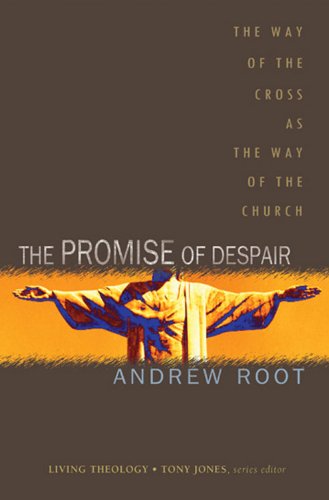
I have not read the book (but it is now on order.)

Root asks the questions as to what a church would look like if it were based upon a theology of despair. He starts with Luther’s theology of the Cross– and suggests the church needs to reclaim a crucial piece of Luther’s insight, which he frames something like this-

God brings life and possibility out of death and impossibility.

I am taken back again to the Cross. To the point of absolute brokenness, failure and despair. To the point where all dreams ended, all hopes vanished and all future was stolen.

In my working life, I have met many people who are in this place. If our call is simply to tell them than in three days, there will be resurrection, and all things will be made new,  then we are in danger of dishonest dealing.

  • because it is not our cross
  • and we are not gifted with foresight
  • and because our voices will not be credible
  • and because those who are broken and in mourning are blessed

Something else that is crucial to me is the possibility that ‘God is to be found in the broken places. That he is made known in nothingness and death’.

Like the Navajo rug perfectly woven apart from one flaw, which allows entry of the Spirit.

And that healing comes most deeply not through a denial of pain- or it’s manipulation into insignificance- but rather through the transformation of discovering God within our difficulties and broken parts.
‘Long now’ weekend pics…

We have had a lovely weekend.

We set up Aoradh’s ‘Long now’ installation (developed for Greenbelt Festival last year) on Dunoon pier.

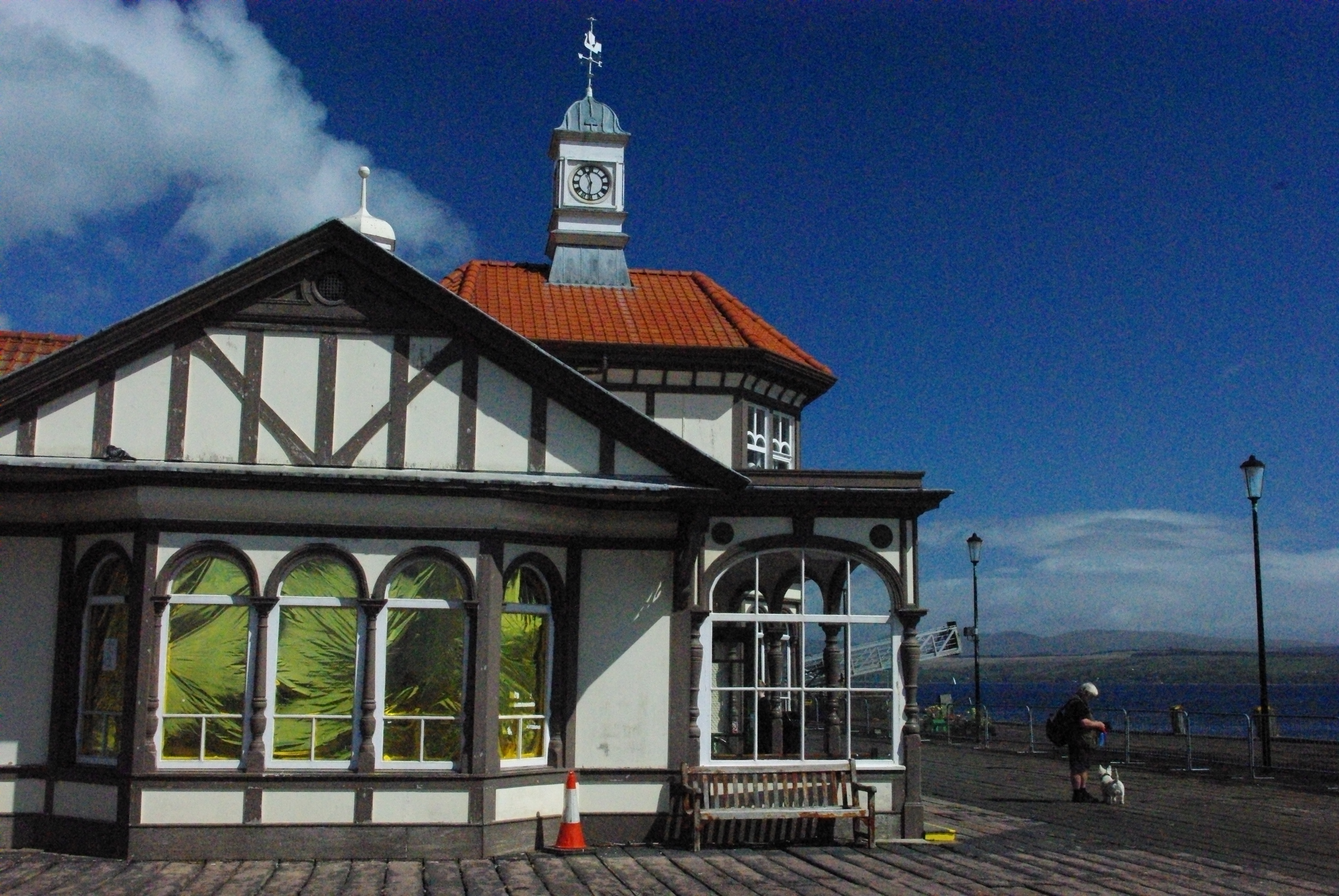
We spent Friday evening and Saturday morning setting up the lovely old Victorian room in a wooden building on the end of the pier. Considering we set the thing up in one hour for Greenbelt, this was luxury indeed!

The installation was then open to the public all day Saturday. One couple in particular will live in our memory. They were visiting Dunoon for the day to say goodbye to their grandmother, who was dying in the hospice. Whilst waiting for the ferry wondering what to do to pass an hour, they came into the worship space. And found themselves considering their life line, in the context of the certain knowledge that they would not see their grandmother again in this life. It is almost as if we set up this thing over the weekend just for them! May their times be blessed…

Today, we met for a meal in the holy space- then we sang some songs and Audrey led us through communion. I love these times… and as I have said before, the setting up and breaking down is worship for me.

So- some pictures…

‘Long now’ worship space, Dunoon pier, tomorrow…

We are just back from setting up the space on Dunoon pier for tomorrows Aoradh ‘Long now’ worship event…

It is always such a lovely place to be- an old wooden pavilion, spilling over with light (in fact often too much light, we have to mask off the windows.) Setting up and breaking down of the spaces we have set up there has always been a huge part of the pleasure of the thing. It is a time of companionship, laughter, shared meals and just the occasional moments of irritation as we all have our different understanding of how things should be done…

This is what the long now is about- if you are in the area, please come!

Welcome to ‘The long now’

You are invited to participate in a journey through time.

As you travel, you will make your own mark- your own timeline.

You will stop at stations symbolising-

  • GEOGRAPHICAL time
  • HISTORICAL time
  • LIFE time…

Wherever we stand- whatever our perspective- we are standing in the NOW.

It is always NOW.

You will be invited to linger in this holy space that God gave us- NOW.

Finally you will be asked to think about the future;

the NOWs still being given to us, like gifts to unwrap.

In all these things

May we be learning to be grateful for the past

To participate graciously in the present

And to live in hope for the future.