The Church, red in (male) tooth and claw…

I read this book recently;

41xUqf6zRSL


It tells the story of Helen Percy, a Church of Scotland Minister and survivor of childhood sexual abuse, who was raped by an elder of her Church, before being ripped apart by a combination of the patriarchal Church archaic infrastructure and the national press.

Helen Percy writes beautifully, but I was left feeling that she is a soul still caught in the harsh headlights of trauma and I long for her to come home, wherever that home might be. Sadly it is unlikely to be the Church.

Read it if you want to understand something more of the life long effects of abuse in childhood. Read it too if you want to see the male institution of Church through the eyes of a young woman who found no mercy, just hard inflexible self serving judgementalism masquerading as justice.

It will break your heart.

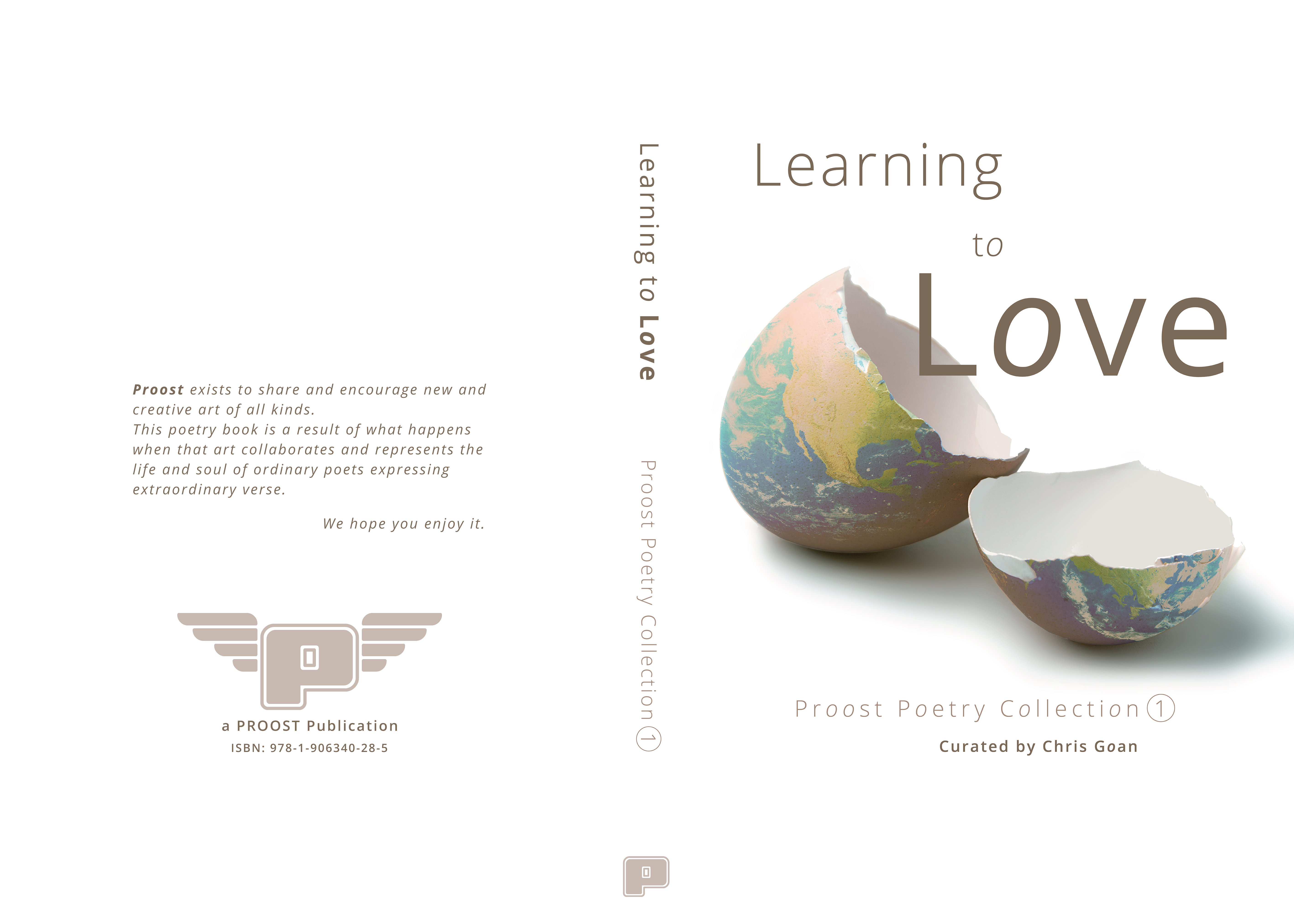
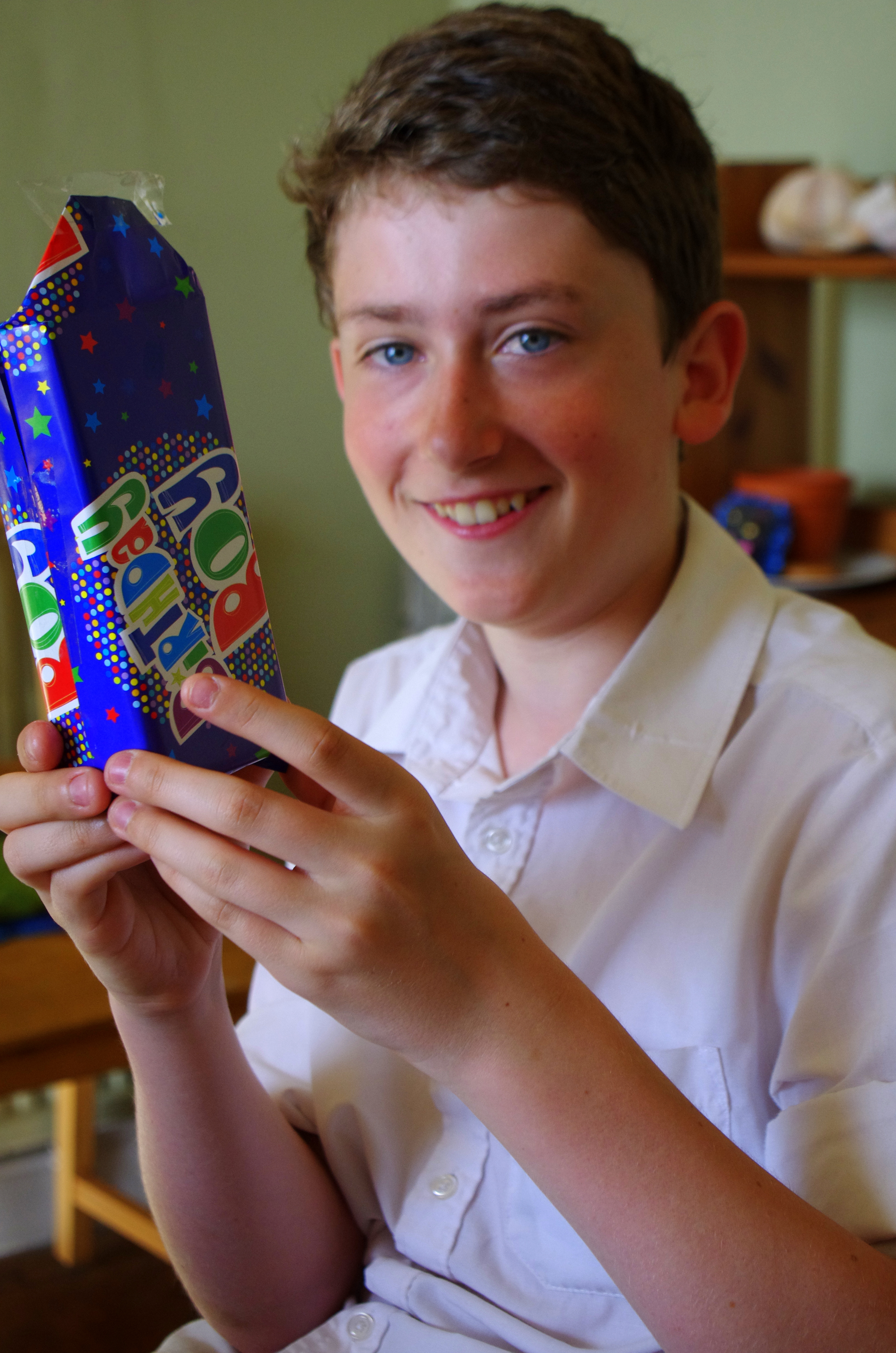
Cover of new book…

Regular readers will know that I have been working on and off for most of this year to pull together a collection of new poetry. It has been a labour of love, but boy it has also been a labour. Hours and hours of reading, editing, formatting, communicating. In fact, I need to apologise to many of the poets as the communicating bit has not always been my strong point.

Anyway, the book is almost there- I received a copy of the cover today- designed by the wonderful Jon Birch (whom many of you will know from his Asbo Jesus cartoons and all sorts of other creativity).

Here it is;


 Print

Fatherhood; compassion and competition…

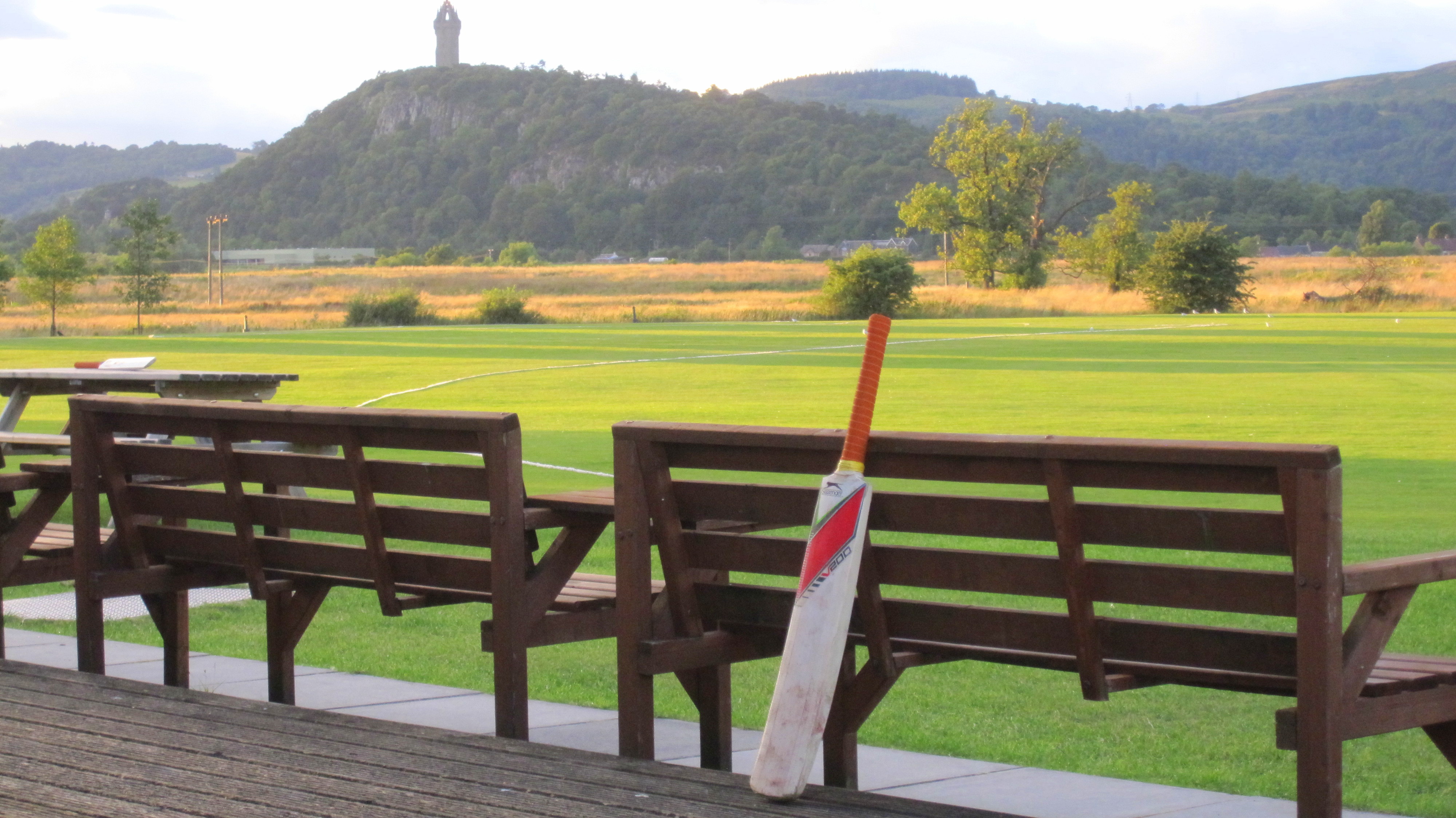
cricket bat, wallace monument

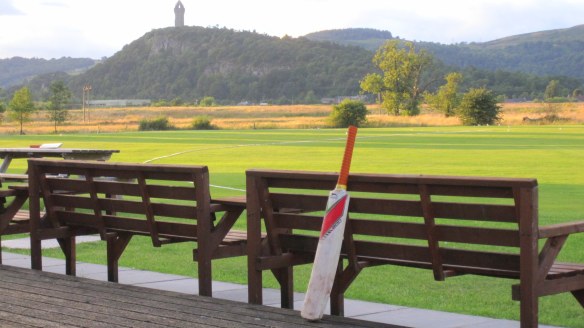
I played a cricket match yesterday- nothing unusual about that, I play a couple of matches most weeks at the moment. It keeps my aching bones lubricated and more importantly, allows me to spend some time playing sport with my son Will. I am acutely aware that there is a narrow window in which we will be able to do this as he is getting better and better, whereas my already limited abilities are being further eroded.

Until very recently, Will has been the rising star in most of the games he plays. Old men purr at his potential when they see a forward defensive stroke to a fast bowler, or in particular when this diminutive lad runs in and rips a leg spinner past a startled batsman. But despite his potential, until recently I usually did slightly better in the runs and wickets tally. This is changing however.

A case in point was yesterday. I went out to bat at number three and was run out without facing a ball (not my fault this time though- suicidal call from the club president!) I was not asked to bowl either, mostly because Will set about demolishing the opposition, who just scraped over the line to beat us after he had claimed 5 wickets for 49 off 13 overs. Half the balls he bowled beat the batsman who had no clue which way it was spinning.

Whether or not you understand what on earth I am talking about I am sure you get something of the way that this impacts on the relationship between father and son. Sport, as it often does, becomes a litmus paper for real life- it is hyper (un)reality in a world where everything else seems so darned complicated. It is also a way men and boys can express emotion which culture otherwise renders taboo. We are a family who try to transcend this taboo but still we are affected by it.

So, out on the field, between us there has been;

The Father who pushes, cajoles, encourages, who is a safe team member. The father who can hear all the lack of confidence, the upsets, the unjust umpiring stories etc…

The Father who is a role model, and against whom one measures performance. The Father who has to be defeated, overcome, surpassed…

The Father who is an embarrassment because he does awkward things, or because he shouts stuff that should be left unsaid, or because he is just there…

The Father who fades into the past, who watches from the outfield, from the pavilion, from the distance.

It is the natural order of things. It is as it should be. We have a journey yet to make, Will and I- but it will be no longer as immediate, no longer so dependent.

At least not today, tomorrow may well be different. That is the other thing about Fatherhood, it seems to change all the time. At one point we are on the verge of being adult companions, then we are back to adolescent discipline routines. One day I watch a carefully compiled innings, rich in ground strokes, then (as yesterday) I watch him run impetuously past a spinning ball to be stumped.

I think I have now flogged enough from this analogy, for today we play again- me with my sore ankle, dodgy back and strained thigh muscle. I will forget it all though in the curve of the ball and the joy of fatherhood.

A tale of two churches…

IMGP6519

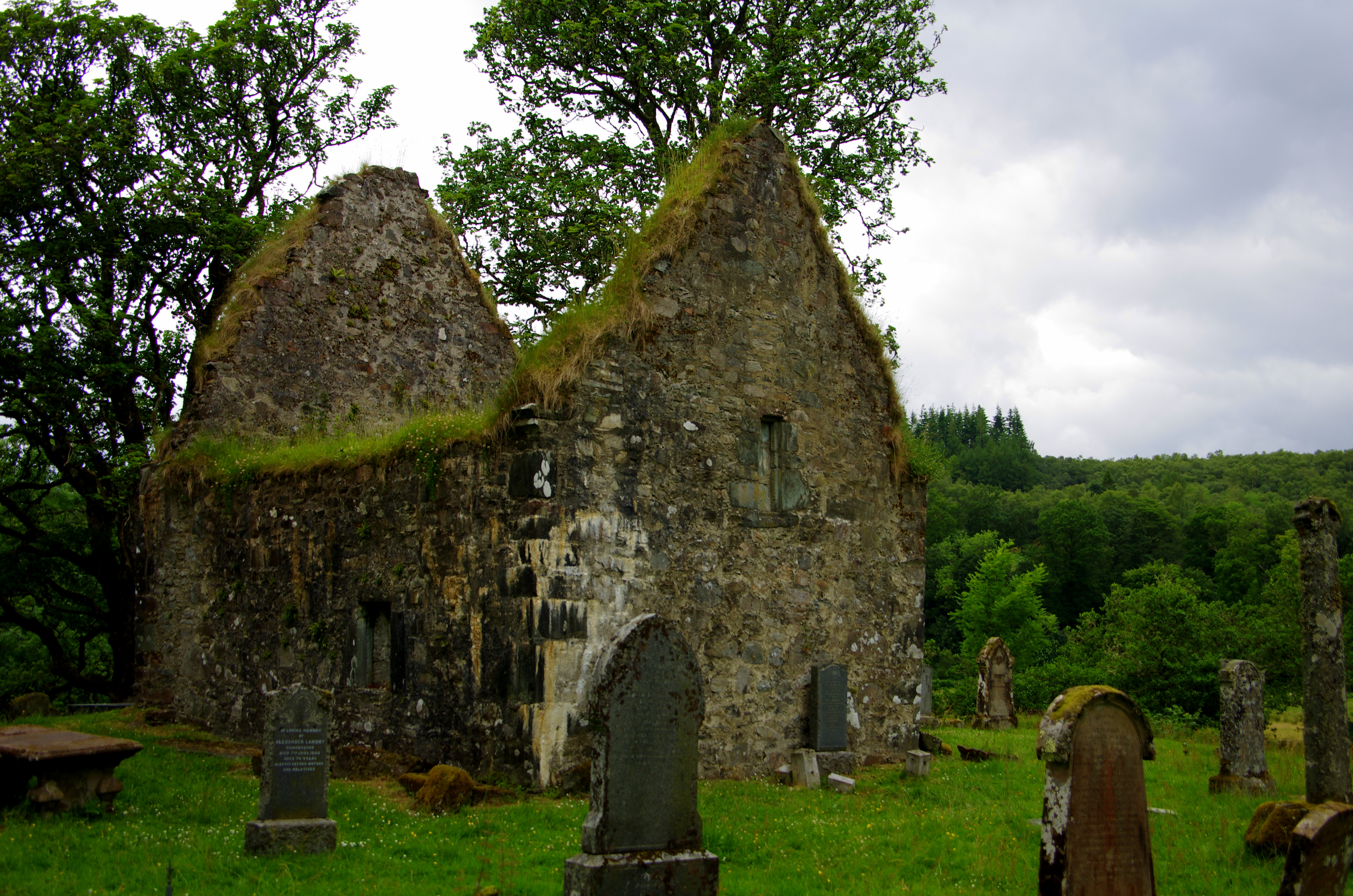
I took two photo’s on holiday that reminded me of the changing nature of church.

Church at the heart of community, at the heart of governance, at the centre of society; once people could not imagine a time when this was not so. Church buildings were the largest and grandest in town and stood looking down on us, mostly benignly, but sometimes in condemnation. Church was constant, unchanging. Church knew best, and our role was not to question, not to think for ourselves, not to make our own faith journeys- these were already mapped for us.

Some people saw these churches as representing all that was wrong with faith. They had discovered the Bible, and wanted to interpret it for themselves. It was theological and political dynamite that split families and communities. Thousands of people died in the resulting truth wars.

The trouble was, each interpretation of the Bible came to be challenged by another, and another. New chief-interpreters rose, started movements, then faded away. The most lasting of these movement became denominations, inspiring and converting people to their cause, winning people to their Jesus’s.

But the new kids have run out of steam for the most part. Their club-ish brand of religion, characterised by hard unyeilding edges to every question, has left most people uninterested and unmoved.

Strangely most of the old church buildings are still there, still being used- albeit it sometimes feels like they operate as a museum for past faith, attended by a few who are historically minded.

The churches of the modern era have not always fared so well. They are now often made into carpet warehouses, restaurants, storage units, or perhaps they are converted into that most post modern icon- the posh house.

Here is one glimpsed on a Scarborough back street. The thanksgiving gates have been firmly closed;

IMGP6543

The forgotten histories…

Kilmore Chapel, Strathlachlan

Michaela spent a few days out at Castle Lachlan, the other side of the Cowal peninsula. They are doing a lot of work to reveal the history of their castles, including the romantic ruined one, and as part of this they had a festival, full of Lachlans from the world over, all back to soak themselves in the ancient bloodlines of their ancestors. And hopefully to buy a few local arts and crafts…

craft tent

Castle Lachlan was apparently wrecked by a ship sent to cannonade it after the Battle of Culloden- the Lachlan clan having picked the wrong side. We know little about what actually happened, because history is told by the victors, and then mostly only about the rich and powerful.

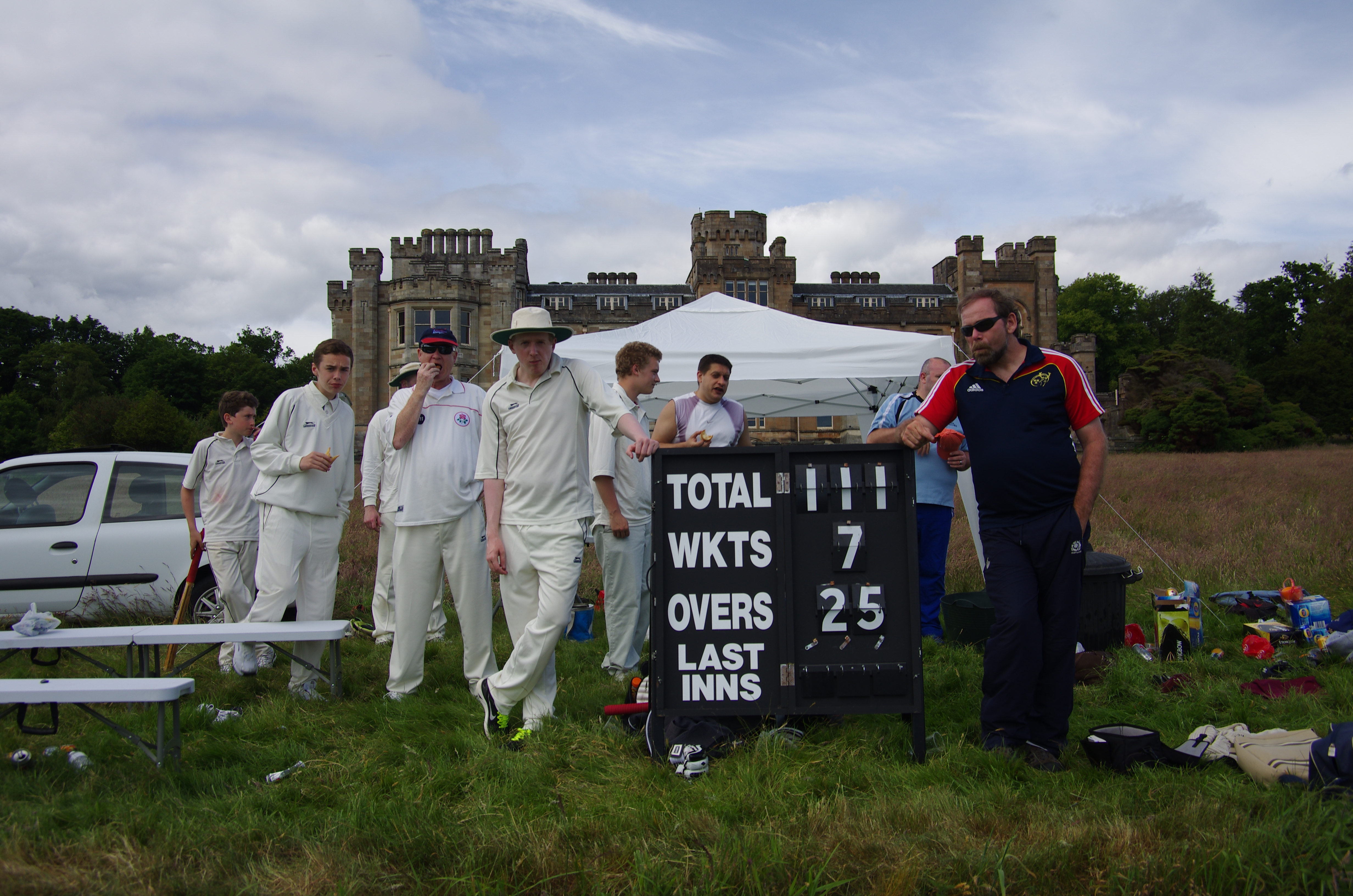
I was reminded about this again as today I was playing cricket this side of Cowal- at the site of another pair of castles- again an old ruined one and a replacement Victorian one. This was Castle Toward. Here we are in front of the new Castle;

IMGP6491

We all know about one Highland Massacre- the one in Glencoe in which 38 people were killed after offering hospitality to their murderers. Most have heard nothing of the one that was perpetrated on the men women and children of Toward in the brutal years around the 1745 rebellion;

Sir John Lamont, 14th chief, who had been knighted by King Charles; was pressured into joining Argyll, the Campbell chief and his Covenanting army in opposition against the King during the 17th century wars of Montrose. After the defeat of Campbell forces at Inverlochy, Sir John was taken prisoner and later switched sides opting to support Montrose and his general, Alastair MacDonald (MacColla), a bitter enemy of the Campbells. MacDonald along with Highlanders and Irish mercenaries, crossed Loch Long in boats provided by the Lamonts and landed at the Point of Strone. After defeating a Campbell force, Macolla’s army mustered at Toward and then decended on the Campbell lands. The Lamonts had their share in killing and plundering particularly in Strachur and Kilmun before returning home to Toward. 

In England the King surrendered and ordered his supporters to lay down their arms and cease hostilities. The Campbells took this opportunity to surround the Lamont castles of Toward and Ascog. Unable to withstand a long seige and with no hope of reprieve, Sir James surrendered the castles, having apparently reached honourable terms. The Campbells later ignored the terms of capitulation accusing the lamonts of being traitors, unworthy of terms.
The Lamonts where bound and kept within the castle, during this time several women were murdered. The survivors were taken by boats to Dunoon and in the church were sentenced to death. A large number of Lamont men, women and children, were shot or stabbed to death and they did ‘cause hang upon ane tree near the number of thirty six persons most of them being special gentlemen of the name of Lamont and vassals to Sir James’. the half-hanged men, both dead and dying were buried in pits. Sir James and his brothers were kept prisoner for five years and it would be 16 years before the ringleaders of the massacre were brought to justice and Sir Colin Campbell beheaded. 

The exact number of people who died is not known, but it is thought to be well over 200.

It strikes you- the uses we put our history to. It is a matter of how we employ it, who controls how we see it.

There is a lot of history being conjured up at the moment, because of the independence debate. The grubby awfulness of these fracture lines that are just below the surface of the Highland/Lowland relatively recent history are not relevant to these debates because they can not be easily applied to a binary Scotland/England simplistic version of history.

I fear these simplistic histories. They tend to ignore the small people, and the mess that power mongers make of it all. We are diminished by them.

So the next time we stand in the romantic ruins of a castle, perhaps it is worth remembering that we are still building them, and others are planning to knock them down. Small people will probably get hurt, but no one will remember their names.

The seduction of acquisition…

Emily, new car

My daughter Emily has bought herself a car.

Aside from the scary implications of having a daughter let loose on the open road, it has raised some interesting questions about how we relate to our possessions. Emily had decided not to put any pictures on FB as she had seen too many other ‘look what I have got, look at my lovely stuff’ kind of pictures.

We rehearsed the arguments; it is 13 years old, and you saved up to buy it and are working to run it. Living between Dunoon and Stirling, it makes economic sense. etc., but Emily still felt uncomfortable enough to want to shrink from public celebration of acquisition- she often makes me proud and hopeful like that…

Our intimate relationship with the stuff we own is rarely more intense than with our first car. Not just the fact that it is OURS, but what it represents- freedom, adulthood, the wide horizon of life. Forget the practicalities of insurance, running costs, repairs. Some of this feels good, wholesome, worthy even. It is symbolic of watching our children spreading their wings, making the world for themselves, setting off on their own adventure.

But.

Like most of human endevour, good is shadowed by not-so-good.

There is the environmental impact of car ownership, and the fact that it is a normalised expectancy of all of us that our modes of travel should be individualised motor boxes.

There is also the seduction (soon to become an addiction) of acquisition. It is the means by which we make ourselves feel good, or to feel acceptable, or even to be a valuable member of our societies.

Our children have learned these things from us. And they start young. Check out some of the research here.

It is my hope, and my experience, that my kids have learned other things from us too however- including how we see ownership as responsibility. So if you have a car and others do not, there is a responsibility on you to use it not just for your benefit, but also for the benefit of others. I have not a shadow of a doubt that Emily will do this, and this makes me happy…


Where your treasure is, there are your values also…

IMG_2895 I have been thinking about another one of George Monbiot’s brilliant articles over the past few days, in which he suggested that the left of centre political parties, both here and across the Atlantic, have failed to portray any sense of what they (and hopefully we) might regard as high values.

If, for example, your country has a public health system that ensures that everyone who needs treatment receives it, without payment, it helps instil the belief that it is normal to care for strangers, and abnormal and wrong to neglect them. If you live in a country where people are left to die, this embeds the idea that you have no responsibility towards the poor and weak. The existence of these traits is supported by a vast body of experimental and observational research, of which Labour and the US Democrats appear determined to know nothing.

Monbiot goes further than this however, to quote research into the way that extrinsic values (looking towards external signifiers such as fame, success, possessions, attractiveness) and intrinsic values (focused more on the self acceptance, and the desire to help others) affect our values and our politics;

Research across 70 countries suggests that intrinsic values are strongly associated with an understanding of others, tolerance, appreciation, cooperation and empathy. Those with strong extrinsic values tend to have lower empathy, a stronger attraction towards power, hierarchy and inequality, greater prejudice towards outsiders, and less concern for global justice and the natural world. These clusters exist in opposition to each other: as one set of values strengthens, the other weakens. They tend to report higher levels of stress, anxiety, anger, envy, dissatisfaction and depression than those at the intrinsic end. Societies in which extrinsic goals are widely adopted are more unequal and uncooperative than those with deep intrinsic values. In one experiment, people with strong extrinsic values who were given a resource to share soon exhausted it (unlike a group with strong intrinsic values), as they all sought to take more than their due.

Monbiot then considers how these extrinsic values are being promoted at present within our increasingly unequal and self-focused societies;

As extrinsic values are strongly associated with conservative politics, it’s in the interests of conservative parties and conservative media to cultivate these values. There are three basic methods. The first is to generate a sense of threat. Experiments reported in the journal Motivation and Emotion suggest that when people feel threatened or insecure, they gravitate towards extrinsic goals. Perceived dangers – such as the threat of crime, terrorism, deficits, inflation or immigration – trigger a short-term survival response, in which you protect your own interests and forget other people’s.

Here is the heart of the matter as far as I am concerned. The agenda that we live by, wittingly or not, has been set up by an extrinsic value system. We have been sold a lie that we are all under attack; from crime, economic disaster, immigrants, benefits scroungers, unaffordable health care. Our response to this seems to be to dig in, to get more for ourselves, to be less tolerant, less open, less forgiving, less motivated by altruism- all of which is totally incompatible with the Christian faith espoused by many of our politicians. Politicians- change the agenda. Change the value base- give us something to live for, not just a narrow me-first politics, but a politics of hope.