The road from Colintraive

With all the optimism of the early spring
I turned the car from the road home and looked to the hill
Taking the camera more for motivation I head for the high point over the Kyle.
I feel the old excitement in the smell of wild places
All around I can almost hear the soil coming alive
The whisper of the wind in the larches sounds like blood flowing
Sap rising

And, unconcerned as my unsuitable shoes take on water,
I climb through heather and the old years dry grass
Up through ancient Gneiss outcrops
Still holding the shape of their birth in lava poured out in days so distant
That there seems no point calculating.

My feet cut into slow growing mossbanks
And scatter the stalks of bracken
And in the moment, I fear that I bring a human rhythm,
In this place unwelcome, discordant
Drowning out the stillness
Oil on water

I notice blackened heather stalks swept by fire
Perhaps lit by a smouldering cigarette last summer
And remember that this place is everywhere marked by men
Close cropped by the sheep, the land curves towards
The regimented contour crop of Spruce trees in the valley below
And half hidden, there is the evidence of older dwelling places
Now memories in the soil
Barcodes in bracken and dead nettle
Feeding on the residual richness
Leached from these poor houses
Whose people drained away.

Then perspective shifts again
To the far horizons
Across the sparkling Kyle lies Bute
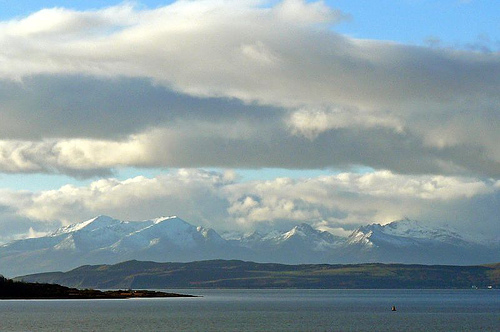
Then beyond, Arran’s hills rise above Lochranza
Still wearing winter white against the blue sky

I stood and gloried.
Awed by things much bigger than I
By creative forces far beyond my understanding
But by Gods grace
Not beyond my reach

Blessing received, I take photographs recording only human spectral light
Then scramble back to shiny car, and head, too fast, for home
Anxious to see my loved ones
Eager for my own slice of civilisation.

2.3.05
© Chris Goan

Landmarks

A few weeks ago, we took the canoes out to Loch Striven, round the other side of the Cowal peninsular. We paddled for a while out along the loch, until we found a landing spot next to a raised beach of soft stones. A perfect spot for a picnic.

As with all our coast line, the tide had left its usual selection of plastic, old rope and broken fish boxes on the beach- but I do not think anyone had been there for years.

William and I saw what looked like some old walls in the distance, and went off exploring.

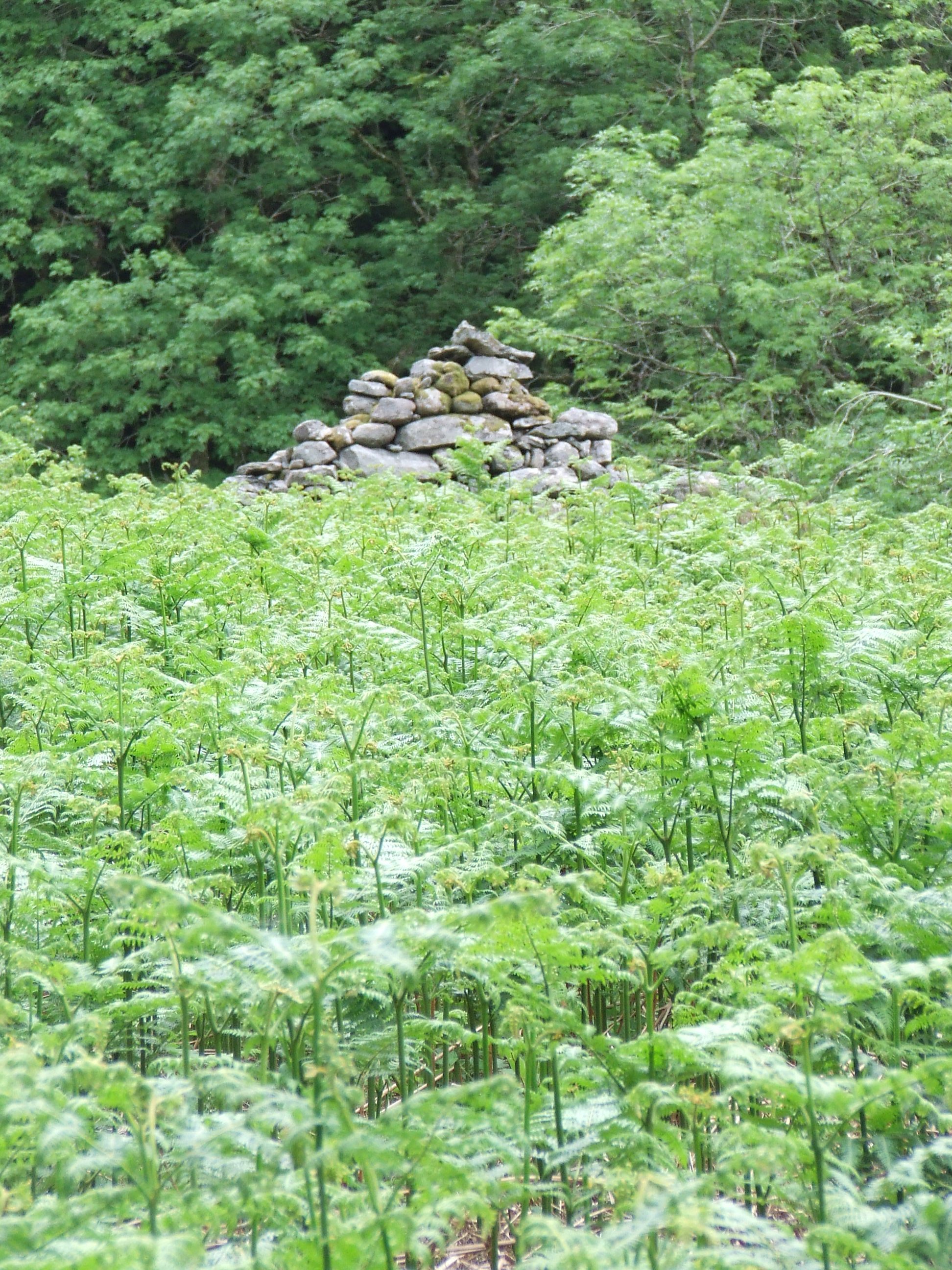
what we found used to be someone’s house. A crofter perhaps, or a fisherman- now long gone.

Much of our small crowded planet can no longer be regarded as true wilderness. As you walk to the hills, you will almost certainly walk over a landscape marked everywhere by man.

Fields and field boundaries – some new, some ancient, shaping the subsequent developments.

Hedgerows and dry stone walls.

Old signs of settlement, perhaps still in use, perhaps now redundant, abandoned, remaining only as a growth of bracken and nettles, rising in ground fertilised by the nitrates left behind in the passing.

The very paths we walk upon have been made by the passing of other feet walking their own walk, into their own unknown uncertain futures, now past and gone.

We humans have transformed the planet in the last few thousand years of our ascendancy. Forests gone, rivers diverted. Roads made straight across mountain and valley. Many of these marks are irreversible, at least in the foreseeable future. The land may clothe them in green, but the marks will remain for thousands of years to come.

As I write, the debate about how our patterns of living might have contributed to accelerating climate change continues to rage.

Humans have been of significant influence on my islands for a mere 5000 years or so. In some parts of the world, they can trace the mark of man further, in many, much less. What a legacy we inherit from our forebears – both great, and fearful.

Our lives have been shaped by this legacy too. We stand on the shoulders of those who gave the land its present shape.

Others will stand on ours.

Canoes and wilderness- a perfect combination for the soul…

Will and a Loch Eck Cranog

Will and a Loch Eck Cranog

Living where we do, within reach of wonderful lochs and mountains, is such a blessing.

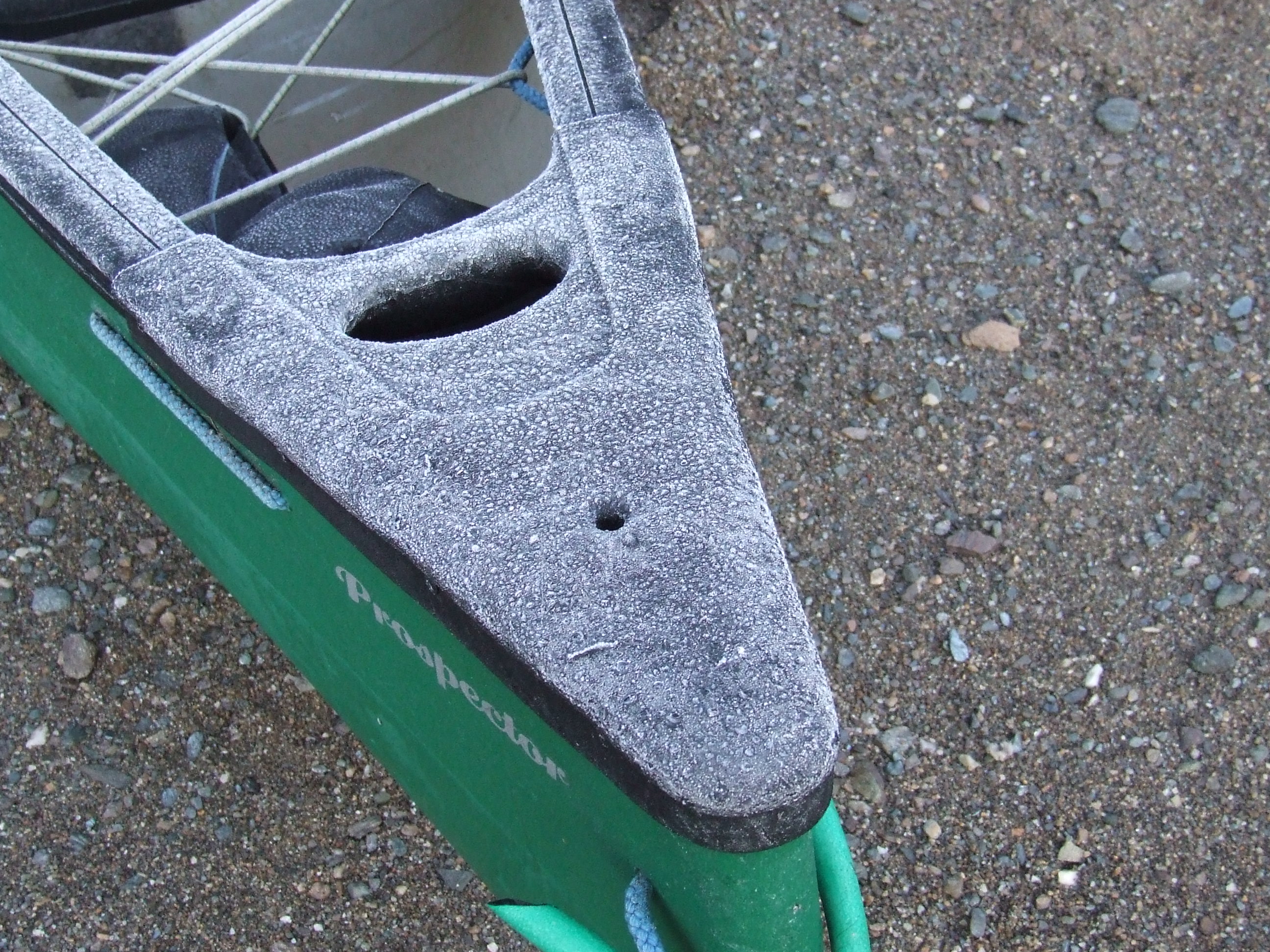
A few years ago, we bought an old beaten up ex-outdoor centre canoe. It still gives amazing service. I slap on a bit of filler around the wear points on the hull every now and again, but on the whole, it seems indestructable.

We have taken it out to the islands of Eigg and Gigha, and paddled many lochs and rivers. We have been buzzed by sharks and dolphins, paddled through packs of slightly scandalised seals, and used it for canoe-camping trips and beach barbecues.

I think the kids take it for granted a little. I sometimes have to persuade them it is a good idea. Michaela has never been totally comfortable in it- despite the fact that we have never once capsized. It can feel very exposed however when the wind and rain whips in, and it is very difficult to make progress if you are heading into the weather.

But canoes get you to places that few other forms of transport can- and their quiet, sedate way of achieving this means that are much more likely to encounter wildlife.

I came across the following clip which kind of dwarfs our humble little adventures. Enjoy…