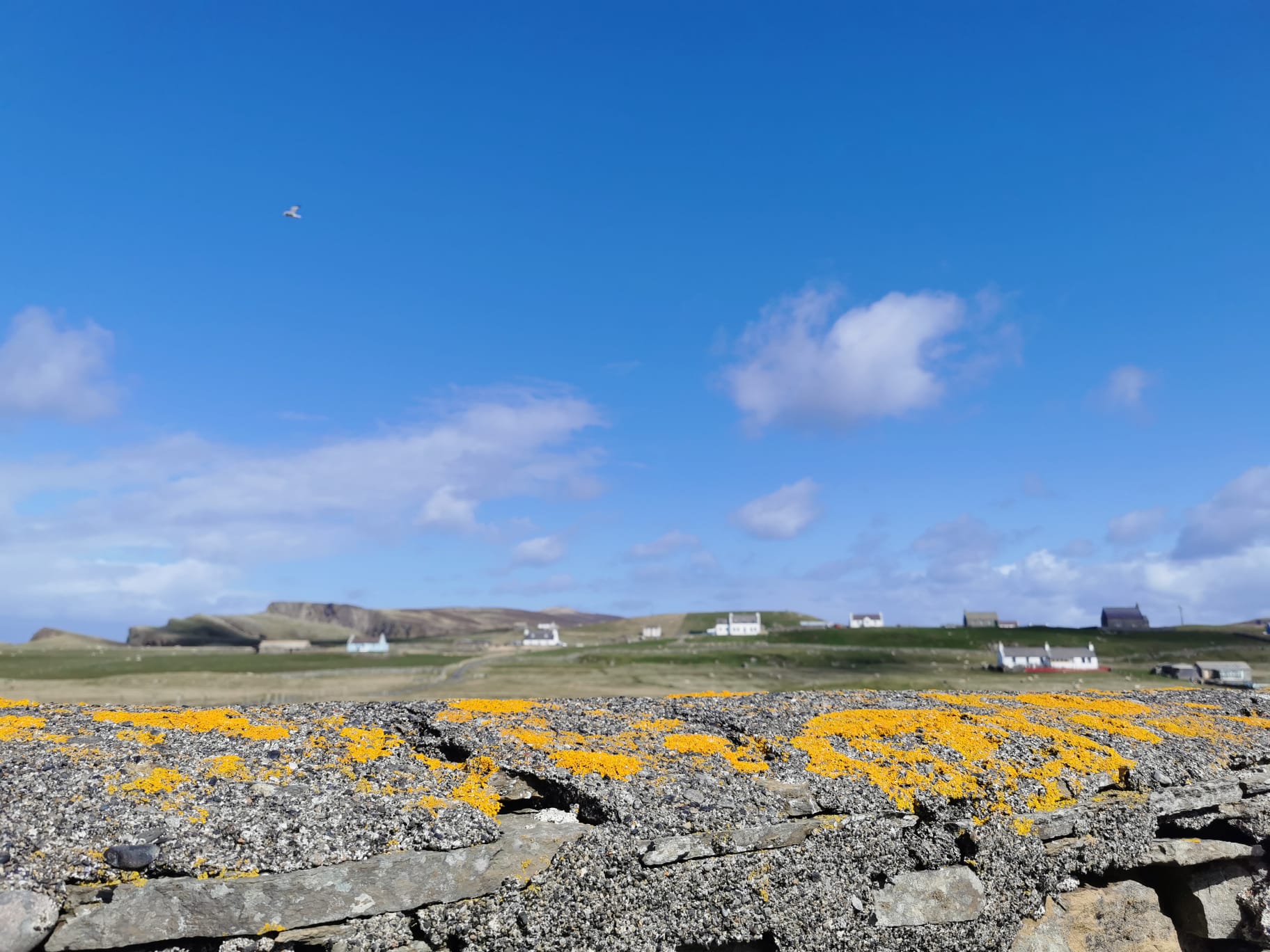
For a couple of weeks or so, this blog is going to be used for some reflections emerging from our artists retreat on Fairisle, the most remote community in the UK – a tiny little island between the relative hububs of Shetland and Orkney.
Today we arrived, after 4 and a half hours driving, 12 hours on a ferry (to Shetland,) taxi for 15 minuites from Lerwick to Tingwall, a 25 minute flight in a small plane, then a short hop in an island car (there are no ‘roads’ here, and no MOTs!) to the lovely Lower Leogh, with its hobit-sized doors, cosy warm fire and total peacefulness.
We have almost two weeks.
It feels miraculous, and impossibly greedy. After all, we live in such beauty already (it was actually quite anxiety inducing to leave my garden at this time of year) so why would we need an artists reteat like this? What use would we put such a thing to?
Well, the answer to the first question is easier, in that we both very much need some time out, to take stock and to consider again the roots of what we do. Creativity is often like a well that refills as you take from it, but you can take too much. Looking forward to this year, I am very conscious of how much I want to do, to say and to lean in to.
Time is short. Life is fleeting.
Life is also beautiful.
It is there in the lovely laugh of my little grandson, in the worries and triumphs of my kids, in the spring leaves and the space between stars.
We were talking on our long drive about the old Jesus statement about us having ‘life in all its fullness’. I understand this so differently now, not as a call towards correction of sinfulness, but rather as a call towards an on-going encounter with our true selves, made real only in deep connection.
How do we find this connection? For me, this is through meaning making through art and wild shorelines. It is also in veg beds and oak trees. It is most real and least abstract (even now) when I encounter something that points me towards ‘god’, although we might have to dig much deeper into what I mean by ‘god’…
In fact, this book has come with me;
…the rigid and self righteous certainty of some religious people – and some atheists for that matter – is something I find dissagreeable. The hubris of it. The sanctimoniousness. It leaves me cold. The more unshakeable someone’s beliefs are, the more diminished they seem to become, because they have stopped questioning, and the not-questoining can be accompanied by a moral superiority… a bit of humility wouldn’t go astray.
Nick cave in conversation with sean o’hagan
I find Cave’s music a bit hard to swallow mostly – with some notable exceptions – but this book is based around a conversation between friends, and it is perhaps this that allows it to speak to me more clearly. Connection comes to me strongly through friendship- the sort where even when we talk about surface things, we also meet at a deeper level.
Where profanity mixes with profundity. Where we find each other absurd as well as inspirational. Where we hit each other with cudgels made from kindness wrapped in a tissue paper of merciless abuse.
In a strange way, here on this island, I feel these friends to be close. Perhaps because lingering on islands with friends has been such an important part of my becoming.
Michaela had a greater challenge than me today, on our stunning (and rather scary) small plane flight. We were the only passengers in a six seater plane that was even smaller than I thought it might be. But what a view. What a gloroius view.
So, from our tucked-in place of rest and renewal, here is a video I made of this bit of our journey to get here…
I have this grandiose, unreasonable, impractical and unlikely-to-ever-happen-in-the-way-I-want-it-to idea.
(Full confession, I have a lot of these, but this one feels more urgent – it beats in my chest.)
I want to create events in which we use art (music, poetry, photography, dance, film, painting, etc etc) to make open, inclusive spaces for encounter…
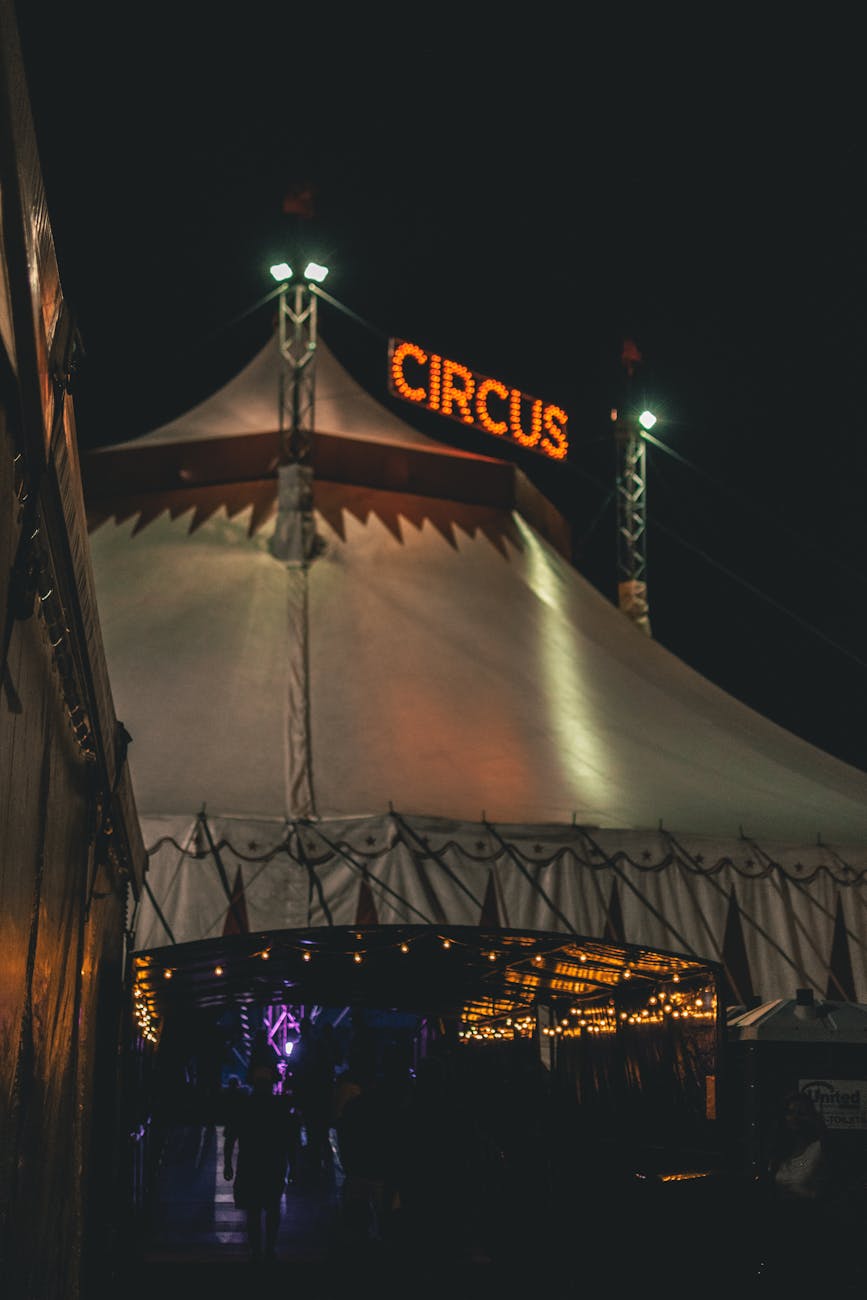
A kind of circus for the spirit.
What do I mean by ‘encounter’? I made this list for us to pick from. You can have all of them, just one, or any combination inbetween;
thinking deeper
connecting
laughing together
collectively hoping for better
Lamenting all that we have lost
making spiritual connection
protesting where it is overdue
lyrical, poetic, sensonry immersion
imagining a healing for our broken world
including those who have be excluded
chaotic collaborations between artists and disciplines
weeping together
I am sure this list will get longer, but questions may occur to those of you who are (justifiably) suspicious of my religious intent. Am I just trying to reclaim my long rejected evangelicalism? What am I selling? What version of god am I re-hashing? My only answers are that we all approach these things through our own experiences and limited perspectives, but what I am dreaming about is a space in which, broadly, we accept difference.
I could spout truisms about being ‘intolerent of intolerance’, but if I’m honest, some of my prejudices are precious to me, so I may have to work hard to stay open. (I suspect most of us are the same, to variable degrees.)
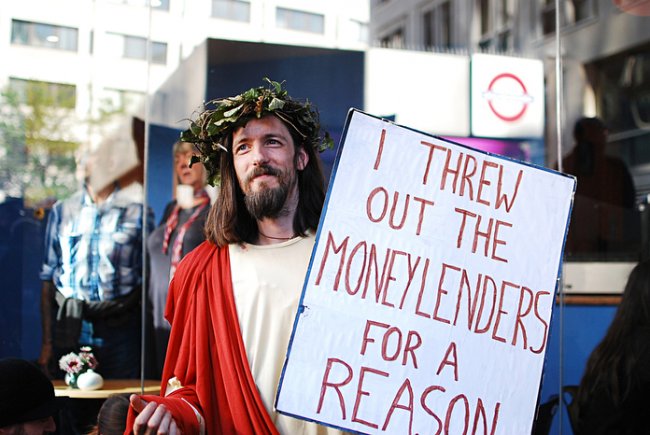
There is a tension here too in that art of the middle ground – inoffensive and safe – is very much not what is in my mind. Art has to challenge, divide and even outrage, not because that is an end in itself, but because it seems to be an emergent quality of good art, as well as an emergent quality of any attempt to engage with our culture in a prophetic (as in failthfully critical) way.
As for the god I reach towards, what I said above applies too. I long for a movement towards good, and feel sure that art and activism are vital components of the pre-political, spiritual journey that we make individualy and (perhaps more importantly) collectively.
Whether the idea of god (or God) is helpful to us as we make this movement is ambigious to me – I think this position is consistent with my (current) understanding of the teachings of Jesus, but I am interested too in how other faith traditions – or none – might illuminate our open spaces.
What might this circus look like? How might it happen? Where would it happen?
Don’t spoil my dream with practicalities! Dreams don’t have to be tested by reality. Except I really hope this one is, so here goes…
Think of a theme… something fairly broad and abstract but likely to provide a window into which we project and see. Perhaps it could be a subversion of an old religious idea like ‘redemption’, or a more opaque concept like ‘obscure’, or a politically charged idea like ‘equality’.
Invite artists and co-conspirators to consider the theme… this is where we need to be well networked, to invite a wide range of creatives into our ‘big top’. The community that develops must seek to include, to treasure, to encourage, to mutually inspire. They will bring their egos too, so each event will need a curator – someone who can see the whole picture and put together a story…
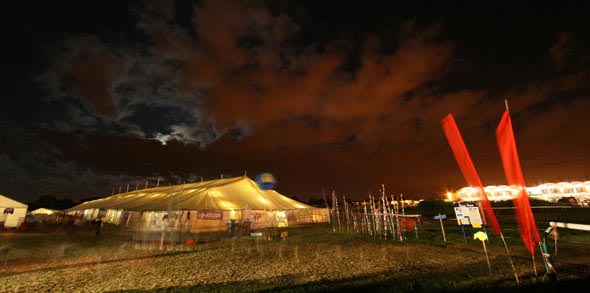
Find a space and time… we need venues prepared to host us and take risks. Perhaps these might be underused church spaces? I love the idea of doing things in forests too. Each artist ‘owns’ this space and time, so they use their own networks/social media to create anticipation.
Collaborate… on day one, the artists bring their work together. Poems and songs are woven with pictures and film clips. People dance and bang drums. There may even be juggling. An order is agreed. Technology is made ready.
Perform… on day two, the big top doors are thrown wide and members of the public are invited inside. The event unfolds. People laugh and cry. They catch glimpses beyond and long for better.
How do we pay for all of this? (There you go again, with your dream-bubble popping.)
Is art of this kind every capable of funding itself? I don’t know. It depends on what artists need to get out of it, I suppose. Ticket sales might cover some if not all costs, and artists may have their wares to sell… artists have to live after all, we can’t exist on ideas alone.
There are other values- the community, the friendship, the tribal nature of the happening. Then there is the wider exposure, the potential spin-off colaborations, the love of the art and the ‘experience’, but I am painfully aware that many artists get frustrated with these kind of discussions. Artists have to eat and pay the rent too, so my dream also contains the hope that we can pay a fair wage.
I suppose I would be upfront here and say that I don’t think the circus of the spirit will make any of us rich- otherwise it will cease to be of the spirit and be increasingly of the wallet.
I would love to know what my artist (and non-artist) friends think of my unreasonable idea…
This one features an interview with Jonny Baker, who probably needs no introduction to readers of this blog, but here goes anyway.
I first met Jonny back in the early 2000’s, during a very different time of my life, and perhaps a very different context for Christianity/faith/spiritual exploration in the UK. Back then, Jonny’s blog was one of the go-to places for connecting to all sorts of new things that were happening, under labels such as ‘alternative worship’, ’emerging church’, ‘small missional communities’ and eventually, the more anchored, institutional ‘contextual expressions’ of church that came under the title of ‘fresh expressions’.
He is a long time member of one of the first of these ‘small missional groups’ Grace, which is still going strong. I remember a rather sniffy review of one of their services in The Guardian in which Jonny was described as ‘an aging youth’, which I think is Guardianese for youthful looking and all round cool dude.
As an interesting aside, back then, blogs were a thing. Even this one! (As a rough measure, during the early days articles on this blog would recieve hundreds, sometimes thousands of hits, whereas now, dozens. But who is counting?) They were the primary way that we discovered new things, had debates and conversations, heard about new books etc. Jonny’s blog, along with a bunch of others were very important to us. The emergence of so many other communication platforms are one sign of just how much things have changed over the past decades. Our interior and external worlds now have to contend with a part of our persona’s that are neither one nor the other, but also both – fused and formed in the digital, online world. Hmmmmm.
Jonny was doing lots of other things too – he worked/s for the Church Mission Society, in the vanguard of considering how faith engages with culture. Later this morphed into a whole new way of seeing the ministry and the development of pioneer minister training within the CofE. All this makes him an excellent candidate for a podcast trying to reflect on how the context for faith may have shifted and changed, and what art and resources might be relevant to our shifting context…
He is also a father and grandfather these days – one of his sons is rather famous too, the wonderful Harry Baker, poet extrordinaire.
But there was another key reason to inerview Jonny, and that was because he was one of the people (Along with Jon and Ad) to found Proost.
So, if any of this interests you, the third Proost Podcast first takes us through some of the fascinating history, but then moves on to consider our new context…
We would love to know your thoughts. If this is of interest to you, please share the pod because we are trying hard to develop a communal conversation about what a new proost might look like.
We also have a closed facebook group here, which we would love to welcome people to- it is closed so we can keep our conversation generous and generative, not because we want to keep anyone out!
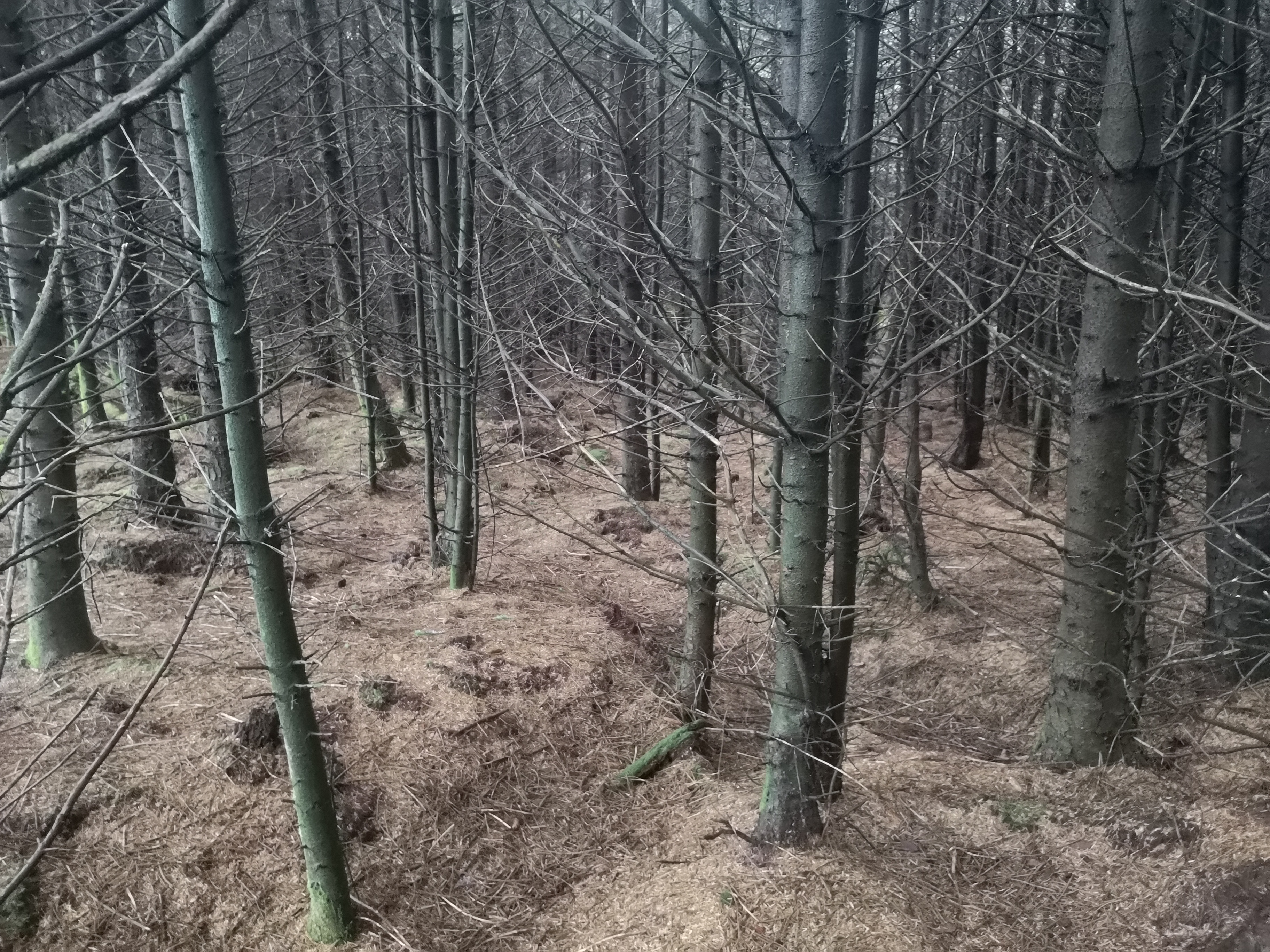
This is a photo of a spring ‘forest’ – one of the sitka plantations up above where we live.
If ever you have entered one of these plantations – and they are not hard to find – then you will know what strange places they are. Nothing grows at ground level, not even the ubiquitous invasive rhododendron, because all light is excluded. You have to crouch down low to make any kind of progress, as the only creatures that live in here are deer, who have nibbled to their head height. Ticks and midges proliferate, but very little else.
And they are almost silent, as if birds know better. As if (almost) everything that breathes… knows better.
I am thankful that there is a growing movement of people in Scotland who see these vast plantations as what they are – green deserts, made only for the profit. At such a cost to the natural ecosystems that they are destroying. At a time when we need our artists to raise their prophetic voices, we have this;
regular readers of this blog may remember me writing about these issues before, so here is what Alexander Chapman Campbell has to say about the inspiration for this haunting music (from here)
It seems to me that this way of producing timber, and of relating to trees, is simply a habit. We don’t need to improve the process, we need to chuck it out altogether. To reduce a forest to simply an economical process does trees a massive disservice. Through our mechanical inventions we’ve been able to reduce the old concept of a forest – with all its associated beauty, depth and mystery – to a crop, with tragic consequences both for humans and nature.
I wonder if any experiments have been done where a person’s brain is monitored while walking through the avenues of sitka spruce, and then compare this to the same person walking through a diverse area of woodland. But even without the science, I feel it’s obvious; humans are stripped of something vital in these plantations, as much as nature is.
Diverse, mixed-aged forest in Norway
Alternatives are possible. They’re demonstrated all over the world, and even in some places within the UK. You only have to walk through Norway to realise that things can be different; the persuasive rhetoric coming from those running our forestry operations suddenly loses its credibility. In the five weeks that I spent walking from Oslo to Trondheim I was able to experience a completely different kind of wood to most found in the UK. In places the forest was ancient, and protected, in others it was managed for timber, but in a way that didn’t strip it of its richness, its depth and its life.
According to the GWM1 (global wood markets info) in 2022 Norway became the largest exporter of softwood logs to the EU. The UK, in contrast, can only supply about 20% of its own timber and imports the rest. So, despite our intensive production approach we still find ourselves falling far short of being self-sustaining.
Norway is a much bigger country with a different rural history, which has left it with much larger tracts of forest. But the point is that alternatives are possible. In the glen where I live there is a forester who works for a company that largely practises an approach to forestry known as Continuous Cover Forestry, also known as Close-to-Nature Forest Management – a more sensitive and holistic approach to producing timber, and which is gathering traction. She was explaining to me that the economic benefits of large scale operations, with its associated clear-felling, is not as ‘clear-cut’ as we are sometimes led to believe.
We are creative, intelligent beings, able to find ways of supplying our needs without impoverishing the earth. It simply takes a strong will to make it happen, and in 2024 I believe the UK is still a long way from achieving the healthy relationship between humans and trees that we all desperately need.
If you’re interested in any further reading, here’s a very recent, and hopefully significant, report by the Royal Society Of Edinburgh. Published in 2024 it follows a two year enquiry, and is calling for a “radical rethink of tree planting in Scotland”: Read The Report
Trigger warning- this is a small diversion into Bible history. For some this might be a turn-off right there, whereas others may find it goes to places that they are simply uncomfortable with. There will also be bible scholars who will take issue with some – or all – of the things I am saying, because we are dipping into a vault of murky ancient history filtered through a religion which claims the authority of God on whatever it has sanctified.
But sometimes, in order to make things new, we need to look backwards too – in this case, to the very beginning – so that we can see where we came from, and perhaps where we turned left when we could have turned right.
So, feel free to disagree. Go and do your own research and I hope that this brings to you your own meaning. Find your own story, just as I look for mine.
I was at an Iona community family group meeting last weekend, in which we were discussing Christian humanism. I confess to approaching the discussion warily, as it seemed likely to be rather esoteric, but what actually happened was that it opened a window into something that I found interesting intellectually and more importantly, to offer ideas that might be very useful as we seek to rediscover our story. Or perhaps it would be better to say ‘as we seek to rediscover purpose, mission, our concepts of goodness and our prophetic voices’.
Just little things like that.
For those who have read this far who have no allegiance to Christianity, past or present, perhaps I should say a little bit more about this ‘story’ thing. Western culture was founded – or perhaps it would be better to say shaped then continuously disrupted – by the Christian story. I would argue that what we made of this story was always full of obvious tortuous distortions of the words of Jesus, such as we know them. After all, how can we reconcille conquest, empire, the accumulation of wealth, slavery, poverty, capitalism, etc etc with the words of Jesus? Christianity became a religion that had little to do with the core elements of the story Jesus told.
This is a bold statement, I know, but one that I believe I could ‘prove’ in a court of law.
Arguably, the tensions created by this disconnect have always been there throughout Christian history, characterised by purges against heretics, or successive Protestant reformations. Always, people talked about going back to true religion and recreating the purity of the early church. The source material for this protesting and reforming was always the Bible- viewed through the context and passions of the people reading it.
Part of the problem – the nature of the torturous distortions perhaps – comes about when we ask what the Christian story that we built western culture on actually is/was. There is the story of love, compassion, caring for the weak and poor, looking after widows and orphans. The inverted power structures, the value given to each person. The living lives colectively and fairly. But this never fitted easily with the cultures we created. What did fit was a different gospel, which might be understood as how personal sin results in eternal damnation, but for the sacrificial death of jesus.
Despite the sometimes cataclysmic changes that these religious arguments brought about, we have a different problem now. Churches are empty. Sure, I know there are exceptions, but here in the UK, the number of people who attend church is still declining, still aging, still arguing and as such the Church is less and less relevant as a moral or political force. It still has an important ceremonial function, but it has no prophetic voice. It has no story that anyone is listening to. Perhaps, given the tortuous distortions I refered to above, this might not be a bad thing.
But the end of one story (if indeed that is what we are seeing) leaves an empty space. People have always looked for meaning and purpose and without a story, what do we have? In a post-covid world, overshadowed by global warming and mass extinctions, how do we conceive of a better story? In a political system dominated by inequality and the failure of our institutions and political/economic systems to bring hope, how do we shape our story towards better things?
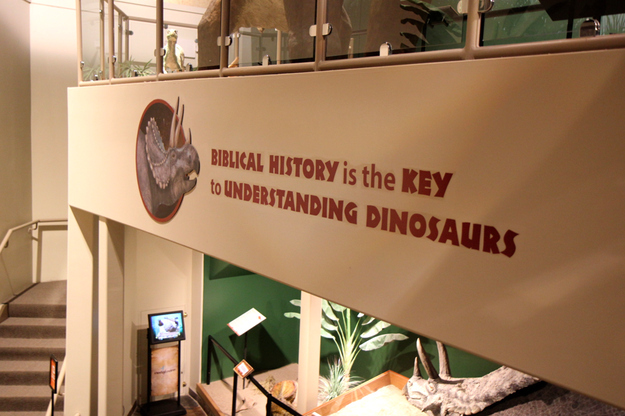
Can’t remember where I got this from. The Creation museum perhaps?
Given what I have said above, the Bible would seem to be a strange place to start, right? After all, even now there are plenty of people in the world who seek to use it as blunt weapon to bludgeon us towards their story – often a very narrow story that seems very much to be part of the problem; a story that is anchored to textual determinism, at least in relation to some of the words of the Bible, which is seen as a unified, divinely inspired and heavenly-delivered holy text.
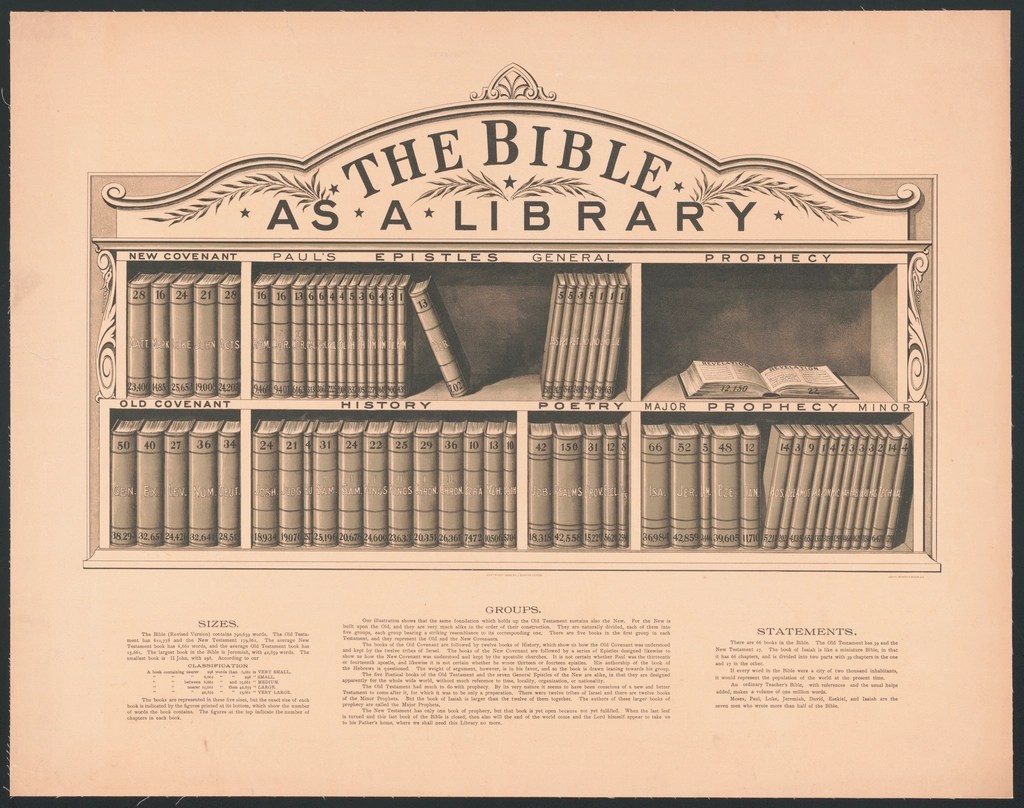
But what if the Bible is much less than that, but at the same time, much more? What if it is a library of miss-steps, half truths, mythological history and open-hearted laments? What if it is one third poetry? What if there are no other books in human history that are like it?
More pertinently, what if the Bible – or at least the books of the new testament – contains great big clues as to how the words of a man called Jesus became repackaged into a religion called Christianity by a Jewish religious genius (who never actually met Jesus) called Paul?
This was what we ended up talking about at our meeting.
Remember those clues I mentioned above? Here is what we think we know – with the usual warning that some (many!) will take different views.
The oldest of the four gospels is Mark’s gospel. It is very different from the others, so much so that later scribes have tried to give it a different ending. He does not include the resurection.
The other gospels seem to quote freely from Mark, but spin off into other directions. They add many of the ideas that MAY have been influenced by Paul.
Paul never met Jesus, and we can infer tensions between him and the other apostles who actually did – many of whom get a very bad press in the gospels! Paul’s encounter with Jesus was mystical, and he seemed to trust this more than he did the words or experience of those who had been his disciples.
Paul was a sophisticated, educated man. The other apostles were not. (But Jesus picked them!) Without his innovation and leadership, it seems unlikely that the early Christian church would have survived – many other Jewish movements did not after all. The difference was… Paul.
The oldest actual book to be included is thought to be St Paul’s first letter to the Thessalonians, in which some believe he was correcting or addressing issues that had been created by an earlier letter around the second coming of Jesus.
This letter may well have been the Didache (pronounced did-a-kay), which was a letter from the apostles in Jerusalem giving instructions as to how to run a church. As such this letter certainly predates most of the NT books, but may well be earlier than them all. More on this later.
The canon of scripture that evolved over the next many centuries involved many good people struggling to make sense of a complexity of writings that most of us have no idea ever existed. The struggle to do this well, according to a set of principles that made sense, is to be honoured. But we have to remember that the library of diverse books that entered the canon was a human construct, that was shaped by context, best understandings and compromise.
All of which should leave us room to treat these incredible documents with respectful skepticism. After all, they are strong enough to allow our questions, our doubts, our various entanglements. The ‘truth’ they contain is no less real if we question its historicity for example (there are plenty of problems reconciling the Bible with the archeological/historical record.) We might learn as much from apparent contradictions as from attempts to ‘make it all fit’.
The bottom line here is that our interpretations and understandings of the Bible- what it is, what it has to say, what it means for our lives, our politics, our priorities – what STORY it leads us towards depend a lot on what we think the Bible is. If we are to allow it to shape us, I would argue that we must first loosen up a little. It is OK to take the book/s out of their leather case. Doubt them and see where the doubts lead. Believe them and see where the beliefs lead.
If you want to know more about the complex and fascinating (to me anyway!) bible history, then it can be difficult to know where to start. There is so much out there and unless you are an academic (and I am certainly not) then it is difficult to know who is dealing with these issues honestly and who is coming at them with a perspective pre-formed by their own tribe.
The Bible Project has tried hard to bring some of the acedemic perspective to a wider audience, with video’s like this one;
More controversially perhaps, and thanks to my fellow (and inspirational) Iona community family group member, I would point you towards some of the writing and speaking of a man called James Tabor, who communicates well around many of these issues, including via his excellent you tube channel. Videos like this one;
So where does all of this take me to? Can it really be a way towards a new and better story?
I think so, firstly because it allows us to break with the old one – not to dismiss it, but to include and transcend it. After all, arguably this is exactly what Paul did to the teachings of Jesus – brilliantly, and perhaps problematically. Secondly because It might encourage us to project new – yet faithful – understandings onto our context in a way that is free from some of the distortions. Of course, we will no doubt make new distortions, and for this we need those who will doubt and test them too.
Finally, I want to return to the Didache. I had never heard of this document, and this was interesting to me too. How is this not better known? (Perhaps you are far ahead of me however and the problem was just my ignorance.)
James Tabor has a blog piece that talks in more detail about this document. You should read it, but I will quote from it here;
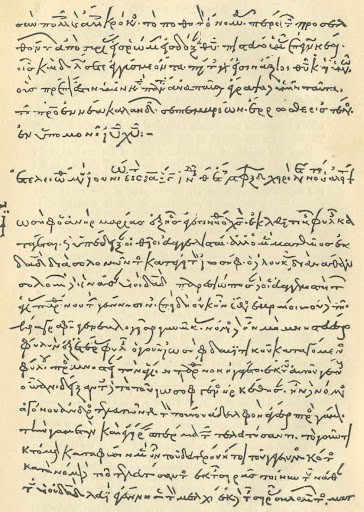
The Didache was discovered in 1873 in a library at Constantinople by a Greek, Priest Father Philoteus Bryennios. This precious text, dating to the late 1st or early 2nd century CE, is mentioned by early Christian writers but had disappeared. Father Bryennios discovered it in an archive of old manuscripts quite by accident.
TheDidache is divided into sixteen chapters and was intended to be a “handbook” for Christian converts. The first six chapters give a summary of Christian ethics based on the teachings of Jesus, divided into two parts: the way of life and the way of death. Much of the content is similar to what we have in the Sermon on the Mount and the Sermon on the Plain, that is, the basic ethical teachings of Jesus drawn from the Q source now found in Matthew and Luke. It begins with the two “great commandments,” to love God and love one’s neighbor as oneself, as well as a version of the Golden Rule: “And whatever you do not want to happen to you, do not do to another.” It contains many familiar injunctions and exhortations, but often with additions not found in our Gospels:
Bless those who curse you, pray for your enemies, and fast for those who persecute you. (1.3)
If anyone slaps your right cheek, turn the other to him as well and you will be perfect. (1.4)
Give to everyone who asks, and do not ask for anything back, for the Father wants everyone to be given something from the gracious gifts he himself provides. (1.5)
Many of the sayings and teachings are not found in our New Testament gospels but are nonetheless consistent with the tradition we know from Jesus and from his brother James:
Let your gift to charity sweat in your hands until you know to whom to give it. (1.6)
Do not be of two minds or speak from both sides of your mouth, for speaking from both sides of your mouth is a deadly trap. (2.4)
Do not be one who reaches out your hands to receive but draws them back from giving. (4.5)
Do not shun a person in need, but share all things with your brother and do not say that anything is your own. (4.8)
As well as the similarities, there are real differences from the Christianity of Paul however. Communion for example is to be a simple thanksgiving meal of wine and bread with references to Jesus as the holy “vine of David.” It ends with a prayer: “Hosanna to the God of David,” emphasizing the Davidic lineage of Jesus. The bigger issues raised by the Didache are these (again via James Tabor);
The entire content and tone of the Didache reminds one strongly of the faith and piety we find in the letter of James, and teachings of Jesus in the Q source. The most remarkable thing about the Didache is that there is nothing in this document that corresponds to Paul’s “gospel”―no divinity of Jesus, no atoning through his body and blood, and no mention of Jesus’ resurrection from the dead. In the Didache Jesus is the one who has brought the knowledge of life and faith, but there is no emphasis whatsoever upon the figure of Jesus apart from his message. Sacrifice and forgiveness of sins in the Didache come through good deeds and a consecrated life (4.6).
The Didache is an precious witness to a form of the Christian faith more directly tied to the Jewish orientation of Jesus’ original followers. I encourage my readers to take a look for themselves. There are many versions both on-line and in print. You can begin here: Early Christian Writings: The Didache.
I wonder how this makes you feel?
Perhaps you are weary from all this deconstrction – I certainly am. The idea of being confronted with documents that start to undermine the very nature of the divinity of Christ might be the last thing we need. Anyway, this is not defnitive. The Didache is just an ancient document that never made it into the canon of scripture that became the Bible. It contains other problems too- not least the apocalyptic vision that Paul may have been clarifying and correcting in his letter to the Thessalonian church. Perhaps this document describes an evolutionary early set of followers trying to establish some kind of common practice. Perhaps we needed a theologian such as Paul to bring the whole story together.
But then again…
As with all theology, my last question is always , So what? How might these ideas lead to liberation, to renewal, to a new story?
What is most important, the details of doctrinal correctness, or the heart and spirit of the matter? It is the latter that gives us our story is it not, and to me at least, this rings all the more true when set free.
Perhaps you used some Proost resources, or have some Proost books on your bookshelf. Perhaps you used their labyrinth kit back in the day, or used Si Smith’s lent images to help with your journey towards easter. Perhaps you were a Greenbelt festival attendee, and participated in events that used resources only available from Proost- video, music, liturgy, poetry.
Proost was very important in my own creative journey. It was through the recognition and encouragement of Proost that I felt for the first time that what I wrote may have some value beyond my own need for self expression. In the end they published four (I think!) of my books, and also two poetry anthologies I curated. It felt as though we were gathering a community of poets, but the organisational requirements to formally network this community always remained just out of reach.
Then Proost withered and died. The reasons for this are not really mine to tell, but I think it had to do with the original innovators moving on to other things, and later attempts to continue coming up hard against the reality of just how much work is involved.
Then, a year or so ago, a bloke called Rob got in touch with lots of former Proost contributors/artists, asking questions about how many of us might be interested in a Proost #2.0. I have had a few previous contacts with Rob, who has been a faithful reader/encourager of many of us. He had greatly valued what Proost was and was wondering whether there was still a need for something like it. This began a series of conversations, not just between the two of us, but with a number of others. Eventually, it came down to this – yes, we think there is still a need for Proost 2.0, but we have no real idea how we might go about this… well that is not quite true. We have some clues, but lots more questions.
We decided that we needed to do this in a collaborative way, sharing the process with others. The hope is to build Proost as a community, with a series of ‘hubs’ relating to different disciplines, moving forward at the pace of the community we create, and with the resources that this community can provide to each other.
So, how do you create community and connection? For this, we need YOUR help in getting the word out through all those many social media and other sources that connect with people who might benefit from or have interest in a Proost 2.0.
I wish him well, but in his age group (over 75s) cancer is a common experience. I was both glad, and at the same time disturbed, to hear an announcement from the palace that his cancer diagnosis would ‘shine a light on cancer, enabling better understanding of the condition’. Well, perhaps it will, but not necessarily in the way he would have meant, because it might show us that not all cancers are equal, and not all cancer sufferers benefit from the same treatment.
There was an article in the Mail online yesterday (I will not share the link because it is a rather despicable publication) with this headline;
How much would you pay for healthcare fit for a king? As Charles and Kate have medical treatment, all you need to know about private health insurance
It will come as little surprise to hear that the king was diagnosed, and will recieve treatment (within ten days of his diagnosis) at a private hospital. In other words, he will recieve healthcare fit for a king.
Meanwhile, reports up and down the country tell a rather different story for the healthcare being offered by our glorious National Health Service – that grand old flagship of the British Welfare State (more on this later) which promised care for us all from cradle to the grave.
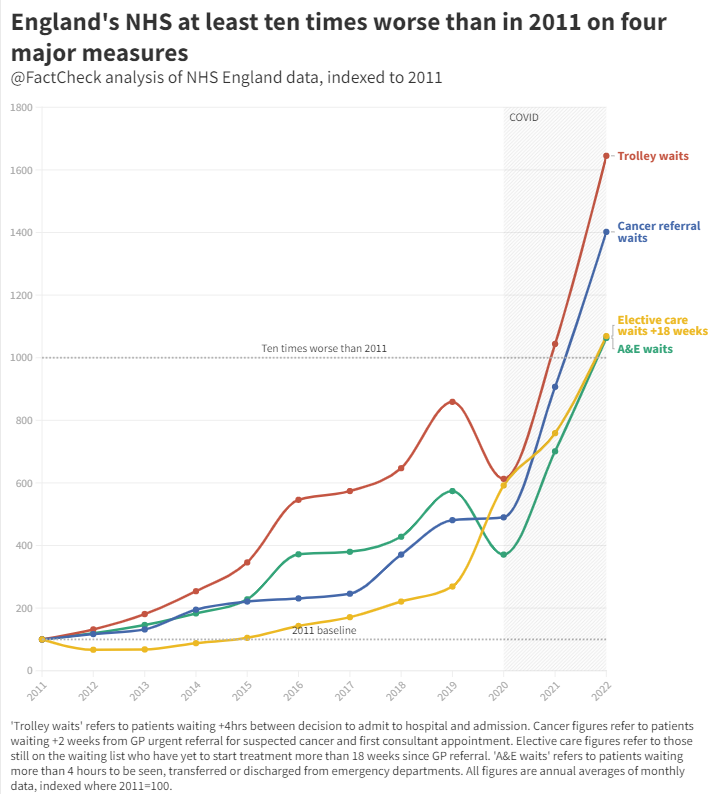
Yesterday, it was announced that a woman had died huddled under her coat in a Nottingham Accident and Emergency department after waiting to be seen for seven hours. This appears to be far from an isolated incident, which should be no surprise, given this trend;
There is a strange narrative in this country about the National Health Service. In the shadows, politicians describe it as the ‘national religion’, and like other religions, it contains an unhealthy amount of hypocrisy. After all, most of the elites in our country (including our politicians) use private health care.
There is also a common narrative which describes the worsening performance of the NHS as ‘not about money’. We spiral into anecdotes about ineficiency and waste, alongside carefully curated statistics and examples of beaurocratic idiocy. It is also true to say that even our slash-and-burn taxation and public spending current government, spending has increased, but the degree to which this increase is real is very complicated to pin down, with huge variations and almost deliberate confusion. This article spells out some of the problem.
Of course, part of the problem is that the NHS is a huge monolith that will always tend towards what Ivan Illich would describe as unconviviality, which is another way of saying that it is not on a human scale. The tool we have created then becomes more important than the people who are dependent on that tool. Our last bastion again this kind of unconviviality is always the staff who work in the NHS, and it is fairly safe to say that morale is not high.
Perhaps too, we often forget that the NHS is the end point of national health and welfare – the last resort – not the starting point. In other words, you can not improve the health and well-being of nation be only treating sickness. We know, through extensive research into the creation of wellbeing over decades and in all sorts of different societies, some of the things that help, and many of the things that hinder.
We know to the immeasurable value of that complex web of small voluntary groups, societies, clubs, religious institutions, cultural events, arts and charities that bring us together and give life meaning. Many of these groups have lost previous sources of funding as local authority budgets have been cut and then cut again.
Those same cuts to the funding of local authorites has had a massive effect on social care provision. At a time when the national demographics have trended towards a big increase in very elderly people needing complex care, we have had over thirteen years of cuts to councils, who provide the bulk of the support to vulnerable people. Even where councils have performed fiscal alchemy to preserve funding for social care, it is not enough, because of the aforementioned demographics.
Perhaps we have deliberately forgotten that the number one way to improve health is through stable income. The infamous Black report in 1979, investigating inequalities in health outcomes, made this rather obvious point and as a result was buried.
Meanwhile the real terms value of benefits are at an all time low, and the punitive unemployment and sickness benefit processes has adopted an almost inhuman cruelty – which has in part achieved its purpose of forcing people into work. This work however, tends to have certain characteristics– low paid, insecure with little or no hope of progression. In other words, the very kind of work that makes profit for others at the cost of worker wellbeing.
So, what is happening here, and what can we do about it? Or rather, what COULD we do about it if we voted in a government that was prepared to bring about the radical changes that appear to be required?
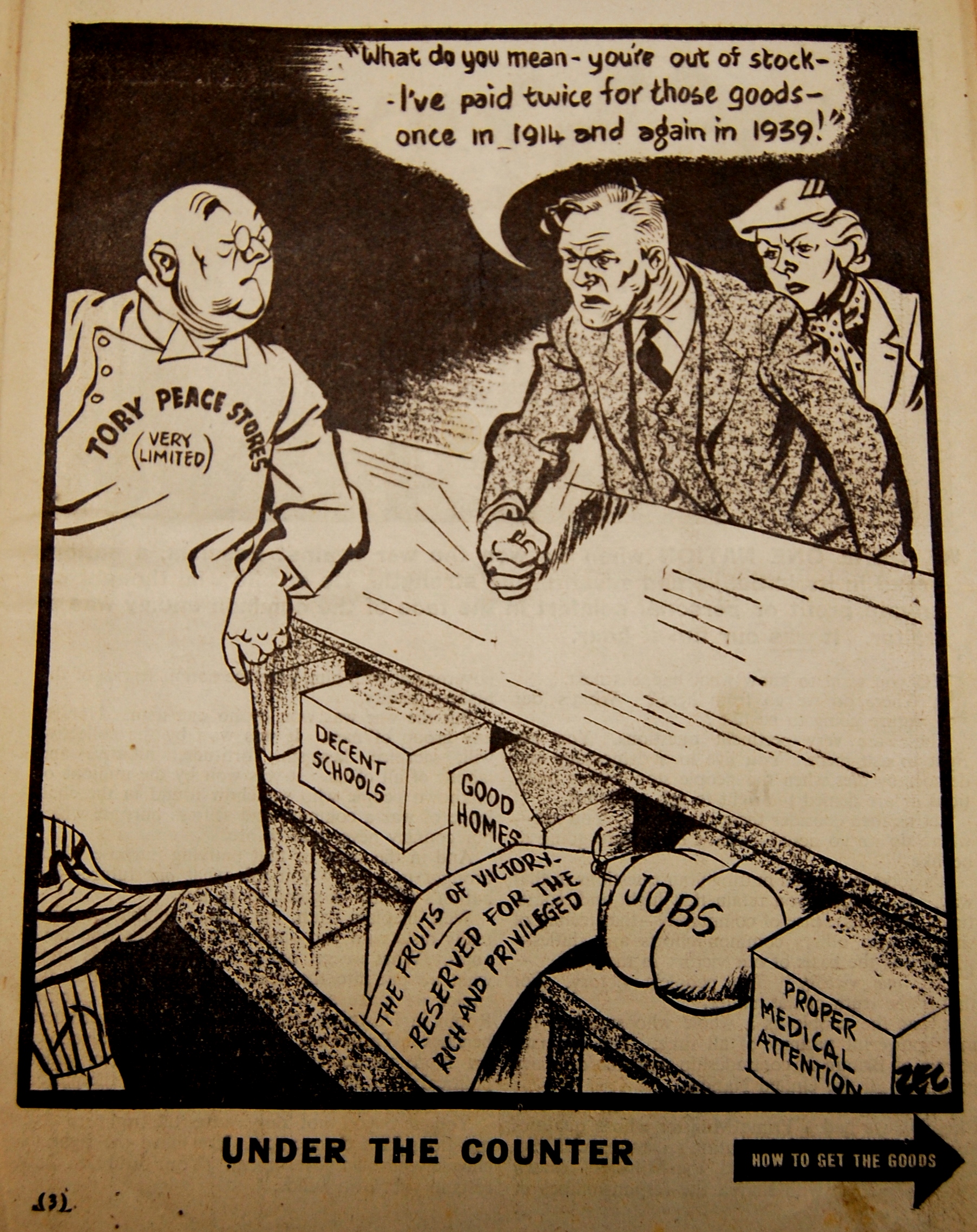
I would suggest that in order to look forward, we also need to look backwards, in this case towards an old idea known as the ‘welfare economy’ (a society which benefits as a whole because its citizens are being taken care of), which here in Britain, was known as ‘The welfare state’.
It was the coming of the welfare state in the wake of the second world war that promised a different kind of society. No more would the citizens of post war Britain be subject to the boom-and-bust uncertainties of capitalist industrial barons. Neither would the poor laws any more be an acceptable model of managing the welfare of the most vulnerable. In fact, means-testing itself was to be abandoned in favour of ‘national insurance’, paid by workers in good times to ensure their survival through the hard times.
Oh, and the welfare state also included a health system known as the National Health Service. Arguably it is only this part that has survived relatively unscathed. The rest has been systematically attacked and villified by news and media outlets (owned and funded by billionaires) to the point where the very word ‘welfare’ has become a synonym for ‘scrounger’ or ‘waster’.
The inverted logic of neo-liberalism has held sway for decades now, telling us that a healthy society has to be moderated by the insatiable belch of the free market. It is only (we have been told) through shrinking down the previous excesses of the welfare state and allowing the self regulation of pure market forces that we can know prosperity.
To be fair, it has worked for some.
(But not for the many.)
Is there hope yet for a welfare society?
Can we wind back time to what we once aspired to? If not, what might such a society look like under the harsh pressing reality of climate injustice as well as economic injustice?
It is these questions I am intending to ponder in the next wee while.
Over the last few months, I have started to become a potter.
That may seem an odd statement from someone who has made a living from a ceramics business for close to a decade, but until recently, I messed around at the edges of the actual potting. The hands-on-clay stuff has been Michaela’s passion, and I have been her helper, provider of words and maker of frames. I always made things and have done a lot of glazing, but it was not really my thing- but this has changed, to the surprise of many, including myself!
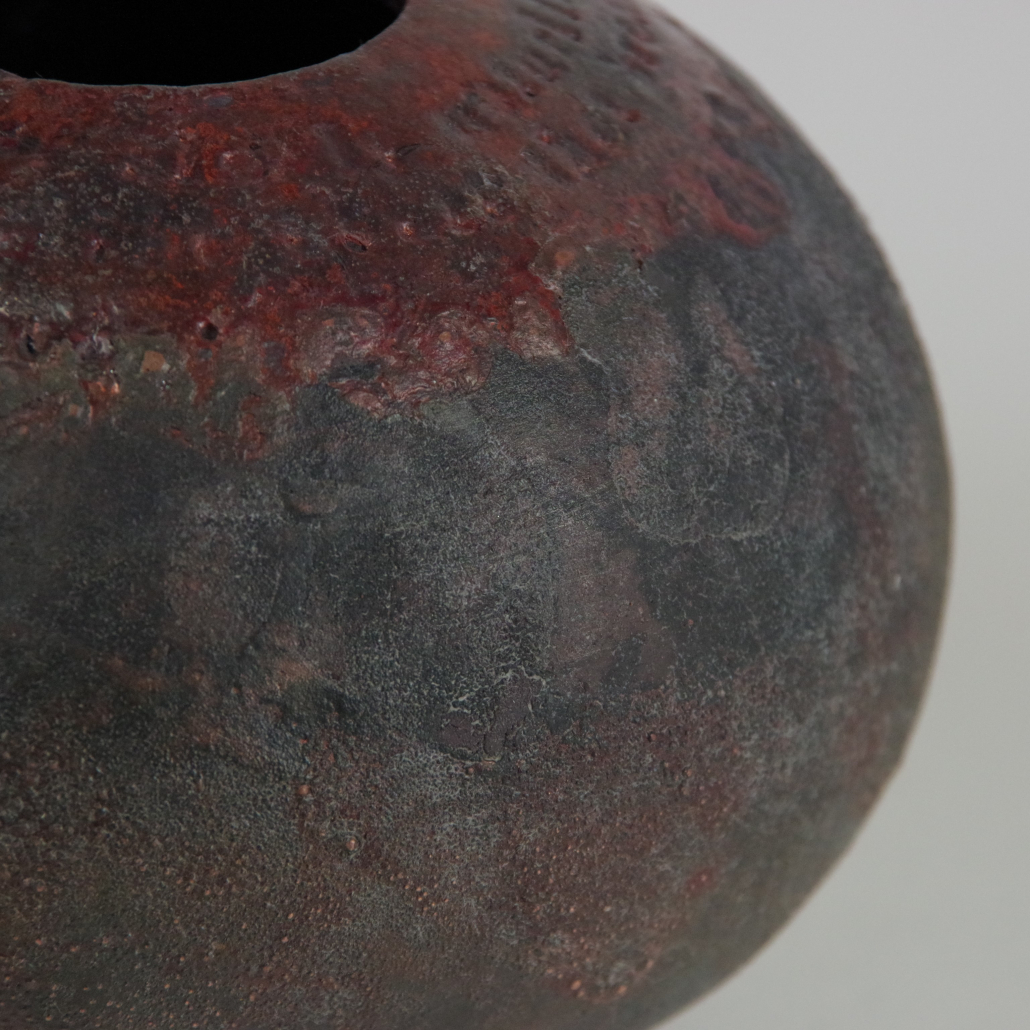
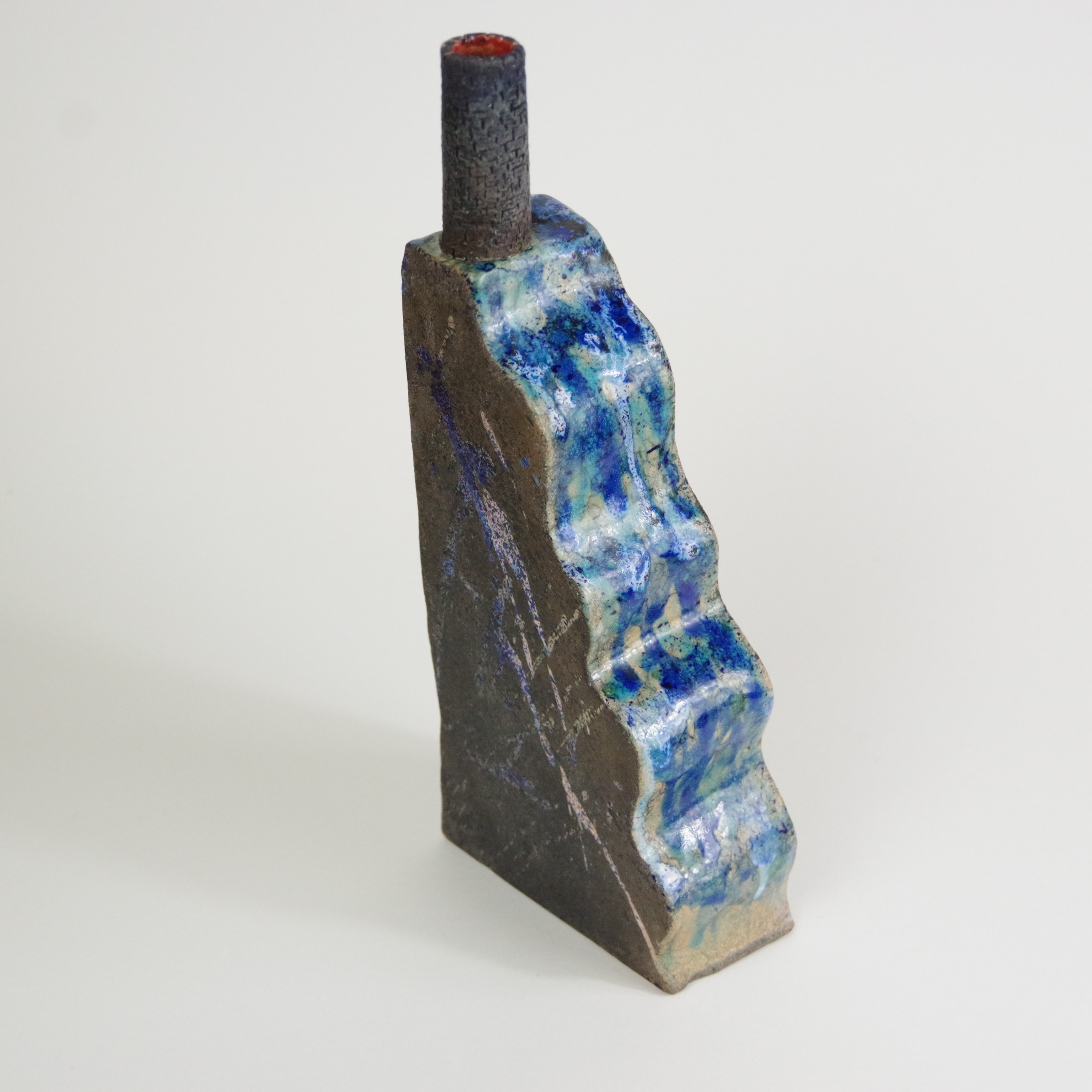
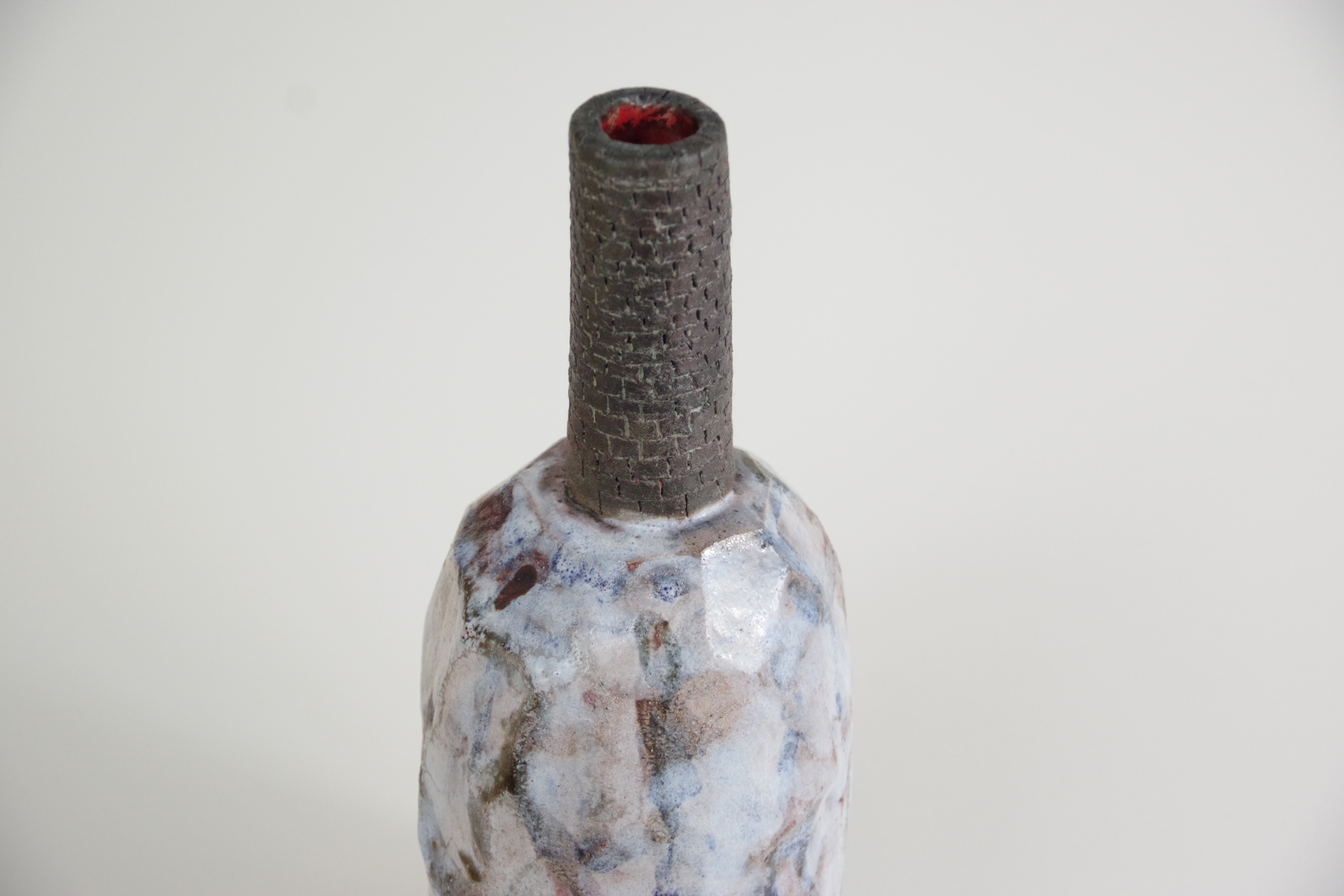
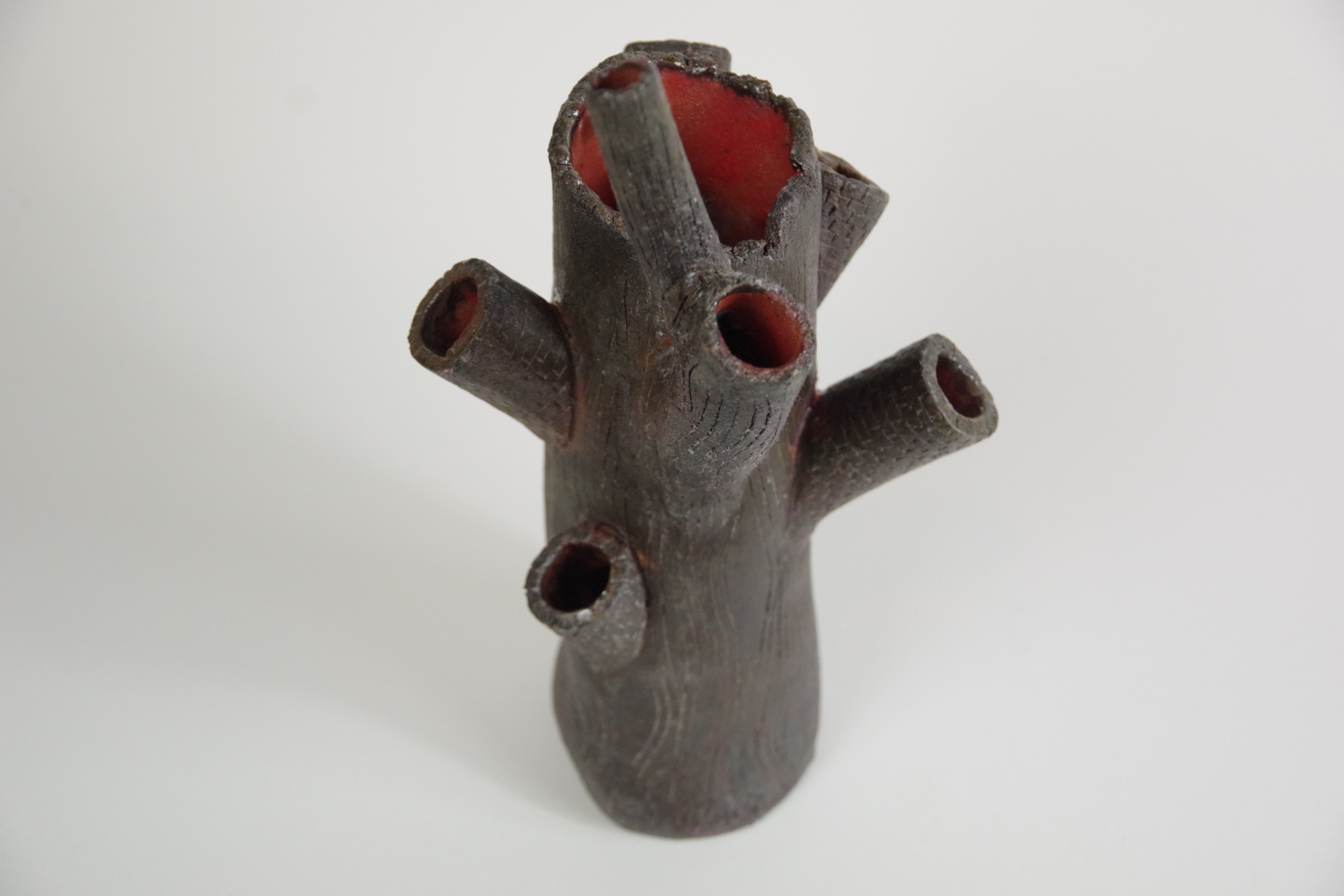
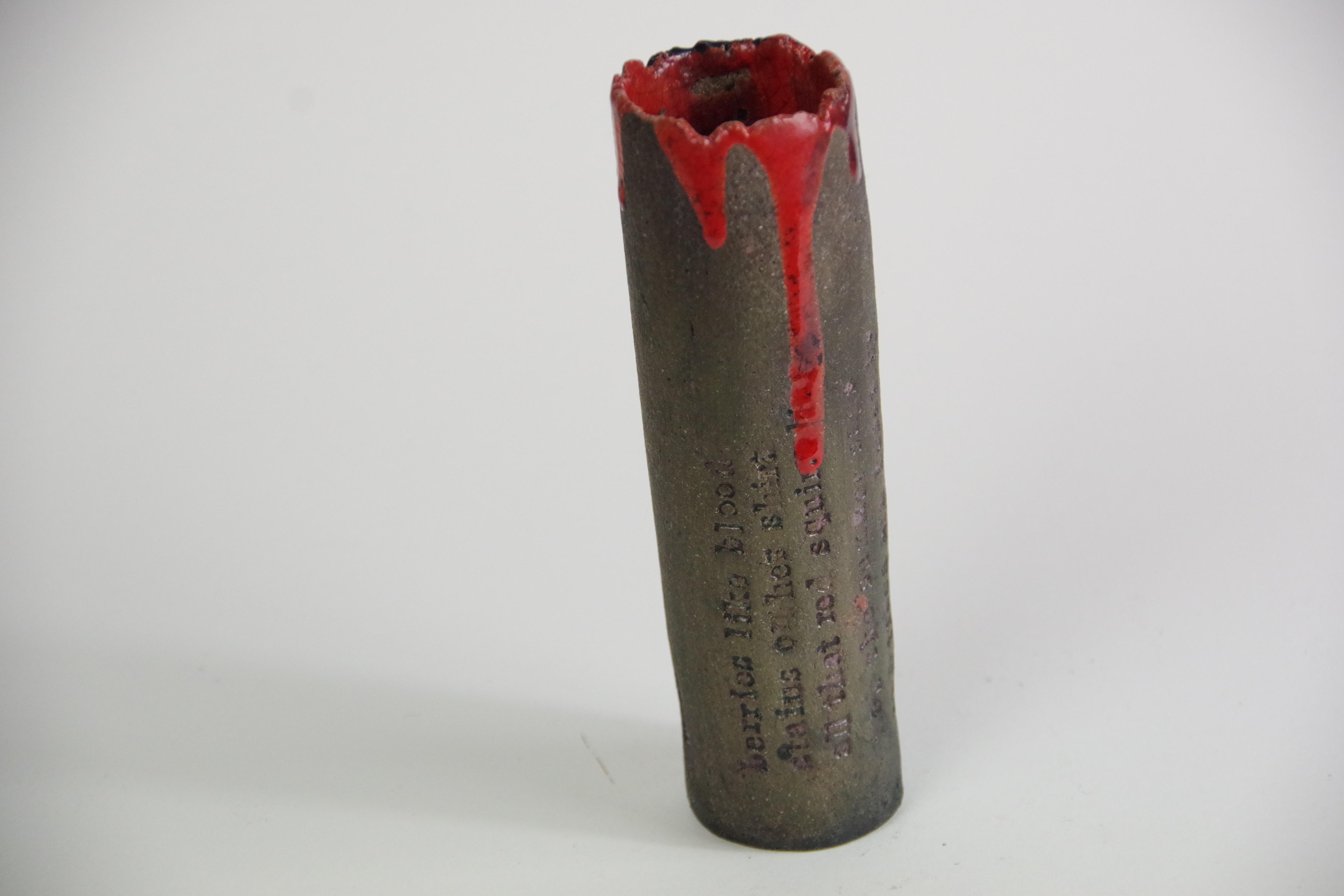
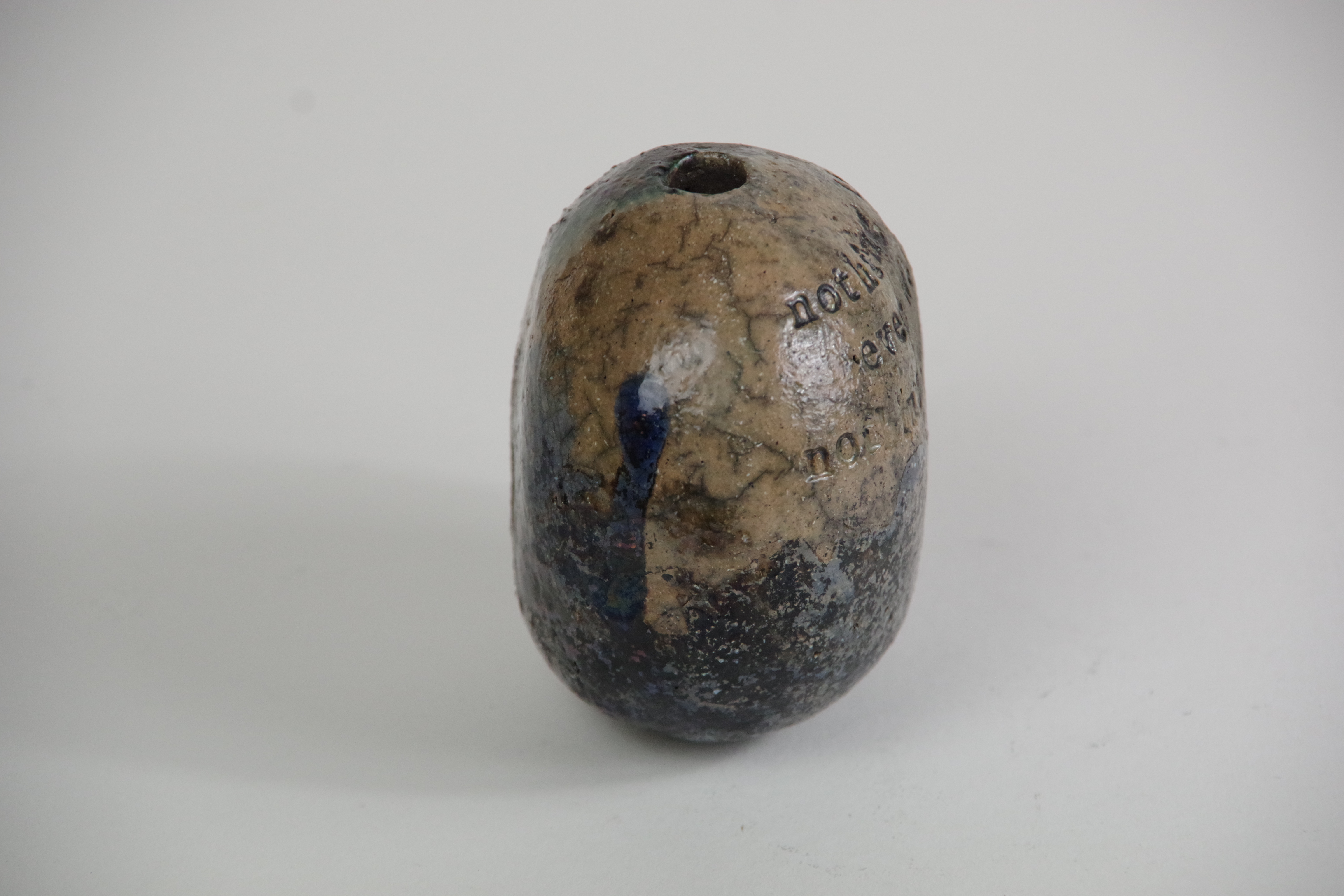
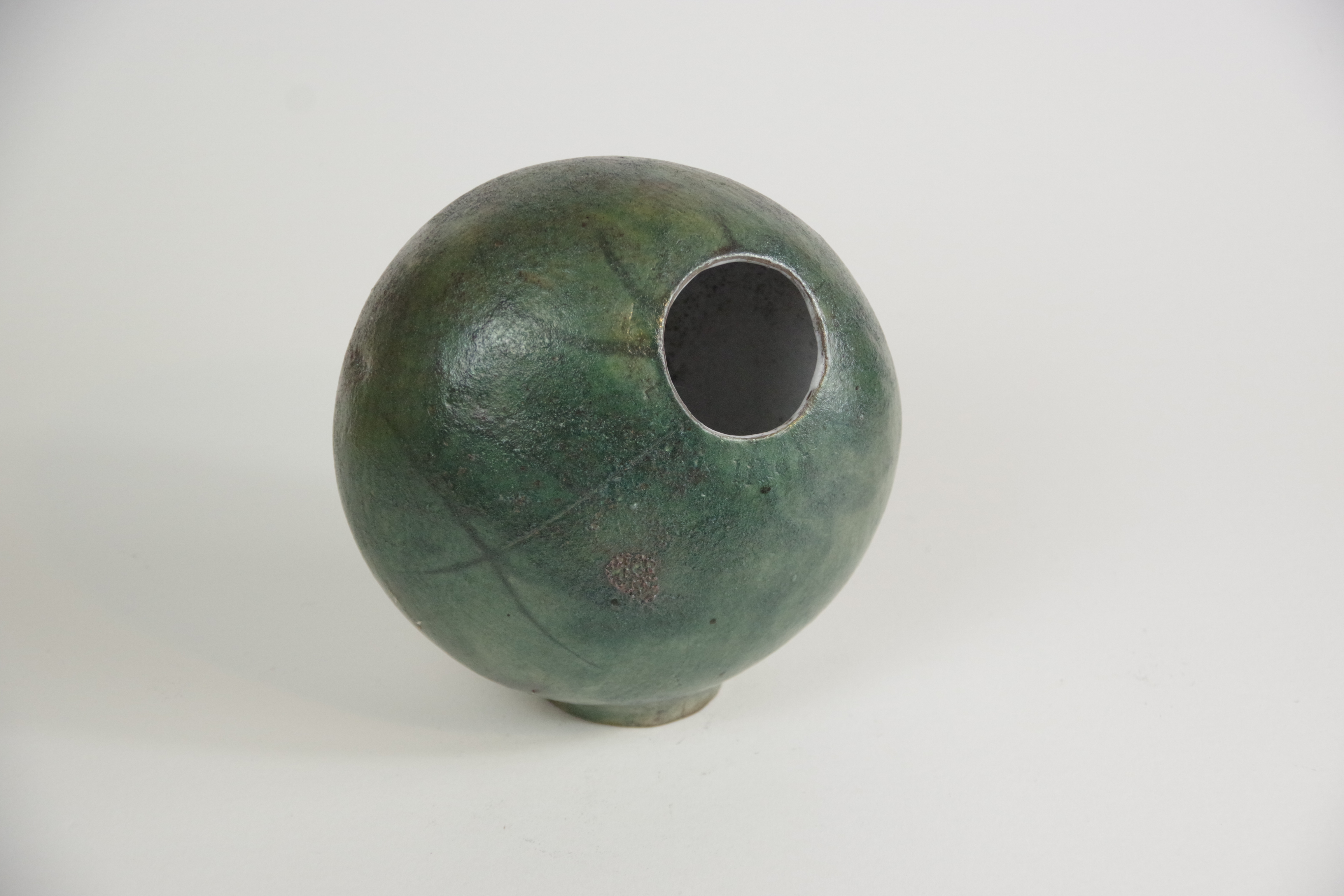
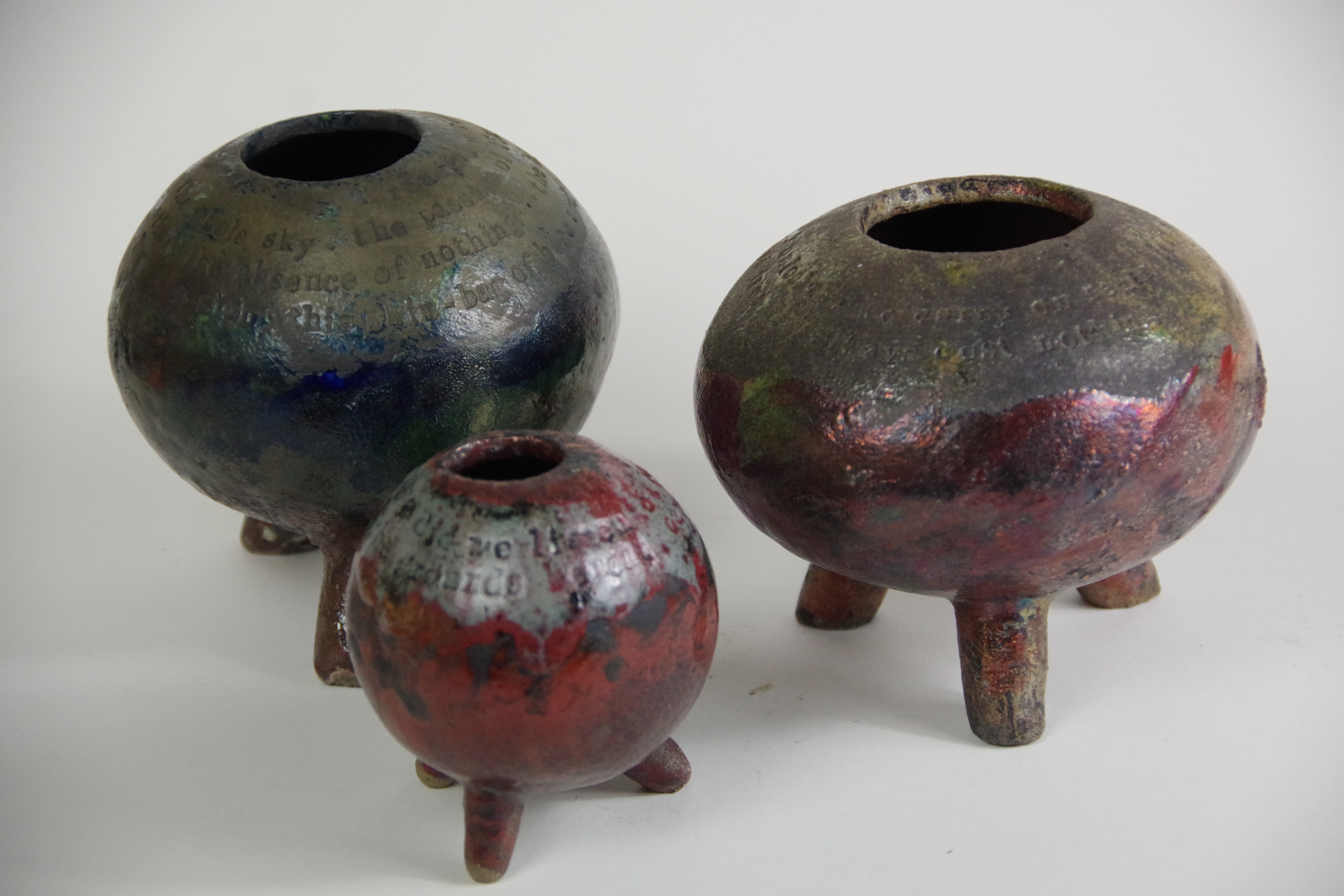
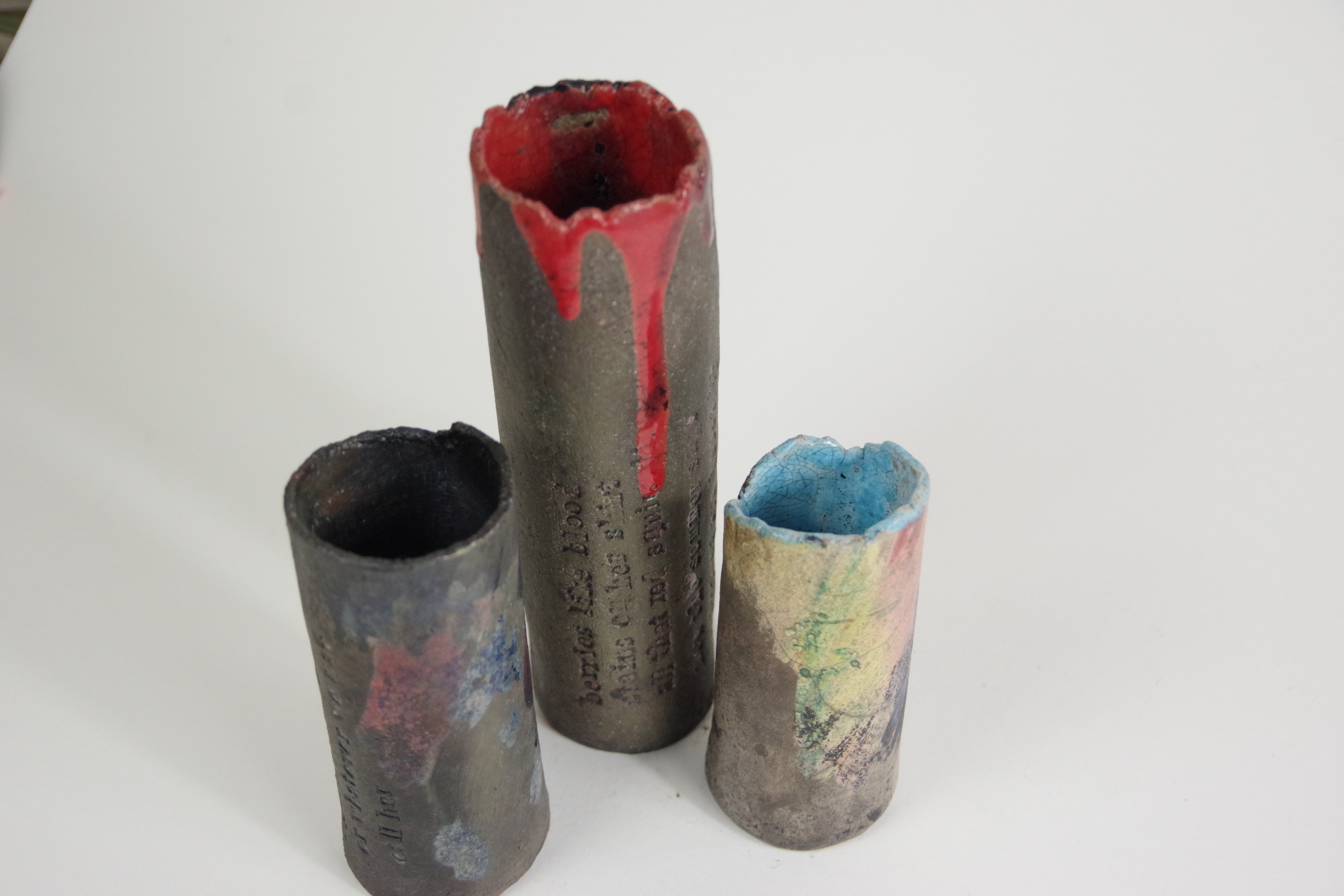
What changed? Well, I have been working on a new collection of ceramics, which we are calling ‘seatree elemental’. Here is the blurb.
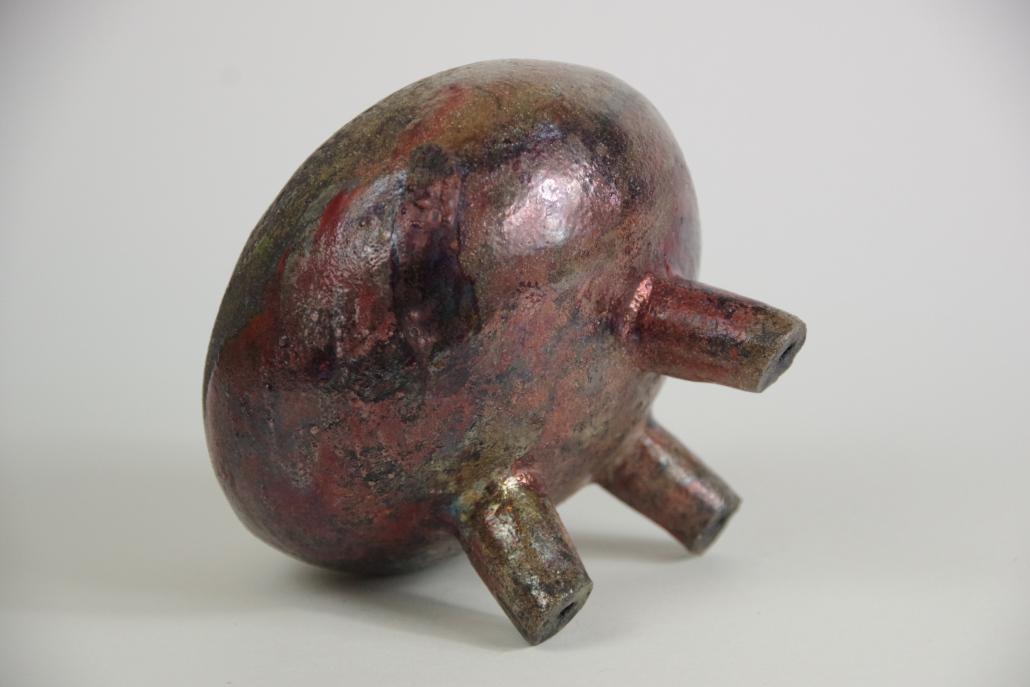
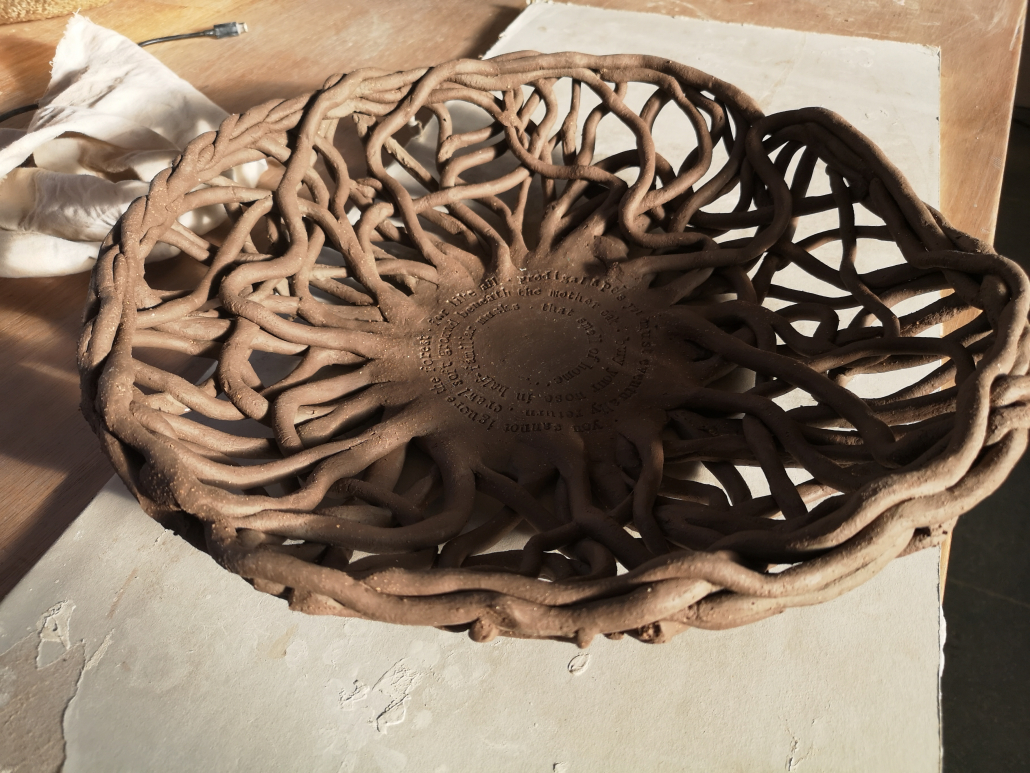
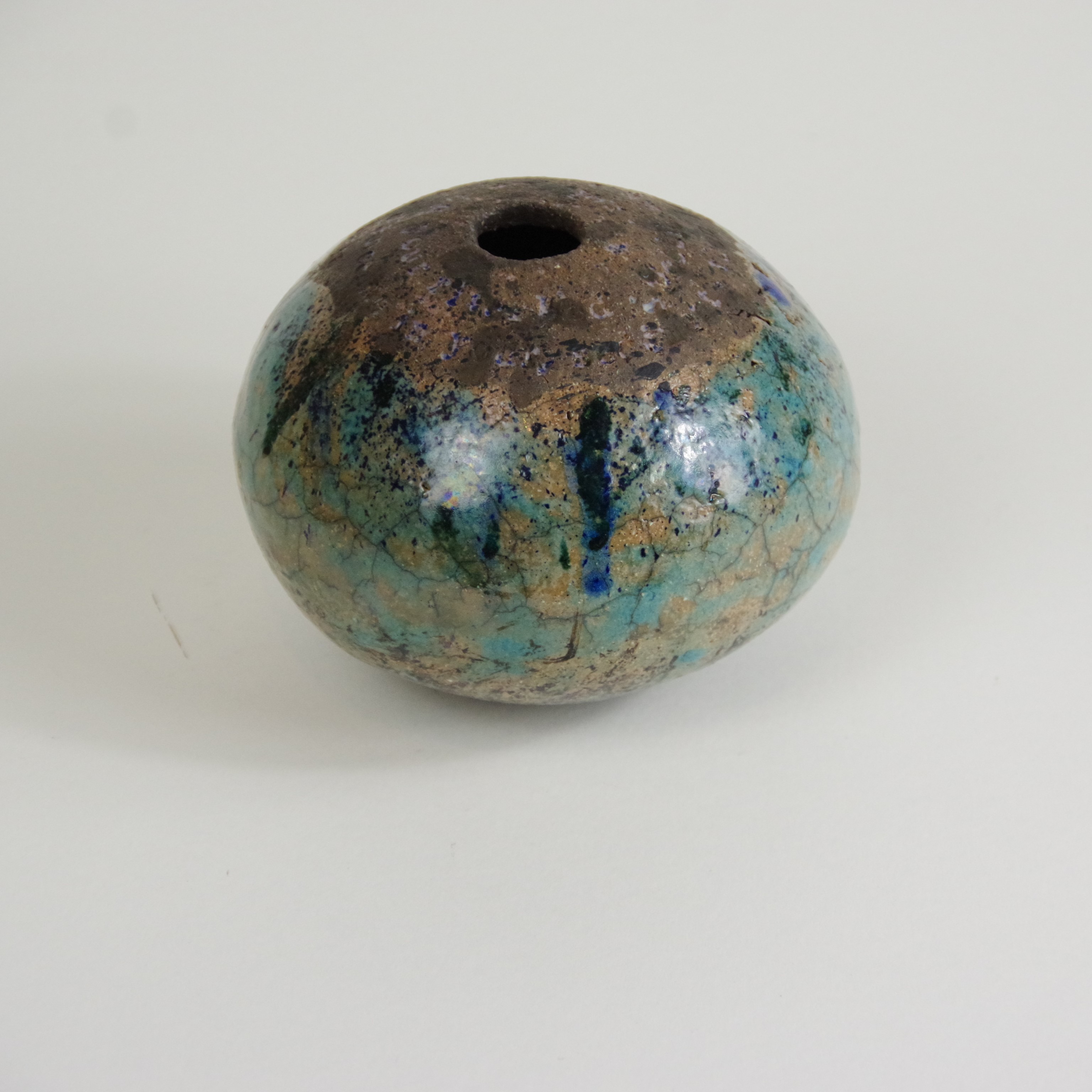
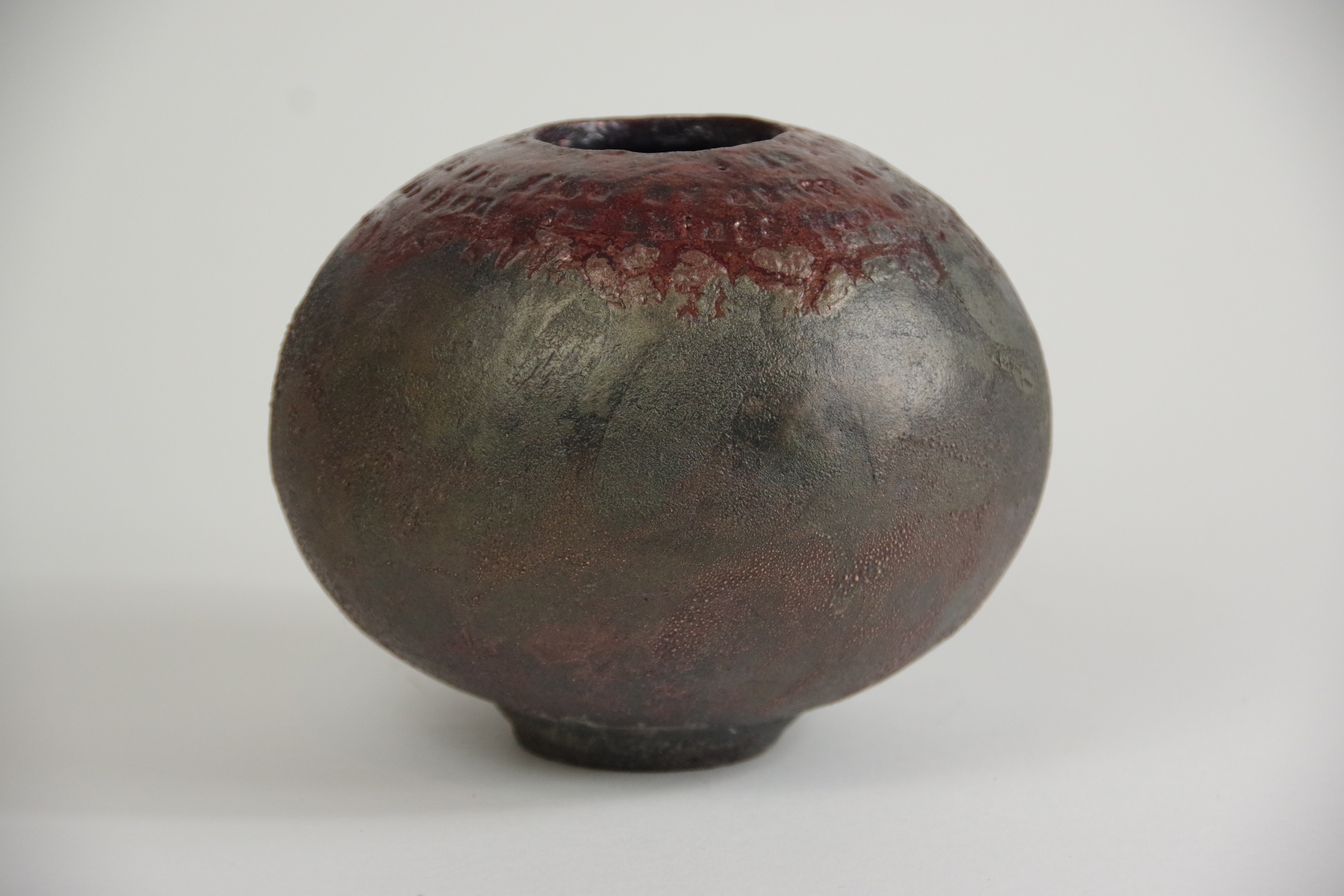
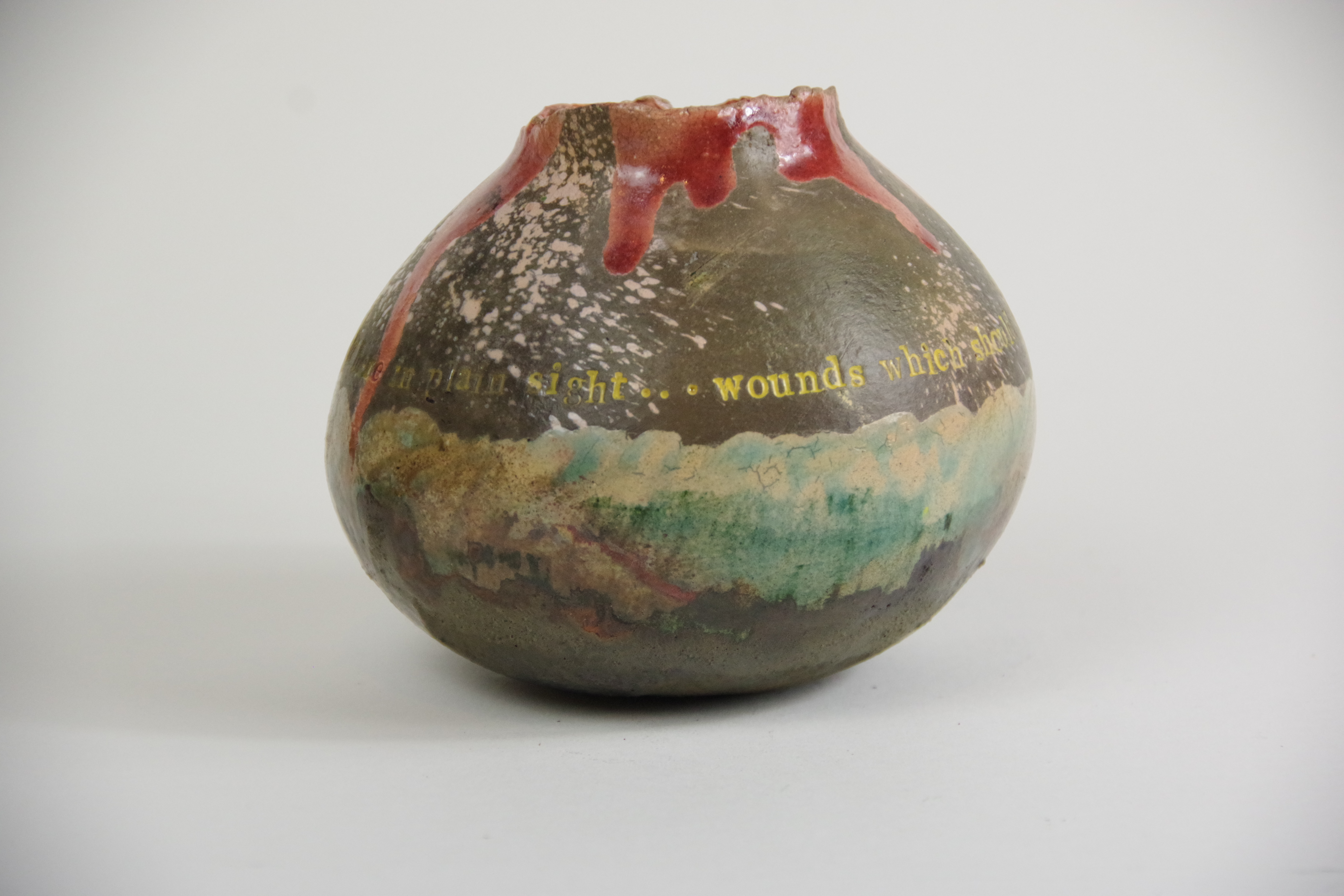
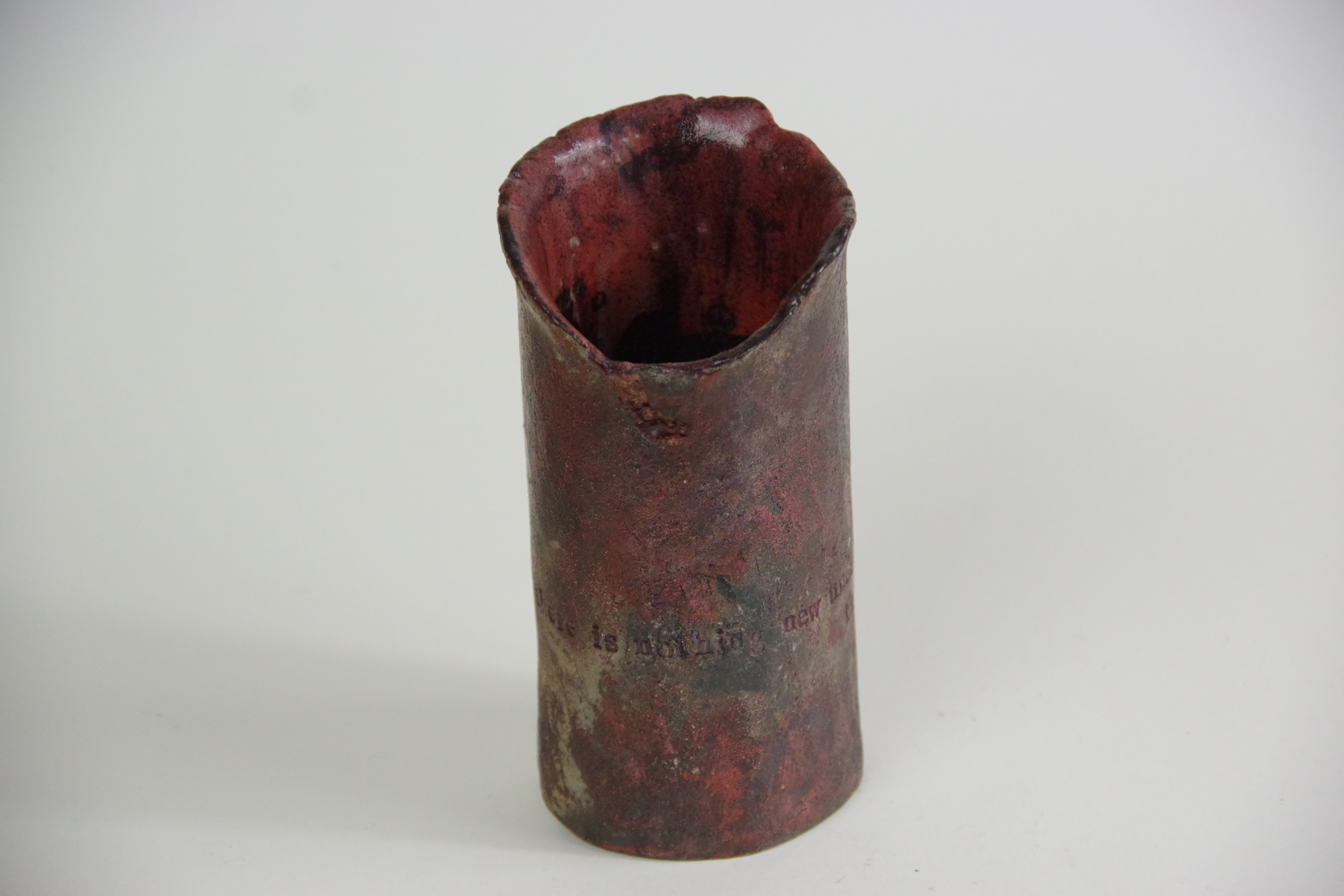
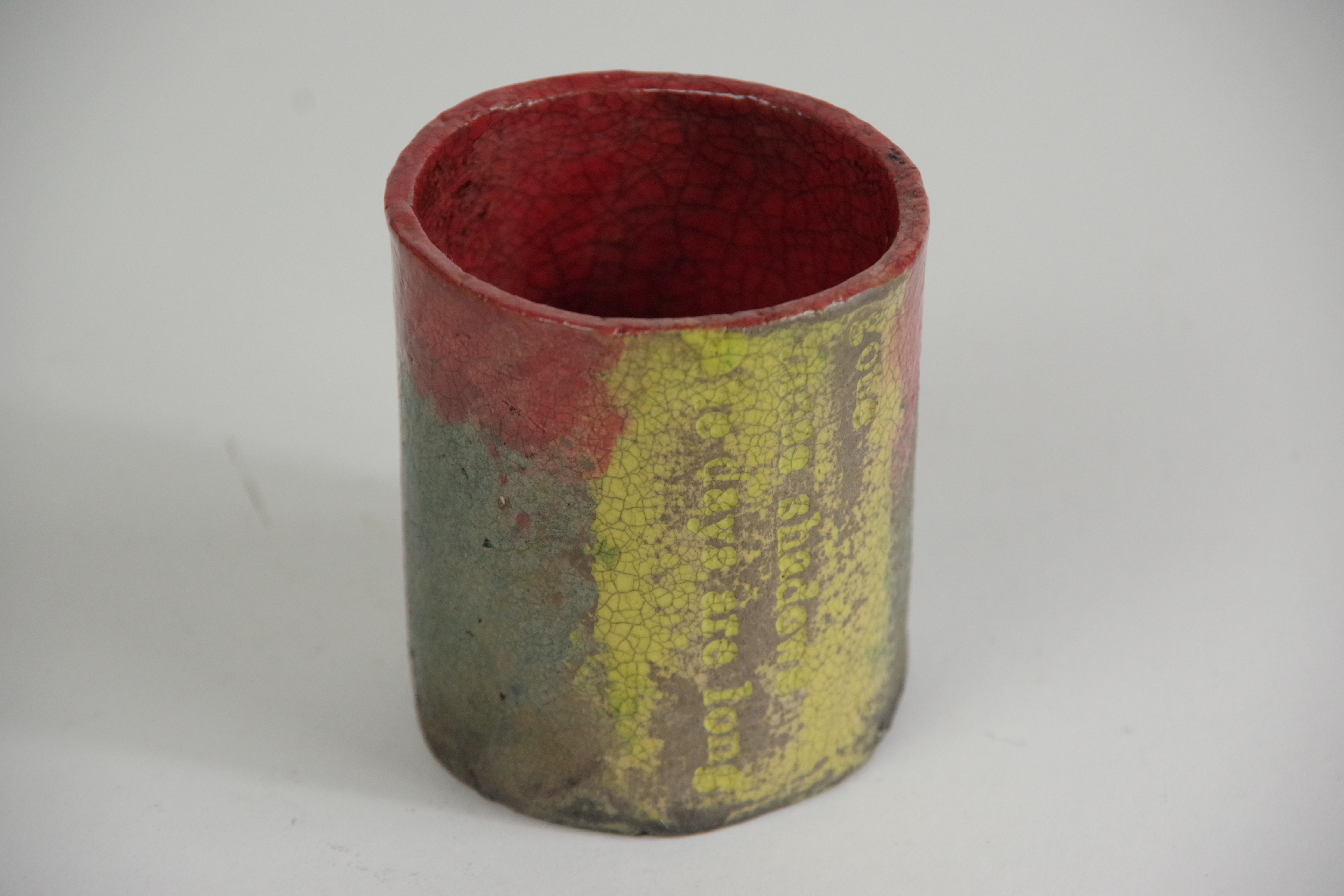
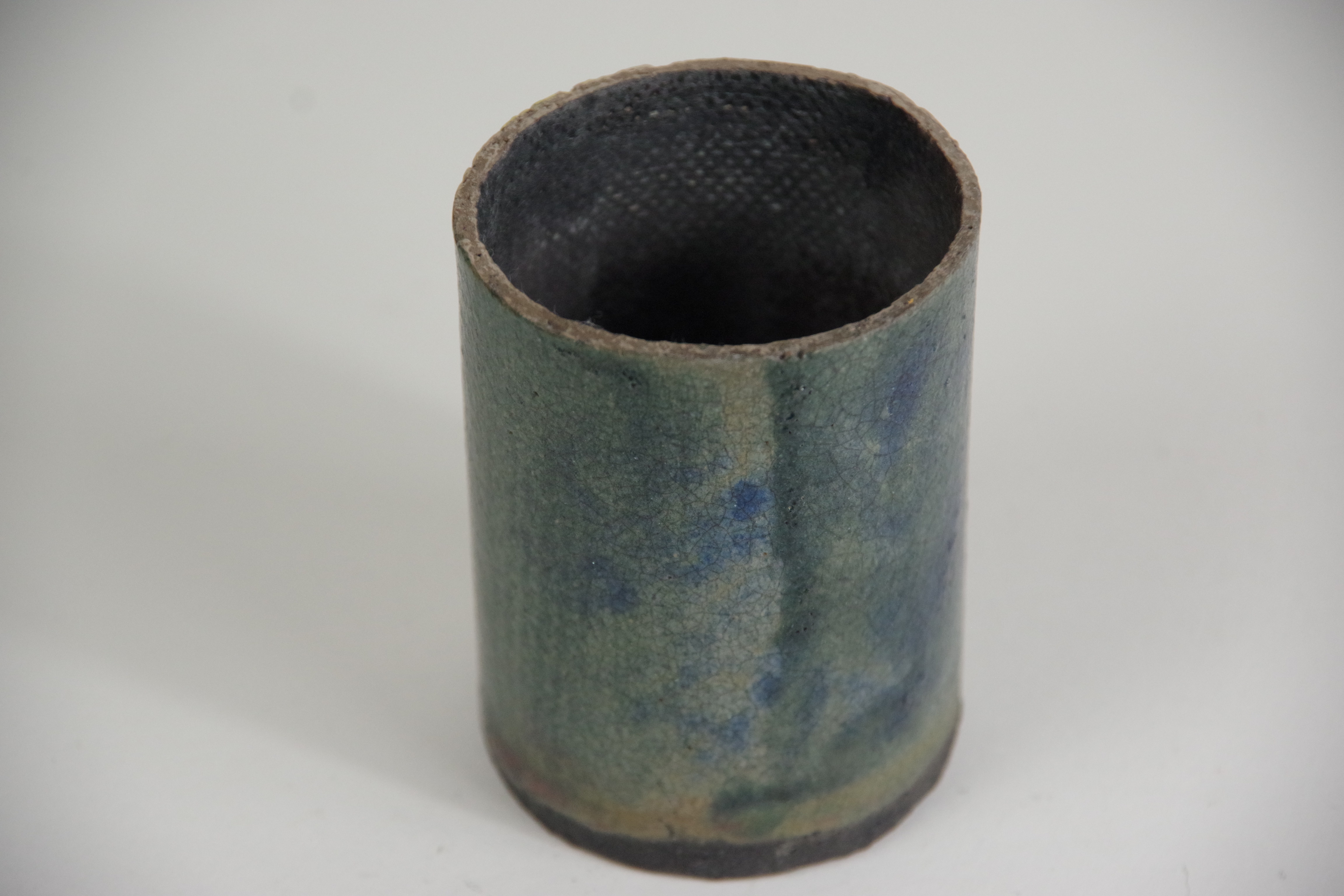
‘Seatree elemental’ refers to a range of ceramics using rough clays and alternative firing techniques, such as pit firing or raku firing. All pieces are hand built and unique, each one is different and one-of-a-kind.
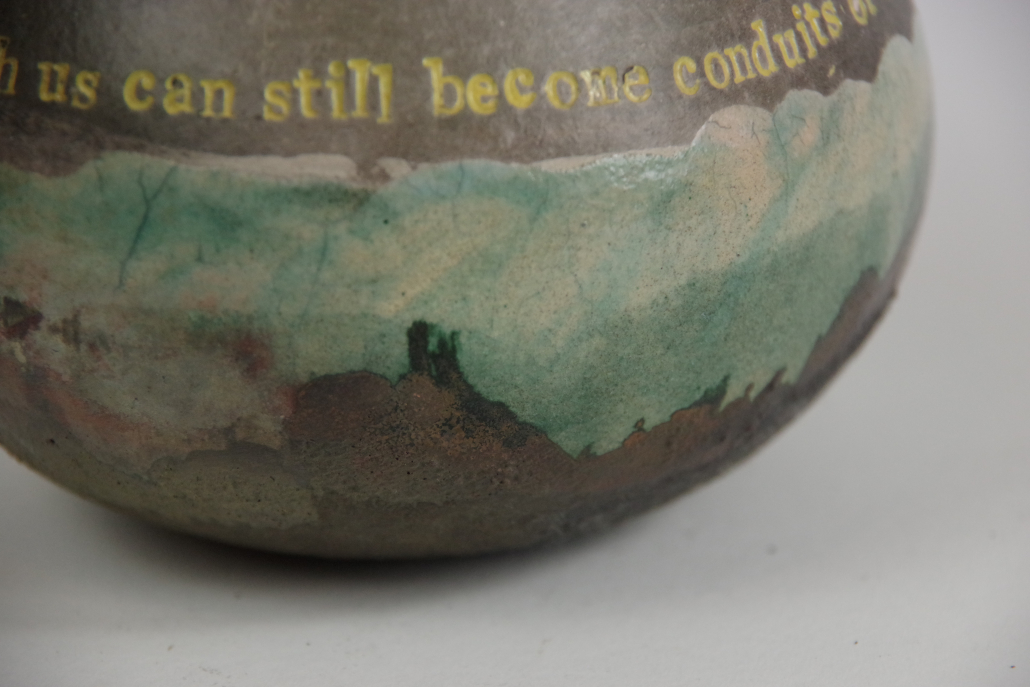
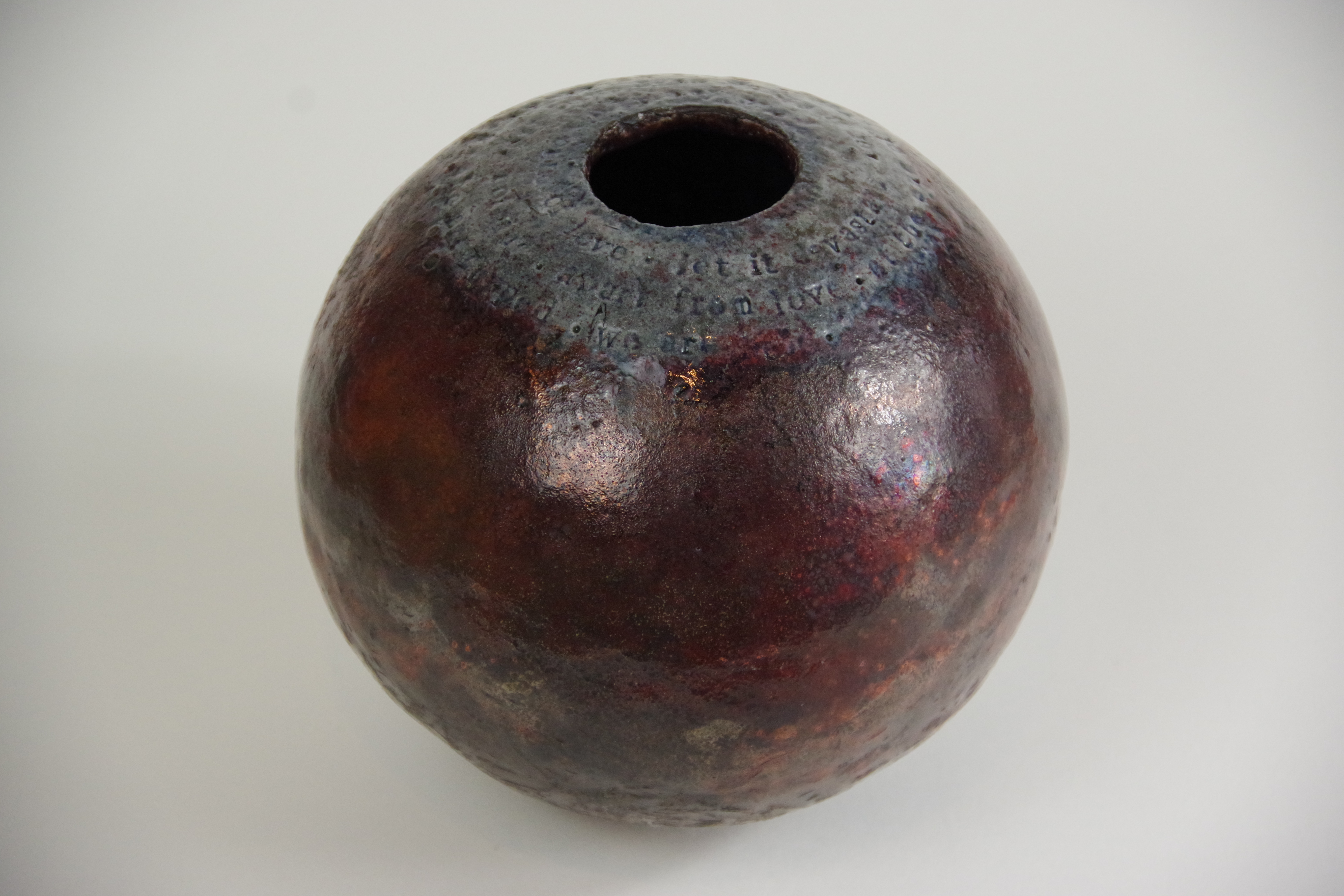
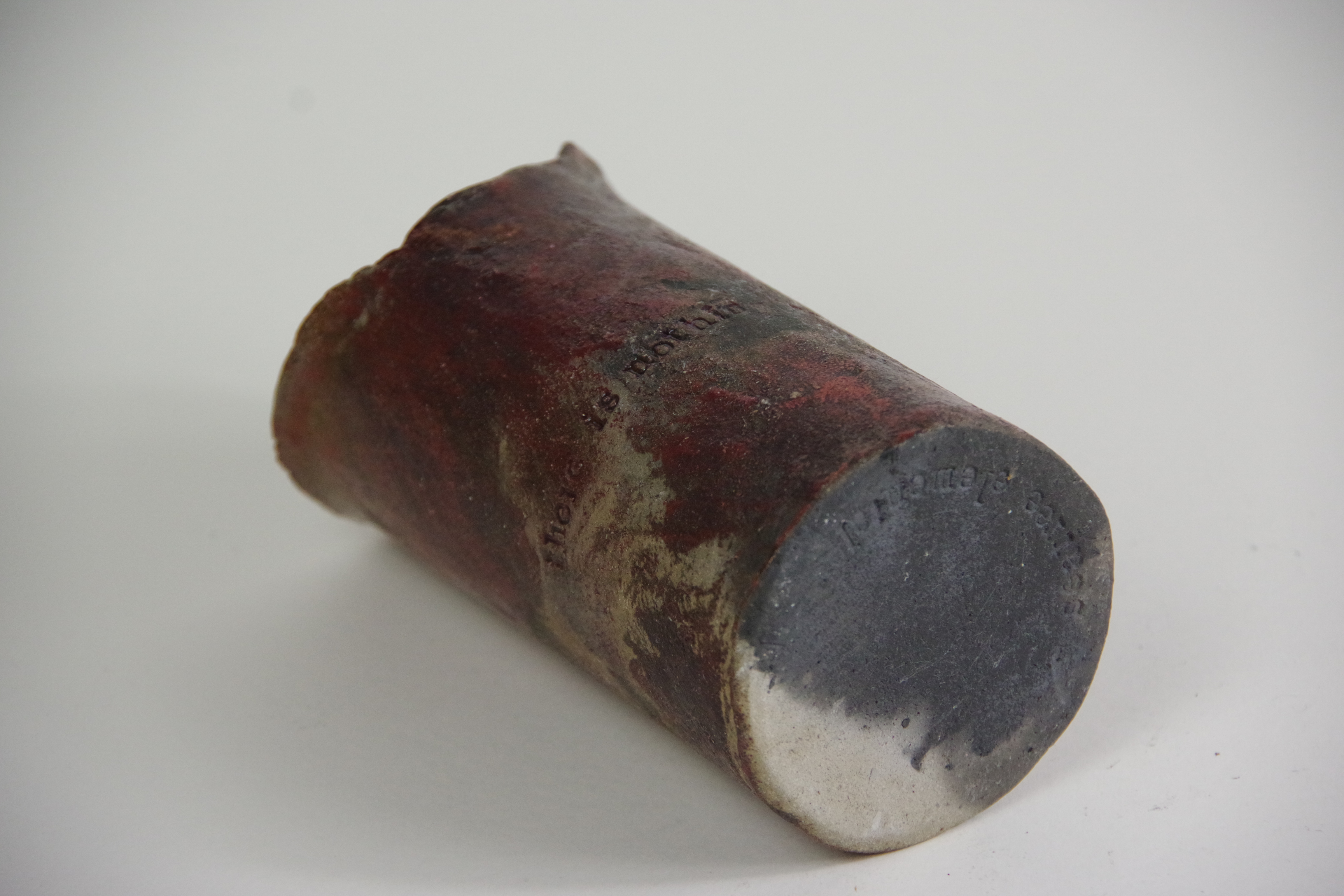
Although they utilise original poetry – just like other seatree work – you may have to work harder to read it, as we are sometimes happy to let the words be absorbed into the piece itself, as if they form part of the fabric. In this way we try to allow the different firing methods to shape the words too.
Why are we doing this?
Well, it was necessary for our work to grow, to experiment and find new expression. I love the new rough clay, as it offers many redeeming features in its plasticity and drying qualities. Michaela hates it though, as she has a wierd intolerance of the scratchy rough texture and likes her surfaces to be much more smooth.
I am also loving the alternative firings, and how the organic shapes of the new work are transformed by the elemental nature of fire and heat, as if emerging from the very place they (and we) are planted.
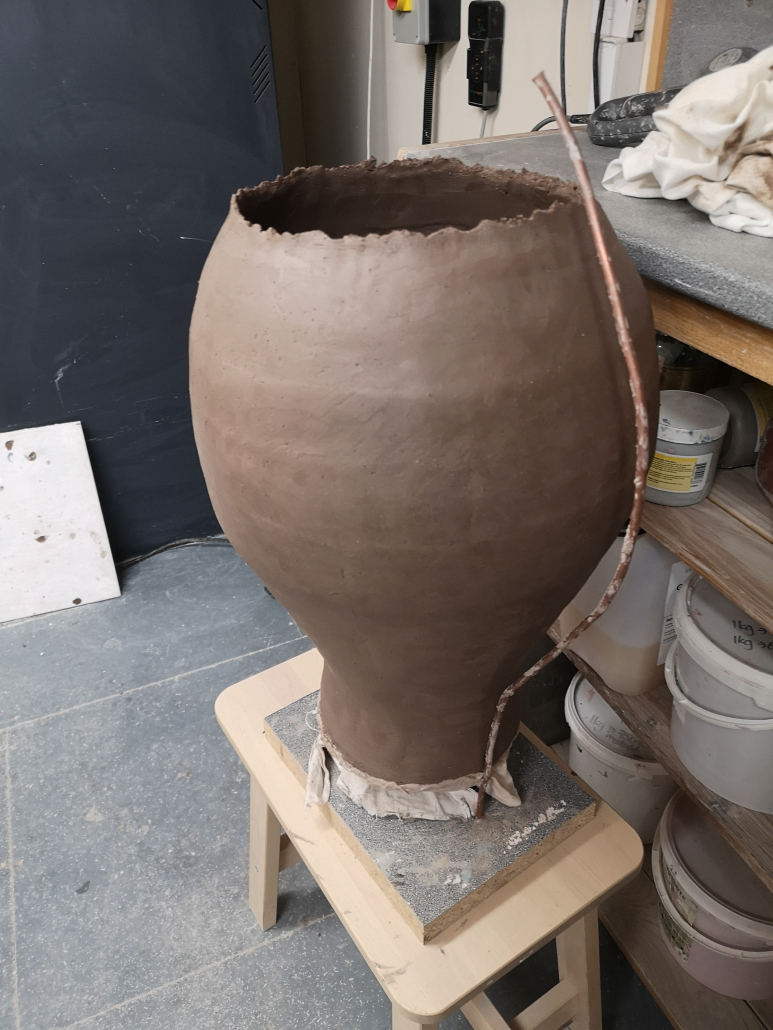
Much of this process is rather hit-and-miss, with as many failures as successes. Partly this is because of our learning curve (which shows no sign of levelling off!) but also the very nature of firing large pieces like this one is challenging!
The poems chosen for seatree elemental are often more challenging in nature, as this work has emerged as a way for us to explore our relationship to all that is broken and all that is beautiful in this world shadowed by climate injustice. Just like our other work, you will see a colour spectrum inspired by the wild western fringe of Scotland.
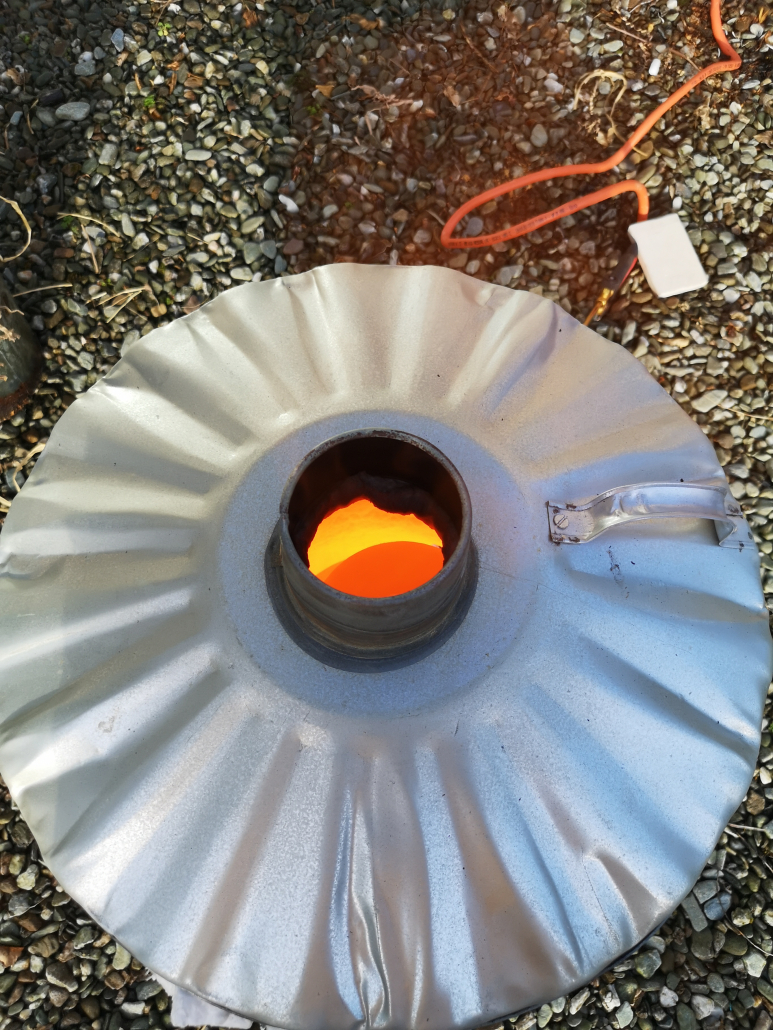
A lot of these pieces use a firing process known as raku (which our Japan-based friend tells us means ‘easy’ in Japanese – something I feel might be intended as irony!) Raku is a process by which a pot is heated quickly to around 1000 degrees using a gas burner, then it is placed in a reduction bin (a sealed metal bin containing combustable material.) By controlling the amount of oxygen reaching the glazes, the potter can produce a range of different colours (although much of this is also down to chance for relative beginners such as ourselves.)
Slowly, firing by firing – sometimes by firing pieces a number of times – I am starting to get the colours that thrill me. It is mesmeric.
We mentioned earlier that this work is in part a response to climate change and mass extinction, and we hope to pull together an exhibition of our work in the future, but for now, we have uploaded a small selection of our work in to our shop, which you can see here.
Here are a few more images of recent seatree elemental work. Most are not in our shop, but if you see something you like, feel free to drop us a line…
A few months ago, Michaela listened to one of those business webinar things aimed at small creative businesses, where they were talking about different ways for artists like us to make a living from what we create. The idea was that we could use Patreon as an exchange, in which people give monthly support in return for a sliding scale of content and ‘rewards’.
I confess, I was skeptical, but the reason we are still able to make a living through what we create is because Michaela works so hard to make it work so we gave it a whirl. To our (or mostly my) amazement, a number of people signed up.
This seems to me to be a miraculous and wonderful thing – that some people who I have never met would see something of value and beauty in what we make, so that they feel prepared to support us financially. Our lifestyle is nor lavish and so these small acts of support make a big difference.
How does it work? Well, check it out for yourself, here.The seatree patreon has four tiers, unlocked by different subscriptions, which include things like
access to a private video of yours truly reading a poem
a handwritten anotated poem
a monthly gift
a piece of seatree pottery each month.
The other thing I have discovered is how much I have enjoyed making these short videos. I hope our patreons will understand if I share one of these here as a sneak preview;