Postcards from the western fringe 3- now and then…

Lewisian Gneiss is the oldest exposed rock in the British Isles.
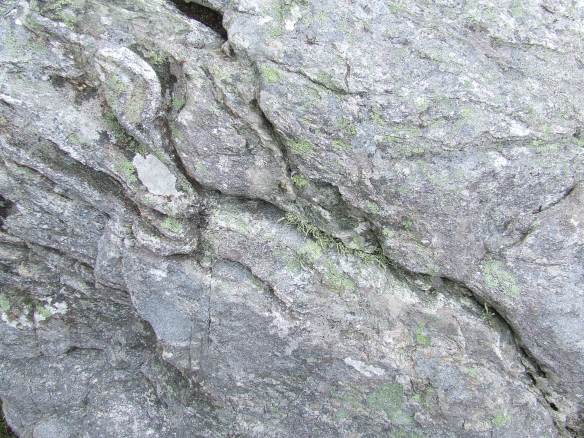
DSCF4330

2000 million years ago, massive forces twisted and melted this rocks into the crystalline shapes that became these islands.

It was another 1200 million years before multi cellular life forms crawled across the rocks.

Another 5oo million years passed, and along came the dinosaurs.

Mammals took another 430 million years.

And as for us, we humans- well we just got here yesterday. Well, around 6,000 years ago we found our way to these parts, and made a life on these rocks.

I took a walk today that kind of brought this home to me. We humans live lives as if we are important. As if we are significant. As if the world was made for us and owes us something.

But we walk in others footsteps… which like ours, are quickly fading…

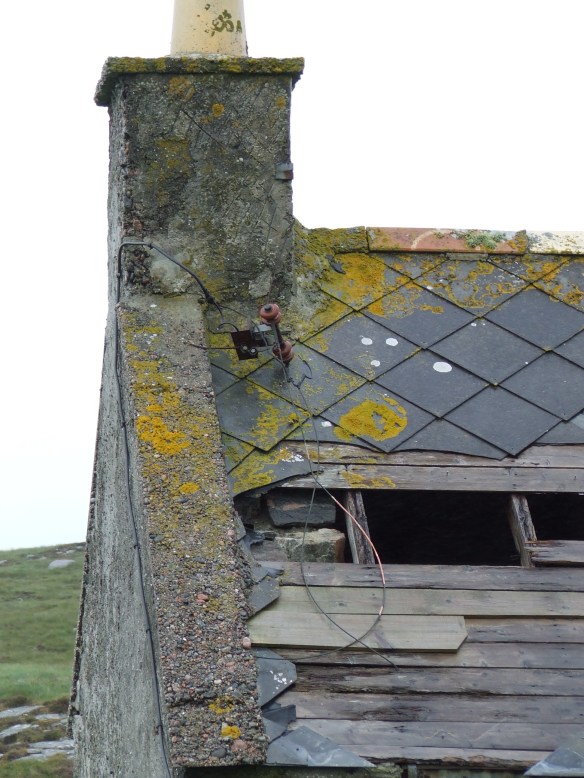
Most of us have a folk memory of the scattering of people from these places during the clearances. All around the Highlands are the remains of old dwellings- the Blackhouses– built from the rock and earth, and slowly returning to the same.
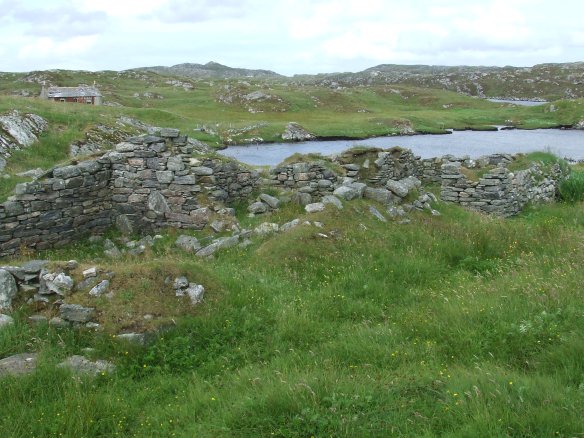
DSCF4337

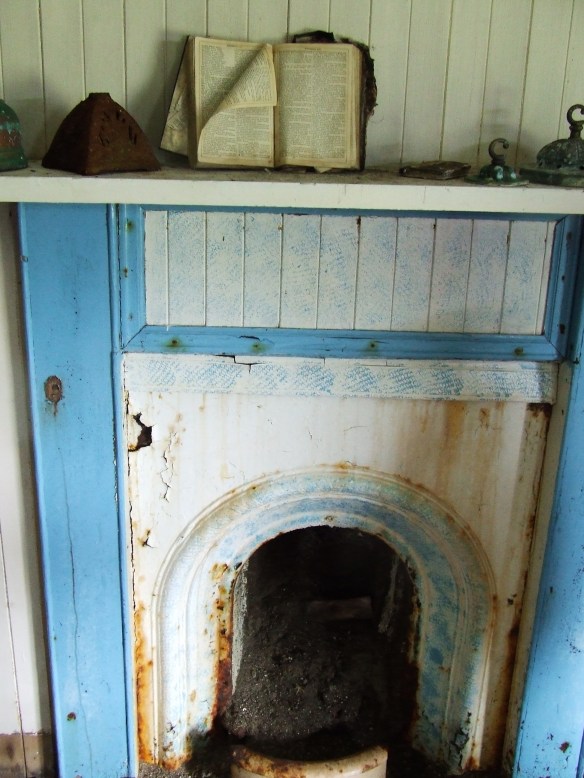
People left these houses around the turn of the 19th Century. Those who stayed- those who did not sail away to Canada or Australia- moved with the modern times into ‘modern’ houses. With fireplaces, and windows and solid floors.

But there is a new and unfolding diaspora from these islands.

As much as Highland culture and communities are being celebrated- they are still fragile. Traditional industries of crofting and fishing are all but gone. Young people still leave if they want to get ahead.

Old people, who still hold the old times in their stories and their songs. They too will soon be gone…
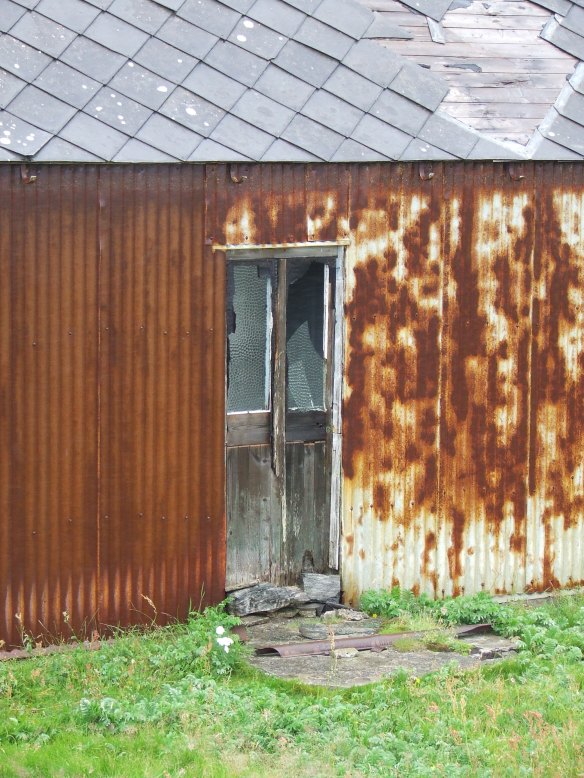
DSCF4317

DSCF4315

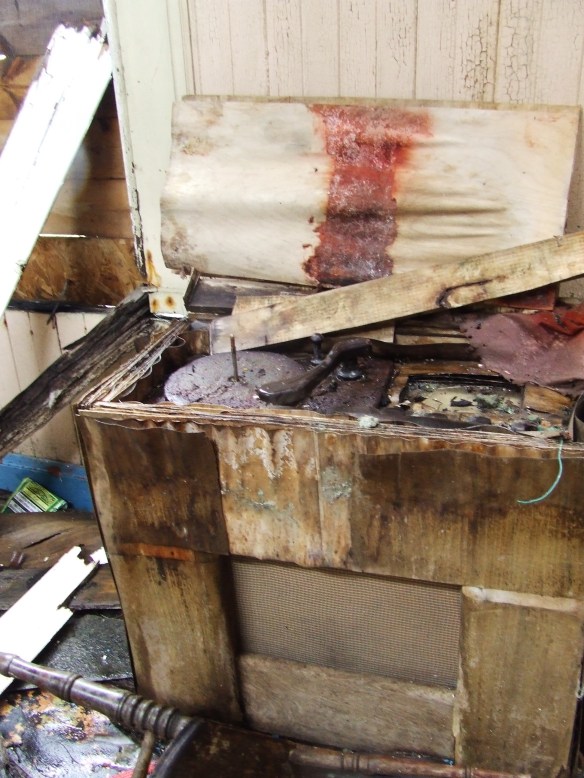
Old gramaphone

Old gramaphone

DSCF4302

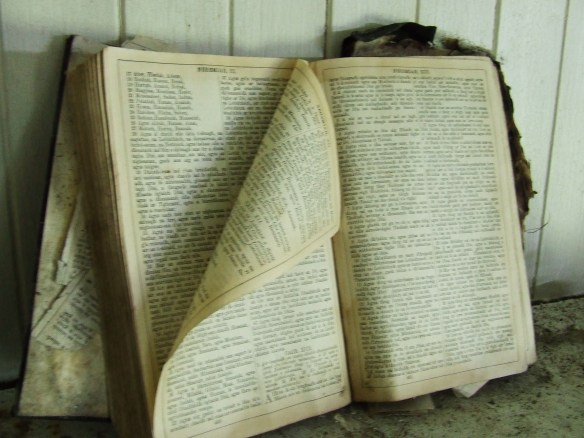
Gaelic Bible, open on the Mantlepiece.

Kanyini

Thanks to the heads up from Craig in Australia, I have been doing some research and thinking about the concept of Kanyini. Craig was kind enough to send this to me in connection to some ‘wilderness meditations’ we are working on- finding locations to provide cues and context for drawing close to God (some of this stuff can be found here; www.aoradh.org/index.php?option=com_content&task=category&sectionid=24&id=80&Itemid=62)

The concept of kanyini has been brought to us by a beautiful man called Bob Randall who grew up as an aboriginal boy on the outskirts of a cattle station in central Australia. His father was a farmer of Scottish extraction, but appears to have had no concern for him at all. Like 50,000 other black kids of mixed race (between 1910 and 1970) he was forcibly removed from his family, and sent to school hundreds of miles from home. He was forced to learn the rules of white culture- the clothes, the way of life, the religion. He learnt to appreciate the contradictions between the words of Jesus, and the actions of these, his followers. Since then, he has been a welfare worker, a songwriter, and author, and now, works with Australia’s black community.

To be a native Australian in these times is to be part of a community with huge problems- health, crime, substance misuse, soaring suicide rates. It is a community living in the shadows of the sky scrapers of new Australia, but also in the shadow of what amount to a genocide, in which everything about what has been described as the oldest culture in the world has been all but destroyed.

But it is also the story of a Diaspora of westerners (particularly Celts from Ireland and Scotland) often still under the shadow of their own experience of oppression and injustice, who become in turn the oppressors, murderers and rapists of a whole culture.

It is their story, but it is also ours. It is the story of what happens when we become disconnected from who we are.

Because to hear Bob Randall speak(check out the links below) is to feel the pull of something wonderful. He describes a culture where people are connected to land. Birds, trees, all living things- they are family. The proof of this connection is that we are… alive! And because everything is connected, everything is OURS, not MINE. Everything is already created in a perfect state and our job is to become part of it.

Bob describes his memory of life as a kid like this;

These were beautiful people, because they lived in a beautiful way.

Bob’s concept of Kanyini feels right. It has simple truth- and seems to encapsulate the idea of community as I understand it should be. It has 4 components

  • belief system
  • spirituality
  • land
  • family

I very much recommend checking out the film about Bob from the schools site below, or there are other links to the Kanyini film on the second link.

www.teachers.tv/video/22396


www.wyldheart.co.uk/kanyini.html