

I woke thinking about the wise men today.
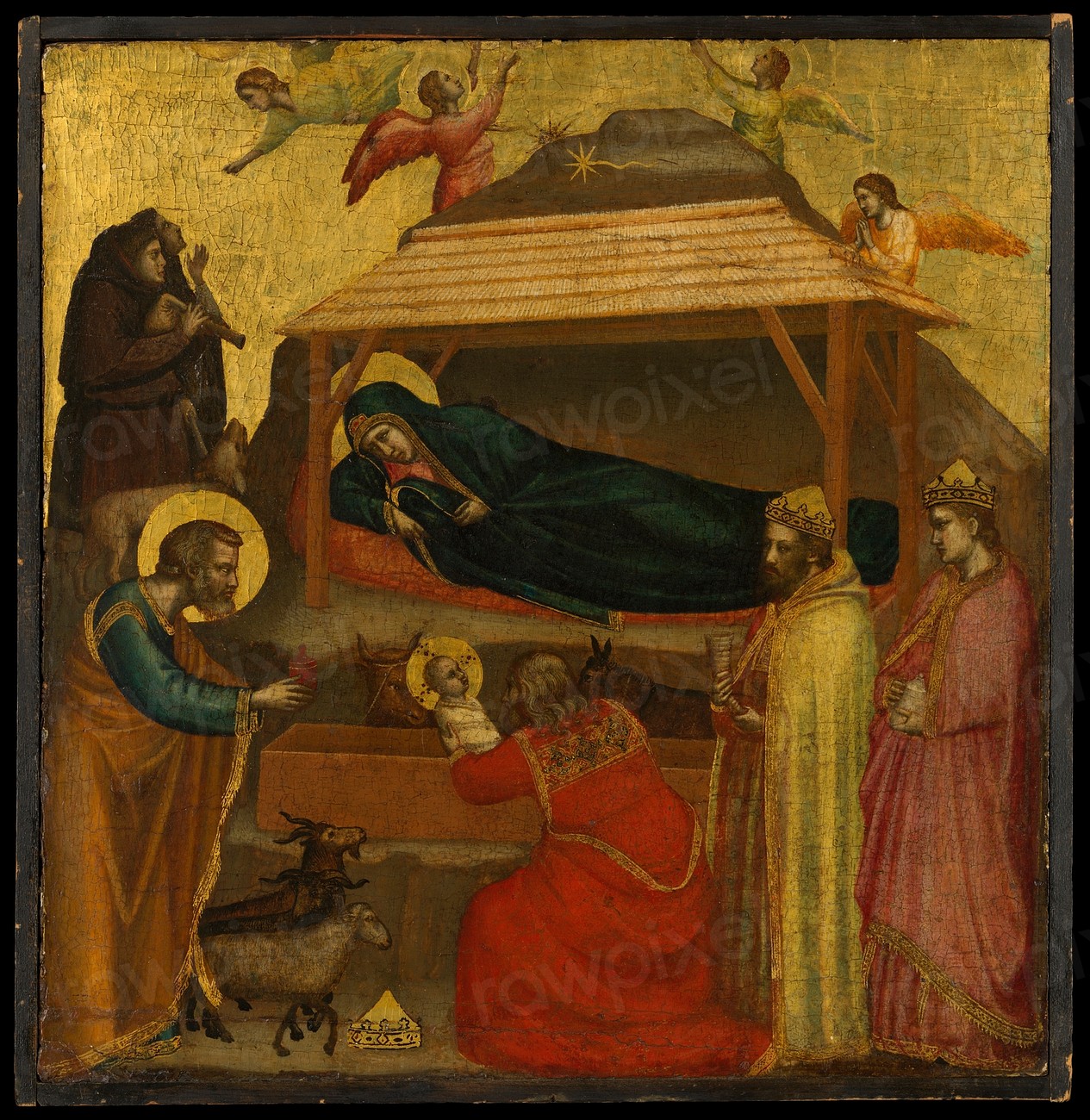
In the tradition (rather than the pedantic interpretation of scripture) these were men of learning coming from the east – but they are sometimes described as kings, but also this strange title ’Magi’, thought to be from the Greek magos which itself is derived from Old Persian maguŝ from the Avestan magâunô, i.e., the religious caste into which Zoroaster was born…
Think about that for a moment. These Magi not only held a different religion but came from a country/empire/culture that had oppressed and enslaved the people of Israel, as recorded throughout Hebrew scripture, yet here in the Gospel of Matthew they are given star status, centre stage, in stark contrast to the behaviour of Herod, King of the Jews.
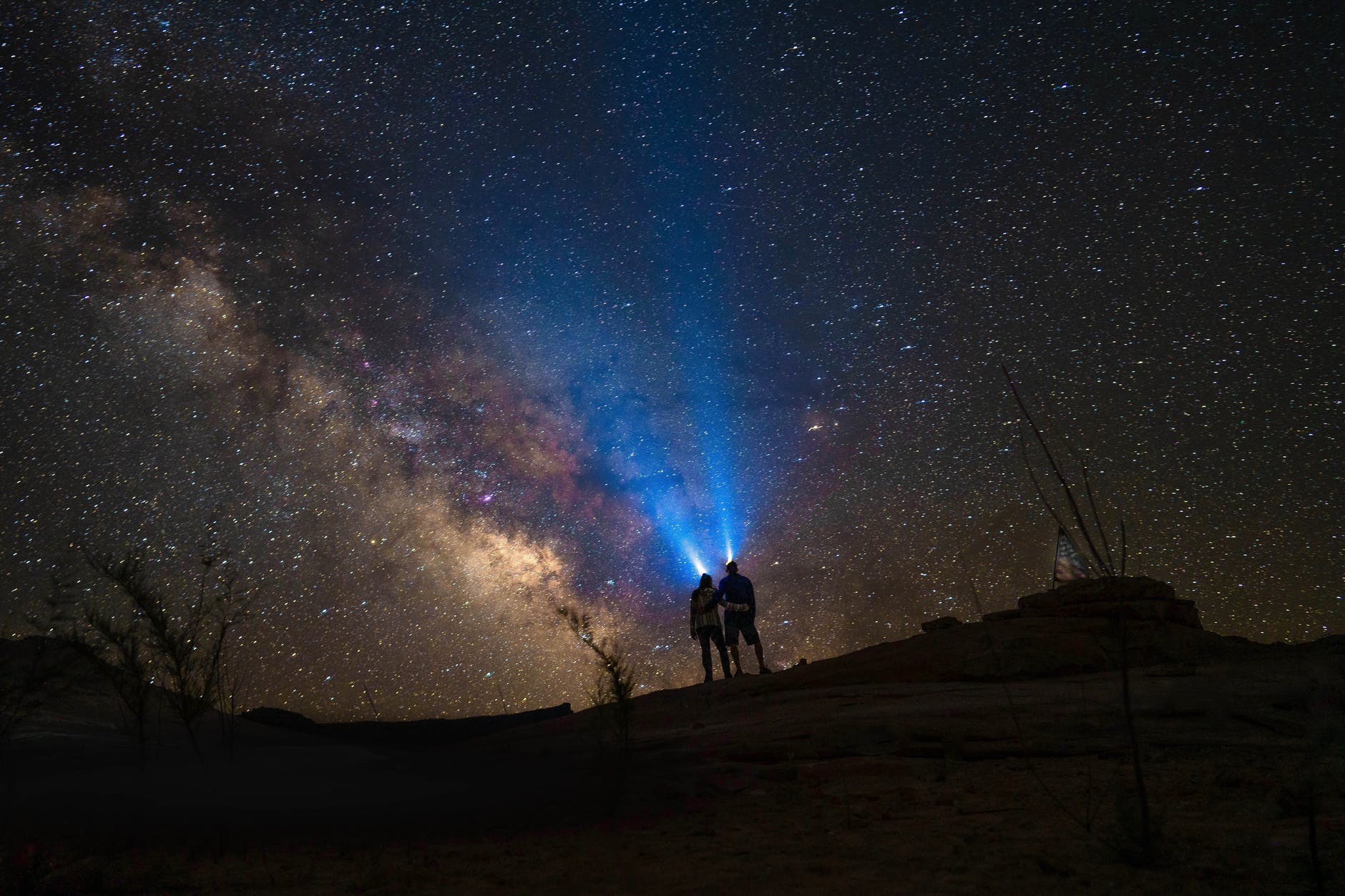
They were wise enough (or crazy enough) to read the wisdom of stars thenset out on a journey inspired by what these stars told them. That does not seem like wisdom to me, it seems foolish.
Perhaps in a world of idiots, a fool is held to be wise. Wisdom has a context – and becomes prophetic when it sees what others cannot. Is this what the Magi were to their own context?
How did they become wise?
We can assume they were learned men, but knowledge and wisdom are not the same.
Perhaps they were just born that way, -gifted with stillness from birth. But then again, the personal security required for this kind of stillness seems to come from privilege – from bring raised by good loving parents in a safe and secure home.
Were they old or young? The wisdom of age after all can become conservative requiring a dose of wise recklessness from new generations. Was there this tension in their midst, an old mentor and his young followers, or a young whipper-snapper who was held back by the affectionate tolerance of his older teachers?
But how else might be become wise, if not through sustaining movement through adversity? We always seem to gain more from dark valleys than from mountaintops; from brokenness and depression rather than success and achievement. Perhaps the Magi were survivors.
Can wisdom arise from religion- from resting in scripture and following a narrow discipline and tradition? The evidence for this is at best mixed, but certainly I have met people like that. People whose faith has opened them up to deep learning rather than locking them down into doctrinal prisons. People of the open questions rather than the glib answer. The fact that these Magi made this journey at all suggests that they must have been people like this.
All I know is that we need wisdom now. We need people who read the stars, searching for new truth, new incarnations.
We need them to travel towards the light they have seen, and to navigate the messy politics they encounter along the way, taking no heed of the doubters, the scoffers, those who think their wisdom crazy.
We need them to cross the religious divide and break down barriers.
We need them to give gifts to hopeless causes, in order to bring hope.

 this fragile tent
