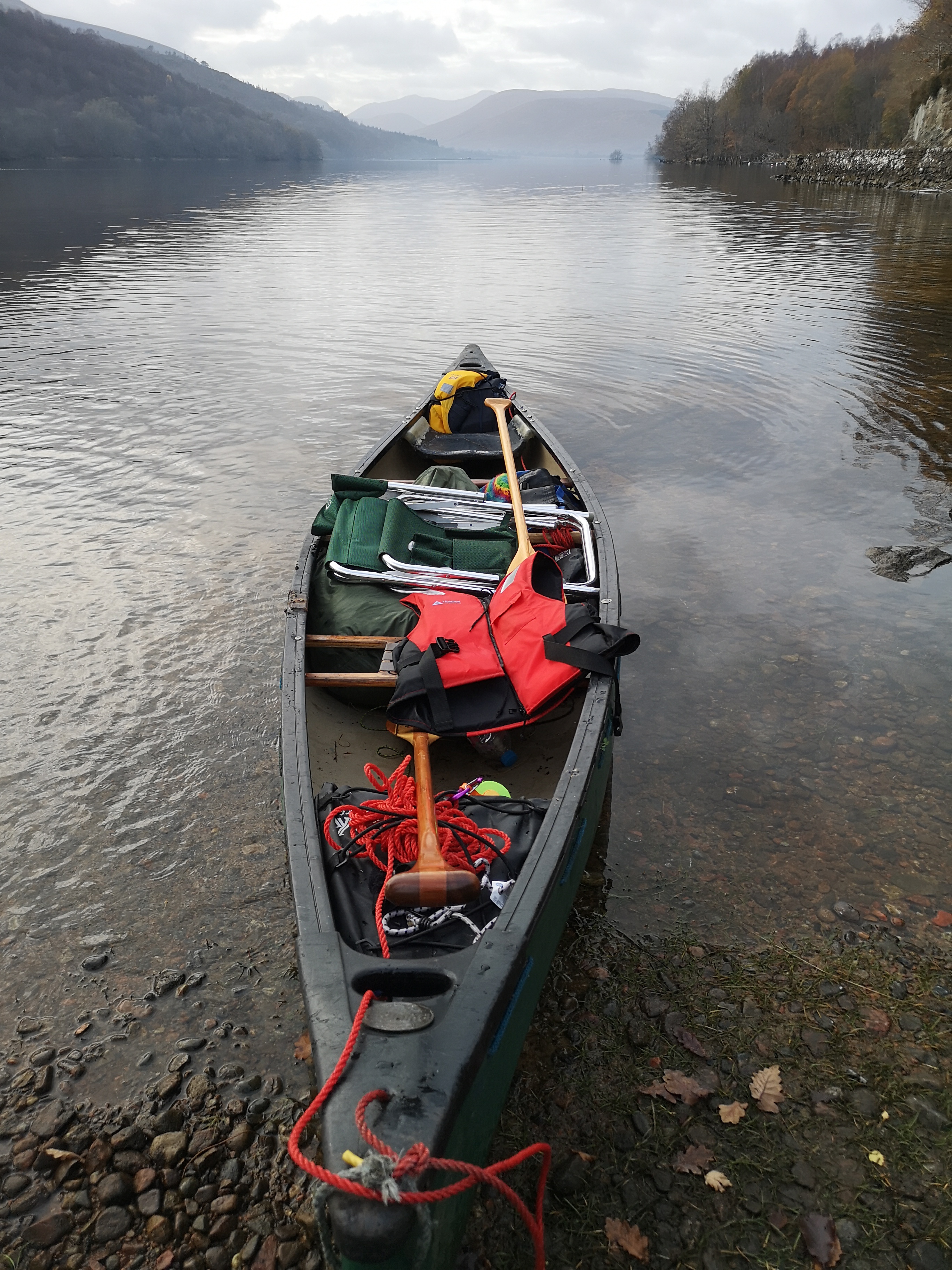
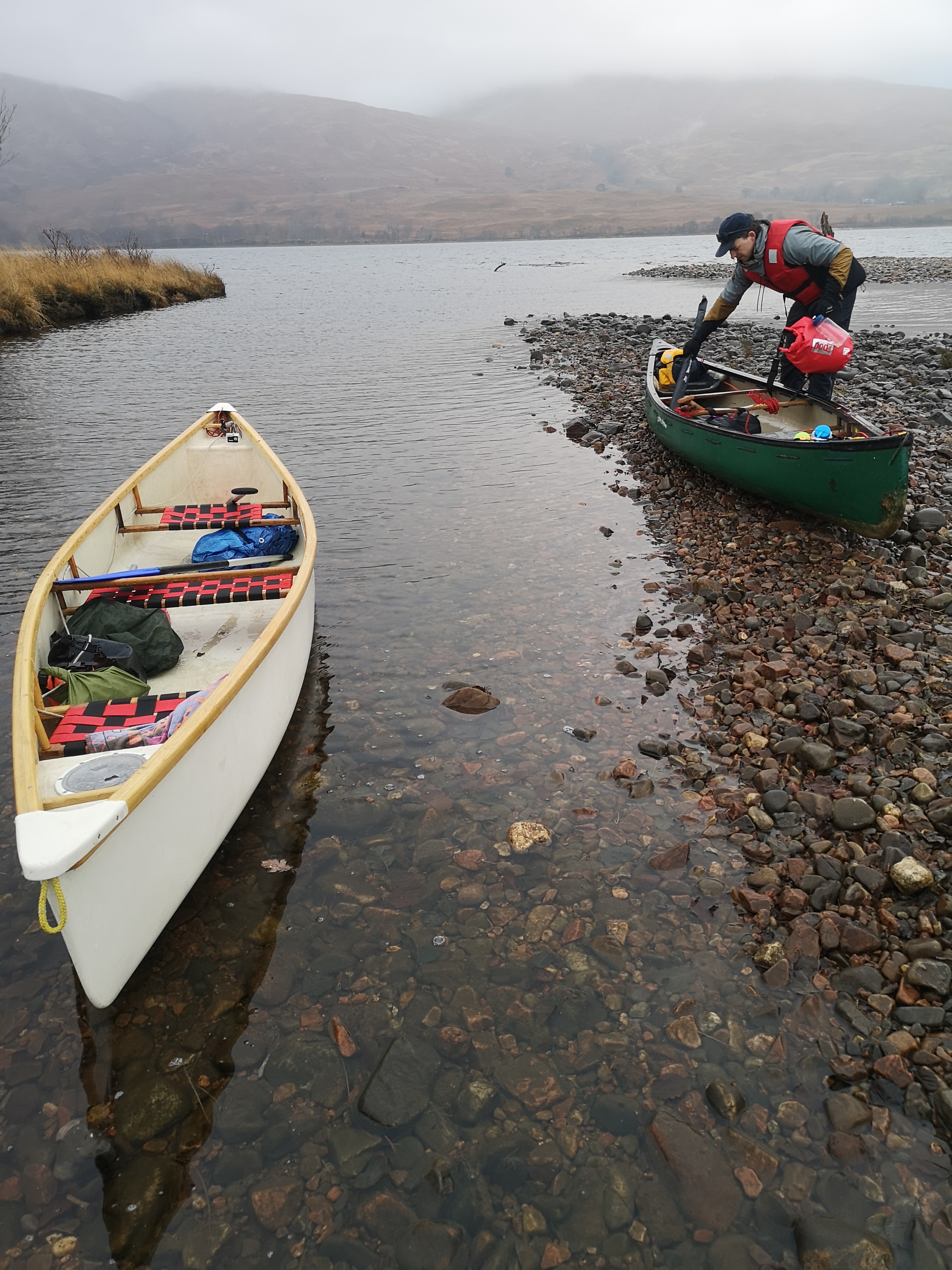
I am just back from a late Autumn canoe trip on Loch Arkaig, a place of sublime beauty, lined with ancient woodland and high mountains. We stayed in a bothy maintained by the Mountain Bothy Association, who make it freely available to the wide community of walkers, climbers and paddlers. There were four of us, and amidst the usual profanity and age-related moans and grouns we spent a lot of time talking about things that mattered. (I made a short video about the woods, here.)
In many ways, this landscape captures the best of what the Scottish landscape and history has to offer. The huge expanse of the mountains around a twelve mile long loch. Wild boar, deer, eagles, Ospreys (who had left for warmer places when we were there.) The Caledonian pine forest there feels holy, in the way it demonstrates connectedness, but also what being there does to me deep inside my chest.
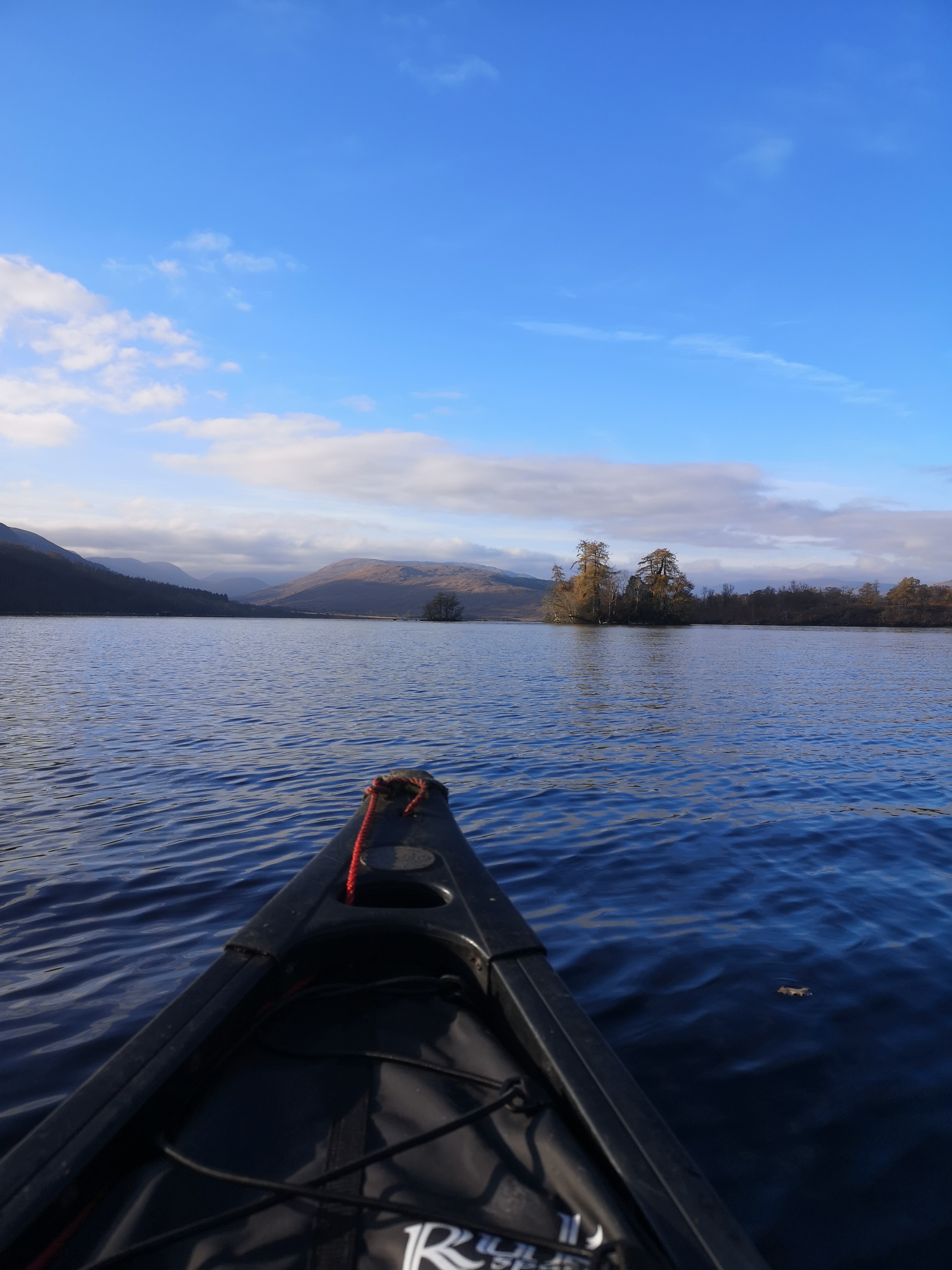
Approaching St Columba’s isle – Island Columbkill or Chalum Cille – Loch Arkaig
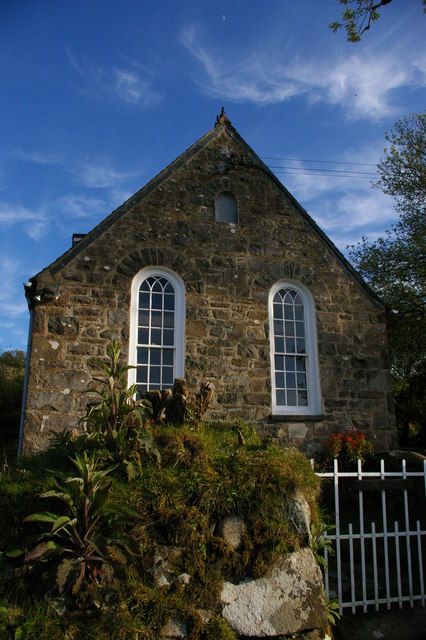
Out in the loch is a very small island with the remains of a chapel so old that no-one knows when it was built. It is known as St Columba’s chapel, and the island as St Columba’s island – who knows, it may well have a connection to one of the saint’s missionary journeys.
I always find myself wondering about what motivated Columba and his fellow Irish missionary monks. What problems were they trying to solve? Was it always about saving souls? Did they see themselves as right and the pagan world they set off towards as wrong? The assumption in the old stories always seems to be that these questions had obvious answers. Of course they were ‘right’, and of course those who had not encountered the Christian story needed to hear it. In a black and white world, colour is confusing. Better not to see it.
But perhaps I judge Columba (and his generation) too harshly, because their mission was not the same as those that came later – or at least I don’t think so. Theirs was a mission of peace to a world of tribal/clan conflict. What came later was much worse. Celtic Christianity developed and flowed amongst the culture and traditions of its time – perhaps even sitting alongside older spiritualities rather than replacing them. There is a much longer conversation to be had about this, but my point here is to wonder what might be the mission that religion would/could send us on now. What problems might/must we engage with? What cultural context might/must shape our mission?
It is worth saying right now that the religion we are largely leaving behind continues to make mission. I have been (rightly) critical of some – the legacy of which has left toxic stains across the world. Those kinds of missions had as much to do with cultural and economic conquest as they did with religion. They were a product of empire, a means of colonisation and subjugation. But despite this dark legacy, there have always been people motivated by their faith who have become activists of a different kind- peace makers, feeders of strangers, animal lovers, adventurers. Even now, if you look to the workforce of charities around the world – from our city streets to the furthest flung war zones – you will find that an outsized proportion who are there because of their religion. We should celebrate these people, and the way that faith has sent them on missions of healing and goodness.
My strong feeling is that people of faith have a duty – we might even say a religious obligation – to engage hopefully and critically with the context in which we are living. This means bringing as much passion, integrity and energy to bear as we can, illuminated by a set of principles not of this world (not of empire) but of another, sometimes known as ‘the Kingdom of God’.
This might mean opening our eyes to the spirit of our age, and exposing it to a different story- to the considerations of the Kingdom of God. At a time of widening inequlaity, of climate breakdown and mass extinction, of war-by-drone waged on defenseless children, we surely do not have to look very far…
This Kingdom of God always had a different set of priorities – above all, it was a call towards living in compassionate community with each other and with the beautiful world we are part of. In so many ways this simple, radical message was always at odds with the logic of empire, and as such, the counter-cultural part of the message was often reduced to a far less problematic priority of personal individual sins – particularly sexual sins.
Furthermore, the dualistic message that the old story was bound up in (saved/unsaved, evil/holy, sacred/profane) was never a good fit with the Jesus story, let alone the indigenous religion of the Jews. It was, however, a good fit with the logic of Roman exceptionalism (or all the other empire exceptionalisms that have followed since.) It has been so easy to forget this inside the small rooms we have made out of our personal religion – to imagine ourselves as special, and anyone outside our ‘chosen-ness’ as dwelling in darkness.
But this takes me back to the first post in this series, which is to wonder how a (religious) story might inspire action – or mission.
If we embraced that part of our tradition that calls us back towards connection to the earth – with our non human brothers and sisters – what missions might this inspire?
If we embraced that part of our tradition that calls us back towards radical inclusion of the outcast and outsiders, how might we use our homes and communal spaces?
If we embraced that part of our tradition that calls us back towards honouring the poor what will that mean for our comfort and our bank balances? When will we have enough? What will we share with those who have less and how will we share it?
If we embrace that part of our tradition that calls us to make peace with our enemies, then how will be relate to those around us? How will we hold the war-mongers to account?
And if these are the priorities of our religion as it seeks to make a mission in our broken and hurting world, then what collective rituals and practices might assist us, encourage us and inspire us? Where will we make our church, and what will it look like?
Mostly the mission this might send us on will be human-scale. Those who get to influence great events or act as major change agents have a rare and precious opportunity.
The rest of us use what power we can within our arms reach – and this is not a small thing. A mass movement of individuals can be more powerful than a King, but what might create this mass movement in an age of a million divisive voices screaming at us through all those little screens?
If not a religious story, committed to action that is as loving and truth-centred as we can make it.
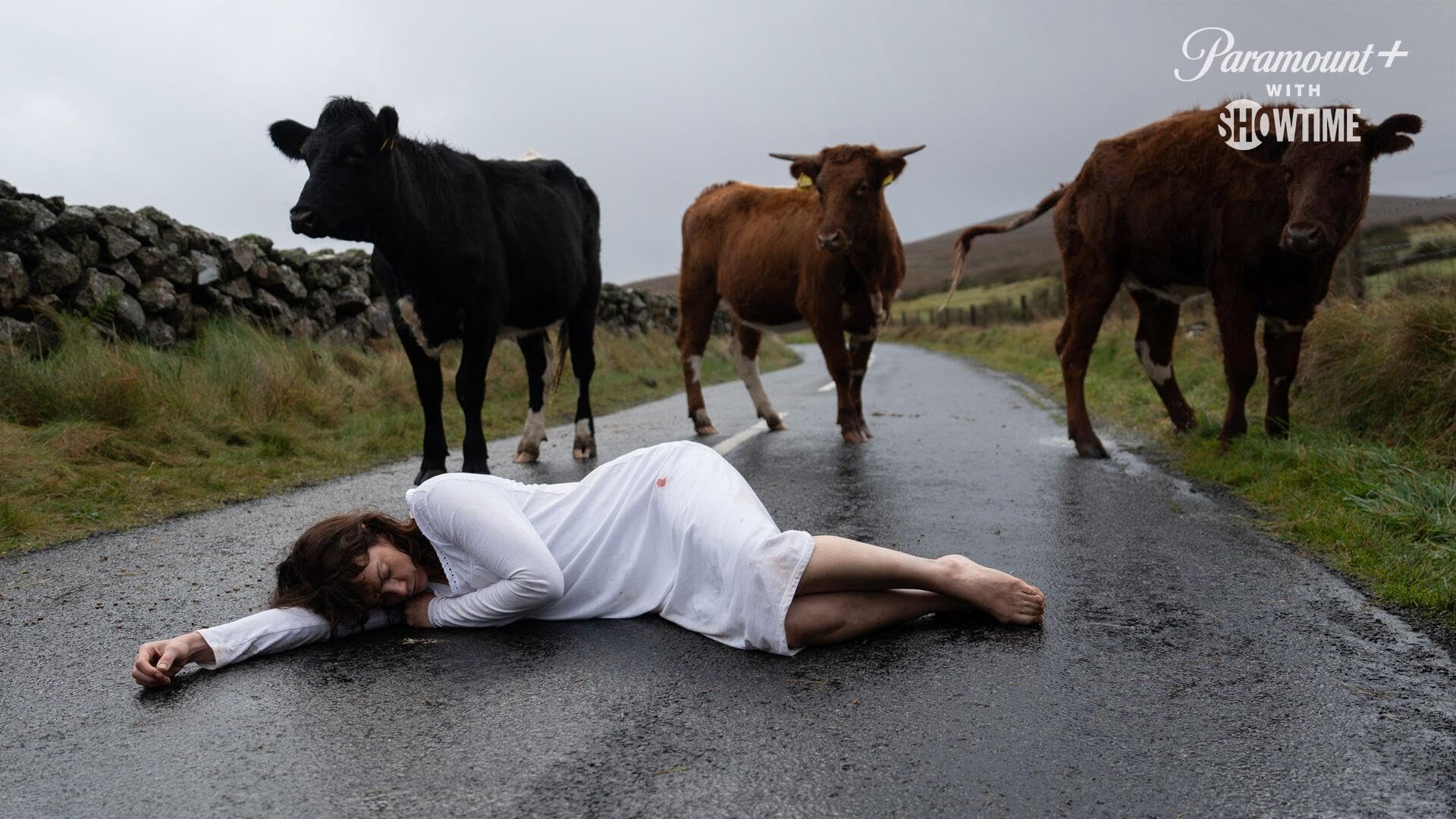
Last night, I watched this series. All of it. I was transfixed, wide awake through the whole thing, so that I only went to bed in the small hours. It concerns itself with the dreadful story of the Magdelene Laundries, which were Catholic run institutions for ‘fallen women’, in which pregnant young girls or those regarded as promiscuous outside of marriage, were abused and incarcerated, forced to work long hours. All lost their children, many of whom were ‘sold’ for adoption in Ireland and across the world. Yet here I am in the middle of a series in which I am advocating for a new religious engagement.
Perhaps you think that unfair – and want ot defend all those fine Jesus-inspired ways that people try to serve and work towards good, but I would counter by asking this. When religion is given official status within society or culture – as arbiter, as moral ajudicator – has it ever gone well?
I find myself immediately thinking of how Christianity has given cover for so much brutality and exploitation within the British Empire, or how the Americans have made the same idolotrous mistakes with their version of Christian nationalism. Then we have to remember Hindu nationalism in India and Islamic state. I honestly can’t think of one positive example of what happens when religion is given power in an of itself, or perhaps more when it compromises with the power of empire.
This kind of religion seems to traffic in fear more than almost anything else. Fear of hell, fear of being ‘outside’, fear of getting things wrong, fear of saying the wrong thing, wearing the wrong clothes, being the wrong gender/race/sexuality. This from a religion whose holy book tells us not to fear at least 365 times.
Is the problem here religion, or power mongering? Is there an intrinsic problem with the way we humans ascribe control to a distant God, or do the problems start when religious institutions take on power for themselves, then foster and bolster it within the context of greedy and godless empire.
I would contend that religion has always struggled with this problem. Depending on where you look, it is both reactionary or revolutionary. It is a force of oppression, but also a force for liberation. Arguably, this was the whole Jesus project in a nutshell. He proposed a different kind of empire making, which he called ‘the kingdom of God’, with an upside-down, inside-out power structure that is very inconvenient for empire, so has mostly been tidied away ever since.
Having got that off my chest, what activities should a renewed and evolved church engage in?
How should it worship? How should it congregate? How would it share life? Would it evangelise – ever? How would it pray? How would it teach itself and share ideas and inspiration?
(The next image comes with a trigger warning for some of you!)
I should come clean right away and say that I am not going to try to answer these questions in any depth, rather just (tentatively) suggest broad areas of enquiry. The task has to be to work these things out in your own small community – bringing as much integrity, passion and creativity as possible. Have fun, make mistakes, learn from them, but in order to set out on this adventure, we have to be free. We have to give ourselves/be given permission to start afresh, letting go of the chains we inherited.
After all Jesus came to set us free did he not? Where the spirit of the Lord is, there is freedom, and it is for freedom that you have been set free. What then shall we do with this beautiful freedom of ours – with this wild living we have been given? Shall we get back in bed with the Pharasees, or sell ourselves to the Empire? Surely we can do better.
Many of us feel the need for a clean break from these aspects of our history but at the same time want to embrace the best examples we can find in our heritage, in turn forming them into new expressions, new collective gatherings. Our context and the overarching crises we are grappling with in our age demands this of us, because the alternative is despair. Which is another way of saying that (almost) anything goes – as long as our practices flow from the freedom we have embraced, grounded in love.
In this new landscape, concerns about correctness and orthodoxy have little currency. Instead I sense a deep longing for authenticity and compassion – towards others, towards our broken natural world and even to ourselves.
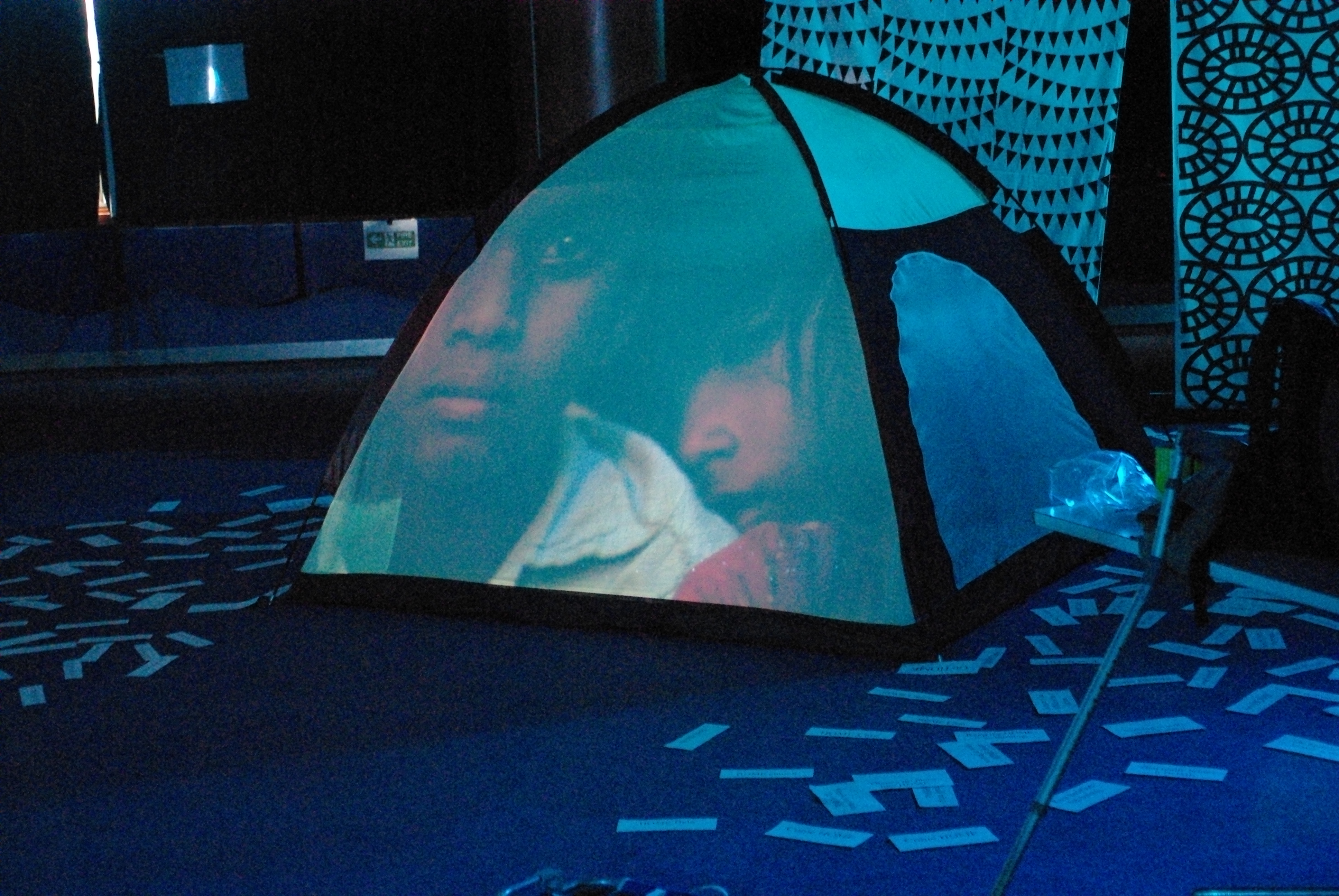
Worship installation, Greenbelt festival
Making (small) authentic community
There has been so much said (not least on this blog over the years) about the nature – formation, maintenance, leadership, challenges etc. – of community. It is something I have often idealised, but rarely experienced in truest form. It can also strip us bare and can even be a dangerous place- I have experienced both. But I would argue that community remains the place of encounter for humans.
What is certain is this- community and Church are not/have never been synonymous. Certainly we can experience communality in Church, but I would argue that we mostly experience what Peck calls ‘pseudo community’. We also carry the traditions of sharing ‘Communion’, which we have understood to be primarily about heaven and hell, not about the actual communing…
…and yet the writings about Church that we have inherited, and the forms it has taken since those early days, have (almost) always been collective over individual. Certainly there have been hermits, anchorites and pillar saints, but these have been exceptions to the norm- a fact that should offer a challenge to our modernist individualist westernist mindset. We are not islands alone and in through connections we make shared meaning.
Community deepens, validates, challenges, uplifts and celebrates. At best, it includes, gives us a home and allows us to become better versions of ourselves. Without community, humans sicken. In community, we flourish.
Community reflects our nature – as upright apes, as creatures of interdependence.
Community reflects our nature – as containers of one spirt, as part of the network of all living things. (We might also seek ways to reflect this broader non-human community within our human gatherings.)
Community allows small bands ordinary people to become more than the sum of their parts. Together, we can create an generative environment. We can conspire. We can collaborate, we can mix and match skills and abilities.
Community honours the traditions and practices of followers of Jesus from the very start. It is no surprise that the words of Jesus in that most profound sermon he gave as recorded in Matthew chapter 5 concern themselves overwhelmingly with rules for how to make loving community. It is almost as if, for Jesus, community was an end in itself.
Likewise, Paul’s great list of ‘fuits of the spirit’, as recorded in Galatians chapter 5 (love, joy, peace, forbearance, kindness, goodness, faithfulness, gentleness and self-control) are above all the gifts of good community.
Community is counter-cultural, particularly in an age which over-values individualism and forgets the collective.
Then we can rip each other apart, because community can be the best of us, but also the worst. After the trauma of the abuse of power within community settings, or an experience of divisive, exclusive and toxic community, it is tempting to recoil and go it alone, but we soon realise that this is not a long term solution. These experiences mean that we must eventually cautiously try to make safer, more healthy and whole forms of community, because this is the nature of our humanity.
So far, an argument for gathering together – but what has this to do with faith? Surely we humans gather in all sorts of ways, for all sorts of purposes? I am part of a cricket club for instance, and I love to blunder around at ceilidhs. I have also run therapeautic groups of different kinds in my past work as a mental health social worker. All of these things are good – in fact I would go as far as to argue that they contain things that might even be called sacred – so why do we need religion?
Perhaps we first need to concede the fact that we do not have a monopoly on meaningful, profound community making. Having said that though, not all communities are equal.
Not all communities come together around the guiding principles of love, peace and justice-making.
Not all communities seek to align themselves to – to celebrate, to conspire, to agitate, to protest and to demonstrate – the priorities of what Jesus called ‘the kingdom of God’. (Whatever that means!)
Not all are able to harness the power of ritual and season-celebrating. Not all offer means to hold each other in prayer through the glory and pain of life, sickness and death.
Not all communities are deliberately inclusive, particularly of those who have been marginalised and otherwise excluded.
Not all communities seek to confound the logic of empire by declaring the sacredness of all people.
Not all communities seek to break the logic of consumption by declaring the sacredness of the ‘first incarnation’ – the created world which holds us in communion with our non-human brothers and sisters.
Not all communities offer radical alternative ways to live life – collective, sustainable, deeply connected to the earth and the love that holds it all together.
Perhaps NO communities exist that are like this. But if not, then how we need them! Or we need to keep trying to make them… imperfect though they will surely be.
What is community, in this context? How is it different from those that have gone before? Perhaps it is not. There is nothing new under the sun, it has all been done before.
The key words here is authenticity. The community that it made has to belong to those who make it – it has to fit who they are are and what they stand for. How, where and when is then up for grabs. Uniquely in history, there is even an open question as to whether community has to locate itself within the same location.
Being big is hard. To paraphrase Jesus, it is harder for a large group of people to make community than for a camel to fit through the eye of a needle. Bigger groups require organisation which easily becomes unconvivial. As Illitch puts it, large institutions make it much harder for us to develop autonomous, creative intercourse among persons and between individuals and their environment.
Big requires big leaders, and this tends to bring in the power hungry.
Small is human, it is portable, it is resource-light and capable of mighty things.
Small can belong to a network – one that facilliatates rather than dictates. One that can cope with diversity and supports broad orthodoxy, mostly around principles rather than narrow rules or requirements. But even this is harder than just being… small.
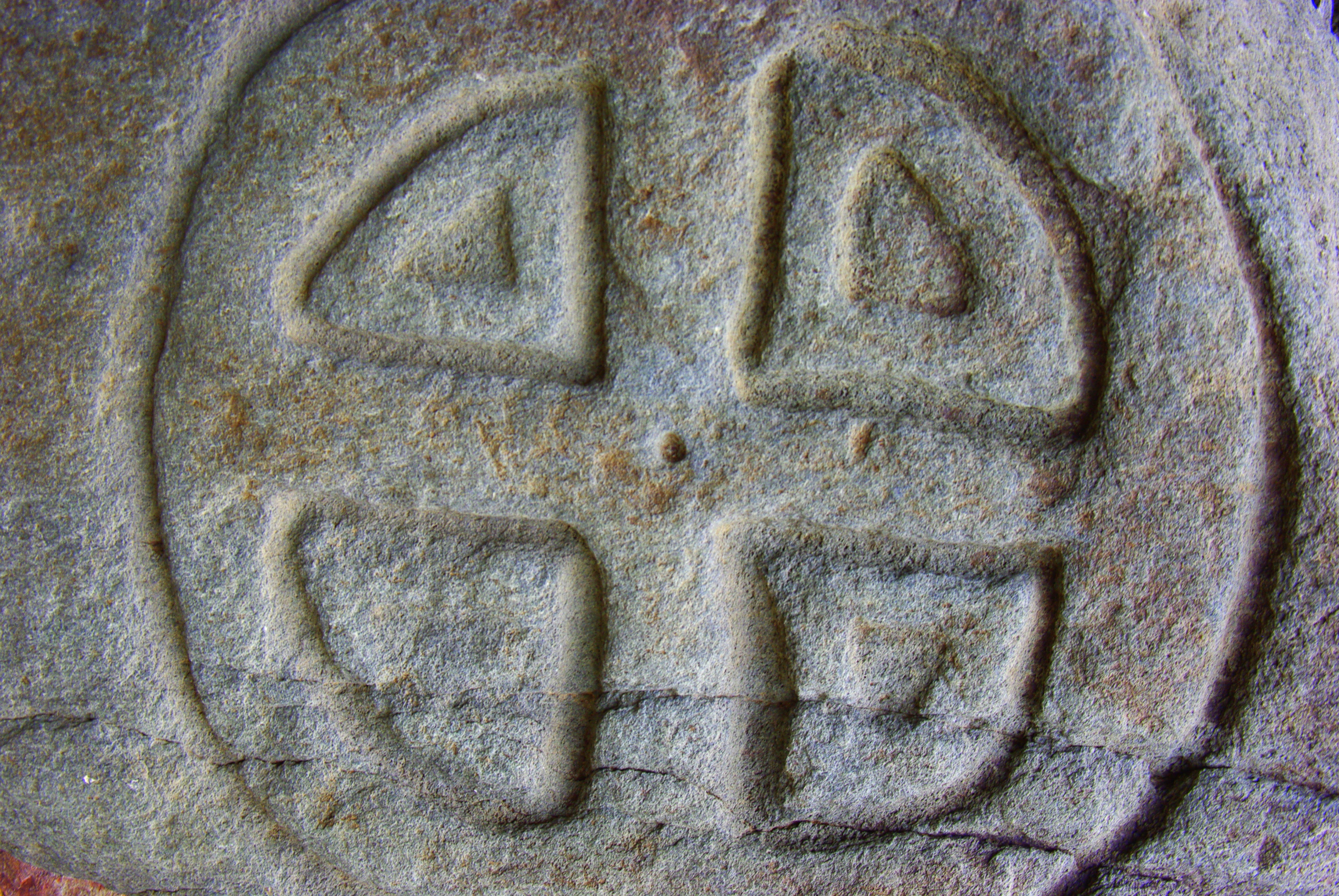
Cross from Hermits cave, west of Scotland
Community practices
I set out on this journey by longing for a different kind of religion- one that was a lover of the earth and a seeker after justice and peace. These would be the priorites of a community that I would belong to, but you would have to work those things out for yourself.
As a lovers of the earth, we might seek ways to connect, to dwell within, to appreciate the wild. We might make a practice that includes nature within the way that we worship or meditate. We might seek to make the connection we sense towards all living things – through our shared am-ness, grounded in the god who loves things by becoming them – a lived, present reality.
This might inlfuence the rituals we make together in my community, the liturgy we might use, the songs we might sing. The poetry we will write, or the art we make together.
As people with awareness of climate injustice and of the harm we are doing to our ecosystems – our community might seek to live more simply, to consume less and grow more, to share what we have with others who need it more. We might look to the fields and woods around where we live and notice the lack of diversity and the unbalance. This might lead us to try to use our resources differently, and to use our collective voices to demand better economic and agriculural practices from our politicians and local businesses.
This might influence the way we shop, the way we travel, the places we go to on holiday, but it might also mean that we use our collective power to support local activism, or to work on local nature conservation projects. We will probably need help with this, so we might seek connection with others on the same path.
As people who appreciate the way that all people carry within the spirit of god, we might appreciate the dignity and beauty of all people. This might lead us towards concern for those who have been marginalised, dehumanised or excluded.
This might influence the way we seek to make friends, or the way we look to include people in our gatherings who are different – even if this means doing the difficult work of decolonising ourselves from the empire that has privileged us. We will probably need help with this, so we might seek connection with others on the same path.
The rest of it, we will make up as we go along. Perhaps we will share tables, make community art, attend protests, write to politicians, invite others to feasts.
You can find echoes of the same idea written many hundreds of years before by the prophet Isiaiah. Behold, I am doing a new thing; now it springs forth, do you not perceive it? I will make a way in the wilderness and rivers in the desert.
For some reason, this sentence always pokes me in the heart, right where I hope from. It has often come to me with tears. It was out of this place that I wrote this poem…
The great Becoming
.
How small we made you.
How constrained by our constraints;
We wore you like a lapel badge,
Pocketed you like a personal passport, then
Raised you at our borders like a flag.
We locked you in the pages of
Our Book, then threw away the key.
.
But how we worshipped you.
How we pointed at you with steeples.
You asked us to follow you, to
Give away our second shirts, but instead
We made a million icons, each one framed in gold.
We swayed and raised our egos, singing love songs-
Not to you, but to idealised versions of ourselves.
.
How is it that still, you love things by becoming them?
How was it that this brown-skinned man with the heart of a woman
Took upon herself another name for everything, so we could
Encounter her in all these beautiful things and bleed with her when she
Lies broken? And just when all seems lost, she whispers still;
See, I am making all things new.
Even you.
I think that when I first read these words, I saw them (or they were described to me as) the description of a one-off event – most likely a supernatural Jesus event – or prehaps an individualised thing done by our own personal Jesus. It may well refer to both of these things, or it might mean something… bigger.
What if this is a constant kind of ‘being made new’?
Rather than describing a divine rescue plan for a chosen few, what if it is the description of a great cosmic unfolding that began with an explosion of love so powerful that nothing can stop it from reaching outwards, and continues on and on not just through history, but through each and every one of us, every bade of grass, every living and love-made thing?
An unfolding that can be sensed in the kindness of strangers, the flow of water or the feeling we get in the pit of our stomachs when we stare up at stars…
We celebrate the Cosmic Christ, the God who loves things by becoming them (with a nod to the writings of Richard Rohr and his grounding in the Fransican tradition.) Christ might also be a word which means ‘another name for everything’.
Christ the substance through which all things have their being. S/he might be understood as the shared am-ness of all things. Through Christ we are interwoven and connected to all created things both human and non-human. Through Christ we are drawn to be lovers of the earth not because we are ascendent, but because we are included and interdependent.
Learning from the Celtic tradition, this same Christ is the very ground of our being, the truest deepest part of our personhood and our shared humanity. Sin is that which prevents us from being our truest selves, and this can be seen both in our individual lives and our collective brokenness.
This might mean that we discover Christ in our own souls not by addition, but by subtraction (with a nod to the wisdom of Meister Eckhart) by finding our way through all the mess, trauma and bad choices through to what was there all along, waiting for rediscovery and re-connection.
Remarkably, the story of Jesus (the historical Christ rather than the Cosmic Christ) suggests that god has been revealed not only through nature (the first incarnation) but through taking on flesh (the second incarnation) The life and death of Jesus is a deep call towards sacrificial love towards our human and non-human neighbours.
Christ taught a gospel of grace, in which we remember that the god who is the light behind our light and the soul within our souls knows our woundedness, and waits for us to journey towards her. A Christ who no longer is the deserter of earth, but an example of its greatest lover. A Jesus who is no longer a supra-human ‘other’, but rather one of ‘us’.
After the Celtic tradition, we seek to take our place in world where nature is the gift of being, but grace is the gift of wellbeing.
In other words, we enter the Kingdom of God (which the historical Jesus called us to take our part within) is way to describe a non-dual, engaged way to collaborate in the service of healing, peace-making and acts of love towards the world, with a particular emphasis on those parts of the human and non-human world that are broken, enslaved, endangered or subject to injustice.
So far, in terms of trying to uncover an origin story, perhaps it is. In future posts, I hope to turn again to examining the degree to which this story might influence our practices, our ways of worship and our organisational structures- following the narrative logic that it might suggest to us.
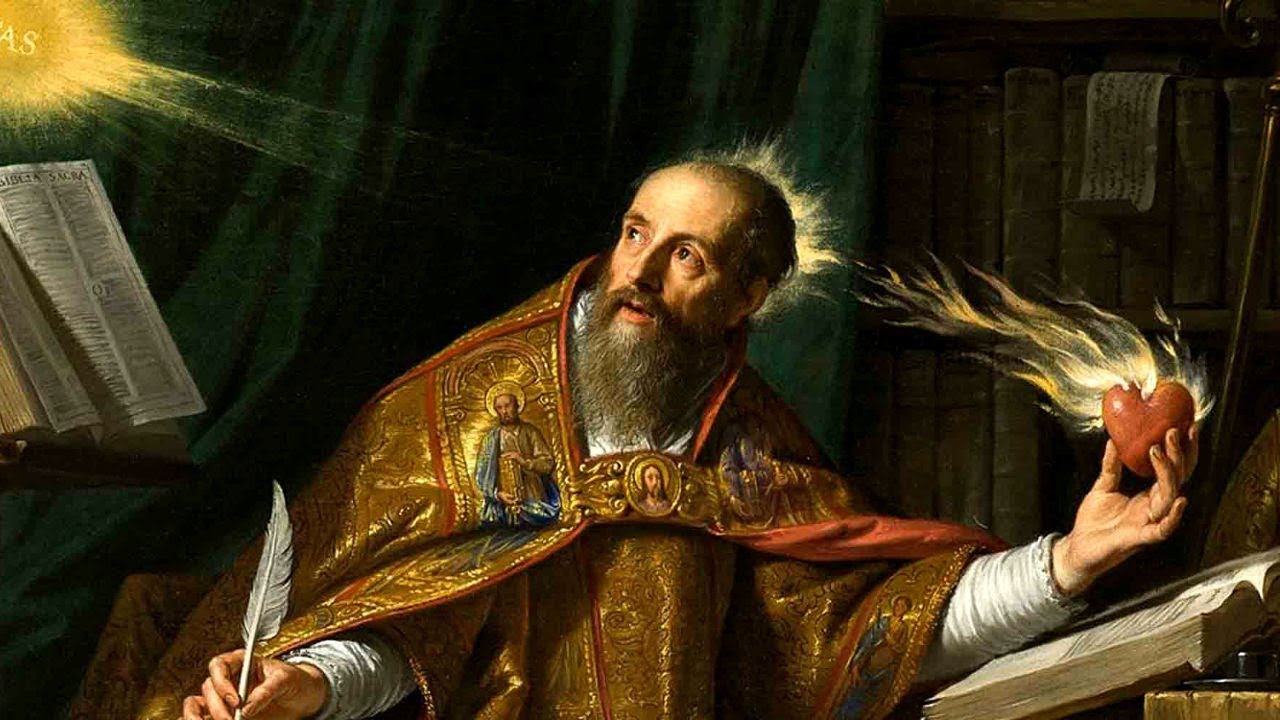
One more thing before we leave this story though. I made reference to how we might discover God in our souls through subtraction rather than addition. This takes us back to an old debate between Pelagius and Augustine of Hippo.
Pelagius, thought to have been a learned Celt, from somewhere in the British Isles or Ireland, travelled to Rome and started to write things that upset Augustine, who had proposed the idea of original sin as a theological technology for making sense of our relationship with god, and to give meaning to the death of Jesus on the Cross. Pelagius held with the Celtic tradition, which saw humans as containing the living god in the core of our being – clearly not compatable with original sin.
One side called us towards the inate dignity and sacredness of each and every soul. The other required salvation through a narrow gate, controlled by the power of the Church. You can guess who won the argument. Pelagius was written out of the Christian story.
What would the world look like if Augustine had lost the argument with Pelagius? What if we had never been convinced of our ‘original sin’, but instead built our thinking around the idea of original sacredness at the core of everything that has breath?
Without the empire that would we have had the religion of Christianity at all? What else might have filled this space?
What if the old Chritstianity is at the end of one of its natural cycles of existence?
What if it needs to be born again, and if so, who will be the midwives?
If you are reading this (after glimpsing the title) then I am going to make an assumption that, like me, you think that religion can be/might become/sometimes is part of the solution to some of the difficulties that assail the world we live in. Sure, you might (like me) be deeply frustrated by the fact that it has failed to be this so regularly and in so many ways, but (like me) you perhaps still have this feeling that ideas matter, and that ideas of the spirit perhaps matter even more…
Crisis of the planet – the planet not being able to cope with the amount humans take nor absorb the amount of waste we give it back
Crisis of the economy – Our economic survival seems to be based on continuing to consume more and more
Crisis of our politics – Our political systems seem incapable of envisioning or implimenting alternative solutions, even when offered a pathway by science
Crisis of our religion – our religious institutions are not able to bring to us a deep conviction of our responsibility or connection to the living world we are part of.
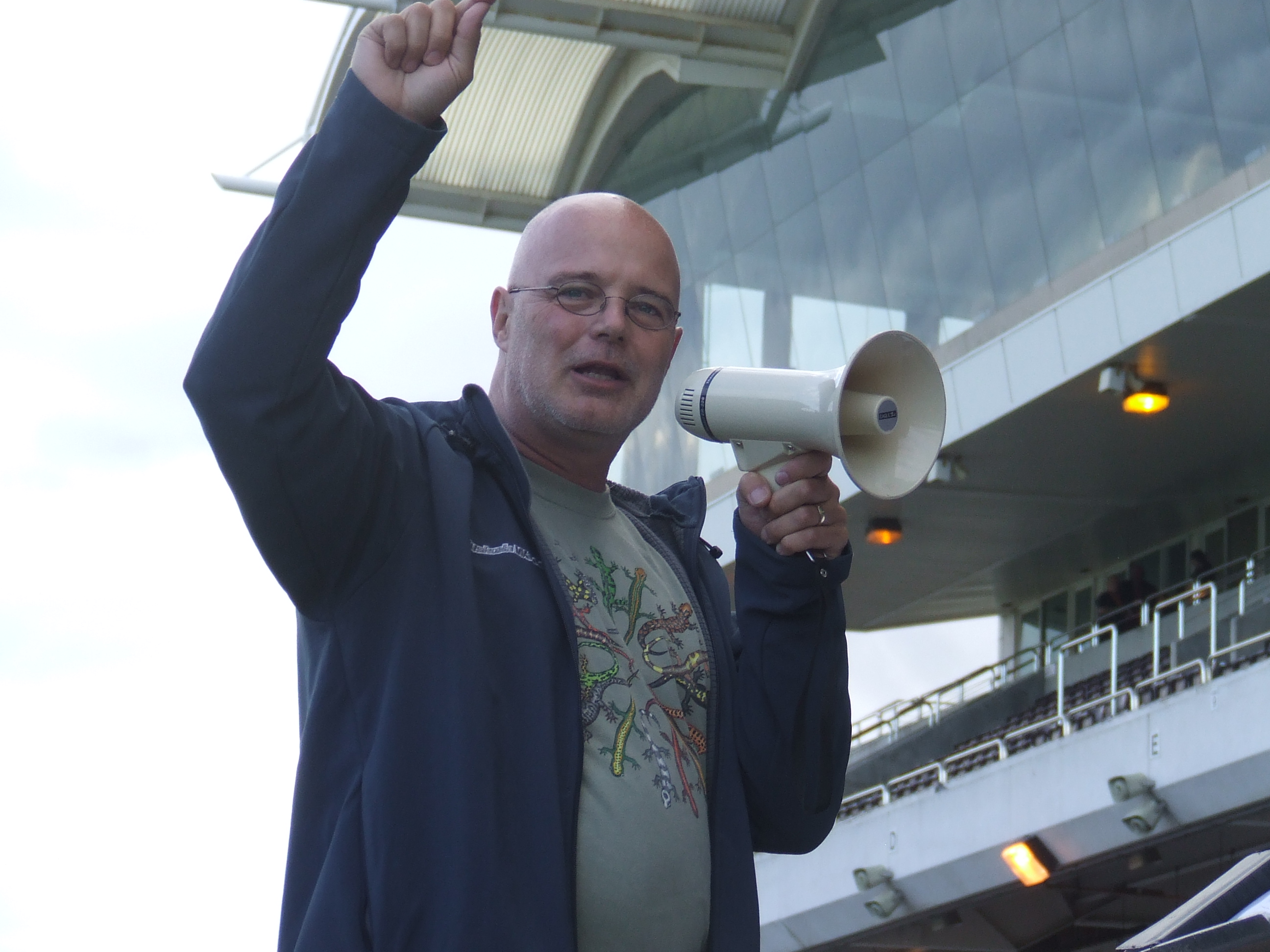
Brian McLaren makes do with a bullhorn after power failure at Greenbelt festival a few years ago..
I have written about all of these issues on this blog,but it is the last of the four crises that I have been thinking about of late. In fact, it has been a long term conversation with many of my friends too.
There is a similar-sounding issue that we might easily confuse this conversation with, aound CHURCH. I have spent too long on that journey… so much time has been spent trying to preserve the institution by making stylistic superficial changes in the hope that the centre can hold. I no longer think it can, but even if it does, how might Church inspire real change by doing business as usual? What dynamic ideas might be embraced without letting go of the old ones? The question I have begun to consider is whether it might be time to re-examine not just the flavours of religious institutions, but the fundamentals of the religion itself.
I should start by saying that I am NOT talking about inventing a brand new religion – I’ll leave that to the Scientologists. Neither am I able to comment on the reform needed in other faith traditions other than my own.
The religion that I both reject but also want to re-invent is the one named (perhaps despite his best warnings) after Jesus Christ, a historical figure whose teachings (I would argue) we have largely ignored.
Here is the thing – I don’t think I am alone. Back to those conversations with my friends. Most , like me, have left the institution of Church behind, but some are very much still within, working hard for change. The commonality between all of us is that we all long for something else, something better, but we all struggle to conceptualise what that is, and what it might look like.
I am going to try. It may take me a while. If you have thoughts or ideas that are triggered by my ponderings I would love to hear them- as long as you are kind.
It is perhaps worth reminding ourselves of the reality of declining church attendance in the UK. It is not always a straightforward picture in the short term, for instance, some hard line conservative churches have actually grown in recent years- including the Free Church of Scotland and many Pentecostal or funamentalist gatherings – even though the long term trend is still downwards, some have seen significant increase in attendees.
But this brand of religion stays firmly within the ‘crisis’ territory outlined by McLaren above. The solutions they are offering – moral certainty in relation to homosexuality, gay marriage and the fear of Hell – do little to address the problems facing our age. In fact, given the dominance of American right-wing faith models across the whole world, we might argue that this religion is the problem, not the solution. It is at best a distraction, at worst, one that has fully accommodated itself with the same capitalist economics and politics that are throwing us towards destruction.
This one features an interview with Jonny Baker, who probably needs no introduction to readers of this blog, but here goes anyway.
I first met Jonny back in the early 2000’s, during a very different time of my life, and perhaps a very different context for Christianity/faith/spiritual exploration in the UK. Back then, Jonny’s blog was one of the go-to places for connecting to all sorts of new things that were happening, under labels such as ‘alternative worship’, ’emerging church’, ‘small missional communities’ and eventually, the more anchored, institutional ‘contextual expressions’ of church that came under the title of ‘fresh expressions’.
He is a long time member of one of the first of these ‘small missional groups’ Grace, which is still going strong. I remember a rather sniffy review of one of their services in The Guardian in which Jonny was described as ‘an aging youth’, which I think is Guardianese for youthful looking and all round cool dude.
As an interesting aside, back then, blogs were a thing. Even this one! (As a rough measure, during the early days articles on this blog would recieve hundreds, sometimes thousands of hits, whereas now, dozens. But who is counting?) They were the primary way that we discovered new things, had debates and conversations, heard about new books etc. Jonny’s blog, along with a bunch of others were very important to us. The emergence of so many other communication platforms are one sign of just how much things have changed over the past decades. Our interior and external worlds now have to contend with a part of our persona’s that are neither one nor the other, but also both – fused and formed in the digital, online world. Hmmmmm.
Jonny was doing lots of other things too – he worked/s for the Church Mission Society, in the vanguard of considering how faith engages with culture. Later this morphed into a whole new way of seeing the ministry and the development of pioneer minister training within the CofE. All this makes him an excellent candidate for a podcast trying to reflect on how the context for faith may have shifted and changed, and what art and resources might be relevant to our shifting context…
He is also a father and grandfather these days – one of his sons is rather famous too, the wonderful Harry Baker, poet extrordinaire.
But there was another key reason to inerview Jonny, and that was because he was one of the people (Along with Jon and Ad) to found Proost.
So, if any of this interests you, the third Proost Podcast first takes us through some of the fascinating history, but then moves on to consider our new context…
We would love to know your thoughts. If this is of interest to you, please share the pod because we are trying hard to develop a communal conversation about what a new proost might look like.
We also have a closed facebook group here, which we would love to welcome people to- it is closed so we can keep our conversation generous and generative, not because we want to keep anyone out!
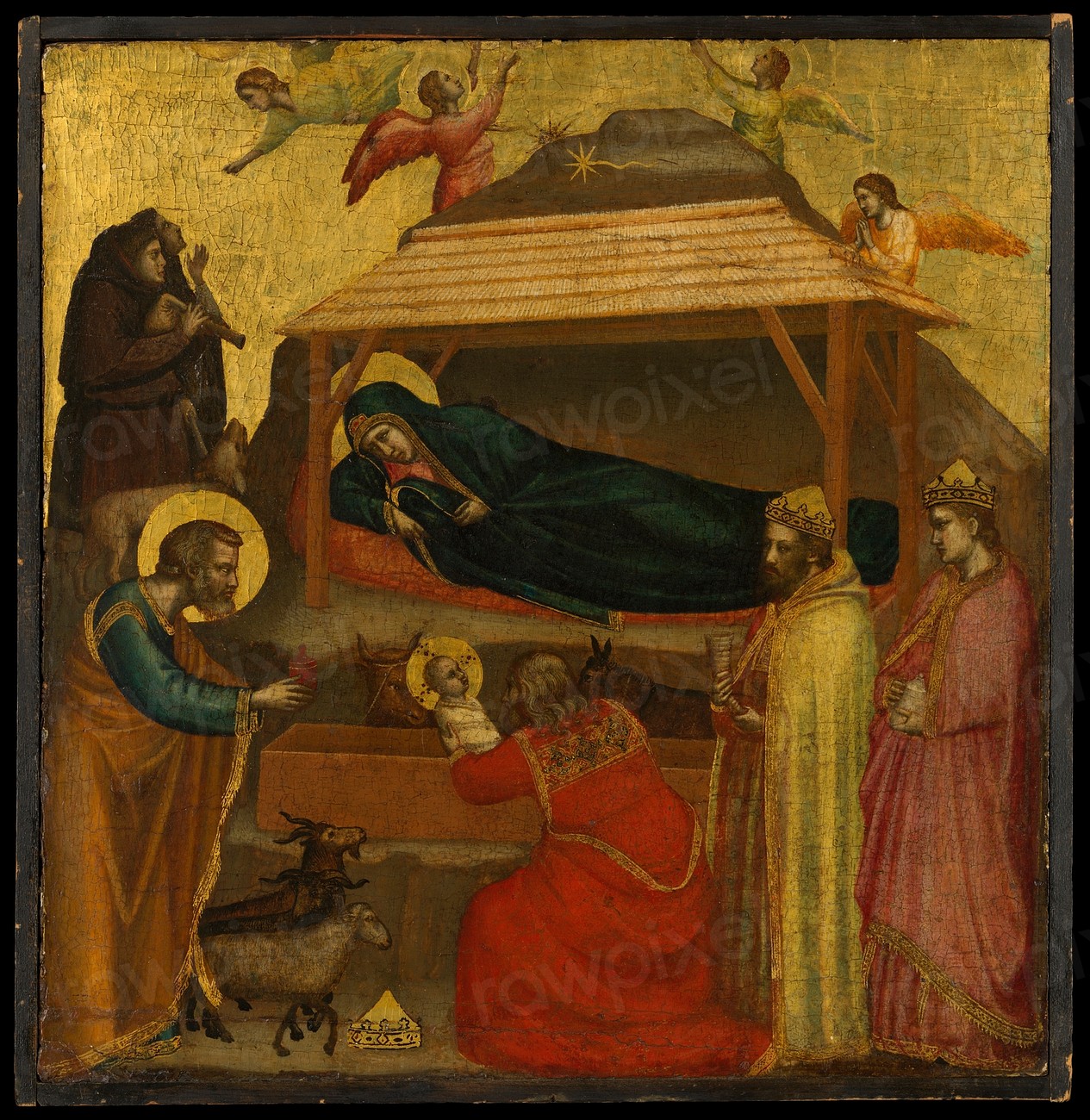
In the tradition (rather than the pedantic interpretation of scripture) these were men of learning coming from the east – but they are sometimes described as kings, but also this strange title ’Magi’, thought to be from the Greek magos which itself is derived from Old Persianmaguŝ from the Avestanmagâunô, i.e., the religious caste into which Zoroaster was born…
Think about that for a moment. These Magi not only held a different religion but came from a country/empire/culture that had oppressed and enslaved the people of Israel, as recorded throughout Hebrew scripture, yet here in the Gospel of Matthew they are given star status, centre stage, in stark contrast to the behaviour of Herod, King of the Jews.
They were wise enough (or crazy enough) to read the wisdom of stars thenset out on a journey inspired by what these stars told them. That does not seem like wisdom to me, it seems foolish.
Perhaps in a world of idiots, a fool is held to be wise. Wisdom has a context – and becomes prophetic when it sees what others cannot. Is this what the Magi were to their own context?
We can assume they were learned men, but knowledge and wisdom are not the same.
Perhaps they were just born that way, -gifted with stillness from birth. But then again, the personal security required for this kind of stillness seems to come from privilege – from bring raised by good loving parents in a safe and secure home.
Were they old or young? The wisdom of age after all can become conservative requiring a dose of wise recklessness from new generations. Was there this tension in their midst, an old mentor and his young followers, or a young whipper-snapper who was held back by the affectionate tolerance of his older teachers?
But how else might be become wise, if not through sustaining movement through adversity? We always seem to gain more from dark valleys than from mountaintops; from brokenness and depression rather than success and achievement. Perhaps the Magi were survivors.
Can wisdom arise from religion- from resting in scripture and following a narrow discipline and tradition? The evidence for this is at best mixed, but certainly I have met people like that. People whose faith has opened them up to deep learning rather than locking them down into doctrinal prisons. People of the open questions rather than the glib answer. The fact that these Magi made this journey at all suggests that they must have been people like this.
All I know is that we need wisdom now. We need people who read the stars, searching for new truth, new incarnations.
We need them to travel towards the light they have seen, and to navigate the messy politics they encounter along the way, taking no heed of the doubters, the scoffers, those who think their wisdom crazy.
We need them to cross the religious divide and break down barriers.
We need them to give gifts to hopeless causes, in order to bring hope.
I read this on FB today- and loved it. I know it is easier, and even quite seductive to focus what we are NOT than to grapple with what we actually stand on, but even so, some things need saying, and Jim- you said it well…
“God is not a belief-system.
Jesus is not a religion.
The good news is not a ticket to Heaven.
Church is not an address.
The Bible is not a book of doctrines.
Transformation is not behavior modification.
Community is not a meeting.
Grace has no exceptions.
Ministry is not a program.
Art is not carnal.
Women are not inferior.
Our humanity is not the enemy.
Sinner is not our identity.
Love is not a theory.
Peace is not a circumstance.
Science is not secular.
Sex is not filthy.
The herelife is not a warm-up for the afterlife.
The world is not without hope.
There is no “us” and “them.”
Tattoos are not evil.
Loving the earth is not satanic.
Seeing the divine in all things is not heretical.
Self-actualization is not self-worship.
Feelings are not dangerous and unreliable.
The mind is not infallible.”
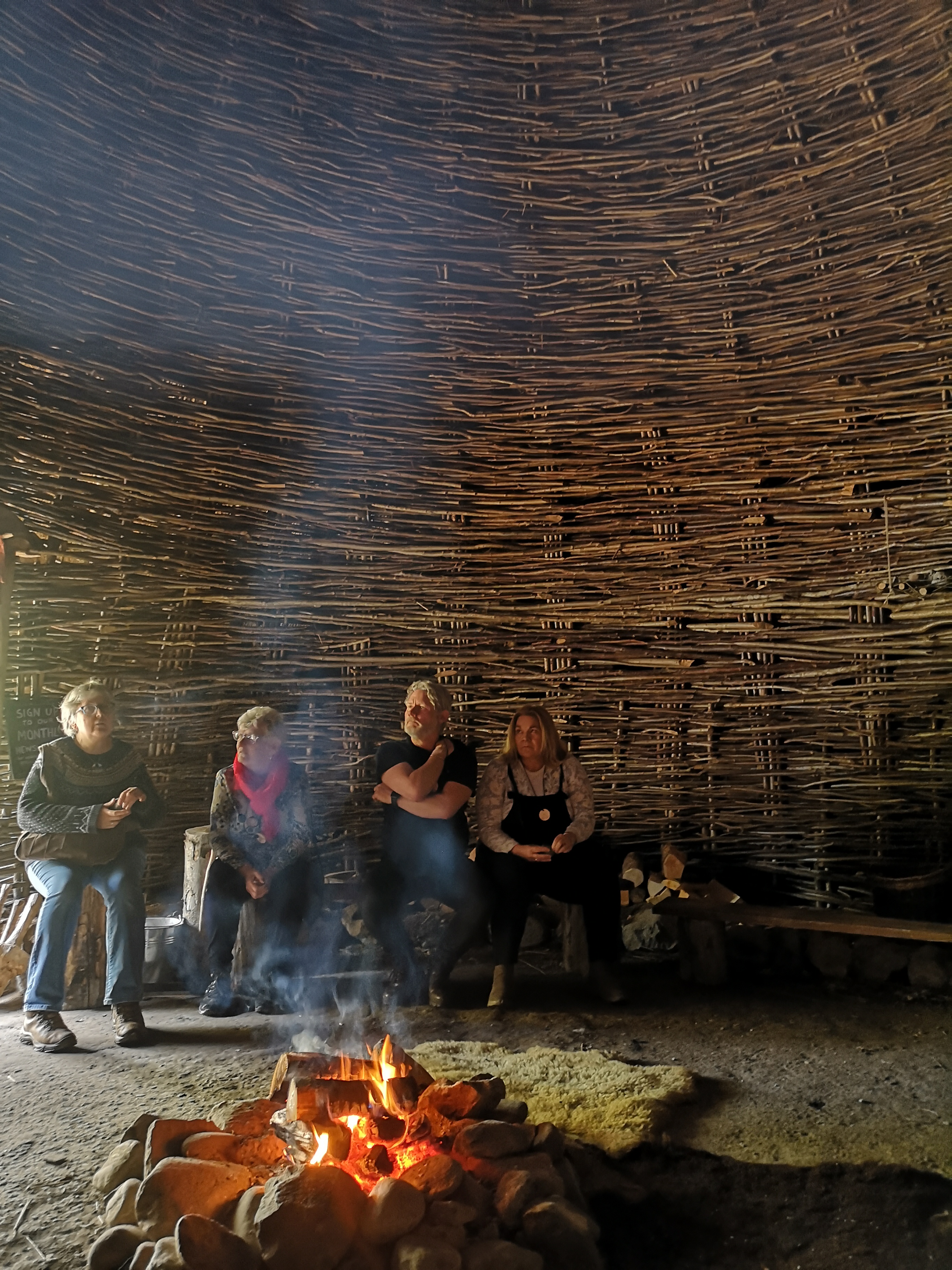
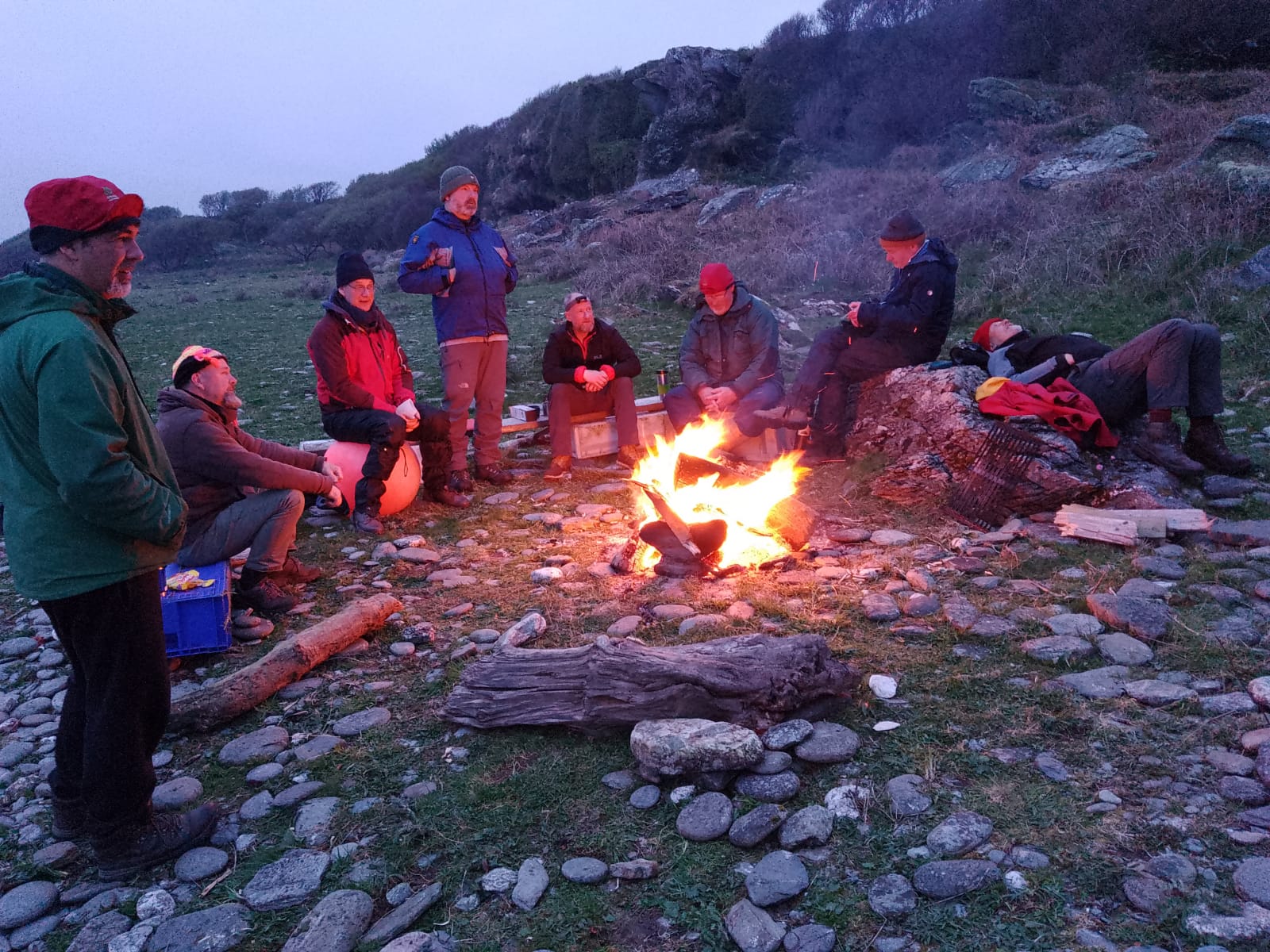
In the middle of all the laughter around the campfire on my recent wilderness trip, conversation took a much more serious turn. I found myself in the middle of a rather intense and difficult discussion with one of my friends and Aoradh chums. Some of this was about leadership in Aoradh- which I will return to when I have had a chance to process and discuss it again, but another issue flickered briefly in a way that surprised me- ‘Teaching’.
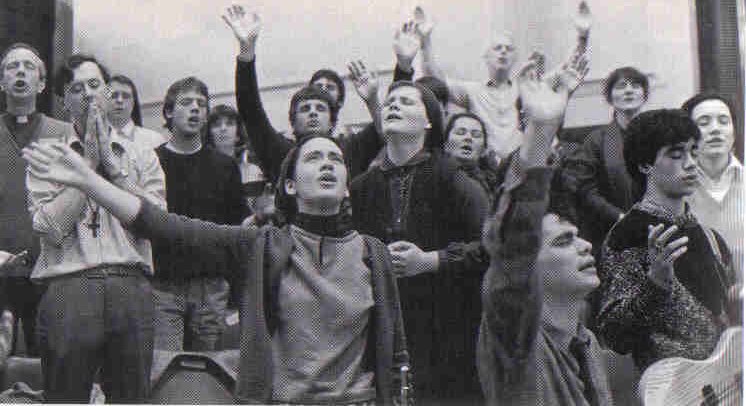
‘Teaching’ that is, in the traditional Christian/Evangelical sense of the word. Apologies to those not from a background like this, but those that are will know exactly what I mean. All our services revolved around one thing- the climactic 45 minute to an hour long sermon. Through this a skilled preacher would expound on a passage from ‘The Word’, inspiring us, shaping us, challenging us and bring us to repentant response.
This kind of spirituality grew out of Victorian spirituality- a combination of the elevation of the written words of the Bible as the primary (even the only) revelation of God, and the syncretism of faith with modern rationalistic culture. So it was natural to engage with spirituality in the same way that we would engage with the study of medicine or chemistry- in a lecture hall, with the celebrity scientist at the centre, sharing his accumulation of knowledge- even his life long labour- with those eager for understanding.
Along with this of course, scientific rigour was required, along with reliable, testable source material. So faith became something it was possible to organise, define and defend. And we did this above all things by knowledge of the Bible- carefully cross referenced verses, once produced, ended all argument.
Perceptive readers may sense a certain scepticism in the tone of this piece. It is easy to have a go at all this from a post modern cynical perspective. We can point to all sorts of problems that we inherited with this kind of spirituality-
The top down nature of it, casting us in the role of passive receivers, not active questioners
The potential it gives for the misuse of power and control
The one dimensional quality of a lot of preaching- the giving of one man’s (and it usually is a man’s) perspective on ‘truth’
The elevation of the words of the Bible to what I would describe as idolatry- a tendency to treat the words as some kind of unassailable blue print that arrived down on earth on the wings of an angel as the transcription of the very word of God (in case you are wincing at my heresy, there is a fuller discussion of this issue here.)
The changing communication style of the age- the shortening of attention spans, the endless competition of other media has now entered into the human condition.
There is also this question in me about my own experience of listening to preaching. I have had the privilege of hearing some really great preachers- people who hold the attention by their great oration and carefully constructed sentences. Preaching like this is an art form, all the more to be celebrated in this age of the 30 second sound bite. Some of my friends still are responsible for delivering sermons each weekend- and I celebrate their honest creativity- their genuine efforts in the long direction, to bring light into the lives of a congregation through words.
I also love to go and listen to speakers at festivals like Greenbelt- people who bring a totally new and sometimes controversial perspective.
But having said all this, when I consider the shape of my own journey, and try to remember how this was affected by teaching or preaching I have heard, I struggle to remember more than one or two actual sermons/teaching sessions (and even those, not necessarily for the right reasons.) Perhaps I was shaped by the experience more than I can remember the actual events, but considering the countless hours of preaching I have sat through, we might expect there to be much more connection between hearing a message, responding to the challenge, and life changes that flow from this.
I think that we have been caught up in the idea that refining our knowledge of a certain kind of moral interpretation of the Bible equates to something we called ‘spiritual maturity’. It was like a uniform we put on- a way of identifying with the church culture we belong to. But as I look back now, this is not the kind of spirituality that has deep value to me.
It is not that knowledge is unimportant, or that we do not need someone to give us some basic knowledge for the road, but despite all this, spirituality (in my experience) is only discovered in real places, encountering real people and asking questions of the experiences along the way.
I also think that the reductionism of faith down to basic facts is dangerous. It suggests that there is ONE understanding that we should all be conforming to- and increasingly I have found faith to be a glorious question mark, within which there are routes for many lines of enquiry.
Those of you that preach will right now want to tell me that there are other ways to skin the cat- and I would agree with you. Preaching can open up issues, not close them down. Preaching can soar like poetry in the ears of the listener. This kind of preaching I want to hear.
Perhaps preaching is reshaping too- think of all those wonderful TED talks that go viral on t’internet. Like this one;
So, what of our short discussion about teaching in small missional groups? How do we ‘teach’ one another in this kind of context?
The very idea initially took me by surprise. Why would I want to ‘teach’ my fellow community members anything? Does this not assume that I am some kind of God-expert who needs to sprinkle my knowledge on my disciples? Are we not learning together constantly just by living deliberately shared lives of faith? Ideas enter constantly into conversation through books we have read, things we have encountered through the internet etc.
Then I thought of our young people- who perhaps do need to learn some things in order to go through their own process of deconstruction/construction. Is it enough for them to learn in this kind of community chaotic way? Perhaps it is time to think again, if not about teaching, then certainly how we facilitate discussions around particular questions.
It is a work in progress- like most of my theological positions, but some principles seem important to me;
Open spaces. Learning requires safe spaces in which to adventure. We have to be free to get it wrong.
The honest question is worth a million cheap answers.
Community is teaching. Teaching is community.
We learn in different ways- listening, watching, reading, experiencing, discussing.











 this fragile tent