How to read a landscape…

I live in a ‘wild’ place – mountains, broken tree-lined shores, deep lochs, forests. I am surrounded by iconic British animals- red squirrels, sea eagles, pine martens, deer. Tourists come here and wonder. Locals are proud. All of us are nature-blind, because this place is anything but wild.

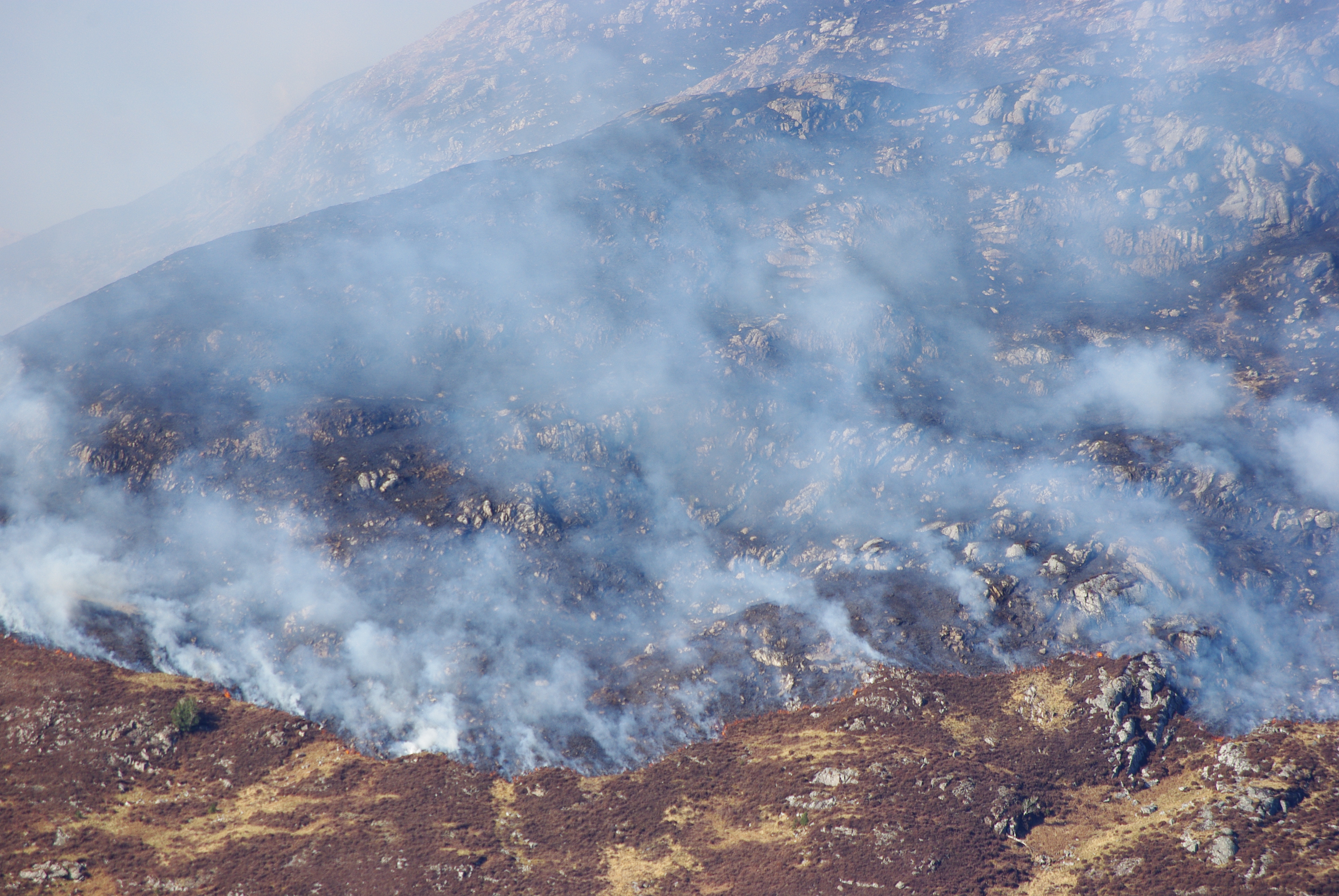
There is this strange thing that happens when we look at the Scottish landscape (or perhaps at any landscape) in that we do not know what we are seeing. Partly this is because we have lost our folk memories of what we are NOT seeing.

Despite every metric pointing to a continual precipitous decline in our ecosystems- a loss of diversity measurable in almost every way, and in different biomes – most of us are not able to grasp just how bad things are here in Scotland. There has been an average 15% decline in abundance of 407 terrestrial and freshwater species since 1994. There has been a 49% decline in average abundance of Scottish seabirds. 11% of species found in Scotland are threatened with extinction from Great Britain. Meanwhile, we thrill to nature propoganda shots of the sea eagles of the noble stag as if all is well.

This film tells a story that we need to hear.

How has it come to this, and what can we do about it?

As mentioned in the video, wealth is at the heart of the problem. Land ownership in Scotland has a particular flavour and pattern that arises from a history that we can not be proud of. This from here.

No other European country has such a narrow base of proprietorship as Scotland. Half of all privately owned rural land is held by 421 people or entities. The roots of such disparities lie in the past. The 18th- and 19th-century Highland clearances emptied the glens and readied them for private takeover. On the continent, and eventually in England, the great estates were broken up by inheritance and land taxes. By comparison, Scotland is still feudal in scale.

There are already fears that Scotland’s new proposed Land Reform Bill has been gutted, ending up with something far less than that recommended by the Scottish Land Commission in their report from 2019. It is hard to escape the power of wealthy elites.

The video above mentions the possible use of a land tax, of the kind proposed by Common Weal.

Land prices in Scotland have risen at a rate
outstripping many other ‘investment assets’ with
stocked commercial forest land in Scotland,
for instance, increasing in value from £8,500
per hectare in 2018 to £21,000 per hectare in
202210 (had such land increased in price only by
general inflation, it would be worth just £9,500
per hectare in 2022). The selling price of such
land has also consistently been over 120% of the
asking price on the market which is indicative
of demand for purchases being substantially
higher than supply. Similar patterns have been
observed in other types of land in Scotland in
recent years so it is not a stretch to say that
communities are simply being ‘priced out’ of land,
even where legislation has made some steps
towards making it theoretically easier for them to
purchase such land assuming they somehow had
the capital to do so. The high profile failure of a
local community to be able to enact a community
buyout of the Tayvallich Estate in Argyll – which
had an asking price of £10.5 million, equivalent
to around £7,800 per hectare – is indicative of
Scotland’s broader failure to enact land reform
and will only be one of many such failures until
reform is embedded. A local land tax can, should,
and must be a part of this reform, not just by
raising revenue which would directly benefit
communities who cannot otherwise access the
land around them but also by acting as a break
or even reversal on the price of land sales (which
would have to factor in the tax burden of the
asset) and, if done right, would bring prices back
down into the range at which communities would
have a better chance of owning the land around
and under their own feet.

Read the whole report here.

For most of us, far from the seats of power in Edinburgh or London, there remains the important, ordinary urgency of learning how to read a landscape.

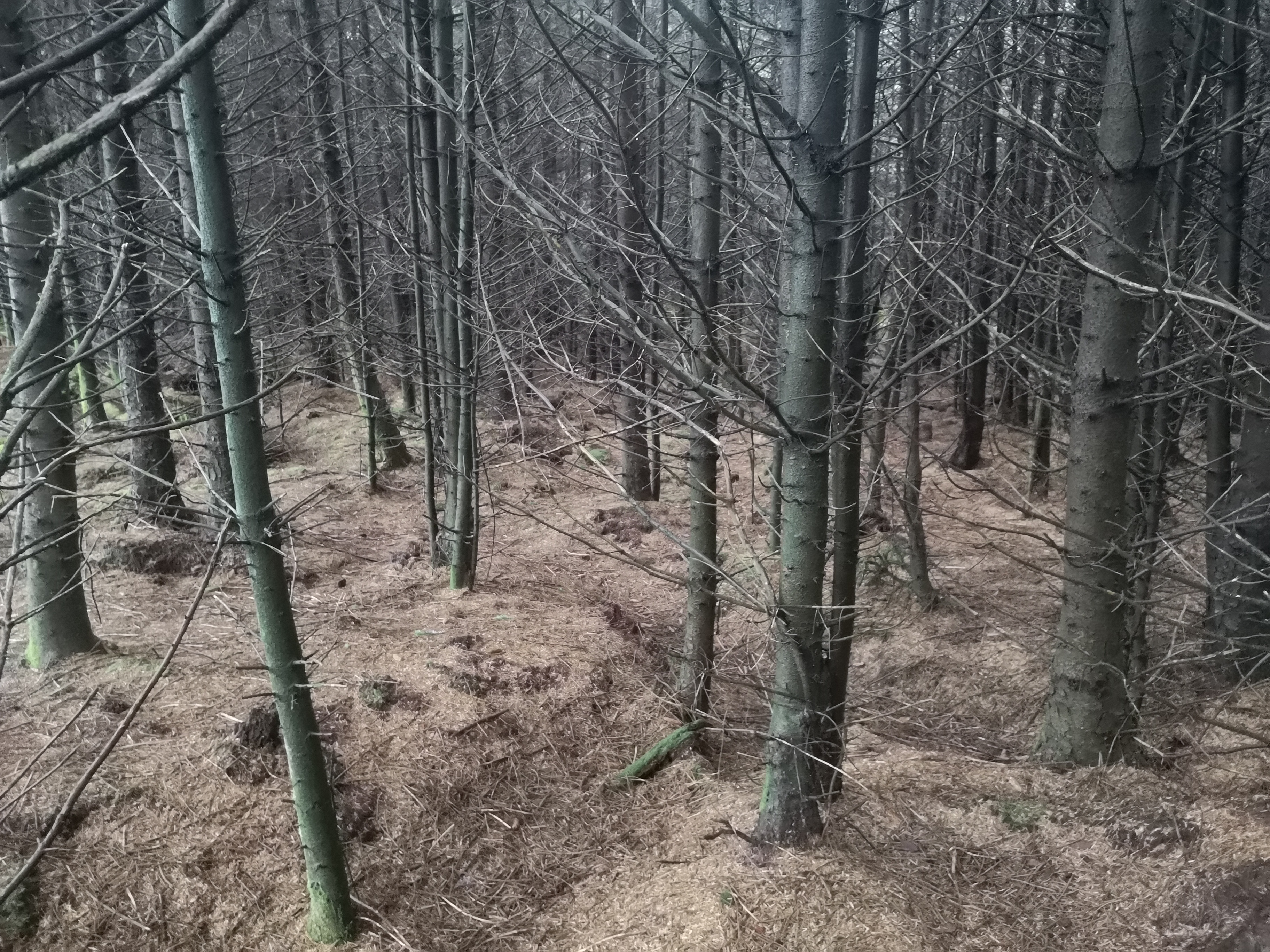
The photograph above is taken just above my house- one of the many many vast plantations of commercial forest in my home county of Argyll. They are better understand as green-brown deserts.

Here in Scotland, our challenge is mostly NOT preservation, it is the urgent need of restoration and recovery of our ecosystems. Think about that- in contrast to other European countries, we have ALREADY lost much of what should be here. In order to see any recovery, the task required is a mult-generational re-seeding and re-populating of our mountains and valleys.

We have to be able to SEE this and imagine an alternative.

Fairisle 2: birds that blow in on the breeze…

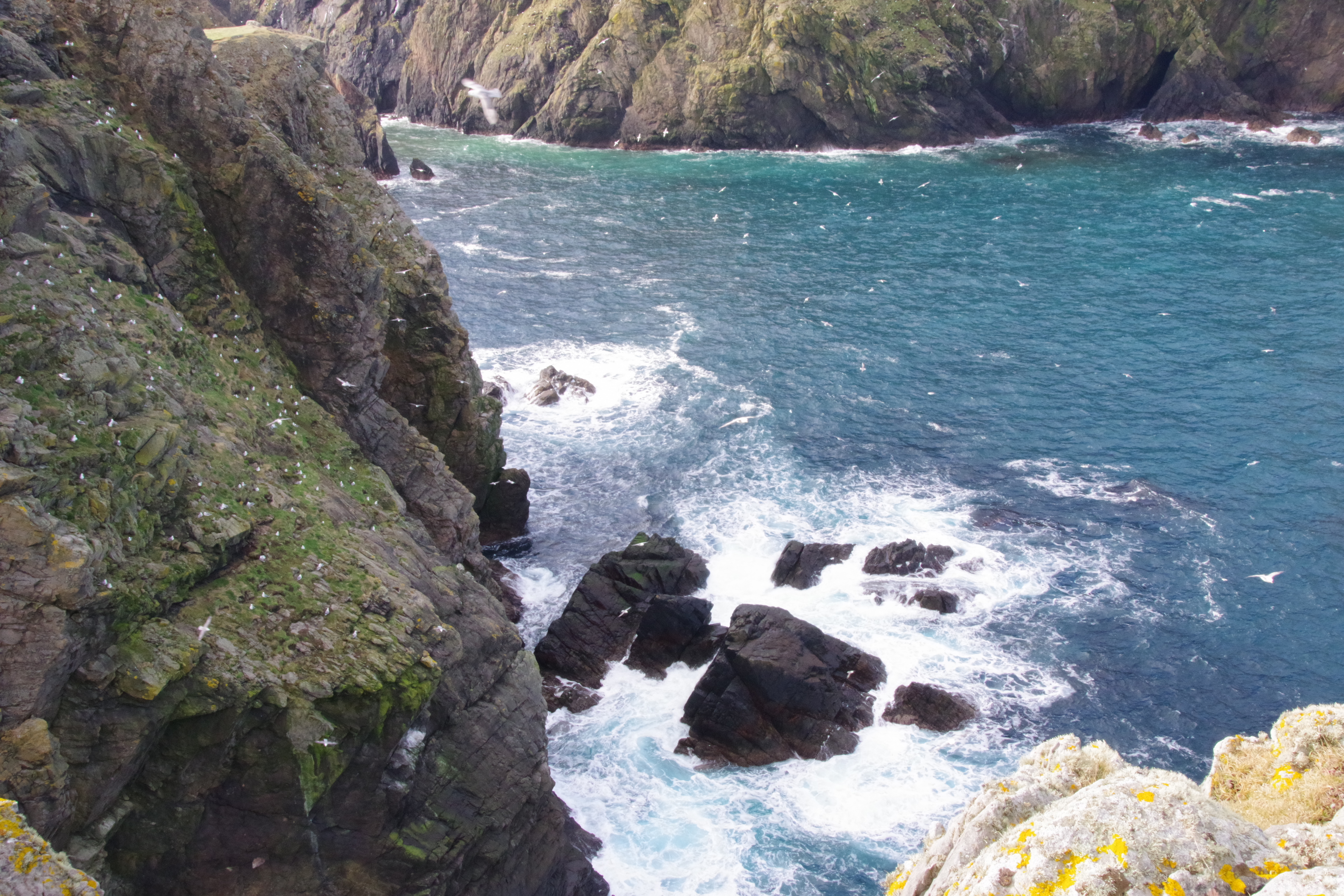
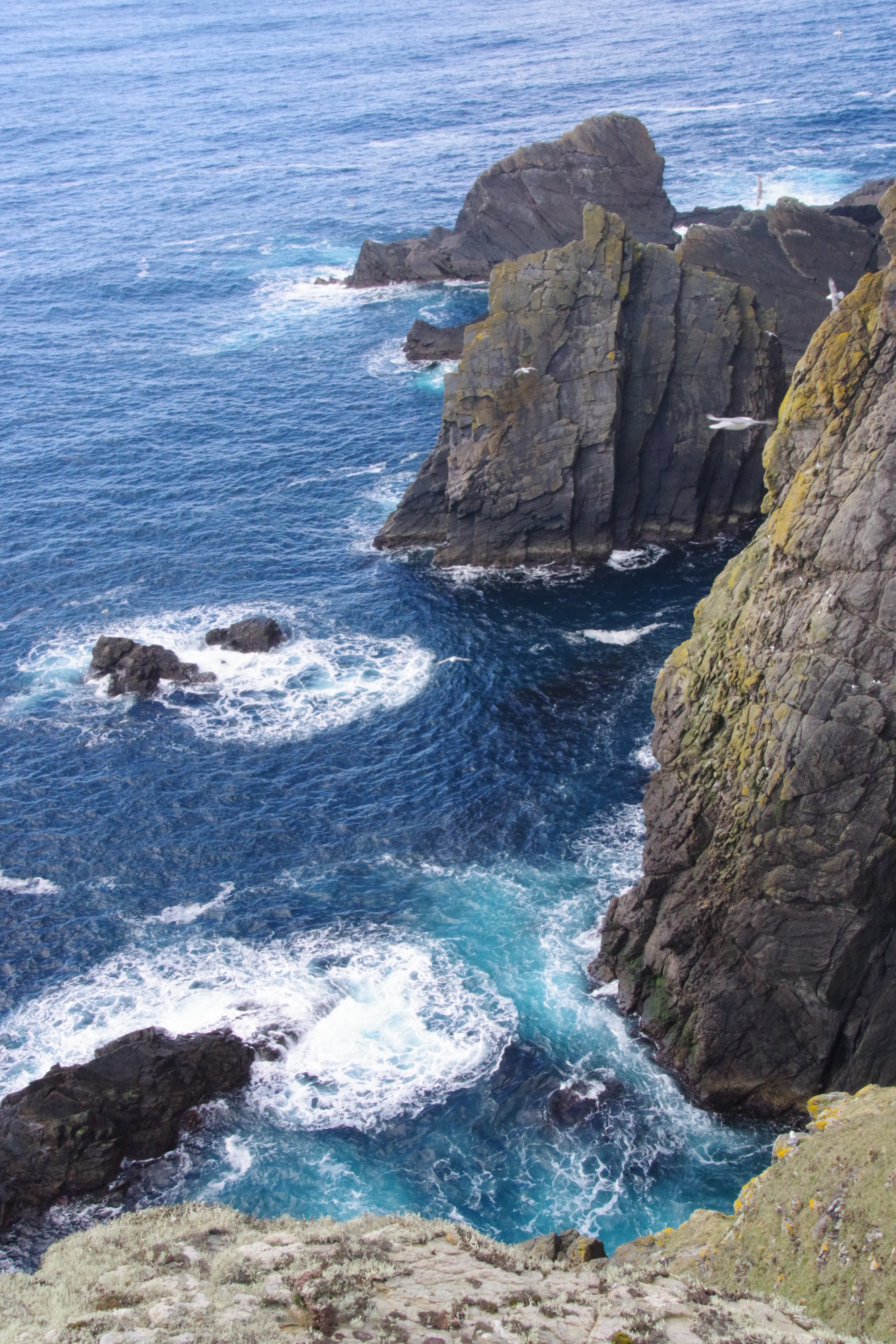
I am falling in love with this place. It is not hard to see why…

It is a place on the edge. Today the sun shone, but tomorrow is a different story. A big storm is heading our way, or so we are told by the man in the shop.

Already we are getting a feel for the people who live here. Some are born and bred islers, but many others have ended up here.

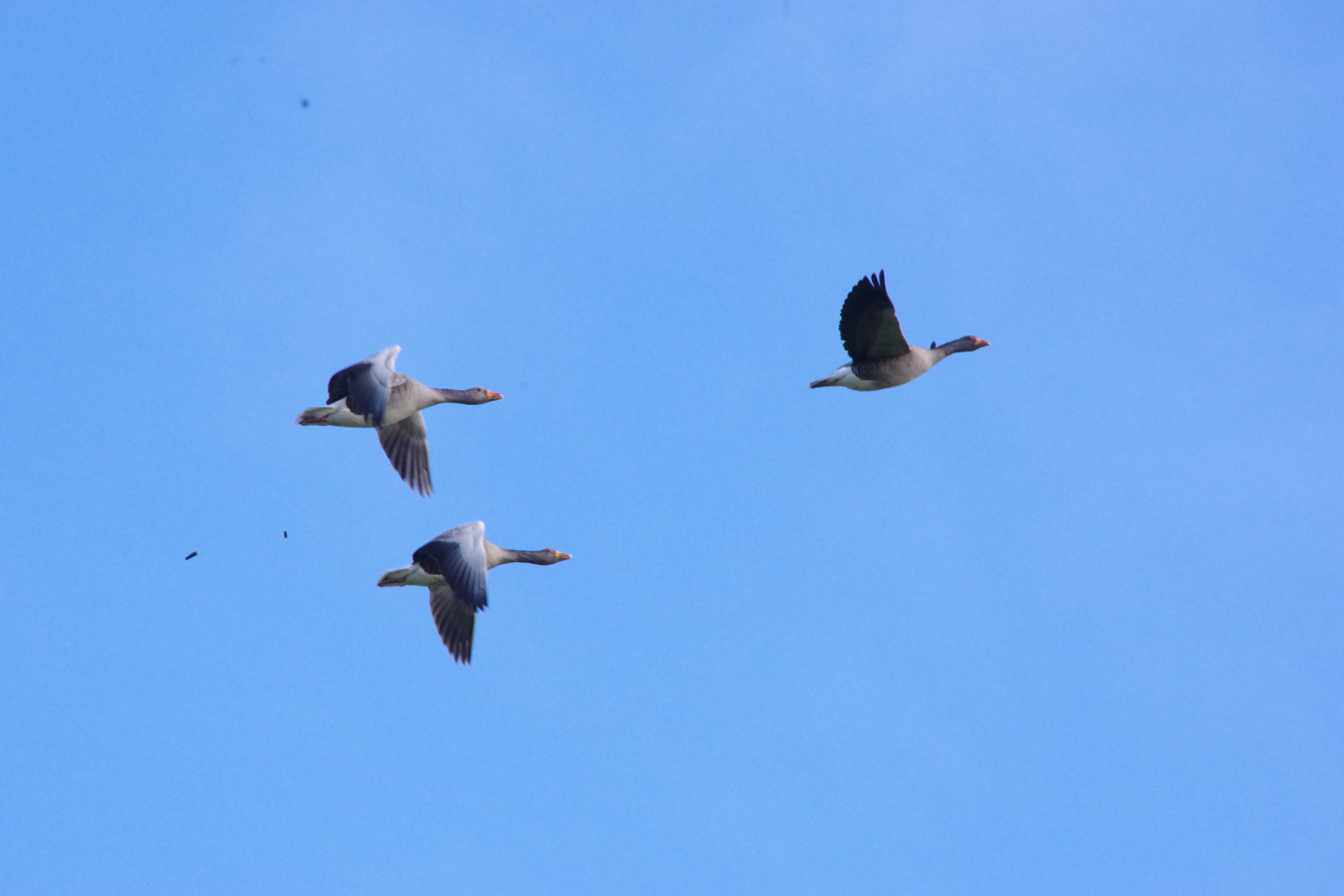
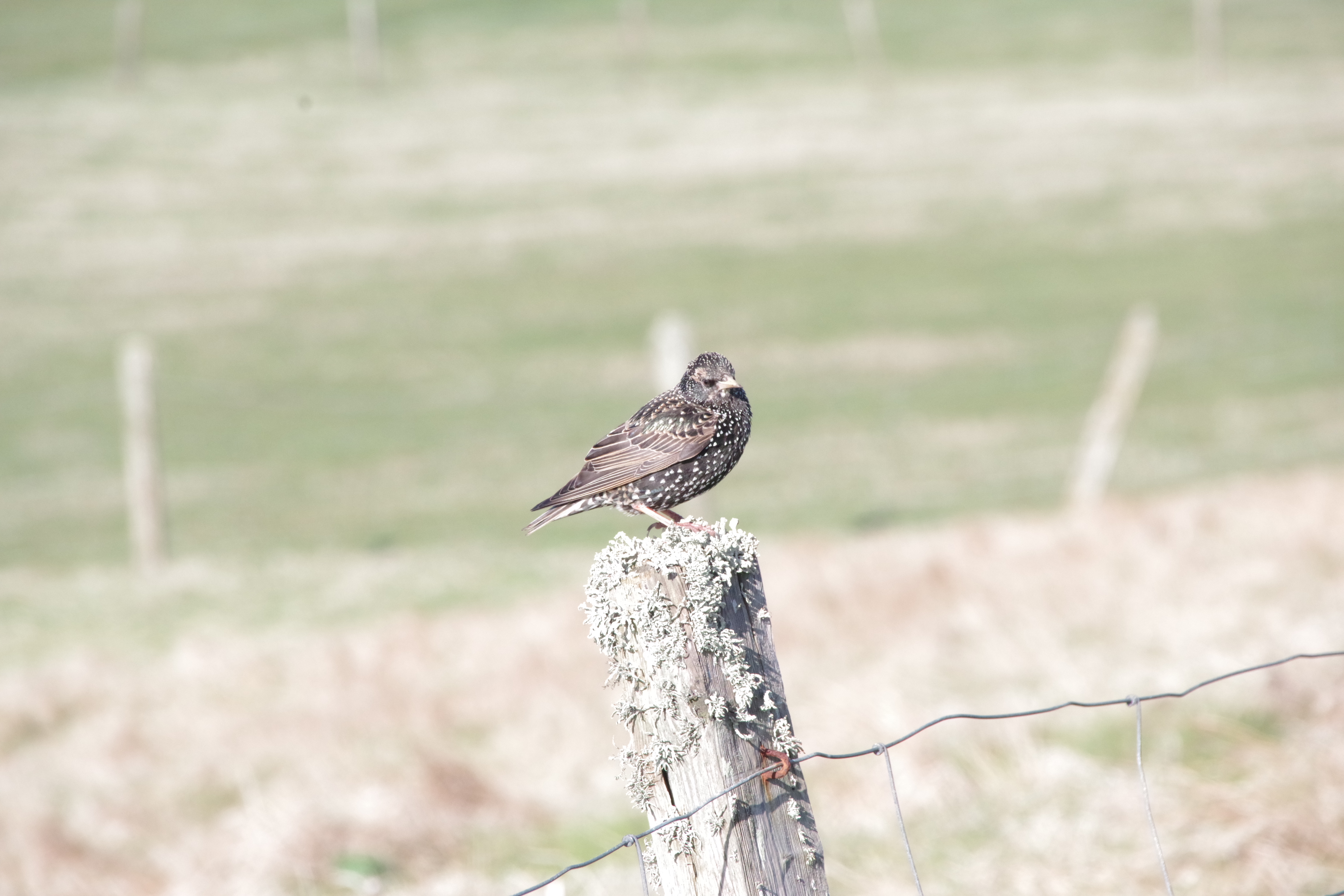
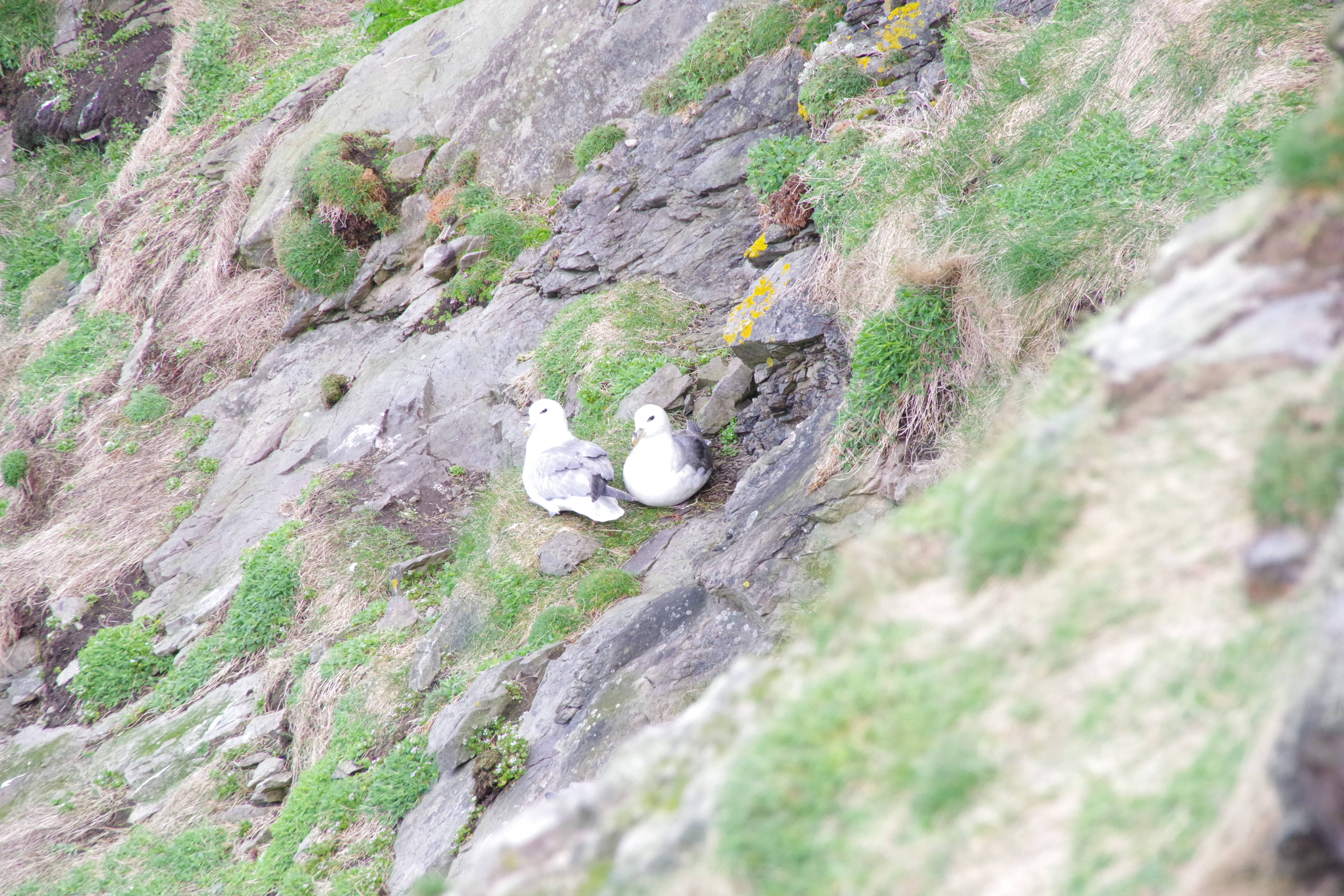
We had a conversation with one of the RSPB wardens the other day and I asked if he had seen ‘anything interesting’ which (despite my ignorance of most things bird) is an ornothological way of asking if there is anything rare to be seen in these parts. A silly question as the skies here are teeming with feathers. His answer intrigued me though, because he said that the ‘interesting’ birds only come in with a wind from the east, which blows birds over from Scandanavia and beyond.

It turns out that birds are not immune from the wind.

It turns out that birds, like people, are capable of being displaced, scattered, forced into alien places.

Birds can be refugees.

We are all outsiders elsewhere and birds are no different.

I was thinking about the deep connection thing again – how we are all part of The Christ, the god who loves things by becoming them; how the deepest part of all our individual beings is a one-ness with all things.

Or perhaps and am-ness that we share with all things.

It is easy to romanticise in wild places like this, to see the animals here as transcendent.

But they too have to contend with the wind.

Worship music remix 3- transcendence…

The first two pieces in this series are here and here.

We are just back from our monthly Aoradh ‘family day’. This is the closest we come to a ‘church service’ that we do regularly within Aoradh. It usually involves filling up one of our houses with people, then one of us will co-ordinate a period during which a selection of folk – kids and adults – will take turns to lead others through a song, a prayer, some meditation, a poem, a clip from you tube. It is simple, messy and lovely.

Then we eat together.

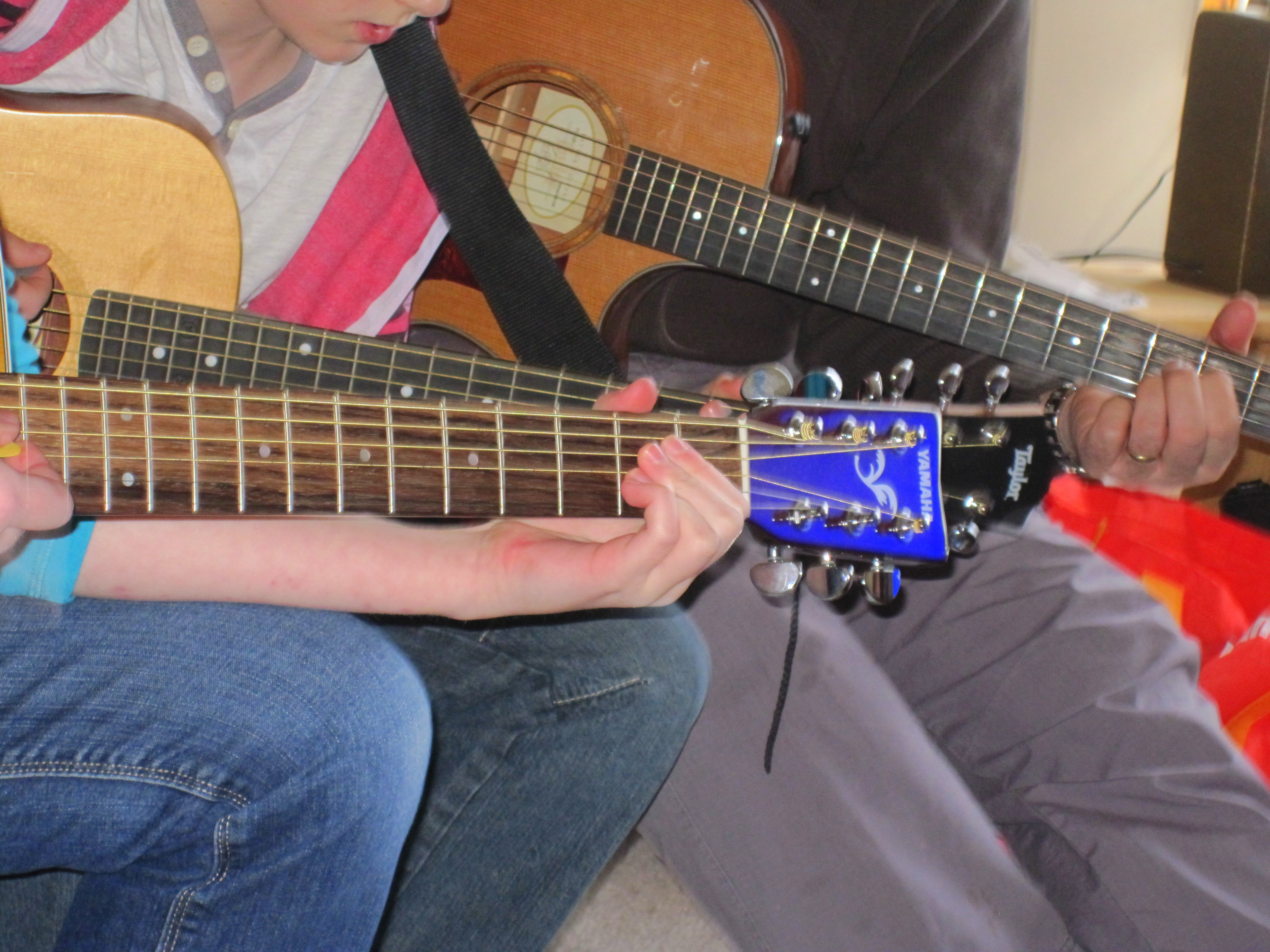
Today I was thinking about the distance I have travelled within the scope of what ‘church’ might mean. I was playing my guitar along with William and Rachel, and really enjoying it, because this is something I do fairly rarely these days.

There was a time when it was my whole life.

I was a ‘worship leader’ – one of those blokes (and they usually are blokes) who stand in front of people and whip up some spiritual fervour by the application of soft rock love songs to Jesus. I lived for those moments when the music took flight, and something kind of opened up. At such times, music was more than just notes. Performance became less about technique, and more about an attitude of humility and receptiveness.

But in the course of my journey from ‘organised’ church, other principles started to dominate the way I thought about worship. Primarily, I was convinced that the culture of ‘church’, with all its big and small liturgies, assumptions and traditions, easily came to be a black hole that swallowed people whole. It left us with no room for the other. It became about us, not about them. They were only important if they were willing to become like us. I was convinced that church should exist to send and to serve, not endlessly feed itself.

Our corporate worship was the same. It was all about music and preaching. Other ways if worshipping were not necessarily wrong (although some were guilty by association) but they were just not our thing. We knew what we liked and this was enough.

As I think about this now it is like a rainbow of only one colour. Still impressive, but monochrome.

It can also be so selfish, so self centred. Worship like this exists to make us feel good. The end we aim for is a spiritual/emotional high for us, dressed up in the clothes of adoration of the God that we make in our own image.

But I overstate my case. A monochrome rainbow can still be beautiful.

The word that came to sum up the change I was finding in my own aspirations in worship was this one;

Transcendence.

By which I mean the experience of God in the ordinary. The incarnation of the maker of the universe within the temporal, messy world in which we live and love.

Transcendent moments fill our lives if we look for them. And the more we attune ourselves to the looking the more we see.

They are everywhere in the natural world; sunsets, new leaves, mushrooms in caves, the lick of new born fur, the light of the moon on still water, the smell of rain on dry earth, the sea that goes on for ever. All these things will happen whether or not we are there as witnesses. But when we look in a certain kind of way a hollow space opens up in the middle of them into which we can meet with something transcendent. Into which we can invite/be invited by the living God.

They are everywhere too where humans also are. In conversations, in touch, in the longing for justice, in the decision to forgive, in the deciding to repay hurt with love, in the listening and in the laughing. Because God is a God of communion. God commands love, and love requires direction. Perhaps above all, the transcendent God is immanent when we come together in community.

They are encountered in art, because art can become a bridge to something beyond our business. Films, books, poems, paintings, sculptures, music.

They can even be encountered in church – for me, especially when we sing, when the chordal voices find the vault of the building and make it vibrate.

I had become so trapped in a view of God that was limited to one colour of the huge spectrum from ultaviolet to infra red and beyond, that I needed to go cold turkey. The guitar needed to go away for a while so I could hear the birds sing.

So I had some time to speak to people, with no agenda other than love.

So I could be creative, and make art in service of the Creator.

How about you? Where might your ordinary space become pregnant with the extraordinary, capricious, magnificent Living God?