

We have been away in Staffordshire at a wedding this weekend- a friend of ours from student days called Gaynor, and it was great to see her so obviously happy and in love with her now husband, Chris. They became an ‘item’ on a trip up north to visit us, so all the better.
This is our third wedding of the year- all of them lovely, all of them very different. John and Fiona’s wedding in a idyllic highland chapel- a Christian ceremony, full of their own faith and hopes for the future. Then there was my brother-in-law Chris’s wedding to Emma in a Unitarian chapel. It was another lovely family ceremony, led very well by a minister, and a chance for them to make their commitment to one another before God and man (and woman of course.)
Gaynor and Chris’s wedding was an entirely civil affair- held in an old converted barn, presided over by a representative of the hotel, with a registrar in attendance. God was not mentioned, but I think he was as happy as we were to see them committing themselves to one another. There is something good and whole and lovely about two people finding one another and learning to love.
So- three weddings. One Christian, one Unitarian and one civil. May they all be blessed with long and happy lives together.
I found myself asking familiar questions again about the place of faith in the lives of those of us who live in 21st Century Britain.
For some time it seems the Christian church has had its place as a marker of life’s transitions- births deaths and marriages. For some (like John and Fiona) a live faith means that this is a natural decision. For others, the church offers a solemnity and tradition that also has its place.
But many others see this tradition as irrelevant to how they might live their lives. They might seek their own spiritual path outside the traditional Christian Church, like Chris and Emma. Or they might celebrate their life together with friends in a civil ceremony, like Gaynor and Chris- an honest and faithful statement that does not need church, and church has no honest part of the rest of life.
Now none of this is a surprise. For me, the decline in the centrality of the institution of church is not even necessarily a reason for mourning- although it could be argued even by those who have no faith that the loss of church as an anchor and facilitator for society is potentially problematic- as nothing else seems to be taking over. I have mentioned old Durkheim and the concept of ‘anomie’ before (here.)
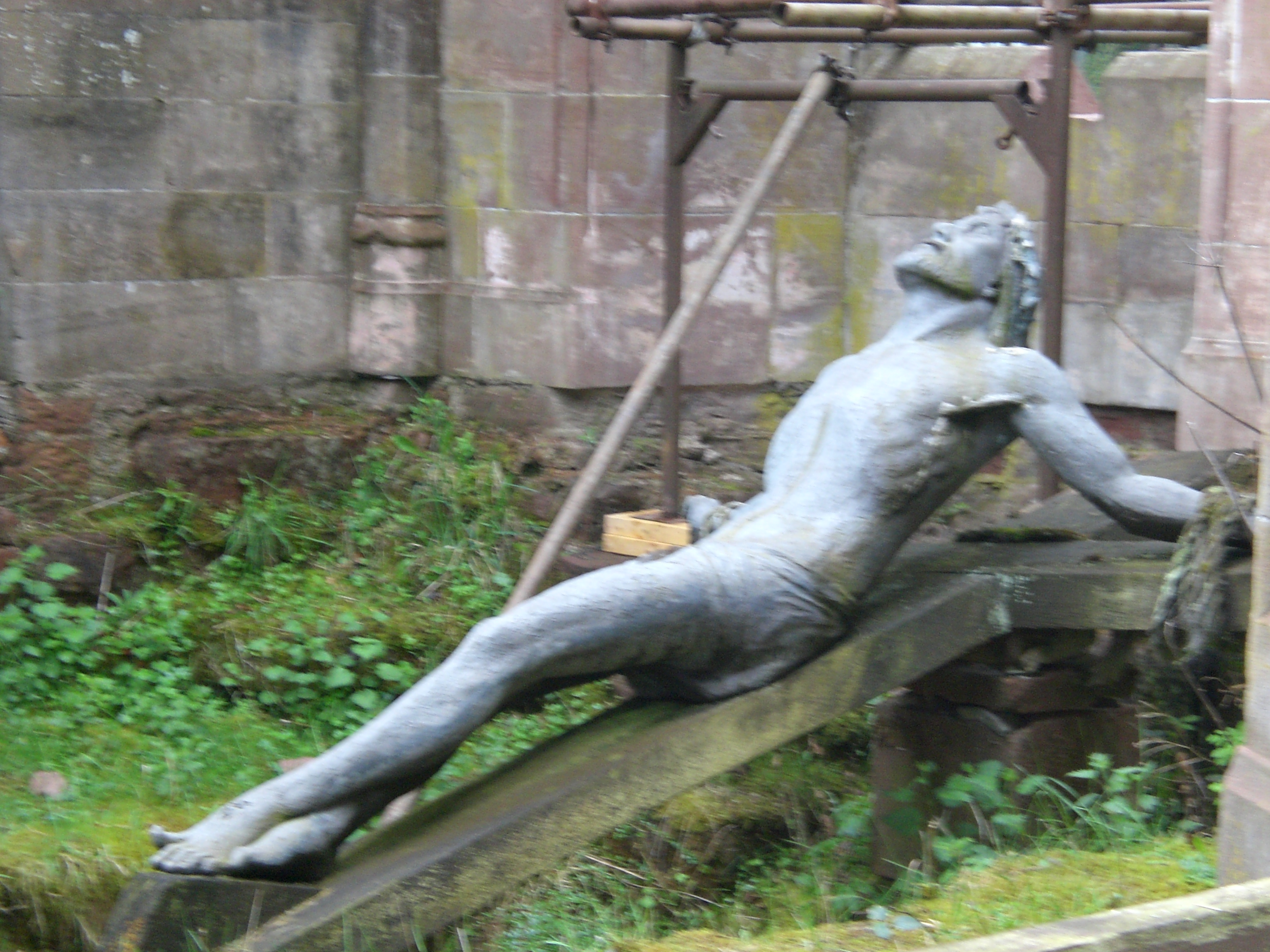
So what about my little eureka moment? Well during the wedding, I think I found myself smacked between the eyes by a bit of an evangelical cliche.
I missed Jesus so much.
Not the Christian wedding ceremony- or church- but simply the person of Jesus.
I took me by surprise, as for some time, I have journeyed into an understanding of the Kingdom of God, and the image of God in people, that made me increasingly aware of how God is present and participating in places that we Christian’s have often regarded as Godless and secular.
But here I found myself again longing to hear the words of Jesus- longing for the words of the sermon on the mount to fall again like manna.
And for my friends to believe again in the possibility of a better way- not because it would make them (or me) better, but rather because if we set our faces to living this way, then the world could indeed be changed forever.
 this fragile tent