

Another Proost podcast is out today, this one with the wonderful singer-songwriter Yvonne Lyon, in which she talks about her career and her inspiration. If you don’t know her music, she writes beautiful, intelligent, deeply spiritual songs full of humanity. Rob and I do our best to explore the breadth of what has been a remarkable career, then ask her to talk about how the industry works and what might help musicians find support and community in order to get their voices out there.
Significantly, Yvonne is clear that she no longer wants to play the commercial game. She has made her own small revolution.
It probably goes without saying that it has never been harder for musicians to make a living from their art. Even artists like Yvonne, with all that back catalogue of wonderful music, with regular radio play and exposure both sides of the Atlantic, struggle to make a living from music alone, as she speaks about candidly in the episode above. This feels deeply wrong. Even if is was always s/he who paid the piper who calls the tune, at least the piper used to be paid.
Of course, the stranglehold of streaming platforms have a lot to do with this, but it also comes down to one thing- greed. To paraphrase Marx, our economic system trends only towards those who own the means of (musical) production.
If the only way to evaluate the value of art is in relation to its profitability can good art ever be made? Perhaps, but it is also certain that lots of good art, even important art, will be excluded.
We need a revolution.
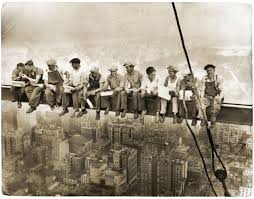
If music is a commodity, like turnips or dishwashers, and as such it is only as good as the financial spreadsheet says it is, and history tells us that the workers (the artists in this case) only ever get a fair deal if they have power. Access to mass media platforms promised this power for a while, but this access is meaningless now, given the control of the corporations. There is a job here for collective action to shift the balance of power back towards the musical proletariat. After all, it is they who walk the high places.
There is another part of this story however, which is how musicians collectivise. Where is a safe place to explore, to find mentoring and encouragement? Who will showcase emerging talent when many venues are struggling to make ends meet because of soaring energy prices and rents?
Those involved in the Proost discussion are thinking along these lines, but the revolution will only happen if the prolteriat unite. In other words, if people get involved.
So if you are interested, get in touch!


 this fragile tent