The Varieties of Religious Experience…

Another interesting discussion on the radio this morning courtesy of Melvin Bragg’s programme ‘In Our Time’.

It centred around the work of Doctor, psychologist and ‘natural theologist’ William James– brother of novelist Henry James.

In 1901 William James began a series of lectures in Edinburgh, which came to be collected together as a book entitled ‘The Varieties of Religious Experience’.

It seems to me that James is of our time more than his. The modern obsession with logic and scientific reason- as the proper object and arbiter of all human endeavour- has been eroded by the events of the end of the 20th Century. Perhaps above all the fact that science has not delivered answers to the human condition, but rather has brought  us huge environmental, moral and ethical problems that we all live in the shadow of- Ozone holes, radiation, global warming, the failure of free market economics etc.

In a world where the Zeitgeist was (and perhaps still is) overwhelmingly concerned with the rational and logical, even our approach to religion, James stood out as proposing a totally different way to understand faith. Rather than focus on doctrine and dogma, solidified and codified within religious texts, or in the institutions of faith, he suggested that only valid way to understand faith was in individual subjective experience. He went further and suggested that the faith experience was at the heart of what it meant to be human- and to understand this was to understand better who we are.

This led James to investigate mystical experiences, including by using hallucinogenic drugs. He was less interested in whether faith was ‘true’, or whether God existed, but more in the effect and usefulness that transcendent experience had on those who experienced it. This individualistic and self-centred version of religious seeking feels very post modern.

“Not God”, James states, “but life, more life, a larger, richer, more satisfying life, is, in the last analysis, the end of religion.”

James was also interested in how personality and ‘spiritual health’ interacted with our choice of faith (which resonates with this post) and he spent a lot of his time in the lectures discussing people who had undergone conversion experiences.

A couple of quotes from here

James recognized a pattern in conversion experiences. It tended to happen when people were so low that they just ‘gave up’, the vacuum of hope providing space for revelation. The religious literature is full of stories along these lines, in which the constrictions and negative aspects of the ego are finally discarded; one begins to live only for others or for some higher goal. The compensation for becoming dependent upon God is a letting go of fear, and it is this that makes conversion such a liberating experience. It is the fearlessness and sense of absolute security in God that gives the convert their breathtaking motivation. An apparently perfectly normal person will give up everything and become a missionary in the jungle, or found a monastery in the desert, because of a belief. Yet this invisible thing will drastically change their outward circumstances, which led James to the unavoidable conclusion that for such a person, their conversion or spiritual experience was a fact, indeed more real than anything which had so far happened in their lives.

James acknowledged that science would be forever trying to blow away the obscuring mists of religion, but in doing so it would totally miss the point. Science could only ever talk in the abstract, but personal spiritual experience was the more powerful precisely because it is subjective. Spirituality is about the emotions and the imagination and the soul – and to a human being these are everything.

I find myself both in sympathy and at odds with James- in much the same way as I am with the pluralist times we live in. For him, religion was about personal transformative experience, a little akin to a piece of remarkable cognitive behavioural therapy. God became portable and useful- perhaps even something to be cherished as a way of giving life direction and meaning.

But I have this feeling that the Lion of Judah is no tame lion…

Peregrinatio…

Tomorrow we set sail.

I am not quite sure what we will find when we land on Jura.

Neither am I quite sure how the whole social thing will work out- we are forming a temporary community of people who mostly do not know each other.

We are hoping to spend time seeking after God, but he can be so mysterious can’t he?

What I am reminded of is that old Celtic monastic tradition of peregrinatio, or ‘Holy voyaging’, which in practice meant to get in a boat, and simply to set sail. No destination planned, simply trusting to tide, wind and God. The destination of such a voyage was not geographical, but rather spiritual. The goal was to arrive at ones ‘place of resurrection.’ Arriving at journey’s end inevitably meant an actual physical place also however- and it is these places that still hold the memory of these voyages all over Argyll- in the place names, the folk lore, and also in the marks and mounds in the earth out on exposed headlands, or on tiny islands.

So, in anticipation of our own homecoming, I am going to re-post a poem that I wrote a few years ago, dedicated to that great voyaging monk, St Brendan

Lord stain me with salt

Brine me with the badge of the deep sea sailor

I have spent too long

On concrete ground.

If hope raises up these tattered sails

Will you send for me

A fair and steady wind?

Wilderness trip, Jura- next weekend…

A few of us are heading out to do some wild camping on the west coast of Jura this coming weekend.

We try to use it as a ‘retreat’- and share some deliberately spiritual activities, as well as a lot of laughter and the odd campfire…

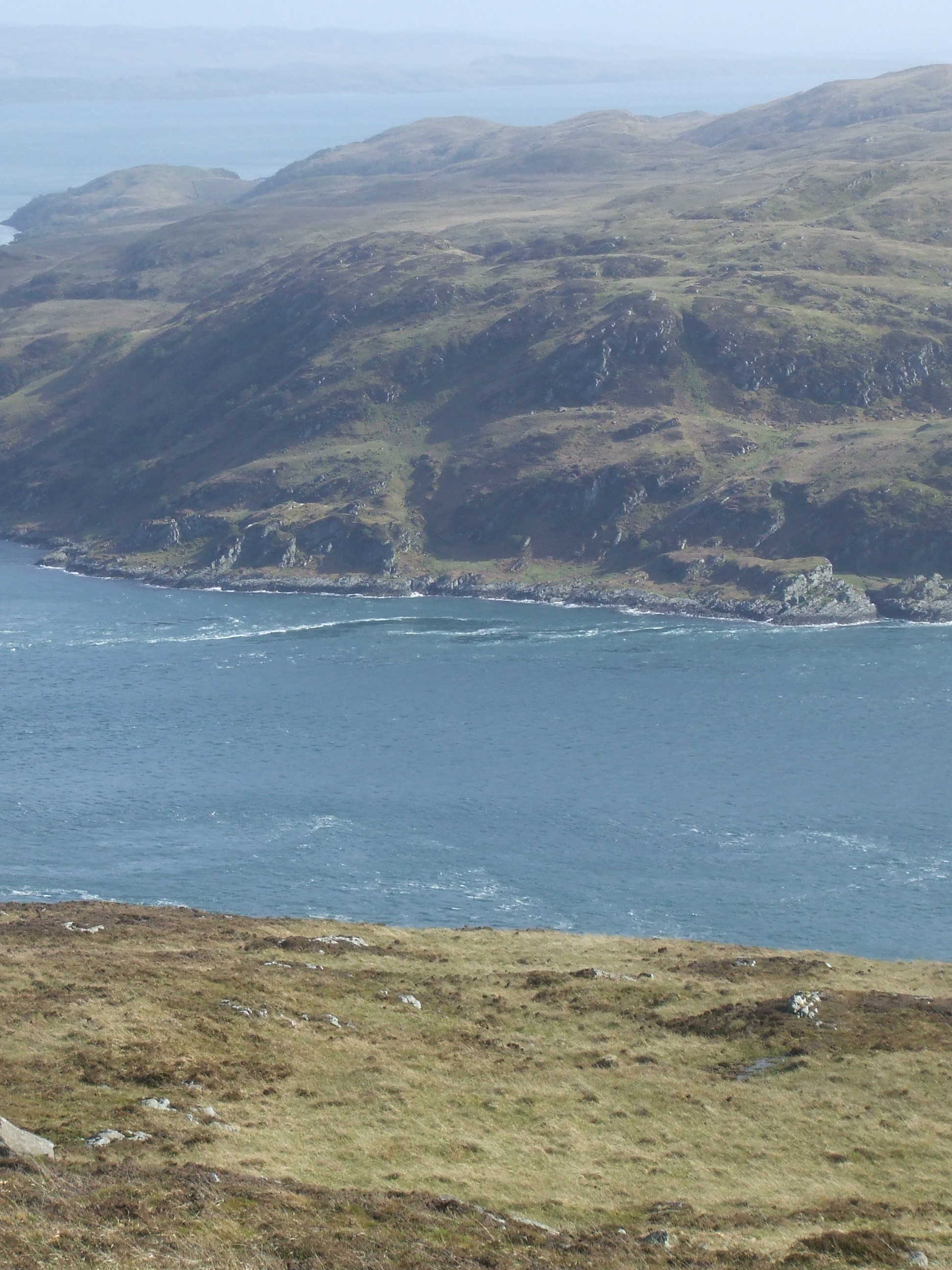
I chartered a couple of boat runs to take us out there from Ardfern- the boat will go out through the amazing Gulf of Correvrecken with it’s world famous whirlpool, and drop us off on the wild north west of Jura. This is utterly wild country, no roads, few paths. Lots of wildlife.

Because (as always happens with these trips it seems) a few people have had to drop out at the last moment, we are down to around 11 people, and this means that we only need one boat run.

If anyone else still fancies coming along- it is not too late! It would be a shame not to use the boat we have booked…

Drop me a line if interested…

Landfall, Scarba, 2009

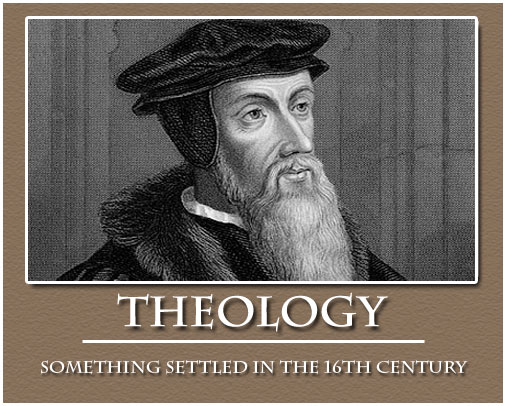
That old trickery called theology…

Regular readers of this blog will know my interest in reading some of the ancient poets of the middle east. One name often stands above all the rest- Jelluladin Rumi. Rumi reminds me that we Christians would do well to be a lot more careful about our instant rejection and condemnation of anything that comes from a different faith perspective.

(Incidentally, lest we stay all highbrow about Rumi- some of the subjects he wrote poems about were, shall we say, rather fruity!)

An old friend sent me this quote today- which was so good I will repost it here… He had seen it on Maggi Dawns blog.

Those who don’t feel this love pulling them like a river
Those who don’t drink dawn like a cup of spring water
or take sunset like supper
Those who don’t want to change
let them sleep…
This Love is beyond the study of theology that old trickery and hypocrisy
If you want to improve your mind that way sleep on.
I’ve given up on my brain I’ve torn the cloth to shreds and thrown it away.
If you’re not completely naked wrap your beautiful robe of words
around you and sleep.

Muslim followers of Jesus…

There has been a bit of a buzz around the blogosphere triggered by this article (HT TSK!)

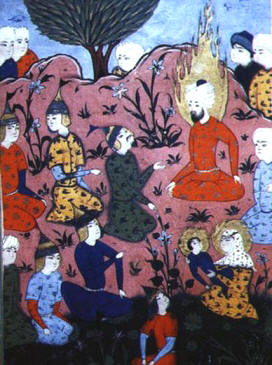
It points us to a long tradition of followers of Jesus within the Muslim faith. Many of us kind of know something of the fact that Jesus is regarded as a messenger sent by God within Islam. The Qu’ran makes direct reference to Jesus around 25 times.

It records his miraculous birth to the Virgin Mary.

His mission to point people back to God.

His death and resurrection.

And a promise of his second coming.

But even if we knew something of this, we also knew that Islam denies the deity of Jesus, or that he might have been the Son of God.

And most Christians, for thousands of years, have sought to demonise all followers of the Prophet- not just as misguided, but as something darker and more scary.

In this time of war and terror, an examination of the engine of faith on the actions of individuals and whole societies has never been more urgent- certainly not in our life times.

Back to the article.

What Joseph Cumming dared to do was to ask whether it was possible to be a follower of Jesus AND a Moslem. He makes a specific comparison to Messianic Jews, who are able to reconcile their Jewish identity with a faith in Jesus. He points to a movement in the 1980’s of Muslim believers who sought to live out their faith in Jesus within their Islamic context- some even facing persecution along the way.

Now this debate will no doubt trigger many polarised responses- and a whole lot of technical theological debate. What is interesting to me is that this article was placed on the Lausanne Movement website– staunchly Evangelical, with it’s roots in the life and work of Dr Billy Graham.

But what remains for me out of this discussion  is a fragile bridge that may allow the passage of pilgrims who are prepared to work for peace and justice- that may allow again discussion, mutual appreciation and respect between the great ideological faith blocks that oppose one another across the ‘Bethlehem curtain’ (to coin a phrase.)

Many of my friends will recoil in horror. A watering down of faith! An allegiance with the Devil! Syncretism! (I suspect that there are many on the Islamic side of the debate who would use exactly the same phrases.)

Well you know what- If I err, I am going to try to make sure that my error is on the side of grace, and peace, and forgiveness.

Isa would have it no other way.

Holy week- darkness…

So, it is almost Easter.

Last night in housegroup we continued to read and discuss the Gospel of Mark, and by some quirk or accident (or design), we came to Mark 14.

The bit that describes how the  Sanhedrin  gathered together anddecided to kill Jesus, even before Pesach if possible.

In the meantime, Jesus was in Bethany, in the house of Simon the leper. Here he was anointed on the head, probably by Mary, the sister of Martha and Lazarus, with very expensive ointment of spikenard.

Some of the disciples were furious; the oil could have been sold to support the poor.

In this context, Judas went to the Sanhedrin and offered them his support in exchange for money. From this moment on Judas was looking for an opportunity to betray Jesus.

Darkness.

It settled on us as we read. It was tangible.

There is a tradition in the church to mark this darkness by celebrating Tenebrae. A service in which candles are gradually extinguished, and then as the darkness falls, a book is slammed shut. It is the end.

There is this verse in Mark where Jesus predicts the terrible effect the next few says will have on us, his followers- “All of you will have your faith shaken” or as the NIV puts it-

“You will all fall away,” Jesus told them, “for it is written:
” ‘I will strike the shepherd,
and the sheep will be scattered.” (v 27)

Faith and doubt. Doubt and faith. Mingled.

Light gets swallowed in darkness.

For a while.

Mountain eats man…

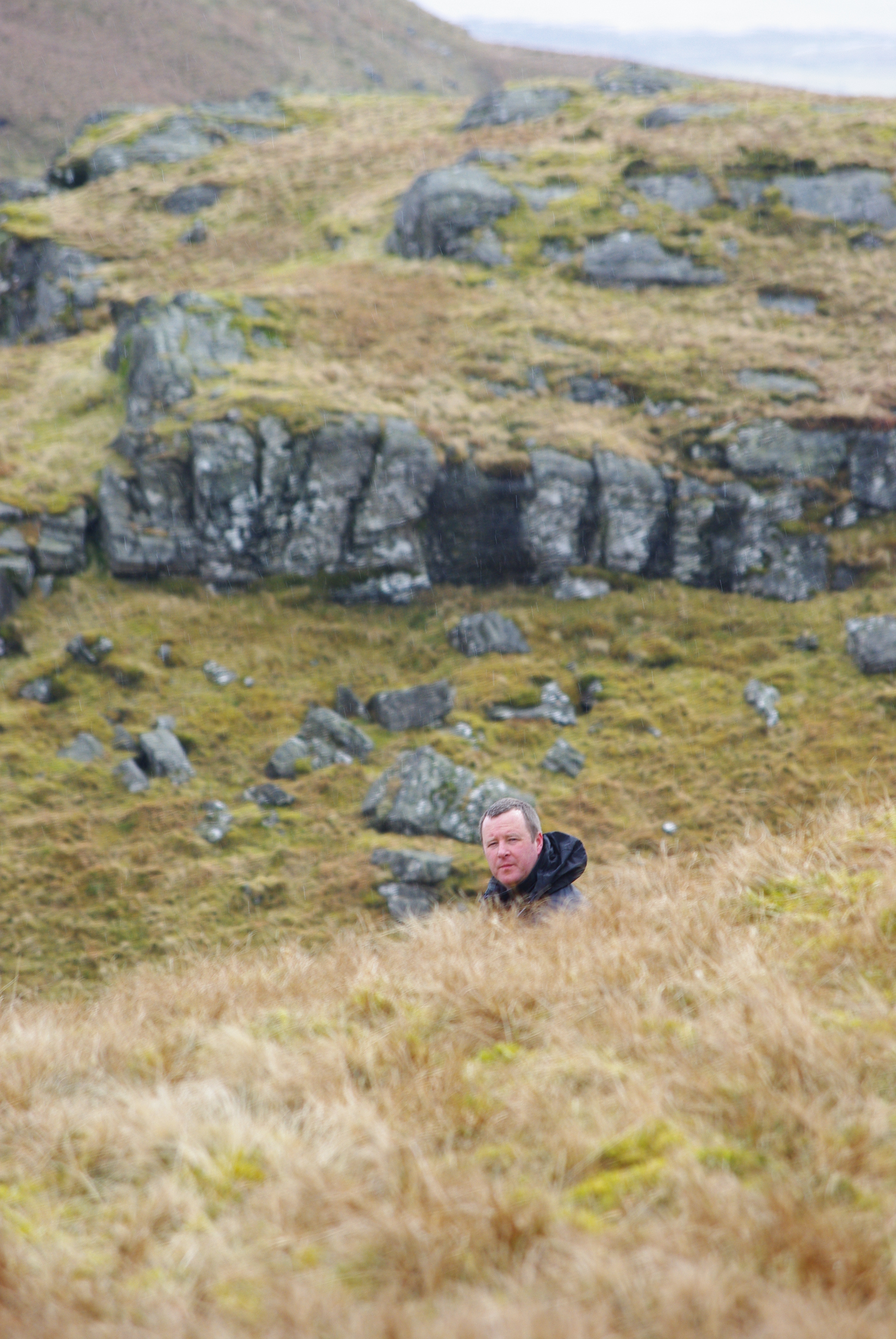
I took a walk yesterday with a mate. And the mountain ate us.

They do that.

There is this real tendency to see oursleves as significant. We make the things of our small lives into megaliths. We wall ourselves in with worries and concerns that come to tower over us, and the risk is that we become so accostomed to the shadows that we forget that the sun ever shines.

But today, the mountain was bigger than me.

Hallelujah.

Alternative worship, retrospective…

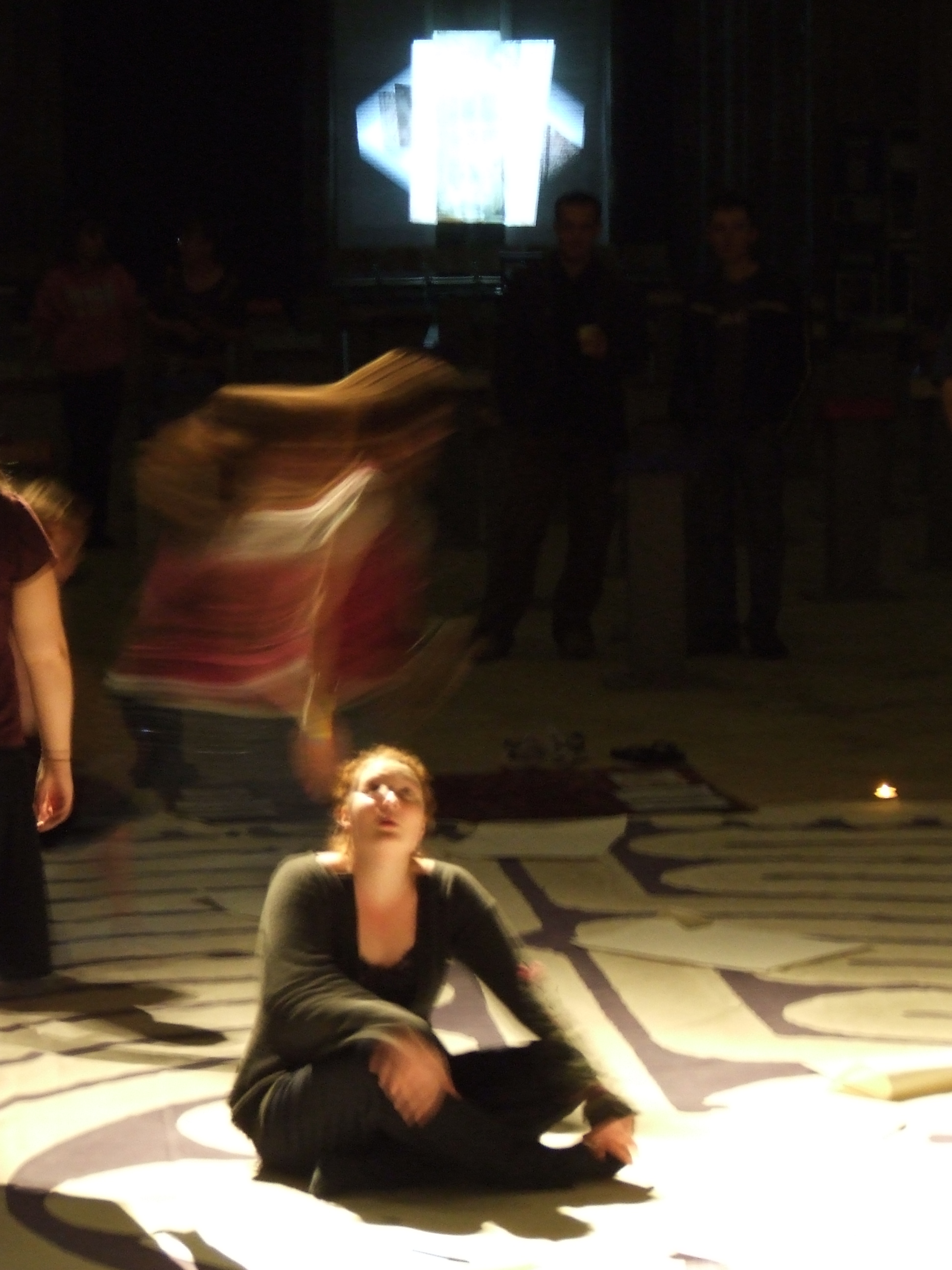
(I love the photo above by the way- it was one of those accidental images, taken in the half light of Gloucester cathedral last year.)

I have been thinking a lot more recently about ‘alternative worship’.

I think for many of us, the precursor to these new form of worship and spirituality was charismatic soft rock worship. In the past our spirituality was expressed almost exclusively through weekly climactic events- ecstatic music and inspirational preaching. This form of worship tailed into boredom and irrelevance for many- at the same time as people began to realise that it was possible to rediscover and re-invent many older spiritual practices- and to encounter these in smaller and less hierarchical communities.

Others found their way into alt worship through a dance/club sub culture- which was extremely influential in the early days. Still others were seeking to discover authenticity in more traditional liturgical environments.

Can I point you towards this podcast which digs into the background and history of the movement.

It features an interview with Jonny Baker– who, for those who might not know of him, is one of the movers and entrepreneurs of all sorts of interesting church and community projects, including the worship community Grace, a co-founder of the outlet for lots of resources that is Proost and part of the CMS team who are encouraging so many good things, particularly in the C of E, but also around the world. Jonny has been very encouraging to me personally- around the writing I have done, but also as part of the wider network of small groups doing different mission/community/worship things. A good bloke- with the experience and intelligence to say things that are worth listening to.

This podcast digs into the where alternative worship came from, in all its messy creativity, but also asks where we are now.

I think we are at  a point where we need to re examine what alternative worship means- this for both personal local reasons, and for wider ones. In terms of the wider issues first-

The clue is in the title- ‘alternative’. What are we an alternative to? And at what point does someone need to find an alternative to the alternative? it is a term that was formed in change- but of course change soon become establishment, and needs further change.

There appear to me to be different strands already developing. There are some small but high profile urban groups, whose efforts are focused on creating high concept art. These groups are great as exemplars and as inspiration, but most of what they do- in terms of resources, skills and the sub cultures they grow out of- are beyond the rest of us. Perhaps for some they are even alienating and confusing.

Other alternative worship forms appear to be being incorporated and embraced by traditional church- as a way of bringing life and renewal to old structures. Of course there is always the danger that this becomes window dressing for the same old same old.

Then there are groups like mine. Fragile collections of disparate people who are perhaps not trendy or well resourced, but are trying to use skills that we have forgotten that we possessed and (far more importantly) trying to learn how to love each other, despite all the usual obstacles. Here the focus rapidly shifts from doing exciting stuff and being involved in a ‘new thing’, to how we can live with each other in the presence of our hurt and brokenness, and how we can lay ourselves down to worship in a way that is authentic and true despite all this baggage. I suppose this is not alternative worship- it is just worship– perhaps using a wider tool bag to assist us along the way.

For me, this is partly about laying down our ‘art’ and embracing community. Not a thing that I find easy at all. It is also about radical involvement and inclusion- and allowing worship to arise from your context. Our group has many people who are talented ‘craft’ people for example, and a few poets. So we tend to have lots of cutting and sticking and some lovely poems. We are less driven by technology. But should others come who have these skills, the trick will be to involve and encourage…

Holy space

Some of these issues feel very real and pressing to me at the moment. This for two reasons.

Firstly, Aoradh is still in the middle of a rather developmental transition at the moment. I think we will survive, but at times I have wondered. It is nothing even faintly surprising to anyone who has ever been part of small pioneer groups- all the familiar issues of ethos, focus, the need for honest open relationships and to challenge certain behaviours in a loving and caring way. Oh, and that old issue that we have avoided- LEADERSHIP.

We have been meeting to talk about these things, but this has taken so much energy that we have had little left to be creative and passionate about worship- which kind of defeats the purpose! However, we now have a few things on the horizon, which brings me to the second point.

We are keen to keep our focus LOCAL- finding spaces and partnerships in our own local community. But along side this, we have been invited to participate in some larger national events- like Greenbelt and the new Solas festival. It is an honour to be invited, and also potentially great as a boost for what we are about, and a chance to discover new ideas and friendships. But it also brings into focus some of the issue above.

For instance Greenbelt alt worship has changed. We are being asked to throw ourselves into a creative soup with some other groups to create a day long session. This involves a whole lot of negotiation and on-line collaboration with groups whose ethos and philosophy may well be very different from ours- whose context and constituent parts demand a very different style and approach. Mark Berry has stepped forward to curate and co-ordinate the day we are involved in, and it is going to be fascinating to see how these things come together.

The early discussions have had an interesting effect on my group. We all have different levels of comfort with uncertainty, and some of the e-mails flying round have led to a kind of general retreat, as they have dealt with concepts and ideas that seem beyond us. We are in a developmental phase, but some of my friends are just stepping backwards.

I found myself wondering whether alternative worship is  in danger of becoming a showcase for the kind of experiential celebrity driven ‘performance’ that I was glad to leave behind when I stopped leading large scale soft rock worship services.

The heart of this thing (I think) is how we encourage one another as we stumble towards Jesus, and of creating deliberate communal spaces to share this journey.

I have found so much life and encouragement around alternative/emerging/missional practices. But they are just words after all…

    Dried up…

    I am very tired.

    Two early mornings- two late nights. Work like a pressure cooker.

    The wheels have stopped turning.

    So here are a couple of verses by way of prayer- perhaps you need them too…

    My strength has dried up like a broken clay pot… Psalm 22

    As the deer pants for streams of water so my soul longs for you, my Living God… Psalm 42

    If anyone is thirsty- let him come to me… John 7