
I am quite old.
One of the reasons that I know that I am old is by my reaction to new music. I love music, it has been one of the primary drives throughout my life. Playing music, listening to music, being moved by music. Measuring the passage of life through the meaning found in…music.
But these days, music has to be more than style. It has to be more than a trendy badge I can wear for a while. It has to have character, depth, emotion and it has to have something to say.
Now these things are very subjective, and that is the wonder of music- a scale of eight notes, arranged and then added to words can convey such variety- but for me, most talented artists need something else- they need experience.
They need to have engaged with the real dirty stuff of life.
Today, Emily dragged me in to listen to Laura Marling. I love it that she does this- she listens to loads of stuff, and if she thinks I might like it, then she is really keen to pass on the knowledge.
And she is often right- Laura Marling does a lovely version of ‘Rambling man’.
In a decade or so she might be great. Right now she is very talented.
So, Autumn is fully with us.
The winds are still quite warm, but we have had a procession of storms over the last few days, interspersed with the odd burst of golden sunshine.
And the garden has given it’s last harvest. A few beans and some beetroot. Michaela planted some winter crops of spuds, onions and garlic- but we won’t see anything from these until next spring.
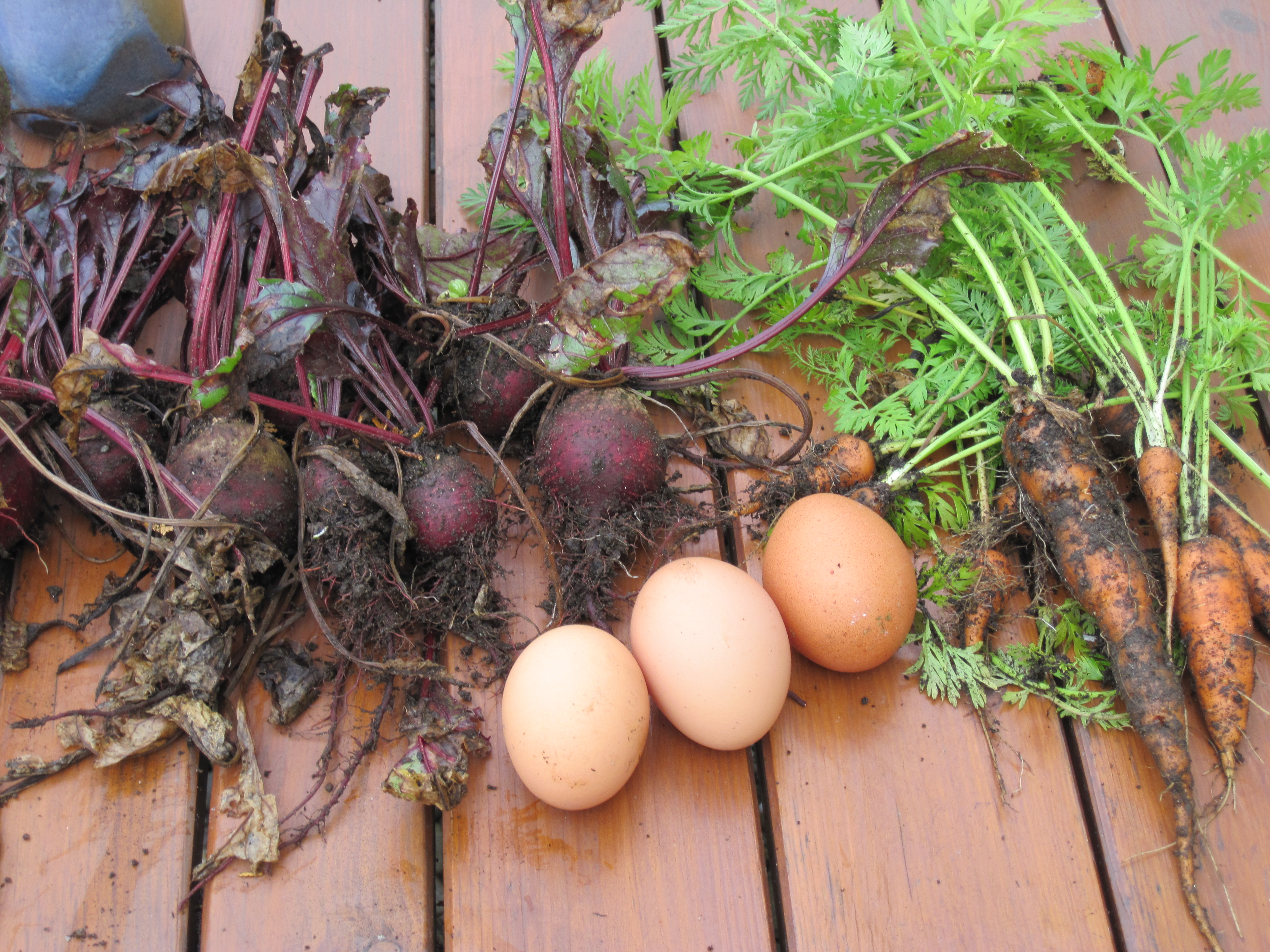
The hens continue to give us three eggs a day, but they are smaller- as the nights draw in, they are less active. Hens do not have good eyesight, and so they take themselves off to bed at dusk. Safely tucked up into their roost.
Autumn is sad season. Everything is becoming less. Everything is old and worn. And the survivors steel themselves for the harshness to come.
Even we humans, who are largely disconnected from the natural world that feeds us, are affected. We are different animals as the temperatures fall and the light disappears.
All the more reason, I reckon, to be thankful for the harvest.
To mark the time of gathering in and storing up.
A time to remember the grace still present in the resting soil, waiting and storing up energy for the year to come.
It is perhaps useful to recall the Celtic way of thinking about time- as a circle, rather than linear. The circle of the year begins on the 31st of October after the festival of Samhain or ‘Summers end’. The first period of the new year is Samonios, or ‘seed fall’, with the promise that out of darkness will come renewal, and a turning again of the circle.
Turn away.

Saw this and it made me chuckle. I think I have tried all of these options for revitalising church- before more or less settling on the last.
But lest I kid myself that I am cutting edge, lets remember that they were probably doing the same sorts of things 500 years ago.
When this video was made.
Vodpod videos no longer available.
1st collector for Fresh expressions, medieval stylee…
Follow my videos on vodpod

We had a lovely evening last night with our friends Susan and Steven. Our kids a great friends, and they live within an easy walking distance. We ate, shared a few glasses of wine, and laughed a lot.
And as ever, we discussed religion a little. Susan is a Buddhist, and it has been really interesting to share stories and perspectives. Sometimes it seems that we share so much, whilst at other times, the differences are stark. Michaela and I have often described how good these conversations feel though- neither of us are trying to win the other to our own perspective- rather we feel a respect and a pilgrim-companionship.
Because neither of us have all of this sorted. Perhaps the adjustment was greater for us in this regard- as we have been schooled in a kind of religion that has to pretend to have all the answers, lest we miss an opportunity for someone to come a realisation of the error of their ways. And of course, there is the spectre of hell waiting for those who do not grasp the ‘truth’.
Hmmm- am I sliding still towards syncretism and universalism? Whilst I may have a lot of difficulties with the narrow way of thinking that I describe above, I remain a Christian.
Last night, Susan commented on her experience of reading ‘The shack‘. Not one of my favourite books, I have to say- I found the extended images too laboured, and the writing a bit too overblown. However Susan’s perspective on the book was shaped by her starting point as a Buddhist- and the fact that the ‘person’ of God is not part of her experience. She would not necessarily see God as an entity, or a being- for her faith is a process of becoming.
Initially, I felt a sense of loss for my friend. Because my faith is driven most of all by a developing awareness of the person of Jesus, and the Father, communicated by the Spirit.
But later, I began to think again about what this might mean- to take a look at my belief from the perspective of an outsider- which is the great benefit of these conversations with people of a different faith.
And because I love words, I started with two words-
Personification
1. (Literary & Literary Critical Terms) the attribution of human characteristics to things, abstract ideas, etc., as for literary or artistic effect2. (Fine Arts & Visual Arts / Art Terms) the representation of an abstract quality or idea in the form of a person, creature, etc., as in art and literature3. a person or thing that personifies4. a person or thing regarded as an embodiment of a quality he is the personification of optimism

Anthropomorphism is the attribution of uniquely human characteristics to non-human creatures and beings, natural and supernatural phenomena, material states and objects or abstract concepts. Subjects for anthropomorphism commonly include animalsdepicted as creatures with human motivation able to reason and converse, forces ofnature such as winds or the sun, components in games, unseen or unknown sources of chance, etc. Almost anything can be subject to anthropomorphism. The term derives from a combination of Greek ἄνθρωπος (anthrōpos), human and μορφή (morphē), shapeor form.

Graham posted a link about the soundtrack album from the film ‘Once’- which made me go searching, and quickly hitting Amazon to order. Listen to it, you will not be disappointed.
Glen Hansard is a face that might be familiar- front man of The Frames, and no stranger to the silver screen, having been in The Commitments all those years ago.
Marketa Irglova has a jewel of a voice, and will go far…
I had a lovely time on recently with a couple of friends. We were meeting up to have ‘that church conversation.’ You know the one- about how we are hungry to live a life that has passion and integrity- in the Jesus kind of way- but at the same time Church is ripping us apart.
There are all sorts of reasons for this- many of my friends have gone through it. It is about relationship, theology, styles of worship, boredom, leadership issues. And sometimes just a longing for more. For a better way of living out faith.
My heart goes out to these friends, as it is a painful time.
Don’t get me wrong- I am not advocating leaving church, neither do I think that the hurt and pain we go through in this process is good, like a partially healed wound that we pick at. But the transition to new things often means a process of separation from the old- even if later we are able to find ways to reconnect with the rich traditions that are part of our DNA.
Both of my friends described their own struggles and hurts. Many of them were familiar to me. One of them was not however- because one of these good people was gay.
And as a gay person, their connection to church was always going to be filtered through a different set of experiences. I hope that this person gets the opportunity to tell their own story in full- I have no right to do this on their behalf.
It set me thinking again about how we hurt one another in the name of ‘truth’. And of Joseph Nicolosi and his quasi scientific religious exploitation.
Then this evening, by chance I came across this. A story told rich in grace and humility. From outside the Church. A voice from the margins that we need to hear.
I sat in my office this lunchtime, thinking about death.
There is a lot of it about.
Not me of course. I will last for ever.
For most of us, death is a foreign country- one which we are unlikely ever to visit- Moldova or Uzbekistan.
So much of what we do is focussed on avoiding it, delaying it as long as possible, pushing it into the background.
It is no way to live.
So I wrote this poem…
Something is going to kill me
In the end it will polish me off
This machine comes with built-in obsolescence
And already my bearings run rough
.
Perhaps my blood will turn orange
Or my bones will powder like chalk
My brain is sure to malfunction
And my feet will forget how to walk
.
I may be squashed like a bug by a lorry
Or an elm tree will fall on my skull
An arrow of misfortune will stick me
As I am gored by a runaway bull
.
Perhaps we live love then fertilise loam
And this heaven-talk is really moronic
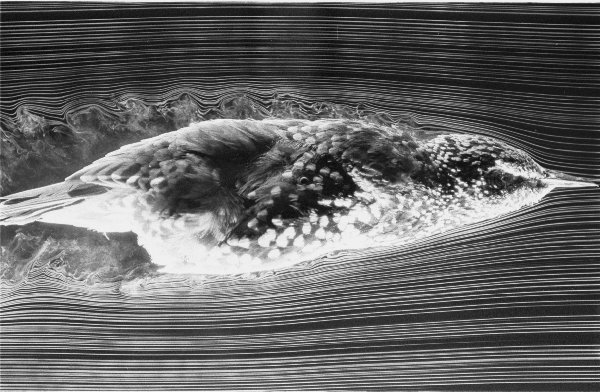
Or perhaps there is something aerodynamic in me
Shaped to go supersonic
I have been busy!
Regular readers of this blog may remember some garden deconstruction in the summer…
It has been quite a job to clear the wreckage, along with all sorts of junk left behind by previous occupants of our house.
One benefit to clearing the space is that it revealed some graffiti art on our back wall done by Marcel, a Swiss guy that lived in our annex for a while. It spells out the word…
Hope.
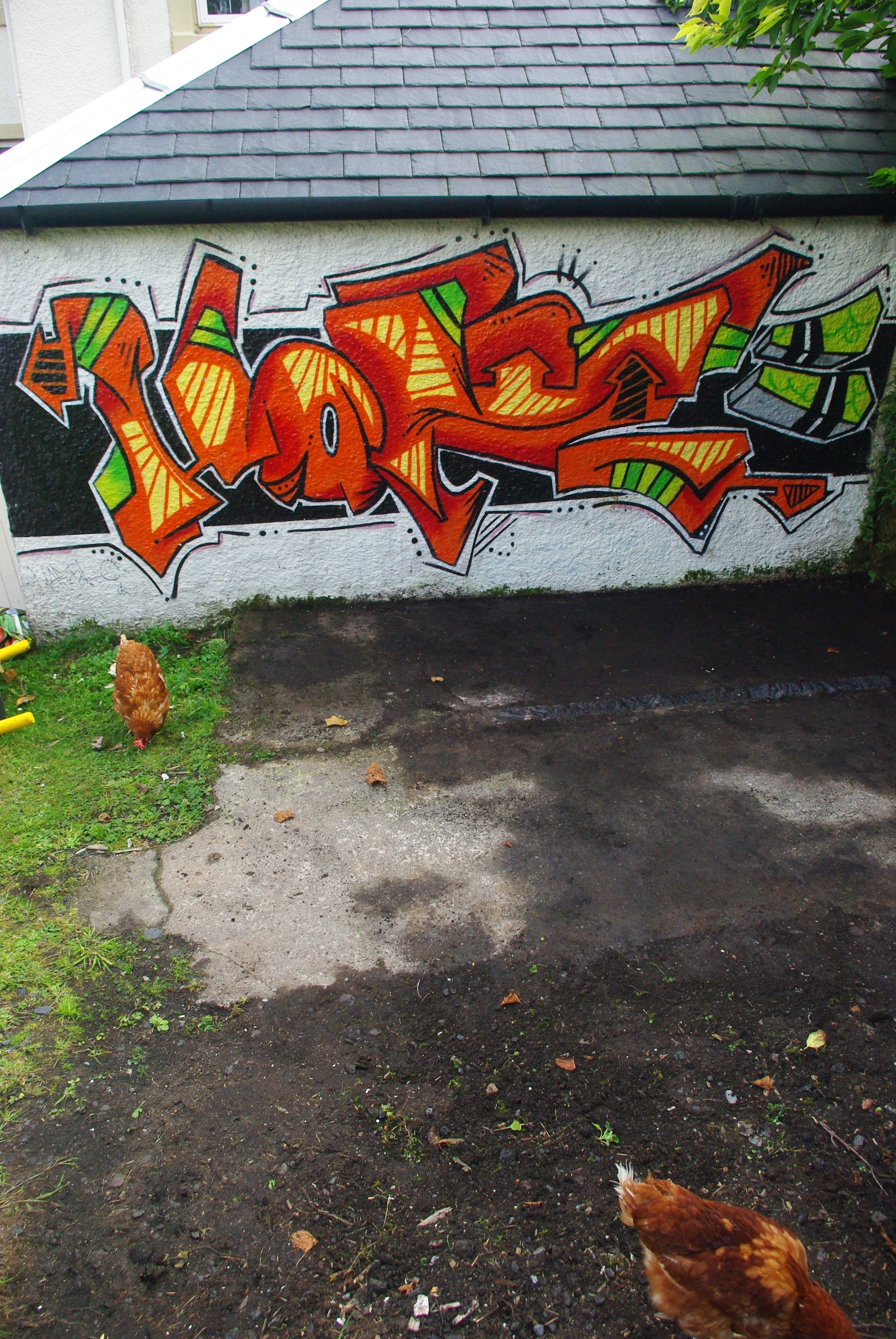
Which is kind of appropriate, as building new things always requires hope.
I need a shed.
All men need sheds- perhaps women too, but the place of contemplation and creativity for men of a certain age is often made out of timber.
I have another purpose to all this though- we are in the process of trying to reshape some of what we do to earn a living, and one of these involves the establishment of a craft co-operative with some friends. And so the cellar needs to be cleared out to allow the setting up of a couple of kilns. Tools go into what is presently the garden store, and garden equipment needs a new home.
So here it is so far, after three days hard labour-


And I need a workshop, where I intend to make stuff.
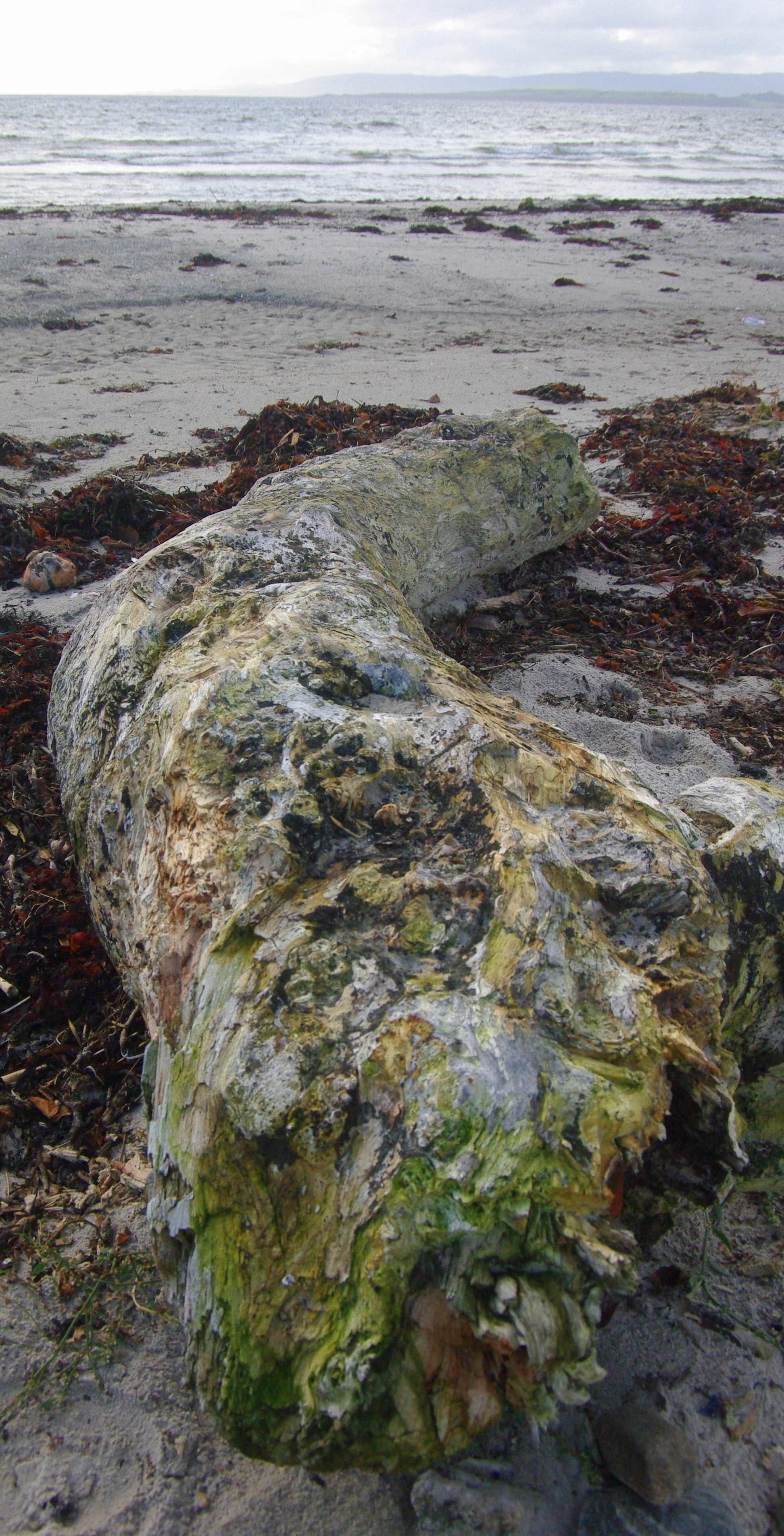
Simple stuff from driftwood and pebbles and rope.
In the hope that a new kind of life is possible.

This will probably only play for a little while as the BBC limits the time programmes are available
Vodpod videos no longer available.
1st collector for BBC iPlayer – The End of God?: A Horizon Guide …
Follow my videos on vodpod
 this fragile tent