National Poetry Day…

Today is national poetry day in the UK. I thought it would be rude to let that one slip by unmarked…

Firstly, a wee thanks to all of you who sent poems for consideration for our up and coming collection via Proost. It has taken me longer than I thought to gather and sort them for the dreadful job of making final selections. I am still hoping that we will have a finished product out this year however. The delay has in part been because I am still getting submissions- which I have wanted to squeeze in. No more however please- I will now have to formally send them back with an apology…

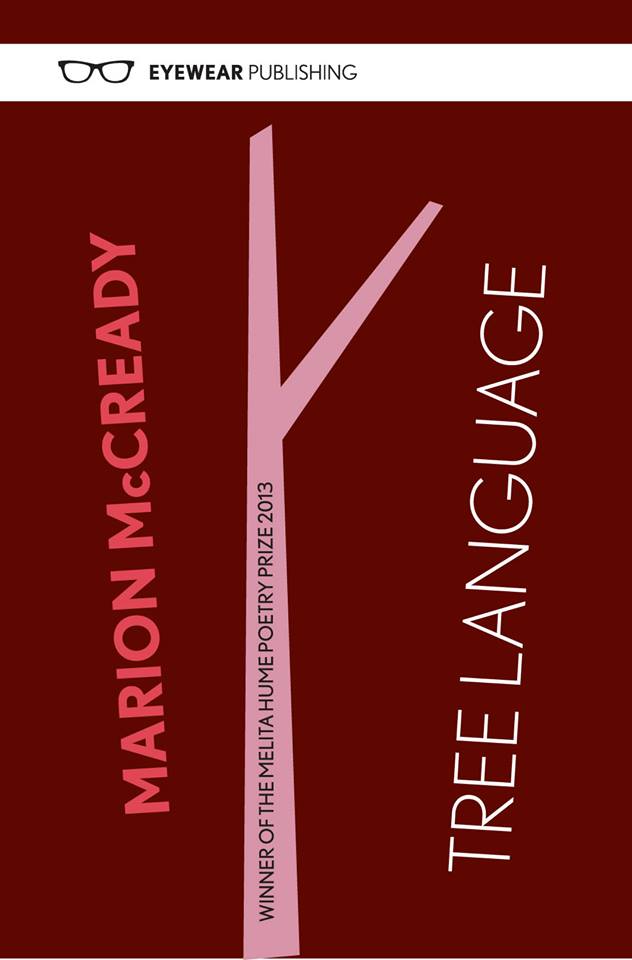
On this auspicious day, lets celebrate the achievement of a friend of ours, who is the winner of the Hume Poetry Prize 2013; fellow Dunoon resident Marion McCready. She has submitted some poems for the book mentioned above and they are simply wonderful.

Her book will be published by Eyewear in the Spring of next year. I look forward to getting my copy.

marions book

Marion is a proper poet- someone who has spent years honing her craft. By comparison, I am a scribbler of a few snatched lines in the edge of another confused day. However, this being National poetry day, here is something that I wrote today after last nights storms;


Storm, October

.

Last night the rain fell like anvils on the old house

Hammering me like pewter

And this morning the peninsular is an island again

High roads wearing half a hillside like ragged hats

The white-toothed burns bite at tree roots

And spit out stones like gristle

.

I fear what is to come;

Just over the dark horizon the troops are massing

Guns lowered in this direction

.

waterfall, pucks glen

Little Britain and grubby newspapers…

social class

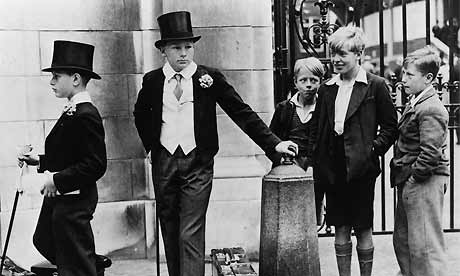
In an epoch when so much is made of democracy, equality, social mobility, classlessness and the rest, it has remained a basic fact of life in advanced capitalist countries that the vast majority of men and women in these countries has been governed, represented, administered, judged, and commanded in war by people drawn from other, economically superior and relatively distant classes.

Ralph Miliband, 1969, from ‘The State in Capitalist Society‘.

Miliband was one of the people that I remember well from my student days 27 years ago. Words like those above seem ever more prescient.

Despite what The Mail will have us believe, his was always a quintessentially British voice- a kind of socialism mediated by gentle academia and quiet discourse. His writings take a deeply thoughtful and engaged look at who we are and what we are becoming, from an ideological perspective of the far left. His determination was to attempt to make Britain a fairer and more equal place. He had the deep respect of everyone, from a wide variety of perspectives.

To hear how he is being vilified at present makes me seethe.

I also think that we could all still learn from his writing- particularly his son Ed, who desperately needs some ideological testicles.

As for The Mail, it is what it is- a grubby small minded prejudiced rag that peddles a little Britain for a small slice of modern Britain. It does not understand the rest, and so seeks to smear it, using a tissue of half truths and distortions.

Which reminds me, I have posted this on my blog before, and was reminded of it by Grahams FB post;

Teaching not learning…

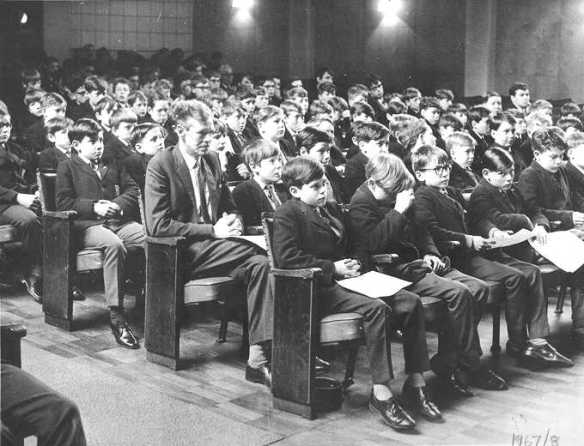
school-assembly


I had lots of good discussions on my recent wilderness retreat, one of them was a chat with Andrew about teaching in church.

This was relevant as in my ‘church’ we do not really do teaching- most of us have had a belly full of sitting in church services listening to people preach at us. This has been replaced by lots of different kinds of learning however- reading, internetting, discussing, visiting other places. Whether or not this is a fair exchange has been the cause of some discussion.

Andrew however (who is a NT scholar at Aberdeen University, so his opinion seems well worth listening to) described his own frustration with how church has become addicted to teaching, but has forgot entirely about learning.

I had to think about that- surely if someone is a good teacher, then this has to be measured by the degree to which his or her (but lets face it, in this context it is more likely to be his) pupils learn?  Well no, says Andrew, at least not in the context of Church. Rather, his experience of preaching/teaching is that it is mostly totally disconnected from learning; rather it offers a kind of moralised, spirtualised entertainment for the faithful. Rather than challenging anyone to change, to develop, to grow, to explore, to adventure with the Spirit, it actually just provides a religious diversion from real life.

Another friend of mine, Graham, called it ‘theological masturbation’ over on his blog;

 I used the phrase ‘theological masturbation’ where I referred to our tendency, in Bible study groups just to ‘self pleasure’. Groups becoming just sharing of points and opinions with no vulnerability or attempt to relate it in an active or missionary way to the world outside…

The interesting question is, if people are not learning from our teaching, what do we do instead? How do we set people free to learn for themselves?

My initial response to Andrew was that I thought it was something to do with hierarchy. Churches have people whose job it is to teach others- the paid ministers. Therefore the rest of us step back and leave the hard work to them. Sometimes they (and in turn, we) are inspired, but mostly we defer responsibility to them. What if we actually had to come up with our own solutions to the small theological questions that surround our every day life? Sure, it might be possible, even necessary, to not get into the meat of all of them, but no faith is possible without a search for meaning- and in this instance, the meaning we find is our own, it is not lazily appropriated.

However, I am not fully satisfied with this answer- after all, we are all standing in a long line of followers of Jesus, and to suggest that others have not got things to teach us is foolish. We are all subject to the influence of others, and why not at least listen to people who have given this more thought than we have.

There is still the issue of learning. What are we learning for? Is it to refine the subtleties of our doctrine? There has been a lot of this kind of learning after all. Or should learning be actually about being schooled in the disciplines shown to us by Jesus? These are perhaps best understood in terms of learning to love one another, to live in community, to let go of all the stuff that gets in the way, be they possessions, selfish obsessions, or sins. This kind of learning seems to be to be as much about unlearning, simplifying, going deeper and slower.

I write these things not because I have learnt well- rather because I am a long term remedial pupil in need of extra tutoring.

I think that is what the Holy Spirit was tasked with was it not?

Which makes me wonder again whether we have not made his job rather difficult- by filling the classroom with theological masturbation.

Perhaps what we actually need is a small island with no internet or phone reception…

Neo-Cons and the opportunity gifted by austerity…

trickle down economics

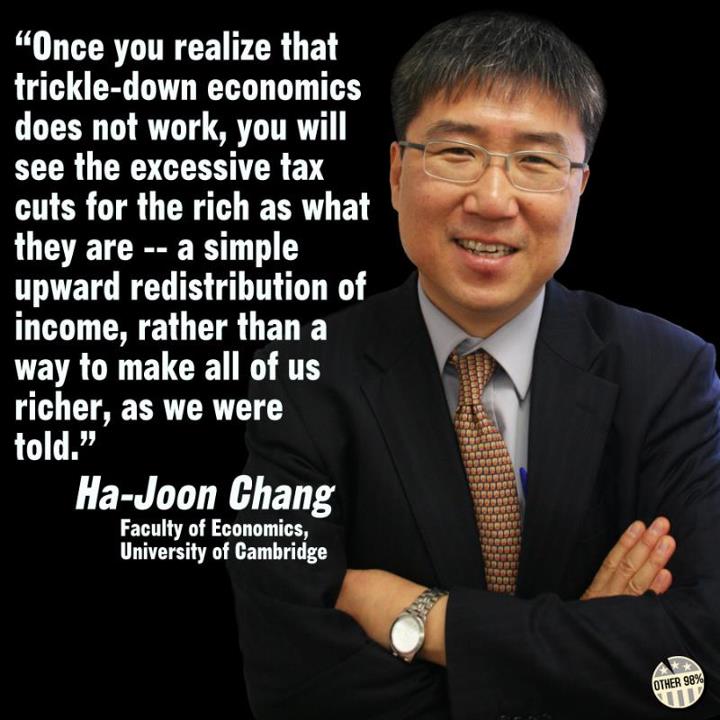
What do you do when faced with a broken economy?

Let us examine a couple of options;

Firstly, we might decide that something has been going wrong with the way we run our lives. We might realise that our lifestyles have become skewed towards debt-driven consumerism, buoyed by a false sense of prosperity caused by rising house prices for those already comfortably situated on the property ladder. We have become a country who have stopped producing things but are addicted to imported gadgets whose pending obsolescence is measured in months even before we get them out of the box.

Over the last 20 years there has been a revolution in the banking and financial sectors. A thousand new ‘products’ offering new ways to borrow. Billions have been generated on paper, and a few rich people have benefited hugely. However, much of the activity is like some kind of confidence trick. It is not related to any real life events, it is just a shuffling of decimal points, the blink blink of binary code. It means nothing to ordinary people. Until it all goes wrong that is.

What can we learn from all this?

  • Can we break the debt cycle, move to more simple ways of living?
  • Can we consume less, share more, recycle, make products that last?
  • Can we protect the weakest from the consequences of failed capitalist experiments?
  • Can we develop a housing market not based on me-first insular ownership battles? Is renting or shared ownership a bad thing?
  • Can we tax more where appropriate, and make sure that the taxes are actually paid?
  • Can we start to make decisions based on sustainability, not just talk about doing so?
  • Can we stop talking about ‘market forces’ as the only human motivation possible to generate mass action. As if money was the only human capital of any value.

Perhaps in the mess of all this, there is a way to mend not just or economy, but for our culture to flourish anew…

The trouble is, there seems to be no real sign that this kind of agenda suits those in power. They seem to be more interested in option B;

The problem with the economy is not one of over consumption, it is caused by excessive public spending. It is caused by welfare systems that breed inefficiency and dependency. It is caused by a lack of fluidity in certain flows of capital around the markets. The proper response should be as follows;

  • Cut public spending.
  • Slash welfare budgets, slash health care spending.
  • Support these unpopular moves with a blame game- stories of benefit scroungers and immigrants coming here to fill our social housing and claim our benefits.
  • Cut taxes to business to encourage productivity.
  • Attack power of unions.
  • Slash at any external power that has a human rights agenda. It will be a threat to the freedom of the market.

Option B, for most of the last 50 years, has not been a politically acceptable option, not even in the height of the Thatcher years. However, the current economic ‘crisis’ seems to have turned all this on its head. Neo Conservatives have an opportunity to move forward an agenda that they have never had before- mostly because organised collective opposition has been so weak.

If you want to see any kind of evidence of this, check out the news. The Tory party conference is in full swing, and a rather nasty, negative set of policies are being touted;

Repeal the Human Rights Act.

Make people on Benefits do ‘voluntary’ work.

Stop immigrants receiving health care and benefits in this country.

No sign whatsoever of option A. There is no money in it for those who are already rich on the benefits of the system that got us into this mess.

Mad ain’t it?


Sam Hill Jr, new album…

sam hill

I am just sitting listening to Sams new Album, Cowboys and Moonbeams which arrived in the post today. Thanks Sam!

It it is sublime.

The musicianship is lovely, with all the ingredients that I love- fine guitar with understated piano and touches of dobro and steel. Much more however, the songs are saturated with a kind of broken beautiful humanity- the kind that breaks you open a little.

Sam Hill is one of the most talented musicians and songwriters I have ever heard. His back catalogue however is mostly many years old. In the interim he has been living a life blown around by tough things- and this is what these tender honest songs are about.

But when the last track is sung, life is enhanced for the listening.

The album will be available soon via Sam’s new website (online in the next few days.) Get yourself a copy, You will not regret it.

We hope that Sam (who was born in Scotland, but lives in Cornwall now, although with a Lancashire accent) will be coming up to Dunoon to do a living room gig. Watch this space…

Here is the only example of Sams work I could find on the net;

Cowal open studios…

IMGP5228

Over the next few days we will be hosting an ‘open studios’ event as part of ‘Cowal Open Studios’. (This is our page.)

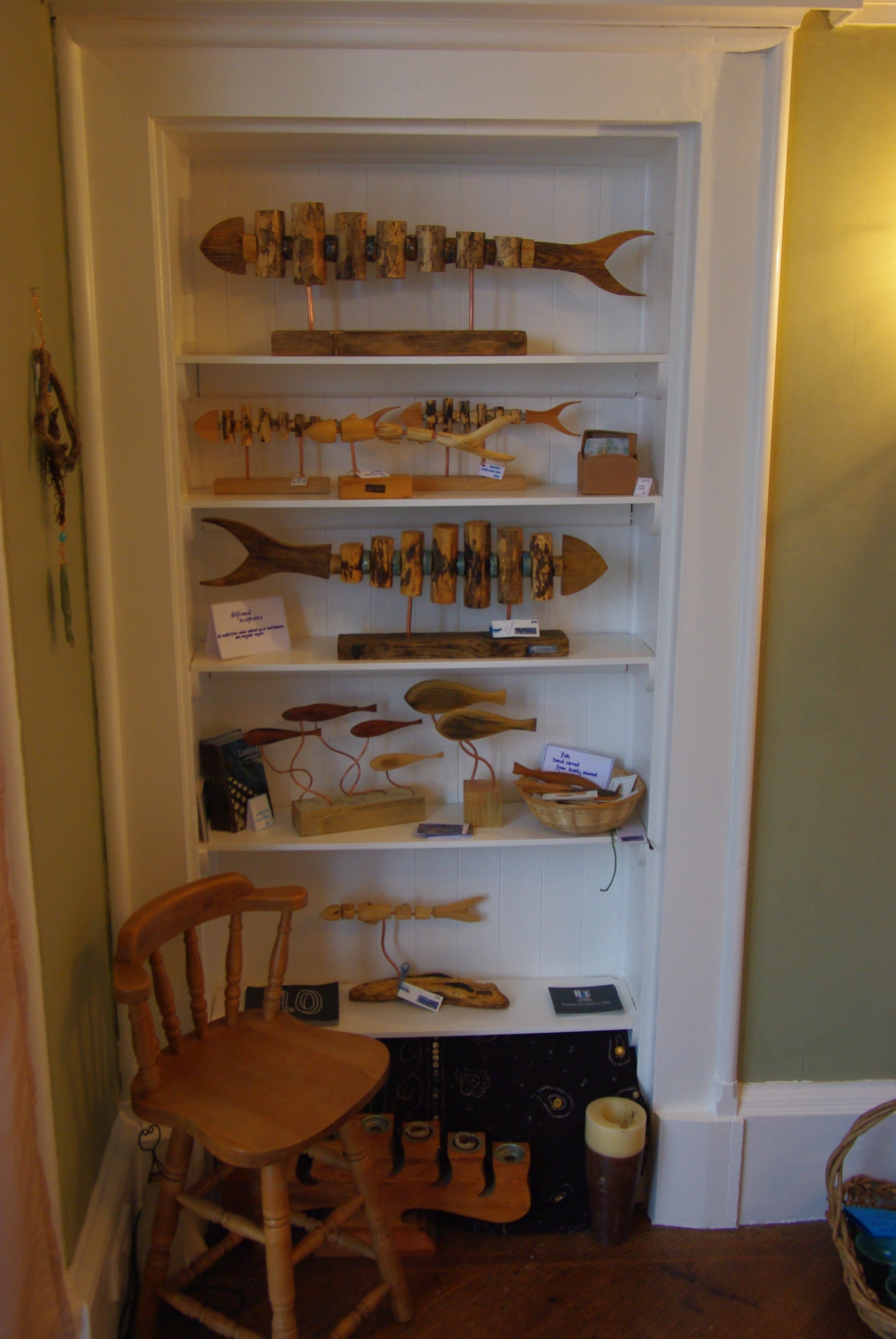
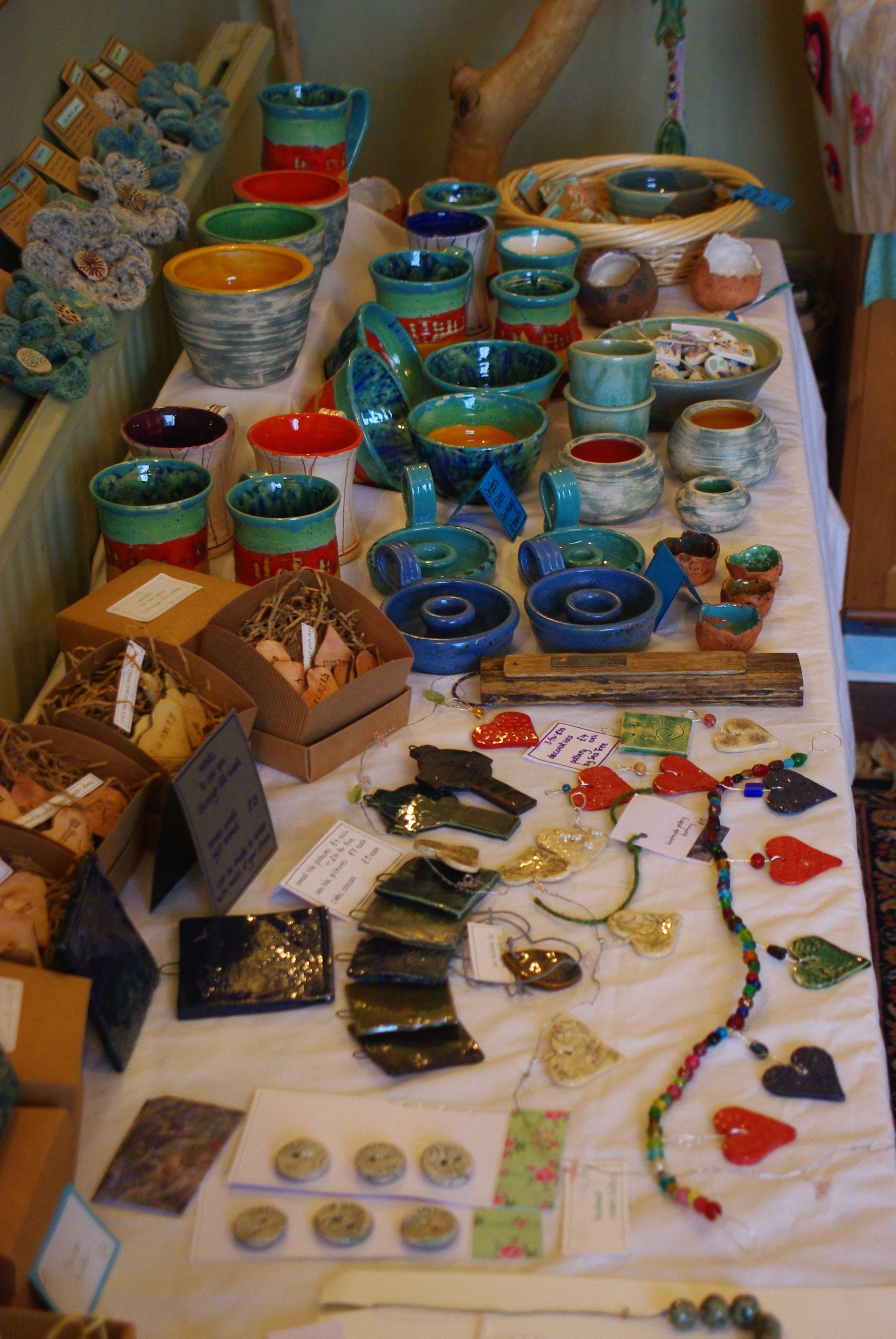
This involves showing people the spaces in which we create things- the pottery, my shed- and also displaying and selling stuff we have made.

Currently our dining room is full of all sorts of lovely things.

IMGP5230

It made me think again about how we create spaces for particular uses. Our old house has changed hugely over the last ten years, not just in the sense that we have spent a lot of time money and energy in restoring and mending, but also because we have given space purpose. The main purposes have been either to provide hospitality, or to create. The Open Studios event combines both, and so it is a great thing to be part of.

If you are in the area, please come along. You can have a play with some clay and share a cup of tea.

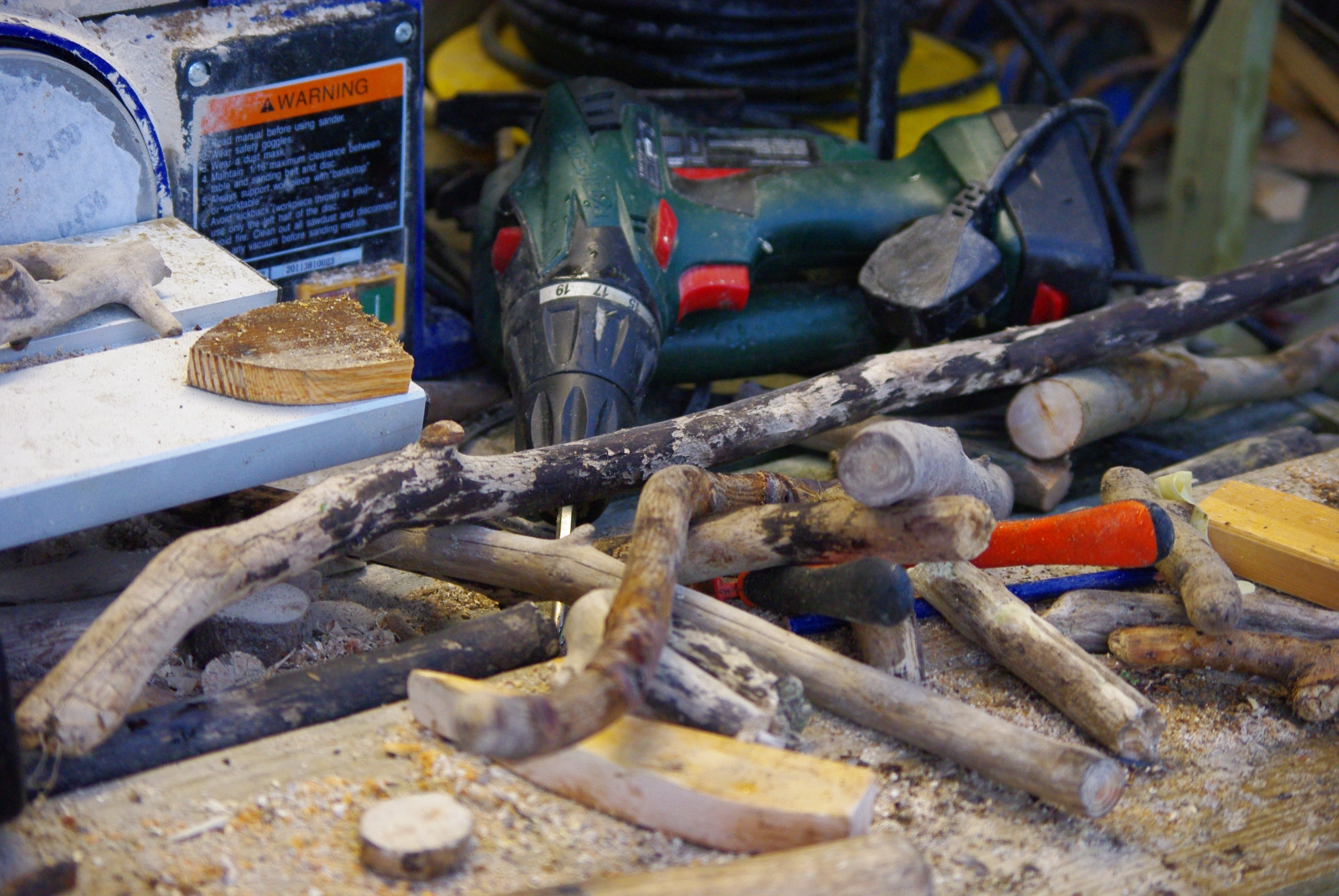
I will be round the back in a cloud of dust, shaping wood and listening to music. Probably best avoided, but I am happy to show you my space…

Workshop bench

Outrageous response…

violence, violins

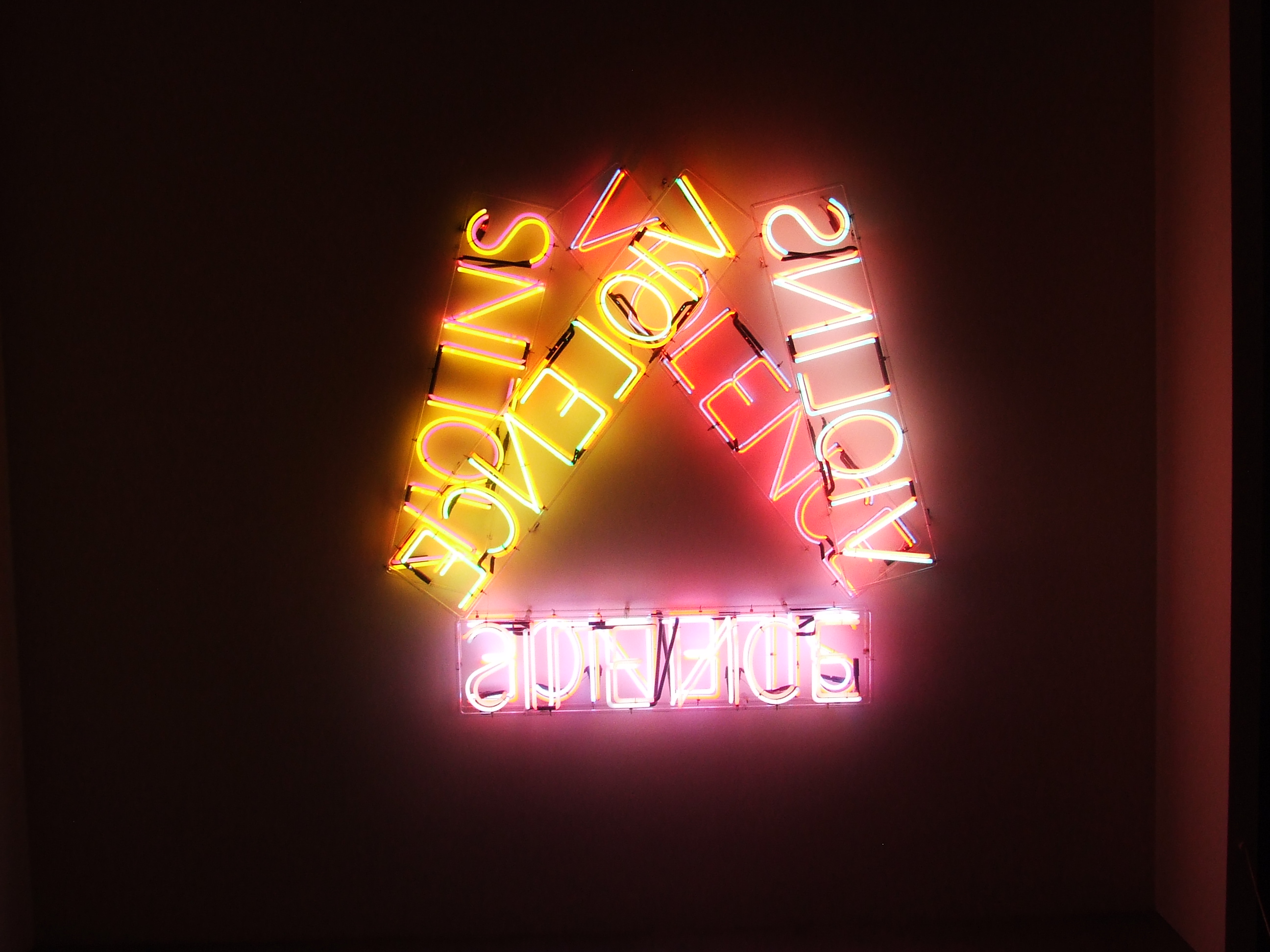
I have been thinking about the response we make to violence, partly in the wake of the attack on the shopping mall in Kenya, but also because of this on going so-called ‘war’ on terror. We try to fight a handful of extremists using technology- be it spying on a billion peoples banal internet messages, or the use of Raptor pilot-less planes armed with rockets. In the process of this we loose out own humanity and breed a climate of fear and insecurity.

Our response to outrage can not be to cause yet more of the same.

We in the church are complicit in much of this, we tend towards the same language of crisis. We hear people describe how we are ‘under attack’ from the rising forces of evil secularism, and how we have to step forward, using our own Raptors, to ‘defend the faith’.

I am increasingly impressed by the things Pope Francis is saying. The other day, he said this;

“The complaints of today about how ‘barbaric’ the world is – these complaints sometimes end up giving birth within the church to desires to establish order in the sense of pure conservation, as a defence. No: God is to be encountered in the world of today. If the Christian is a restorationist, a legalist, if he wants everything clear and safe, then he will find nothing.”

Eileach an Naoimh wilderness retreat pics…

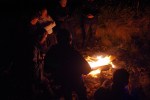
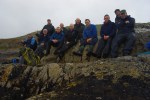
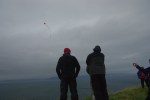
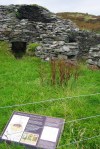
Just looking at some photos of our trip to Eileach an Naoimh. It was great, and there is much more to reflect on, but for now, a few pics as I should be busy setting up our house for an ‘open studios’ event;


The other sporting stories…

There are usually two kind of sports stories that we remember- the first one is a story of triumph- the glory of success. The team who become more than the sum of their parts and turn in the perfect fighting performance inspiring millions.

The second kind of sport story is one of the plucky underdog who becomes an icon of the human spirit, but just falls short. All those pre-Murray British tennis players, the first division football club that goes on an FA cup run that ends second best at Wembley to some fancy dan premier outfit. If anything we like these stories better than the first.

There is another kind of story that I am drawn to however- and that is the story of sporting failure, humiliation even. For every hero there has to be a villain. For every team who rise to glory others have to fall. I am interested in what happens to people who live out these stories. People who have lived for ‘the game’ (whatever this game may be) and no matter how hard they try, it all ends in failure.

How do you cope when your whole life passion and effort is trampled on by failure? Perhaps you just get up and try again, aware than even to have achieved a certain level of sport is a triumph. Then again, this may depend on the KIND of failure.

There was a story in The Guardian today about Scott Boswell, bowling for Leicester again Somerset in a cricket cup final. Here is how it went;

This is his description of what happened;

When he came back for his second, Trescothick was on strike. Boswell’s head started to swim. He had been struggling to bowl to left-handers. Suddenly Trescothick “looked as though he was 50 yards away. He was like a tiny dot. I just couldn’t see him. Then I bowled a wide and I heard the noise of the crowd. I bowled a second wide, and the noise got louder and louder and louder.” His muscles grew tight. His fingers grew tense. He began to sweat. “I just couldn’t let go of the ball. I wanted to get on with it, so I began to rush. The more I panicked, the more I rushed.” He lost his run-up. The pitch, already on a slope, seemed to tilt sharper beneath his feet. He makes it sound like vertigo.

No one spoke to him. He didn’t want to talk anyway. He just wanted to get it over with. The umpire, George Sharp, finally said, out of the side of his mouth, “keep bowling”. Boswell thought: “Jesus Christ. I am going to be bowling here all bloody day.” He was terrified that the over would never end. “‘I was thinking: ‘I just want to get this over, I just want to get this over’ but it kept going and going and going, wide after wide after wide.” Some flew to slip, others flew towards fine leg. The video is harrowing.

Boswell, up till then a promising talent, was dropped by Leicester a fortnight later, aged 28. He was destroyed by the experience;

Two weeks later, Leicestershire sacked him. Then they asked if he would play one last match, against Nottinghamshire in the Sunday league. They needed to win to secure the title. He wasn’t thinking straight. So he said yes. Just before the game began he was hiding, crying, in a shop near the ground. “I was absolutely terrified.” He came on first change and bowled a wide. “I heard a couple of people cheer and that was it.” The over cost 18 runs. So he feigned cramp and ran off the field. He spent five hours sitting in the changing room, stunned. There had barely been a day in the past 10 years when he hadn’t bowled a cricket ball, up and down, one end to the other, and now he just couldn’t do it. “And that was it. I disappeared.”

A week later Boswell started life in what he calls “the real world”, as a salesman for a cricket company. On his first day he spent five hours in a traffic jam on the M6 thinking: “Oh my God.” He wanted to carry on playing. A couple of clubs offered him deals, decent money. He went up to Preston and bowled fine in the nets. But in a match “I couldn’t let go of it. It was going from my hand to the keeper, to third slip, I had no idea. I felt sick. I would actually be sick. I was throwing up all over the place. I couldn’t do what I had been doing for so long.

What does the ‘real world’ feel like after such an experience? What sort of courage do you need to find who you are in it? Boswell says it took him 10 years to recover. He is now coaches children, and is always honest about that over, and how it destroyed him. He can now say this, and deserves our deep respect;

“Sometimes,” Boswell says, “I wonder if I hadn’t played that match, would I still be playing cricket professionally? But then I tell myself that this happened for a reason.” This year, for the first time in a long time, he didn’t play a game of cricket. “I had put it to bed. I could bowl. I could bat. I had never been happier.”

The best stories are nothing to do with success- they are about redemption. The sheep that was lost is now found.