Transcendence…

Light obscured

Not in the ‘other worldly’ sense, the God who is removed and distant. For me, Transcendence means something hyper-real, something that saturates the ordinary, but which somehow connects us with the divine.

in a previous post I tried to define it like this;

… I mean the experience of God in the ordinary. The incarnation of the maker of the universe within the temporal, messy world in which we live and love.

Transcendent moments fill our lives if we look for them. And the more we attune ourselves to the looking the more we see.

They are everywhere in the natural world; sunsets, new leaves, mushrooms in caves, the lick of new born fur, the light of the moon on still water, the smell of rain on dry earth, the sea that goes on for ever. All these things will happen whether or not we are there as witnesses. But when we look in a certain kind of way a hollow space opens up in the middle of them into which we can meet with something transcendent. Into which we can invite/be invited by the living God.

They are everywhere too where humans also are. In conversations, in touch, in the longing for justice, in the decision to forgive, in the deciding to repay hurt with love, in the listening and in the laughing. Because God is a God of communion. God commands love, and love requires direction. Perhaps above all, the transcendent God is immanent when we come together in community.

They are encountered in art, because art can become a bridge to something beyond our business. Films, books, poems, paintings, sculptures, music.

They can even be encountered in church – for me, especially when we sing, when the chordal voices find the vault of the building and make it vibrate.

I have been thinking about what all this might mean to us again, and wrote this;

.

Unpregnant

.

In the corner of my gaze something moved

I blinked

Reminded of almost imperceptible stars

Sky all black like bruises

Pricked with harsher things

.

Did I form you out of some ancient river bed?

Did I raise you up on poles?

Are you just déjà vu

For the deluded last few

Will science yet prove us all fools?

.

Then the night whispers

Like an unknown breath on puckered skin

Like the scent of sea to a sailor

Like a poem whose words are not yet spoken

Like an unpainted painting

Or a song still yet to be sung

Like a reed still yet to be fluted

Or a string that was never strung

Like the silence when echoes have faded

Like an unpregnant womb

Still waiting

How they lived…

DSCF6870

It is an old theme- what makes for a good life? What motivates, inspires? For where your treasure is- there is your heart also (Matt 6:21.)

Over the last few days a series of cruise liners have been into the Ocean Terminal in Greenock. I am never sure why they come in here- presumably to pick up fuel, stores and possibly passengers. Last week the Queen Mary came along the Clyde– the fastest and most luxurious liner on the planet.

Greenock- a town splintered by the effect of economic change- the death of industry, the end of empire, famous now for broken people who use drugs and alcohol to make sense of life.

What do the tourists think of us all? There seems to be no shortage of people willing to pay large sums of money to make their fake voyages with everything thrown in. Voyages that are not journeys, but capsules of disconnection that arrive nowhere.

But I should not cast stones- I live in a glass house after all.

Changes are afoot. Politically, economically, environmentally. History tells us that at times of economic downturn some people prosper. They take cruises. Other people are broken. They become the scapegoats.

History also warns us of the rise of hate politics – the lurch to the right, and the polarising embattlement of the left. In England we already see the rise of the UK Independence Party– whose politics seem to have been created by a tabloid reading taxi driver. It is all the fault of the immigrants, the benefits scroungers, the gay marriages- and those bloody Europeans of course.

Except it is not. It is all our fault- and what we (and our children) become will be determined by the choices we make. Do we scrabble for the kind of me-first security of the rich on a sinking ship?

Or do we really seek to live differently? This is really nothing to do with whether we take cruises or not, but rather whether the journeys we make are more than just empty circles back to ourselves.

I pray for journeys that seek connection, openness, understanding. Journeys that are not about me as much as they are about you. Journeys that are not celebrations of what I have, what I can afford, but rather become something called pilgrimage.

And lest I continue to sound too earnest, too smug- we all have the same challenges. Stuff always gets in the way…


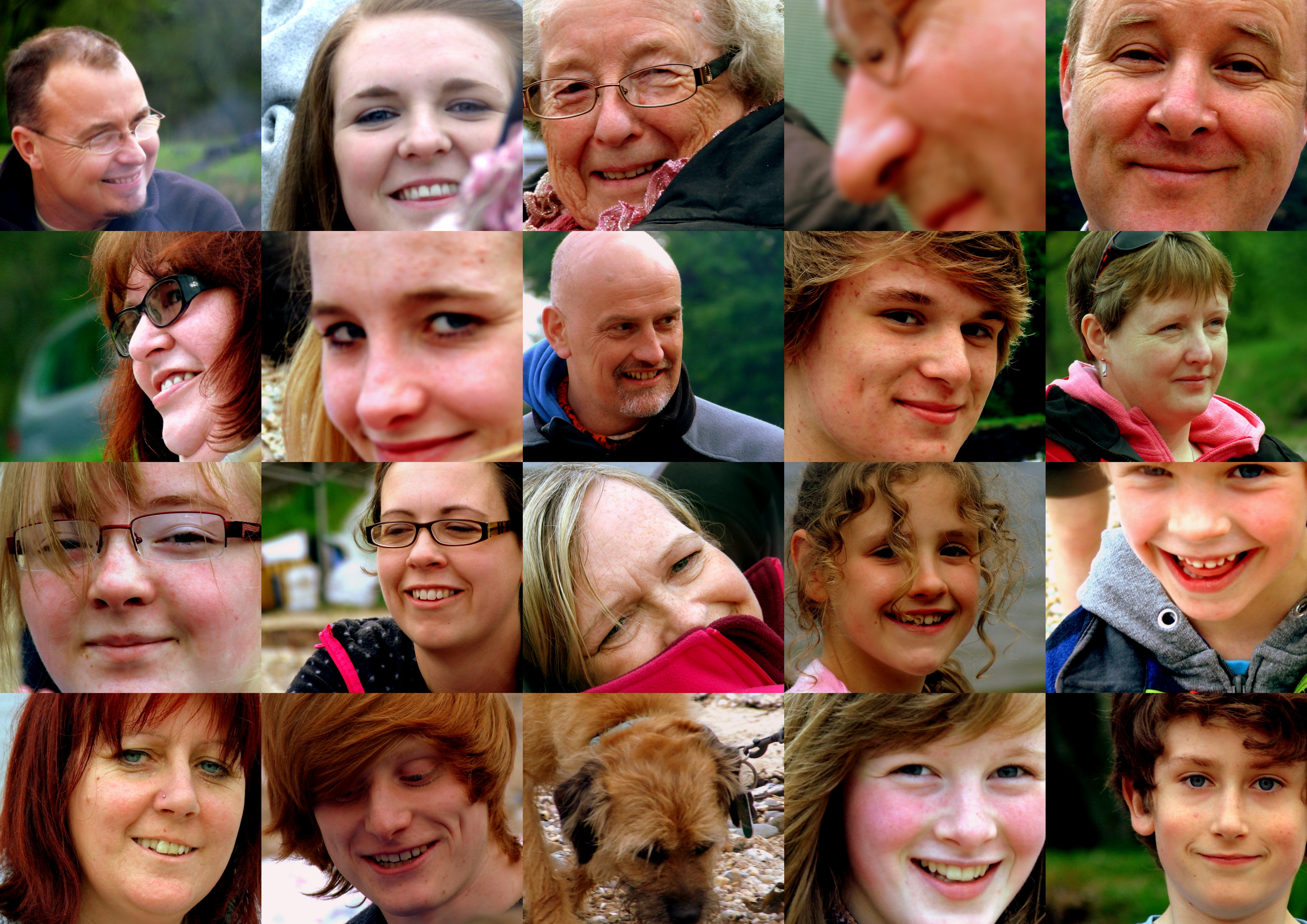
Smiles…

Aoradh profiles


Smile


There is no muscle wasted

In your wrinkled face

No line uncurled


There is no shadow cast by

Tomorrows waiting growth

Each hair a whisker, quivered


No sharp fang

In your pearly-whites

Lit up by our laughter


There is no moment

More than this

When here we are, smiling


Aoradh Pentecost bonfire, 2013…

Jar of peace

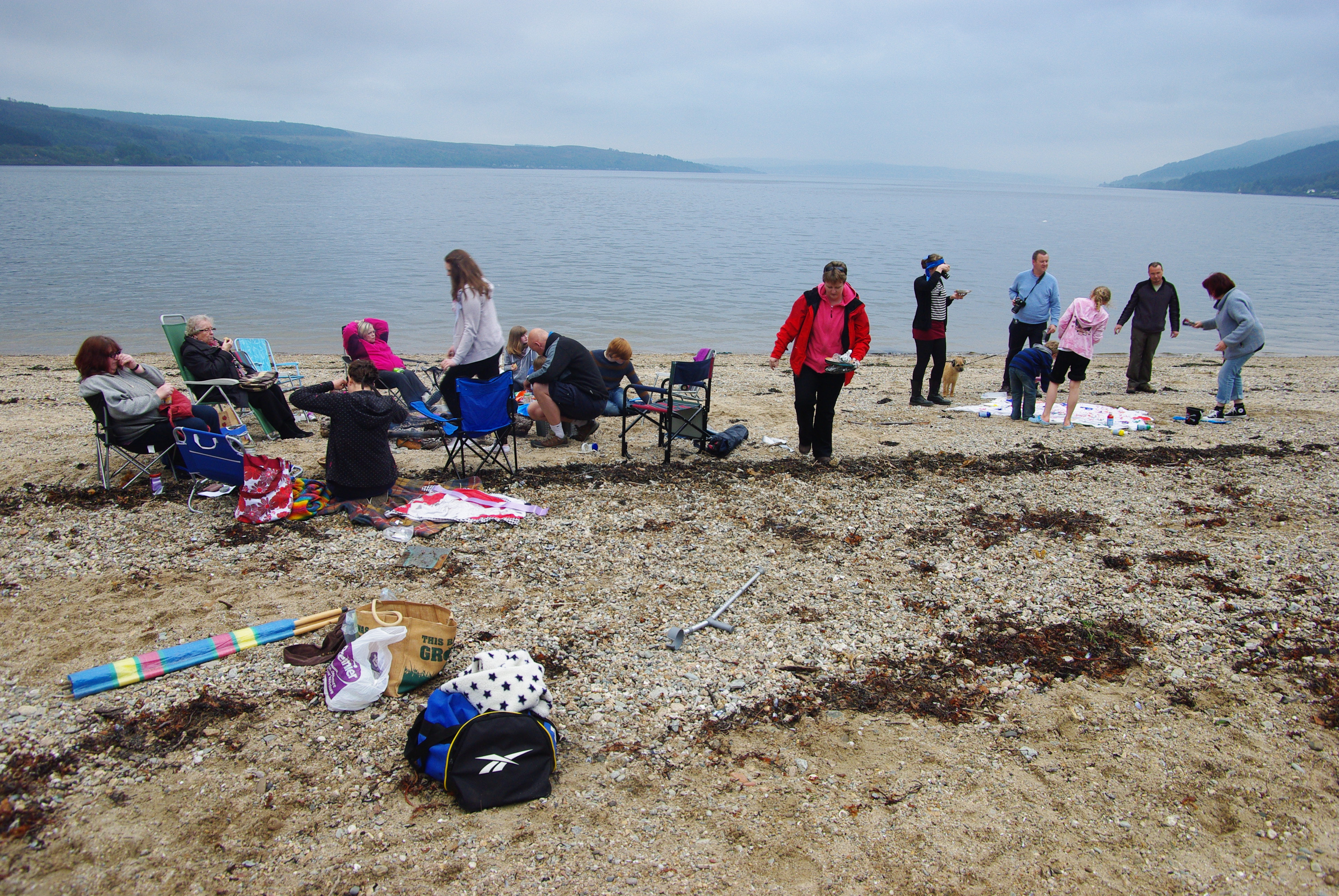
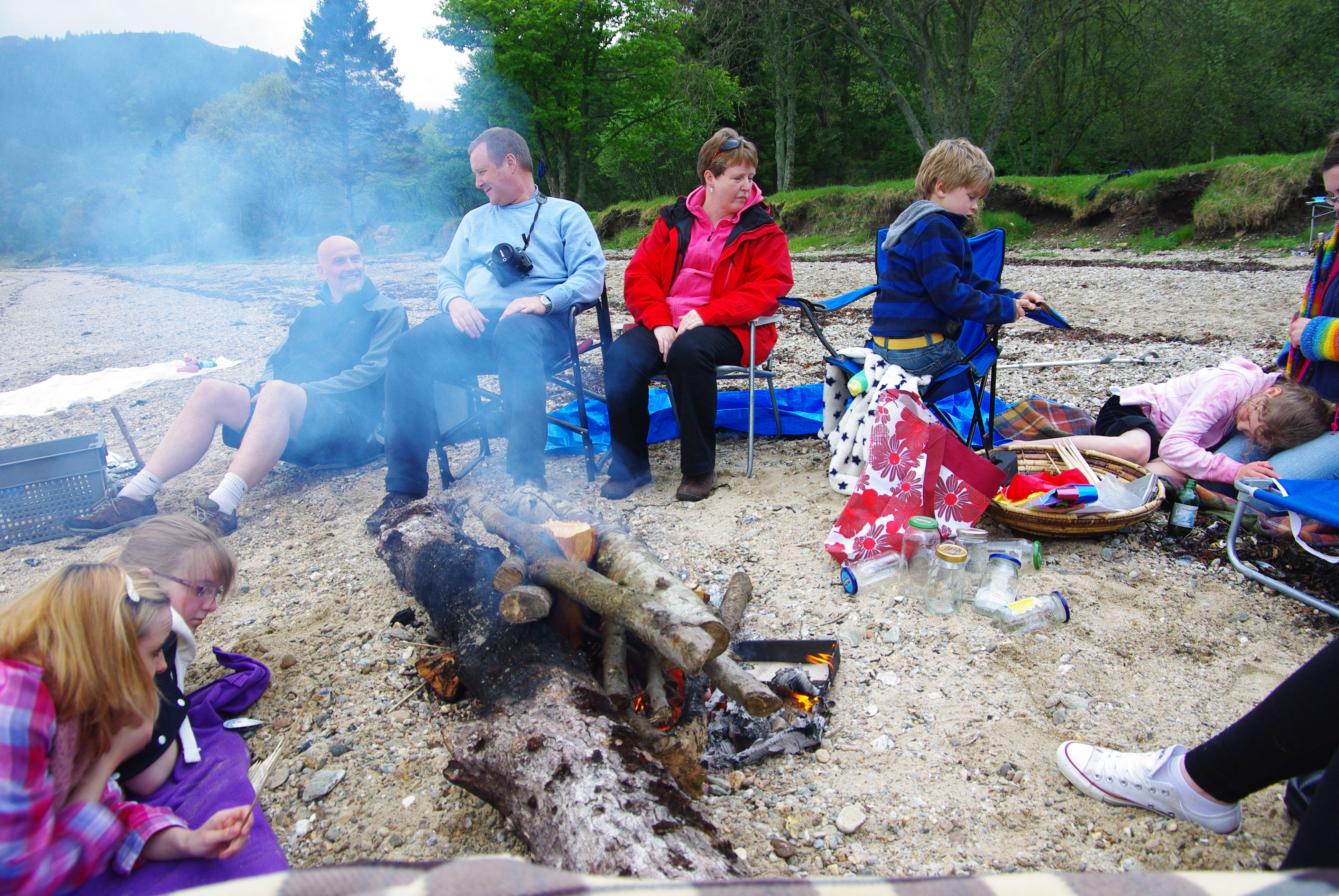
We have just spent a lovely afternoon at our annual Pentecost Bonfire out at Ardentinny beach.

Every year we gather to mark the birthday of church, sharing food then some worship. Today Michaela and Pauline had planned a series of activities around the fruit of the Spirit (Galatians 5.) The Spirit sent as our helper, our guide- a kind of warmth in the middle of us…

For Love, we used footprints, signifying a step towards the other

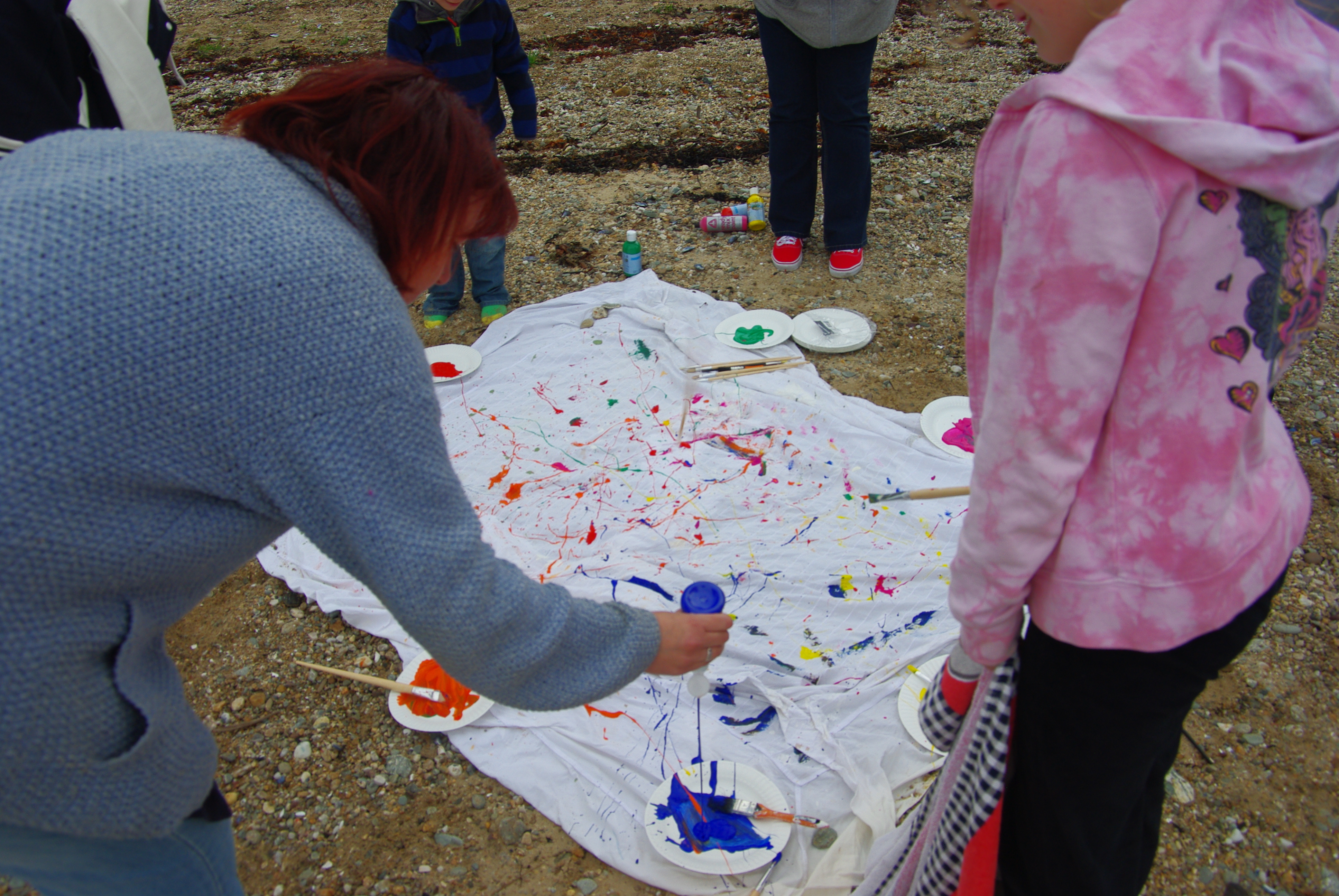
For Joy, we used a canvas splashed with exuberant colours

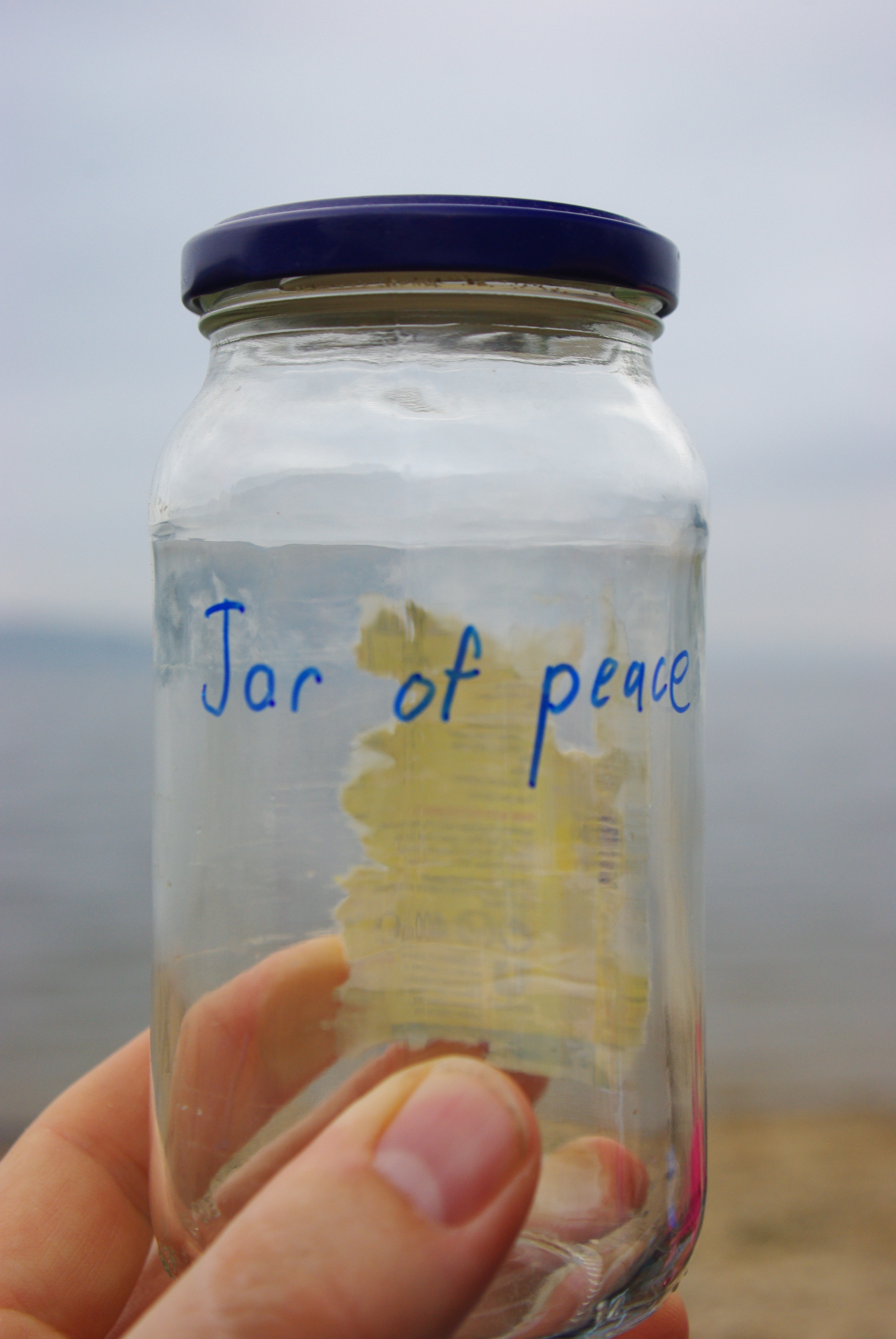
For Peace, we sat in silence listening to the gentle waves, then opened a jar to scoop it all in, and put the lid on

For Patience, we found ourselves a stick to signify sticking with someone or something

For Kindness, we took a smoothed pebble to signify being smoothed and shaped by one another

For Goodness, we passed round a bag of tasks- things that would help us see the good in others

For Faithfulness, we remembered that we had long term committments to one another, and so we wrote on our pebbles the words from Ruth- “Your God is my God”, and passed the pebbles to another

For Gentleness, we reminded ourselves that we did not need to force our way in life, and spent 5 mins walking alone

For Self control, we reminded ourselves that we needed to direct our energies wisely, and so we wrote on ribb0ns, which we intended to fly from the tail of a kite, but the wind was light so, we just decided to take them home.

It was lovely.

We do not usually use music outdoors – there is so much music in the waves after all – but this time Michaela used her little Mp3 dock to play songs- and the simplicity of music, companionship, the beach and an open fire (even with fickle eye stinging smoke) made for a time of deep peace.

All church services should be like this…

Paint

'Church@ gathers

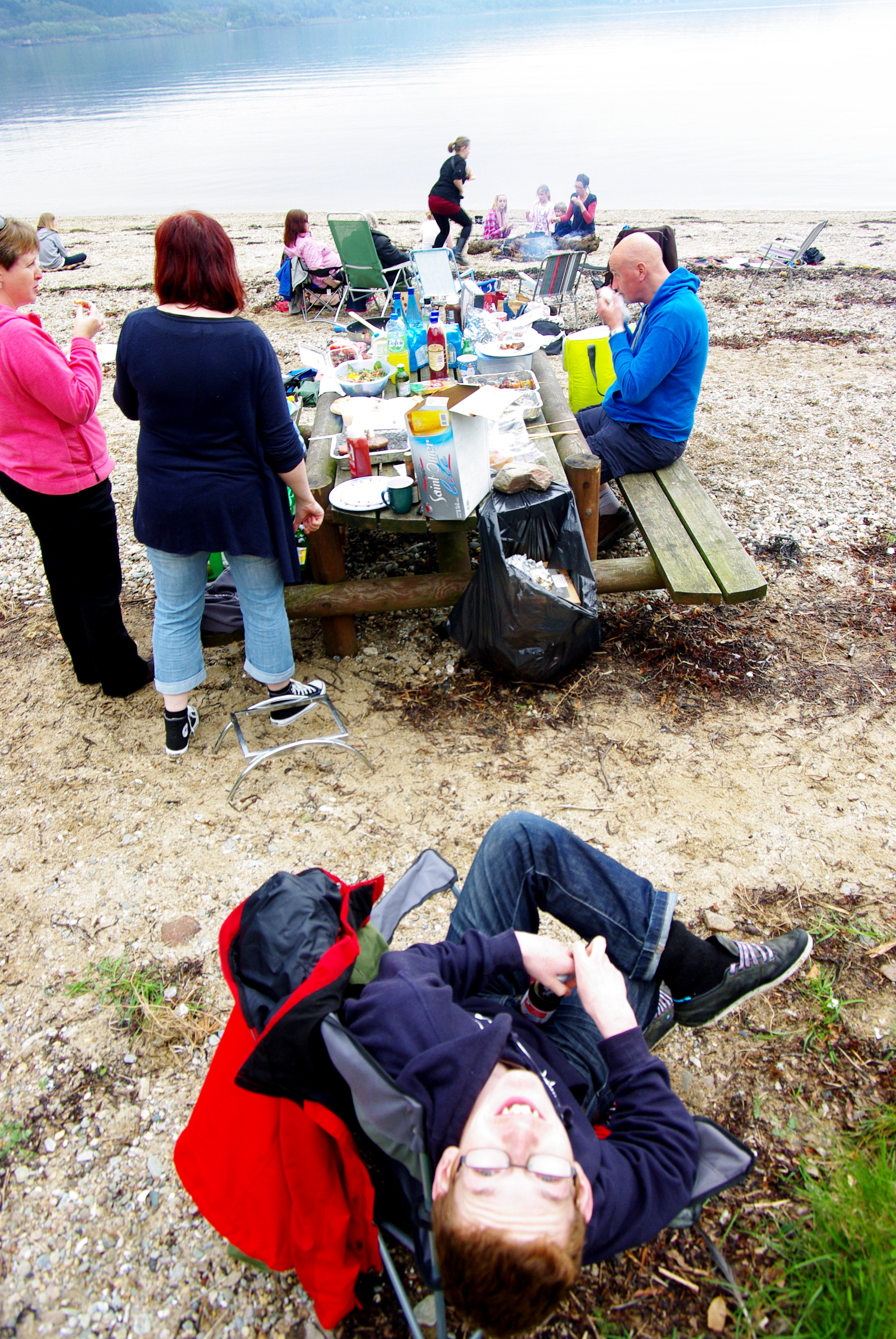
Andrew upside down

incense/pews


DSM-5; step into the straight-jacket…

DSM-5


It is out today.

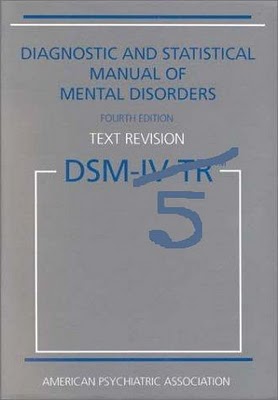
Back in February, I wrote a long piece reflecting on a number of issues thrown up by the new American Psychiatric Association edition of the Dignostic and Statistical Manual of Psychiatric Disorders. I confessed to considerable skepticism and concerns into the way this hugely dominant document had been drafted. Here is some of what I said

 It matters on an individual level because all of us will be affected by mental disorder. One in four of us will be diagnosed according to one of the classifications above, so even if this is not you it will be someone you love or someone you work with. Lots of us feel a strange relief when distress is given a name – it suggests understanding, companionship, a removal of uncertainty and the possibility of treatment. However, for many these can easily become self perpetuating and destructive as they have the effect removing responsibility, ownership and eventually hope of recovery, which some never find again.

It matters too on a sociological level. Our societies are increasingly regulated by psychiatry. We medicalise, medicate and plan ‘evidence based interventions’ into all sorts of human variation. This may simply amount to the application of science and knowledge to the alleviation of mental illness, but the question is whether this is ‘healthy’? Are we seeking to make a world in which the mess and gristle of life is edited out, tidied away, chemically suppressed? And is it working?

Psychiatric classification almost always demands treatment, so step forward the drug companies, with another product to push by fair means or foul. All those countless drug rep funded lunches, gadgets, even holidays, in the name of publicity for the next wonder drug. Even if the drugs do half of what they promise there is no doubt that our population is increasingly medicated.

At the time I wrote a list of what I hoped might form the new direction within mental health care- which I am convinced will be looked back on by future generations with shame and anger;

Away from ‘illness’ towards ‘distress’

Away from ‘symptoms’ towards understanding that we develop different  means of coping with this distress.

Away from restrictive labels towards listening to individual experience.

Away from medicalised interventions, towards encouragement and support of individual recovery.

Away from simplistic distinctions between ‘psychosis’ and ‘neurosis’ towards a greater interest and understanding of the effect of trauma.

Away from segregation and ‘otherness’ towards seeing mental distress as an essential part of the human experience and as such, part of all of our experiences.

Away from ‘maintenance’ towards hope and acceptance.

I was not expecting quite so much public and professional resistance to DSM5- even to the point of questioning anew the core concepts of ‘mental illness’. This from here;

Critics claim that the American Psychiatric Association’s increasingly voluminous manual will see millions of people unnecessarily categorised as having psychiatric disorders. For example, shyness in children, temper tantrums and depression following the death of a loved one could become medical problems, treatable with drugs. So could internet addiction.

Inevitably such claims have given ammunition to psychiatry’s critics, who believe that many of the conditions are simply inventions dreamed up for the benefit of pharmaceutical giants.

A disturbing picture emerges of mutual vested interests, of a psychiatric industry in cahoots with big pharma. As the writer, Jon Ronson, only half-joked in a recent TED talk: “Is it possible that the psychiatric profession has a strong desire to label things that are essential human behaviour as a disorder?”

Psychiatry’s supporters retort that such suggestions are clumsy, misguided and unhelpful, and complain that the much-hyped publication of the manual has become an excuse to reheat tired arguments to attack their profession.

But even psychiatry’s defenders acknowledge that the manual has its problems. Allen Frances, a professor of psychiatry and the chair of the DSM-4 committee, used his blog to attack the production of the new manual as “secretive, closed and sloppy”, and claimed that it “includes new diagnoses and reductions in thresholds for old ones that expand the already stretched boundaries of psychiatry and threaten to turn diagnostic inflation into hyperinflation”.

Others in the mental health field have gone even further in their criticism. Thomas R Insel, director of the National Institute of Mental Health, the American government’s leading agency on mental illness research and prevention, recently attacked the manual’s “validity”.

And now, in a significant new attack, the very nature of disorders identified by psychiatry has been thrown into question. In an unprecedented move for a professional body, the Division of Clinical Psychology (DCP), which represents more than 10,000 practitioners and is part of the distinguished British Psychological Society, will tomorrow publish a statement calling for the abandonment of psychiatric diagnosis and the development of alternatives which do not use the language of “illness” or “disorder”.

The statement claims: “Psychiatric diagnosis is often presented as an objective statement of fact, but is, in essence, a clinical judgment based on observation and interpretation of behaviour and self-report, and thus subject to variation and bias.”

All this comes starkly to light when we hear the voices of experience;

“Strange though it may sound, you do not need a diagnosis to treat people with mental health problems,” said Dr Lucy Johnstone, a consultant clinical psychologist who helped to draw up the DCP’s statement.

“We are not denying that these people are very distressed and in need of help. However, there is no evidence that these experiences are best understood as illnesses with biological causes. On the contrary, there is now overwhelming evidence that people break down as a result of a complex mix of social and psychological circumstances – bereavement and loss, poverty and discrimination, trauma and abuse.”

Eleanor Longden, who hears voices and was told she was a schizophrenic who would be better off having cancer as “it would be easier to cure”, explains that her breakthrough came after a meeting with a psychiatrist who asked her to tell him a bit about herself. In a paper for the academic journal, Psychosis, Longden recalled: “I just looked at him and said ‘I’m Eleanor, and I’m a schizophrenic’.”

Longden writes: “And in his quiet, Irish voice he said something very powerful, ‘I don’t want to know what other people have told you about yourself, I want to know about you.’

“It was the first time that I had been given the chance to see myself as a person with a life story, not as a genetically determined schizophrenic with aberrant brain chemicals and biological flaws and deficiencies that were beyond my power to heal.”

Longden, who is pursuing a career in academia and is now a campaigner against diagnosis, views this conversation as a crucial first step in the healing process that took her off medication. “I am proud to be a voice-hearer,” she writes. “It is an incredibly special and unique experience.”

In the 1960’s the liberation battles were about race, the 1970’s gender, the 1980’s sexuality. The 1990’s we began to think we had sorted it all out and in the 2000’s we discovered that perhaps we had not.

This decade, let us take on the oppressive machine that makes madness out of the variety of human distress.
A few more reflections on our wilderness retreat…

Looking down on our camp site

Regular readers of this blog will know that one of the things I really love to do is to immerse myself in wild places and for many years (along with some old friends) I have been taking time each year to make what we call ‘wilderness retreats’.  These usually involve camping on small uninhabited islands and following a deliberate rhythm of silence and community- with a lot of laughter in between.

Increasingly we have enjoyed being hosts and have been joined by friends, friends of friends and contacts from the assortment of church contacts and networks we are connected to.

This year, Crawford (a friend who has been coming for a few years now ans our go-to source for all things avian) described how it was usually only quite a while after we had left the island that its full impact was felt- almost as if we take a little of it away with us.

This year I felt very privileged to take some people who had never camped before and certainly never managed to get out to a wild west island. I always worry about the shock to the system that camping wild can be to those who have never done it before- particularly when (as happened this year) the weather is bad. It requires a methodical stoicism and can result in real lows as well as highs.

Half way through for example, I was convinced that my mate Graham was in some kind of stupour induced by wet waterproofs and fear of the poo-trowel. I would have taken odds on him chalking all of this camping in the wild stuff to experience and deciding that, if he were to survive, it was an experience he would never repeat.

Graham- "What have I done?"

Which just goes to show how wrong  I can be.

Graham is a blogger too, and his blog has had a series of reflections on the retreat- the last of which is here.  I loved this;

What I loved about retreat on that island was trying to discover a male spirituality that did not rely on dominance and aggression but had a measure of strength and vulnerability. It was ok to pray, share deeply, lose the mask of invulnerability and at the same time banter, fart, make toilet jokes, swear and build fires. Realising you are male, a Jesus follower and you don’t have to pretend/assume false piety is a very powerful thing.

I don’t claim to have discovered ‘a model’: there isn’t one, but the route of honesty is good for the journey…

It occured to me again that one of the most important spiritual disciplines is the attitude of vulnerability. We normally armour ourselves against this in a thousand ways, but in wilderness, on a tiny island, in silence, this armour falls away. For those like Graham who experience this for the first time, it falls with a loud clang.

There have been a couple of other lovely things that have been inspired by the retreat which I wanted to mention here- firstly Andrew wrote a lovely poem on his blog- which is here. A quick excerpt- but please go and read the whole thing;

Steel grey skies darken,
Hidden rock spires, deep depths, whirling, roaring tides and waves.
Wind and waves grow,
Deck lurching side to side,
Uncertainty,
Hope,
A rocky shore, but his plan, not ours.
Safe upon a new shore, an unknown glen, not known for generations passed.
Rocks, prayers,
The rough-hewn blackness sinking into waves,
Rocks, prayers,
Held, carried, prayed over
Are you there?
Finally, Andy- who has been a friend of mine for about 25 years, and a companion on many of these trips, wrote a song. More than that, he recorded the song, and made a video using clips and photos taken on quite a few of our trips- I recognised Scarba (x2) Jura, Coll, Eilleach an Naiomh, The McCormaigs and man more. It is quite lovely, and so here it is;

Today we cut down trees…

tree felling 1

….and I feels slightly sad.

Trees are creatures that seem in many ways senior to we fidgeting humans. They are older, more planted (ahem) still and silent. They provide shelter for a million lesser creatures in their wide spread generous embrace.

To plant a tree is to invest in the distant future- perhaps of our children’s children.

To cut down a tree means that we take a slice from our living history and discard it.

Having said all that, today we will fell 5 trees in our gardens. Trees in gardens always feel a little like ships in ponds. They might look nice, but really they need the open sea.

Two of them are non-native to Scotland. I have no prejudice towards aliens- I am that myself. These are great big awkward conifers that suck in the light that should ripen our vegetables. They are perhaps the youngest of the bunch- maybe thirty or forty years old.

The other three are odd shaped sticky sycamore trees- possibly self seeded around the edges of the garden, 60-70 years ago. Some of them have become unbalanced and diseased, and given the storm winds of late, we can no longer risk them falling on to our neighbors.

Sycamores are the mongrels of the tree world- they spring up like rabbits and scrabble for space with a lust for life that makes the more cultured pull in their roots in distaste. But the light of the sun on their bright spring leaves is lovely.

May they rest in peace.

The discussion has already begun as to what we might plant in their places…

tree felling 2

Ways to pray in public places…

pints of beer

It has been a long day. I was off early to Lochgilphead as I was a trainer on a course for social workers who are about to participate in our emergency out of hours duty rotas across Argyll. Part of todays task was to look at some child protection issues- including the inevitable photographs of injuries that been inflicted on kids- little boys with cigarette burns on their feet and tiny girls with finger bruises wrapped around their faces. I am always broken a little bit when I see these photographs.

So I should be- but this relates also to my own childhood memories, fractured as they are.

However, in the midst of all this, I had a transcendent moment. Don’t get me wrong- no angels sang, there was no whiff of incense or pure white lights. What I was captured by was the sudden depth of the Kingdom of God- woven through everything, and this thing called the shalom of God. What might it mean to hope for a future in which the lion will lie down with the lamb, and in which all things are made new?

A world in which parents do not damage children, and damaged children do not do damage in turn? A world where love sets the agenda in more things than not?

Come the evening I was sat in a pub with some friends. We have been meeting to discuss a book by Brian McLaren called A New Kind of Christianity. Tonight however we did discuss the book, but I suggested we try to find a way, in the busyness of the public bar, to pray.

I started with something that we had used on an island recently, in the middle of a wilderness with eagles riding the late spring storms over our heads. I thought that if God was there, then he was here too.

  • I asked people to find a place of quietness inside themselves- to find a neutral spot on wall or table to look at, and to focus on their breathing
  • Next I asked them to listen to the sounds all around them in the pub. The hubbub of conversation, the chink of glasses, the scrape of knives of plates, phones ringing jokes raising burst of laughter. I asked them to notice as many different sounds as possible and acknowledge each one
  • Then I asked them to listen again to deeper sounds- the sounds behind the sounds. As we do this, a remarkable thing happens. The hubbub kind of fades and blurs together- it ebbs and flows like the sea, and behind it all are other noises- the hum of all creation. Some people still noticed things like the ringing of a bell on the till, or the footsteps of a lovely friendly waitress
  • I then asked people to imagine that the sound behind the sounds was the music of God. God in and through it all, rejoicing in the beauty of us all. Rejoicing in the drinks, the food and the lives being shared. It was not hard to do so.

Next I passed round a pen and paper, and asked people imagine what God might want for all these people in the bar. What might he hope for them. I asked people to write something down, and to fold the paper over so the next person could not see it, then pass it on.

This is what people wrote, in no particular order;

Eternal life

Freedom!

I see your heart and know your sadness and want to bring you my peace.

Peace, hope, love and understanding

Shalom

Peace

And there, with a pint in my hand, it was holy.

When the saints go marching in (it will be crowded…)

saints

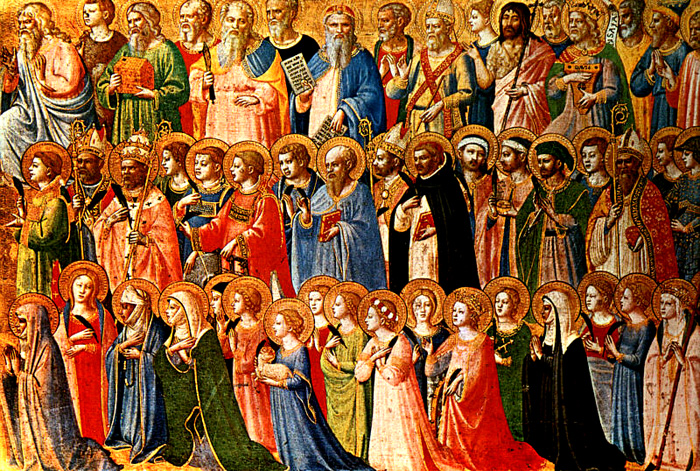
Pope Francis broke new records on Sunday by creating saints out of  813 citizens of Otranto, in southern Italy, who refused the demand of their Ottoman conquerors in 1480 to convert to Islam and were therefore beheaded.

There seems to have been a lot of saint making of late- John Paul II made 483 of them for instance- and there are now around 10.000- one per 100,000 Catholics.

‘What makes for a saint?’ you might ask- particularly those who are not of a religious persuasion. The rules are straightforward – check out Saints for dummies – basically you have to be responsible for two miracles from beyond the grave, and these have to be investigated and ‘proved’ before the Pope gives you the nod.

The recent batch where given their halos after the cure of Sister Francesca Levote from ovarian cancer after her fellow nuns prayed to them. The fact that she was also given chemotherapy and radiotherapy confuses things a bit however.

I confess I have always struggled a bit with all this sainting. I think there are some aspects of the reformation that still hold me, and one of these is the freedom from complicated formulaic means of accessing God through mediators, be they earthly or ghostly figures. However, in the way of remaining open and respectful of religious traditions that are not my own, I wondered what all these saints may bring to us that is of use in our own faith stories.

I suppose the most useful thing about all these saints is what they can teach us as examples of good people who lived out their faith.

Although to be fair, some of the saints are a bit, shall we say, suspect? Nobody is perfect (not even a saint) but we have people like St Ambrose, who inspired us to hate Jews. There were also a few that were a bit too liberal with the scarification, rolling in nettles and thorns a bit too much for my liking.

Some of them were great fun though. This from here;

 In the third century, St. Lawrence, who was burned to death on a grill, over hot coals, called out to his executioners, “This side is done. Turn me over and have a bite.” In the fourth century, St. Augustine of Hippo, puckishly prayed, “Lord, give me chastity … but not yet.”

Some saints were known specifically for their rich sense of humor. St. Philip Neri, a 16th-century Italian priest, for example, was called “The Humorous Saint.” Over his door he posted a small sign that read, “The House of Christian Mirth.” En route to a ceremony in his honor, he once shaved off half his beard, as a way of poking fun at himself. “Christian joy is a gift from God, flowing from a good conscience,” he said. And “A heart filled with joy is more easily made perfect than one that is sad.”

St. Francis de Sales, the 17th-century bishop of Geneva and renowned spiritual master, espoused what you might call a sensible, cheerful and gentle spirituality. “When you encounter difficulties and contradictions, do not try to break them, but bend them with gentleness and time,” he once wrote. His humane approach to spiritual matters stood in contrast to some of the rigidities of his day. So did his desire to help lay people live a life of deep spirituality — when “real” spirituality was thought to be the province of clerics. His classic text Introduction to the Devout Life was written specifically to help laypeople on their path to God.

Francis de Sales also knew how to use a joke to good effect. He was, for example, a great friend of St. Jane Frances de Chantal, a French noblewoman, and together, in 1610, they founded a religious order for women, the Visitation sisters. After Jane had initially decided to follow a strict religious life and remain unmarried after being widowed, she continued to wear low-cut dresses showing off her décolletage. On the night of their first meeting, Francis de Sales took a look at her dress quipped, “Madame, those who do not mean to entertain guests should take down their signboard.”

My kind of saints these.

Gentleness and time- I like that.

Anyone else got a favourite saint?