
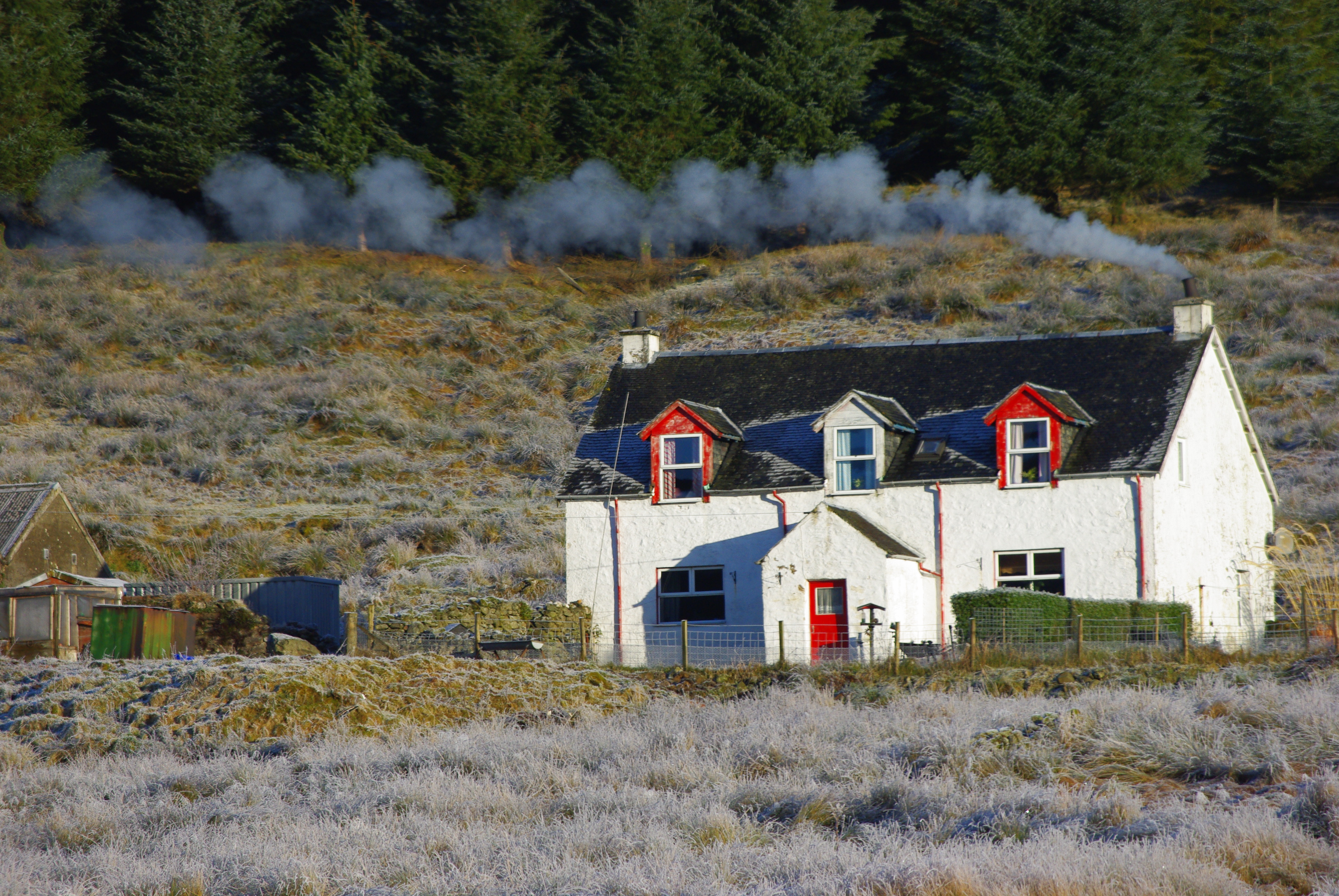
If you are UK based, you can not have missed the dominance of one story in the news of late- the (re)imposition of inheritance tax on farming land by the new Labour government. This has led to a howl of protest from farmers who say that this will be the end of their family farms. There has been a lot of discussion about how this works- the way that farms below 250 acres are almost unviable economically, and how farmers are often ‘asset rich and cash poor’.
The story that comes through strongest in these discussions is how hard working farmers, who often trace their linage back many generations, are being forced off the land by city lefties, or venture capitalists who are driving up land prices, both of whom have no understanding of what the countryside is or needs. Farmers, in this story, are the heroes of nature. Their toil is what preserves the brightest and best of our heritage and out nationhood. Many do this with very little recompense other than a love of the soil and a deep abiding relationship with the land that they live upon. Whilst this story is one we should pay heed to – there are real people whose lives and ways of living are at stake here – this is another story that I have heard almost nothing about during this debate, and that is the issue of land ownership in this country.
1 percent of this country owns half of the land in England. Mostly this ownership has not changed for a thousand years. The same elites have continued their lines of ownership which has preserved their hold of wealth and power for generation after generation.
If you want to find out more, then I very much suggest watching this vid;
In Scotland, this is unequal division of land ownership is even more pronounced. 432 private land owners own 50% of the private land in rural Scotland. The latest estimate of Scotland’s population is 5,327,000 , so this means that half of a fundamental resource for the country is owned by just 0.008% of the population.
Given that the baseline for so much of our nations widening inequality is not about income so much as wealth – particularly property wealth – then land ownership matters.
Ownership of land is in itself a problem that sooner or later we will have to grapple with, given the fact that the current ownership patterns have continued to oversee a catastrophic decline in biodiversity.
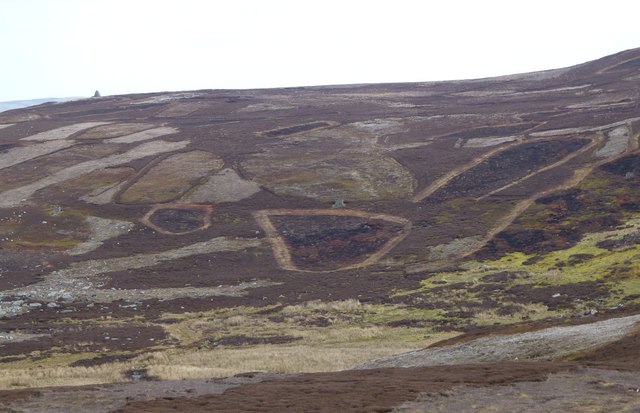
Grouse moors, as discussed in the video above, are an illustration of how bad things have become. Half a million acres in England, two and a half million acres in Scotland. Vast amounts of land, covering the most sensitive parts of our uplands, are kept in a state of dessecration simply for the entertainment of a wealthy elite. We have ceded ownership of a vital carbon store to people who have demonstrated very clearly that they are not safe or responsible stewards. Everything that affect the sport is killed- even at the potential threat of imprisonment- goshawks, mountain hares, weasels. Everything that should live in our uplands is gone. The once-vibrant ecosystem has been degraded to the point where it is invisible, and what is worse is that we have been so blinded by the power structures that keep these abominations in place that we think that these places are ‘wild’.
The weight of pheasants released into the wild – non native invasive species – as shotgun fodder (50 million birds) is greater than the mass of all native birdlife in the UK. Think about that!
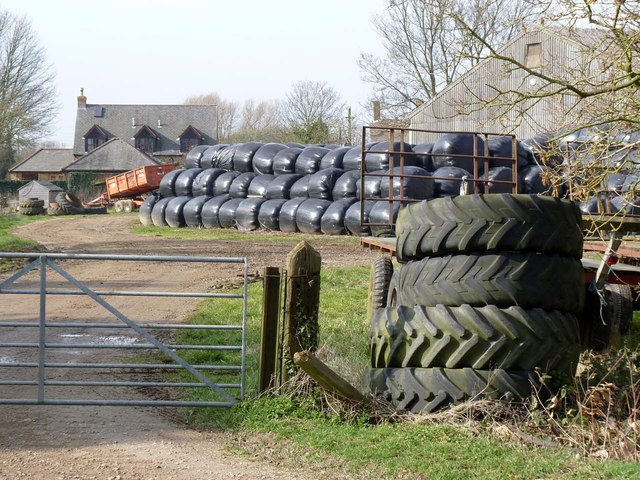
So let’s retuen to the family farm. People who work harder than most of us can imagine and deeply love what they do. If changes to inheritance tax are really going to impact them so severely, then surely this can’t be right?
The problem is that we are highlighting the wrong problem.
Farming in this country is in crisis. It is uneconomic because of a whole set of global and local fiscal rules.
It does not constitute a safe and secure food chain.
It is unsustainable.
Rather than safeguarding our land, it has destroyed almost everything that once lived on it.
If there was just one ‘brexit benefit’ that I have been able to identify it is the end of the common agricultural policy subsidies. For the first time, we have an opportunity to pay farmers (and land owners who have never farmed in thier lives) to change entirely the way they use the land. To grow food in sustainable ways. To increase wild land, to make room for biodiversity recovery which we need so desperately.
I think this should be done by government action. We should pay farmers from taxation where it is needed, because this is needed not just to save family farms, but to save our land itself – not least, from the farmers.
But what do I know- I’m just a lefty townie.



 this fragile tent