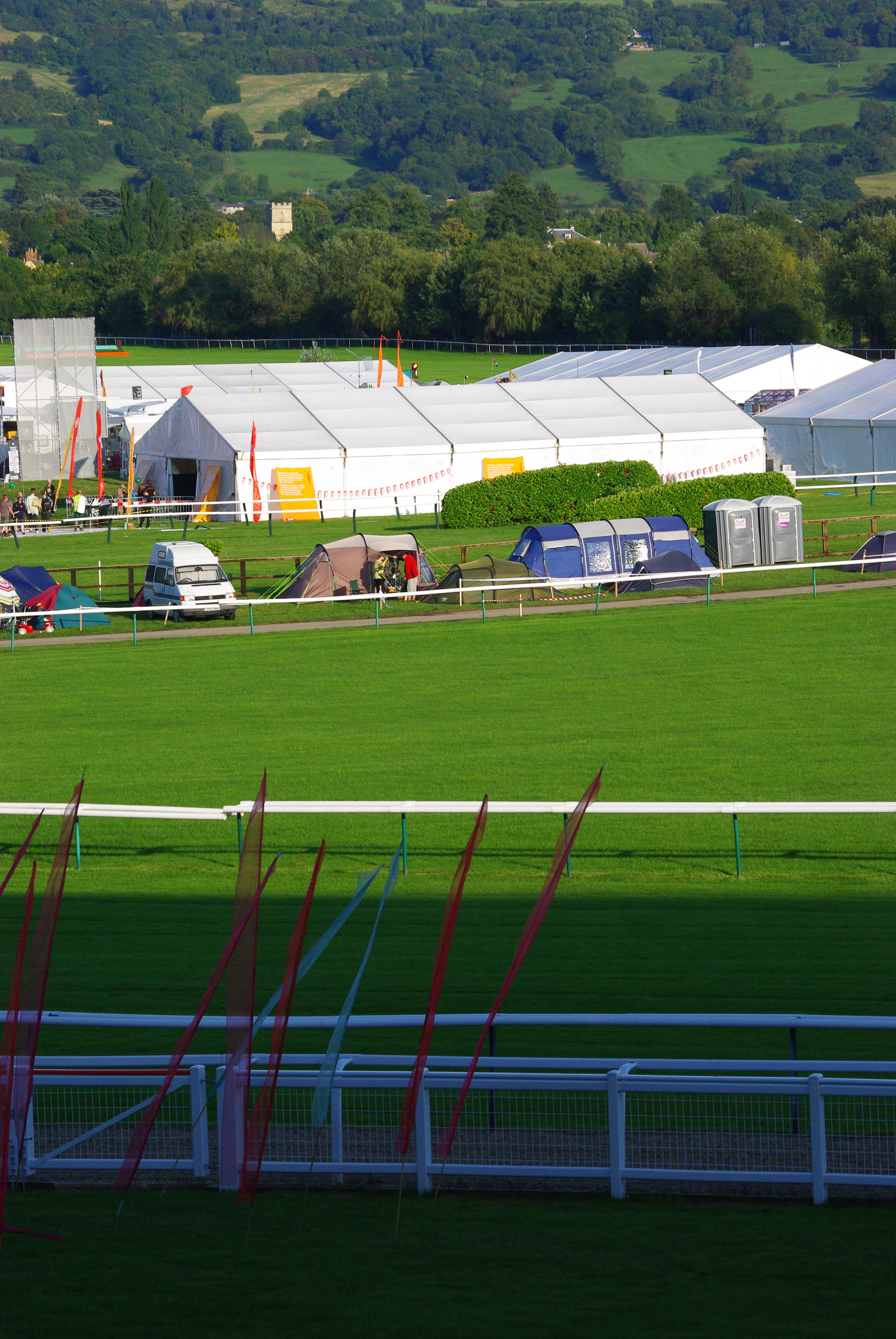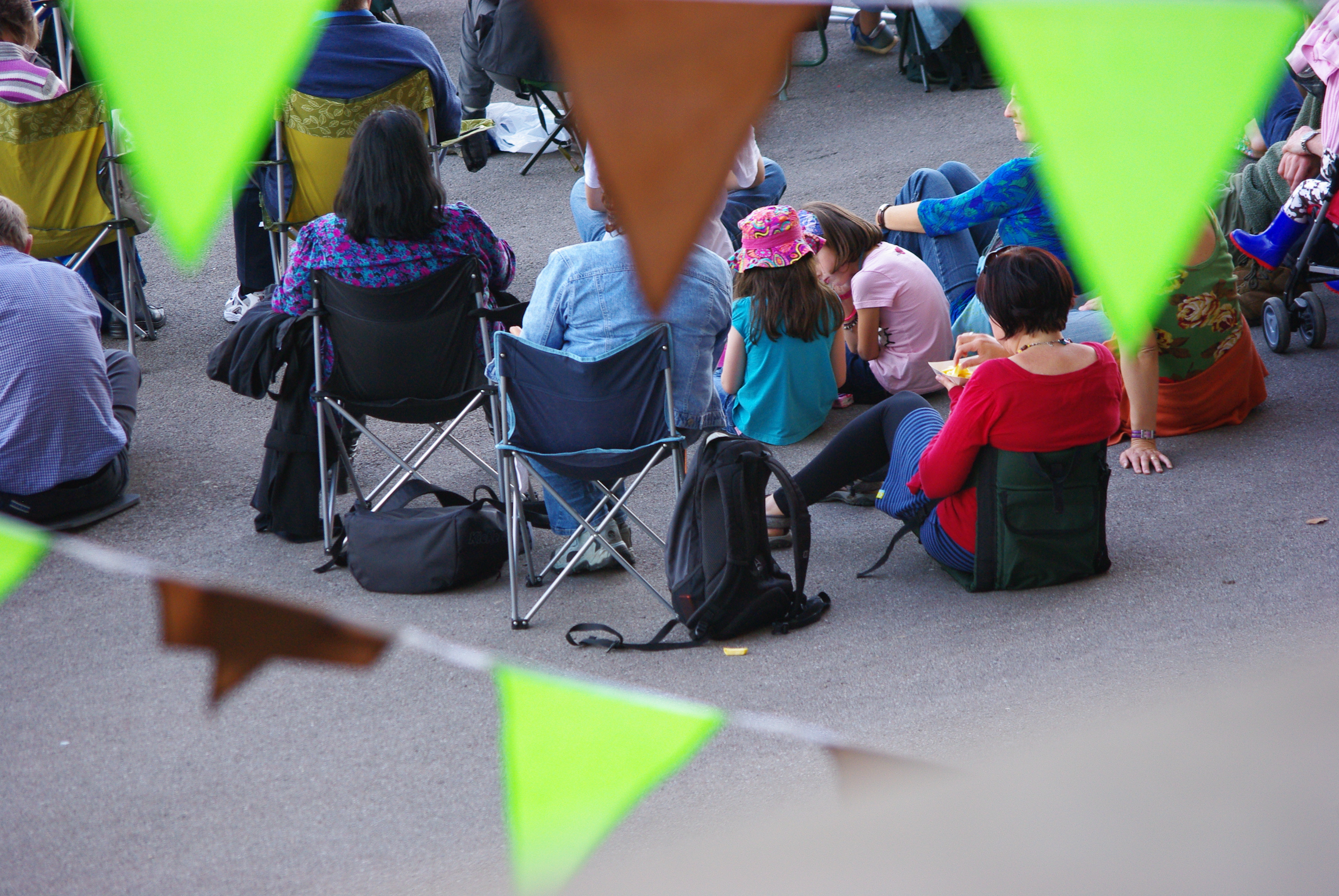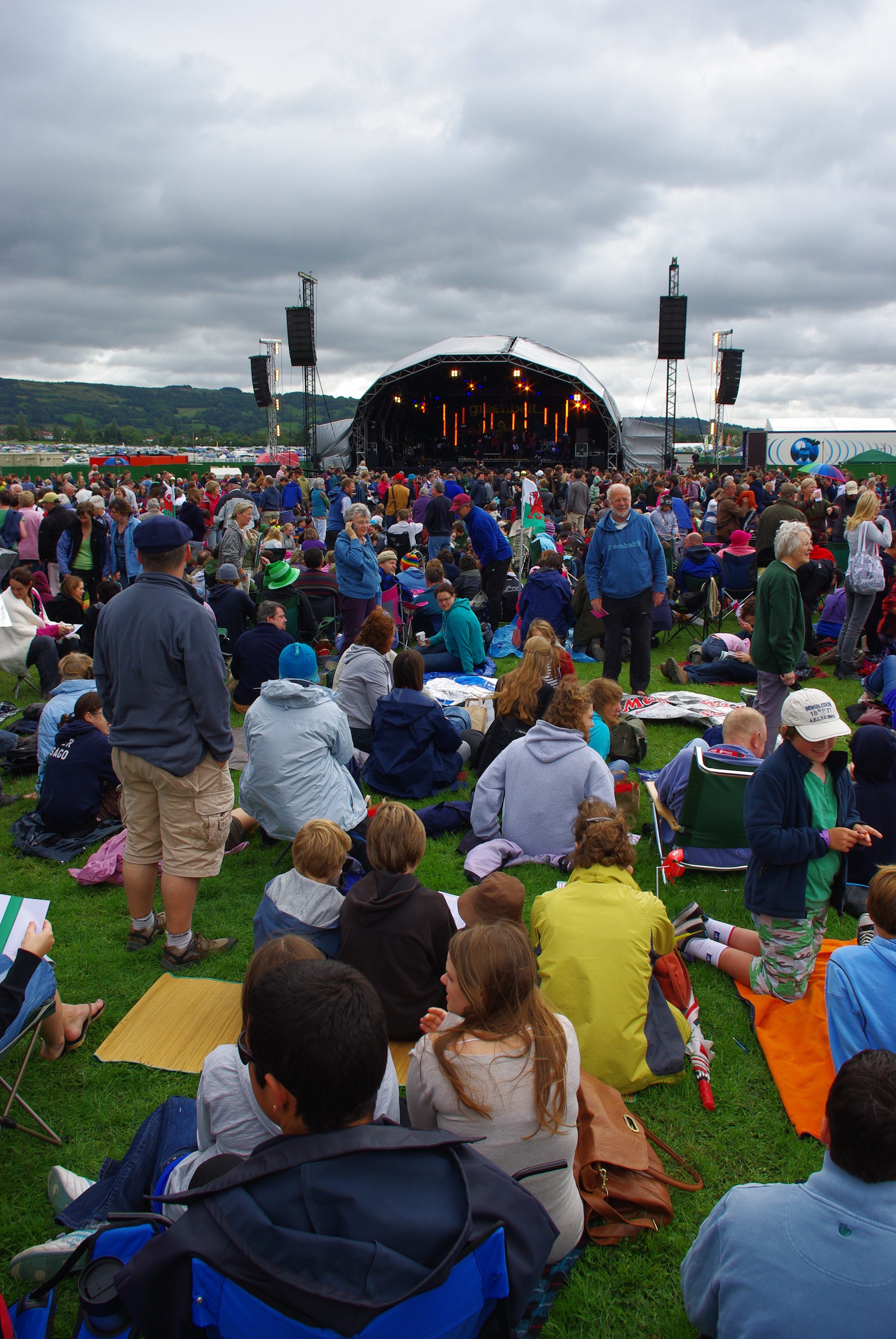
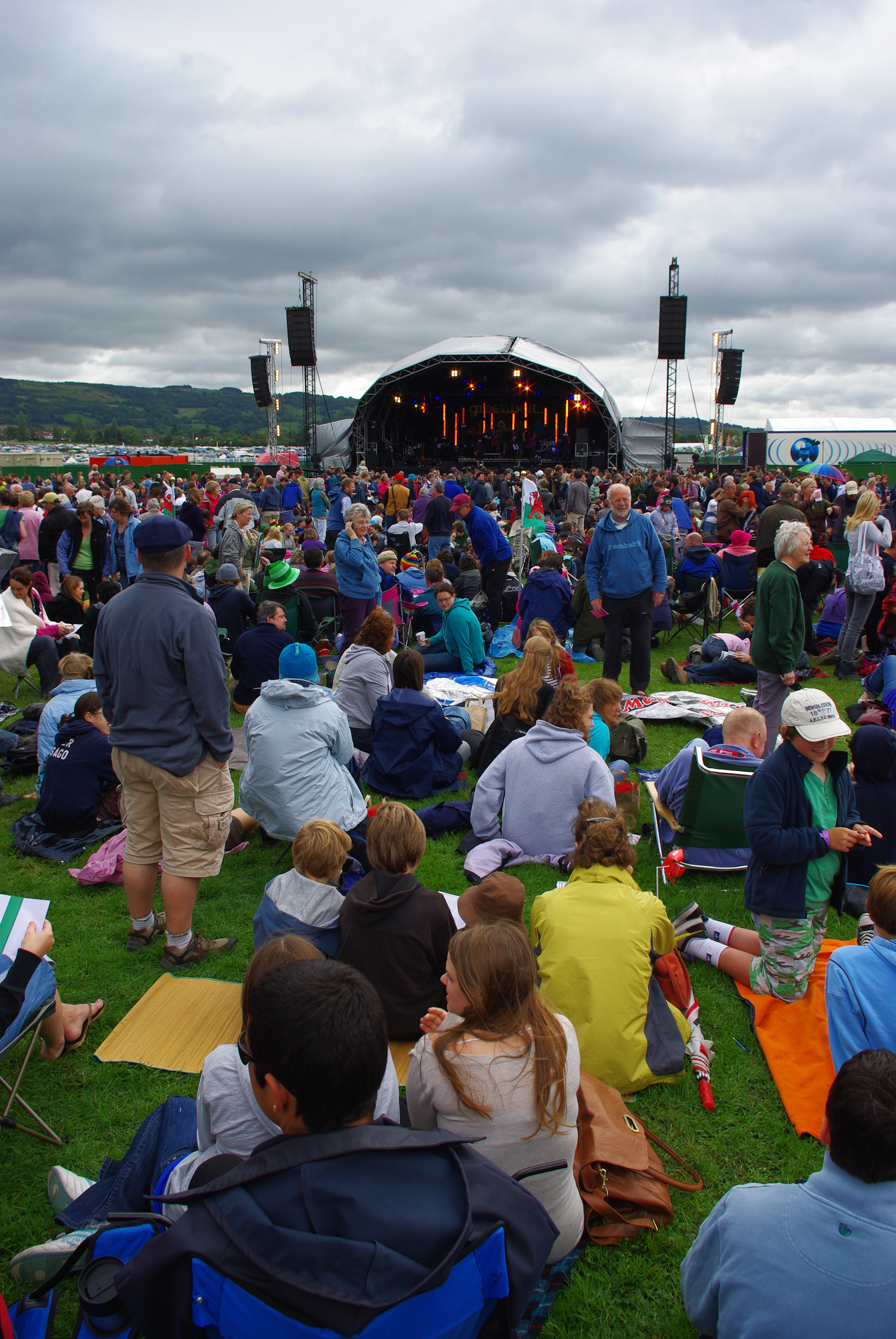
Greenbelt beckons…

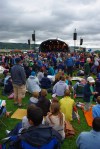
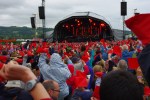
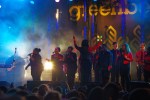
Aoradh spent tonight planning for some events we have up and coming- including our worship slot at Greenbelt Festival.

Greenbelt suddenly seems close, and we are still really at the ‘playing around with ideas’ stage. However, this is usually my favourite part of any project- the bit where you get to create things out of next to nothing- and how one idea sparks another, then another. The theme this year is ‘Dreams of home’- we are playing with some themes around the Feast of Tabernacles.

I am also doing some poetry with Proost– recorded and available on headsets around the site. I have not written that yet either! To be honest, I am a little worried about this- my poems tend to be so introspective and private- and these poems have to sit alongside those of two really great performance poets- European poetry slam champion Harry Baker and the equally brilliant Padraig O Tuama.

Oh dear- I can’t do that. Or that. I suppose that as ever, I need to stop worrying about what others do, and just trust that what I am/have is enough. I can do that. I think. Perhaps I will write a poem about it.

Anyway- there is lots of good stuff at GB this year- some music I really like- A Show of Hands, Kate Rusby,  as well as headline speakers Rob Bell and Brian McLaren.

If you are going this year, and you read this blog- drop me a line, perhaps we can share a beer/coffee.

Otherwise, Aoradh’s worship slot is on Friday night this year- 7pm I think…


Back from Greenbelt…

So, we are back.

After a thousand miles of driving, and hours of motorway, our Aoradh roadtrip down to Greenbelt 2010 is all over.

And it was good!

A few personal highlights-

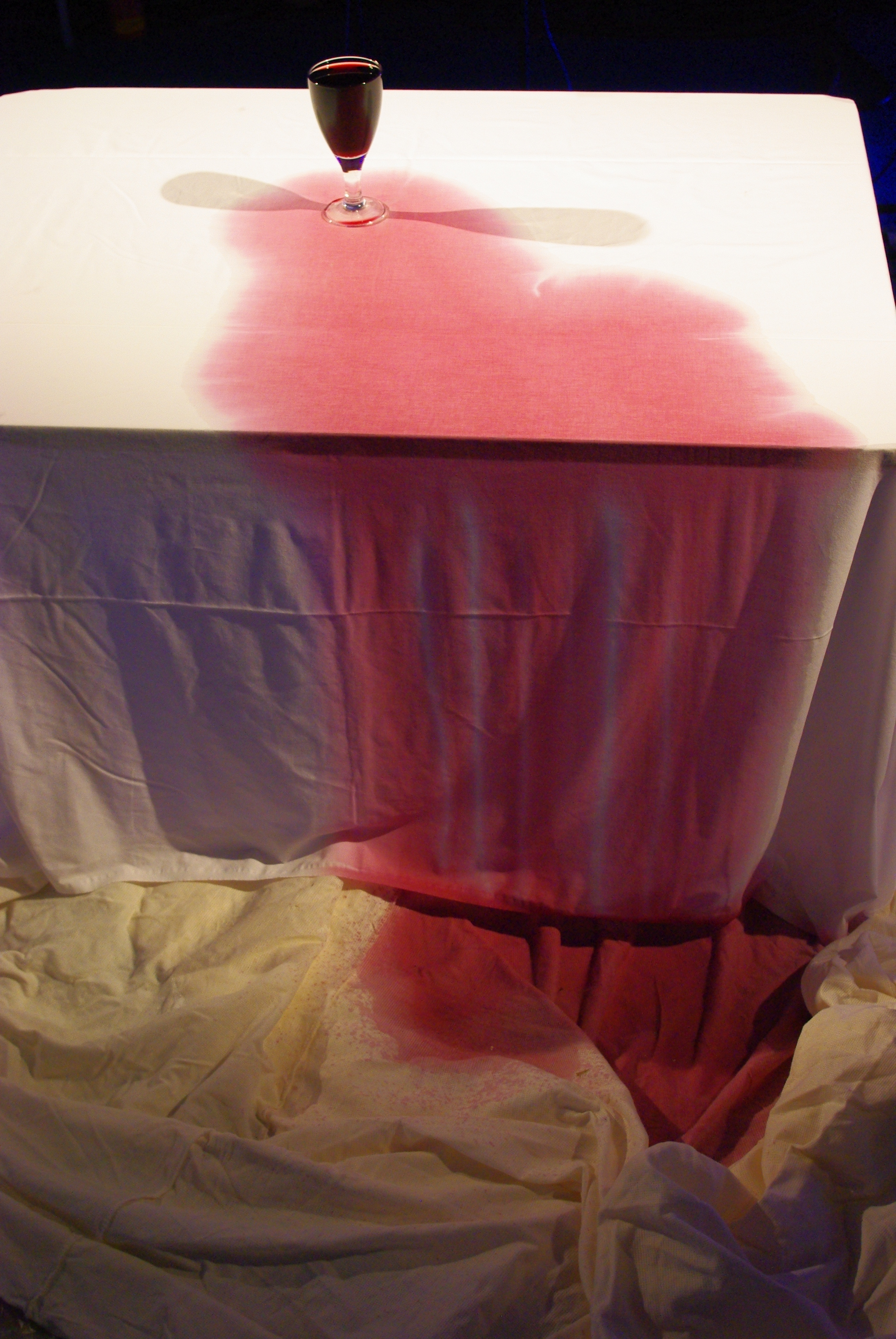
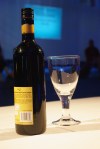
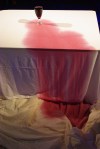
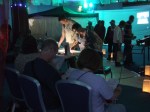
Our worship collaboration between Safespace and Sanctus 1. We spent all day on Saturday co-hosting a worship space in which we invited people to consider their community. This involved ‘stations’, and also liturgical ‘led’ worship events through the day. We did a think with spilt wine, and blood serum pots that was very powerful, and it fitted in really well with the lovely work done by the other groups.

Meeting people, and having conversations.

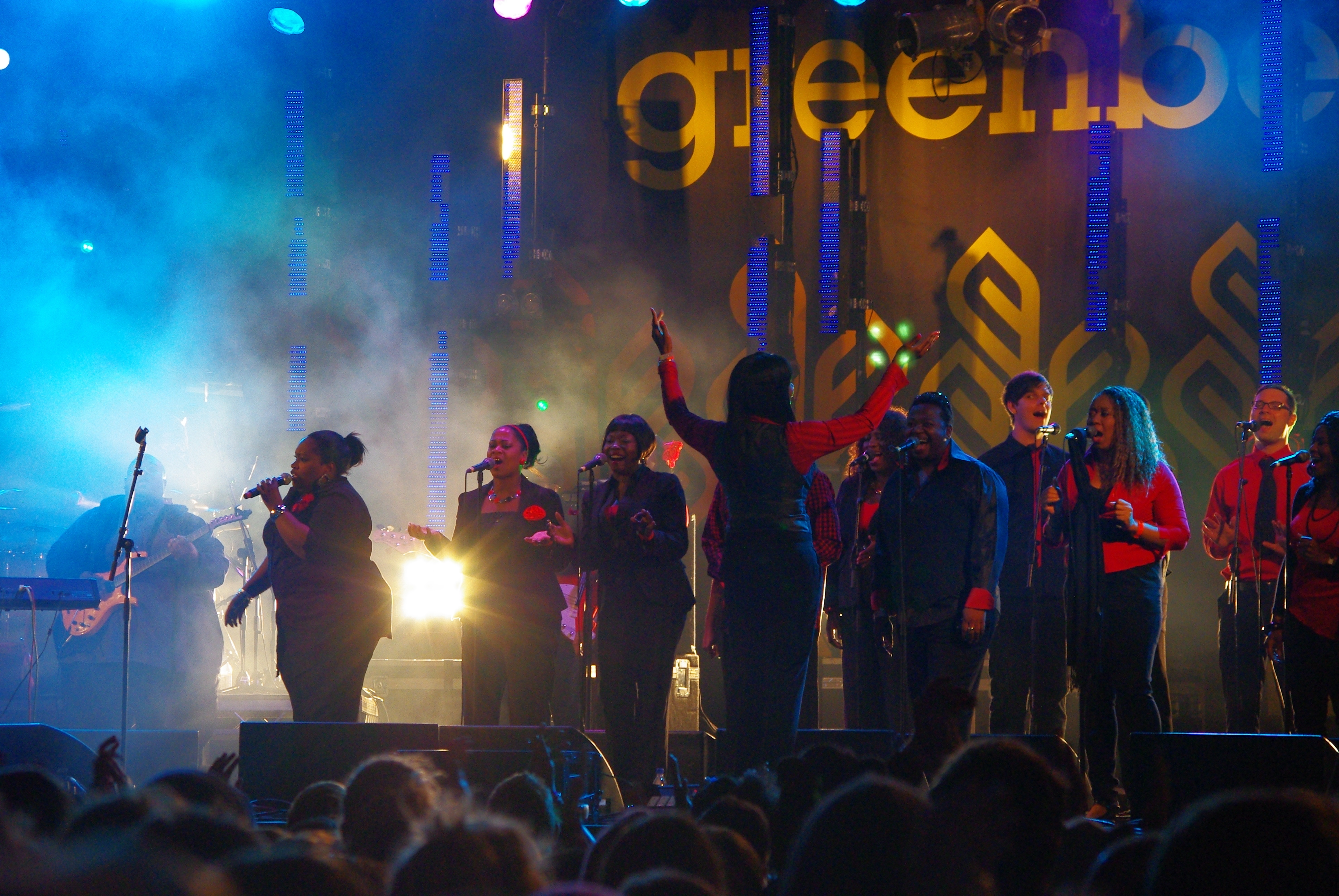
London Community Gospel Choir!

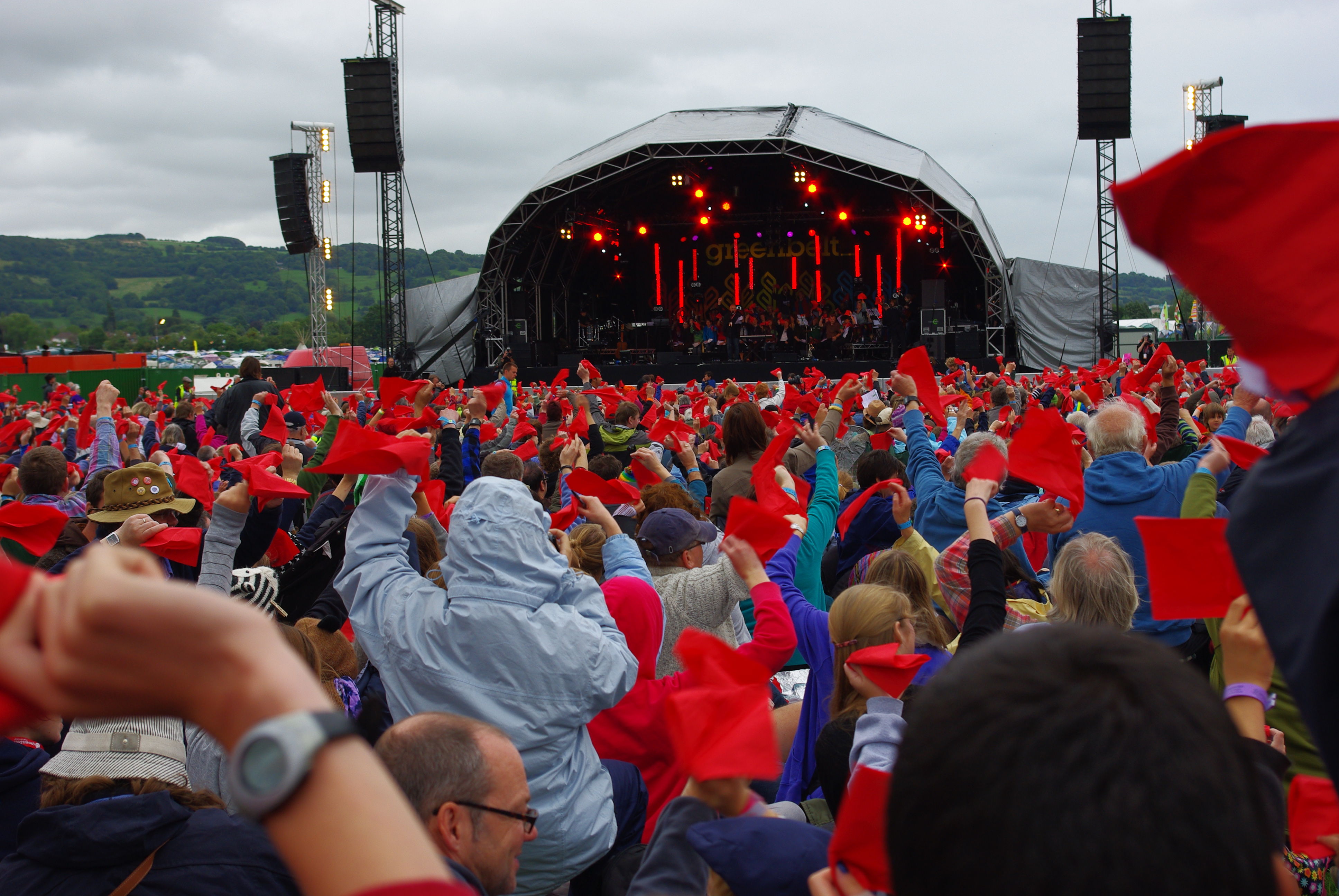
The large scale worship service on Sunday. They can be hit and miss affairs, but this year was lovely.

Of course, we missed as much as we saw- you always do. I was very sad to miss the Tautoko gathering at the Cathedral this year- we did not get down in time. And there were so many speakers that I wanted to hear, but missed. Need to download some talks…

Some more photos-

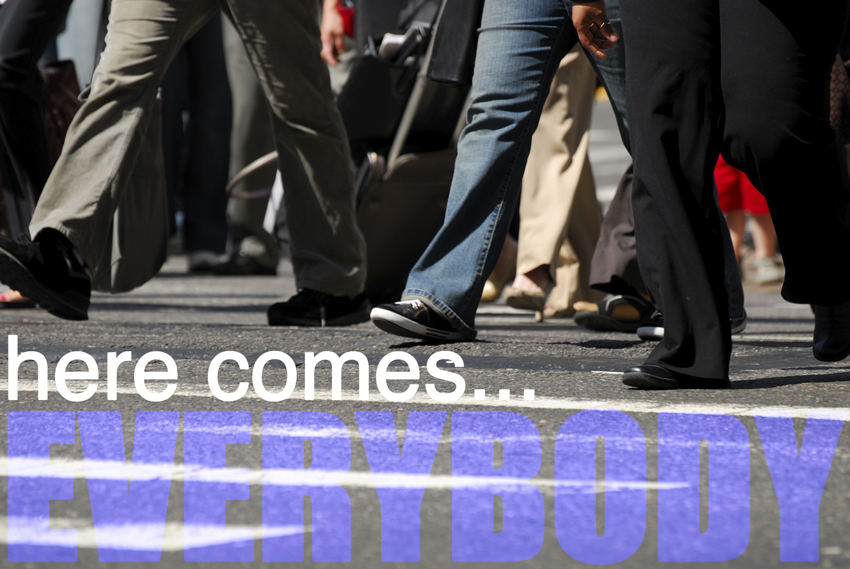
Greenbelt 2010- ‘Here comes everybody’

I spent a few hours yesterday making a start on constructing something for Aoradh’s worship collaboration at Greenbelt festival.

We are working with Safespace and Sanctus 1 to plan a day long worship event around the general theme of community- the people we journey with- with the title of ‘Here comes everybody’ after a Clay Shirky book title.

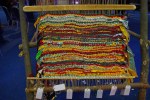
Part of this involves setting up a big loom in the middle of the room, and getting people to weave their communities into a tapestry- writing names on strips of cloth. Something like this I hope-

The horizontal lines will represent the presence of the Spirit of God- the attributes and fruit of the Spirit. The horizontal ones represent the communities and individuals that make up our lives.

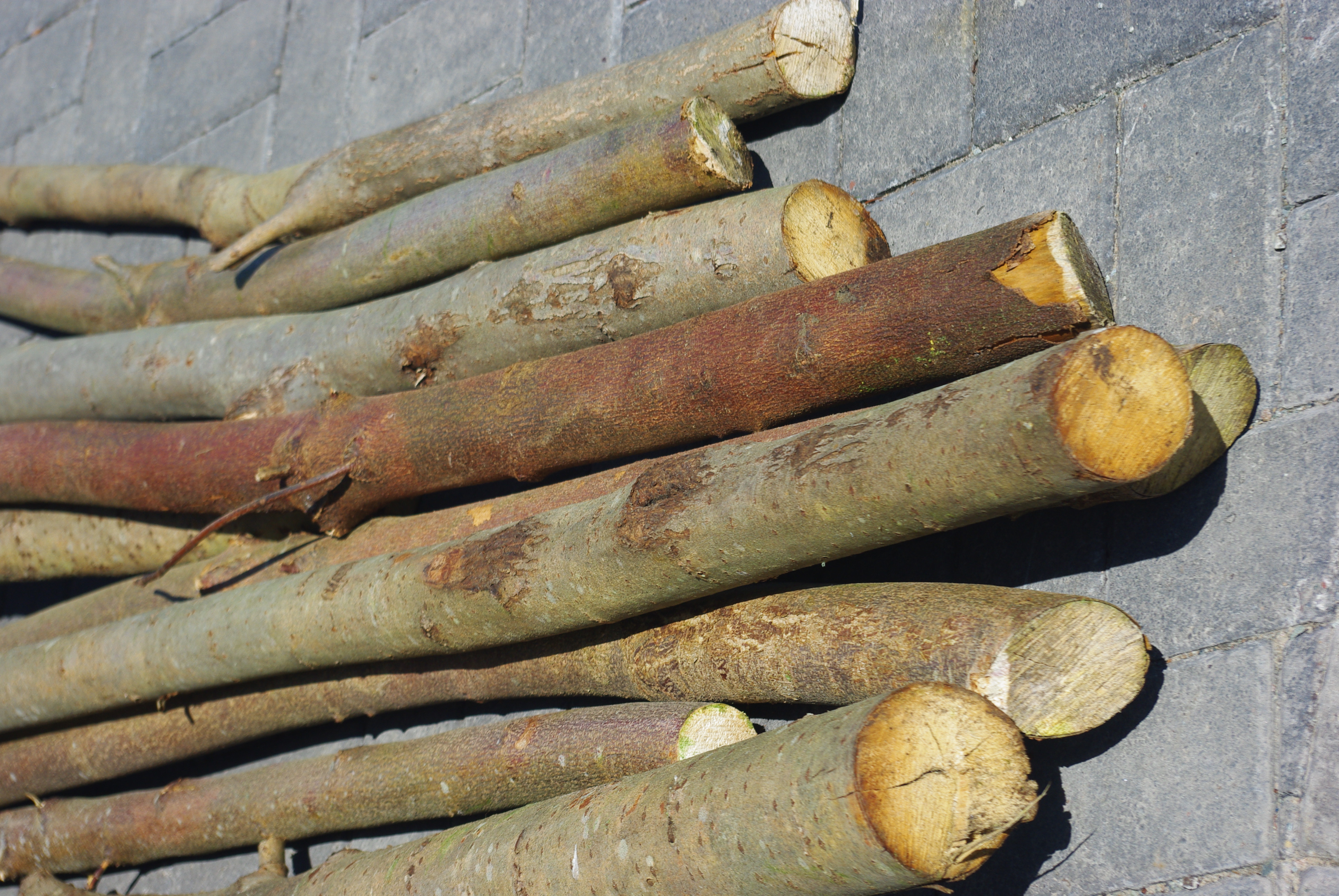
I have been using saplings that I cut last year-

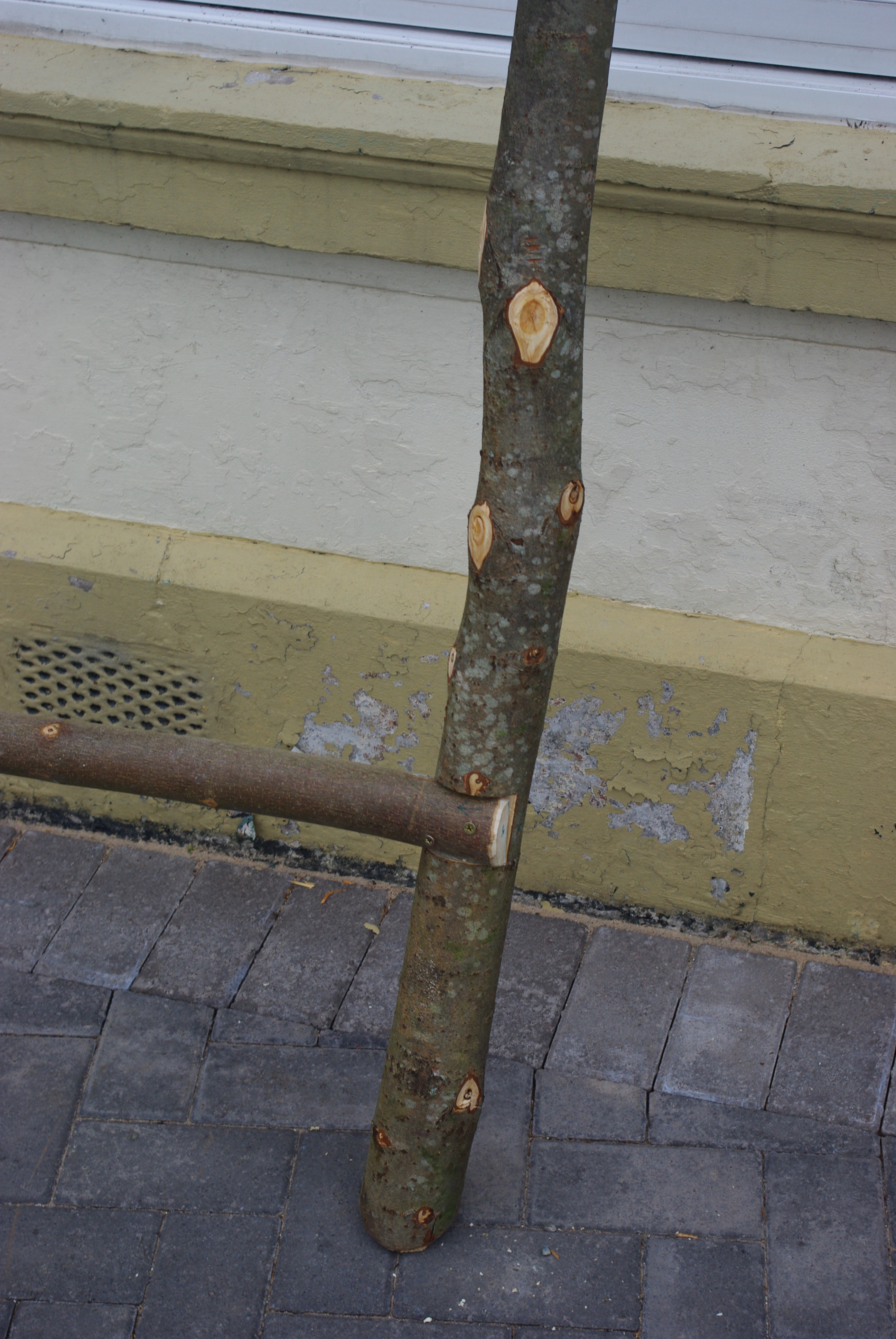
Cleaning and notching them-

And starting to construct two large frames that I will set up like a big artists easel.

It is a lovely thing to do- to take some bits of tree and construct something lovely and functional- with a view to allowing others to worship.

I’ll let you know how things go…

Loneliness and the agents of the Kingdom…

There has been a lot in the news recently about loneliness.

One in 10 Britons often feel lonely, and those aged 18-34 are more likely to worry about being isolated than older adults, according to a Mental Health Foundation report.

Four in 10 have been depressed because of loneliness, and 48% believe people are becoming lonelier.

While 17% of over-55s worry about being alone, 36% of under-35s do.

The elderly, jobless and those who are disabled are most likely to be affected.

Persistent loneliness is bad for people’s mental and physical health and can be linked to stress, heavy drinking and poor diet, says the charity.

Peter Byrne, associate registrar of the Royal College of Psychiatrists, said: “Our stereotype of the older person, home alone … is challenged by information [showing] the number of children calling a helpline who are lonely has increased by 60% in five years.”

The Guardian- here.

I find myself interested for several different reasons-

I work in a mental health setting, and the role of community and social support is being ever more recognised as both cause and potential recovery of mental ill health.

I am interested in the role of social networking (and other on line health and social care platforms) in supporting us- and have a strong feeling that our reliance on the web is contributing to the isolation of many people. The stats above for example suggest that loneliness is especially concerning in the ‘facebook generation’- who might have three hundred on line friends, but no-one to go to the pictures with at the weekend.

This is a recurrent theme on this blog- here for example.

It is also a key theme for our Greenbelt worship event this year.

Here is the question- if the statistics suggesting that loneliness, isolation and disconnectedness are increasingly defining characteristics of our society- then what should be the role of we, the agents of the Kingdom of the living (relational) God?

Who made us in a way to be at our best when we love and serve one another?

As we seek to serve those around us, how might we need to structure our activities to better shine light and sprinkle salt to bring out the good flavours of the societies we serve?

It used to be the strength of our institutions of faith- the way we brought together and unified our communities (sometimes for ill as well as good.) We birthed a thousand community groups- womens groups, mens groups, kids groups. And we served our communities at points of crisis and celebration in a way that marked and deepened our understandings of transitions.

We still do many of those things- but perhaps we need to think outside of the boxes in which we currently work within. There is great need out there…

Alternative worship, retrospective…

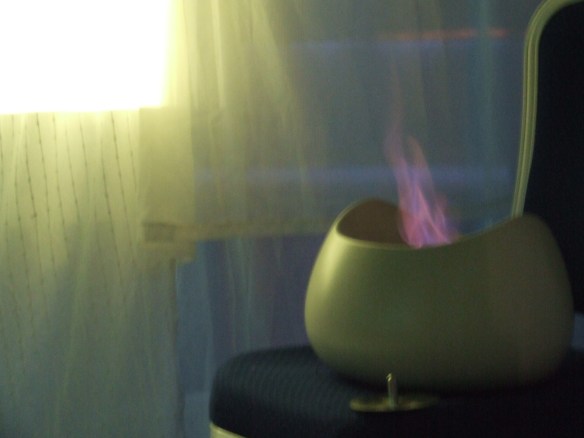
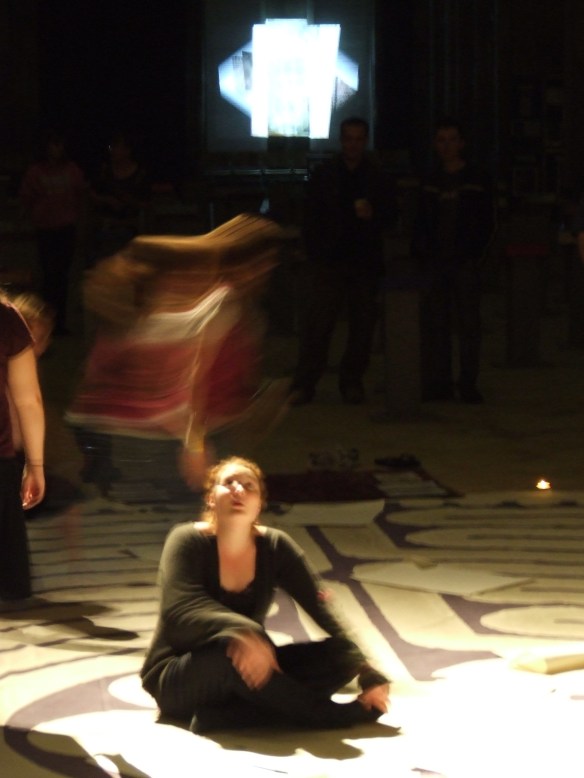
(I love the photo above by the way- it was one of those accidental images, taken in the half light of Gloucester cathedral last year.)

I have been thinking a lot more recently about ‘alternative worship’.

I think for many of us, the precursor to these new form of worship and spirituality was charismatic soft rock worship. In the past our spirituality was expressed almost exclusively through weekly climactic events- ecstatic music and inspirational preaching. This form of worship tailed into boredom and irrelevance for many- at the same time as people began to realise that it was possible to rediscover and re-invent many older spiritual practices- and to encounter these in smaller and less hierarchical communities.

Others found their way into alt worship through a dance/club sub culture- which was extremely influential in the early days. Still others were seeking to discover authenticity in more traditional liturgical environments.

Can I point you towards this podcast which digs into the background and history of the movement.

It features an interview with Jonny Baker– who, for those who might not know of him, is one of the movers and entrepreneurs of all sorts of interesting church and community projects, including the worship community Grace, a co-founder of the outlet for lots of resources that is Proost and part of the CMS team who are encouraging so many good things, particularly in the C of E, but also around the world. Jonny has been very encouraging to me personally- around the writing I have done, but also as part of the wider network of small groups doing different mission/community/worship things. A good bloke- with the experience and intelligence to say things that are worth listening to.

This podcast digs into the where alternative worship came from, in all its messy creativity, but also asks where we are now.

I think we are at  a point where we need to re examine what alternative worship means- this for both personal local reasons, and for wider ones. In terms of the wider issues first-

The clue is in the title- ‘alternative’. What are we an alternative to? And at what point does someone need to find an alternative to the alternative? it is a term that was formed in change- but of course change soon become establishment, and needs further change.

There appear to me to be different strands already developing. There are some small but high profile urban groups, whose efforts are focused on creating high concept art. These groups are great as exemplars and as inspiration, but most of what they do- in terms of resources, skills and the sub cultures they grow out of- are beyond the rest of us. Perhaps for some they are even alienating and confusing.

Other alternative worship forms appear to be being incorporated and embraced by traditional church- as a way of bringing life and renewal to old structures. Of course there is always the danger that this becomes window dressing for the same old same old.

Then there are groups like mine. Fragile collections of disparate people who are perhaps not trendy or well resourced, but are trying to use skills that we have forgotten that we possessed and (far more importantly) trying to learn how to love each other, despite all the usual obstacles. Here the focus rapidly shifts from doing exciting stuff and being involved in a ‘new thing’, to how we can live with each other in the presence of our hurt and brokenness, and how we can lay ourselves down to worship in a way that is authentic and true despite all this baggage. I suppose this is not alternative worship- it is just worship– perhaps using a wider tool bag to assist us along the way.

For me, this is partly about laying down our ‘art’ and embracing community. Not a thing that I find easy at all. It is also about radical involvement and inclusion- and allowing worship to arise from your context. Our group has many people who are talented ‘craft’ people for example, and a few poets. So we tend to have lots of cutting and sticking and some lovely poems. We are less driven by technology. But should others come who have these skills, the trick will be to involve and encourage…

Holy space

Some of these issues feel very real and pressing to me at the moment. This for two reasons.

Firstly, Aoradh is still in the middle of a rather developmental transition at the moment. I think we will survive, but at times I have wondered. It is nothing even faintly surprising to anyone who has ever been part of small pioneer groups- all the familiar issues of ethos, focus, the need for honest open relationships and to challenge certain behaviours in a loving and caring way. Oh, and that old issue that we have avoided- LEADERSHIP.

We have been meeting to talk about these things, but this has taken so much energy that we have had little left to be creative and passionate about worship- which kind of defeats the purpose! However, we now have a few things on the horizon, which brings me to the second point.

We are keen to keep our focus LOCAL- finding spaces and partnerships in our own local community. But along side this, we have been invited to participate in some larger national events- like Greenbelt and the new Solas festival. It is an honour to be invited, and also potentially great as a boost for what we are about, and a chance to discover new ideas and friendships. But it also brings into focus some of the issue above.

For instance Greenbelt alt worship has changed. We are being asked to throw ourselves into a creative soup with some other groups to create a day long session. This involves a whole lot of negotiation and on-line collaboration with groups whose ethos and philosophy may well be very different from ours- whose context and constituent parts demand a very different style and approach. Mark Berry has stepped forward to curate and co-ordinate the day we are involved in, and it is going to be fascinating to see how these things come together.

The early discussions have had an interesting effect on my group. We all have different levels of comfort with uncertainty, and some of the e-mails flying round have led to a kind of general retreat, as they have dealt with concepts and ideas that seem beyond us. We are in a developmental phase, but some of my friends are just stepping backwards.

I found myself wondering whether alternative worship is  in danger of becoming a showcase for the kind of experiential celebrity driven ‘performance’ that I was glad to leave behind when I stopped leading large scale soft rock worship services.

The heart of this thing (I think) is how we encourage one another as we stumble towards Jesus, and of creating deliberate communal spaces to share this journey.

I have found so much life and encouragement around alternative/emerging/missional practices. But they are just words after all…
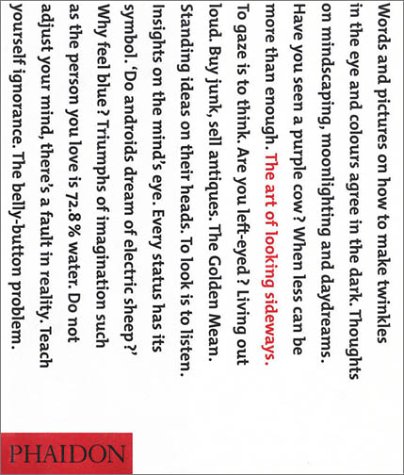
    The art of looking sideways…

    This is the theme for next year’s Greenbelt Festival.

    The arty-Christian group I am part of-  Aoradh, have still to decide whether we will be going to the next years festival as contributors. We have not even been asked yet! But our discussions had already concluded that most of us would like to go again, but only if in doing so, we did not waste too much of our energy on preparing something for a festival that is a long way from where we are- because Dunoon is our home, not Cheltenham.

    We had thought that it might be good to think of a theme for this whole year- including potential involvement at the festival- and try to play with a stream of ideas. Not sure where this will go…

    One suggestion (which arose from our take on ‘the art of looking sideways’) was to think about how we relate to one another- in our wider community. So, in this sense, the issue is how we look sideways at others as we journey forwards.

    Readers of this blog will know that this is a recurrent theme for me- the issues of community, and relationship, and how we followers of Jesus might learn to live out the call to be collectives who are made distinctive by our love for one another.

    But, in doing a little digging, I think that the Greenbelt theme actually comes from this book

    The author, the late great graphic designer, Alan Fletcher, can be seen below promoting his book. Perhaps it might have been better to just show his images. You decide-

    Despite this rather inscrutable promo, I ordered a copy. It is a mess of images and ideas that summarise our post modern fractured and disconnected (but beautiful) world.

    And even though the spin that we in Aoradh took on the bare words seems to head in a different direction, I think that the issue of how we humans recollect- that is how we again learn to realise the communal and shared part of us- the ‘me’ that we discover only when becoming ‘we’- this is a vital issue for our times.

    It continues to seem to me that our post modern disconnection has thrown us into a situation where everything is fast and fluid. We have a million ways to communicate, and a constant immersion in transience. What we have not yet found, but hopefully are still in the process of discovering, is how we might celebrate the depth and variety of each other again, within communal gatherings.

    Our workplaces no longer facilitate this.

    Our meeting places are increasingly on-line, and lack flesh on flesh contact.

    Our clubs and churches are empty, or emptying.

    What is the role for the followers of Jesus in this changing culture?

    Could it be to stop,

    And look sideways?

    A bit of Rob Bell…

    We are just back from Greenbelt festival, where Rob Bell was one of the main speakers.

    I tried to get to hear him speak a couple of times, but the queues to get into the venues were so vast that there was no chance. I ended up feeling slightly resentful of the ‘celebrity Christian’ phenomenon which grows through the money driven search for media friendly folk that can churn out marketable chunks of meaning to fill our empty lives with something that has the appearance of worth (did I say slightly resentful?)

    However, I did get to see Rob Bell speaking outside in a Q and A session- and he was BRILLIANT. Witty, humble, uber-cool and spoke in a way that gathered deep thoughts and connected them with others. Greenbelt- if he comes back, perhaps you need to get him on the mainstage!

    So forgive me for my moment of cynicism Rob- even if you appear to have forsaken all forms of clothing that are not black.

    One of the questions asked was about the high cost of products (books, Nooma, speaking videos etc) and Bell did say that they were working on some free materials.

    For now, here is one of the more recent Nooma from you tube- no doubt uploaded illegally, along with Spanish subtitles (I wonder if they decided to leave it up there unchallenged, particularly given the content!)

    Thanks Rob…

    Aoradh at Greenbelt- Eternal Now installation…

    DSCF5200

    So I thought I would post a few photographs that Simon Mcgaughey took of our worship event @ Greenbelt festival.

    We were one of the groups contributing to the worship in the New Forms Cafe, which is the venue for alternative worship events- the place where people can experience more experimental ways of communal worship- and perhaps pinch ideas and recycle them back into their own community. In truth, there is nothing new under the sun, and most of the events use ideas borrowed from other groups, or from more ancient practices, updated with the odd power point projection and a bit of ambient music.

    Our event was something like this;

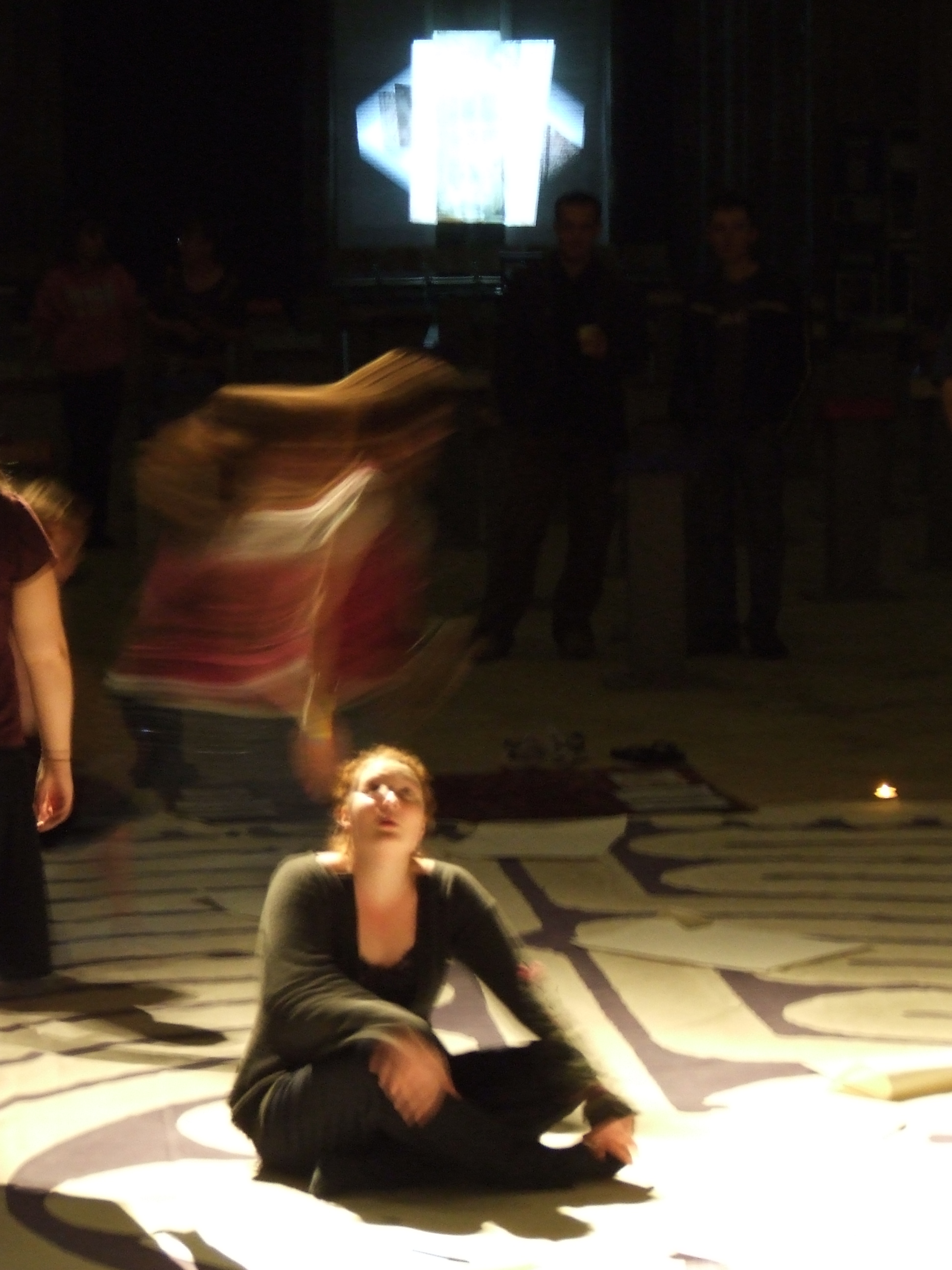
    Our contribution was an installation called ‘The Eternal Now’, which was a kind of walk through time. We had stations representing the universal time, geological time, historical time, life time, NOW and the future.

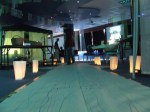
    People walked on white paper, and carried a pen on a stick that they dragged behind them in order to leave their own time line. The route was marked by ‘luminaires’- fire proof bags with sand in the bottom and a candle.

    On projectors all around the room, we used a time lapse video that we were able to use by kind permission of John Martineau- check out his stuff here.

    STATION ONE, STARS- Gazebo with muslin walls, fairy lights, stats hanging from ceiling, images from hubble telescope on laptop.

    STATION TWO, ROCKS- Pile of stones, people asked to take one.

    STATION THREE, TREE- Large slice of tree with tree rings showing. People asked to place pin around the tree ring corresponding to the year of their birth. Also asked to take a small slice of branch.

    STATION FOUR, COLLAGE- Table with lots of art and paper- asked to leave a mark that relates to their own lifetime- what they are grateful for, who has brought them to where they are now.

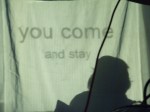
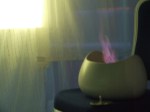
    HOLY SPACE, NOW- Another gazebo, with musiln sides, cushions and eternal flame. Poetry projected on an internal wall.

    FUTURE- (Corresponding responses to earlier stations- in reverse order.)

    COLLAGE/LIFETIME- postcard to remind yourself- we used words that had been offered as cues in a ‘Wordle’ image made into a postcard. People were invited to write on it, and we will post it on to them as a later reminder…

    TREE/HISTORICAL TIME- people were asked to write a promise on their small slice of tree and either leave it behind, or take it with them. They were also asked to take a pine cone- as a reminder of being a carrier of seeds of the Kingdom of God.

    ROCKS/GEOLOGICAL TIME- people built a cairn with the rocks they carried.

    STARS/UNIVERSAL TIME- people were offered a shortbread star to eat as they left.

    It worked really well!

    You have one hour to set up the room, it runs for an hour, then you get out as soon as you can to leave room for the next group. When the doors opened we had a massive queue of people waiting to use the installation, and we all felt overwhelmed. There was a bit of ‘bunching’ around some of the stations, before people decided to sit out a little and wait their time.

    Feedback was good, and the whole thing looked lovely.

    Our intention is to use the installation in Dunoon too…

    In the next few weeks we will meet up to chew on whether the effort and expense of the road trip was worth it, and what we can learn and reapply to our own context. But on a basic level, it feels that we achieved what we set out to do.

    If you were there, feedback very much appreciated!