How to read a landscape…

I live in a ‘wild’ place – mountains, broken tree-lined shores, deep lochs, forests. I am surrounded by iconic British animals- red squirrels, sea eagles, pine martens, deer. Tourists come here and wonder. Locals are proud. All of us are nature-blind, because this place is anything but wild.

There is this strange thing that happens when we look at the Scottish landscape (or perhaps at any landscape) in that we do not know what we are seeing. Partly this is because we have lost our folk memories of what we are NOT seeing.

Despite every metric pointing to a continual precipitous decline in our ecosystems- a loss of diversity measurable in almost every way, and in different biomes – most of us are not able to grasp just how bad things are here in Scotland. There has been an average 15% decline in abundance of 407 terrestrial and freshwater species since 1994. There has been a 49% decline in average abundance of Scottish seabirds. 11% of species found in Scotland are threatened with extinction from Great Britain. Meanwhile, we thrill to nature propoganda shots of the sea eagles of the noble stag as if all is well.

This film tells a story that we need to hear.

How has it come to this, and what can we do about it?

As mentioned in the video, wealth is at the heart of the problem. Land ownership in Scotland has a particular flavour and pattern that arises from a history that we can not be proud of. This from here.

No other European country has such a narrow base of proprietorship as Scotland. Half of all privately owned rural land is held by 421 people or entities. The roots of such disparities lie in the past. The 18th- and 19th-century Highland clearances emptied the glens and readied them for private takeover. On the continent, and eventually in England, the great estates were broken up by inheritance and land taxes. By comparison, Scotland is still feudal in scale.

There are already fears that Scotland’s new proposed Land Reform Bill has been gutted, ending up with something far less than that recommended by the Scottish Land Commission in their report from 2019. It is hard to escape the power of wealthy elites.

The video above mentions the possible use of a land tax, of the kind proposed by Common Weal.

Land prices in Scotland have risen at a rate
outstripping many other ‘investment assets’ with
stocked commercial forest land in Scotland,
for instance, increasing in value from £8,500
per hectare in 2018 to £21,000 per hectare in
202210 (had such land increased in price only by
general inflation, it would be worth just £9,500
per hectare in 2022). The selling price of such
land has also consistently been over 120% of the
asking price on the market which is indicative
of demand for purchases being substantially
higher than supply. Similar patterns have been
observed in other types of land in Scotland in
recent years so it is not a stretch to say that
communities are simply being ‘priced out’ of land,
even where legislation has made some steps
towards making it theoretically easier for them to
purchase such land assuming they somehow had
the capital to do so. The high profile failure of a
local community to be able to enact a community
buyout of the Tayvallich Estate in Argyll – which
had an asking price of £10.5 million, equivalent
to around £7,800 per hectare – is indicative of
Scotland’s broader failure to enact land reform
and will only be one of many such failures until
reform is embedded. A local land tax can, should,
and must be a part of this reform, not just by
raising revenue which would directly benefit
communities who cannot otherwise access the
land around them but also by acting as a break
or even reversal on the price of land sales (which
would have to factor in the tax burden of the
asset) and, if done right, would bring prices back
down into the range at which communities would
have a better chance of owning the land around
and under their own feet.
Read the whole report here.

For most of us, far from the seats of power in Edinburgh or London, there remains the important, ordinary urgency of learning how to read a landscape.

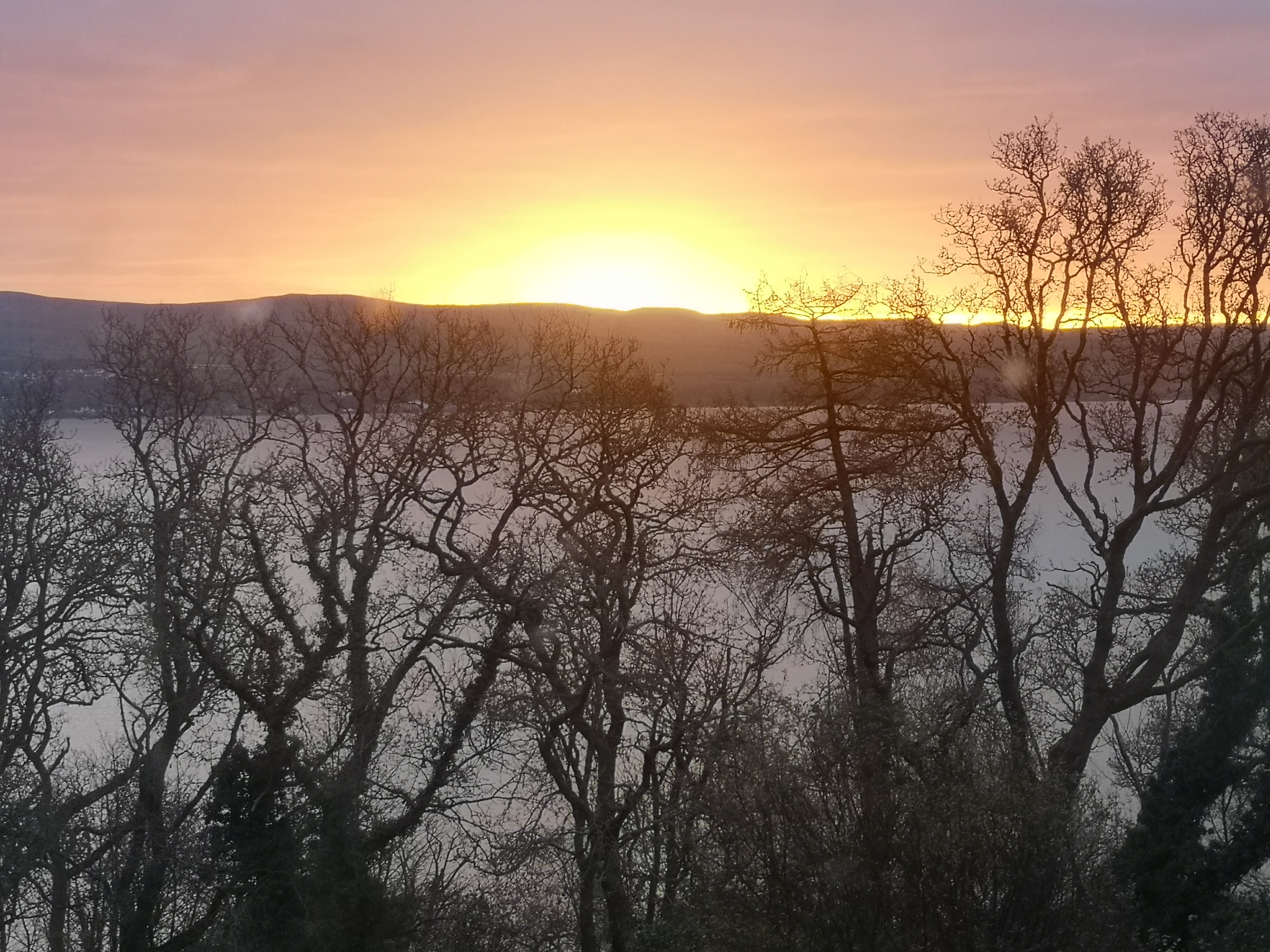
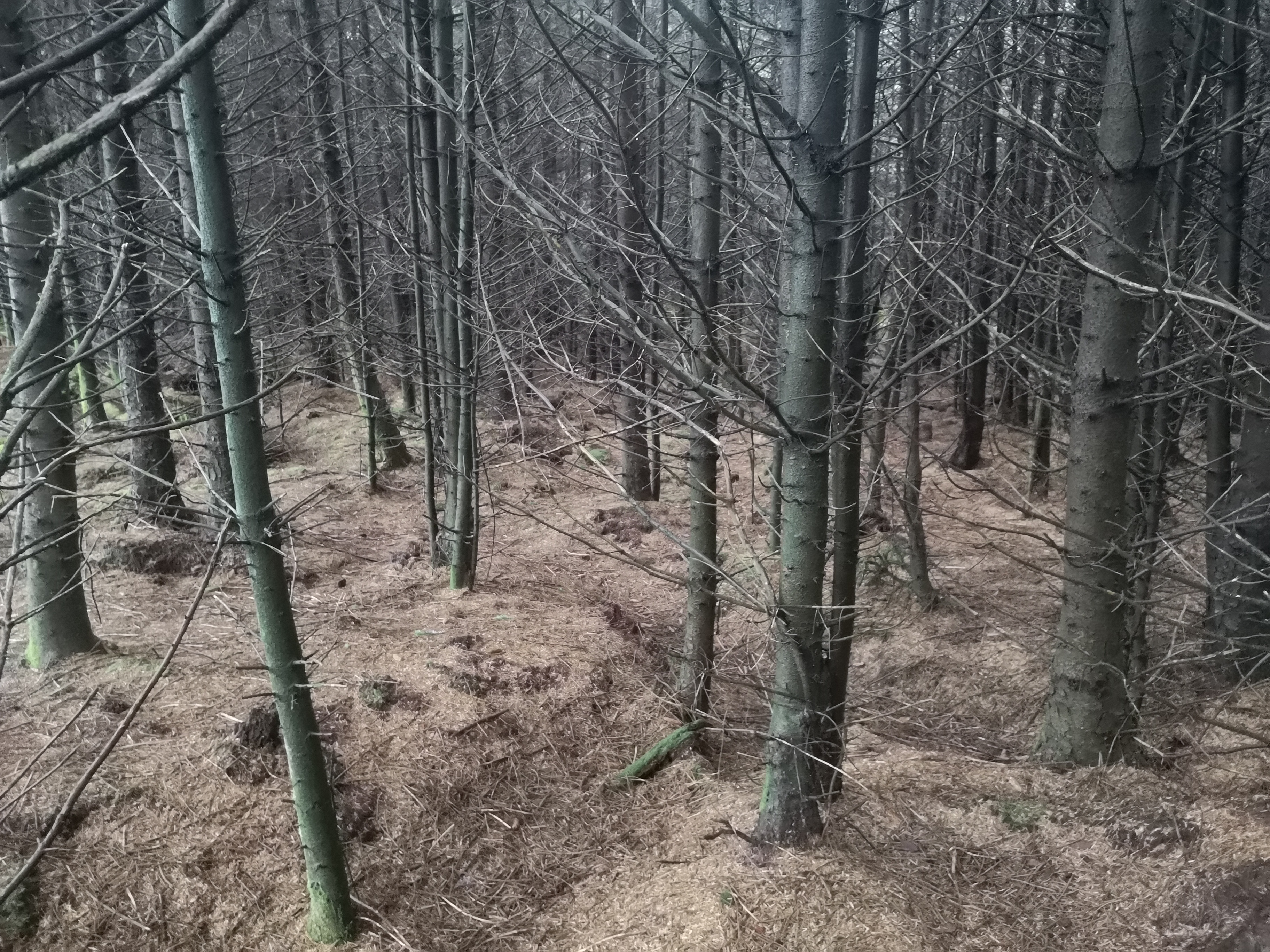
The photograph above is taken just above my house- one of the many many vast plantations of commercial forest in my home county of Argyll. They are better understand as green-brown deserts.

Here in Scotland, our challenge is mostly NOT preservation, it is the urgent need of restoration and recovery of our ecosystems. Think about that- in contrast to other European countries, we have ALREADY lost much of what should be here. In order to see any recovery, the task required is a mult-generational re-seeding and re-populating of our mountains and valleys.

We have to be able to SEE this and imagine an alternative.
Seatree artist retreat- help needed…

For years now, we have been trying to get a project over the line. It has often seemed like it was never going to happen, but now we are finally on the cusp of making it reality.

When we moved to our house, we were not looking for lots of land. Our brief was simple – a smaller house, with room for a pottery studio in which we could work and run workshops, and a small vegetable patch to grow as much food as we could. The aim was for a simple lifestyle, as environmentally sustainable and low impact as possible. Things did not quite work out in the way we planned…

Firstly, we ended up buying a house that came with a large area of overgrown woodland. When we moved, it was impossible to explore most of it, choked as it was by invasive rhodedendron and buddleia. I felt the responsibiity to care for this land keenly – to take out the invasive species and let the old oak trees breathe. I have since spent a long time and lots of hard work trying to do just that – and slowly it has started to transform the woodland back to what it always should have been- a pocket of beautiful oak rainforest, perched above the Clyde estuary…

The other thing that did not go to plan was that we had an unfortunate brush with officialdom. When we moved to our new house, we asked a series of questions of Argyll and Bute planning department about what permissions we needed to obtain to work from home and run pottery workshops for members of the public. We were told (by e-mail) that we required none. Accordingly, we built workshops and pretty soon a third of our income was made up of people paying for pottery workshops.

Unfortunately, following a complaint from a neighbour about us running a business from home, the planning department conducted an investigation, and decided that although our activities were not in breach of planning, the building we had erected as our workshop was not deemed to pass building regulations for recieving members of the public. We appealed, on the basis that we had previously been informed by e-mail that building regulations were not required, but to no avail. Conspiracy theorists might well enjoy the fact that our beloved council deleted all documents and e-mails relating to our enquiries, meaning that the ombudsman was not able to rule in our favour. Such is life. We adapted and moved on…

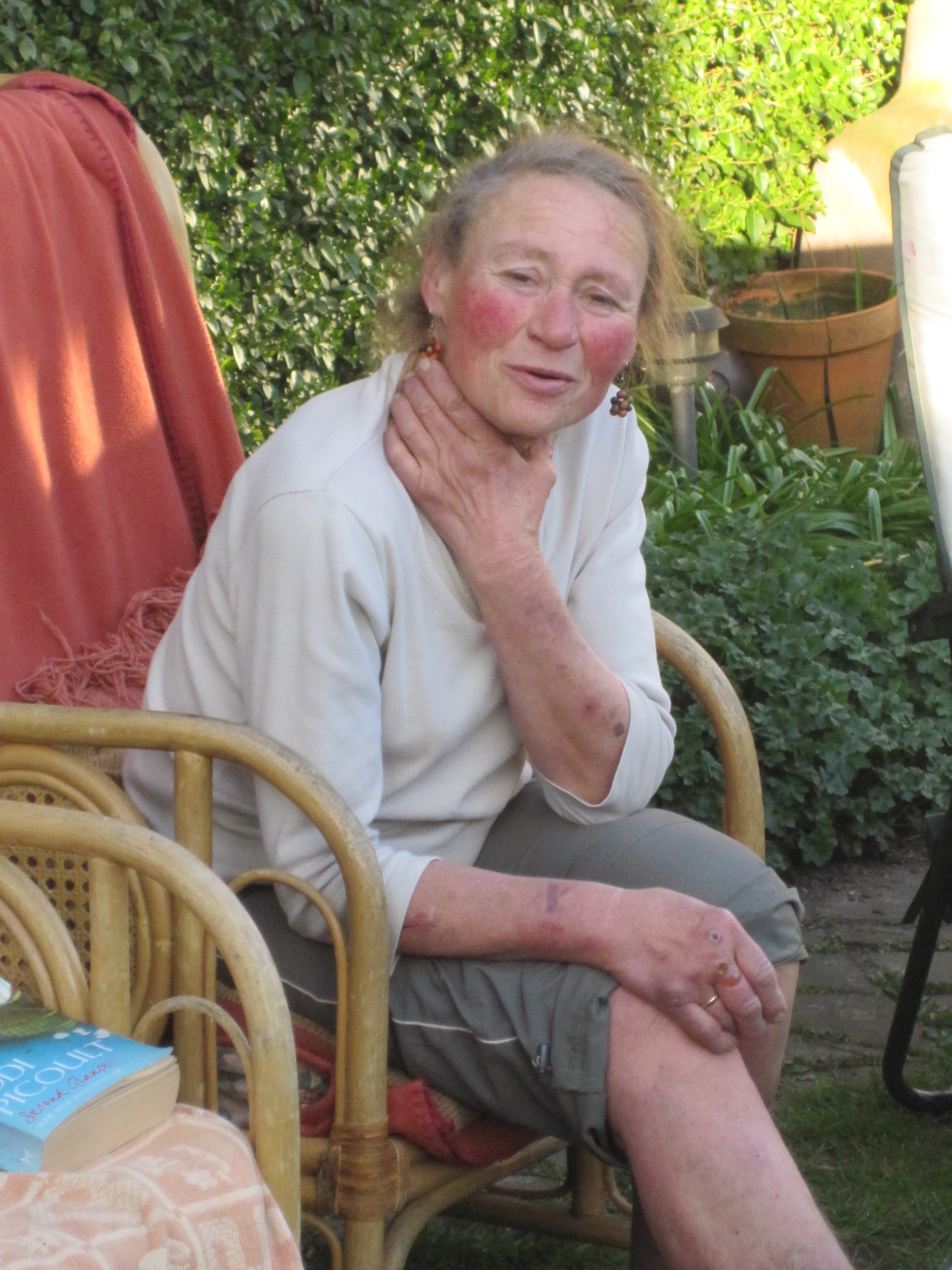
My mum died. Here she is, sitting in a garden, her favourite place in the world. She never got to see our new garden, here in the Clyde, being too ill to travel north. When it came to a share of the small amount of inheritance from the sale of her house that was coming to us, I wanted to make something that might form a lasting memorial.

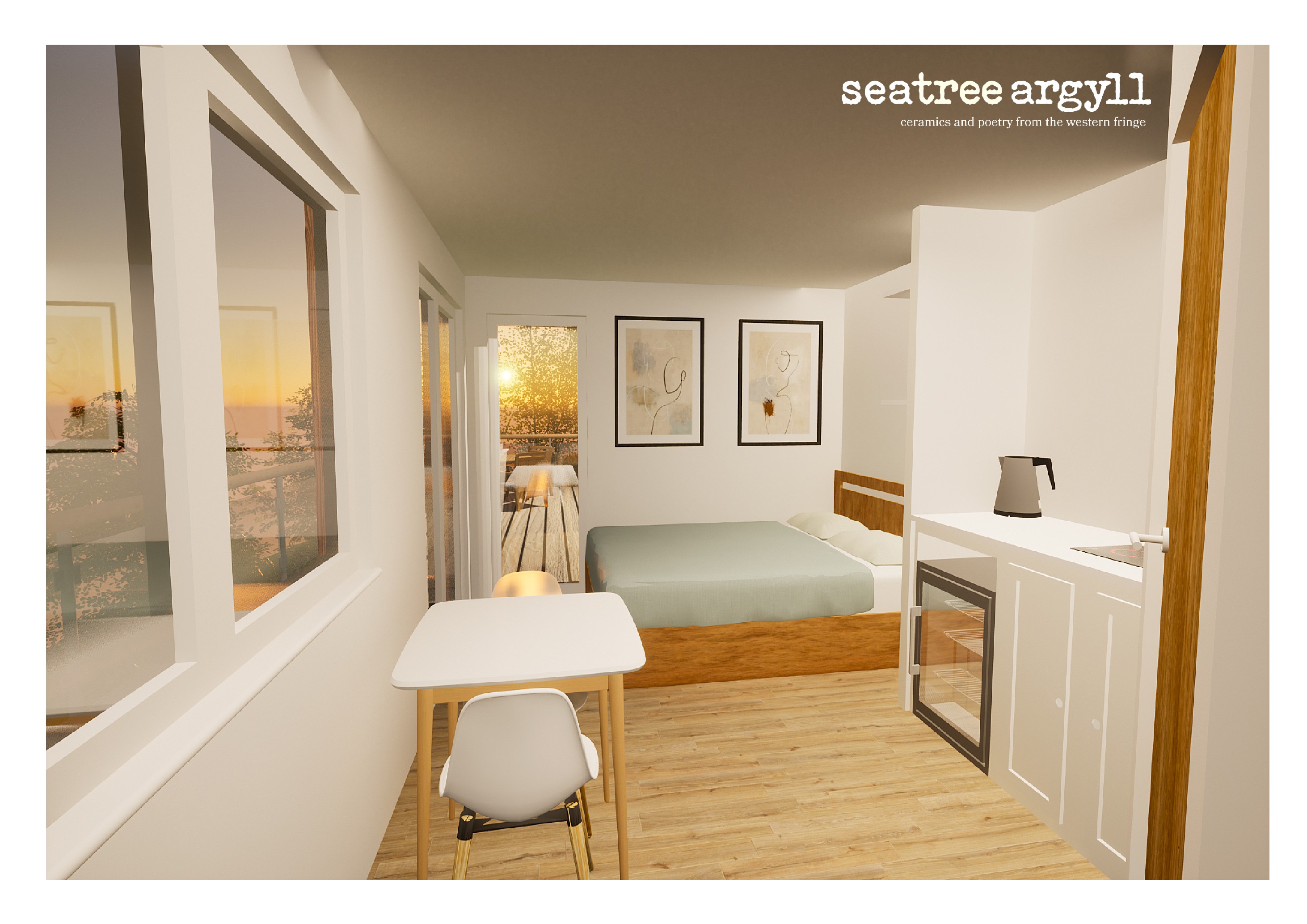
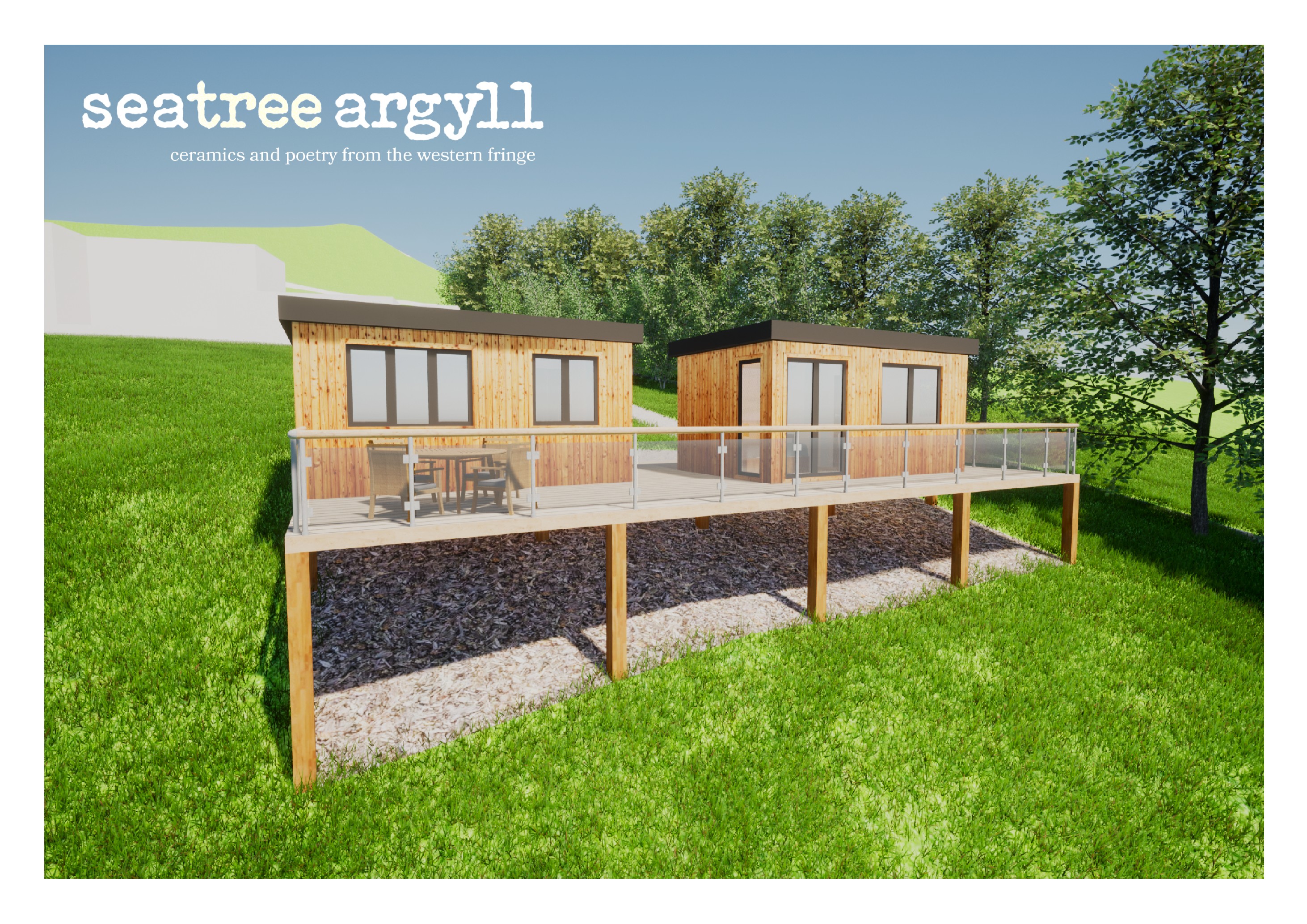
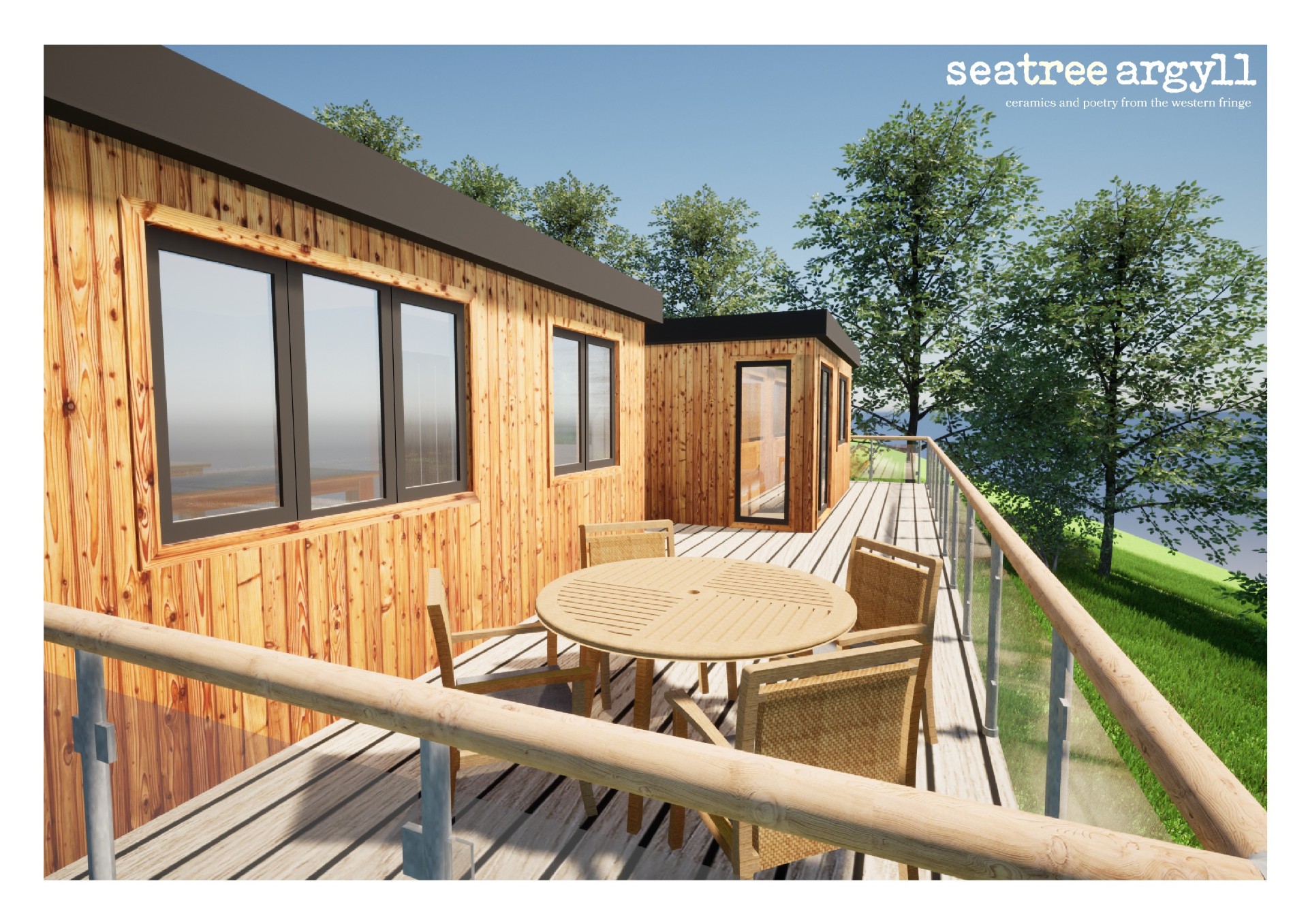
Could we use it to build a new workshop? Something that enhanced the woodland, built from sustainable materials and using low impact construction methods?

Even better, could we make a space in the woodland that might become a haven for people – for artists and makers to spent time creating and recharging their passion?

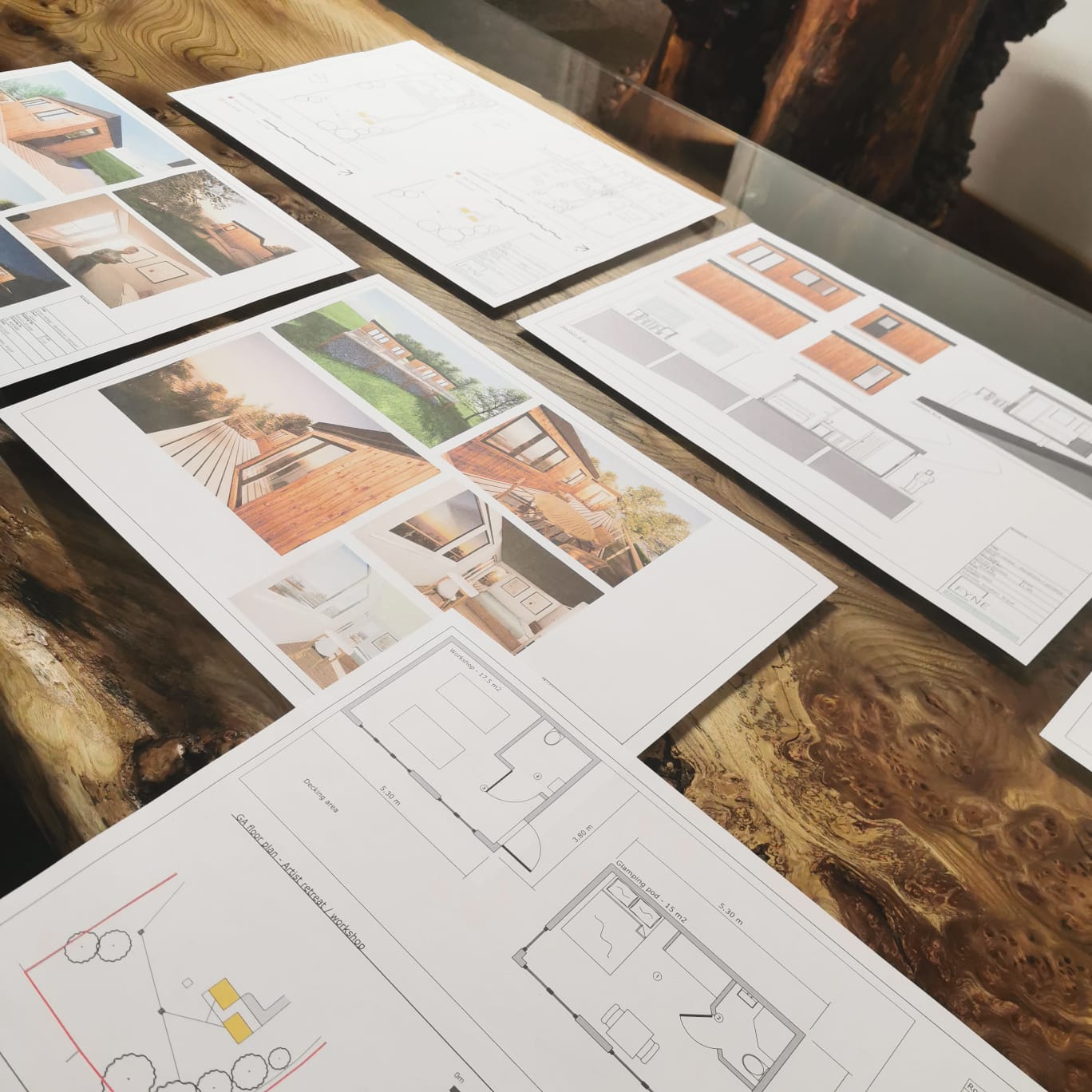
Fortunately, we have a friend who runs a company who have the skills to make something like this happen. Without Stuart and his company Fynewood, we would have given up long ago as we have tried to navigate the labyrinth of planning. Along with Ronan (who handles design and planning) we came up with something…

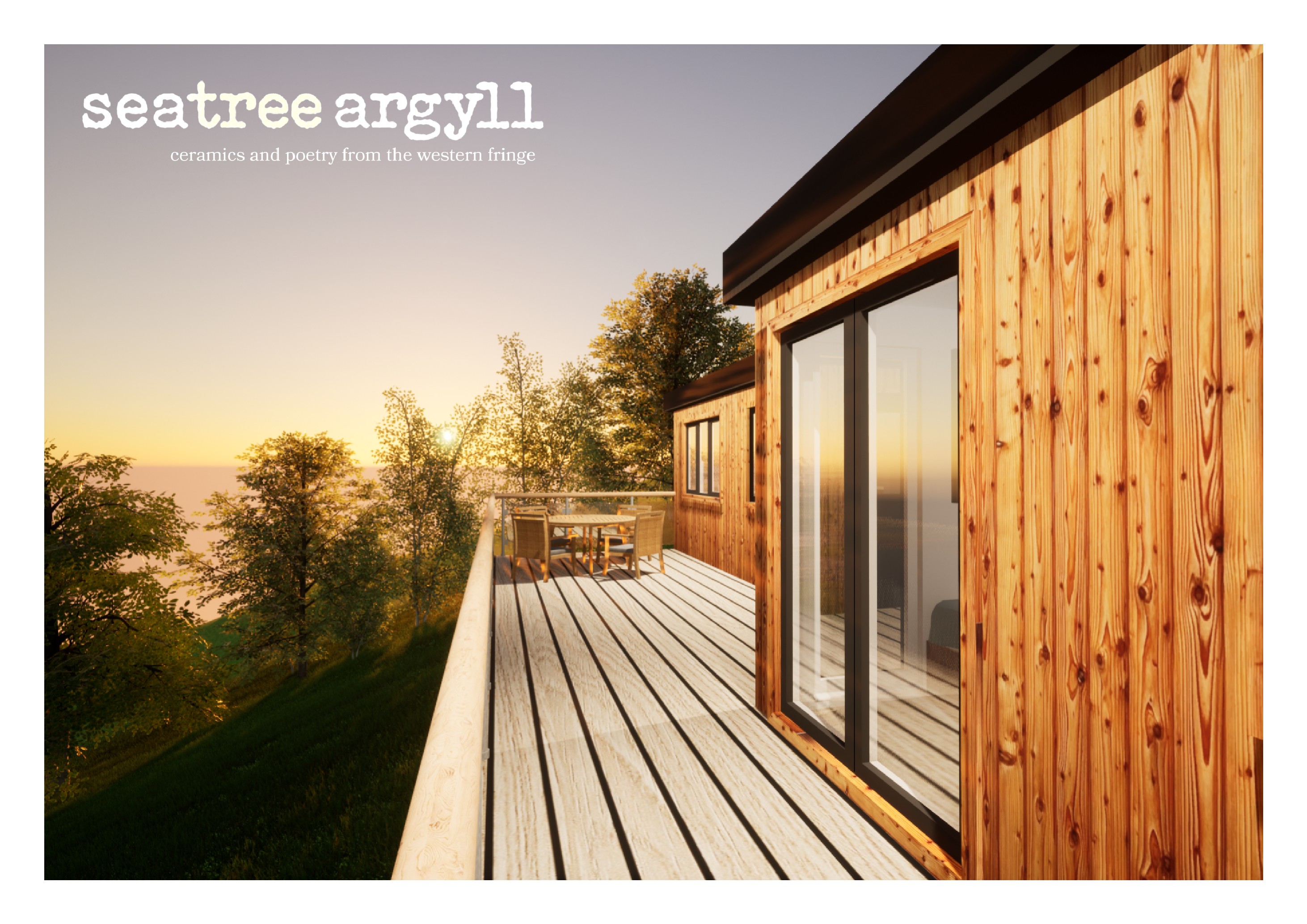
We now have planning consent to put up two small buildings – one a micro-lodge with shower and amenities, the other a workshop with disabled access loo. We intend to make the whole site fully accessible to people in wheelchairs by putting in a graded pathway and decking.

We will then use the premises in a number of different ways;

  • A place for people to make artist retreats. People will be able to book both the accommodation and the workshop for either four, seven or eleven nights.
  • We intend to make some slots available at low/no cost to artists who would otherwise not be able to participate.
  • Our own workshops. Pottery, retreat days, poetry and writing days.
  • Guest workshops. Working with our network of artists and creatives, to host a wide range of arts, crafts and writing.
  • Bookings by other artists to run their own events.

As you can imagine, the costs of making this happen is a real challenge – particularly as these costs have been rising constantly, making everything much more expensive than when we started this process. Conditions imposed by the planning department have raised these costs further – we are still negotiating some of these conditions.

Despite this, we are pressing forward, determined and very grateful for the support of Fynewood.

But now we need your help.

Firstly, there is this survey.

If you are an artist, and you have ever taken, or would like to take, an artists retreat, then we would love to hear from you.

If you have undertaken workshops, would like to start or attend more, we would love to hear from you.

If you have run workshops yourself, we would love to hear from you.

Crowdfunding

The next way you might be able to help is to support this project more directly – specifically with the accessibility side of the project. Feel no pressure, but if this project connects with things that you find important and you have some spare cash to put towards it, then we would be most grateful.

Back in 2020, we were amazed when our crowdfunded ‘shop shed’ was so well supported. We decided to reach out once more to our wonderful supporters.

We have set up a new crowd funding portal, with a set of rewards as before – both physical things, but also the opportunity to book in advance as a way of investing in the future.

You can take a look here.

Creative Scotland have a system of match funding crowdfunded donations (up to a combined total of £10K) so your contributions might count for double!

Help us make this plan a reality. Help us create a space for hospitality and creativity, Let us bring good things out of this good ground, together.

Proost podcast- wilderness retreat, part 1…

Imagine stepping away from the digital world and immersing yourself in the raw beauty of a tiny Hebridean island. What if you went there with a purpose, and deliberately called it a ‘pilgrimage’? What if you split your time there between laughing with friends and times of deep silence? What impact would such a time make in your life? Would it just be a nice interlude, or might it start to shape you in more profound ways? How might relationships that you formed there impact survive back in the real world, both in terms of the divine and profane?

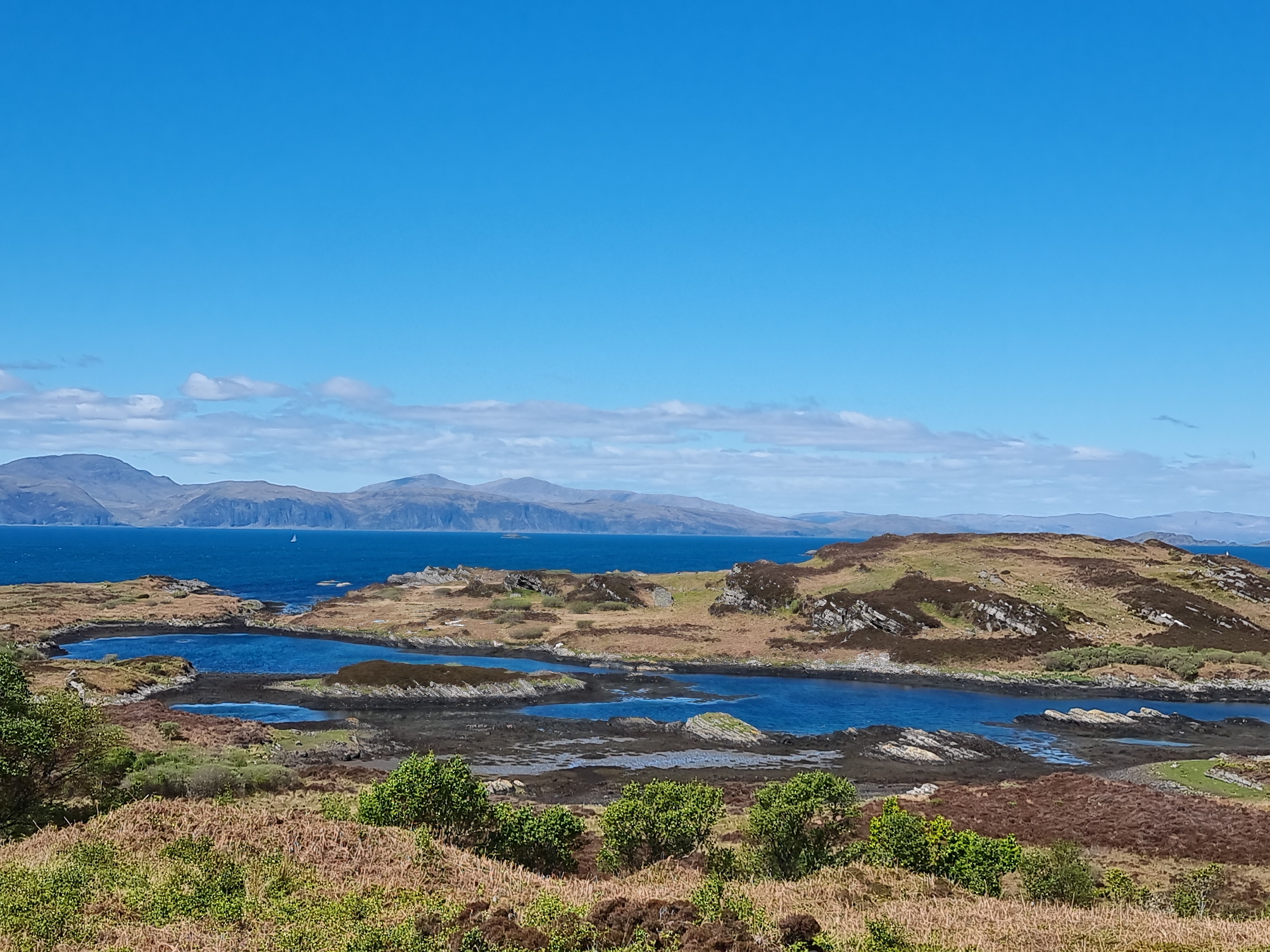
On our most recent retreat, back in May, I took the opportunity to ask some of my friends these questions. We went to the island of Lunga, part of the Inner Hebrides, just the other side of the ‘Grey dogs’ tidal race from its more famous neighbour, Jura. This remote location, with its sense of wild beauty, provided the perfect backdrop for our trip, and this time, the sun was shining throughout. As we explored the island, we were reminded of the rich Celtic heritage and the spiritual significance of these islands – and how they connect us with an older spiriuality that was always connected to earth in ways that we have largely forgotten.

The retreat was more than just a getaway; it was a gathering of friends, old and new. We shared stories, laughter, and deep conversations, creating a temporary community that felt like home. I have often reflected on how these people, some of whom I see only once or twice a year, have become for me a kind of Anam Cara- deep soul-friends of the kind that ‘know’ me in ways that it is impossible to fully describe. Some of this is fostered by the island – the exposure and shared need for each other it places in us but also by the raw uncouth toilet humour that has two superpowers – it is very funny, but also strips out all pretense.

These video’s were recorded in a hurry, right at the end of our trip, as I it felt like an imposition, an indulgence. I am very grateful that some of my friends were gracious enough to take part.

There are two ways to watch/hear the chat…

By podcast

Or I uploaded the vid to Youtube here

Into the wild…

We are off for a few days into wild places for our annual Aoradh wilderness retreat. Going to be very cold at night, so need to pack plenty of woollies…

A couple of quotes to strengthen the resolve!

“Thousands of tired, nerve-shaken, over-civilized people are beginning to find out that going to the mountains is going home; that wildness is a necessity; and that mountain parks and reservations are useful not only as fountains of timber and irrigating rivers, but as fountains of life.”

John Muir

“I went to the woods because I wished to live deliberately, to front only the essential facts of life, and see if I could not learn what it had to teach, and not, when I came to die, discover that I had not lived.”

Henry David Thoreau