
You must learn to be still in the midst of activity and to be vibrantly alive in repose.
Indira Gandhi
You must learn to be still in the midst of activity and to be vibrantly alive in repose.
Indira Gandhi
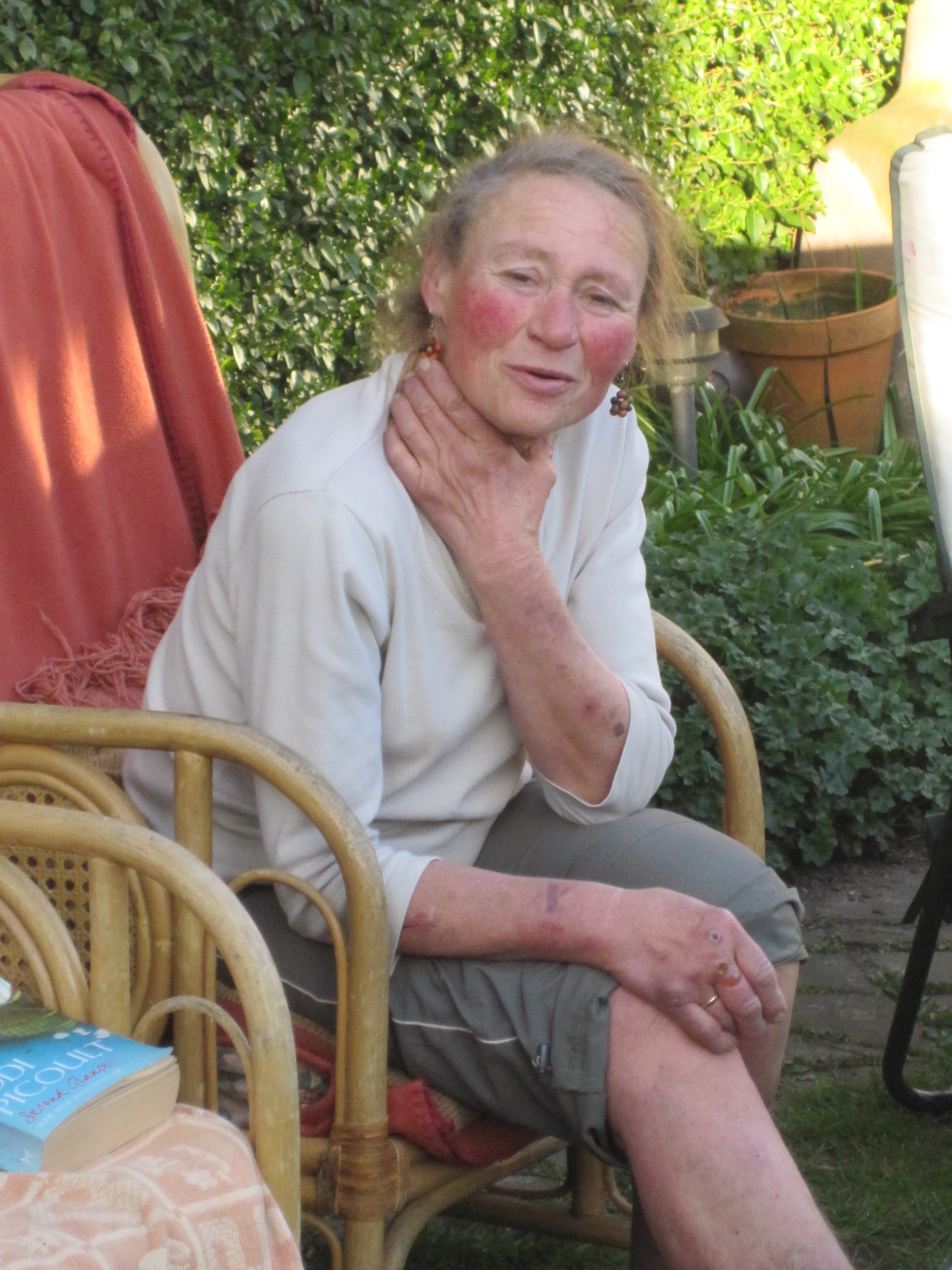
I have just spent a few days down in Nottinghamshire visiting family. My mother has been diagnosed with cancer, so had to go into hospital for a lumpectomy- and we wait the news as to what further treatment she requires. All very scary.
Because I went down on my own this time, I stayed with my mother- the first time I have slept in the house that I was born in since the say before we married 22 years ago. This has some disadvantages, as she has no hot water, and no central heating (beyond a few ineffectual storage heaters.) She suffers from a fresh air fetish and even with a hard frost, each room had open windows. I had taken the precaution of making sure I had my down sleeping bag, which I slept in under the duvet!
However, it also gave me time to sit and talk about family. The murky details of my family background are complex, and full of things that most upright folk would rather had been swept under the carpet. Some of it I knew, but some I did not.
So, it goes something like this;
My great grandfather was born some time around 1850 in Lincolnshire, the illegitimate son of a local landowner. His father took some responsibility for his offspring, but not much- he set his son up as a farm labourer. It does not seem to have been a happy arrangement- he was a bitter and angry man, who treated his own sons poorly. My Grandfather was born around 1883, and as soon as he was old enough, left home to go and work in the Nottinghamshire coal mines.
In case you are wondering how I could have a Victorian Grandfather, read on…
He married and settled in Kirkby in Ashfield, in the shadow of the Summit Pit. He had two children, both boys. Unfortunately, his wife was sick most of her adult life, and a large portion of his earnings went on medical bills- this was long before the advent of the Welfare State.
The boys grew- one was wayward, and rebelled against my Grandfather liberal use of the leather strap. He left home, but was killed riding a motorcycle. By then, his mother was long dead.
The other boy had children of his own- one of whom survives.
In the meantime, in the housing shortage during the second world war, my Grandfather moved into a former railway carriage. Quite why he needed a housekeeper in such a situation I have no idea- but such arrangements seemed to be common. So it was that my 43 year old Grandmother escaped her work in a munitions factory and moved into the Railway carriage with my Grandfather- then aged 60.
My mother was born shortly afterwards- into every kind of poverty. Her parents seemed to have little idea as to the needs of a child- particularly in terms of emotional needs. She had no birthday presents, no Christmas presents. The shame of being the illegitimate child of this situation was so powerful that when my Grandfather died in the 1970’s, at the ripe old age of 93, she was terrified at the prospect of the vicar officiating at the funeral discovering that his family name was not the same as her maiden name. So much so that she began hyperventilating as she tried to explain. Such is the power of childhood shame.
The story became more difficult for her- a bad marriage, lots of bitterness, and no small amounts of damage done to my sister and me.
However- what this conversation enabled me to see, perhaps for the first time ever, was a chain of ungrace stretching back 160 odd years. All those damaged people trying to find ways to live better.
And I was reminded of some hard old words from Exodus 20;
…for I, theLord your God, am a jealous God, punishing the children for the sin of the parents to the third and fourth generation of those who hate me…
And feel little comfort for how the words go on;
…but showing love to a thousand generations of those who love me and keep my commandments.
The sins of the fathers are very human ones. I am not sure about all the judgement stuff in Exodus, but I am sure about the fact that damaged people can easily do damage, and that bitterness infects other people in ways that are hard to understand even in hindsight, even when right in front of our eyes.
May the scars we carry soften. May we not nurture any new hate.
We are really pleased with the new logo for our wee collection of micro enterprises.
We have been developing bed and breakfast rooms, self catering accommodation, retreats, crafts and craft workshops, pottery and more over the last few months. We needed something to tie it all together. At first we used the house name (Sgath an Tighe, meaning ‘shelter of the house’ or ‘house of shelter’) but increasingly we thought that it might confuse slightly as people cannot pronounce or spell it!
Eventually we came up with ‘Recreate’ as a name- with all its implications for creation, creativity, starting again, and making use of recycled materials.
Hence our business website will be transitioning to branding around the new name, and will use a new address of www.recreate-argyll.co.uk
Here is the art work, by Simon Jones, who we would highly recommend to others on the look out for some branding/graphic design work.

I have taken the plunge.
After talking about it for a while, I have finally booked myself to attend an 8 day silent retreat at St Beuno’s Ignatian Spirituality Centre. I will be going towards the end of January.
I feel keenly the pivot point of my life.
I am 45 years old, and not done with adventure. I carry within me the wounds of a troubled childhood and sometimes it seems as if I am still 17, but at the same time I am no longer a child. The man I have become stands on shaky ground, but I am not ready to find a safe corner and watch TV just yet.
Increasingly though, I am aware that adventure does not just take place in the physical environment- in fact if it is to have any real value it is always a spiritual quest.
I also feel strongly that spirituality of this sort can not have, as a primary aim, the promotion of ME. There is a kind of spirituality that seems to grow from secular ideas about self actualisation and personal growth. They make an idol out of self, and this is not really compatible with following Jesus. So, whilst I might hope for satisfaction as a by product, the aim is to connect with something deeper, something outside me, so that I am better equipped to be an Agent of the Kingdom of God. In this way the internal journey connects again with the journey outwards.
I have no idea what the outcome of spending days alone with myself and God might be.
And lest this all sounds a bit pompous and self important, I am a bit scared.
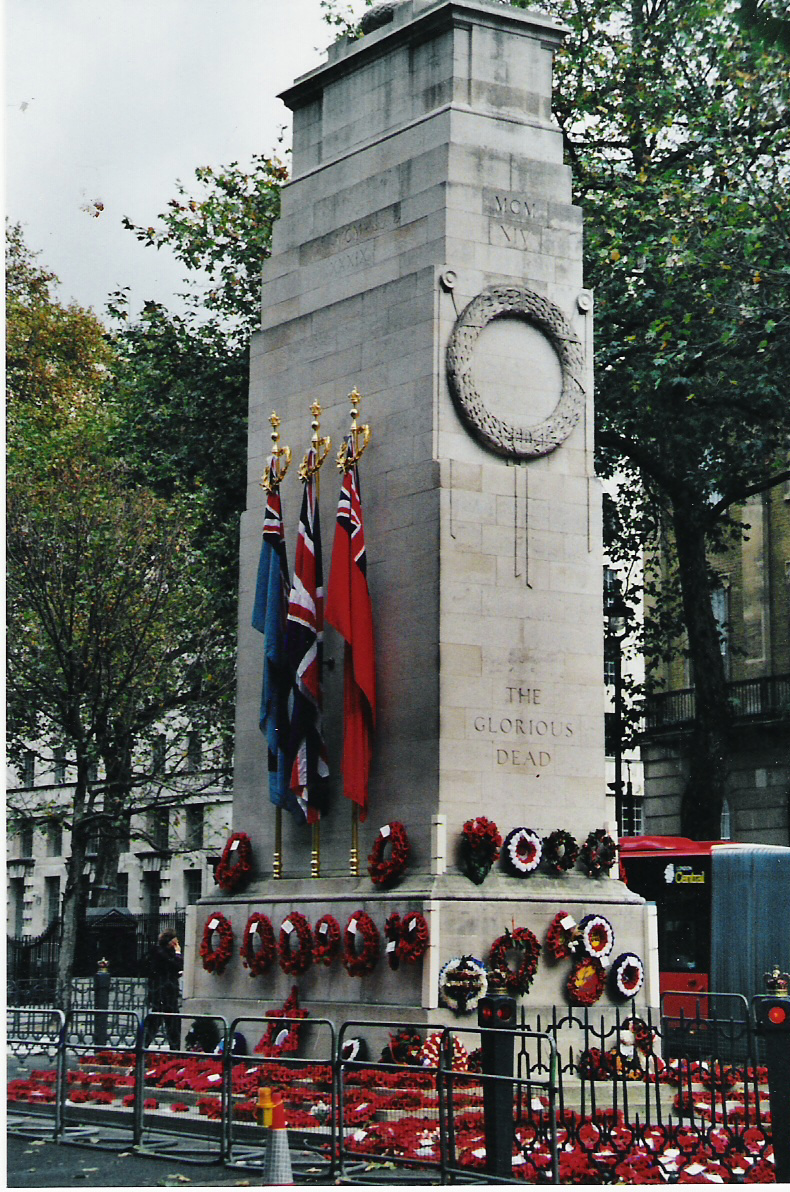
Another Remembrance day. Another 11th hour of the 11th day of the 11th month. Bands and sober crowds with the occasional glint of gold on the chest of men in blazers and regimental ties.
For me, this day always sets off cognitive dissonance. Remembering this kind of death can easily become a kind of glorification; an elevation of war to the great heights of human endeavour. The mass death of men in the flower of youth is so much more marketable than the quiet work of peacemakers, be that in our neighbourhoods or around a table at the UN.
But die they did, and whilst I can not rejoice at their death, nor pretend that being gutted by a shard of shrapnel can ever ennoble, I can pause and pray that we might yet learn something from all the carnage.
And I think the Bishop of London said it this morning quite well- the greatest lesson for us is to acknowledge that war happens when we allow poisonous hatred to flourish in our societies. When we scapegoat, when we point fingers, when we place ourselves inside and others outside.
The endless fascination with the second world war (which I share in part) always takes place with an underlying assumption about how plucky England fought a lonely crusade- a holy war- against the evils of fascism. Our Knights rode Spitfire steeds to slay the Teutonic dragons.
In this stained glass portrait of war it becomes impossible to feel the shame of all the empire building, the asset grabbing and the dreadnought building that Britain indulged in for hundreds of years beforehand- factors which any high school historian has to acknowledge as the fertile fields in which the seeds of both world war were nurtured.
So on this 11th day of the 11th month let us see war for what it is- a terrible failure. Each life lost paid the price of this failure.
Each battle won obscures the failure slightly but failure it remains.
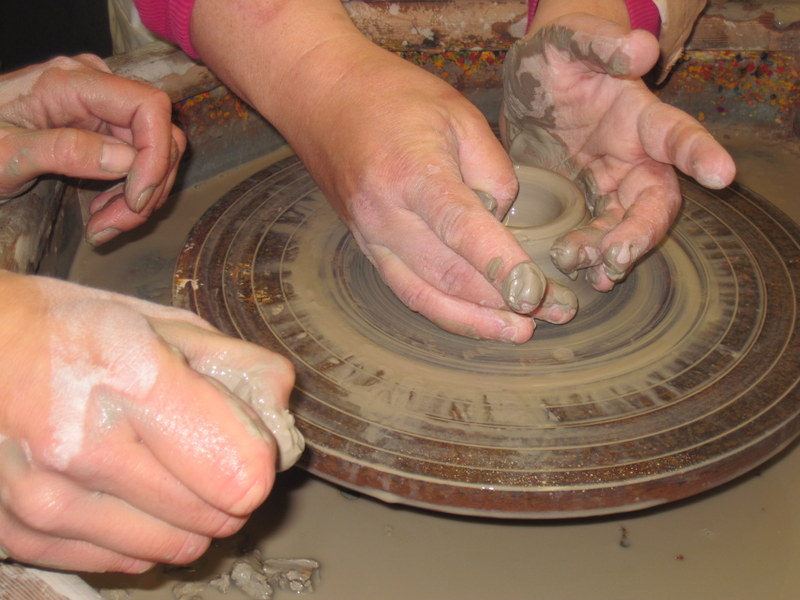
A slight thing, written as I considered making things with my own hands…
Hands
Give me hands that reach and hold
Not hands that grab and grasp
Give me open hands
Not those made into a fist
Give me hands to build
Not tear down or destroy
Give me hands to shape and carve
Not hands to slice or cut
Put these hands in my own soil
Never taking seed sown by others
Let these hands be life lined
Not lifted against another
Let these hands make quiet music
No fife or drums of war
Give me hands that cup the ear
Not hands that push and point
And let these hands not pluck your specks
But take the logs from my eye
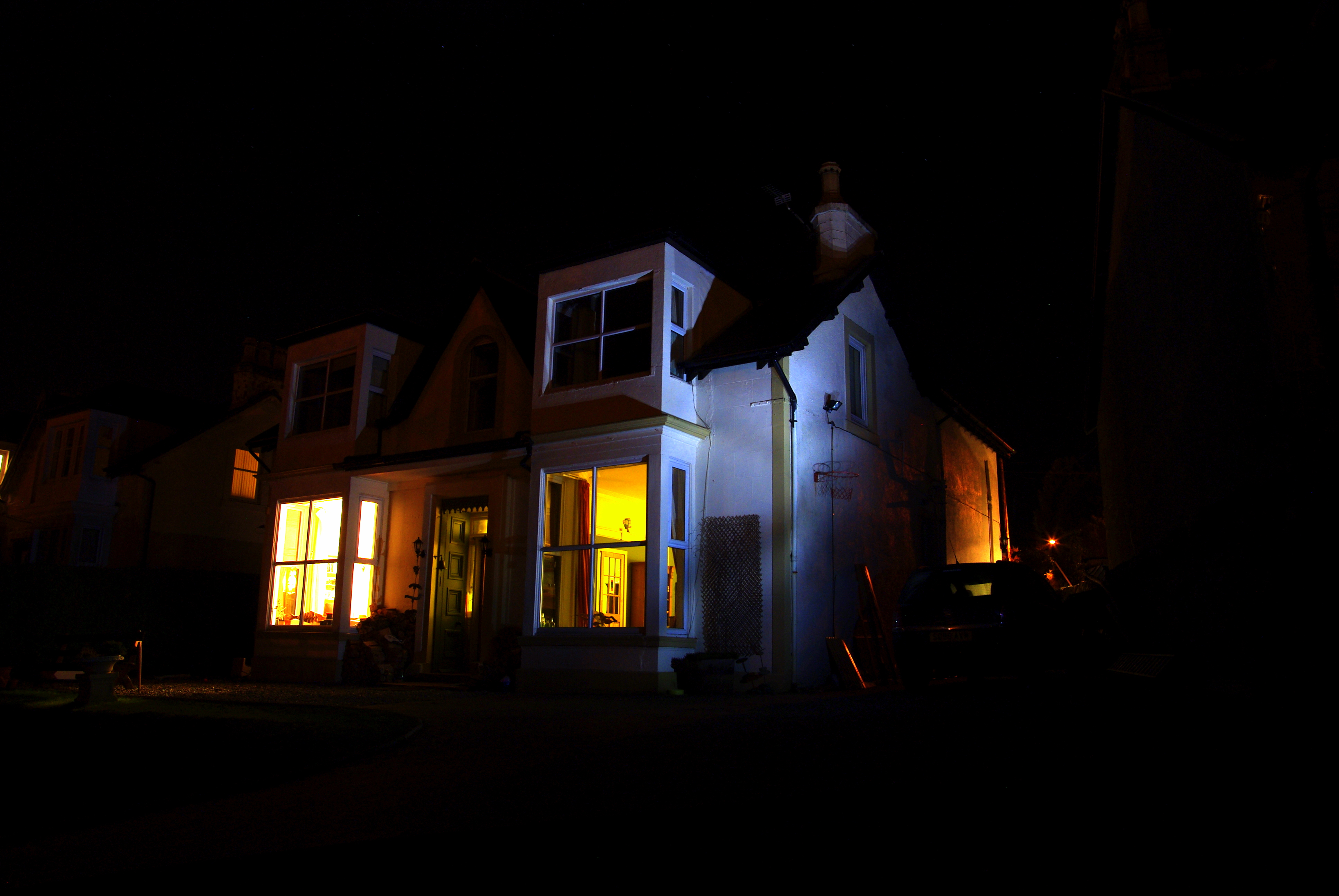
(Our house lit by a bit of slave ‘flash painting’ work on a long exposure.)
Last week we had a lovely couple staying as guests in our annex from London. This was their first time in Scotland, and they were blown away by the beauty, and even more so by the peace and quiet.
One of the things they mentioned too was darkness. The kind of darkness that you only get at some distance from light pollution that bounces off clouds and leaches into every corner. Their reaction to a walk up our drive at night was a combination of fear and wonder.
All of which led me to think about the juxtaposition of light against dark, goodness against badness, truth against falsehood, etc. All those old polarities; one of which we ascribe to God, the other we blame on the flesh or the devil.
One of which can not exist without the other.
So, light can only be understood in the knowledge of darkness. As Jesus put it;
…the people living in darkness
have seen a great light;
on those living in the land of the shadow of death
a light has dawned.Matt 4:16
I started to think about how all of these things might exist in the mind of God.
And the Darkness became purple again.

At the time of writing this, we await the likely announcement that Justin Welby, the current Bishop of Durham, will be the next leader of the Anglican Communion. There is a 15 min radio profile on him here.
Here is my gathering of a few facts about him;
Eaton school. Most expensive fee paying school in the land, where the rich and autocratic send their kids.
Trinity College Cambridge. Member of the Christian Union, a very Evangelical Grouping known as ‘the God Squad’. The dean however (in contrast to Dean of John Robinson, was a liberal radical, famous for a controversial liberal theology book called ‘Honest to God’.)
Evangelical. Attended Holy Trinity Brompton, Charismatic in outlook.
Joined an Oil Company, became treasurer. Very rich.
1989 gave it up to become parish priest.
10 years ago, fast rise up church hierarchy- Dean, Bishop of Liverpool, Bishop of Durham (less than a year.)
Now Archbishop?
Where does he stand on those totemic issues that have the capacity to rip the church apart? Apparently he is supportive of women in ministry, but his views on homosexuality are less clear. He has suggested that he supports the ‘churches position’ on the matter, which might suggest he holds to traditional teaching.
However, others have suggested he has really good skills relevant to the post- being a great communicator, intermediary, good with managing money and engaging with issues. This as contrast with the outgoing Archbishop, Rowan Williams, who was a brilliant, deeply spiritual, cerebral character.
Leadership matters. We only have to look at the things happening in the Roman Catholic Church at the moment under the leadership of Pope Benedict as he tries to roll back changes made in the church over the last 40 years since Vatican II.
The Anglican Communion is a very different animal however- much more about the vicarage kitchen table than the Papal palace. I hope and pray that Justin Welby will be a leader who we will look back on with same affection as most will be doing on his predecessor.
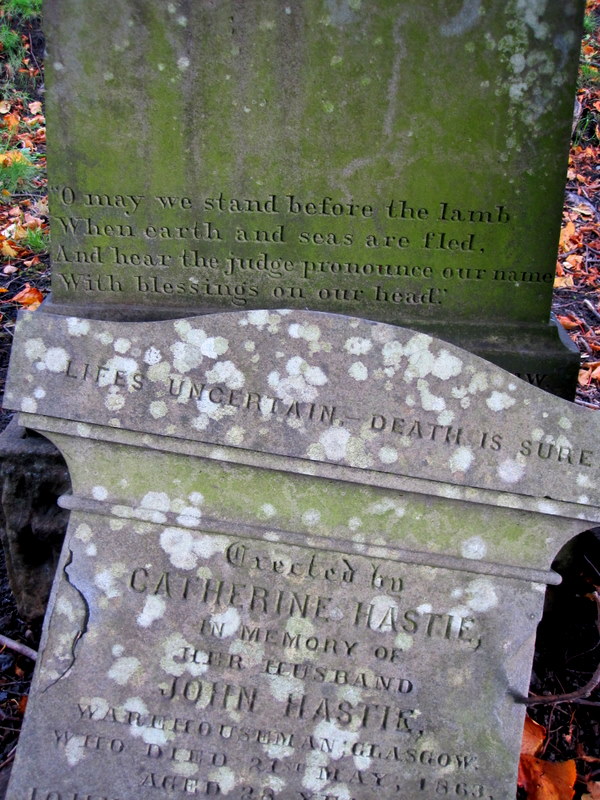
Health inequalities- what causes them? Why do people in some parts of the UK have an average lifespan of years and years longer than people who live in other parts?
Glasgow is a case in point. Life expectancy at birth in Glasgow is the lowest in the UK –over six years below the national average for Glaswegian men (71.6 years, compared with a UK average of 78.2 years), and over four years below average for Glasgow’s women (78 years, compared with the UK average of 82.3).
In previous discussions, we suggested that this difference was primarily caused by pockets of extreme deprivation in the inner cities- an underclass who die young through high risk lifestyles skewing the statistics. However this may well not be the case.
This from the Guardian;
…the conventional wisdom that Glasgow’s ill health is all down to poverty, bad diet and bad behaviour is, at best, partial and, at worst, misleading. Despite years of research and decades of evidence that something has gone terribly wrong in the heart of Scotland’s largest city, the underlying causes of Glasgow’s fatally poor health remain something of a scientific mystery.
Poverty alone doesn’t account for Glasgow’s dismally low life expectancy. Other British cities – Liverpool and Manchester, for example – have rates of deprivation every bit as high as Glasgow, yet their life expectancies are substantially higher. What’s more, even Glasgow’s most affluent citizens, those in the top 10% of the income distribution, die significantly younger than their counterparts in other British cities. At best, according to the epidemiologists’ calculations, deprivation accounts for less than half (around 40%) of Glasgow’s “mortality gap” compared with the rest of the UK. The other causes are still unknown.
This is quite a statement. For many years research had pointed clearly to the fact that poverty is the single most likely indicator of life expectancy. What other options are there that might explain the Glasgow situation then?
With colleagues at NHS Scotland and the University of Glasgow, Walsh has devoted much of the past five years to uncovering what makes Glasgow so different, compared with other, similarly deprived British cities. If you think deep-fried Mars bars are to blame for Glasgow’s ill health (as many English commentators seem to), then think again: obesity rates in the city are actuallylower than in some English cities.
Nor can Glasgow’s infamous penchant for alcohol and cigarettes explain the puzzle. According to the largest health surveys in England and Scotland, Glaswegians neither binge-drink nor smoke more than their peers in Liverpool or Manchester. Drug abuse (particularly heroin), knife crime, murder and suicide are all significantly more prevalent in Glasgow than in other cities. But that only prompts the question – why is this the case? What is it about life in Glasgow that seems to predispose some of its citizens to such destructive behaviours?
“Lots of people have their own pet hypotheses about it,” Walsh says. In a recent research paper, Walsh, McCartney and their co-authors, Chik Collins and David Batty, assessed no fewer than 17 competing explanations for Glasgow’s ill health. There are theories that blame the weather (perhaps it is vitamin D deficiency or chilly winters?), those that blame the data (perhaps Glasgow is simply poorer than it looks?), plenty of theories that blame the Glaswegians (a culture of hedonism, sectarianism or alienation) and still others that point the finger at the Tories (a “political attack” on Glasgow, conducted by Margaret Thatcher’s government). Some have more supporting evidence than others, but all are unproven, says Walsh. “The main thing to say is that it’s not going to be one thing. It’s going to be a combination of different factors interacting,” he says.
Point of death may not be the best measure of a life, and population wide stats tell little about individual experience- but I believe that this gap in life expectancy is a terrible blight on our country which should really be much higher up the political agenda.
 this fragile tent