Mountain eats man…

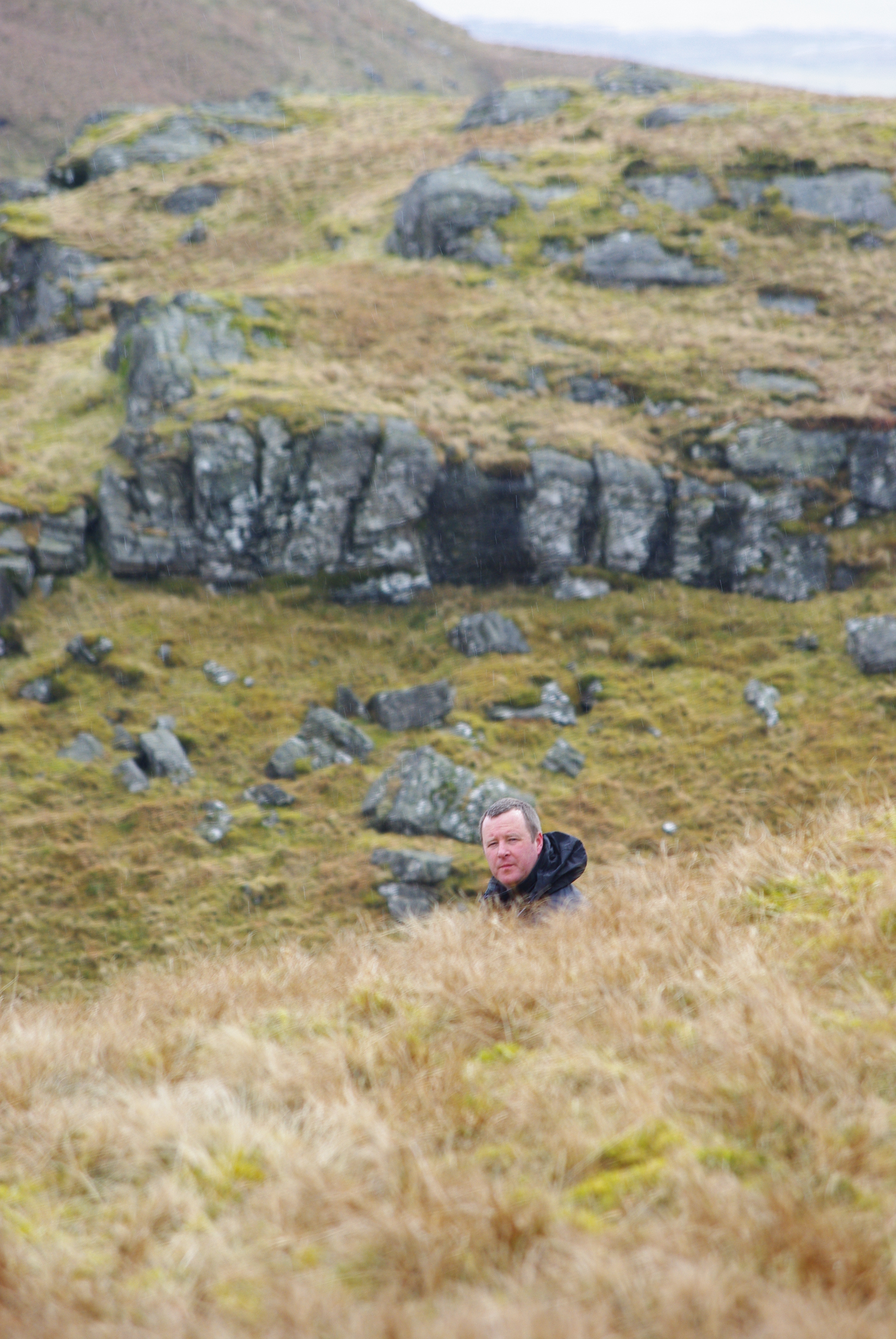
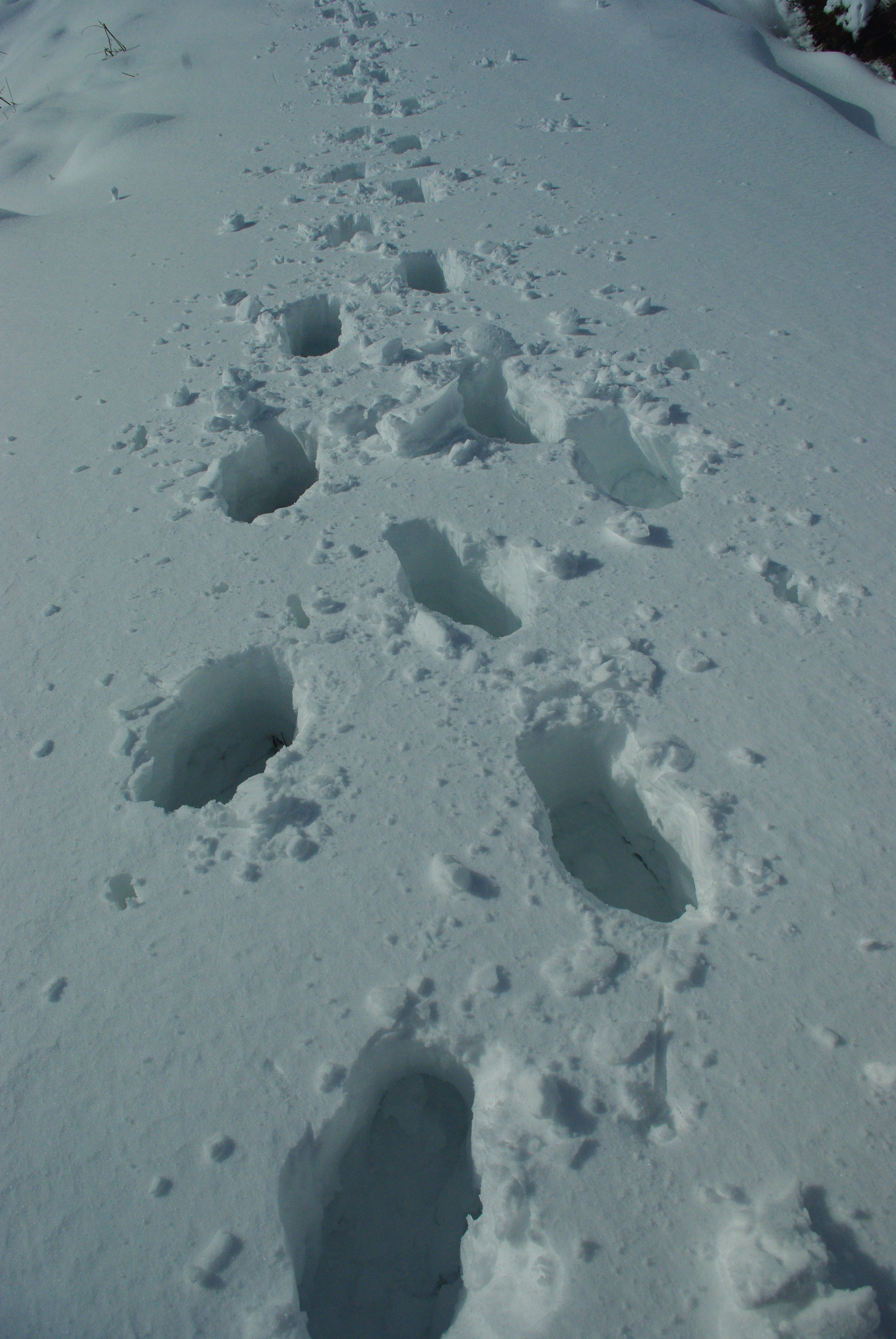
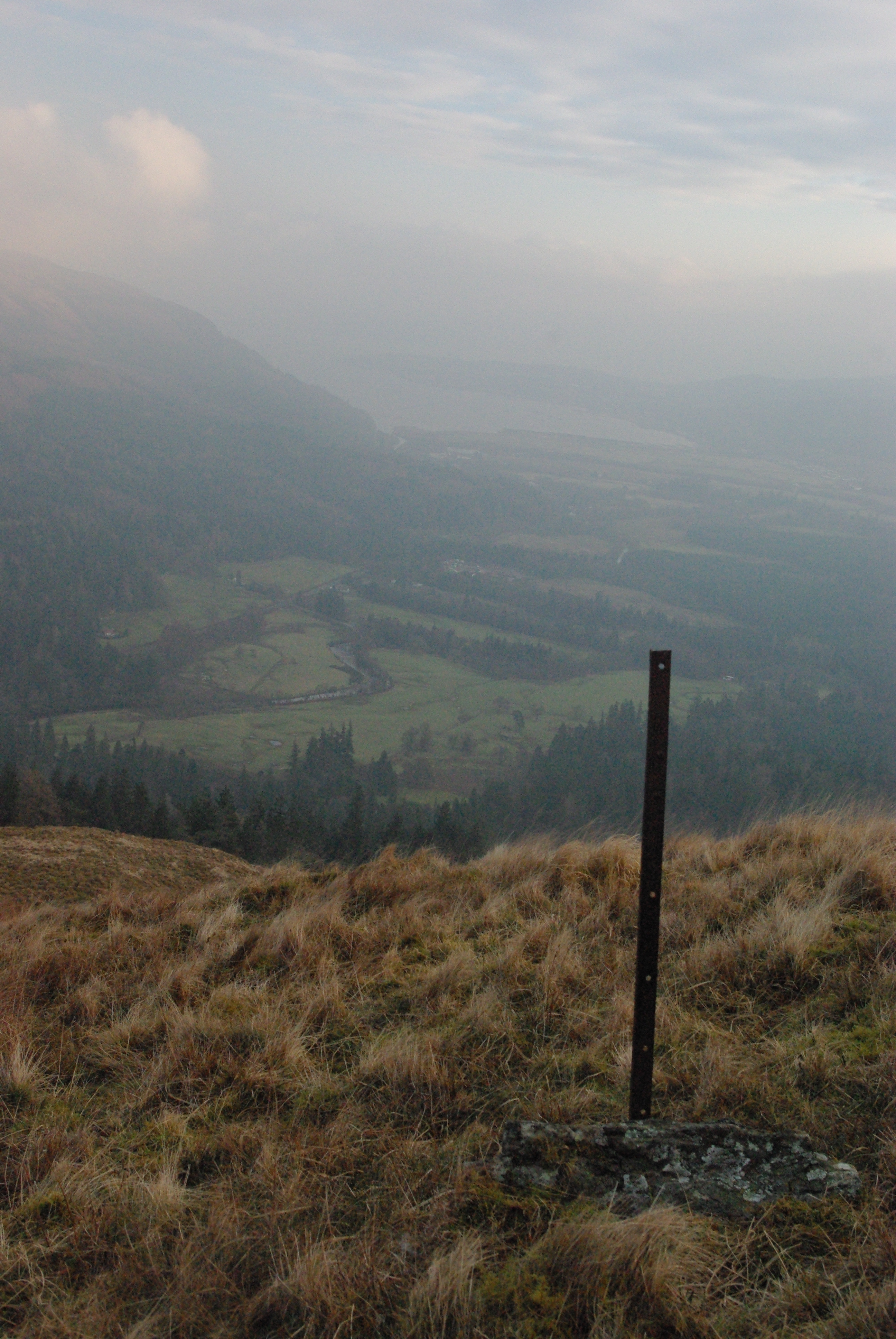
I took a walk yesterday with a mate. And the mountain ate us.

They do that.

There is this real tendency to see oursleves as significant. We make the things of our small lives into megaliths. We wall ourselves in with worries and concerns that come to tower over us, and the risk is that we become so accostomed to the shadows that we forget that the sun ever shines.

But today, the mountain was bigger than me.

Hallelujah.

‘Highland Emergency’- I become a fan…

For the last few Friday nights, part of my collapse from work has involved watching this programme

My preocupation might relate to my own recent reason to be thankful for the professionalism of these men and women who provide an emergency rescue service accross the wild hills and waters of Scotland.

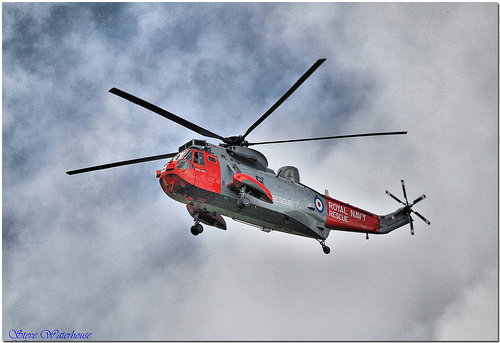
In watching this programme, I have been more aware of how dangerous some of the conditions they fly into are. Tonight’s episode saw Rescue 177, the Royal Navy Sea King from HMS Gannett that picked me up, almost crashing into Ben Cruachan in strong down drafts- which left the crew shaking and shocked.

Brave men. People whose actions are worth celebrating.

And (for me at least!) compulsive TV. Often filmed in the landscape that is so familiar- the wildness of Argyll and the west coast.

Here’s an episode from you tube…

Wide open spaces…

I went for a walk.

Thanks to all of you who have been so kind and supportive in relation to my earlier post. In particular there were lots of comments about risk. Life without risk, it seems, is not really possible, but should we try to live like this, we may find that we have no life at all. Being drawn out to adventure seems to me to be an essential characteristic of the life of faith, as well as being essential to psychological and physical health and well being.

Let be honest though- some of these activities can indeed be self indulgent. They can be about the pursuit of an adrenaline high, or an experience that disconnects us from the wider community we embrace and serve. Seeking after transcendent experience in wild places can be a form of idolatry too. Yesterday a friend who was planning to come with me instead helped another friend erect a garden shed. He may well have made the better choice…

However, yesterday I just needed space. My head was full of ‘stuff’, and my temptation was just to find a hole to hide in.

So instead, I climbed up some mountains, and found some deep snow.

An activity of course that was not without risk…

In which I am berated as an ‘idiot’…

I have been struggling a little with the publicity following my recent little mishap. For the most part, people have been polite and kind-  interested in the details, but perhaps a little switched on by the drama of it all.

Today however, in our local newspaper, a letter has been published that has a rather different tone.

The good thing about having a blog like this is that it gives me a chance to make a kind of response of a more thoughtful and considered nature.

Here is the letter in full, along with my response.

Editor-

I write with anger as I note that a lone canoeist was rescued from the Clyde last week. Has he been sent the bill for the rescue? It was nobody’s fault but his own that he chose to go canoeing on his own in February weather. Why should the tax payer have to pay for this man’s folly?

Dear ‘name and address withheld’

I am sorry, but also a little puzzled, to have been the cause of your anger.

You are quite correct that I took decisions that ultimately led to an accident, and that any blame to be allocated is mine alone. However, I do not agree that these decisions amount to ‘folly’. This for the following reasons-

  • I am an experienced canoeist, who has been out on these waters many time before
  • I have never previously capsized my canoe, despite paddling in far more challenging conditions
  • The ‘February weather conditions’ you alluded to were in fact flat calm, with hardly a ripple of a wave, and the air temperature could have best been described as ‘mild’
  • I was indeed alone, but had taken the precaution of letting others know were I was going, and when I would return.
  • I stayed reasonably close to shore, and well within my comfort zone
  • I am fit, a reasonably good swimmer, wore a buoyancy aid and warm clothing that allowed free movement in the water. I was close to shore when rescued, having made good progress from the point I entered the water

I should perhaps also point out that I too am a tax payer.

When the search and rescue facilities are privatised, as your report two weeks ago said that they will be in 2011, do you think that people who choose to put themselves in danger will be rescued without receiving a hefty bill?

I hope so. The humanitarian ethos that puts the saving of life before the saving of money is one that many of us (particularly me!) would want to defend. I am very grateful to the people who rescued and looked after me, and humbled by their compassion and care.

You raise the point again of me choosing to place myself in danger. Clearly, canoeing (at any time of the year) has a degree of risk associated with it, even if this is a measured risk. It is also clear that after every accident, there are things we can learn that might help us reduce the risk, or cope better with mishaps as they befall. To this end, I have already uprated the floatation in my canoe, bought a wetsuit, flares and am considering purchasing a portable VHF radio. Whether or not these things would have prevented the accident is debatable.

The issue of risk is a difficult one.  There is risk in many activities- perhaps the most risky thing that I do is to drive around Argyll on our busy country roads. I do this because I have to as part of my job, but many of my colleagues have had serious accidents.

Many leisure pursuits have a measure of risk- cycling, climbing, hill walking, sailing etc. Those of us that do these things have a responsibility to make sensible preparations and precautions, but miss judgements and over confidence are common. At some point, many of us have accidents- most of them thankfully minor. There is a real danger that we start to see accidents as the result only of foolishness on the part of those involved. It makes the rest of us seem invulnerable, which of course, we are not. The blame game that you appear to be playing is likely to make this worse.

Does this mean we should avoid such activity? I and many others do not think so. Risk can also be a positive choice, as the alternative can lead to no life at all.

It is perhaps also worth noting the huge costs to the NHS of physical and mental health problems associated with our sedentary modern lifestyles- and the encouragement to get out into wild places as a way of reducing future health problems.

How many millions are wasted on sending helicopters up hills to collect people who think it appropriate to climb them in training shoes and t shirts?

I do not know. I suspect that you do not either. I do know that a number of people who volunteer for rescue based activities (RNLI, Coastguard, Mountain rescue) love being in the outdoors, and are enthusiastic participants in the sports that you appear to find questionable. Some of them have lost friends to accidents, or been rescued themselves, and want to give something back.

I have spent a lot of time in the mountains, and have met people who were poorly equipped. However, I have also been part of the rescue of a group of soldiers who were cragbound despite being very well prepared. In wild places, stuff happens.

Neither do I think that your analogy is a fair one. I was not wearing a t shirt, nor was I wilfully reckless or inexperienced.

Helicopters can only be in one place at a time and while they are engaged in the rescue of an idiot, they cannot be available to rescue people who are in difficulty through no fault of their own.

I may be an idiot- but given that (I assume) we have never met, I think your assessment of my character is presumptive. Even if you are right, do you think that we ‘idiots’ are better left to drown? My family and friends might disagree.

Are we more deserving of rescue if victims of blind chance rather than personal failure? In a car accident for example, should we first save the victim, or the person whose mistake caused the accident in the first place?  Who decides?

It might be interesting to note that the helicopter that rescued me was a Royal Navy unit, that was already on a search and rescue exercise two miles up the Clyde. In this, I was very fortunate, and am very aware that I was the centre of great expense.

Finally ‘name and address withheld’, I would like to say this. I am not sure what activities help bring meaning to your life, but it may well be that at some point in the future, you too are faced with a situation for which you were not prepared- perhaps even because of a mistake that you make. I hope that this never happens  but it is also possible that you may then require the help of emergency services.

If such a thing should befall you, I hope that you are treated with the compassion and care that you have failed to show to me.
By way of postscript, today I was in a local shop, and a woman took it upon herself to call me an idiot to my face, and to say that she very much agreed with the comments made in the local paper by ‘name and address withheld’.

I was a little stunned, but managed to ask her why she thought that saving my life was a waste of the time of emergency services, and why she thought that I had behaved like an idiot. I was able to explain a little of the circumstances of the accident, and the nature of the weather conditions (which she assumed were the cause of the accident.) She huffed and puffed a little, but conceded that there must be another side to the story. We parted smiling, albeit through clenched teeth.

Such is life in small communities.
Life twists and turns…

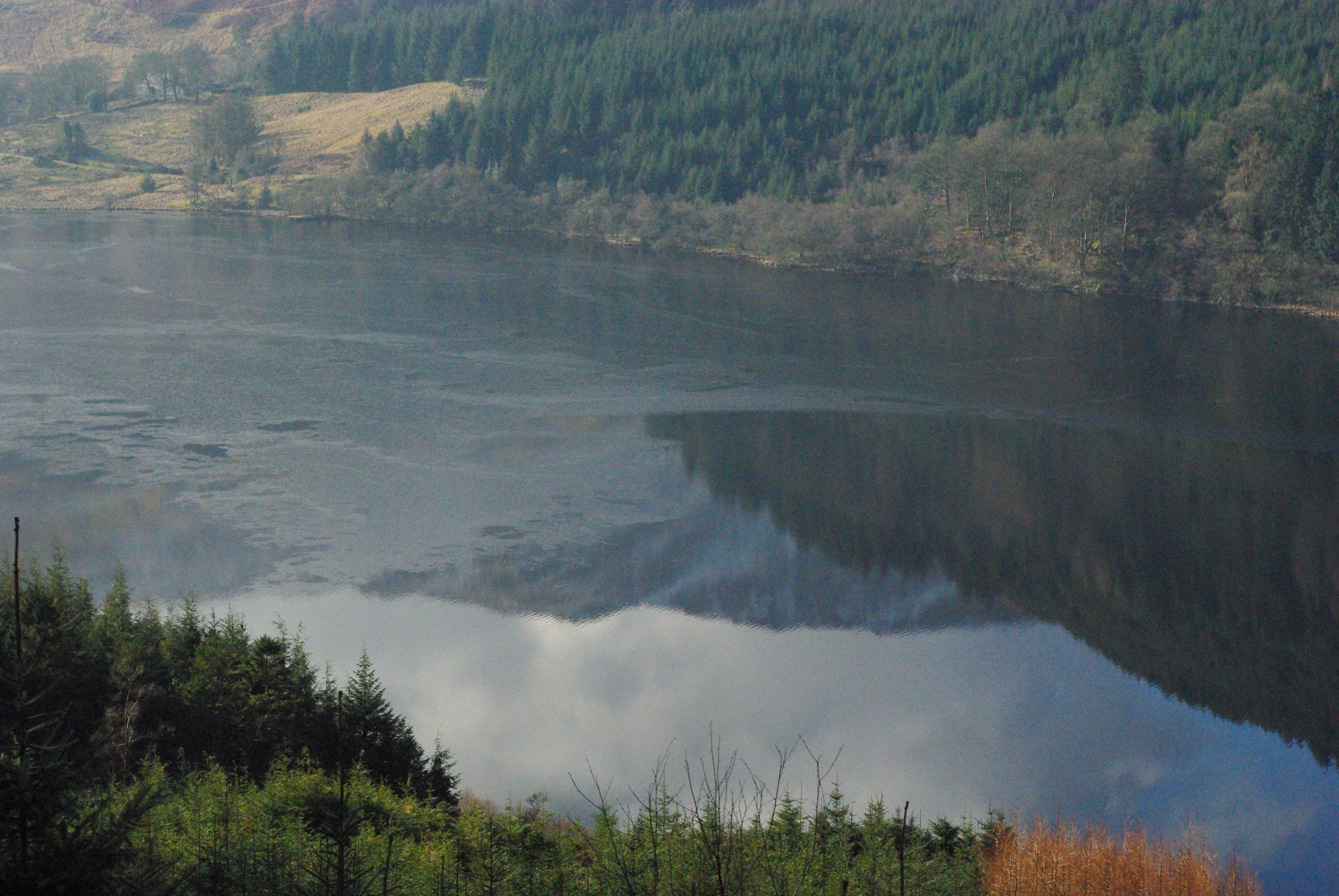
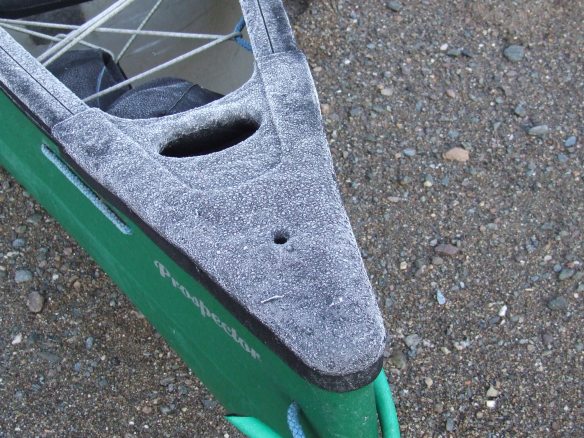
I was out today for a short walk. I am still weak as a kitten, so I did not go far- just a little stroll above Loch Eck- which was under a thin skeen of ice from one side to the other…

My friend Simon treated me to lunch and a pint at the Whistlefield inn, and I found myself reflecting on the fact that we stayed at the Whistlefield lodges the first time we ever came to Scotland, 19 years ago. It has been quite a journey.

I have been getting through some of the emotional stuff after my recent trauma. I had a few flashbulb memory images that kept flashing into my minds eye- wheeling seagulls above my head, and the chimney stack I navigated my swim by. These things are settling down as they always do, and today I deliberately wore the clothes I took my swim in.

Next week I will fetch back my canoe, which washed up on the island of Bute, 10 miles or so down the Clyde. I believe that it is undamaged! I will then need to take a wee paddle… no doubt as far as the rope that Michaela ties me to will let me go!

Our horizons shrink so small. I am determined that mine will stretch far still- although I will be more careful in the reaching after them!

Life will still have its twists and turns. And there is so much beauty in the day we walk through…

In which I discover a lot more about the ebb and flow of life…

Well friends. What a day.

It is now 12.40 am- and I am downstairs after a wee snooze, but with a mind too busy to sleep any more. So- I turn to this weblog, my old friend for getting stuff out of my head, and into- who knows where.

Some of you will know that I made the news this afternoon– I am fine now- just very sore and feeling foolish/thankful/tearful and very very loved. I am very aware of all the stick I am going to get over the next few weeks, but I am also carried by the wishes and prayers of friends and family.

What happened?

Well I went for a canoe trip this afternoon. It was calm and not too cold, and I have been hankering to be out on the water for a few days. Today I went on my own, as no-one else was daft enough to come with me. Our 16 foot open canoe is too big really for one person, but I have paddled it for years, and have never been in any major trouble before.

So I paddled along the shore past Dunoon, and out towards the Gantock rocks, just off Dunoon pier. There are usually a few seals there, and I planned a quick look, then either back up the coast, or if the tide was too tough, then in to the shore, and a walk home to return with the car for the canoe.

But off the Gantocks, the tide tipped me over.

How it happened, I am not fully sure- I turned slightly across the flow, and because my canoe was not well balanced (having only me in) it was enough to flip me, and I was in the water, and in trouble.

I was able to function quite well. I tried flipping the canoe, and bailing, but failed. I tried riding th upturned canoe towards the shore, but the tide would have made this impossible. Iconsidered swimming to the Gantocks, but the way the tide was swirling, I am not sure I would have made it. I took the decision to leave the canoe, and swim. I am still not sure this was the right thing to do.

But I set off, swimming to shore. The challenge of this can be understood from looking at this map. The Gantocks are about 400M from the pier and breakwater, but as the tide was sending me down stream, I was then level with the west bay, which put land around a kilometre away.  .

I set out, aware that cold was my enemy, needing to keep going, but getting weaker- very reliant on my buoyancy aid. I occassionaly shouted to try to let people know where I was- but was not sure that anyone had seen me. I think I was in the water between 30 mins and an hour.

I almost made shore. I was perhaps 100-200 M away- still moving, but very tired- when suddenly I was hit by the down wash from a Sea King helicopter.  That was scary. It was like trying to swim in a tornado. I turned and saw the police launch, and assumed that they would drag me in, and I would be shipped to Dunoon cold and shame faced. But the next thing was that I saw a winch man in the water next to me, strapping me into a hoist, and felt myself being lifted up in to the chopper.

They pulled me in- and I could not move. I was hyperventilating, more from the shock of finding myself the centre of so much attention. But I realised too just how tired I was, and how incredibly cold.

They told me, despite my protests, that they were taking me to hospital in Glasgow. I was just desperate to let Michaela know I was OK, but they said that was a job for later.

So I arrived at the big hospital in Glasgow, and found myself shivering uncontrollably. My core temperature had dropped to 32 degrees- which would be classed as mild hypothermia. Considering the length of time I was in the water, in February, this is remarkable.

They stripped me and struggled to find veins to pump in warm saline, and covered me in a perforated plastic sheet through which they pumped warm air. The aim was to raise my temperature by one degree an hour. I shivered like a man suffering shell shock, but it worked.

And eventually I got in touch with Michaela, and when they had flushed enough of the lactic acid out of my system, she came to fetch me, with our friend Maggy, leaving the kids with other friends Andy and Angela.

It is so good to be home.

I now need to sleep. But I have been re-reading my earlier post. It is full of irony I think!

What kept me safe? Sure, I have a good layer of insulation- and I did not panic, but did what needed to be done to get my self out of trouble. And some kind soul saw me, and phoned 999.

Michaela told me that she had a flash back to early this morning, before the kids went to school. As they crowded into the bed to wish me happy birthday, she had a sudden feeling that something bad was going to happen to me. She prayed.

Now I know- this sounds a bit fanciful. Why would God save me, but not the young boy who died falling through a snow cornice in the Cairgorm mountains today? is this just spiritualising after the event?

I do not know, all I know is that I am grateful.

And in the ebbing of tide, I felt for a while the ebbing of life. And I am grateful that now it still flows strong in me.

And wondering- what next Lord? What next? Because I am on his time. I always was.

Wilderness retreat weekend- update…

Just an update on our planned Aoradh Wilderness Retreat– which will be from May the 1st- 3rd.

I am just trying to nail the venue for this weekend, and thinking about different venues. I think there are about 9 people confirmed, with another 5 or so possibles- this time it looks like there will be possibly 2-3 women coming too- brave souls that they are!

Terry may join us for the sea voyage out (or return) too.

Nick and I are keen to continue to use some of the ‘wilderness meditations‘ on the weekend- although Nick himself may not be there.

The prefered option was Lunga, Treshnish. However, I think this might be turning out to be potentially too complicated. The route to get there involves two ferries- one to Mull, then a bus, then the small boat out to Lunga. It is a lovely journey, but will take most of a day each way. Also- the ferry operator has been rather unhelpful, and appears to want to charge us more than his regular day trips. He did not reply to my questioning of this! There are other boat operators, but I think costs will climb, and we will also need to factor in the trip onto Mull, and driving over to where the boats operate from.

Which is a long way of saying that I think we need to simplify, and head out to either the other Lunga, or to the wild west coast of Jura.

On closer examination of the maps, I think Jura offers the most. It is not as romantic perhaps- but it offers beaches and caves to shelter in if we get bad weather in the evenings.There are a couple of lovely bays that we can base ourselves at- with brilliant walking/exploring/scrambling/wildlife watching/sitting contemplating opportunities- according to your choice!

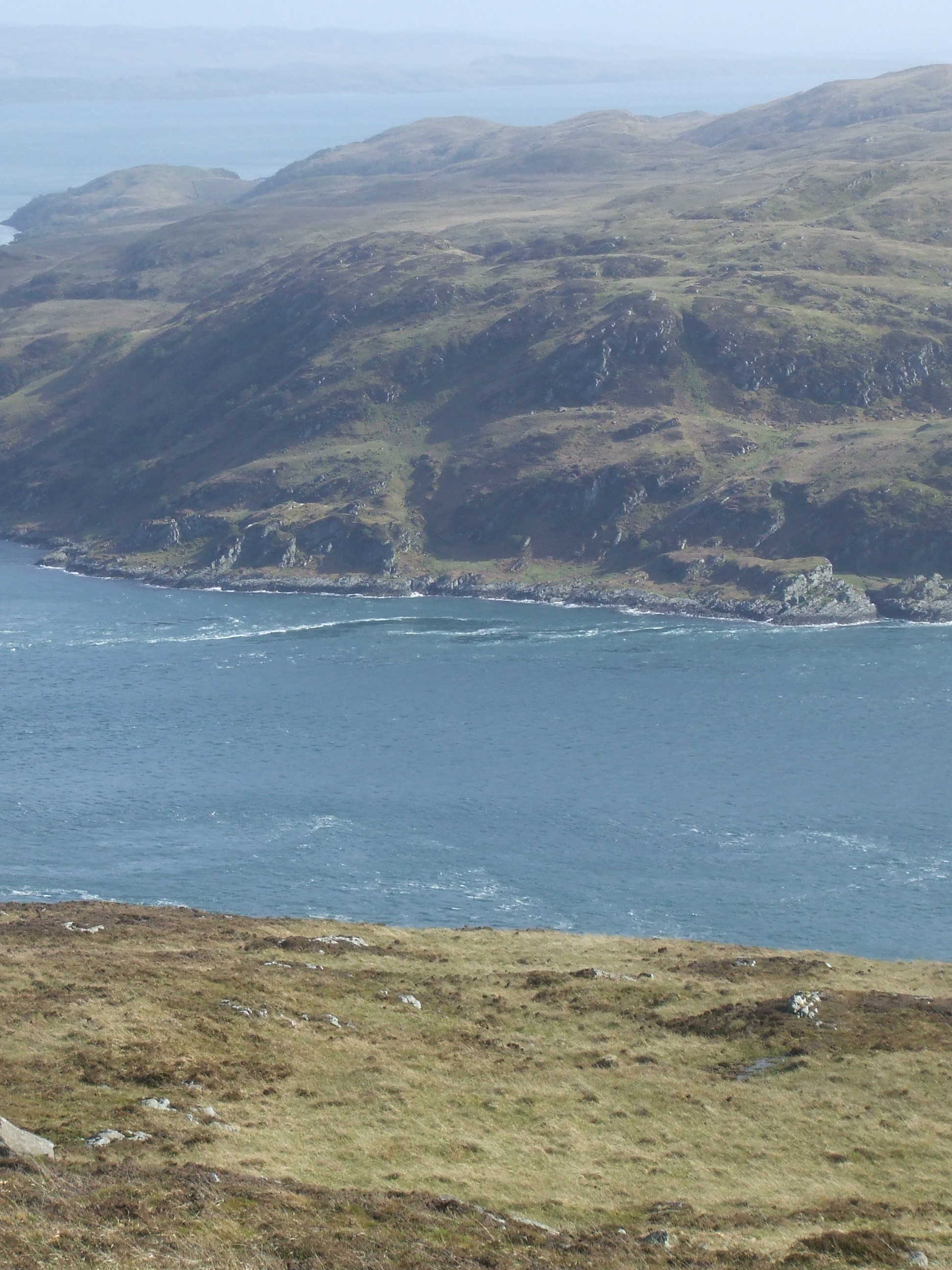
So- here is the question. To those who are coming- can you let me know if I should go ahead and confirm the boat from Ardfern to take us out to the other side of Jura? This will mean a wonderful trip through the Gulf of Correvreckan, past the famous whirlpool.

Cost of this trip will be about £250 in total- shared between however many of us go.

Yesterday there was spring in the air… not long now!

Mountains in good company…

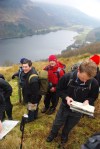
I have just spent a lovely weekend on a ‘Mountain skills and navigation’ course. I decided it was time to refresh some of my long forgotten skills- which I have lazily discarded over the 20 years since I last did a similar course.

The course was very well led by Keith, who has a lovely relaxed way about him that I very much appreciated, and I very much enjoyed the company of the other course members. In fact, the conversations took over from the learning at times (sorry Keith!)

We spent two days in the Cowal hills- above Loch Striven (to Cruach nan Capull- 611m) on Saturday, and from Lock Eck up to Clach Bheinn (648m) descending down to Benmore via Creachan Beag (545m.) We managed to find a lovely airy ridge today too.

Anyone who has ever walked these hills will know that the slopes are steep and pathless, and the peaks hard won. But I have been reminded again that they are very much worth it. Our maximum height was less than 700m, but the rough terrain had its challenges. Enough to make us feel a sense of achievement anyway.

So here I am. Bathed. Well fed. Big blister burst.

Happy.

Some photies. (Click to enlarge.)

The stones of Kilmartin…

I took a little walk in Kilmartin Glen this lunchtime, as I had an hour to kill between meetings.

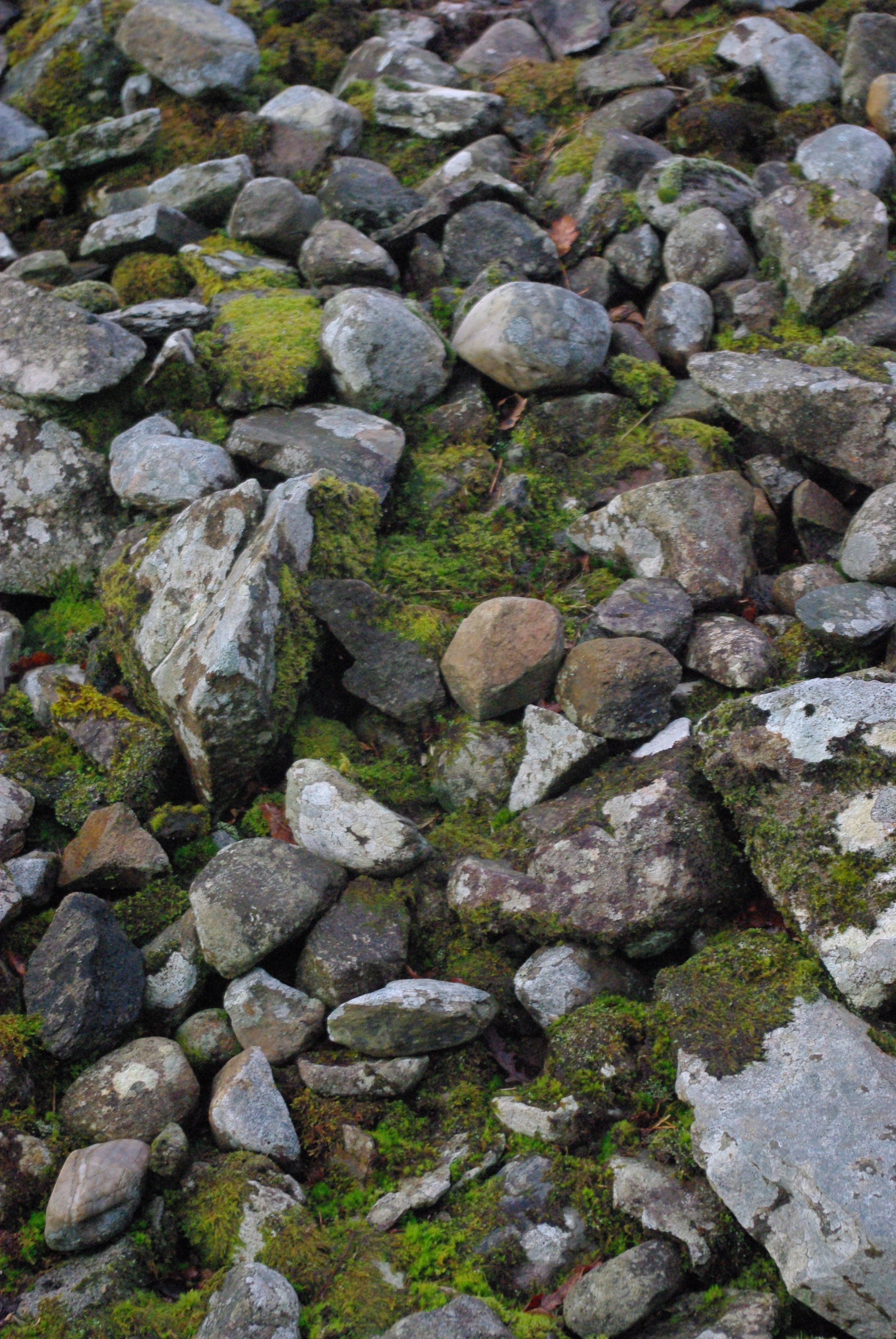
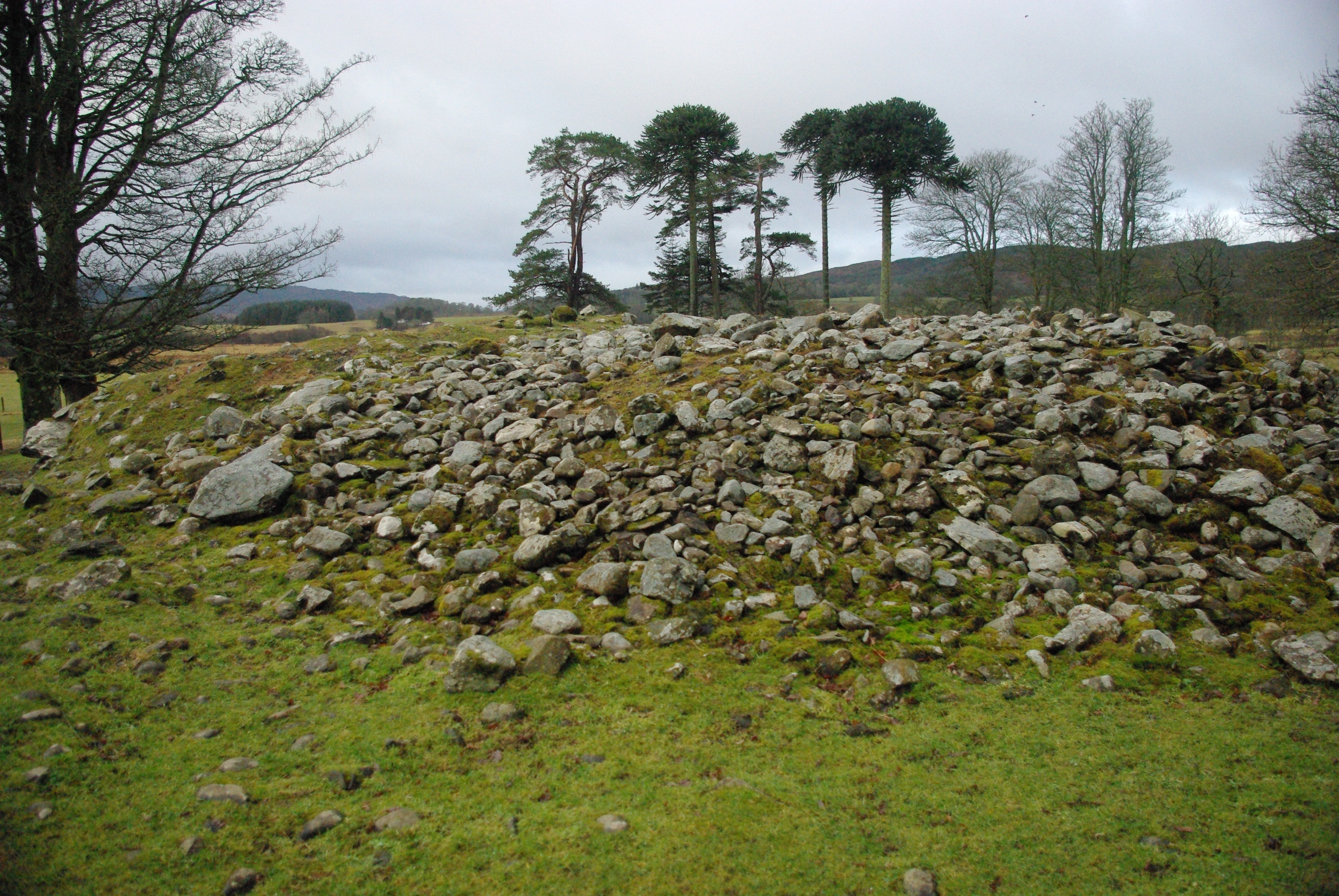
It is a landscape littered with ancient history- revealed in stone. It contains a concentration of neolithic and bronze age sites that is probably the richest and most concentrated in all Europe. There are more than 350 ancient monuments within a six mile radius of the village of Kilmartin, 150 of them prehistoric. Monuments include standing stones, a henge monument, numerous cists, and a “linear cemetery” comprising five burial cairns. Several of these, as well as many natural rocks, are decorated with cup and ring marks.

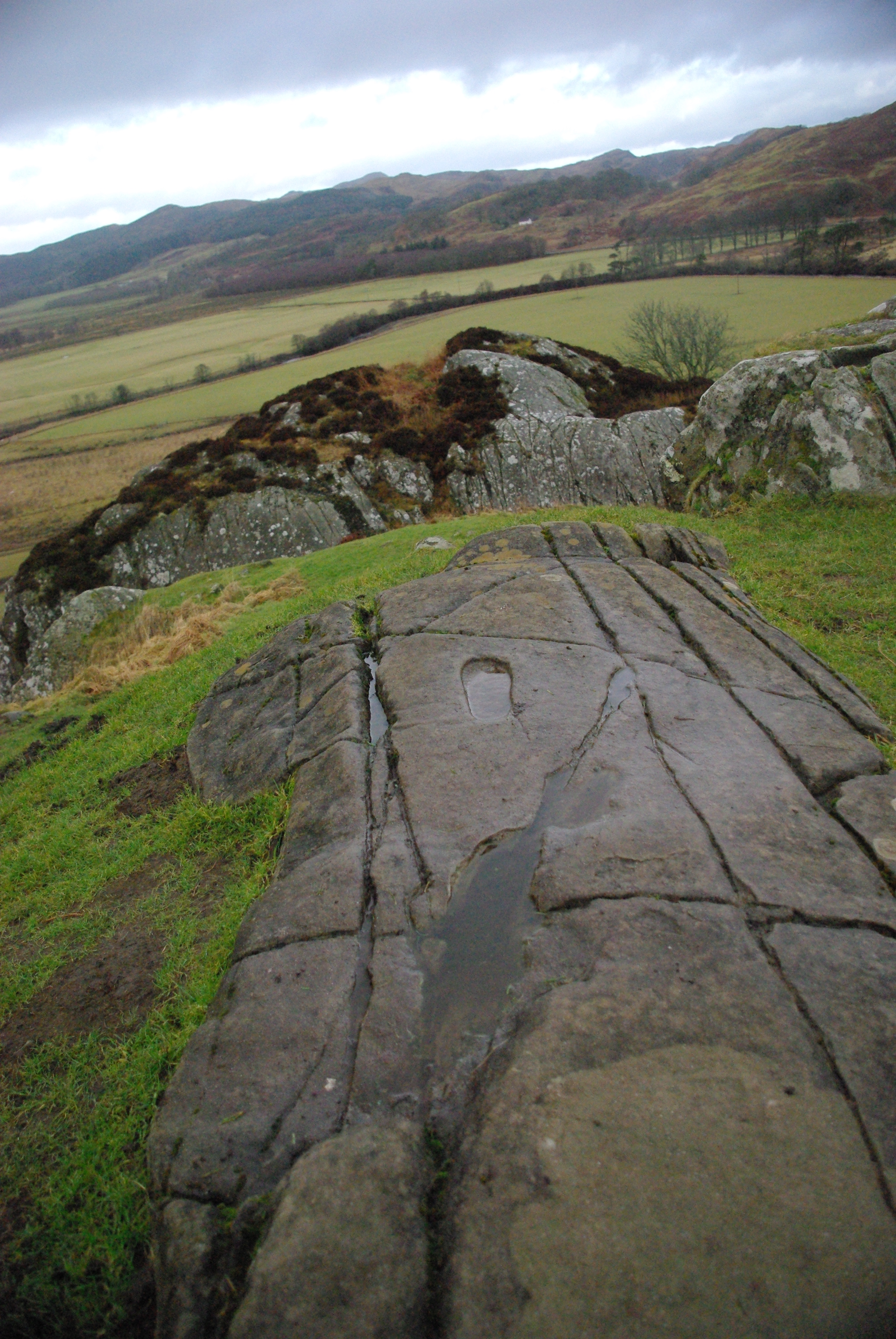
I took a little stroll up the old hill fort of Dunadd– centre of the ancient kingdom of Dal Riata, the original Scots- who came over from Ireland some time in the pre Christian period.

It was a place visited by St Columba on his great missionary journeys.

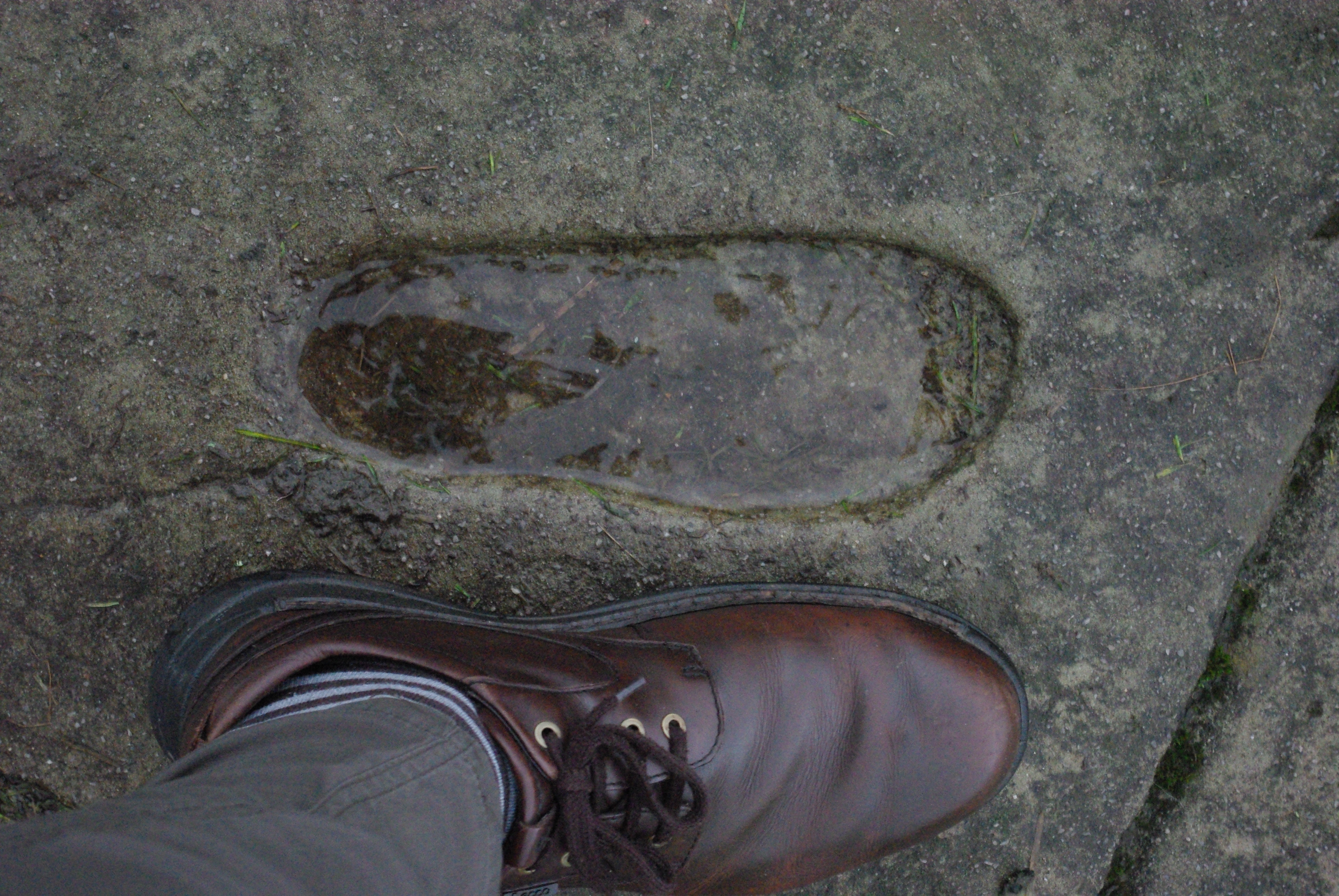
Marked in the rocks are a carved footstep and bowl, thought to have been used as part of the coronation ritual for kings. They would be no use to me (should anyone suggest me as the next king) as my feet are too big.

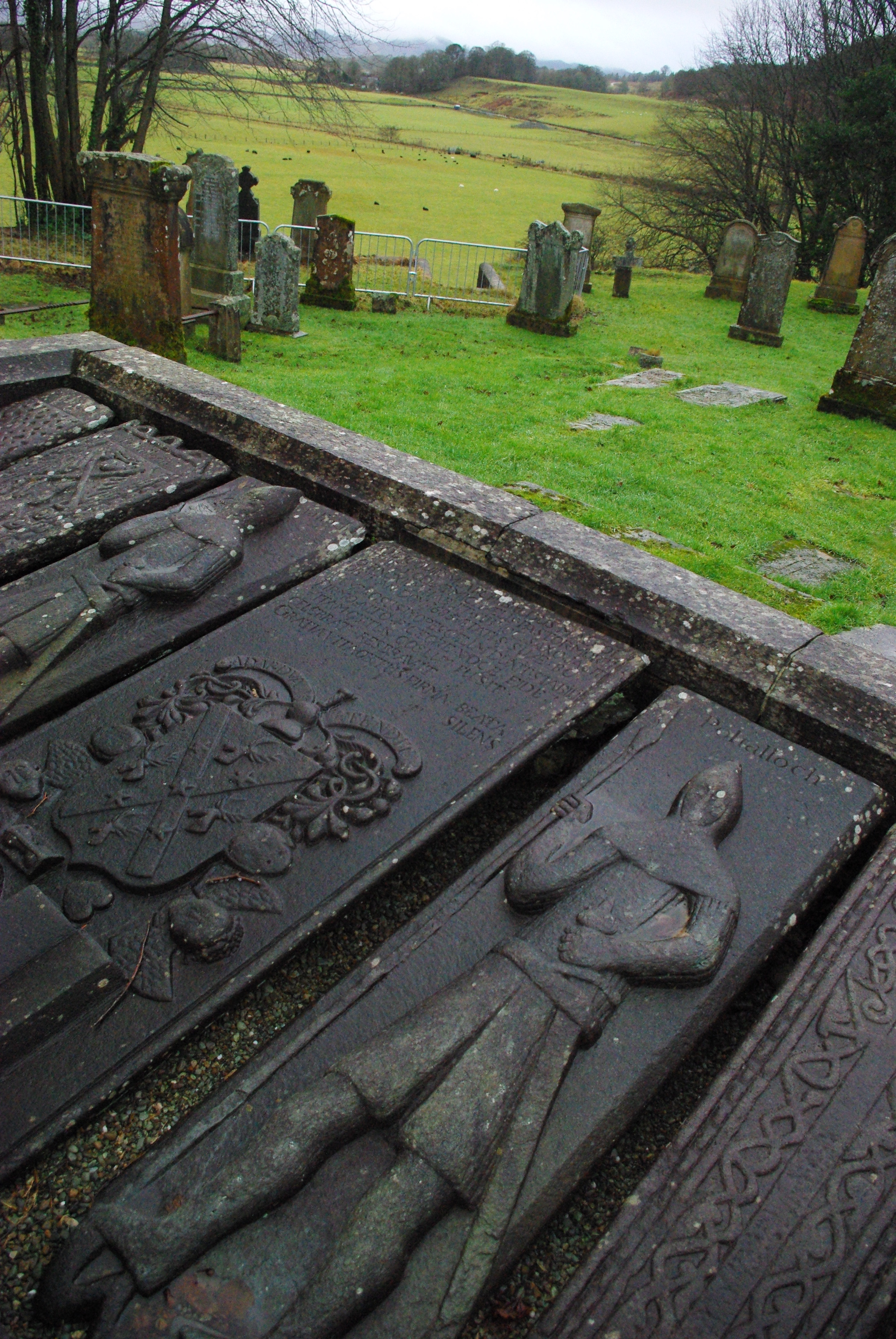
Around the kirk in Kilmartin Village are many medieval stones- to complete the journey towards modernity. Lives of fighting men remembered in intricate recorded stone. Our longings to be as close to immortal as technology will allow us to become.

It is a place where we feel our beautiful fragility.

And in my case, then go to another bloody meeting.

Aoradh wilderness trip, 2010…

We are planning another wilderness trip over the bank holiday at the beginning of May (1st-3rd of May.)

This has become something of a tradition every year- a few of us take some tents to a wild place, and spend time on a kind of retreat…

See here for last year’s trip, and here for the year before…

We have enjoyed some trips to tiny Hebridean islands- Scarba, The Garvelachs, Iona, Coll, Little Cumbrae, as well as some land locked places in the Lake district, or Wales in the more distant past. What started as a few friends who liked to get away has become a more open trip- and we love to invite others of a like mind to come with us.

So, if you fancy coming, here is what to expect-

  • A chance to get to somewhere absolutely beautiful- isolated and wild.
  • The probability of being wet and cold.
  • Gorgeous sunsets.
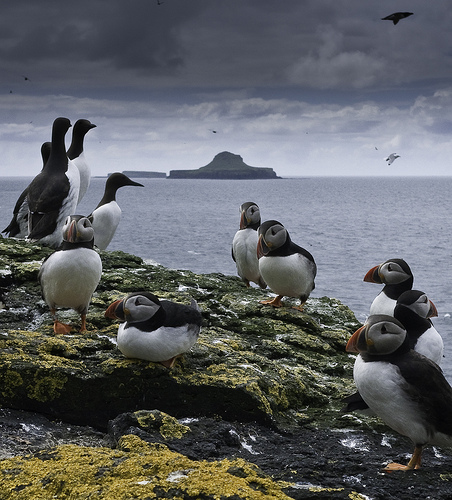
  • Being close to wild creatures.
  • Lots of laughter- some of it of a rather risqué nature!
  • Some prepared ‘wilderness meditation’ exercises- a chance to make a Spiritual journey. A pilgrimage.
  • Friendship and camp fires.

If you come, you will need to be self supporting- in the sense that you come at your own risk, taking responsibility for your own equipment and supplies. We offer friendship and opportunity, but this is no package tour! If you come, you should be used to being outdoors, and be up for a challenge. If you are unsure, then get in touch, and we can give you more details!

This year’s trip may well be to Lunga, in the Treshnish Isles. Cost of getting there from Oban will be around £50.

To whet the appetite- here are a few snippets about the place-

The Treshnish Isles are formed from 8 principal islands varying in size from less than 4 hectares to 60 hectares. The archipelago lies, at its closest, 3 km west of Mull and extends along a northeast-southwest axis for a distance of 11 km. The islands are uninhabited but that wasn’t always the case, hill forts, medieval chapels and castles prove that humans were once permanently living on these remote and unsheltered islands. The population in 1800 on Lunga was about 20. Year-round occupation ended in 1824 when Donald Campbell and his family left the island.

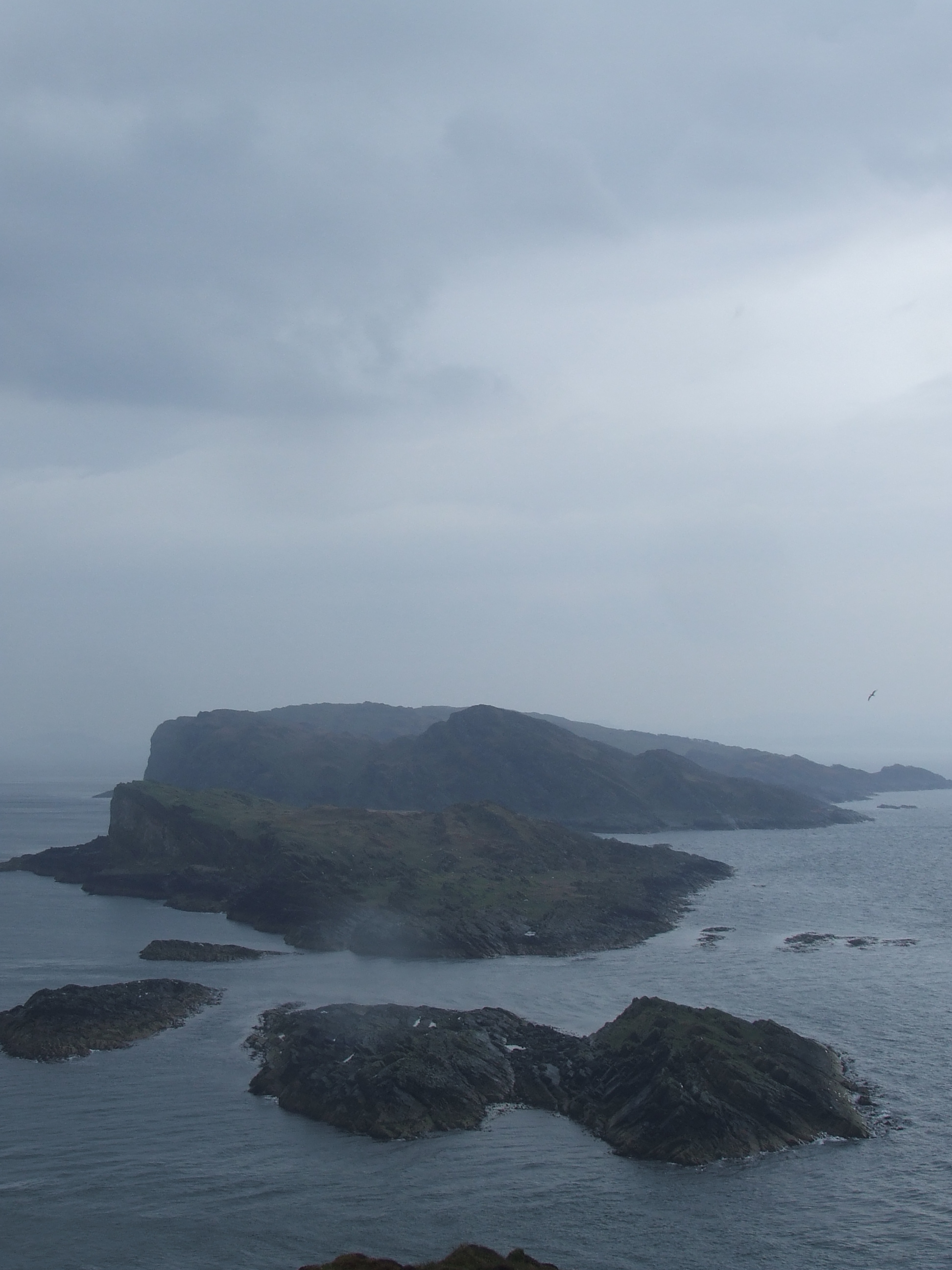
The Treshnish Isles are one of the most scenically evocative features of the Hebridean landscape. The islands are exposed to the open ocean, uninhabited and have no good landing sites, hence the presence of vibrant wildlife communities. The Treshnish Isles possess unique landscape, rich wildlife communities and contain habitat, which is vital for several vulnerable species. They have an archaeological history dating from early Viking times. The islands already have international recognition of their heritage value. They are designated as a Site of Special Scientific Interest (Wildlife and Countryside Act 1981) because of their unique geomorphology, populations of seals, cliff- and burrow-nesting seabirds, wintering wildfowl and populations of house mice.
So- if you want to join us- drop me a line…