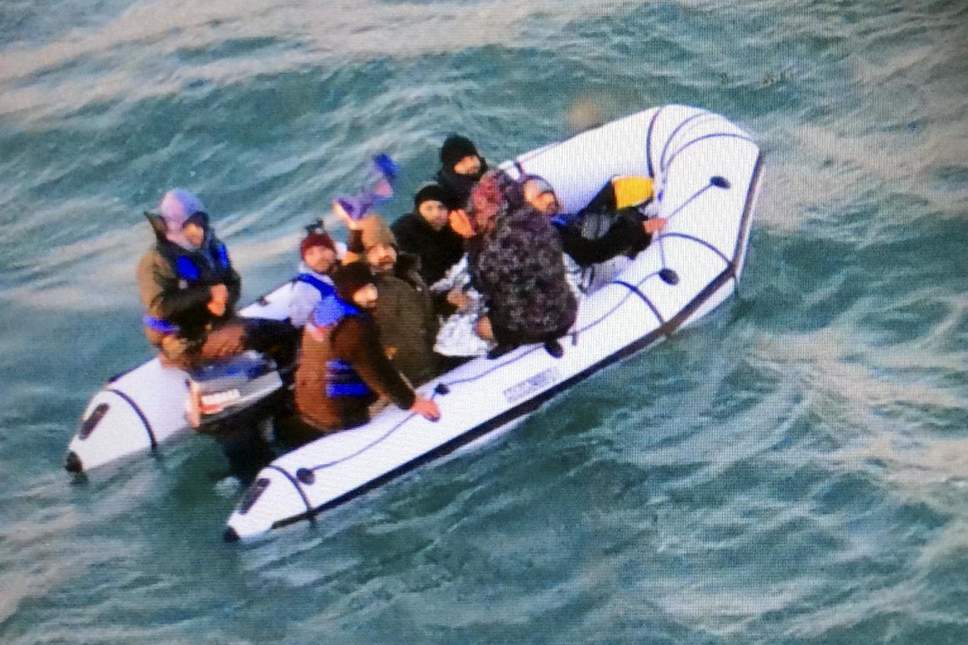
According to our home secretary (herself the daughter of immigrants) this is the problem we are facing, and she has the solutions to the problem.
The solution, it seems is to bring in the most draconian policies against refugees ever attempted.
Why are we doing this?
Is this really a necessary corrective to an unfair, out-of-control, chaotic situation that is dividing our country? Is this about taking back control of our borders and keeping our streets safe from marauding gangs of rapists and pick-pockets?
Or is this just performative cruelty, intended to assuage the far right scapegoating of a tiny minorty? The desperate move of a deeply unpopular government lead by a prime minster seeminly devoid of an ideas that might bring hope of compassion to a country beaten down by cost of living rises, decades of austerity and rampany inequality.
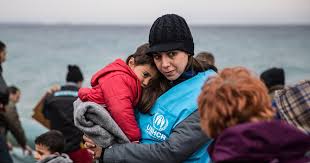
It is almost as if the people who arrive here seeking asylum are not people at all… as if their pain is not our pain, as if it belongs elsewhere. We can justify this lack of compassion only by asserting our own victimhood, and it is this that Reform and Tommy two-names are exploiting as a political blunderbus, aimed downwards at those most vulnerable.
Labour appear to have decided that the answer is to get a blunderbus of their own.
What we are not seeing in this ‘debate’ is any real attempt to address the so-called refugee crisis on the basis of facts. The ecomonic/demographic analysis of the impact of refugees in this country is always secondary to political perspective and the fear and hatred whipped up by those able to use it as a political weapon. Lets push back on this if we can. What can we say about the numbers?
Is the UK facing a particular problem not seen elsewhere?
Well, in terms of numbers of assylum seekers per head of popuation, the UK is in 17th place in Europe so this is clearly a global problem, not a UK problem. If the ratio of brown faces to white faces is the concern here (and I think it might be that simplistic for many) then despite our colonial history which makes our connection to – and responsibiity for – many of the most troubled places in the world, still there are 17 nations within Europe that take more people than we do.
Are there too many people here already?
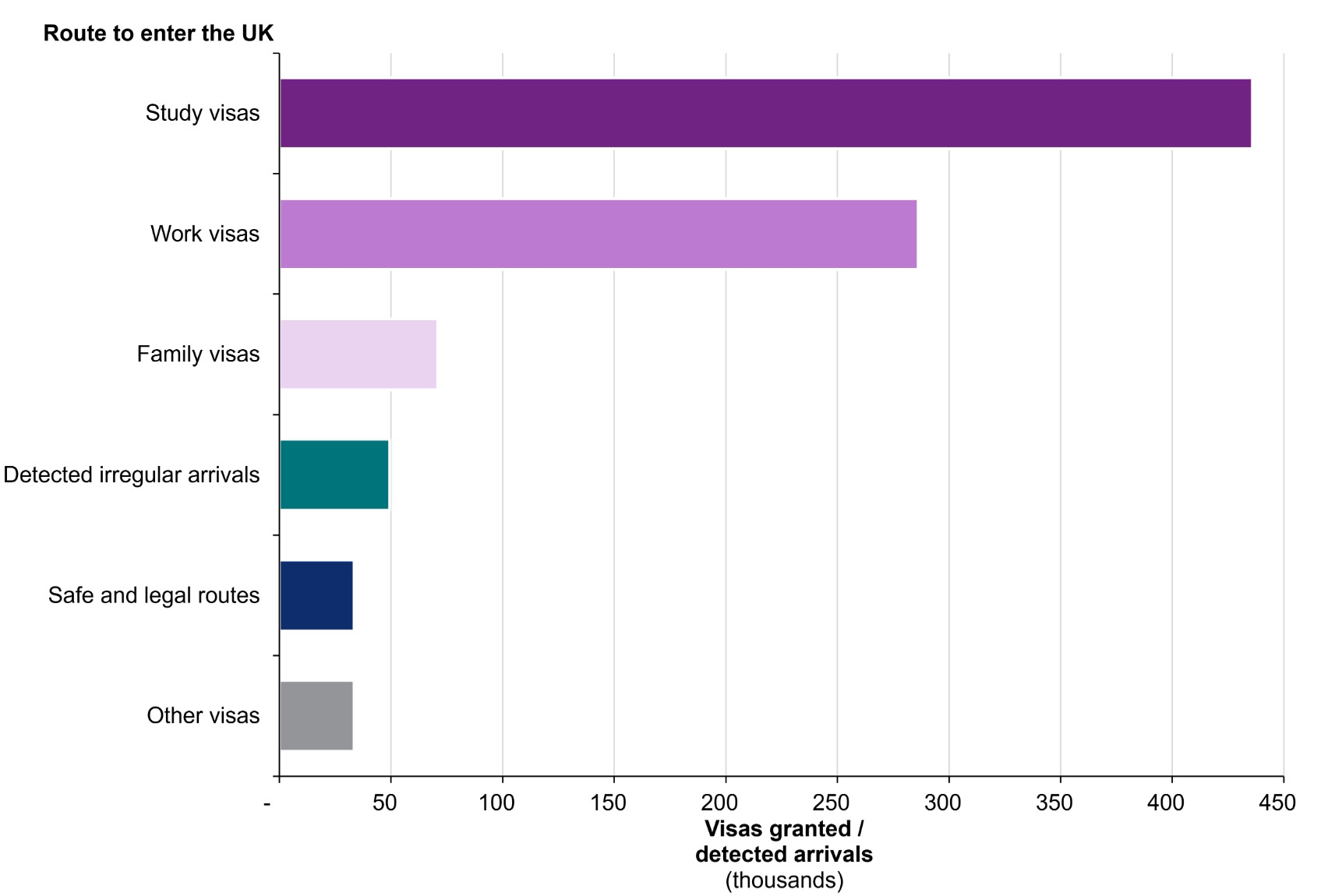
Is Britain full? Are we being overwhelmed? Numbers can be so difficult to get our heads round, but here are the stats for this year’s immigration to this country from the UK government’s own figures.
The vast majority of immigration into this country is people who come here to work or study.
Is the system broken and out of control?
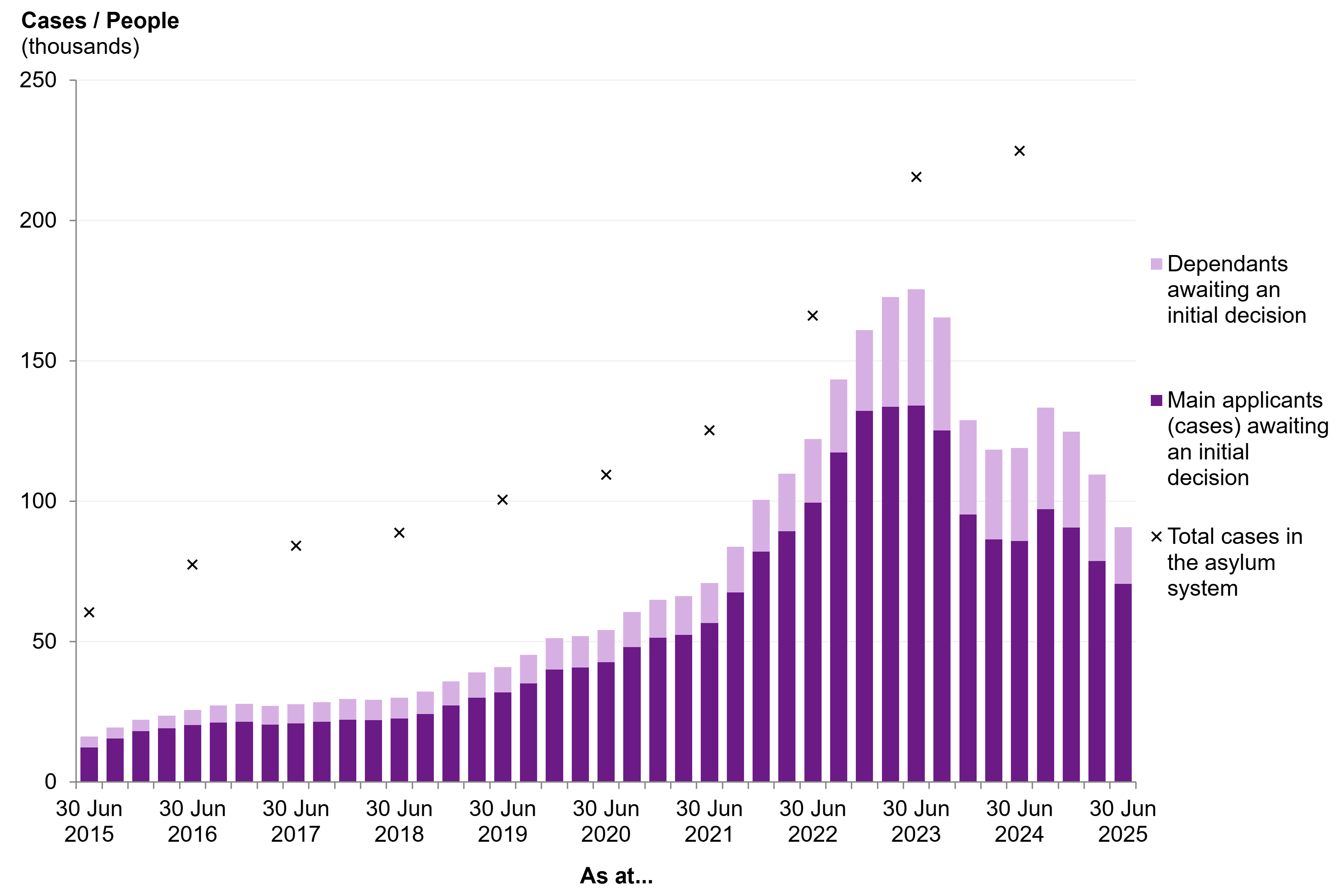
Here are the numbers of people who are currently in the asylum system, waiting to be processed. As in the Channel 4 documentary clip above points out, people in this system have years of waiting, followed often by seemlingly arbitary and draconian decisions which then go back to court, and meanwhile people live half-lives of waiting in poor accomodation, excluded from participation in economic or community life.
We perhaps have to conclude that this system is indeed broken, but that this has been the result of political choices driven by ideology of the sort that Labour are now embracing.
Are migrants a drain on our economy?
This is certainly the message we see pounded out repeatedly on our media outlets – the cost of hotels, the fact that the NHS cannot cope etc etc.
Leave aside the fact that asylum seekers are not allowed to work, or that the benefits they recieve are miniscule (£49.18 per person per week if they live in self-catered accommodation, or £9.95 per person per week if meals are provided. This money is loaded onto a pre-paid debit card and is intended to cover basic needs like food, clothing, and toiletries.)
Leave aside also how the NHS, and many of our other institutions are dependent on immigrant workers to sustain their activities, or the fact that our aging population desperately needs the creativity, vitality, youth and enterprise brought by incomers.
And consider this report which offers wholy different approach to that which our Labour government are pursuing;
Welcoming Growth – the case for a fair and humane asylum system is a new policy report, supported by PCS, which has launched today (17). The report reveals that every refugee accepted into the UK would contribute over £260,000 to the UK economy if the proposed changes within the report were adopted. This includes a net benefit to the public purse of £53,000 each.
The four key policy changes within the report include:
Asylum claims to be processed within six months
Legal assistance at all stages of the application process
English language support from day of arrival
Employment support from day of arrival.
Speaking ahead of the launch in parliament, PCS general secretary Fran Heathcote said: “Today we are witnessing the government neglect its own plans for growth by taking a harder line against some of the most vulnerable people who come to this country, fleeing war, persecution and violence. To threaten refugees with the removal of their only belongings to pay for their cases is frankly a line I would expect from Reform.
“Our report shows that through embracing a humane and fair approach to asylum we could assimilate refugees into our communities whilst ensuring they can contribute and support themselves. This report provides positive solutions, not divisive decisions which continue to fan the flames of hate.”
Other key findings within the report include:
Overall economy – The four changes to the asylum system would mean a contribution to the UK economy from every refugee of £265,788 over 12.5 years from arrival.
Accommodation – The changes to the system would result in a net saving in accommodation costs of £42,000 per asylum seeker over a 12.5-year period from arrival. This equates to a 34% saving in the total cost of accommodation for asylum seekers over the period (from £144,000 to £79,000). This is because by expediting the application process to six months, people can be self-sufficient sooner – meaning housing costs would be paid by the individual, rather than the state, a year earlier.
Public Purse – The four interventions in the model would benefit the UK exchequer by £53,000 per refugee over 12.5 years from arrival. This includes a net contribution of £7,000 for every refugee to the public purse just by expediting the asylum application system to six months and providing legal assistance throughout the process. This financial benefit takes into account all the associated costs of supporting asylum seekers from arrival, as well as the expense of creating and implementing the four proposed changes to the asylum system.
Employment – Every £1 invested in English classes and employment support from day one results in £9 in increased salary–over the 12.5 years from arrival. This equates to a 76% increase in total employment income, reflecting the cumulative effects of faster processing, language training, and employment support. This, in turn, means significant benefit to the economy and public purse.
The London School of Economics (LSE) report, commissioned by PCS and Together With Refugees
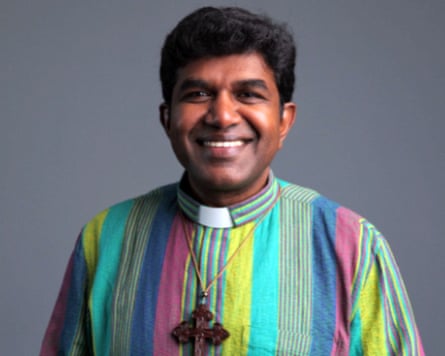
If then, these draconian, punishing proposals by appear NOT to be based on actual research, or on factual understandings of the challenges brought by the arrival of refugees on our shores, why are they being proposed at all? I was so heartened to read these words from Rt Rev Dr Anderson Jeremiah, the bishop of Edmonton.
“We are scapegoating asylum seekers for the failures and political divisions caused by successive governments in the last 15 years – the failures of successive governments to address wealth inequality, funding for education, the cost of living and primary healthcare and infrastructure.
“Every day I meet homeless people who have fallen through the cracks in our system. And yet in singling out asylum seekers we are laying the burden of society’s problems on less than 1% of the UK population – when the number of millionaires and billionaires is on the rise.
Rt Rev Dr Anderson Jeremiah: ‘We can’t isolate one section of people and label them as a problem that can be easily addressed.’ Photograph: supplied
“There are politicians who are trying to hold on to compassion in public life. But at the same time there is a pressure to have a singular problem on which all things can be blamed.
“But we are a connected society. Our environmental crisis is deeply connected to the conflicts which lead to people to our borders. We can’t isolate one section of people and label them as a problem that can be easily addressed. If one part of the body hurts, it hurts the entire body.”
Between Christmas and New Year, I started a petition.
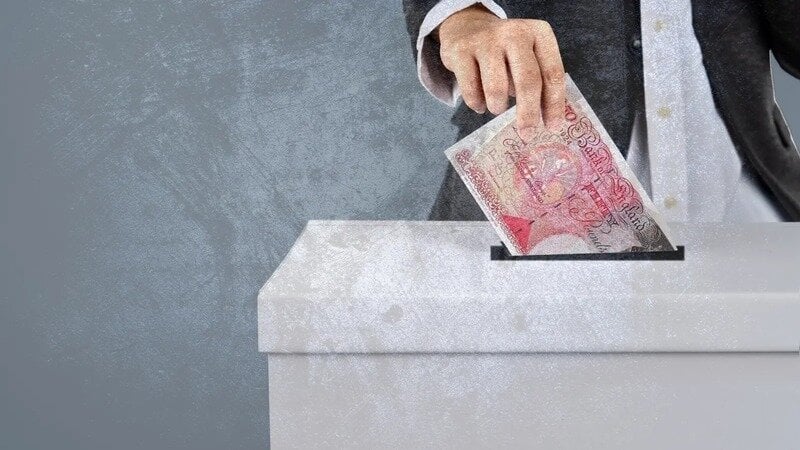
It was a resonse to a number of things – how money buys influence in our political system and the increasing power of privately owned social media companies, with next to no accountability. There is so much evidence for the corosive affect this is having on our democratic system.
Think about how truth has become weaponised, how lies are now political praxis- not least the Boris Johnson litany of untruths (which he seems to carry no shame for) but also our current prime minister, who (arguably) lied his way to the leadership of the Labour Party.
Consider the Cambridge Analytica scandal, and how little has changed since. Where is the legislation that regulates such manipulation of our electoral system?
Now we have the spectre of a right wing party – actually, a company, owned by Farage – is being bankrolled hundreds of millions by a foreign businessman who has a history of ultra right wing libertarianism. The fact that Musk appears now to have fallen out with Farage only underlines the degree of chaotic intervention we are accepting within our politics.
What can we do to register our protest? Sometimes it feels like we can do nothing – but we can do this…
Please, sign this petition. If you can, give it a push on social media yourselves… Lets play them at their own game!
Elon Musk wants to fund Farage. This is the tip of the iceberg in terms of the way money and vested interests influences and shapes UK political narrative. We think this is a direct threat to our democracy, undermining and corrupting the whole project, leaving the door open for popularist extremes on both the right and left.
Money whould not buy influence. Neither should it be able to shape political narrative by controlling media – particularly our social media – to create shifts in public opinon.
We urgently need innovative and powerful new bill of rights to include the following;
Social media – a restoration of truth
We have to hold platforms like Facebook and X to account for spreading lies and misinmformation. We need to do this by the process of law. Huge conglomerates can not be allowed to shape our societies through algorithms. This requires meaningful fines and even breaking up the hold of individuals through monopoly laws. We need a powerful independent body who will hold all media to account.
Political funding and lobby groups.
We have to take the money out of politics. We are heading towards an American system where money buys influence. Make spending on political campaigns limited, and even public funded. Ban lobbying. Refuse Think Tanks access to media outlets unless they publish where their money comes from.
Political and corporate links to end.
If you work in an industry and then go into government, you cannot go back. No minister can take a cosy job on a board either whilst in office or afterwards. All contact between people in public office and commercial/private interests to be subject to a binding code of conduct.
Truth in political office.
Introduce a three strikes rule in public office. Establish public watchdog to police it. Hold all politicians to account for spreading misinformation and missusing statistics. Penalties on a slinding scale – starting with gagging periods in which politicians are banned from making public statements for fixed periods, right through to exclusion from public office.
Following the tradition of calling in favours from family, Chris asked his son Will to record himself singing this re-written version of everyone’s old favourite carol ‘In the bleak midwinter’… Will (who is a trad music player in various bands) had sung this version previously and does a simply stunning version here, somehow more powerful in its stark urban simplicity.
He recorded it on his phone inside a Glasgow tenement flat which he and his girlfriend Rachel are in the middle of renovating. It has no kitchen or bathroom, but it does have a piano.
The words are below…
Bleak midwinter
.
What can I give him, wealthy as I am?
Does he need an i-phone or a well-aged Parma ham?
Should I bring him trainers, a pair of brand-new jeans?
Or Halo for the X-box (whatever the hell that means)
.
In a tower block in Camden, a woman breaks her heart
Her credit score is hopeless, her marriage fell apart
Her cupboards all lie empty, her clothes are wafer thin
Her kids can thank the food bank for turkey from a tin
.
If I were a kind man, I would bring good cheer
I would house the homeless, if for only once a year
I’d buy my cards from Oxfam, for virtue is no sin
I’d send some Christmas pudding to poor old Tiny Tim
.
In the bleak midwinter, frosty winds still moan
And Mr Wilson’s waited ages to get the council on the phone
He’s worried cos his boiler has given up the ghost
And since Mabel got dementia, she feels cold more than most
.
If I were a wise man, I would do my part
I’d sell that gold and incense and invest it for a start
In gilt-edged annuities and solid pension schemes
For without good fiscal planning, what can ever be redeemed?
.
In a lock-up by the roadside a bastard-child is born
To another teenage mother whose future looks forlorn
A host of heavenly angels up high in star-strewn sky
Eight years ago, I wrote this, quoting Richard Rohr;
Our very suffering now, our crowded presence in this nest that we have largely fouled, will soon be the one thing that we finally share in common. It might be the one thing that will bring us together politically and religiously. The earth and its life systems, on which we all entirely depend, might soon become the very thing that will convert us to a simple lifestyle, to a necessary community, and to an inherent and natural sense of the Holy. We all breathe the same air and drink the same water. There are no Native, Hindu, Jewish, Christian, or Muslim versions of the universal elements. They are exactly the same for each of us.
It was an attempt to hold on to the idea that things would turn again towards good – in the wake of that first Trump victory in 2016. What I did not say in this post was that I wanted to be an active part of the resistance. I spent years writing and agitating, longing for better. Pleading for a world in which justice-making would push back the war mongers, the hate dealers and those who would exploit our human and non-human brothers and sisters for profit.
It almost seemed possible that the arc of history was turning. Trump lost. Bolsonaro lost. Johnson was toppled. But in a world of Starmer and Biden, any kind of radical shift was managed out of our expectations from the outset.
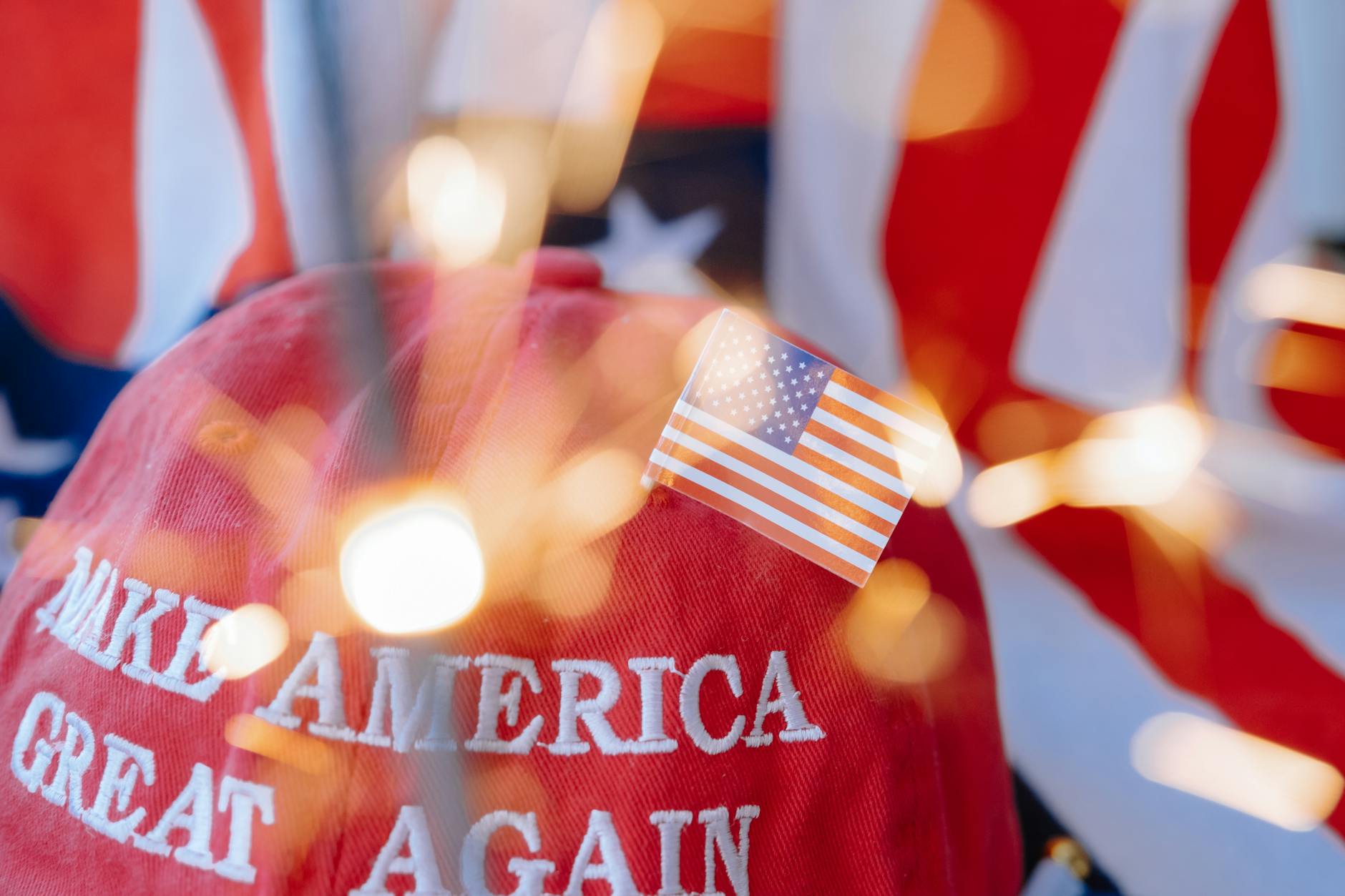
And now, the Mad King is back once more, vengeful in his dotage, full of fear and thunder, spewing lies and bombast, promising to prosecute an agenda that can only make things worse.
It feels like Nero, fiddling whilst Rome burns.
Perhaps this really is the fall towards the end of the civilisation we have known.
If so, this will not be the first time civilisations have fallen – in fact, they all must, eventually. You could even make a strong argument that would say ours is overdue. In his book Life After Doom: Wisdom and Courage for a World Falling Apart, writer Brian McLaren suggested that there were four possible future scenarios for our planet, based on current climate research- Collapse Avoidance, Collapse/Rebirth, Collapse/Survival, and Collapse/Extinction.
In Collapse/Avoidance, we heed the warning, take radical action, lower emissions, etc. The danger is, all we do is kick the can down the road for a further collapse in the future.
In Collapse/Rebirth we experience the pain of things falling apart – our lifestyles, our security, etc. and we finally wake up to the need to live differently on this planet. We consume less, throw less away, distribute more equally.
The other two outcomes I will leave to your own imagination.
But I can not go back to that same place I found myself in 8 years ago.
I learned that if you spend too long in protest – eating only bitter seed out of a half empty bowl – then you will start to lose yourself. You are in danger of just picking at scabs till they leak.
This is not to say that we should not stand against injustice – of course not. But this is not enough. We must also live and love.
This poem has become increasingly important to me, so I offer it here in a format we have previously offered to our patreon feed. I hope our patreons will forgive me, but it feels very necessary just now….
I saw a post on a certain social media platform yesterday that disturbed me. Perhaps this is foolishness, because surely what people splurge out into on-line spaces is mostly just ephemera, irrelevant to real life, so why give it any second thought?
Actually, we know now the power we have ceded to social media algorithms. Yes, there is much meaningless, dross and distraction, but also something much more sinister is in the mix, in part through unintended consequence, but also because of the deliberate manipulation by corporations (for profit) and politicians (for power.) Even when we consider ourselves aware and able to ‘read the feed’, we may be kidding ourselves. None of us are immune.
In fact, part of the reason this post disturbed me is because I don’t tend to see this kind of material in my feed. The algorithm understands me well and, in order to keep me hooked in, tends to deliver me material more sympathetic to the prejudices it has (correctly) identified. Or perhaps, in a more subtle way, a tweak in the algorithm is seeking my engagement in a different way, through outrage. After all, nothing titilates like offence. We all love our ‘rightness’ to be revealed by the wrong in others.
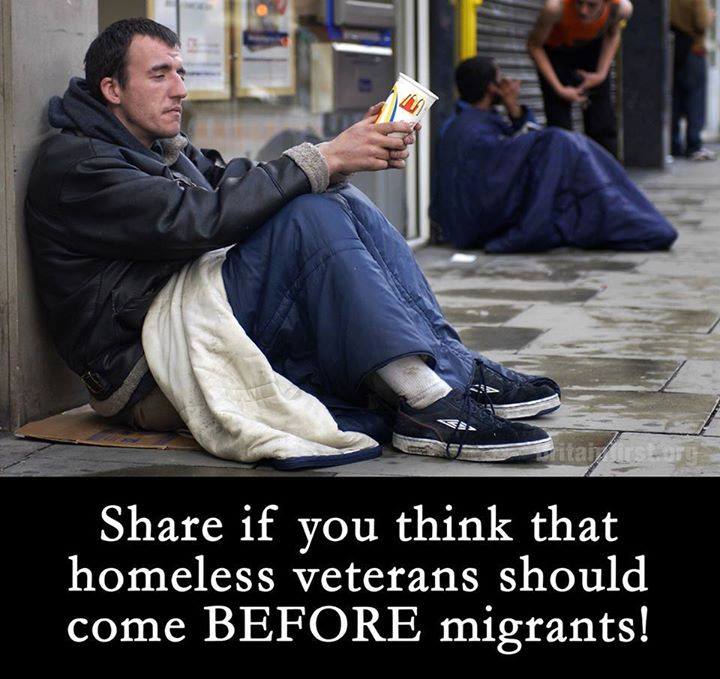
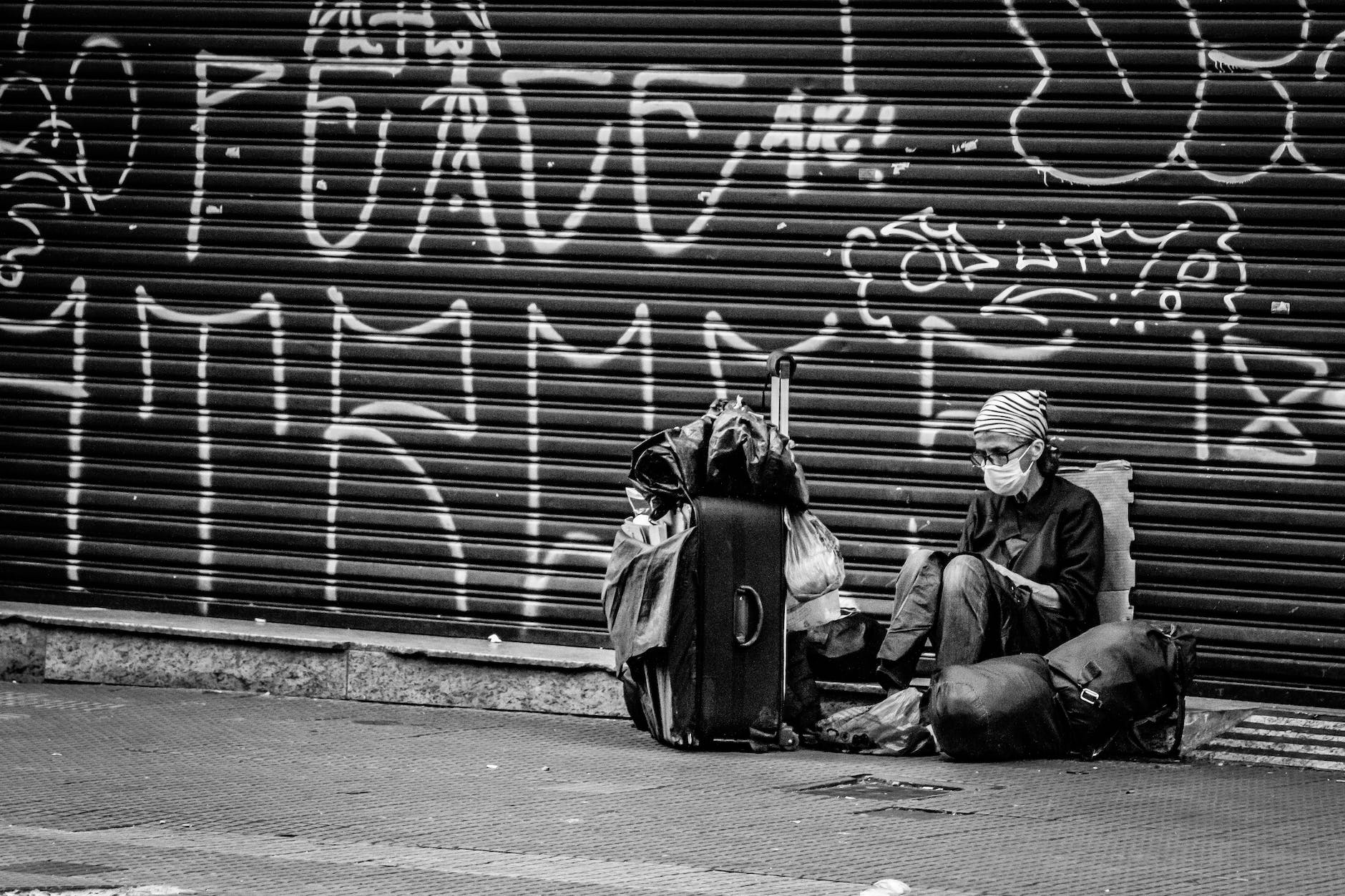
Here then, is the post in question. It was this picture;
One of my contacts had accepted the request and shared this to her feed, which was how I cam to see it. She is someone I went to school with a long time ago and have not spoken to for decades, but I remember her as a good person – a quiet, kind girl. The nature of social media links means that I only know her through her avatar now, which is full of family, love and horses. I wish her every goodness.
This connects me to part of my own story, growing up in a broken working class community, during the political and economic upheaval of the 1980’s, when Margaret Thatcher fought a war against the mine workers union in the cause of Hayek and free market. In my corner of Nottinghamshire this meant open warfare between striking miners and the police and eventually mass unemployment, poverty and a loss of community cohesion and pride. It is perhaps no secret that the current MP of this constituency is former miner (and former Labour party activist), Lee Anderson, whose bigotted ‘plainspeaking’ strident views have seen him elevated to the position of deputy chairman of the Conservative party. This transition from working class solidarty to a cruel game of blame-the-victim causes me deep shame for my place of origin.
I wanted to try to identify where this photograph came from. Google lens gives some limited tools to identify the origin of an image and as far as I can see, back in 2017, the photograph was first used by The Independent newspaper to illustrate an article by Sirena Bergman under the title of ‘Budget 2017: While pledging to help privileged house-buyers, Philip Hammond insulted homeless people across the country’. Back then, Hammond made comments about increasing taxation of cheap alcohol, which he calously and without anyevidence linked to homelessness, clearly playing to the gallery of middle English privilege.
In other words, this image was first used in an article which called out the scapegoating of the most vulnerable and broken people in our country. Here is some of what Bergman said;
The overt elitism in these measures is unfathomable. His comments on “vulnerable people” “cheap alcohol” and “so-called white cider” intentionally or not evoked images of the homeless population – currently standing at a quarter of a million people in the UK – and reinforced the idea that the privilege of not living on the streets gives us a right to dictate how they should spend their money.
Hammond did mention homelessness in his Budget – for about a minute, if that. He pledged £25m to tackle the problem, compared to the £10bn he’ll spend on helping people who want to buy a home.
Apparently, as a young person, home ownership is my dream. While I don’t doubt it must be nice to not be held hostage by exploitative landlords and have some semblance of security for my future, much higher on my list of dreams is to live in a world where the very basic of human rights – to have a roof over one’s head – is assured to every citizen.
I live in Hackney, one of the top ten boroughs of London with the highest levels of homelessness. In interacting with rough sleepers the number one issue people express is a lack of empathy from the public. They are ignored, mocked and abused for begging for spare change – an indignity no one should have to suffer. But a real attempt to tackle homelessness is non-existent in mainstream politics, where people who are out of work are vilified and homelessness is stigmatised and “othered”, despite the fact that one in three families are a month’s salary away from losing their home.
It is clear then that this image hs travelled a long way from it use in the above article. Google lens tells me that its first use associated with the words attached was by someone called Jerry Tilley on what was then called Twitter. I do not have an account on this platform anymore and so am thankfully prevented from a closer examination of Mr Tilley’s other offerings, neither can I be sure that he (if indeed he is a real person) made the image himself, but from a google search the account seems to travel alongside other right wing causes such as opposition to vaccinations. Division and scapegoating has become a feature mainstream politics both sides of the atlantic and perhaps Mr Tilley knows this well. Politicians and activists use this tactic because it works.
What about those veterans who are on the street though? Perhaps my response seems unsympathetic.
Are there a lot of street sleeping ex-service people? How many and what effort are being made to help them?
Is there evidence that the needs of other homeless people – particularly ‘migrants’ – are being promoted above our veterans?
Are veterans needs different to other homeless people? Are they primary?
(As an aside, when did we start using the word ‘veteren’ to describe ex-servicemen and women? It seems to me to be an American import, along with that sickly phrase that has to be intoned every time we meet someone ‘thank you for your service’. I would contend that this kind of solidier worship hides a lot of other problematic concepts, but this is for another time.)
Last year, Johnny Mercer, Minister for Veteran’s affairs, pledged to end veterans sleeping on the streets. He is an ex-serviceman himself, and placed a lot of personal capital in this issue, even saying on national radio “There should not be any veterans involuntarily sleeping rough in this country by the end of this year, and you can hold me to that!”. After news articles suggesting it had actually risen by 14% over the year, he had a very public argument with Carol Vorderman. Sides were taken, but the ‘problem’ remains.
Perhaps we should speak to pepole who are actually experts on homelessness and street sleepers? This article in the Big Issue magazine is perhaps a good place to start. Here are a few quotes;
It’s a matter that the UK government has been vocal in tackling – veterans minister Johnny Mercer has promised to end veteran rough sleeping by the end of 2023, calling the current situation “manageable”.
However, the strong connection between street homelessness and ex-services personnel is not always borne out in the statistics.
While the narrative of British veterans being left on the streets is popular with some quarters of the far-right, the Chain figures show that most veterans on London’s streets originated from outside the UK. Between July and September 2023, 44 British veterans were spotted on London’s streets compared to 92 people with a history in the armed forces outside the UK.
The Westminster strategy to achieve that goal specifically mentions veterans. It speaks about waiving a local connection to areas for veterans asking local authorities for help – a common issue for veterans who may move around the UK or have been away serving.
“It’s the first time there have been specific actions towards ending veteran homelessness,” said Buss-Blair.
“Having a viable route off the street is key. Ending veteran homelessness is eminently achievable.”
Measuring and understanding the causes of homelessness is never easy. It is by nature a hidden problem, and each homelessness story will be different. The common ’causes’ that often cited are sometimes refered to as the ‘eight D’s’- drink, debt, drugs, divorce, depression, domestic violence, dependency culture, and digs, meaning accommodation. These are true for everyone, whether veterans or not. But these ‘D’s’ seem oddly elastic, in that they become more powerful in certain social circumstances. Homelessness grows in situations of greater innequality and poverty, and when housing is short. If you raise the bar, then short people can not reach it.
Which is another way of saying two things; helping homeless veterans is possible, but the problem of homelessness is not seperable from their special case.
The other assumption made in the post that started this discussion is that there are migrants sleeping on our streets and that these people were being housed in hotels, somehow at the expense of efforts to shelter ex-servicemen and women. You do not have to look hard to find how far this concern is being spread.
“Over 6,000 homeless veterans who have given their service to our country will be sleeping rough on our streets tonight. Nearly 48,000 illegal migrants who haven’t given anything to our country will be sleeping in 3/4/5 Star Hotels tonight. The UK in 2020”, reads one post shared hundreds of times on Facebook (here) .
VERDICT
False. Approximately 1,000 asylum seekers are housed in hotels each night. The claim that there are 6,000 veterans sleeping rough each night is unsubstantiated.
There is evidence however that numbers of ‘migrants’ (these words are not neutral) sleeping rough are increasing. There were reports that numbers sleeping on the streets of London in November last year had risen by 800% over a two month period, from 11 to 102. (Remember that counting numbers of street sleepers is almost always impossible, and that actual numbers are almost certainly much higher.)
Why are migrants sleeping on our streets, particularly if many of them are Asylum seekers, with specific protections under international law? Perhaps in part this group of people share more than the ‘eight D’s’ mentioned above with ex-servicemen and women. The trauma and displacement that I have have had described to me by ex-servicemen during my previous work as a therapist has strange echoes in the stories of people escaping violence, forced out on to dangerous roads in search of sanctuary.
The rise in negative language around ‘migrants’ in the UK is not just a right wing phenomenon. The Labour party are picking around the edge of it, critical of incompetance and not ‘stopping the boats’, rather than calling out moral bankruptcy in the scapegoating and gaslighting that has been witnessed even from the dispatch box from our government.
And this is why posts like this one matter. Stoking fear of outsiders is easy. Blaming them for things is easy. We are rendered receptive by these messages by our tribe, and if we feel that tribe to be under threat, then we are even more swift to grasp them.
What is hard is to actually do the hard work of understanding why people are on the streets, and accepting that the job of stopping this happening is far from easy and that in part macro economic decisions are to blame every bit as much as individual decisions and experiences.
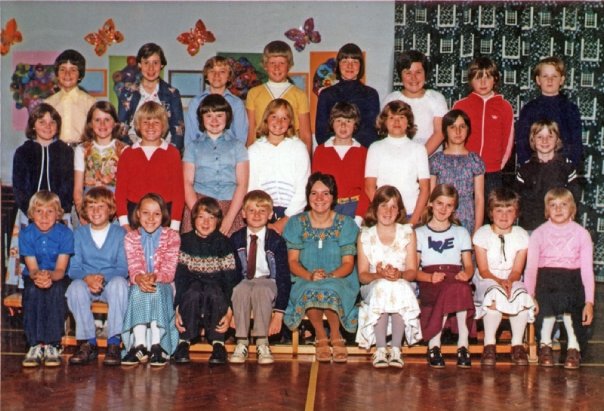
Here is a class photo, with bowl-cut me in yellow in the back row. I think the person who shared the post may be in here too, but my memories of everything back then are fragmentary – the gift of a difficult and damaging childhood.
I wonder how many of this class of mostly working class kids have experienced homelessness? Some will surely have done so, even if they did not sleep on the street.
I wonder how many of them have ever spoken to someone who has slept on the street?
I wonder how many will listen to Lee Anderson’s scapegoating talk and think that he is a man of sound judgement and common sense?
I was going to respond to that post on facebook with something like why do I have to choose? Why can’t we help them both? But I did not, because one of the other defining features of our social media avatars is that they are incapable of changing their minds through external correction. They are only capable of confirmation bias and reactive defensiveness. The sharer of this post is not my enemy, she is one of my community. Perhaps one day we will meet and speak of old teachers and school dinners.
The fact that ‘migrants’ are sleeping rough on our streets causes me deep shame for may place of origin. The same is true for veterans, or gamblers, or drinkers or drug takers. A society that insulates itself from this shame by blaming and scapegoating is heading towards dark places.
The media has been constantly picking over the terrible scenes from Boston yesterday- in particular some footage taken on a mobile telephone of the bombs going off- each time in slow motion. There is something fetishistic about it all, despite the utter horror.
At the same time we have had endless speculation about who did it, why they did it, and heard the eye witness testimony of anyone and everyone who was there and prepared to discuss what they saw, and how horrible it was.
Three people dead, over a hundred injured, all reduced to endless infotainment.
The news told us next to nothing about these other bombs. They were not newsworthy. People in Iraq die all the time, and are not like ‘us’ – there is no shock value, no sense of righteous outrage therefore no airtime required.
Please do not misread what I am saying. The death of an 8 year old boy on the streets of Boston is appalling, despicable, dreadful. But so is the death of an 8 year old boy on the streets of Iraq.
The news has never been just a provider of neutral, bald factual information- it has always been a cultural construct. There was a discussion on the radio this morning about how in the past the news could be regarded as a unifying force- we gathered round the wireless at set times, and (for good or ill) the news collectified our sense of being- it told is who we were.
Those days are gone. Now we can not escape the news- it comes at us full speed from a thousand different sources. It is spewed out so fast and the media machine is so hungry, that content now is increasingly instant, but somehow entirely predictable and repetitive. Stories are slotted into grooves dependent on what we are thought to expect- what will hold our attention, and cause us to retweet items, and share them on facebook.
Is this a problem? When it supports western centric colour blind prejudice it certainly is. Perhaps there are other issues too. Check out this article. Here are a couple of extracts;
In the past few decades, the fortunate among us have recognised the hazards of living with an overabundance of food (obesity, diabetes) and have started to change our diets. But most of us do not yet understand that news is to the mind what sugar is to the body. News is easy to digest. The media feeds us small bites of trivial matter, tidbits that don’t really concern our lives and don’t require thinking. That’s why we experience almost no saturation. Unlike reading books and long magazine articles (which require thinking), we can swallow limitless quantities of news flashes, which are bright-coloured candies for the mind. Today, we have reached the same point in relation to information that we faced 20 years ago in regard to food. We are beginning to recognise how toxic news can be.
News misleads. Take the following event (borrowed from Nassim Taleb). A car drives over a bridge, and the bridge collapses. What does the news media focus on? The car. The person in the car. Where he came from. Where he planned to go. How he experienced the crash (if he survived). But that is all irrelevant. What’s relevant? The structural stability of the bridge. That’s the underlying risk that has been lurking, and could lurk in other bridges. But the car is flashy, it’s dramatic, it’s a person (non-abstract), and it’s news that’s cheap to produce. News leads us to walk around with the completely wrong risk map in our heads. So terrorism is over-rated. Chronic stress is under-rated. The collapse of Lehman Brothers is overrated. Fiscal irresponsibility is under-rated. Astronauts are over-rated. Nurses are under-rated.
…
News kills creativity. Finally, things we already know limit our creativity. This is one reason that mathematicians, novelists, composers and entrepreneurs often produce their most creative works at a young age. Their brains enjoy a wide, uninhabited space that emboldens them to come up with and pursue novel ideas. I don’t know a single truly creative mind who is a news junkie – not a writer, not a composer, mathematician, physician, scientist, musician, designer, architect or painter. On the other hand, I know a bunch of viciously uncreative minds who consume news like drugs. If you want to come up with old solutions, read news. If you are looking for new solutions, don’t.
Society needs journalism – but in a different way. Investigative journalism is always relevant. We need reporting that polices our institutions and uncovers truth. But important findings don’t have to arrive in the form of news. Long journal articles and in-depth books are good, too.



 this fragile tent