
Poetry
Needs
.
.
.
.
.
.
.
Space
.
.
.
And we
Need
Poetry
.
.
Lest our souls
Are strangled

Poetry
Needs
.
.
.
.
.
.
.
Space
.
.
.
And we
Need
Poetry
.
.
Lest our souls
Are strangled

It has been a difficult period for Michaela and me. Life has thrown a few challenges our way over the last few months.
Recently we seem to have found ourselves in the middle of more conflict. Both of us are having a hard time at work, and there has been one or two other issues that have arisen closer to home.
I continue to find conflict so difficult. It disables me. I am caught between wanting to rise up and smite the ‘enemy’ with my club, and the strong conviction that we are called to a way of loving and peace making. Yes there is a time to stand up and be counted, but in my experience, conflict rarely brings the best out of anyone, and the ground we defend easily becomes poisoned- even when are relatively innocent parties.
Conflict also tends to reduce us to the core of who we are- the masks come off, and we are suddenly 15 years old again.
I have found no easy answers- and recognise my own dysfunction whilst hoping for better things.
Because conflict will come to all of us in some form, even if we attempt to live an insulated life- but all the more so if we follow the way of Jesus and set ourselves towards living more openly and deeply.
So I do what I often do in the face of the challenge of life, and start to write…
Conflict
It squeezes me stiff and sore
Making my brain beat slowly
Taking me down
Bending me like a creaking tree
In an angry wind
I wish I were stronger
Firmer of each conviction
More able to articulate-
Striped in black and white
Not a million shades
Of grey
But aged 43
The man I am
Always I will be
Soft and fragile
Skin thin and stretched
Too easily pricked
And too anxiously defended
Turn me Lord to tenderness
Teach me to forgive
In this sharp and ragged place
Point my way to peace
Because when I am right, I’m also wrong
This castle
Is built on sinking ground

Regular readers of this blog will know my interest in reading some of the ancient poets of the middle east. One name often stands above all the rest- Jelluladin Rumi. Rumi reminds me that we Christians would do well to be a lot more careful about our instant rejection and condemnation of anything that comes from a different faith perspective.
(Incidentally, lest we stay all highbrow about Rumi- some of the subjects he wrote poems about were, shall we say, rather fruity!)
An old friend sent me this quote today- which was so good I will repost it here… He had seen it on Maggi Dawns blog.
Those who don’t feel this love pulling them like a river
Those who don’t drink dawn like a cup of spring water
or take sunset like supper
Those who don’t want to change
let them sleep…
This Love is beyond the study of theology that old trickery and hypocrisy
If you want to improve your mind that way sleep on.
I’ve given up on my brain I’ve torn the cloth to shreds and thrown it away.
If you’re not completely naked wrap your beautiful robe of words
around you and sleep.
Just back home after leading a poetry workshop with Audrey.
We were a little bit nervous, but it seemed to go well. There were 7-8 people from a local church, and we talked about personification and assonance and the like, and then read some lovely words.
I love it when people start to get turned on by ideas… and this did start to happen.
I hope the folk there get into writing some stuff.
It really is good for the soul.
We had a discussion about words, and I described hoarding them, relishing them ready to plant them and let them grow into a poem. And how sometimes it really is that simple.
But at other times- as with all things worth doing- poetry is hard work.
It requires a lines on your face.
So, a bit of Audrey’s favourite poet- R S Thomas. Lines and all.
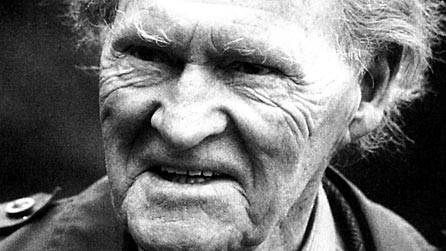
Poetry For SupperListen, now, verse should be as natural
As the small tuber that feeds on muck
And grows slowly from obtuse soil
To the white flower of immortal beauty.Natural, hell! What was it Chaucer
Said once about the long toil
That goes like blood to the poem’s making?
Leave it to nature and the verse sprawls,
Limp as bindweed, if it break at all
Life’s iron crust. Man, you must sweat
And rhyme your guts taut, if you’d build
Your verse a ladder.
You speak as though
No sunlight ever surprised the mindGroping on its cloudy path.
Sunlight’s a thing that needs a window
Before it enters a dark room.
Windows don’t happen.
So two old poets,
Hunched at their beer in the low haze
Of an inn parlour, while the talk ran
Noisily by them, glib with prose.

I am exposed
A fat seal left on barnacled rocks
Bent like a black banana
By the ebb of tides-
Whose rhythms I should know better
Soft over-blown body
Burnt by the sardonic gaze
Of the cruel sun
I live only in the hope
That the waters that spat me
Will turn again
Will roll me in the weeds and wracks
Will hide me
In the dappled deep

To Oban today to a Scottish Recovery Network conference on the promotion of ‘recovery’ as a concept and driver for mental health services, and more importantly, for those of us who experience mental ill health.
It snowed, and so we were a bit worried about the drive, but in the end Audrey, Victoria and I got there and back with no trouble.
The challenge and critique brought to services by the change of thinking and shifts in power required to move towards a recovery based system (rather than an illness based system) has been the stuff of my working life for a while now. I have found that it has had the capacity to reignite my passion for the work that I do.
I have spoken about recovery before- here and here, but for those who have not come across the concept before, here is the definition from the SRN website–
“Recovery is being able to live a meaningful and satisfying life, as defined by each person, in the presence or absence of symptoms. It is about having control over and input into your own life. Each individual’s recovery, like his or her experience of the mental health problems or illness, is a unique and deeply personal process.”
It is about trying to stop expecting people to fit into hierarchical burearocratic structures, but rather shifting power from the institution to the individual. It is about creating opportunities for people to rediscover hope, and to re imagine what a fuller life might look like.
You could say that it is about the redemption business- the Jesus business. And where he is, I want to be near.
But lest you think that I am doing that familiar paid helper thing, and dividing the world into us (the professionals) and you (the recipients of our expertise) then let me confess that I too am in a process of recovery.
Or should I say sometimes I am.
Because we were asked today to consider what might contribute to our own ‘wellness’, and people gave the usual answers- love, relationships, long walks in the country, meaningful activity, meditation and rich ruby wine… But I was led once again to reflect on my own mercurial sense of wellbeing, and how fragile it was at times.
Because sometimes it seems as though I am merely a victim to unfolding circumstance. Things happen, and I have little control over them, nor my emotional reaction to them. Of course, this is not true. There are lots of things I do, or avoid doing that make me who I am.
It is perhaps more like one of those slow unfolding accidents, that give you chance to react and minimise the inevitable impact- which is nonetheless still painful and shocking.
Of course there is such blessing in this journey of mine too- and I am so grateful that I do not walk alone.
So by way of celebrating these continuing outbreaks of redemption, almost in spite of my own ability to miss them- I offer you this lovely poem by Gerard Manley Hopkins-
As kingfishers catch fire, dragonflies draw flame;
As tumbled over rim in roundy wells
Stones ring; like each tucked string tells, each hung bell’s
Bow swung finds tongue to fling out broad its name;
Each mortal thing does one thing and the same:
Deals out that being indoors each one dwells;
Selves—goes itself; myself it speaks and spells,
Crying What I do is me: for that I came.
I say more: the just man justices;
Keeps grace: that keeps all his goings graces;
Acts in God’s eye what in God’s eye he is—
Christ—for Christ plays in ten thousand places,
Lovely in limbs, and lovely in eyes not his
To the Father through the features of men’s faces.

For I have walked the wild country
And watched the sun slipping slowly down
Turning green to gold
working alchemy before my very eyes
I have seen the mountains
Lifting up their faces to the sky
Gathering in the starlight
So beautiful it makes me want to cry
And I can hear a voice- its calling me
Can you hear the voice?
It says;
Look upon my works you mighty and weep
(CG 2001)
I read this poem many years ago- and its words have always stuck in my mind.
As ever with poetry, it makes a few words speak louder than a thousand.
When the heart
Is cut or cracked or broken
Do not clutch it
Let the wound lie openLet the wind
From the good old sea blow in
To bathe the wound with salt
And let it sting.Let a stray dog lick it
Let a bird lean in the hole and sing
A simple song like a tiny bell
And let it ring.From The Prayer Tree
by Michael Leunig
You can see lots of his cartoons here.
I liked this one…
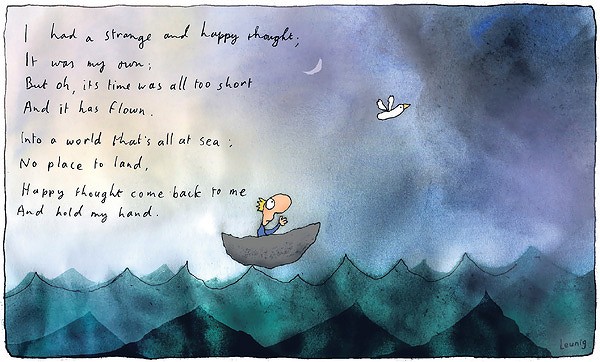
…and this one!

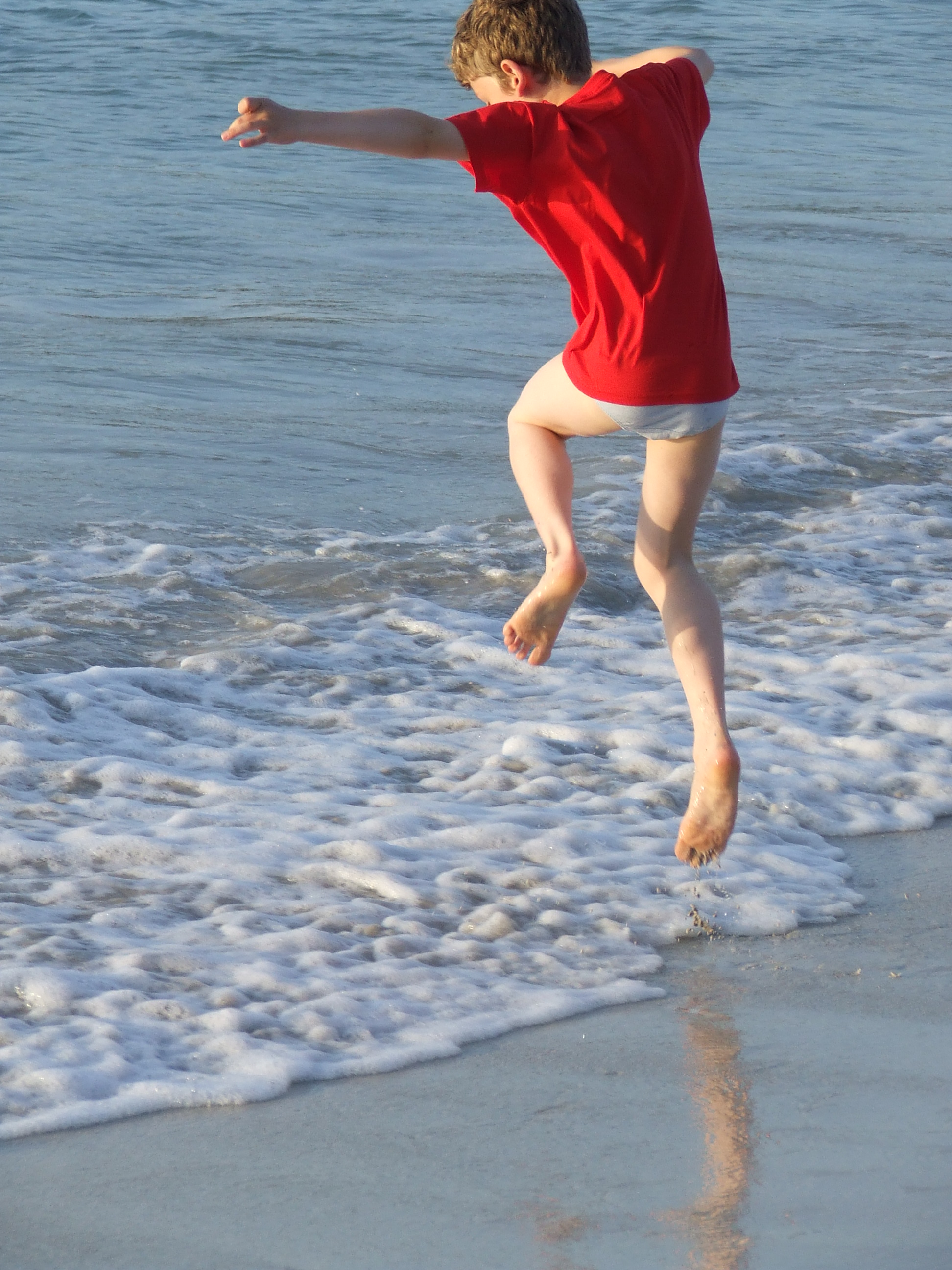
I have heard it said that
Dead men walking
We are
Corporeal
Tenderised
Like veal
Blown all too soon
by flies
But life still flickers
Faint but strong
Vibrating these hollow veins
And the voltage you make
Is a current
Wired to the nape
Of my neck
Because this thing we are
Is more than just
A bottle
For blood
So much more than just
Shapes
Mixed from mud
Beautiful creature
Sing spirit-
Sing
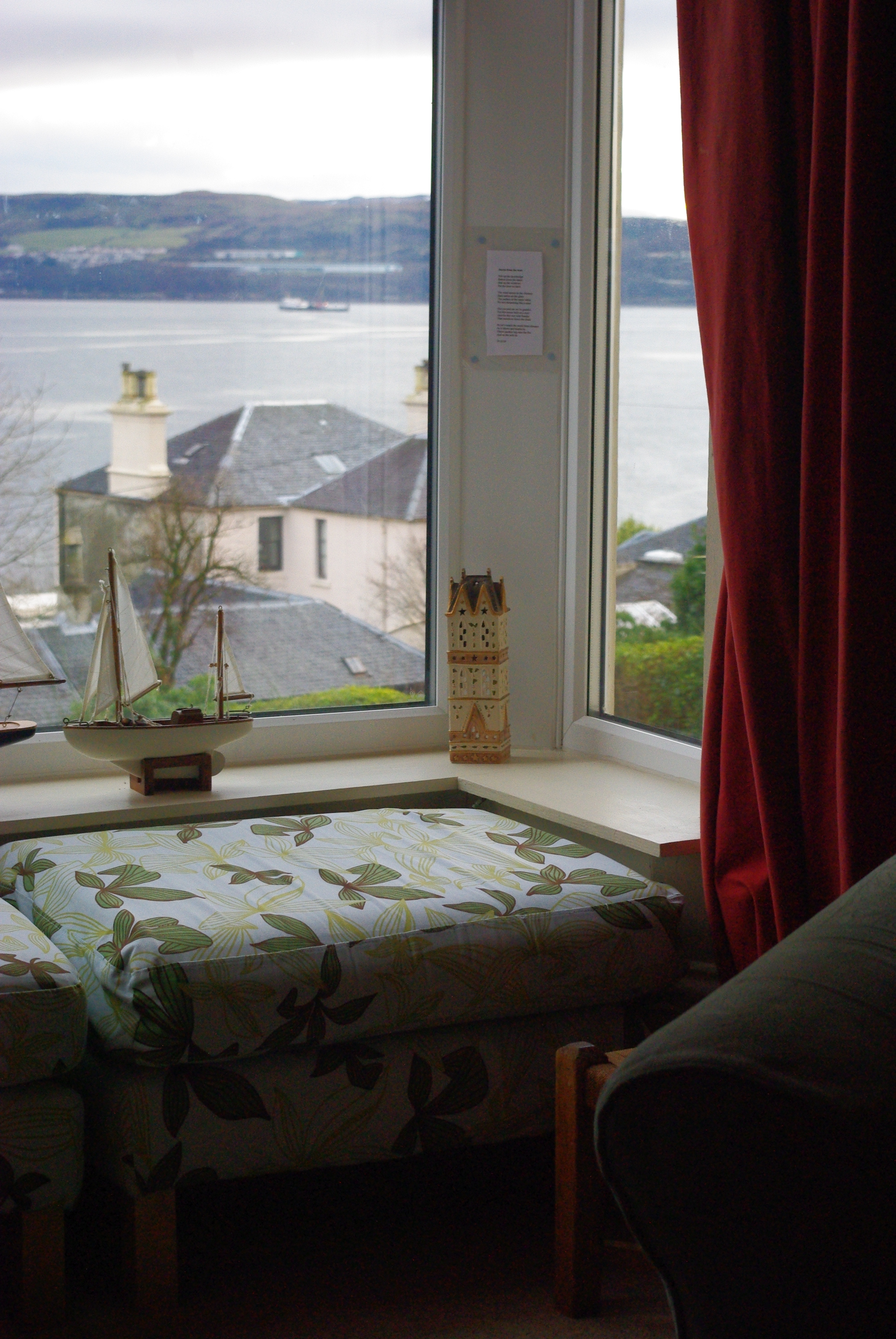
Soft rests the day on the cushion we made
From this empty day
And soft falls some light on the seat in the window
Spilling in to make carpet castles
Woollen walls between the world
And this haven
-this heaven of ours
Make me a man who loves deeply
Who sees the depth of blessing
In small things
Like today
And you
And me
 this fragile tent
