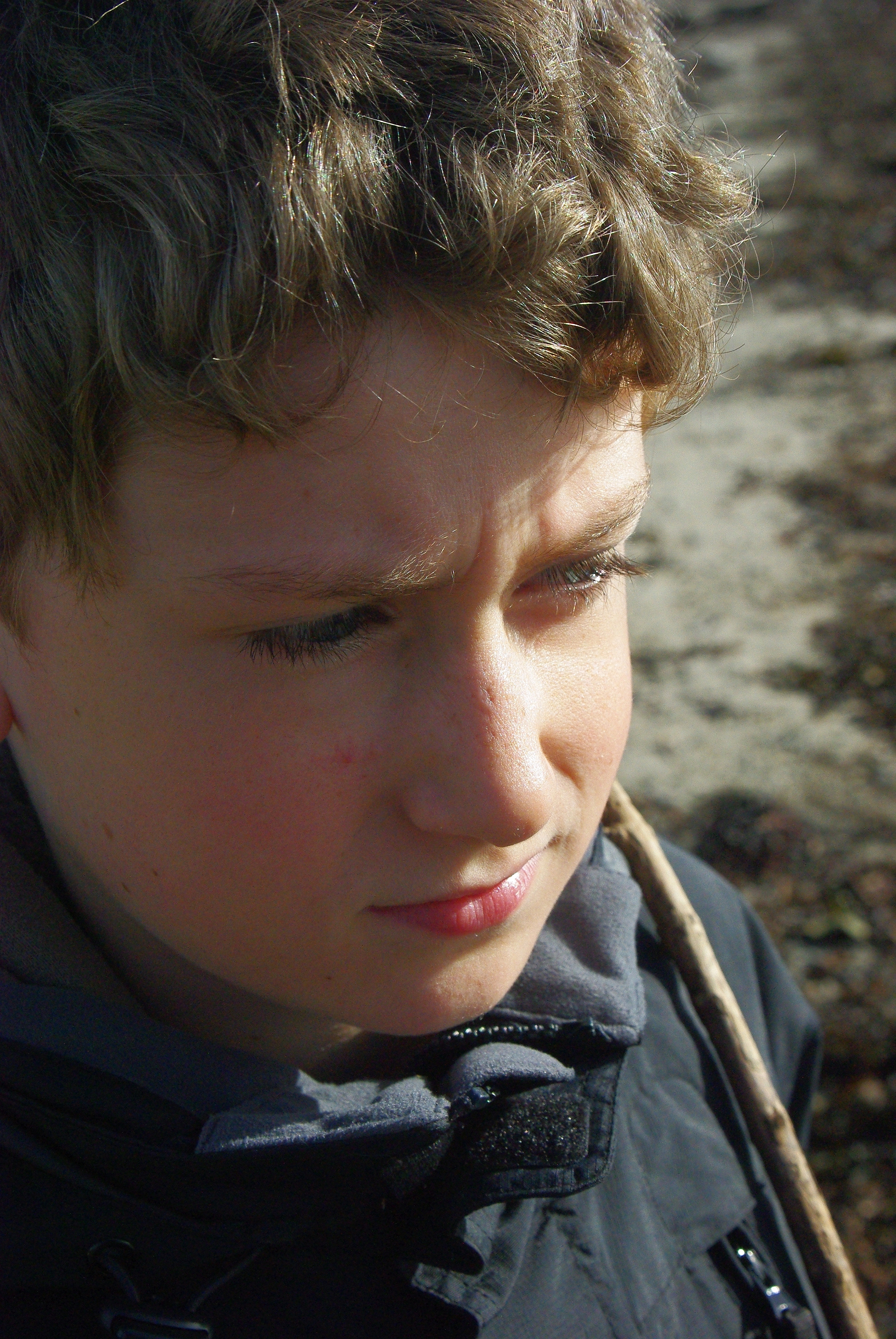
One of the principle sources of deep joy in this life of ours comes from watching our children develop and grow.
Kids get a bad press. All those raised eyebrows and exasperated sighs. The broken ornaments and filthy clothes. The noise on a Sunday afternoon when all should be quiet. The lurking spectre of the teenage years with all those erupting emotions. The cost of shoes and designer clothing.
But they give so much more than they they take.
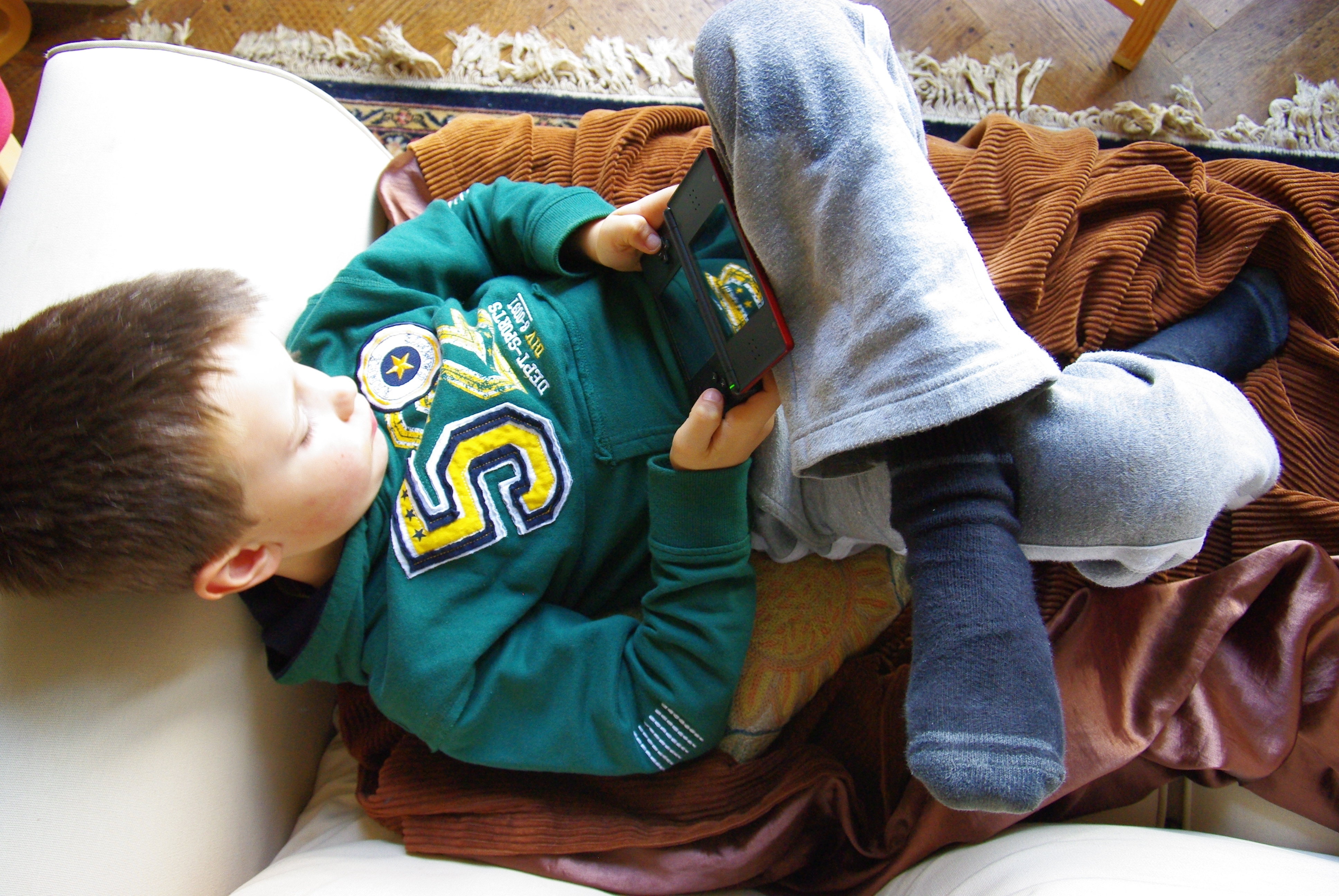
I speak as a father of a 10 year old and a 14 year old.
We are in the middle of various renovations of the old house. It is a constant process, but there is a particular burst of activity at present.
New ceilings (one collapsed a couple of weeks ago, so we are being extra careful!)
Redecorating Emily’s room. This was the first room we decorated when we moved here- so I reckon this is some kind of milestone- the first part of the house we have decorated twice.
New kitchen flooring. We had discovered that flotex, even though it is very expensive, is impossible to keep clean.
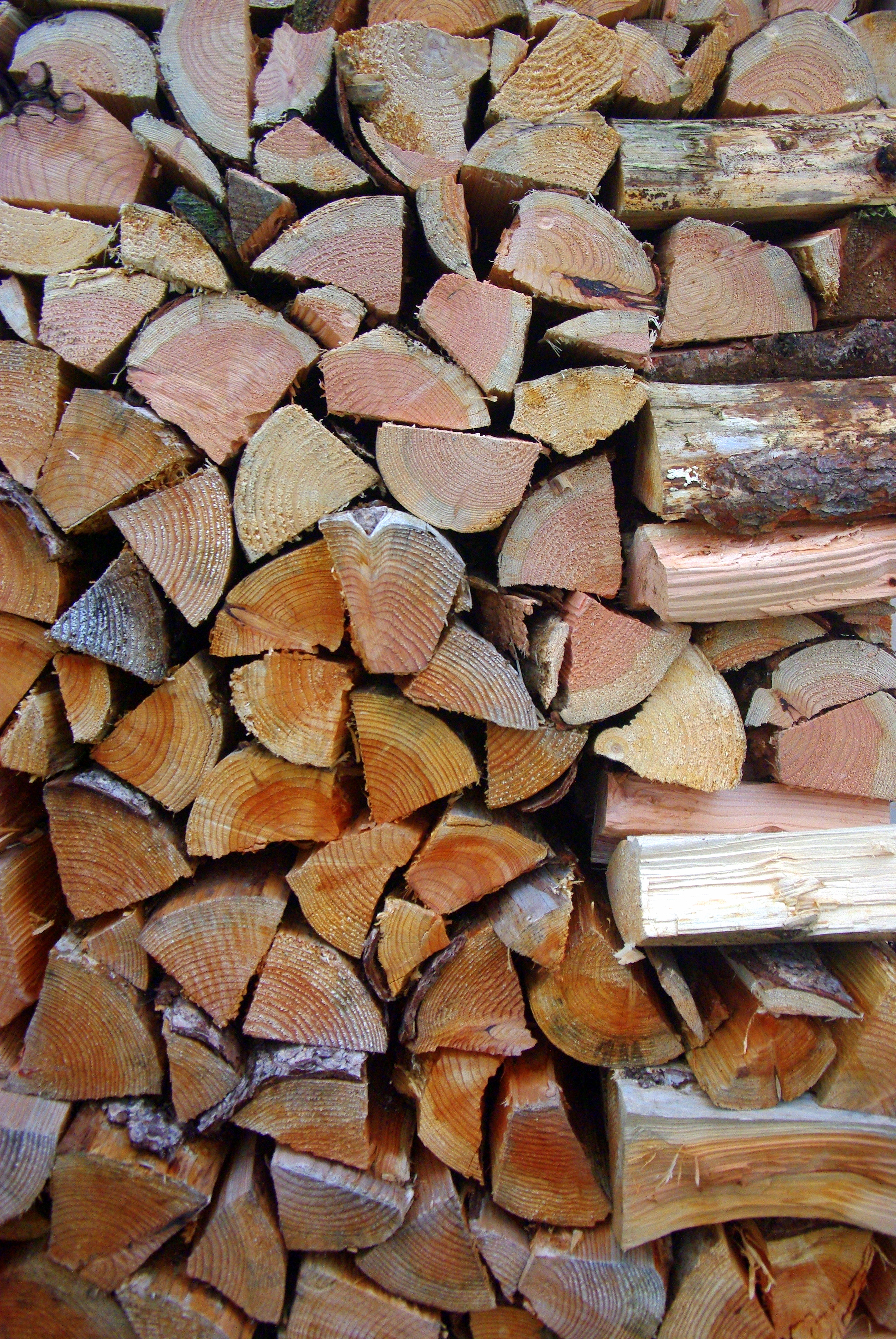
Clearing out all sorts of accumulations of toys, books and clutter to make space for new things to happen. Including (gulp) the cellar, which is chock full of things- wood, bits of metal, almost empty paint tins, broken furniture- that might have come in useful. But now we need the space to install a kiln.
And in stripping back the surface coverings of this old house, you always come face to face with it’s mostly mysterious past. The flowery pencil marks of workmen on the bare horsehair plaster, old brass fittings from doors long gone, bell circuits to summon servants, all hidden under bad renovations done to the building in the 1960s and 70s when the house was a converted into a guest house.
It is impossible not to wonder at the lives lived by previous generations in our old houses.
This house was built in 1840, in a small town on the up. A regular ferry service was established across the Clyde around 1820, and by the 1840’s you could travel direct from Glasgow to Dunoon courtesy of the new fangled steamers. It became fashionable for prosperous Glasgow merchants to have a house ‘doon the watter’ for weekends and holy days. Merchants whose prosperity rested on the commerce of an expanding empire- whose booty poured into Glasgow from plantations of sugar, cotton and tea. A prosperity that rested on the back of slavery and oppression.
Our house was obviously not built by merchants in the top rank. It is one of two identical buildings next to one another and the story goes that they were built for two brothers. They had cornices, but not of the very ornate kind, and the proportions of the rooms were generous rather than expansive. They were sober in their success.
1840. How much has changed, and how much still is the same.
It was the year when the world’s first self adhesive postage stamp was issued- the penny black.
It was the year of the first steam crossing of the Atlantic, by the wooden paddle wheel steamer RMS Britannia.
If you were to think of things that define us as a nation, most of us would include our addiction to tea.
Then there is our huge sugar consumption- in tea of course, but also lacing almost all of our other processed foods.
This morning I listened to the wonderful radio programme ‘A History of the World in 100 Objects‘ on Radio 4. It is nearing it’s end, but today’s programme described an early Victorian Wedgwood tea set.
And it brought to be again the need to understand history from the perspective of the small people- not the law makers and war mongers. Because the history of ‘Great’ Britain has often been one of militaristic expansionism, and economic oppression.
Slavery brought us sugar, via the terrible triangle of trade that saw African people stolen from their homelands and shipped like expendable cattle to work in the West Indies.
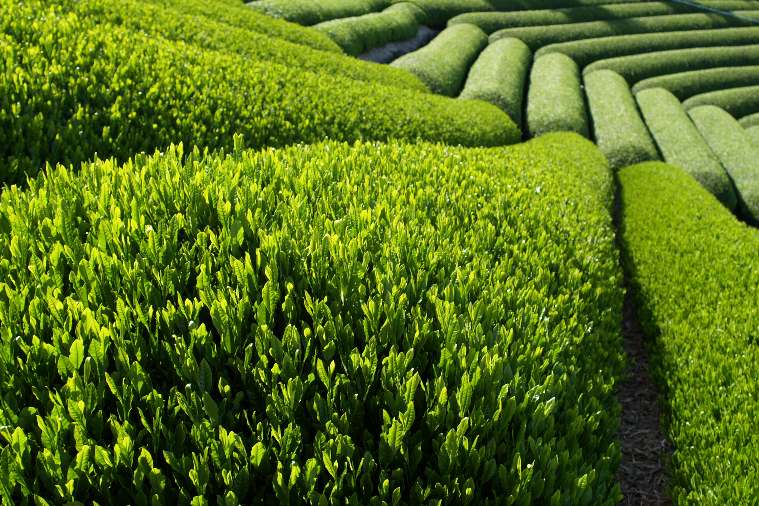
And tea- this was a much later economic obsession. Stolen from the Chinese, with much double dealing and opium peddling along the way, and increasingly adopted as the drink of high society in Victorian Britain.
But because it was expensive, there was a need to find ways to control the production, distribution and sales of tea on a massive scale. For this, we needed new plantations in a suitable climate.
And of course, we also needed a huge cheap workforce that we could control and dominate.
And so we manipulated, shanghaied and cajoled the poorest of another one of our conquests to move to a country far from their birth and work our new plantations in Ceylon.
To make this seem OK, we had to believe that we were doing them a favour. We had to be able to see these people as less than us, weaker, less human.
So we called them a name that befitted their status- a pejorative name. Coolies.
In the British Empire, coolies were indentured labourers who lived under conditions often resembling slavery. The system, inaugurated in 1834 in Mauritius, involved the use of licensed agents after slavery had been abolished in the British Empire. Thus, indenture followed closely on the heels of slavery in order to replace the slaves. The labourers were however only slightly better off than the slaves had been. They were supposed to receive either minimal wages or some small form of payout (such as a small parcel of land, or the money for their return passage) upon completion of their indentures. Unlike slaves, these imported servants could not be bought or sold. (From here.)
These mass movements of population leave their mark on human politics to this day, as does much of our colonial system. The Tamils who were imported into Ceylon (now Sri Lanka) were fighting a bloody civil war until only last year.
All of which makes my tea taste a bit sour.
And it does not get much better for the tea producing nations today. They are slaves to the free market, with commodity prices rising and falling, and plantations mostly tied to multinational corporations.
All the more reason then to drink tea (and coffee) as well as using sugar that has the fair trade mark– yes I know all about the tokenism thing- but my tea just goes down with more satisfaction.
And given my inherited history, it seems the very least that I should do.
Michaela and I watched this the other day- a small American group that have decided to do something simple and rather profound with 10% of their income.
I have always had a bit of a strange relationship with tithing- by which I mean the Evangelical Christian use of the word- giving your ten per cent to the great Agent in the sky (via your local church of course.) Laying down a ‘seed offering’ so that you might get so much more in return.
Giving money to the church to enable redistribution and support for people who are working with the poor- I can get that, but tithing has of course a whole different lot of baggage that goes with it- usually associated with those who need this to be a Biblical instruction so that the machinery of their institution might be oiled- salaries paid, roofs mended.
Churches do need to be funded, but if all our resources go into buildings and hierarchical salary structures then what might be left to use for things outside the establishment?
There are all sorts of potential problems of doing the things that this group have done- but I think it is really interesting…
To remember his death in April of this year, Mary suggested we took some flowers to a place he loved. I am not really keen on those displays of flowers tied to lamp posts and benches- the ones that droop and rot into a mess of green plastic. But Mary had a much simpler idea.
So we went to a bridge over the River Eachaig, next to the lovely Uig Hall- a fine, still place where the river runs strongly around a meander and over a weir before disappearing towards the Holy Loch then the Clyde and finally the deep blue sea.
We stood in silence on the bridge, Michaela, me, the kids and Mary. That kind of stillness that is enhanced by the gentle noises around, and the feelings of pain and loss within. The whole world folds in for a while.
Then Mary threw her flower, along with a little note, into the river.
Taken by the current it moved off. Followed in line by Michaela’s, William’s and mine. It was unbearably sad, but lovely at the same time.
Emily was last to throw in her flower, and as she was standing nearer to the bank, the current took it around the meander and almost out of sight, before it snagged on the bank- a flash of yellow amongst the floating leaves.
This upset Emily- so much so that she wanted to go and fetch it somehow, although this was not practicable.
For me, this spoke volumes.
The river moves on and by, to a distant destination. But no matter how strong the flow it is hard to let go.
I recently discovered the soundtrack to one of my favourite films- Sean Penn’s ‘Into the Wild’.
The film was from a book by John Krakauer of the same title, which told the true story of Christopher McCandless, who decided to quit society, and his comfortable upbringing, and disappeared into the wilderness. It tells the story of the people he met and influenced, the encounters he had with wild places, and his eventual lonely death in Alaska.
The book is an examination of the place of wilderness in our post-modern world. The film is something else- a visual feast, full of photographic cinematography and gentle simple people. It made me cry- not because of the tragic ending but because of its great humanity.
Oh it’s a mystery to me.
We have a greed, with which we have agreed…
and you think you have to want more than you need…
until you have it all, you won’t be free.
Society, you’re a crazy breed.
I hope you’re not lonely, without me.
When you want more than you have, you think you need…
and when you think more then you want, your thoughts begin to bleed.
I think I need to find a bigger place…
cause when you have more than you think, you need more space.



 this fragile tent
