Jim Crow repainted- again…

So- another twist in the local debate about a painted rock on the Dunoon shoreline.
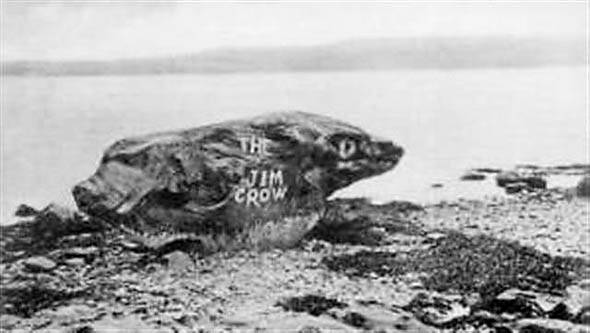
Photo c.1900

The rock has now been defaced twice by someone who decided that direct action was required to highlight the murky history that may be behind this local land mark. Local politicians have expressed their outrage-

Councillor Bruce Marshall, chair of the Bute and Cowal Area Committee, told the Standard on Tuesday: “I was unaware that Jim Crow had again been defaced and find it hard to believe that anyone can be so petty.
“Jim Crow has been a landmark on the foreshore at Hunter’s Quay all of my life and I would not like to see it permanently lost.”

From Dunoon Observer.

Two people were seen yesterday redecorating the rock with its golliwog face.

The local paper has dealt with the issue in a rather lazy and partisan fashion. It reads like the reporter was looking for a way to dismiss any concerns about the rock, and seeking to interpret history in this light. A quote from the article

In an age where international news was not widely spread, it is unlikely that Dunoon people knew about these laws when the rock was originally painted, possibly around 1900.

It seems more likely that the rock was originally named after a Thomas Ingoldsby rhyming story The Jackdaw of Rheims. which was popular in Victorian times, The poem, about a particularly pious jackdaw made ito a saint, ends with the stanza:

And on newly-made Saints and Popes, as you know,

It’s the custom, at Rome, new names to bestow,

So they canonized him by the name of Jim Crow!

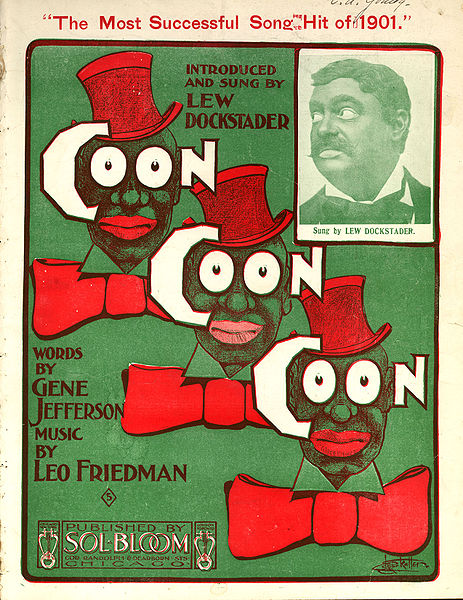
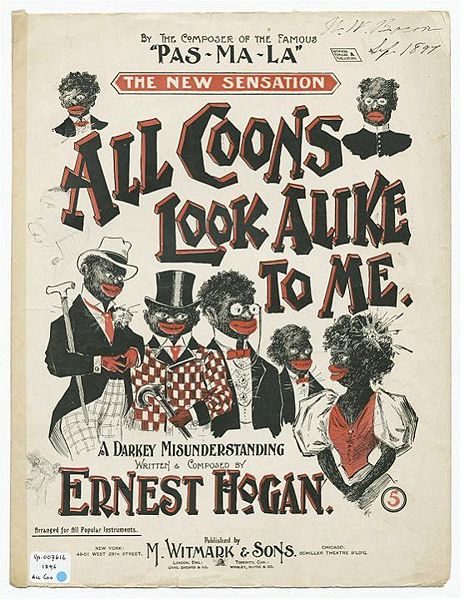
The research the local reporter has done seems to ignore the pervasive influence of ‘coon songs‘ and ‘black face songs’ in the Victorian and Edwardian music halls (right through to the dreadful black and white minstrel shows that were on TV in the 1970’s.)

People in Dunoon, and holiday makers from the big city who flocked here around the turn of the 20th Century, probably did not know much about the Jim Crow laws, but they would have known that ‘Jim Crow’ was a derogatory caricature of a black man.

As for the Jackdaw of Rheims– written by Rev Richard H Barham (under the pen name Thomas Ingoldsby,) it makes one reference to Jim Crow- as part of a long poem about a Jackdaw. Here is the question- why did Barham use this name? The song ‘Jump Jim Crow‘ was a huge international hit, with sheet music sold over all the world- carrying the caricature everywhere it went. The song was written about 5-10 years before the Jackdaw of Rheims was published.

The Observer reporter appears to assume that before the internet, before radio and TV, communication of ideas like this between continents was unlikely- that there could be no real exchange of ideas between sleepy Dunoon and America. This is to totally misunderstand our history-

Looking back from a totally different culture and time, there is no blame that can be attached to whoever first crudely decorated this rock and wrote ‘Jim Crow’ on its side. It was probably a bit of holiday fun. Using terms and prejudices that were so pervasive that they were hardly noticed.

The issue remains how we come to understand the symbolism contained within this image now– how we engage honestly with our past.

And this rock gives us an opportunity to do just that.

I notice that the local paper did not quote this-

“… there can be no doubt that the painting of the ‘face’, with its exaggerated red mouth, is a typically caricatured image of a black person, as popularised by the American entertainer T.D. Rice in the nineteenth century. […] I feel certain that black visitorsfrom outside would see this as somewhat insulting […] as a derogatory reference to their skin colour and origins.”

Institute of Race Relations.

So –  are we sure that this is just a little bit of harmless local colour? And even if it is just that- are we really comfortable with the associations that are being made, and the offence that this might carry to the descendants of slaves who had to fight on for generations against the oppression of the Jim Crow laws?

If the rock is to stay, then we need to tell these stories.

If we are to keep the face on the rock- then let us also put a big sign on the foreshore dealing with the darker side of our past…
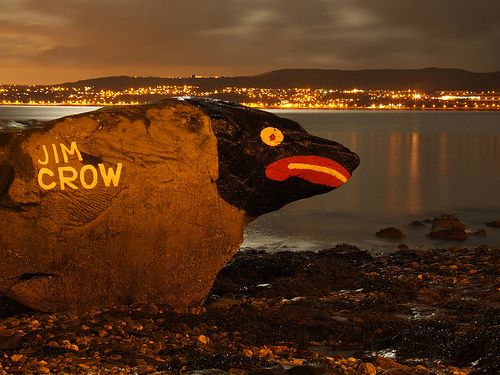
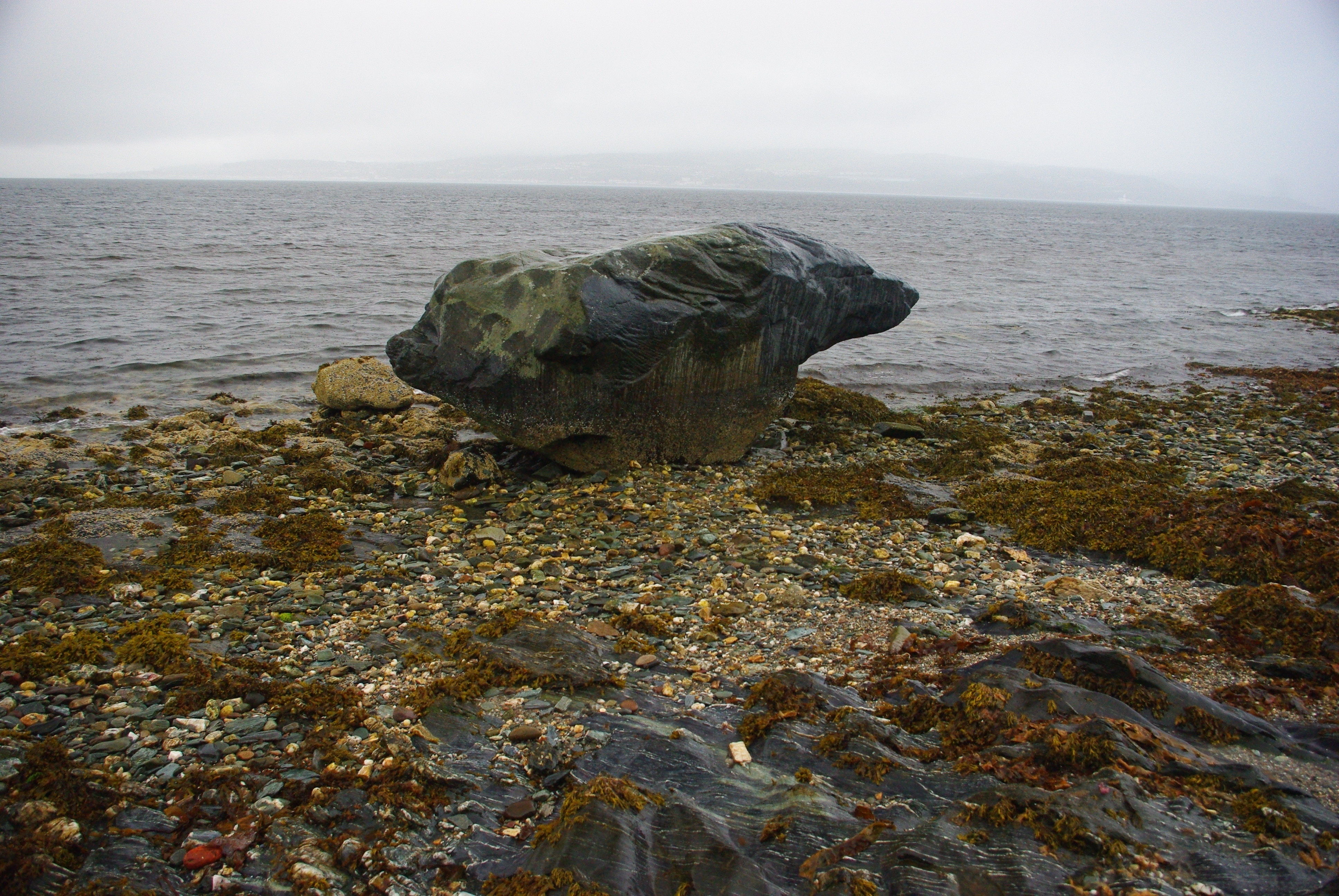
The battle against racism returns to Dunoon’s foreshore…

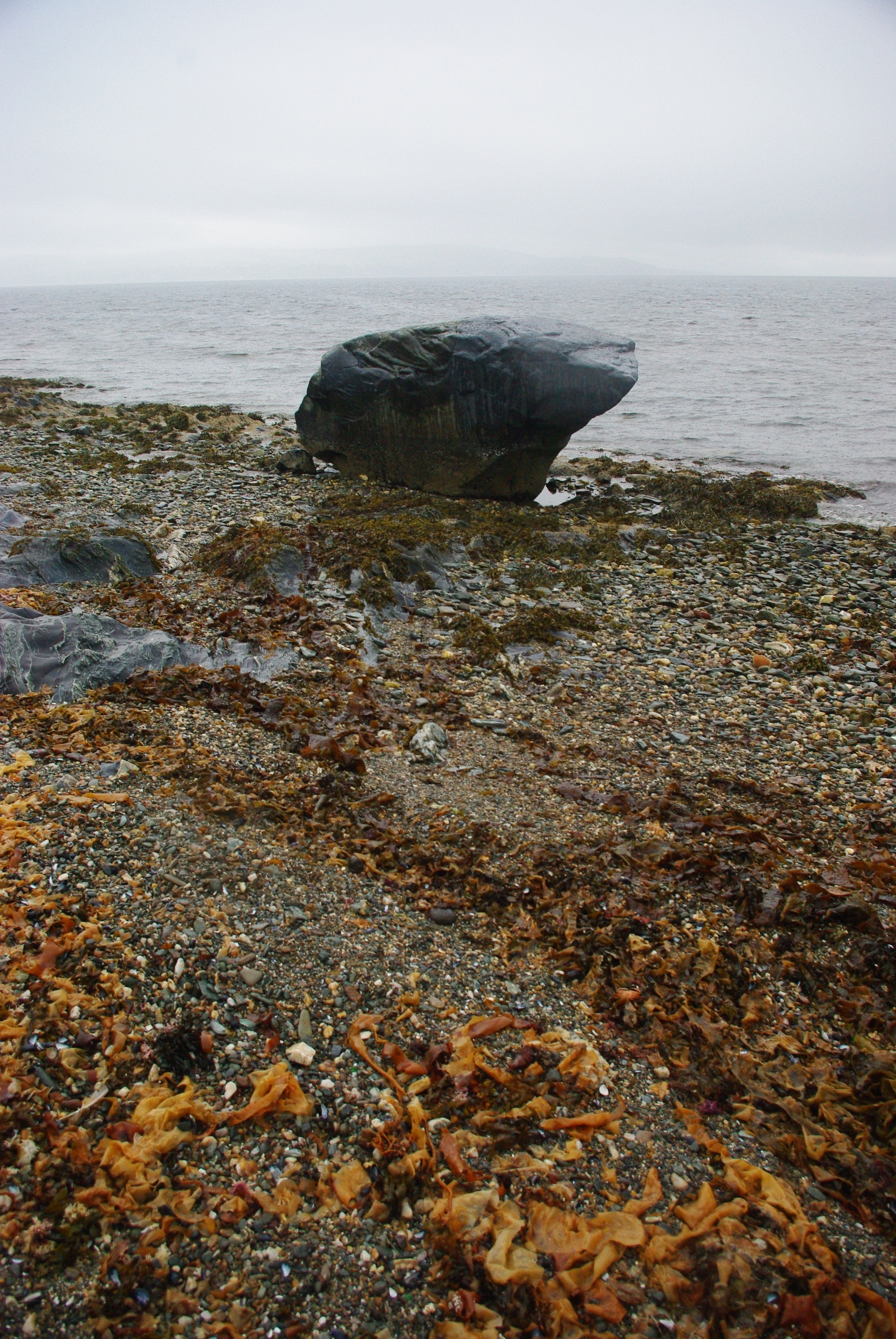
There is a rock about a hundred yards from where I live that has been decorated for about 100 years like this-

I have previously described some of the controversy that surrounds this rock (here and here.)

I recently came across another website run by someone I know in Dunoon, which was set up as a result of his concern about what the history and symbolism of the rock might mean…

He quotes someone called Dr Waters from the Institute of Race Relations as saying this-

“… there can be no doubt that the painting of the ‘face’, with its exaggerated red mouth, is a typically caricatured image of a black person, as popularised by the American entertainer T.D. Rice in the nineteenth century. […] I feel certain that black visitorsfrom outside would see this as somewhat insulting […] as a derogatory reference to their skin colour and origins.”

Last year someone took matters in their own hands and painted out the rock with some brown paint. They did a rather good job, and it was hard to tell that it had ever been decorated.

And as the local furore raged, someone else simply redecorated it as above.

Well, last night someone revisited the rock- this is what it looks like today-

Is Dunoon a racist town?

No more than any other I would say- although the largest ethnic minority here are the English, and we have a measure of anti-English sentiment like most places in Scotland. But narrow mindedness and prejudice are a feature of all our human communities and perhaps in small isolated towns like mine they can be long lasting.

There are not many black faces here. However, there used to be an American Naval base here until around 15 years ago, and there were lots of black American servicemen here then. Stories of race riots and segregated drinking are part of the local folklore. As are fond memories of the life and vitality brought to our community by people from African American origin.

Quite what these servicemen thought about the rock, I would love to know. Where they so used to such images that it was unremarkable? Were they told not to protest by their command structure? Or did it carry no racist meaning for them?

I hope that this latest act of direct action might yet highlight the meaning of ‘Jim Crow’ for Black Americans to people in Dunoon.

Because I think that we have should challenge prejudice wherever we find it- whether or not it is unintentional, or inherited from a previous generation with a different world view.

Nature, red in beak and claw…

What a lovely day.

A house full of friends and family all day- people calling in, people coming to stay, food shared, music played…

The old house feels once again like a place of welcome and refuge- a kind of oasis- which is what we always wanted for our home.

By way of contrast, Dunoon has been a rather scary place over the past few days. There has been a murder, a serious road crash involving young people racing cars, a woman jumping from an ambulance and,  more comically, the theft of an expensive yacht by a couple of drunk and bungling thieves. This resulted in a police search, and the millionaire owner taking off in his helicopter looking for his boat- only to crash into Loch Long when he found it (thankfully only sustaining minor injuries.) The police found the boat, with one of the would be pirates fast asleep in the scuppers!

As my mate Andy would say, the combination of sunshine, cheep booze and too much time on people’s hands is rarely a good one, and he should know as he has spent a lot of time trying to clean up the aftermath.

There is this contrast all the time with we humans- the beautiful creatures that we are, who are capable of doing such dreadful things to one another, almost on a weekend whim…

I wonder that we are surprised.

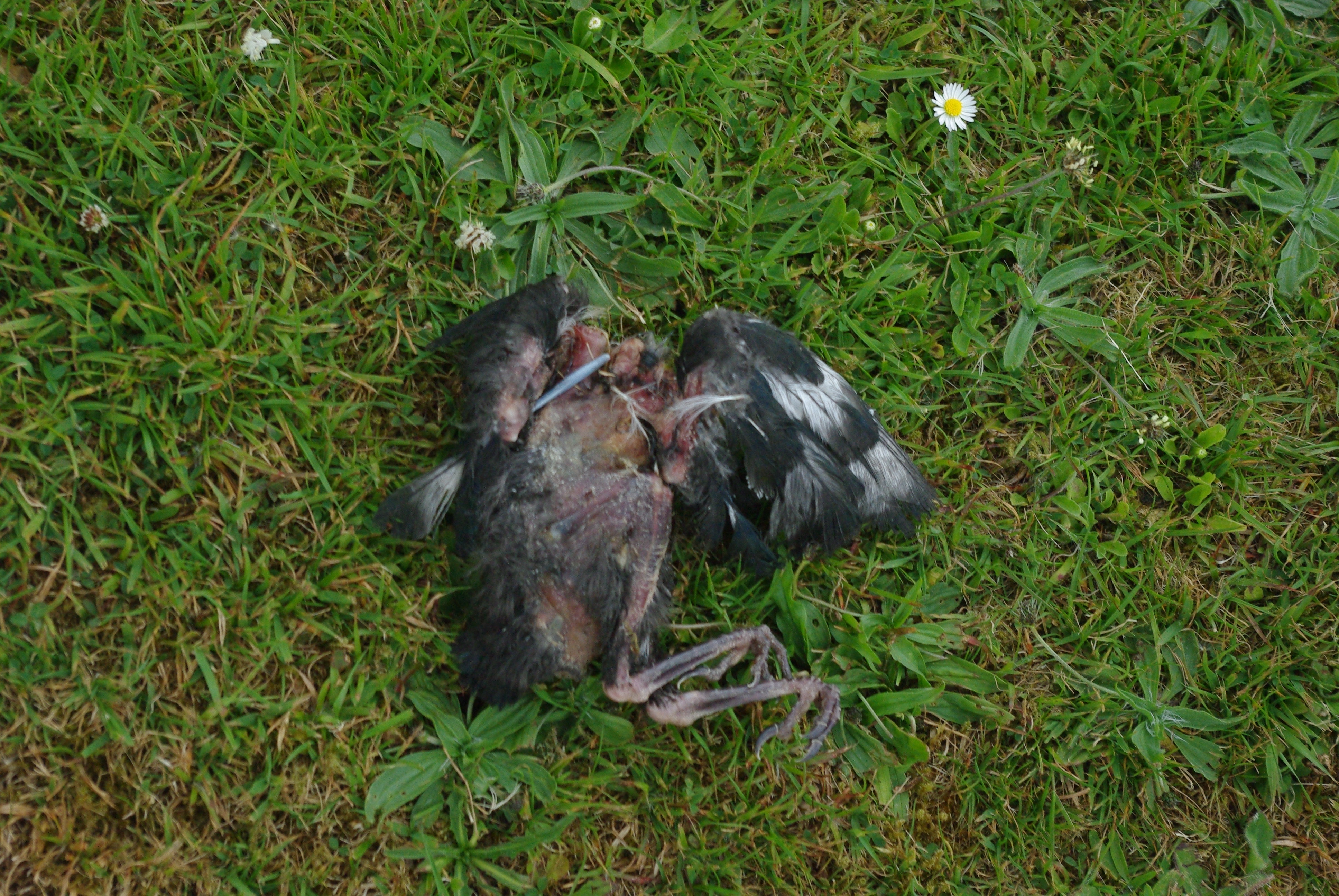
In my garden there is a tall tree, in which two magpies have built a nest. Over the past week or so, the branches of the tree have been the site of a battle between Mr and Mrs Magpie and a large black crow, who has been constantly trying to get into the nest and carry off the young chicks. For a while the Magpies seemed to be holding their own, despite one of them losing most of its tail feathers. But today, a half eaten chick lay on the ground.

It seems so cruel- but then it is a jungle out there, and birds need to eat.

All the more reason for us to hold to a different path, in the way of the Kingdom of God…

And to rejoice in the welcome and hospitality that we receive and give.

Jim Crow and the ‘Coon songs’…

I listened to a discussion on Thinking Allowed on radio 4 today about the role of comedy in racism, and anti-racism. It reminded me again of something close to home.

I have written previously about this rock, known as ‘Jim Crow’ which is across the road from where I live-


Photo by Scott Adams- http://www.flickr.com/photos/10021898@N02/797575782/in/photostream

The history of the rock is the subject of much debate- some of my friends who are local to Dunoon feel protective of it as a local landmark- it has been decorated in this way for well over 100 years, and is one of those local features that people remember, and celebrate, from childhood.

It has been suggested that the rock was so named after a garage owned by Jim Crow in the vicinity, although I know someone who has done some research in the public records and can find no sign of such a business, or of a person with that name.

In my earlier post, I pointed out the link with a tradition that emerged in another place- the ‘Minstrel shows’ of 19th Century America, in which ‘Jim Crow’ was a negative caricature of  a black man. The words ‘Jim Crow’ became an insult that was used alongside other offensive words like ‘Nigger’ and ‘Coon’. It also became a catch-all phrase for a set of segregation laws adopted by states across the USA that were oppressive and amounted to state sponsored rascism- the Jim Crow Laws.

The question remains however as to why a rock came to be decorated in this way in a sleepy little seaside town on the West Coast of Scotland?

I think the answer lies in the incredible popularity of the minstrel shows, and the wave of songs and dances that captured popular imagination at the end of the 19th and the beginning of the 20th Centuries. Quite why this form of entertainment became so popular is difficult for us to understand from a post modern perspective. It was carried along by a new beat and verve brought by ragtime music and cakewalk rhythms but perhaps also by a rather more sinister human characteristic- the need to look down upon, or even demonise the other.

Coon songs‘ sung either by black performers, or more often, white men with black painted faces, were incredibly popular. Some of these songs sold millions of copies of sheet music all over the world.

The Coon songs were performed in popular shows wherever entertainment was required- particularly in mass holiday destinations- like 19th Century Dunoon, at the height of the age of steamers on the Clyde. According to an entry on Wikipedia, this is what they were all about-

Coon songs’ defining characteristic, however, was their caricature of African Americans. In keeping with the older minstrel image of blacks, coon songs often featured “watermelon- and chicken-loving rural buffoon[s].”[14] However, “blacks began to appear as not only ignorant and indolent, but also devoid of honesty or personal honor, given to drunkenness and gambling, utterly without ambition, sensuous, libidinous, even lascivious.”[14] Blacks were portrayed as making money through gamblingtheft, and hustling, rather than working to earn a living,[14] as in the Nathan Bivins song “Gimme Ma Money”:

Last night I did go to a big Crap game,
How dem coons did gamble wuz a sin and a shame…
I’m gambling for my Sadie,
Cause she’s my lady,
I’m a hustling coon, … dat’s just what I am.[15]

Towards the end of the era of Coon songs, it seems that people began to object to the racism at the heart of the formulae. There is also some evidence that black performers began to subvert the songs by turning some of the humour back at the white listeners. Laurie Taylor, as part of the discussion on the radio today placed these songs in a longer line of black comedy, including Richard Pryor and Chris Rock, who use humour to confront their audience with the narrow stereotypes they might otherwise regard as acceptable. However, there also appears to be a danger in this form of activism, as in some ways it gives permission to air these views.

There was also an interesting point about how certain popular performers can be seen  ‘exceptions’ to a more wider prejudicial view. In this way, they confirm the stereotype as much as they confront it.

Richard Pryor stopped making jokes using the word ‘Nigger’- here he is (WARNING– as ever, his language is a bit fruity.)

Back to the rock.

I had previously suggested that I would like to see it redecorated.

I certainly would still like to see more local knowledge of the tradition that this rock comes from, as I think we always need to learn the lessons of history, lest we repeat the mistakes again.

Lest we find a new section of the population to demonise.

In which I am berated as an ‘idiot’…

I have been struggling a little with the publicity following my recent little mishap. For the most part, people have been polite and kind-  interested in the details, but perhaps a little switched on by the drama of it all.

Today however, in our local newspaper, a letter has been published that has a rather different tone.

The good thing about having a blog like this is that it gives me a chance to make a kind of response of a more thoughtful and considered nature.

Here is the letter in full, along with my response.

Editor-

I write with anger as I note that a lone canoeist was rescued from the Clyde last week. Has he been sent the bill for the rescue? It was nobody’s fault but his own that he chose to go canoeing on his own in February weather. Why should the tax payer have to pay for this man’s folly?

Dear ‘name and address withheld’

I am sorry, but also a little puzzled, to have been the cause of your anger.

You are quite correct that I took decisions that ultimately led to an accident, and that any blame to be allocated is mine alone. However, I do not agree that these decisions amount to ‘folly’. This for the following reasons-

  • I am an experienced canoeist, who has been out on these waters many time before
  • I have never previously capsized my canoe, despite paddling in far more challenging conditions
  • The ‘February weather conditions’ you alluded to were in fact flat calm, with hardly a ripple of a wave, and the air temperature could have best been described as ‘mild’
  • I was indeed alone, but had taken the precaution of letting others know were I was going, and when I would return.
  • I stayed reasonably close to shore, and well within my comfort zone
  • I am fit, a reasonably good swimmer, wore a buoyancy aid and warm clothing that allowed free movement in the water. I was close to shore when rescued, having made good progress from the point I entered the water

I should perhaps also point out that I too am a tax payer.

When the search and rescue facilities are privatised, as your report two weeks ago said that they will be in 2011, do you think that people who choose to put themselves in danger will be rescued without receiving a hefty bill?

I hope so. The humanitarian ethos that puts the saving of life before the saving of money is one that many of us (particularly me!) would want to defend. I am very grateful to the people who rescued and looked after me, and humbled by their compassion and care.

You raise the point again of me choosing to place myself in danger. Clearly, canoeing (at any time of the year) has a degree of risk associated with it, even if this is a measured risk. It is also clear that after every accident, there are things we can learn that might help us reduce the risk, or cope better with mishaps as they befall. To this end, I have already uprated the floatation in my canoe, bought a wetsuit, flares and am considering purchasing a portable VHF radio. Whether or not these things would have prevented the accident is debatable.

The issue of risk is a difficult one.  There is risk in many activities- perhaps the most risky thing that I do is to drive around Argyll on our busy country roads. I do this because I have to as part of my job, but many of my colleagues have had serious accidents.

Many leisure pursuits have a measure of risk- cycling, climbing, hill walking, sailing etc. Those of us that do these things have a responsibility to make sensible preparations and precautions, but miss judgements and over confidence are common. At some point, many of us have accidents- most of them thankfully minor. There is a real danger that we start to see accidents as the result only of foolishness on the part of those involved. It makes the rest of us seem invulnerable, which of course, we are not. The blame game that you appear to be playing is likely to make this worse.

Does this mean we should avoid such activity? I and many others do not think so. Risk can also be a positive choice, as the alternative can lead to no life at all.

It is perhaps also worth noting the huge costs to the NHS of physical and mental health problems associated with our sedentary modern lifestyles- and the encouragement to get out into wild places as a way of reducing future health problems.

How many millions are wasted on sending helicopters up hills to collect people who think it appropriate to climb them in training shoes and t shirts?

I do not know. I suspect that you do not either. I do know that a number of people who volunteer for rescue based activities (RNLI, Coastguard, Mountain rescue) love being in the outdoors, and are enthusiastic participants in the sports that you appear to find questionable. Some of them have lost friends to accidents, or been rescued themselves, and want to give something back.

I have spent a lot of time in the mountains, and have met people who were poorly equipped. However, I have also been part of the rescue of a group of soldiers who were cragbound despite being very well prepared. In wild places, stuff happens.

Neither do I think that your analogy is a fair one. I was not wearing a t shirt, nor was I wilfully reckless or inexperienced.

Helicopters can only be in one place at a time and while they are engaged in the rescue of an idiot, they cannot be available to rescue people who are in difficulty through no fault of their own.

I may be an idiot- but given that (I assume) we have never met, I think your assessment of my character is presumptive. Even if you are right, do you think that we ‘idiots’ are better left to drown? My family and friends might disagree.

Are we more deserving of rescue if victims of blind chance rather than personal failure? In a car accident for example, should we first save the victim, or the person whose mistake caused the accident in the first place?  Who decides?

It might be interesting to note that the helicopter that rescued me was a Royal Navy unit, that was already on a search and rescue exercise two miles up the Clyde. In this, I was very fortunate, and am very aware that I was the centre of great expense.

Finally ‘name and address withheld’, I would like to say this. I am not sure what activities help bring meaning to your life, but it may well be that at some point in the future, you too are faced with a situation for which you were not prepared- perhaps even because of a mistake that you make. I hope that this never happens  but it is also possible that you may then require the help of emergency services.

If such a thing should befall you, I hope that you are treated with the compassion and care that you have failed to show to me.

By way of postscript, today I was in a local shop, and a woman took it upon herself to call me an idiot to my face, and to say that she very much agreed with the comments made in the local paper by ‘name and address withheld’.

I was a little stunned, but managed to ask her why she thought that saving my life was a waste of the time of emergency services, and why she thought that I had behaved like an idiot. I was able to explain a little of the circumstances of the accident, and the nature of the weather conditions (which she assumed were the cause of the accident.) She huffed and puffed a little, but conceded that there must be another side to the story. We parted smiling, albeit through clenched teeth.

Such is life in small communities.

I make the local newspaper…

Gulp- my recent little swim made front page of the Dunoon observer.

Here is a photo someone took- I am out of view behind the police launch.

Michaela and I took a trip down to the west bay this morning. We went to see David Torrance, the man who raised the alarm, and said thanks. He seems a really nice guy, and I will be forever in his debt. He was in the right place, at the right time, and did the right things.

We then went round to the Rock Cafe for breakfast, and stood watching the sun sparkling on the sea around the Gantock Rocks. It is a lovely cold sunny day today. I looked a where I entered the water and marvelled at how far I swam.

I do not plan to repeat it.

A walk in the snow…

It has been very cold here recently- like most of the UK, it has been colder than most people can remember over the last weeks.

Dunoon is usually insulated from the deep cold that other parts of Scotland experience, because of our closeness to the sea. But last night, it was minus 7 degrees C outside our house, and the temperature has not been above freezing for weeks.

Along the shore, the rock pools have frozen over, and between the tides, the seaweed collects white frost.

We have not had the heavy snowfalls here that have been common elsewhere. Glasgow and Paisley (but a few miles away) are deep white, but we have the remains of snow, turned to ice for the most part.

Apart from in the hills that is.

So I decided to go look for some.

I wanted to find virgin snow- the high up powdery stuff that does not ball under your crampons. It has been a while since I kicked my way into this stuff.

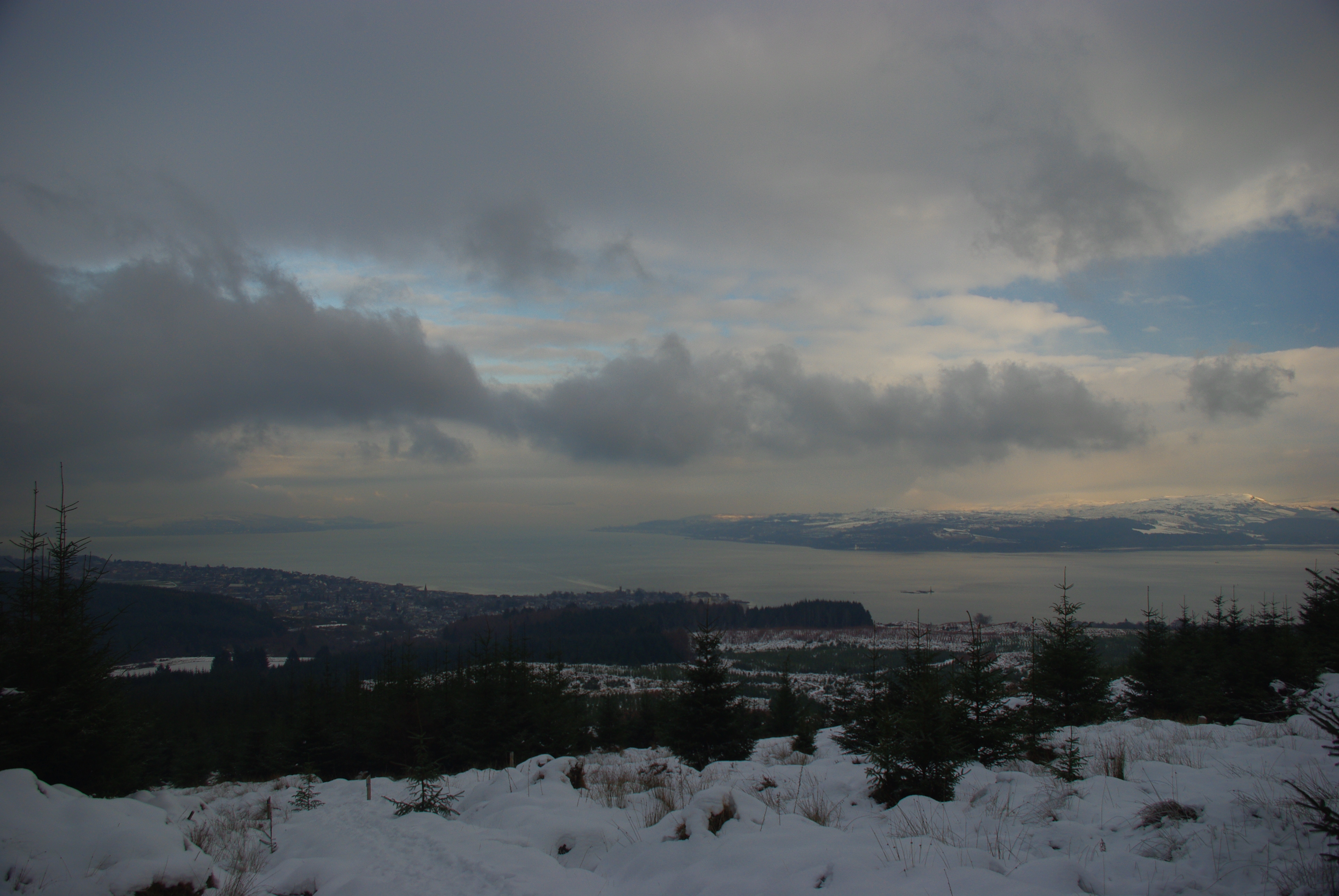
I set off into the familiar hills above Bishops Glen- the forestry tracks giving way to fire breaks in the plantations, then out onto the open hillside.

And I found snow.

Advent prayers rising…

We are back in this evening after another day spent out on Dunoons West Bay, serving mulled wine, mince pies, and having lots of good conversations with folk as the came to collect Christmas trees.

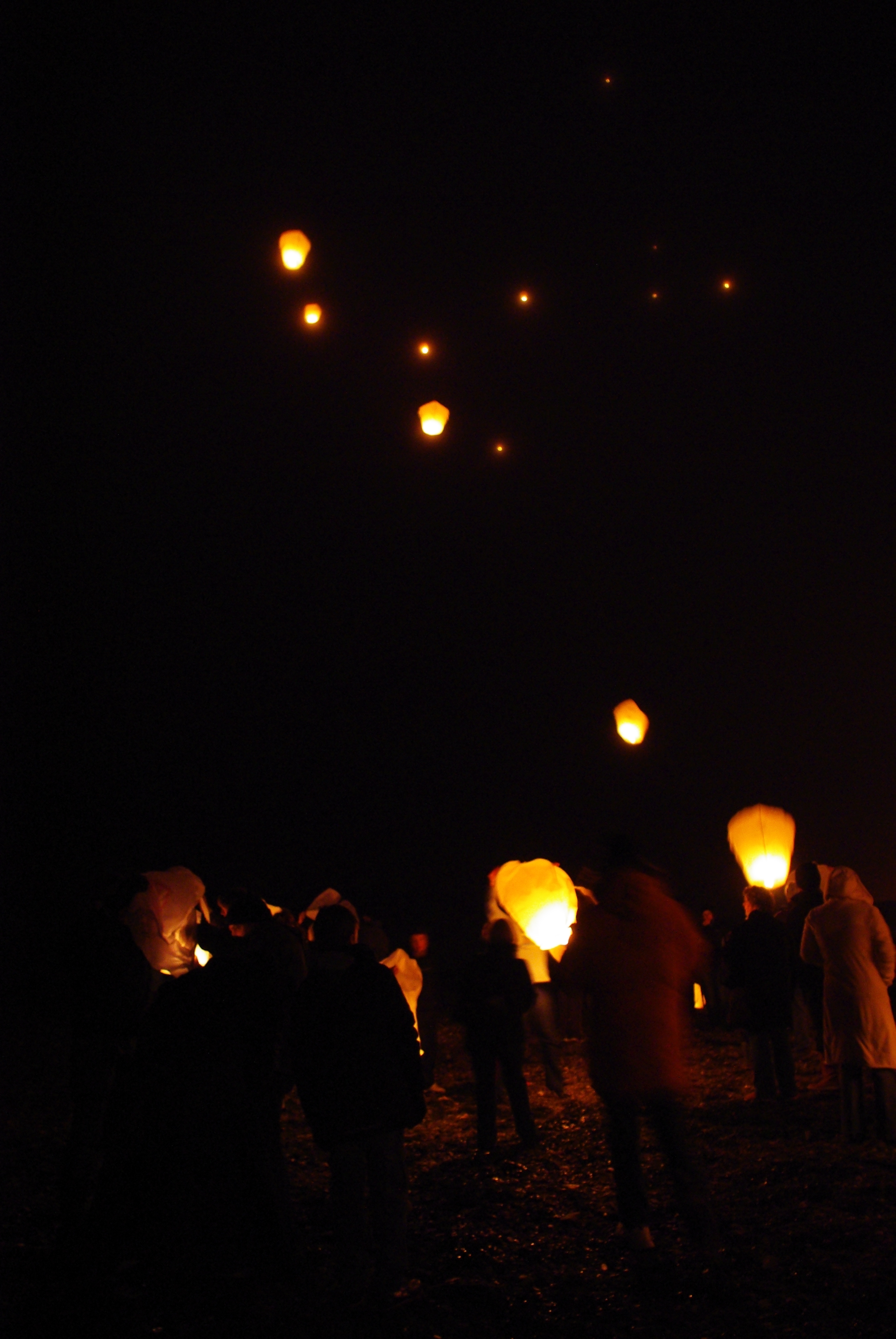
We had also set up some meditation things, did some music (oh my fingers!) and were selling Sky lanterns with the intention of inviting people to write prayers/thoughts on them, and participate in a massed sky lantern launch.

Why did we do it?

  1. To encourage people to be reflective and conscious of the season of Advent- a way for people to become more Spiritually aware, and open again to the Spirit of God
  2. To support work to raise money for CLANN (Community leisure development) and Christian Aid.
  3. To make a lovely spectacle that will linger in people’s minds
  4. To bring people together- and allow community to flourish, in all it’s different forms

And it was great!

We had a mixed blessing with the weather- it was calm, dry, but the Clyde was masked in freezing fog, and echoing with the mournful fog horns as ships passed out to sea.

However, the sight of the lanterns going off up into the mist was wonderful- eery, moving and affecting.

What was even better was the numbers of people who came and took part this evening- from schools, community projects, families, individuals.

Michaela described one family who lit the lantern, then stood together around it as it warmed up, arms around one another in silence. Then they let the lantern rise up into the night sky. Whatever their prayers were, may they be blessed…

Here are the promised photos- Andy took some more, so I will hopefully get to post a few of his soon.