Regular readers of this blog will be familiar with our May bank holiday tradition of making a ‘wilderness retreat’. It is something that a precious community has formed around- a combination of friendship, authenticity, spirituality (of a very non religious kind,) laughter and much silliness. We have accompanied each other through decades now, welcoming some for just one time, others for the long haul. In many ways, these lovely people are my ‘church’.
We have seen each other through brokenness, grief, new jobs, parenthood, grandparenthood, marriages and divorces, serious illnesses both physical and and mental. We have come at our lowest, then next year, we tentatively tell different stories. My feeling is that we will do this as long as we can.
We are not perfect. The tone can be entirely unsuitable for polite company, but then we cry together. We sit around fires and share hopes and dreams. We abuse each other as means of celebrating shared belonging and then we open spaces for moments of simple kindness, often immediately followed by a rude joke.
This year, I failed in attempts to find a boat to take us to the sorts of island locations that have been our normal places of retreat – uninhabited wild places, often with their traditions of hermits caves and ancient chapels. Instead, my friends indulged my suggestion that we do something different, allowing me to combine different parts of my life.
So it was that we pitched our tents outside Camas.
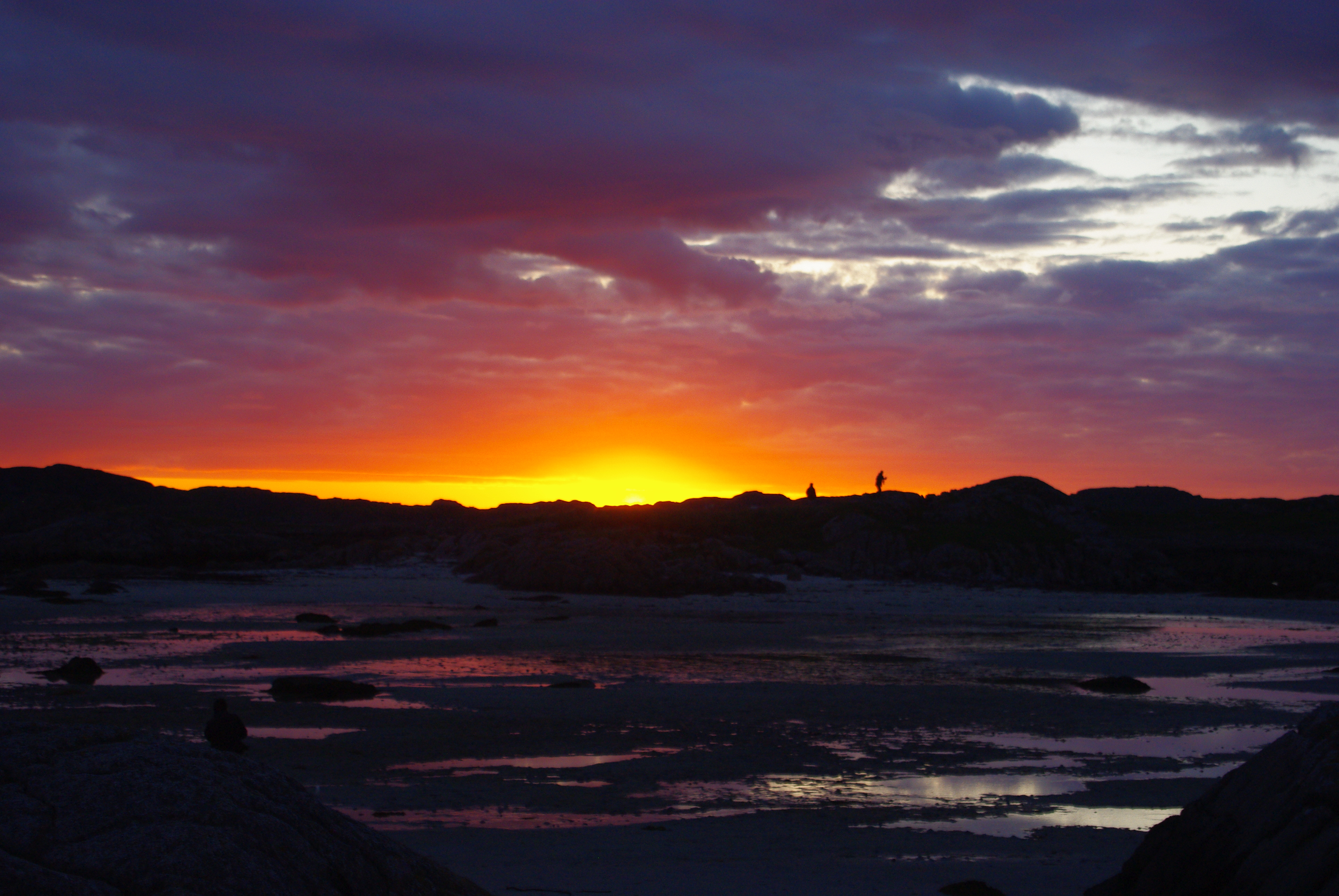
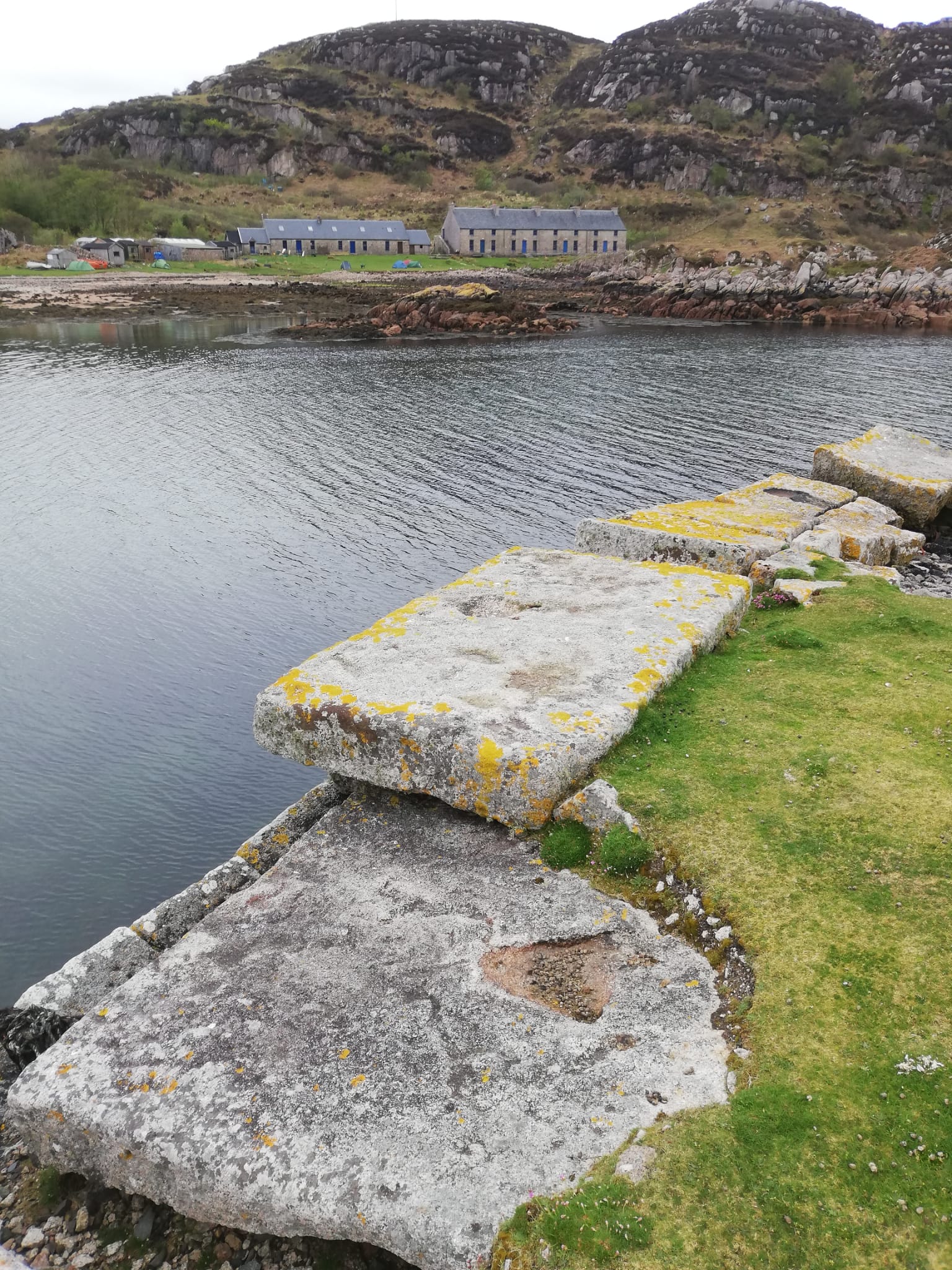
If you have never heard of this place, let me give you some of the rich history. 70 years ago, the Iona Community (which began as a project providing meaningful work for those hungry in pre-war Glasgow by rebuilding the Abbey on Iona) took on an old salmon fishing station on Mull. It was a challenging place to get to, and remains so even to this day, as it is in every sense of the words ‘off grid’. It requires a half hour walk from the road over bogland, then down into a welcoming valley towards an inlet – previously netted for Salmon – which was famous as the place where the the Stevensons quarried the Granite blocks for their famous lighthouses.
70 years ago, George MacLeod, the forceful patriarch of what became the Iona Community, was looking for somewhere to allow young people to experience wild community away from the slums of Glasgow. They used an old Mill building for a while, but eventually they found their way to Camas. Back then it was mostly used for groups of Borstal boys, who actually ran the salmon nets.
I heard a story from back then of someone who was a young 21 year-old volunteer, sent down to cook at Camas with next to no experience. At the time, Camas had no plumbing and water was collected from a burn that ran next to the buildings. A young lad, on his first ever foray out of the city, was sent out to fill the kettle. Tea was brewed and poured… then spat out with cries of disgust. The lad had filled the kettle from the sea. not knowing any better. This placed changed lives.
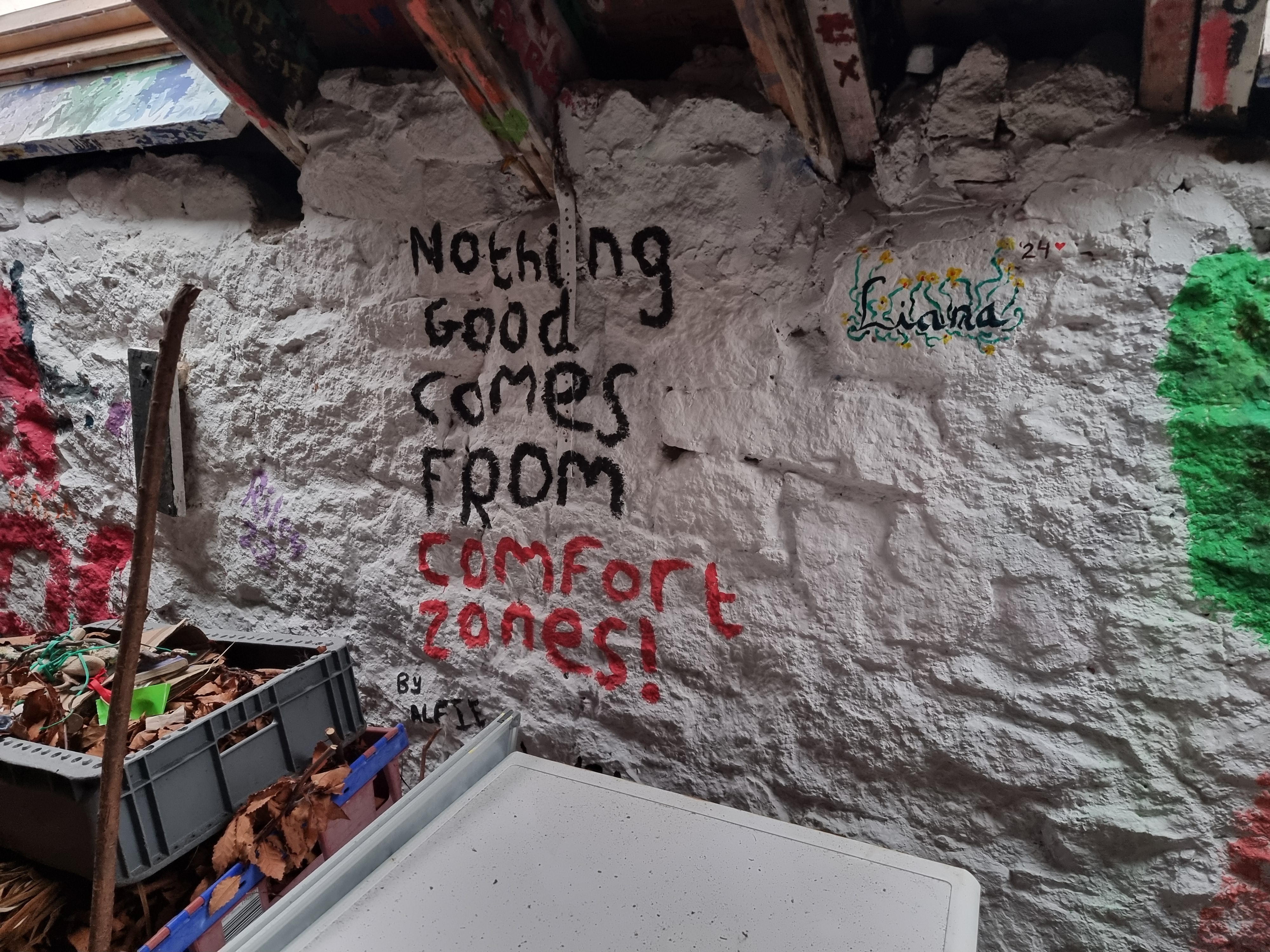
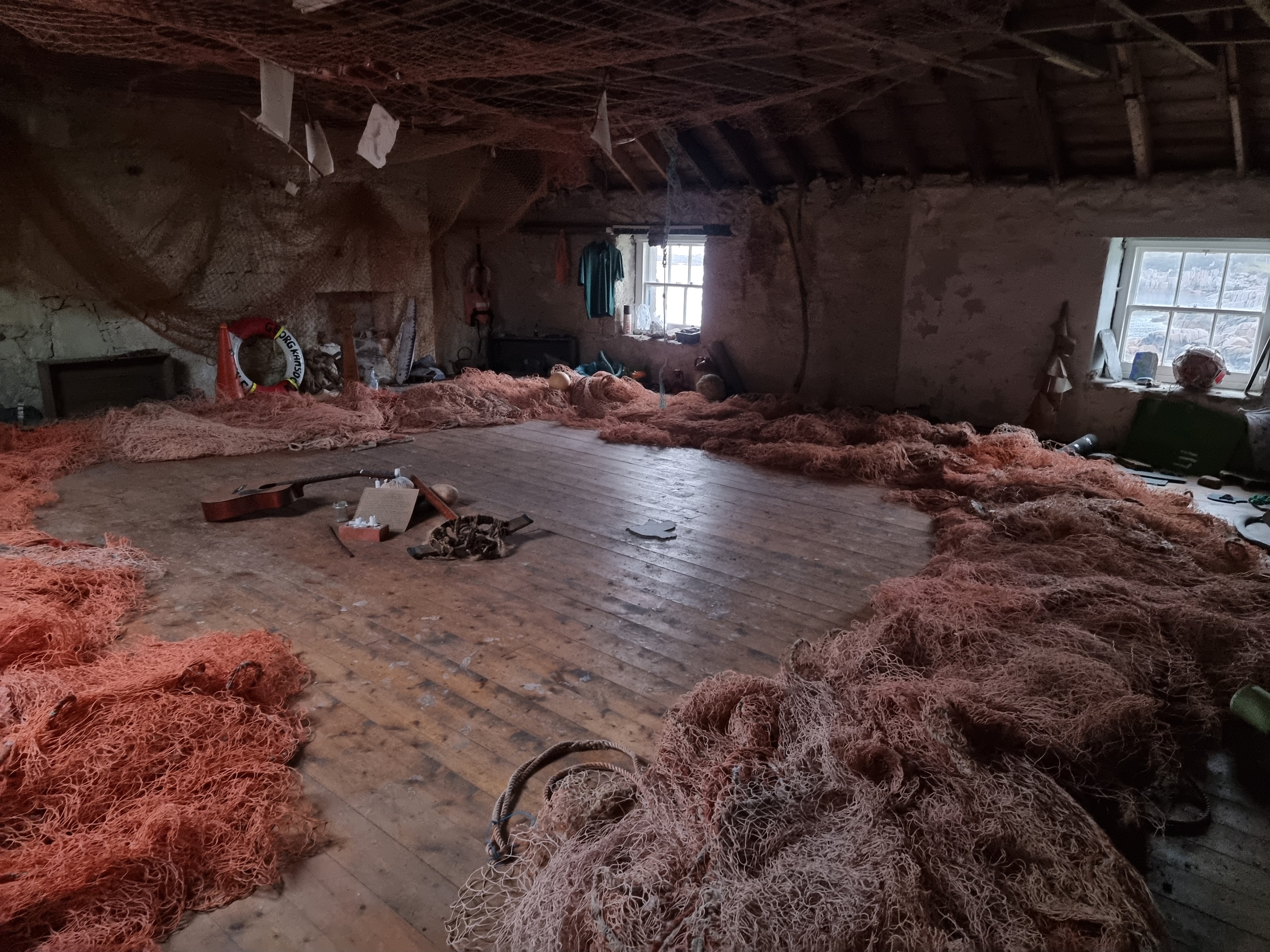
Generations passed through, and Camas became a place of retreat for groups of young people from all over the place. Often this was their first experience of wildnerness, their first time testing themselves with community, their first time sitting in the Chapel of the nets and sharing hopes and dreams in a place where God was no longer abstract.
Camas became one of those places where that beautiful-ordinary sacredness of earth and soul was simply more obvious.
If you are interested to find out more about Camas, then Rachel McCann has pulled together a wonderful book that brings together stories from all sorts of people who have made their way ‘down the track’.
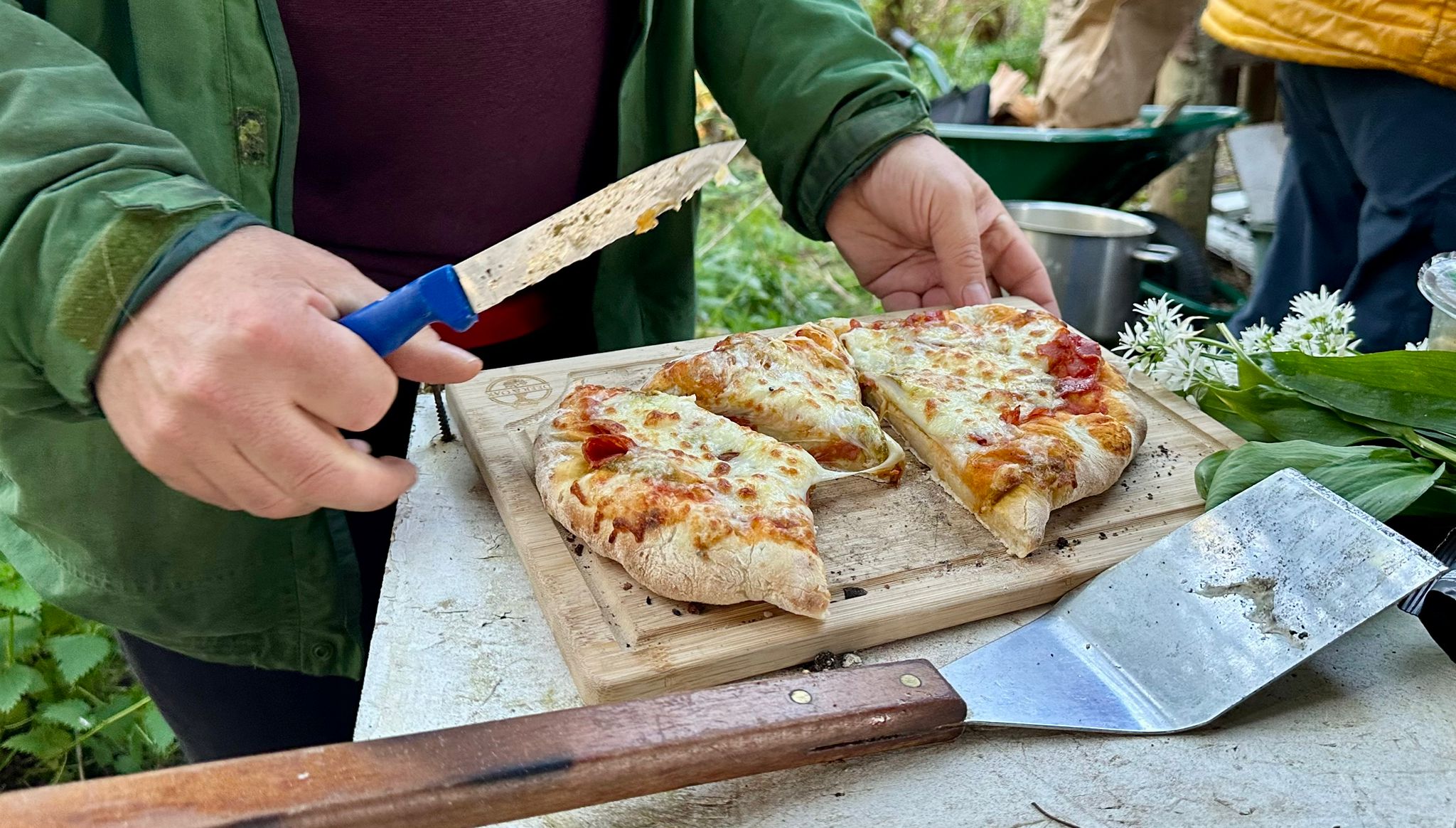
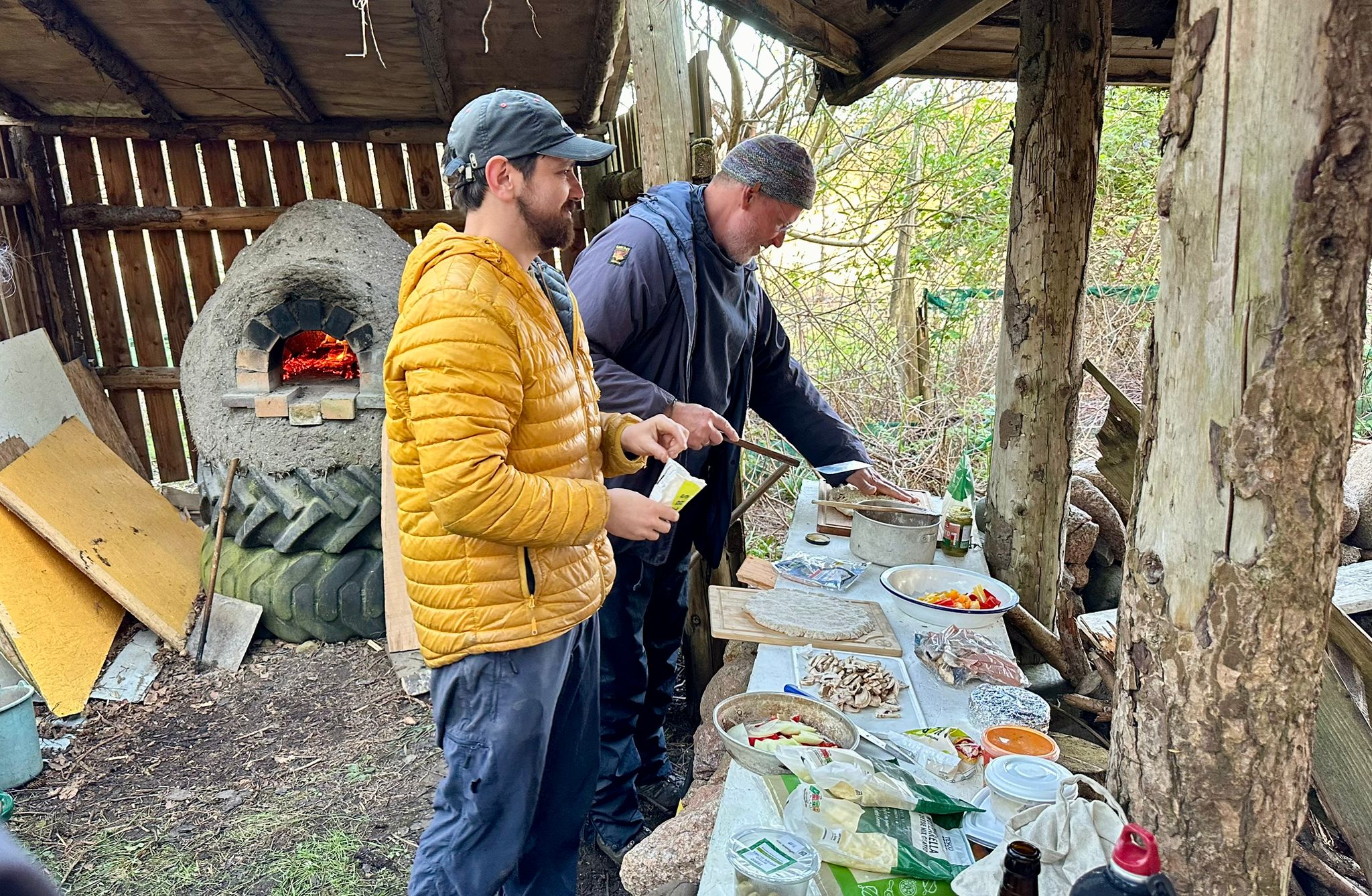
Over the decades, Camas has developed considerably. Increasingly it used outdoor pursuits, climbing, kayaking, swimming, sailing to help young people (and older groups) to make their adventures. Trees were planted, creating an oasis as the wild creatures found it and stayed. A garden was dug. Polytunnels were established. There is solar and wind power – even hot water and… a pizza oven that makes the best pizzas I have ever eaten.
In recent years, Camas has fallen on some tough times. Problems with the roof led to temporary closure, but thanks to one of my neighbours David (a fellow wilderness retreatant) connections were made with a roofer in our village who will be working on the roof right now. David has worked as a gardener at Camas for two periods- with a 30 year gap. All roads lead to Camas in these parts it would seem.
As ever, part of the challenge in keeping Camas open is a financial one – not just for repairs and maintenance, but it has always run at a deficit, being supported by wider funds from within the Iona Community. This is increasingly difficult and so the Community have started something called Camas Companions, asking those who can to support the work with some monthly donations.
In a time of such inequality and so many charities are struggling, perhaps you might still feel that Camas has something special to offer in the future, not only to groups of young people, but perhaps as a place for reconnecting to earth and soul for older people too.
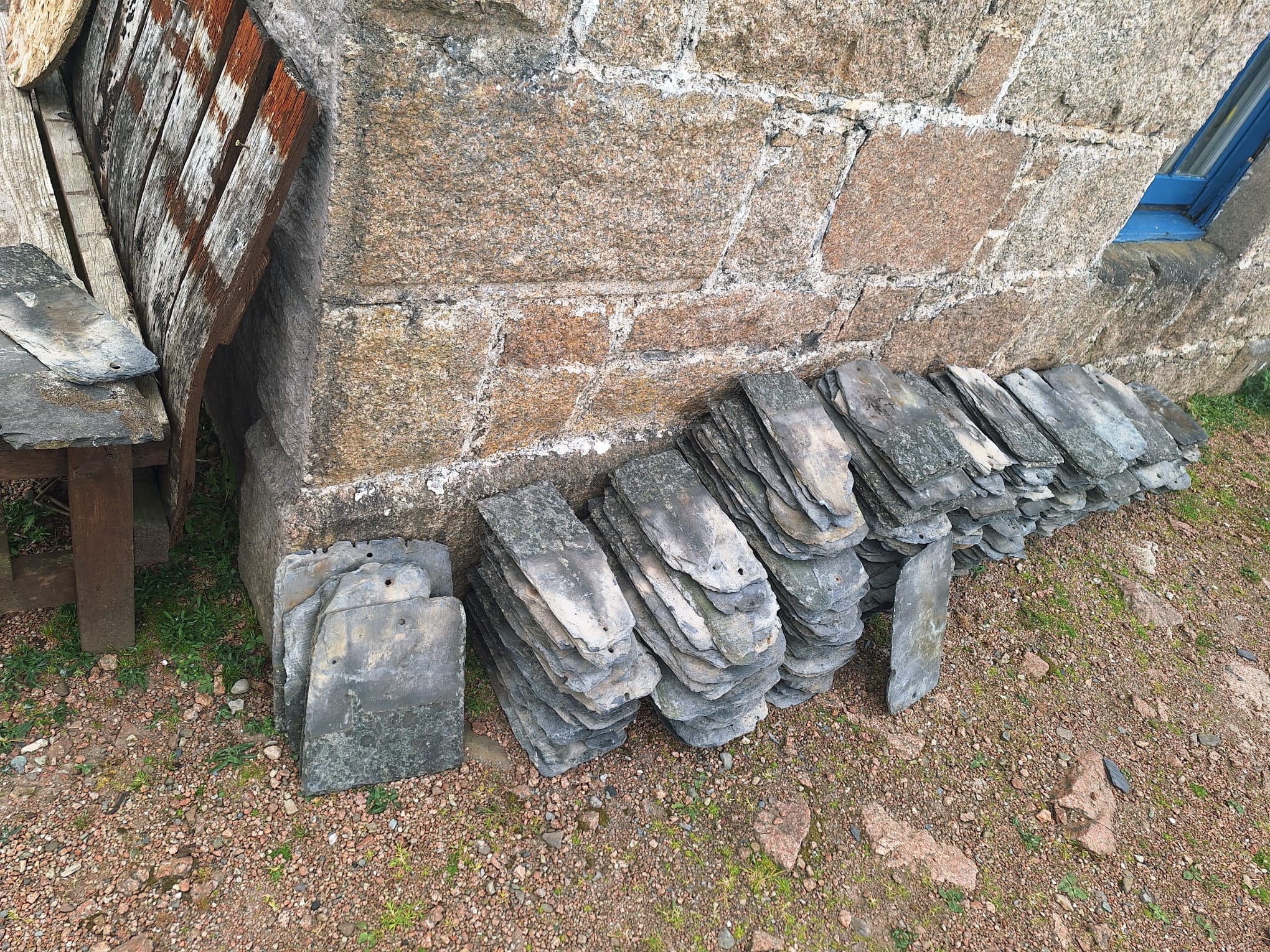
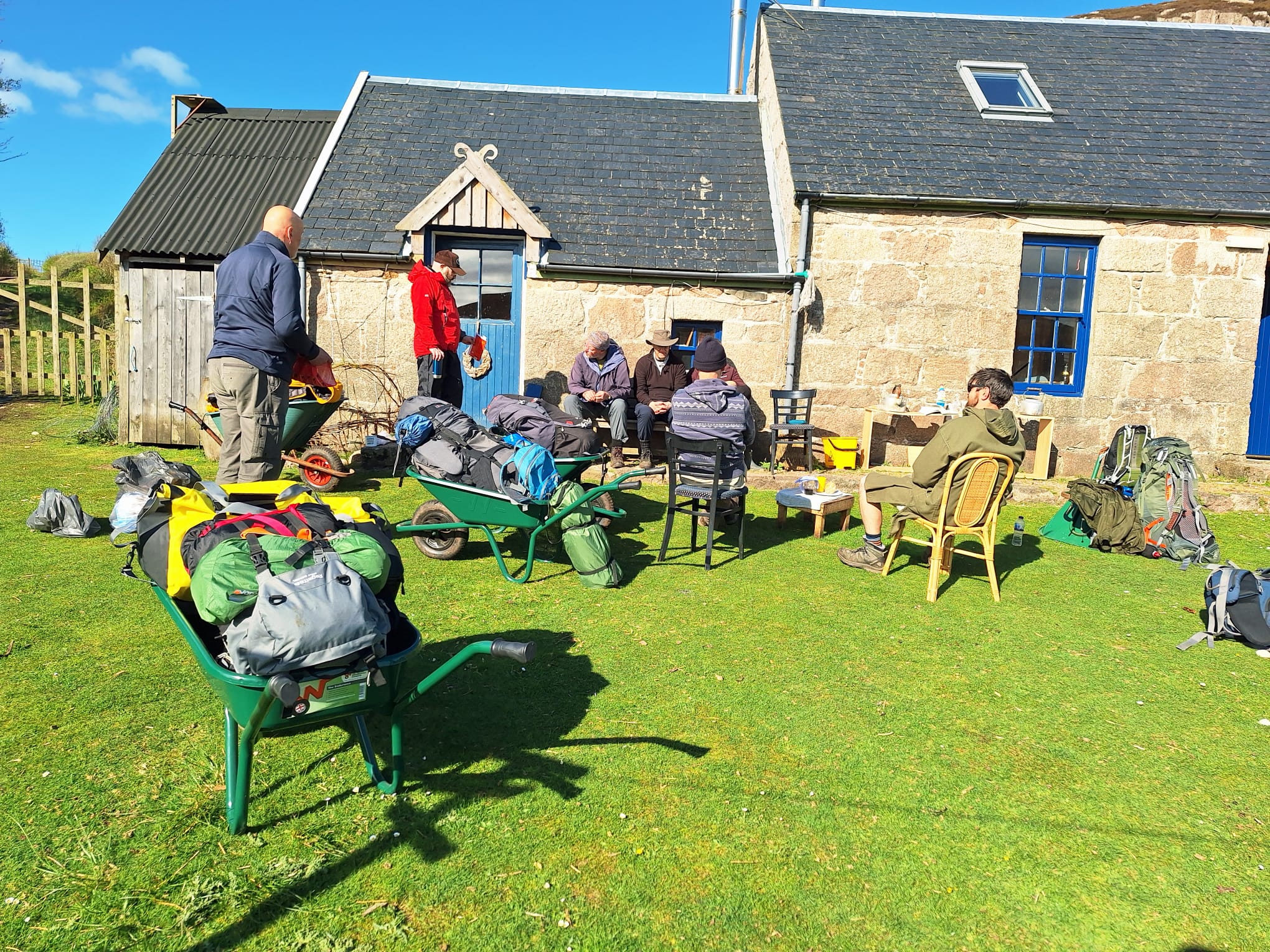
As part of our ‘rent’ for using Camas for our retreat I asked my friends to help bring some slates over the bog in wheel barrows. I worried I might be exploting them, but in the end, we all loved the oportunity to contribute something to the continuance of this wonderful place. We also repaired things, planted spuds in the lazy beds and cleaned whatever we could. It feels like Camas is almost ready to fling wide its arms once more.
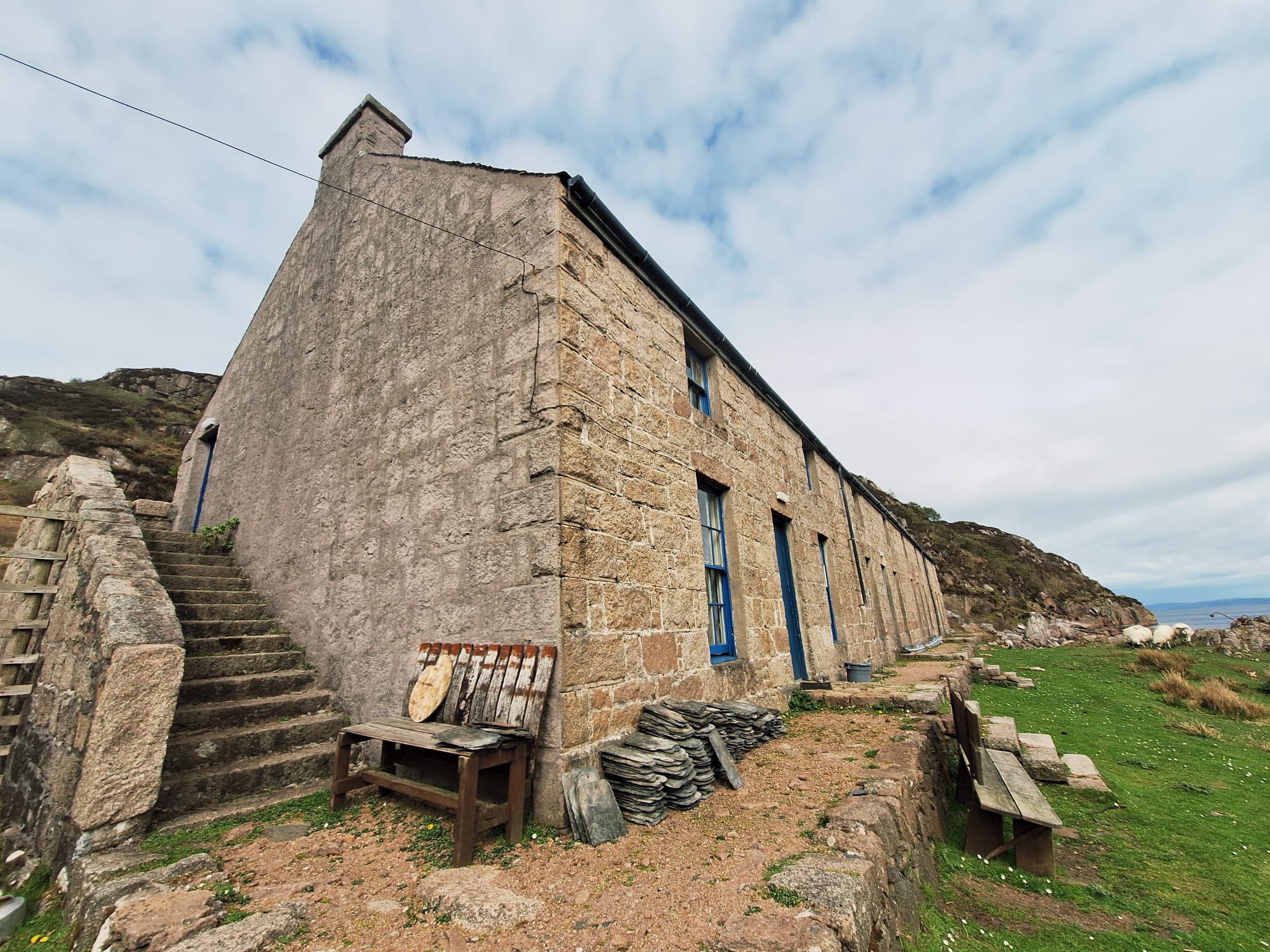
As we gathered on arrival, we sat together in a circle and took in the surroundings in silence, after which I asked this;
If the earth could speak, what would it say?
What if we arrive here, not as strangers?
What if the ground welcomes us?
.
Is that so hard to believe? If so, why?
Something about us- our otherness?
Something about ownership?
Something about separation?
.
But what if the same ‘am-ness’ that is in all things is also in our own souls?
What if we are not defined most crucially by our differences but rather by our deep (even forgotten) connection to that which is also within the soil of this place, in the air of this place, in those trees, in that water, in the feathers of the birds, in the stones of this old building?
.
So I ask again, if this earth could speak, what would it say to us?
Dearest beloved , before you came to this place, I knew you
We are not the same, but we are one
Dearest beloved, I have missed you. I have longed for you
.
And now you are here.
Tell me your name
And I will whisper mine in return.