Greenbelt 2026, the return…

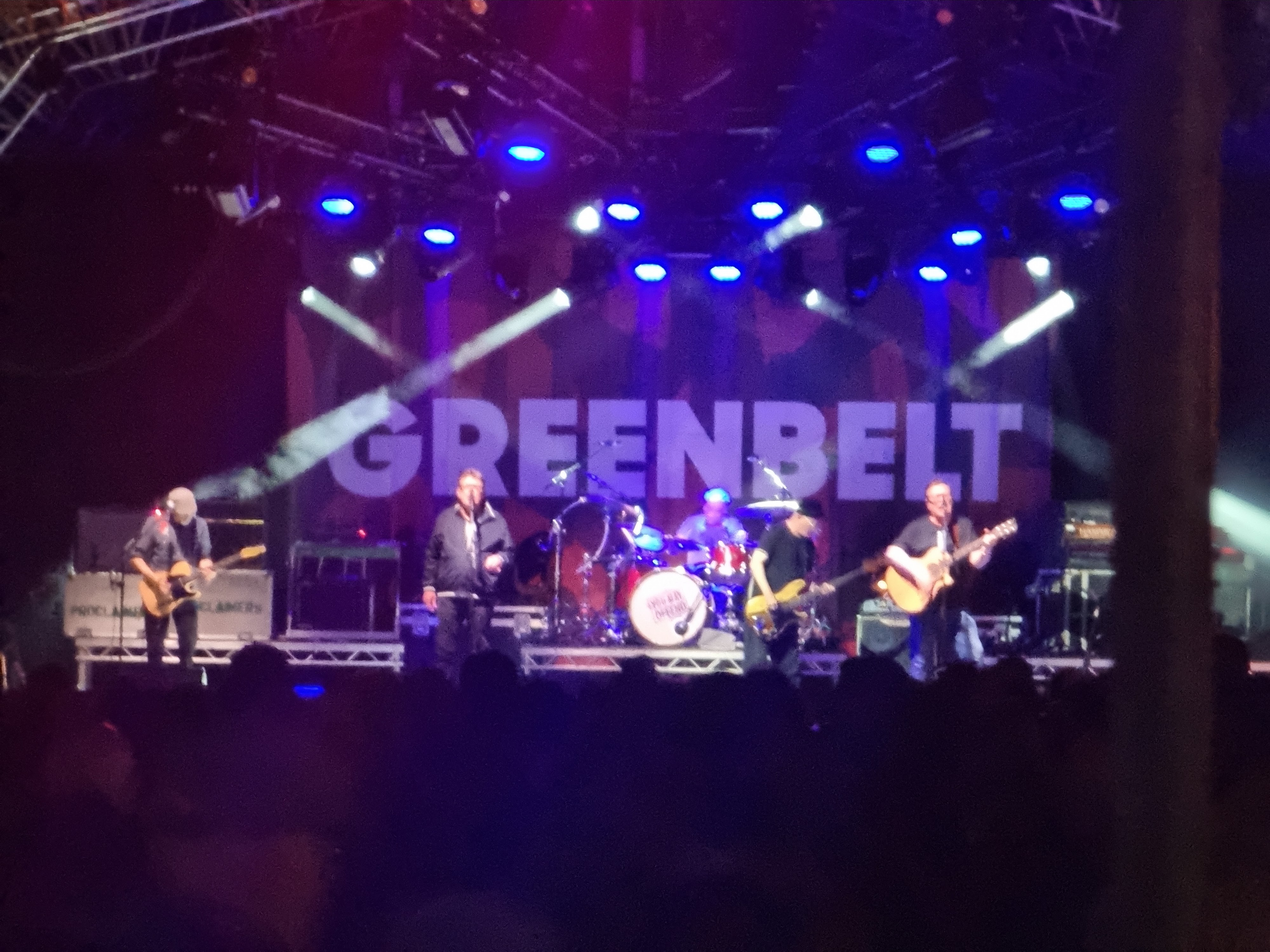
I am just back from Greenbelt festival, an annual event here in the UK that has been a place of great importance and connection for me. I first went as a young teenager in 1980 (hitchhiking there.) Back then it was all about music for me – Christian rock which made me feel like I was not alone in my strange Christian subculture. After a long break, I rediscovered the festival in the early 2000’s by which it had become a very different thing. Music was still there, but it was no longer only strange Christian bands, but from a wide spectrum of the mainstream. Faith was still there, but it tended to be outward facing, social justice focussed and often theologically progressive. For a long time, the festival fostered connections of the sorts of small ephemeral groups who were exploring the edges of faith. This move made it often derided by those of a more evangelical bent, but for me and many of my friends, it has been life changing.

The festival has continued to evolve and change, so that for a while it felt like both it and we had moved on – that it belonged now to a new generation. It was time for them to push the edges out further. We last attended about 10 years ago, until a chance to do some work showcasing Proost took us back there this year. I realised that in the archives of this blog are lots of other reflections on previous trips to the festival, so I decided to add one more.
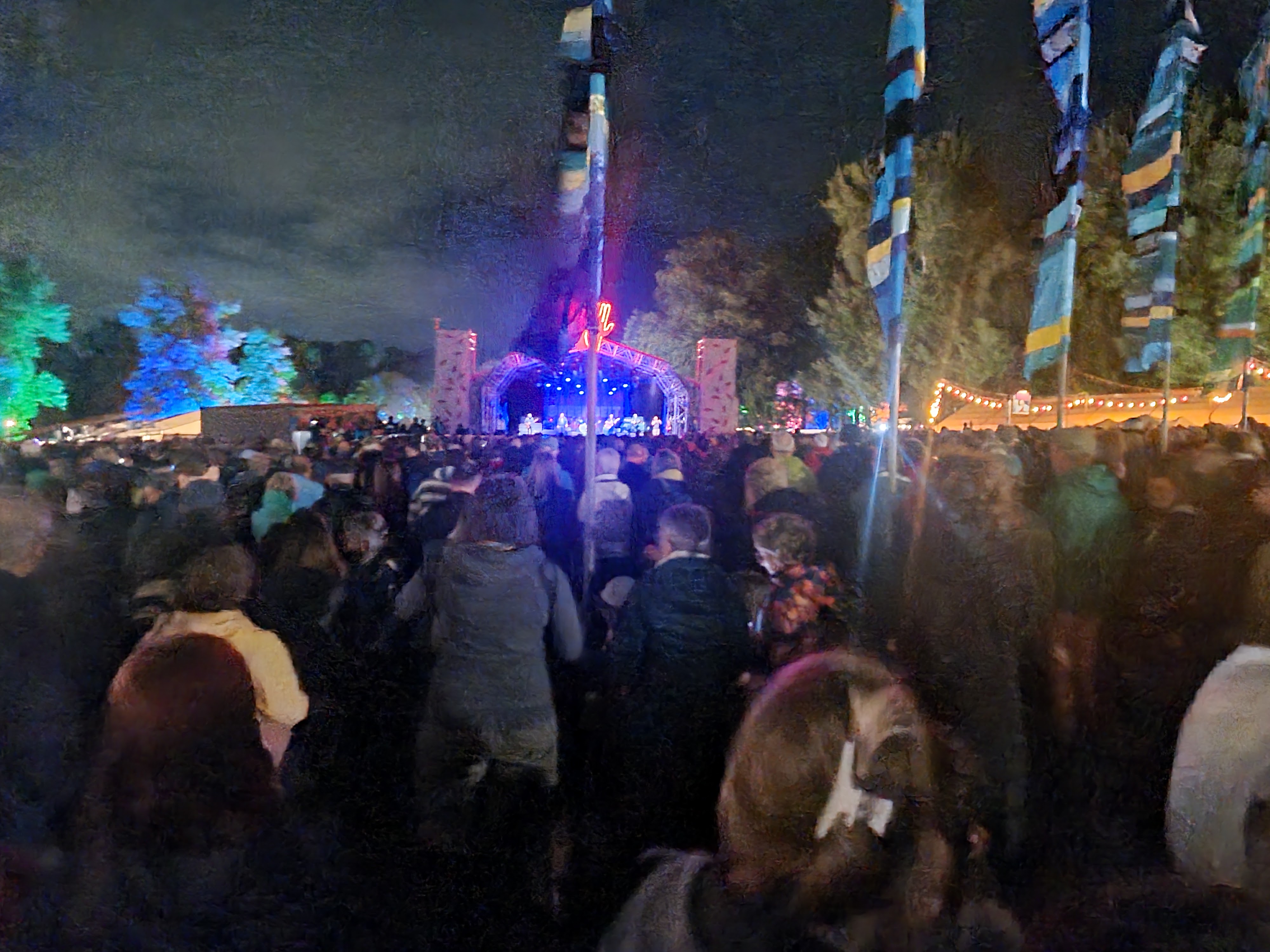
The first thing to day is that (as with previous visits) the scale and breadth of the festival was overwhelming. I might have a plan to go to a talk/workshop/gig but this would rarely actually happen, as for me, it was all about the conversations, the lingering with friends old and new and stumbling accross something unexpected. This year, we had the delight of being there with my daughter Emily, her husband and our little three year old grandson. We tried to share him between us to I also had other duties. Alongside this, the Iona Community (of whom I am in the process of becoming a full member) have a venue at the festival with a programme of activities, so I was also keen to help out with some shifts behind the book store.
Back to the Proost element of our trip though… we have made some good progress with our ‘restart Proost’ project of late- our company now as has a new set of directors (we are still looking for a treasurer though- and others who have skills that will help with future sustainability) and we felt it was time to put ourselves out there a little amongst people who are interested in faith/art/justice. There is no better place or this than Greenbelt.

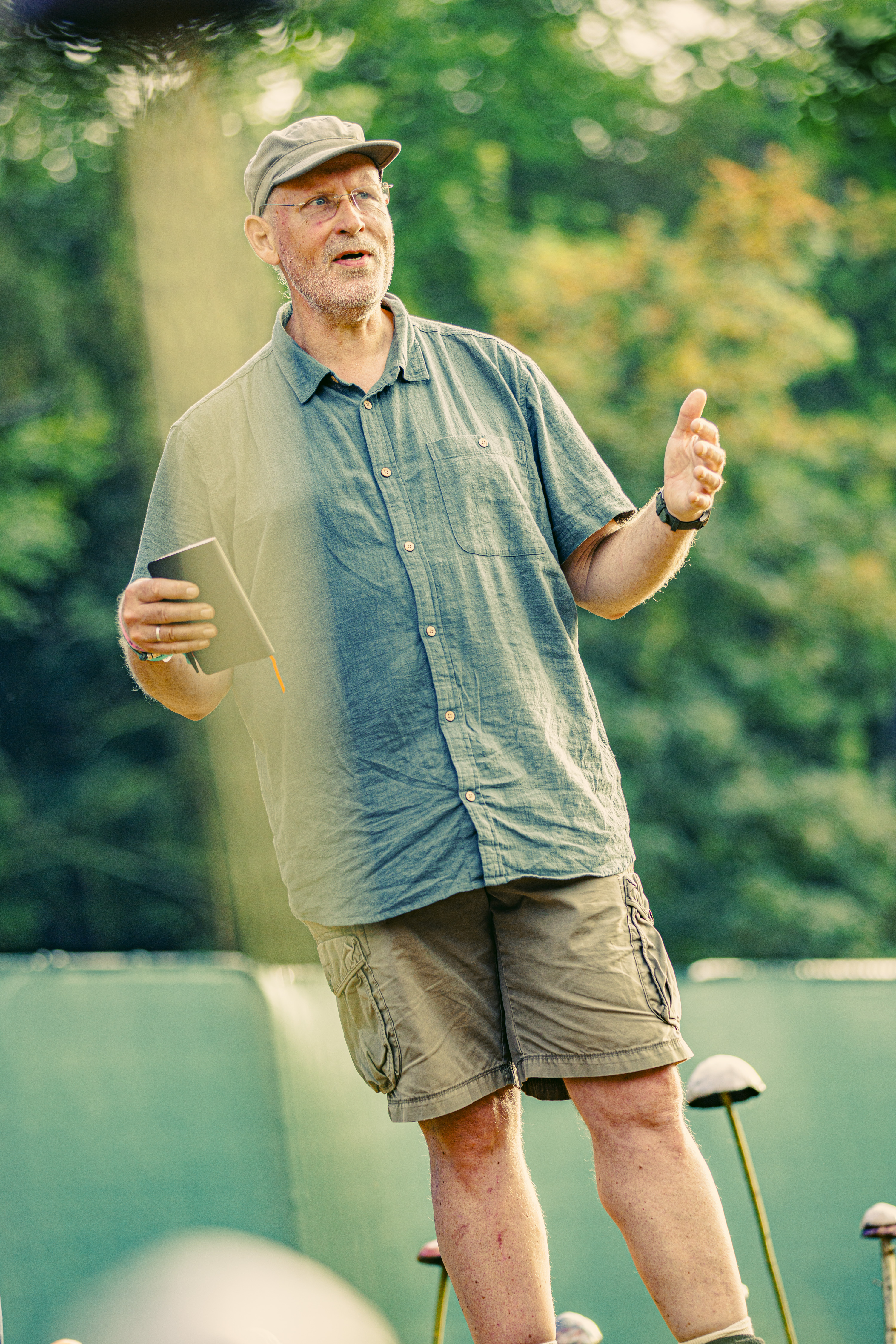
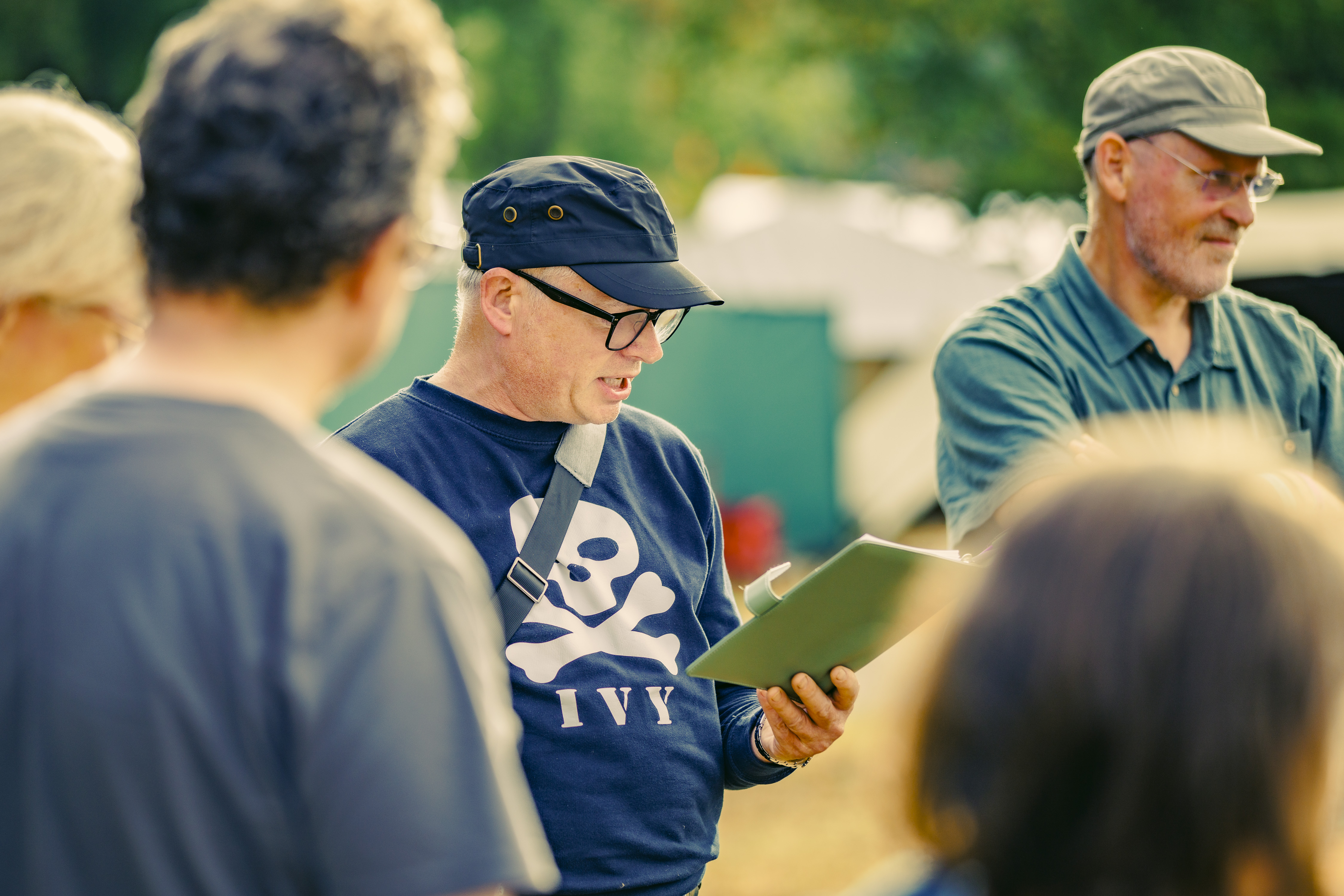
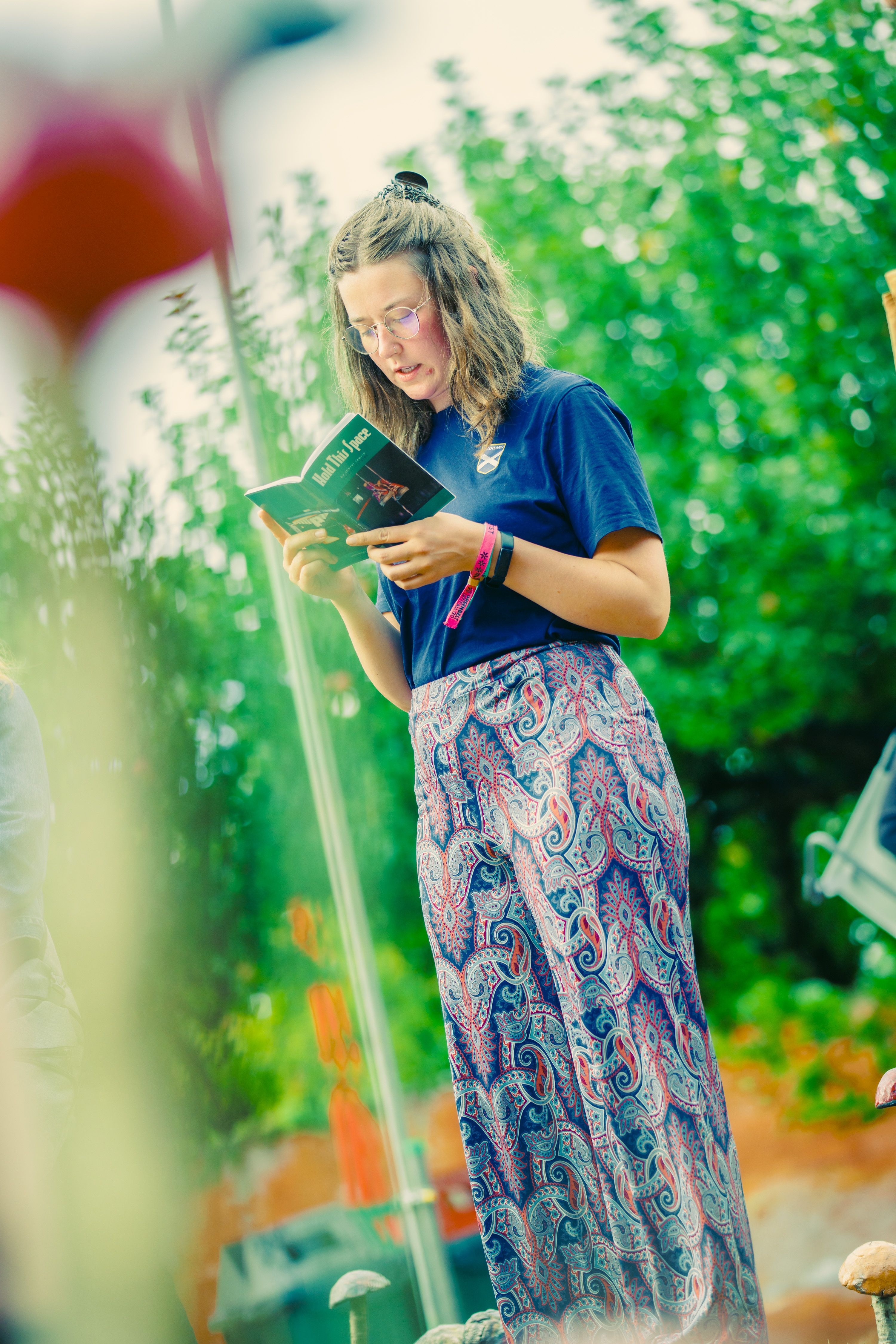
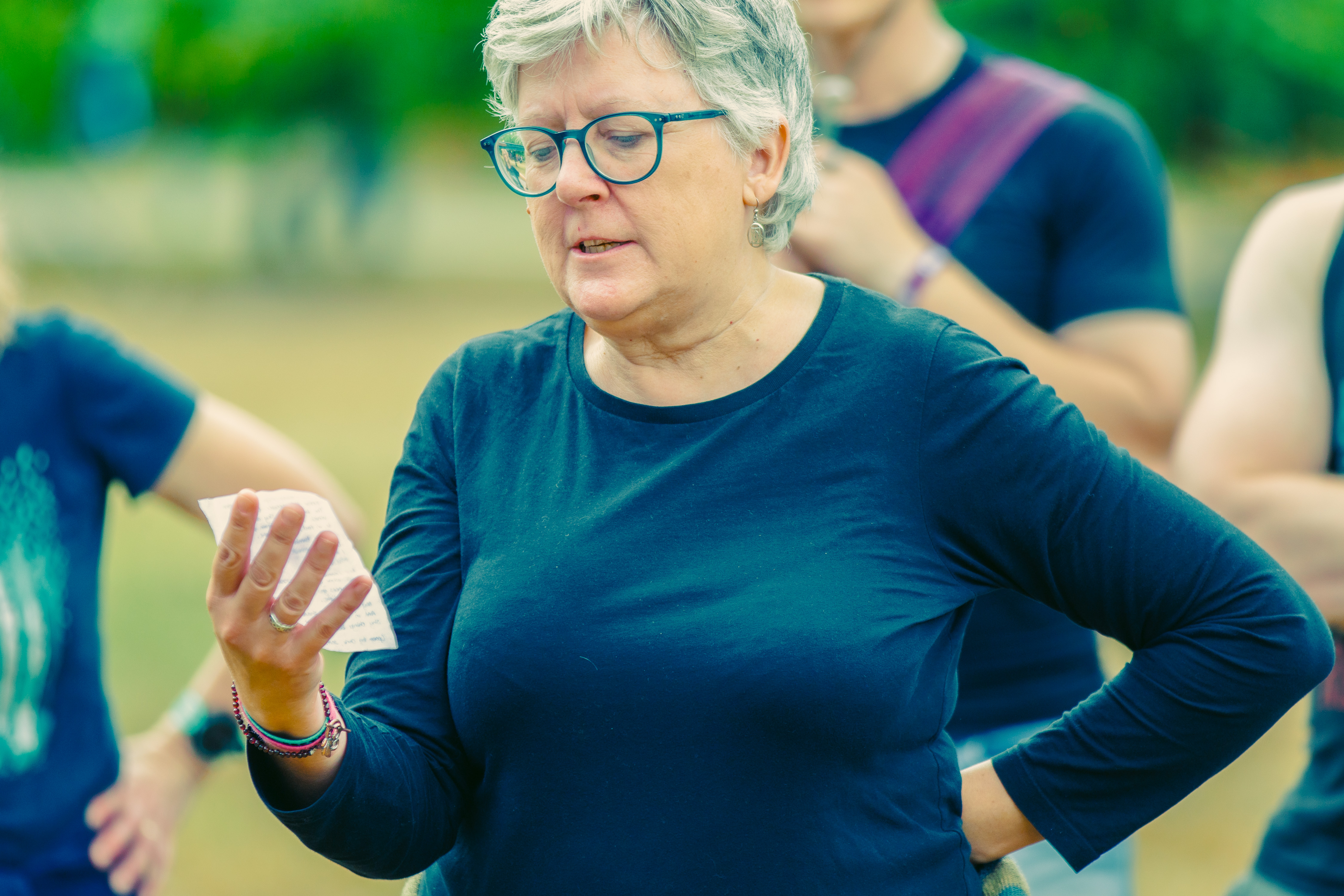
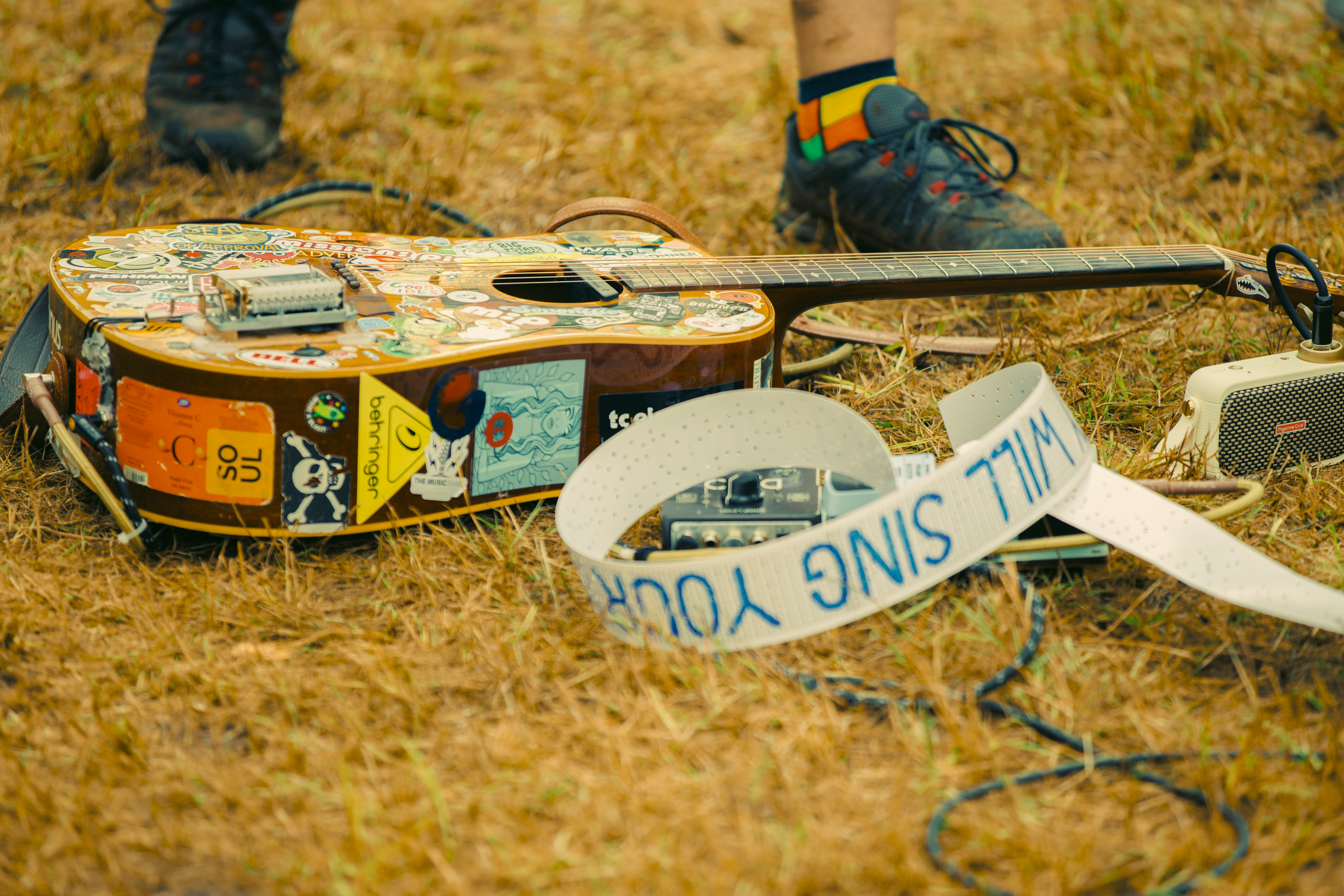
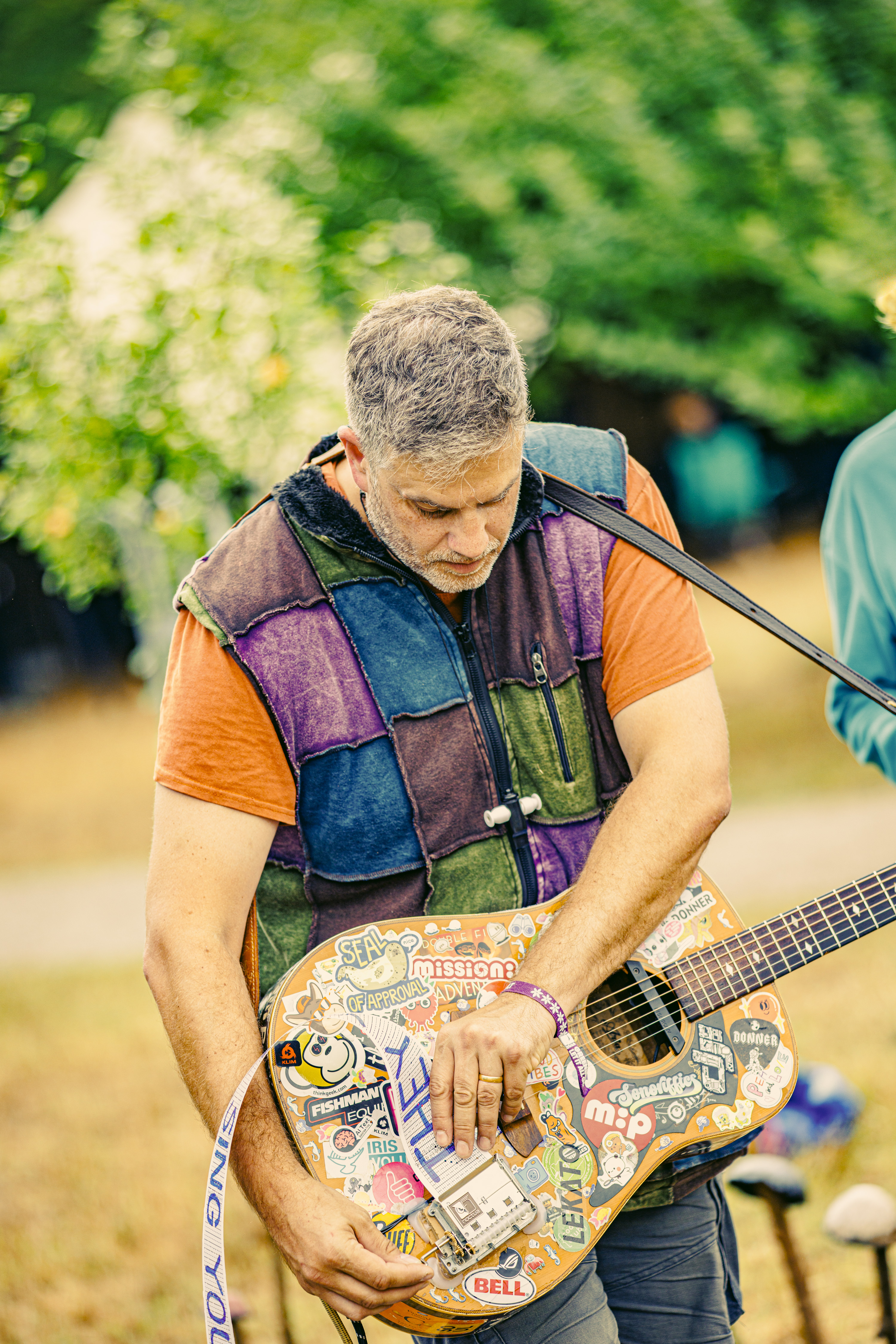
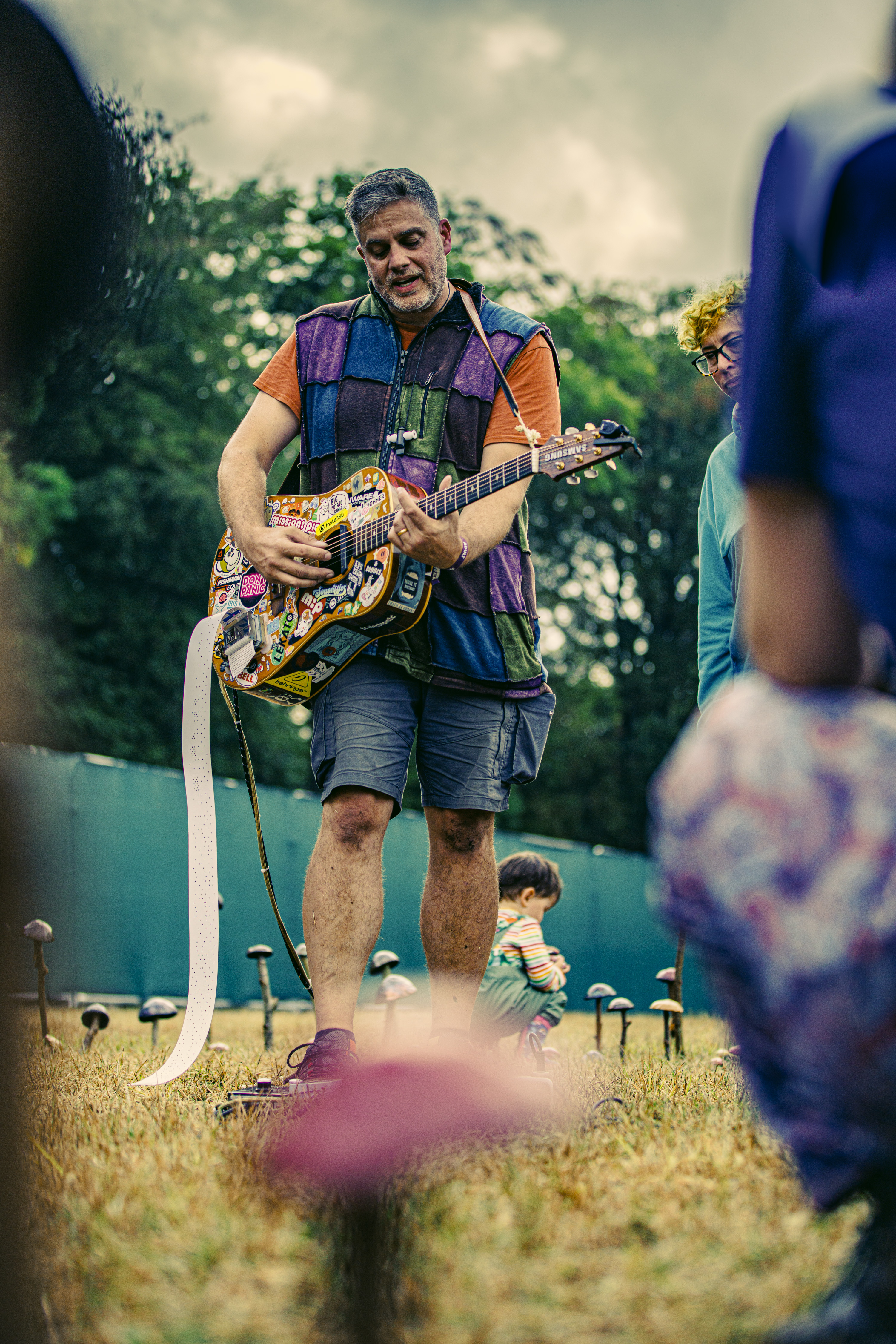
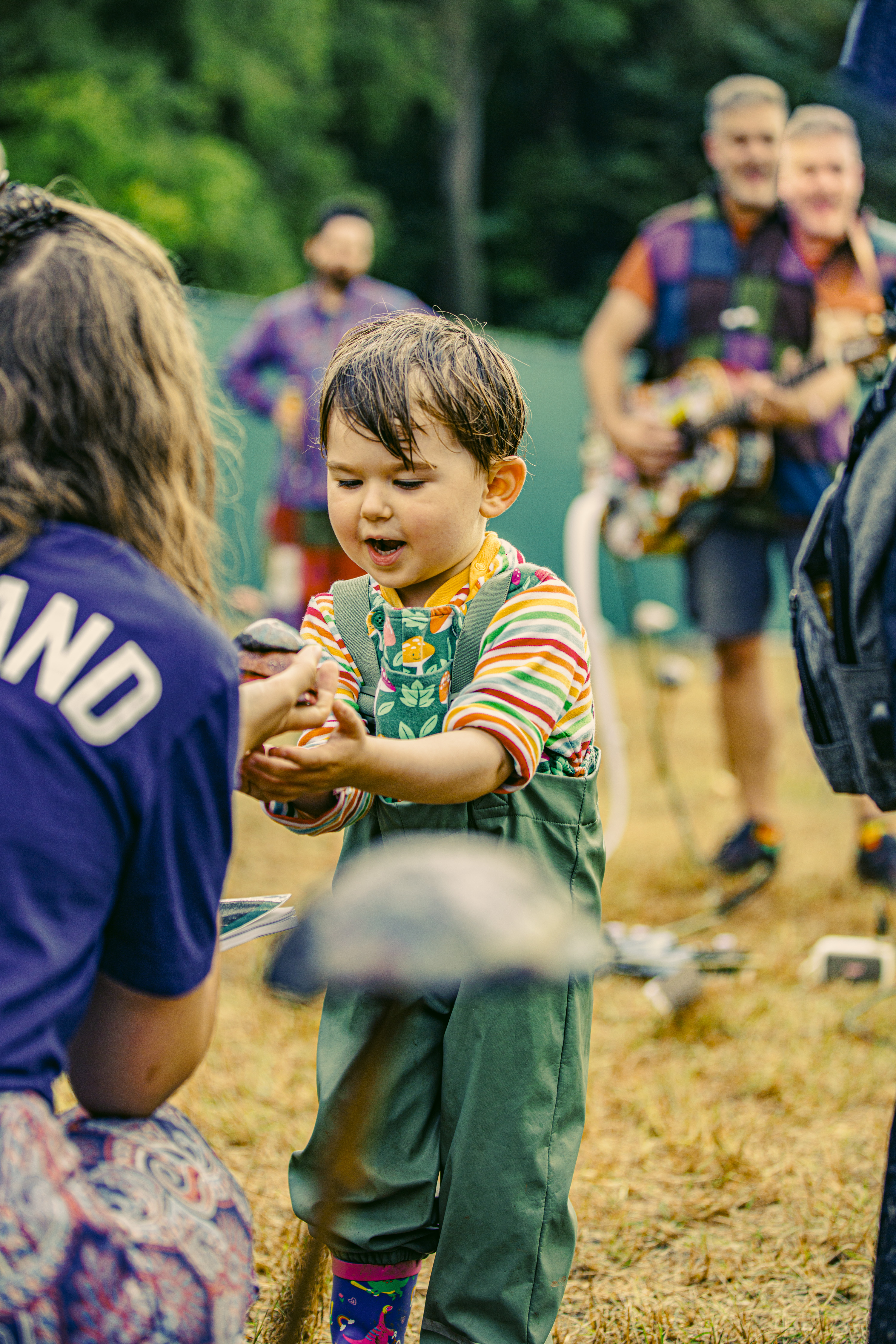
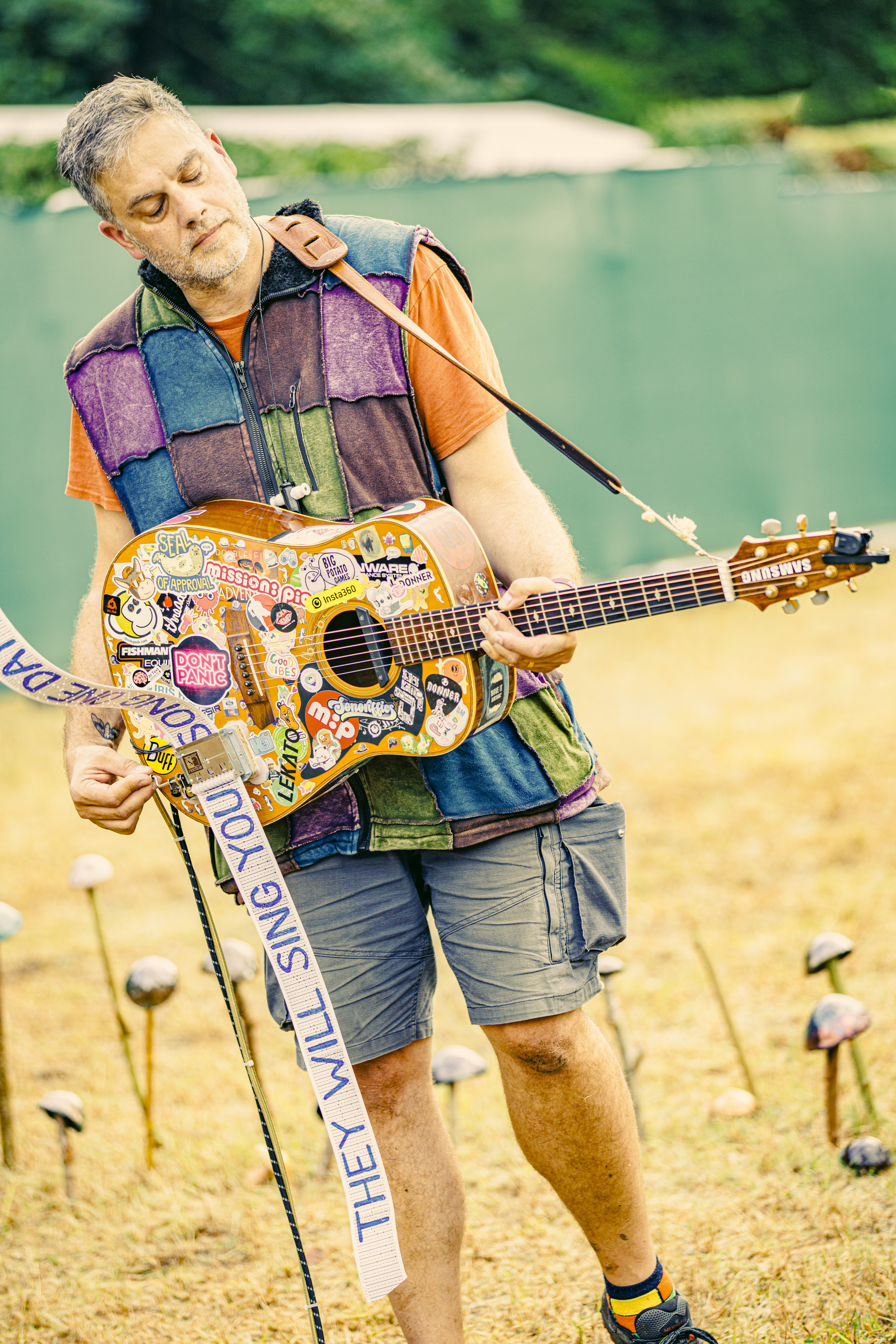
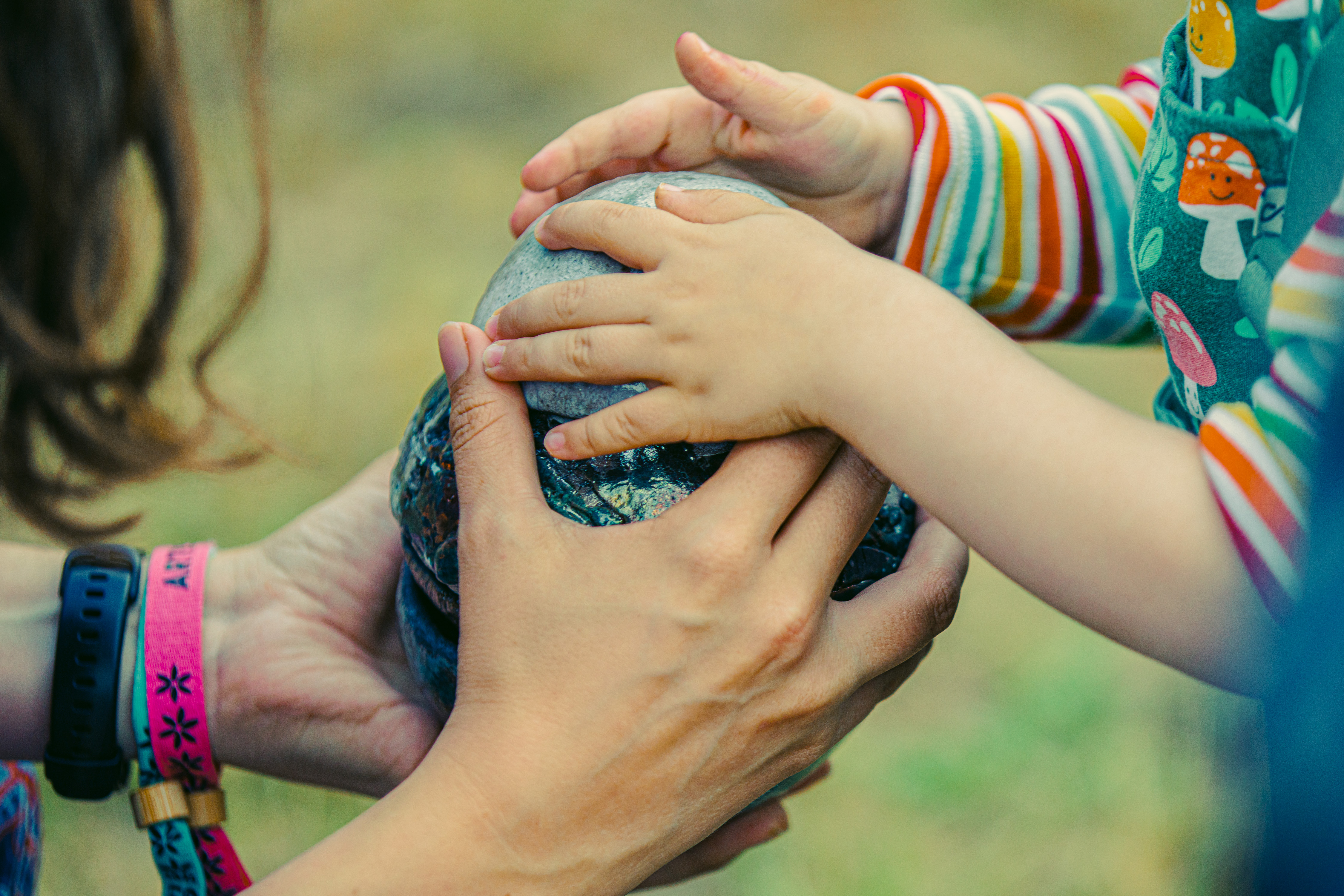
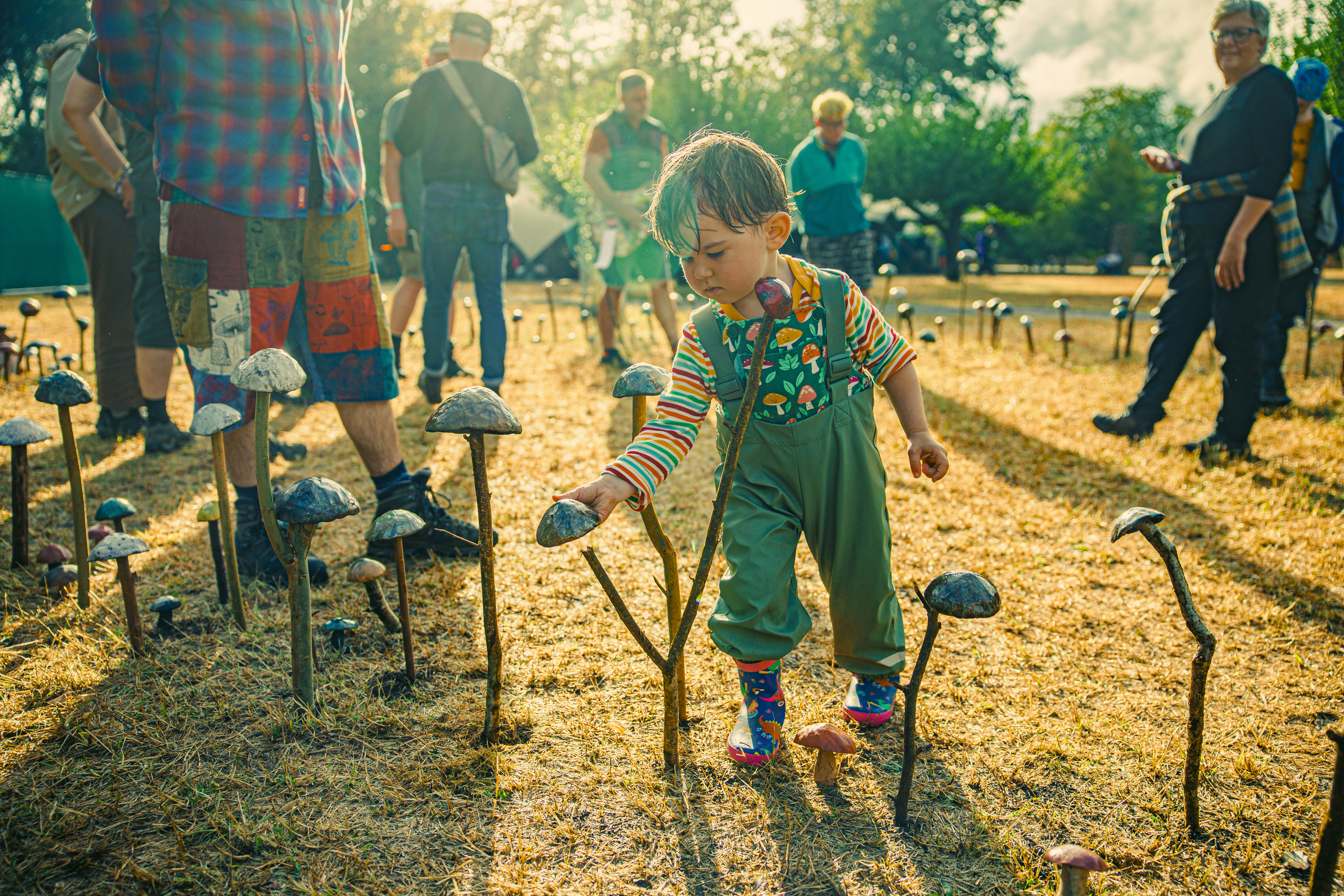
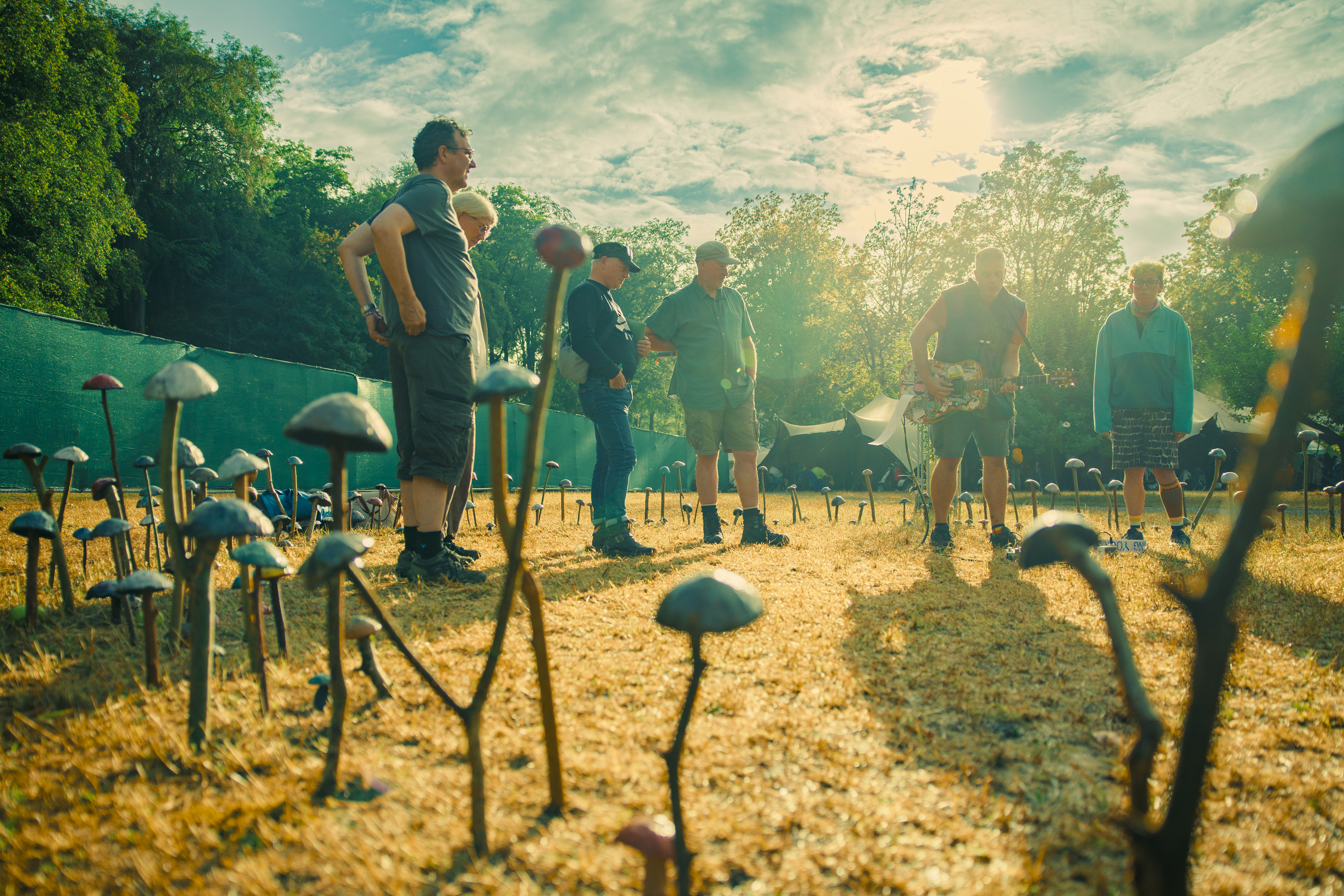
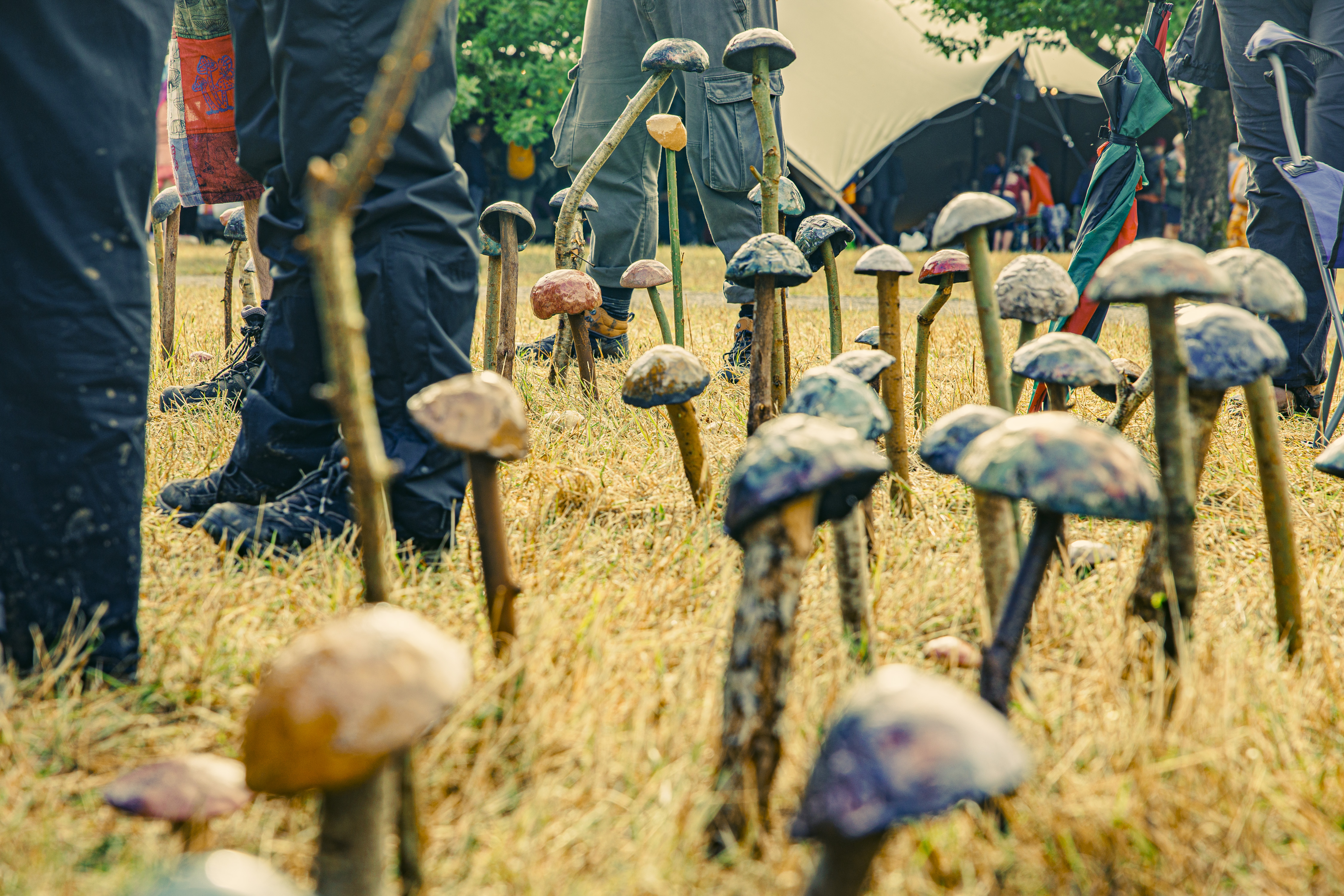
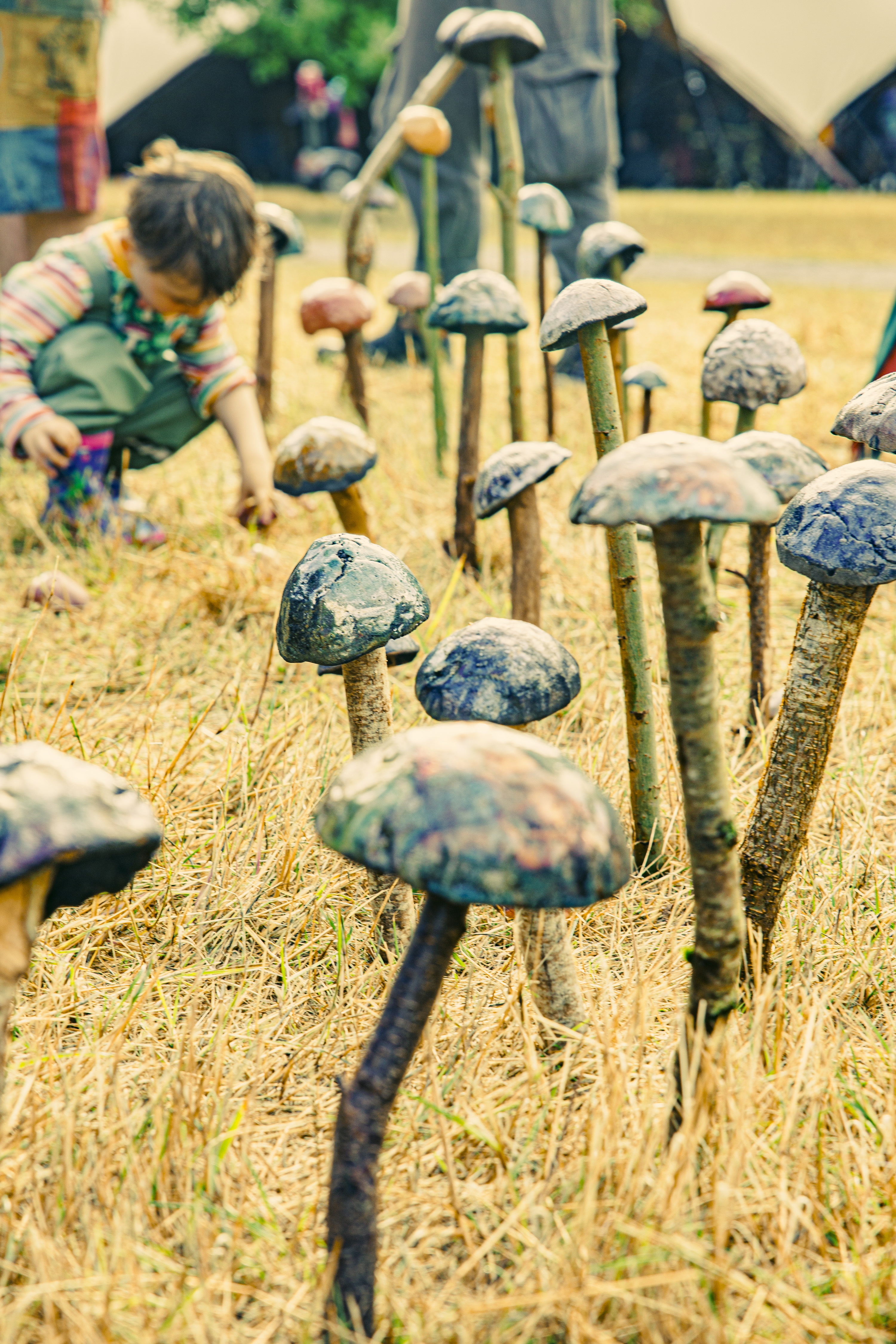
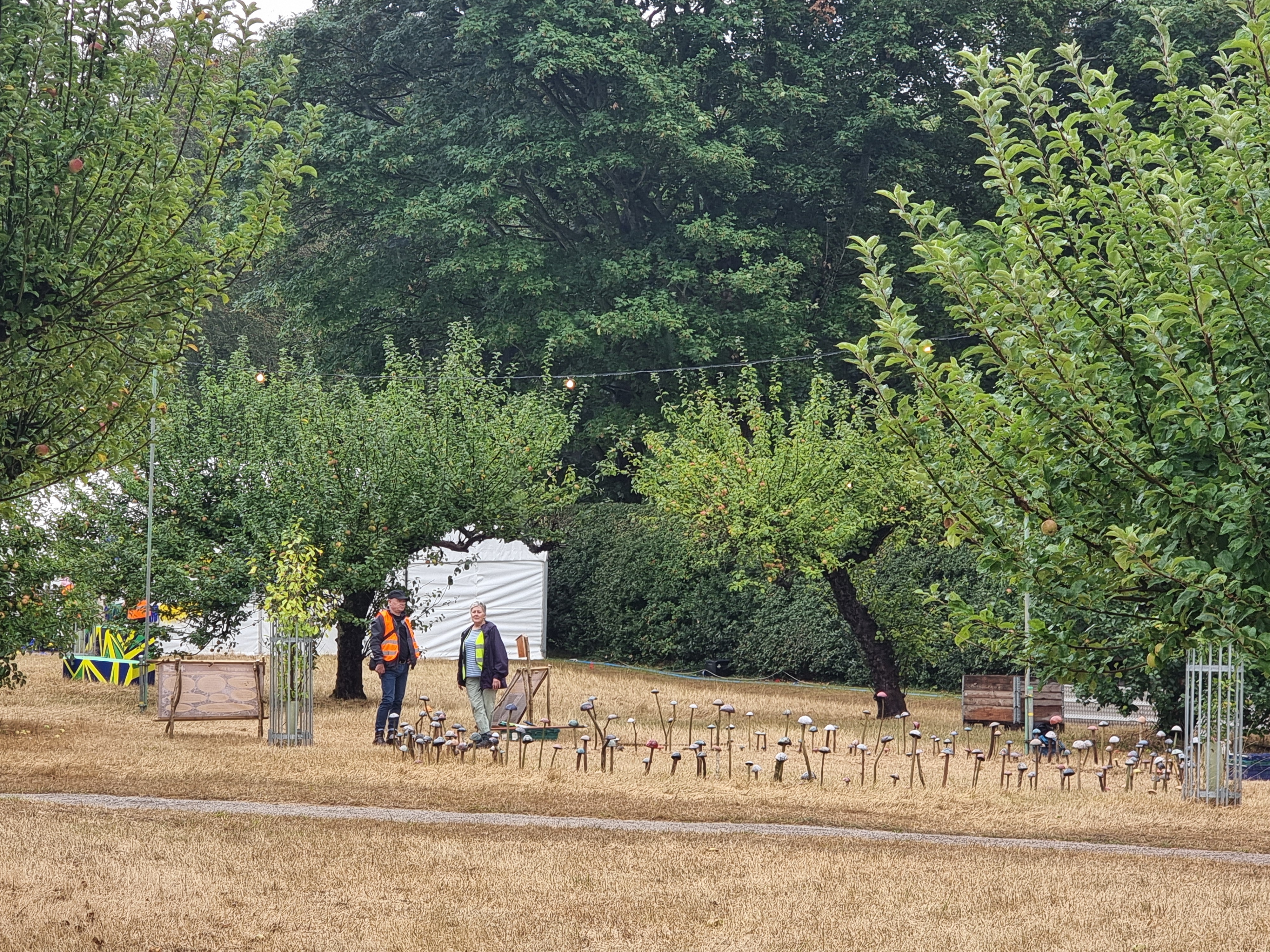
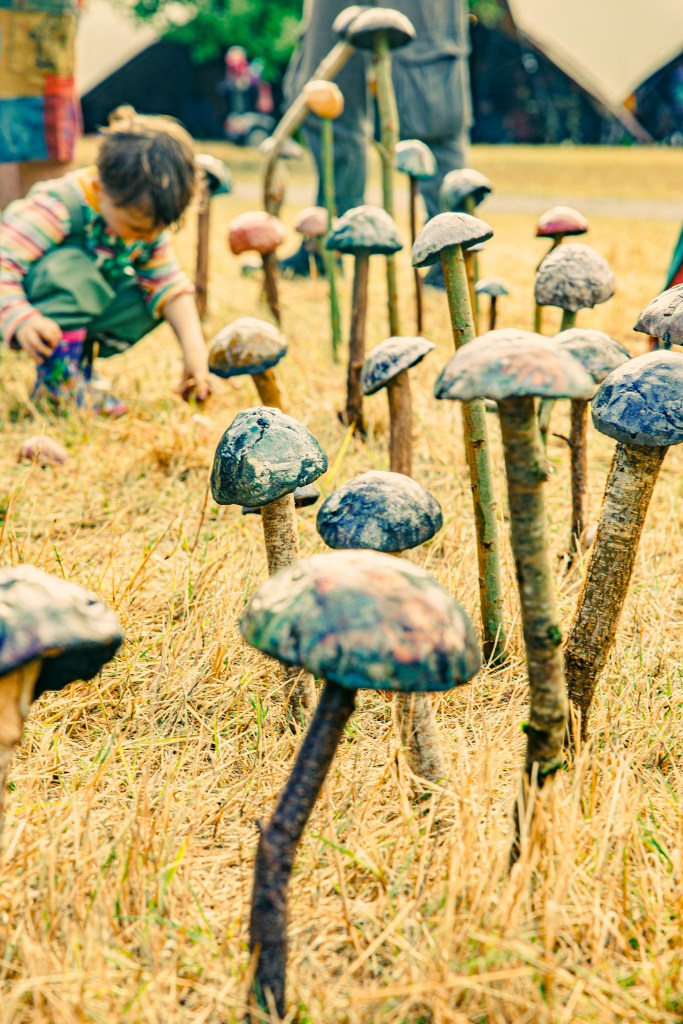
We were able to re-use an expanded version of the mushroom circle that had formed a part of the Proost Mycellium weekend in Glasgow last year. This exhibit explores the idea of deep connectedness to the God who loves things by becoming them – the god who is the substance and lover of all… the means of our becoming, our being and our relationships. I would go further than this and take on a reformed celtic idea of god being the deepest me within me and the deepest part of tree within tree. Here are some photos from the official GB photographer Mark Kensit (a lovely and super talented bloke.)
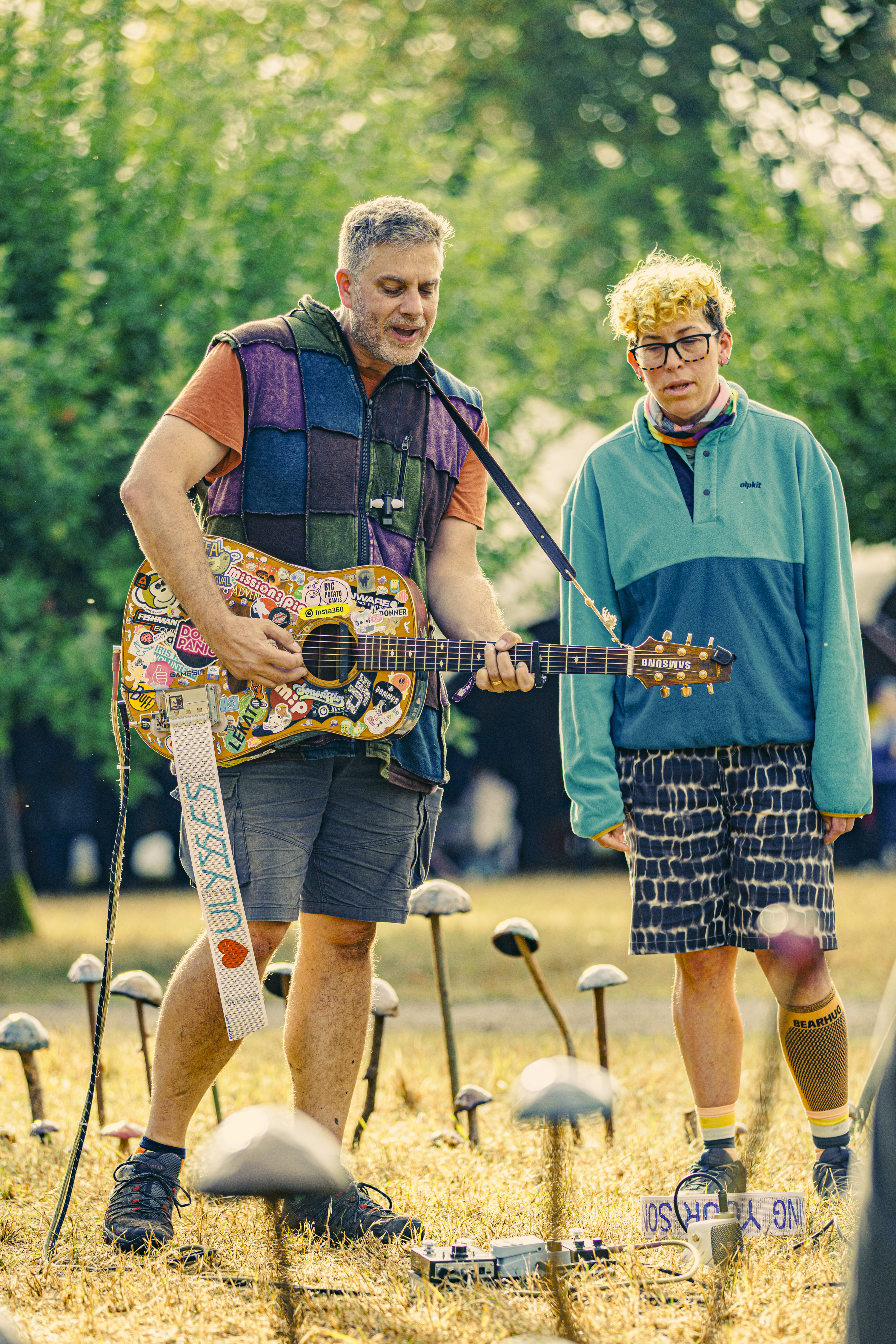
For myself and I know for Rob who was the original force behind this Proost reboot, the project has been hard going at times, like pushing a boulder up hill. So much to do, with so little time and (it certainly feels like) so little relevant talent and experience. This GB experience though felt like we had pushed the boulder up a hill and it was teetering on the pointy bit. I was truely a wonderful experience, and I am very sorry that Rob was unable to attend due to family illness.

What made it so special?

Firstly, by doing something tangible and ‘out there’, it was possible for both those who participated and others to get hold of the concept of what Proost is and might be in a much more real way.

Next, I got so spend some face to face time with Proost people I know mostly as a disembodied screen image or a distant phone call. Mark Berry and Lou, whom I have ‘known’ for years, through so many previous GB and emerging-y events… but perhaps for the first time I now feel I can count as a real friend. The same for Steve Page, who made a special trip for the day until driven away by mud… I also got some snatched times with Ant from Lofter, and met some of his family – once again I felt the sense of a deep and developing connection.

Then there was all the other significant meetings with people I already know and love- Chris and Penny Fosten, encounted totally unexpectedly whilst delivering my grandson to a children’s area (Chris has written’edited books for Proost in the past.) I also got to hear another old friend Vicky Allen at her poetry reading, and she later joined us at the mushroom circle to add to the reading there.

Then there were so many new conversations- far too many to mention here, but some of them already feel important and possibly leading to new Proost projects.
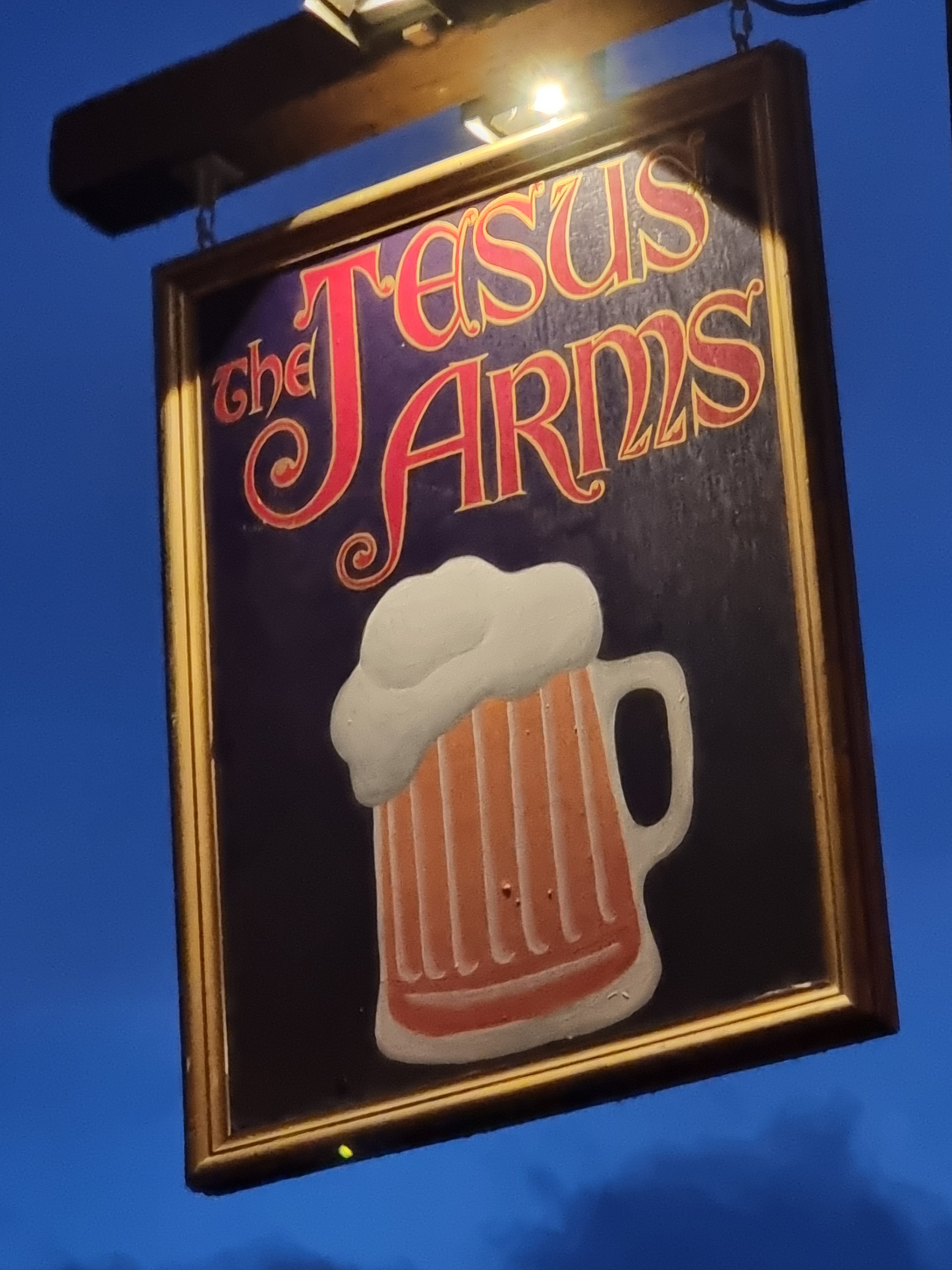
The other connecting point for me this year was with the Iona Community, who operate the Wild Goose tent at the festival, a venue for all sorts of book chats, interviews, worship events, workshops and so on. It was good to see some of my friends from the IC- Tom (and to meet Charles,) Ali and Pete, The Tracies, Marie, Ruth and so many more.

Lastly and by no means least, we got to spend time with out old friends and neighbours Simon and Ruth- and their son Nathan when he was not rushing of to direct the stewards. It has been too long!

There is no festival next year, which feels like a real shame, as they look for a new venue. The year after though, who knows? Can Proost do something larger scale?

Watch this space…
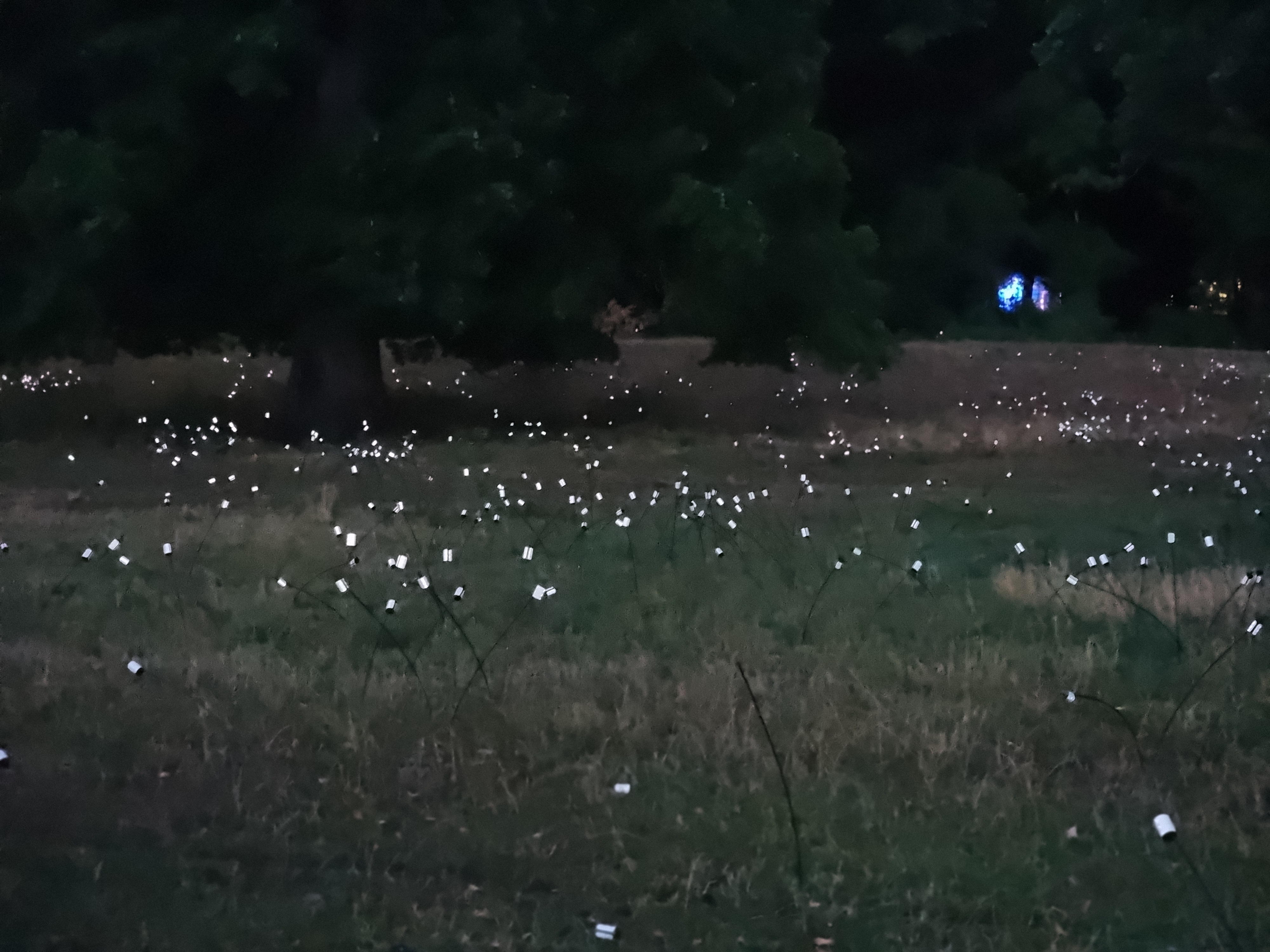
The migration installation at Greenbelt Festival

Wilderness retreat 2026, Camas

Regular readers of this blog will be familiar with our May bank holiday tradition of making a ‘wilderness retreat’. It is something that a precious community has formed around- a combination of friendship, authenticity, spirituality (of a very non religious kind,) laughter and much silliness. We have accompanied each other through decades now, welcoming some for just one time, others for the long haul. In many ways, these lovely people are my ‘church’.

We have seen each other through brokenness, grief, new jobs, parenthood, grandparenthood, marriages and divorces, serious illnesses both physical and and mental. We have come at our lowest, then next year, we tentatively tell different stories. My feeling is that we will do this as long as we can.

We are not perfect. The tone can be entirely unsuitable for polite company, but then we cry together. We sit around fires and share hopes and dreams. We abuse each other as means of celebrating shared belonging and then we open spaces for moments of simple kindness, often immediately followed by a rude joke.

This year, I failed in attempts to find a boat to take us to the sorts of island locations that have been our normal places of retreat – uninhabited wild places, often with their traditions of hermits caves and ancient chapels. Instead, my friends indulged my suggestion that we do something different, allowing me to combine different parts of my life.

So it was that we pitched our tents outside Camas.

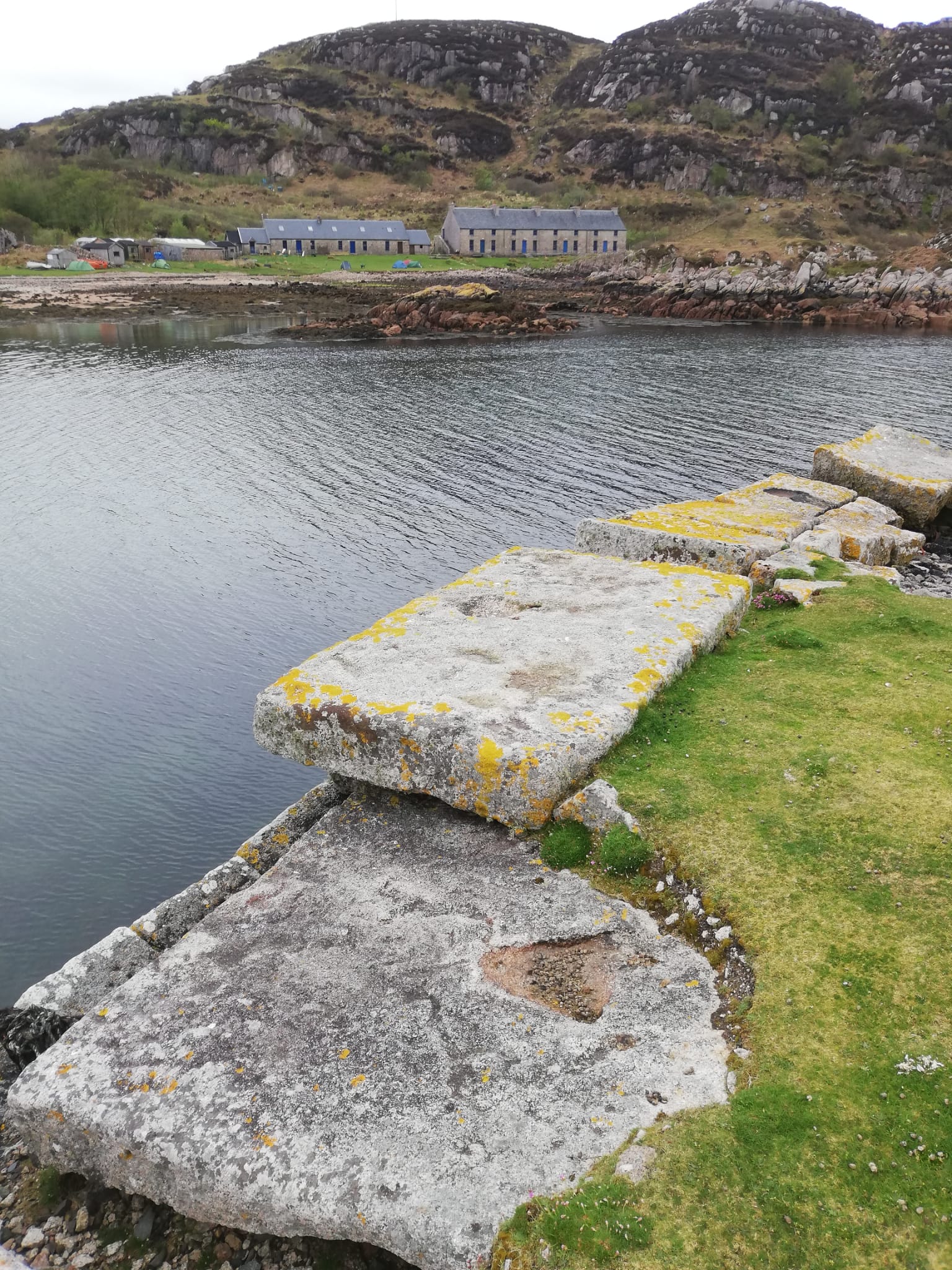
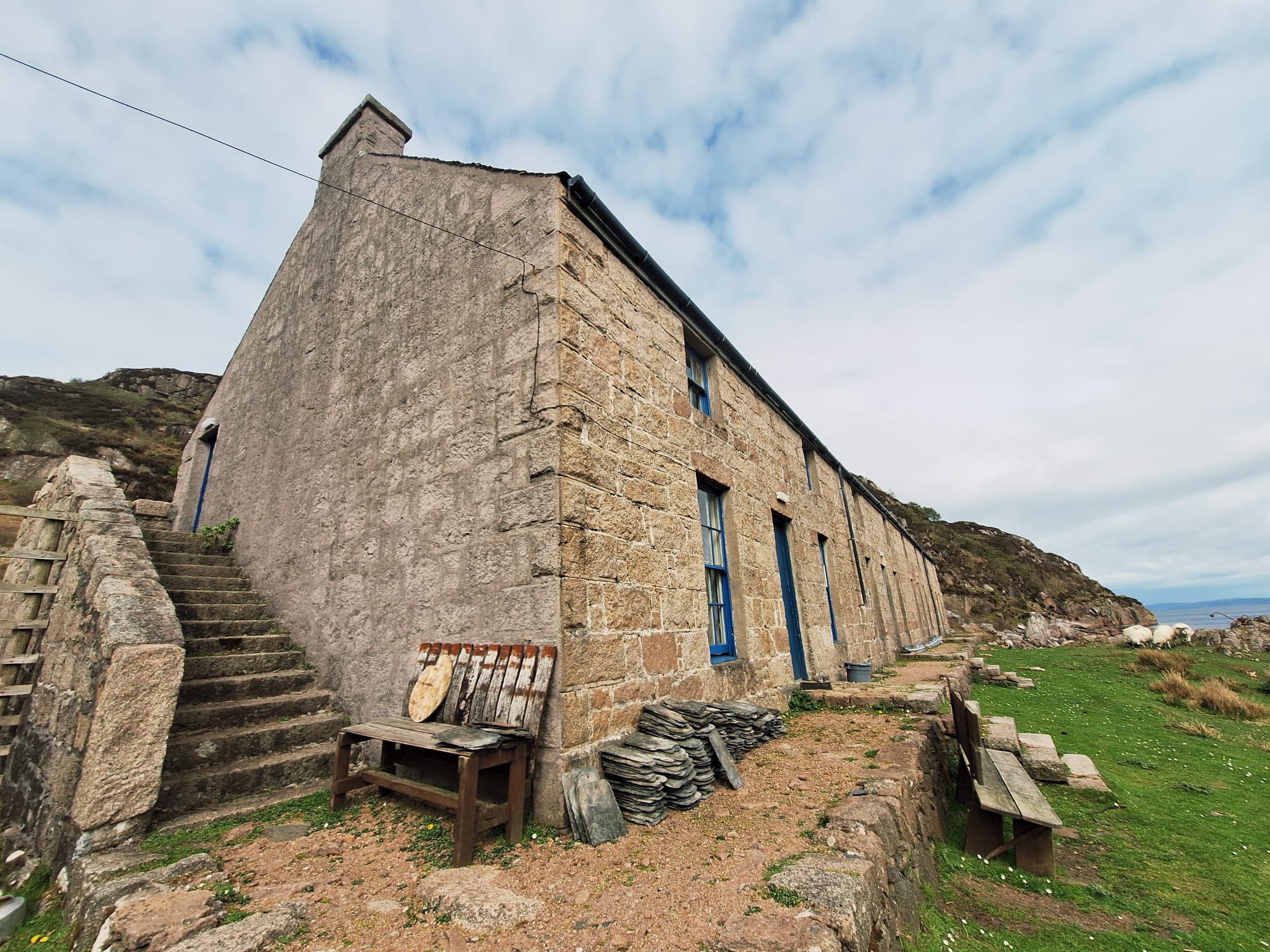
If you have never heard of this place, let me give you some of the rich history. 70 years ago, the Iona Community (which began as a project providing meaningful work for those hungry in pre-war Glasgow by rebuilding the Abbey on Iona) took on an old salmon fishing station on Mull. It was a challenging place to get to, and remains so even to this day, as it is in every sense of the words ‘off grid’. It requires a half hour walk from the road over bogland, then down into a welcoming valley towards an inlet – previously netted for Salmon – which was famous as the place where the the Stevensons quarried the Granite blocks for their famous lighthouses.

70 years ago, George MacLeod, the forceful patriarch of what became the Iona Community, was looking for somewhere to allow young people to experience wild community away from the slums of Glasgow. They used an old Mill building for a while, but eventually they found their way to Camas. Back then it was mostly used for groups of Borstal boys, who actually ran the salmon nets.

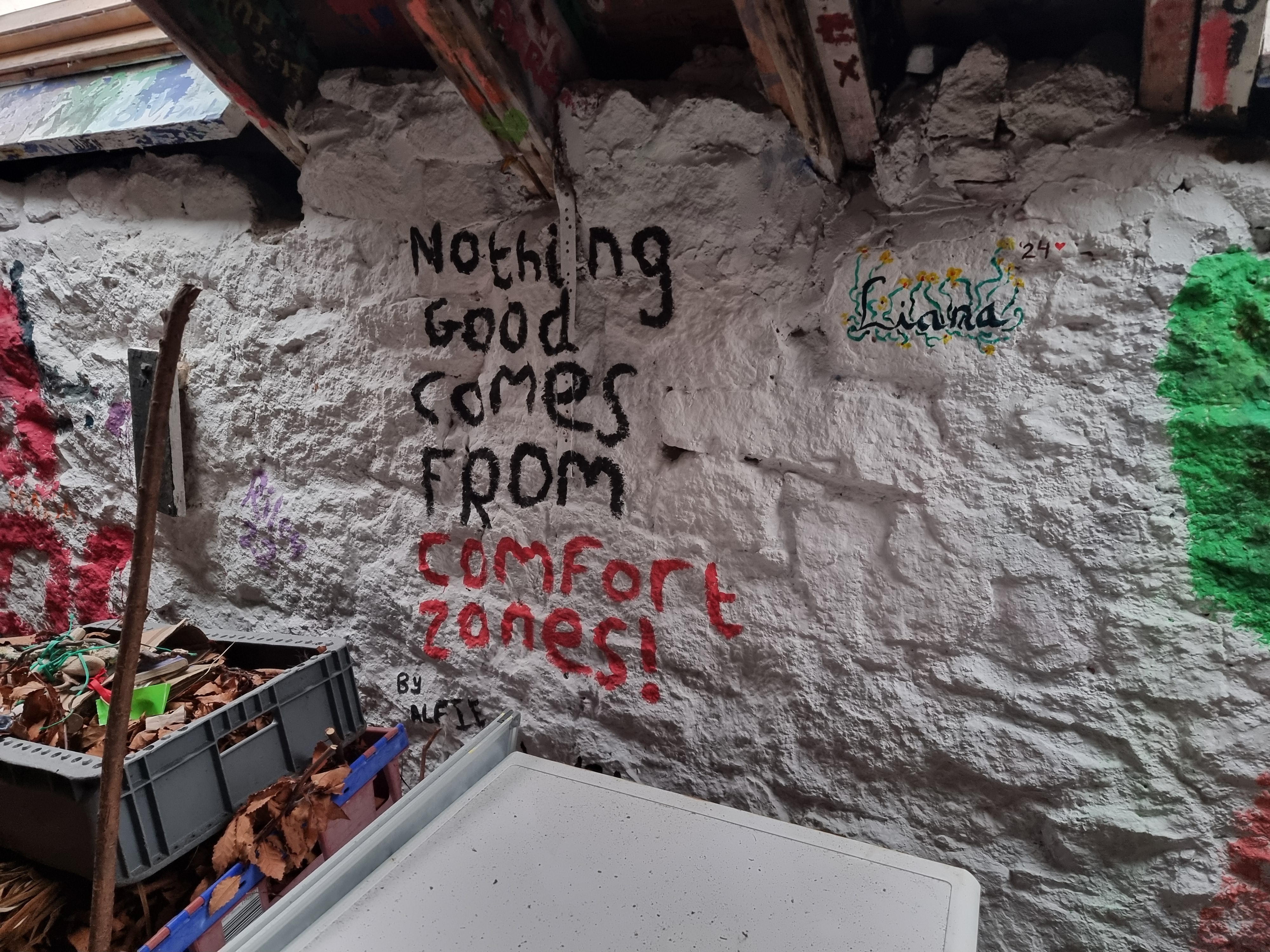
I heard a story from back then of someone who was a young 21 year-old volunteer, sent down to cook at Camas with next to no experience. At the time, Camas had no plumbing and water was collected from a burn that ran next to the buildings. A young lad, on his first ever foray out of the city, was sent out to fill the kettle. Tea was brewed and poured… then spat out with cries of disgust. The lad had filled the kettle from the sea. not knowing any better. This placed changed lives.

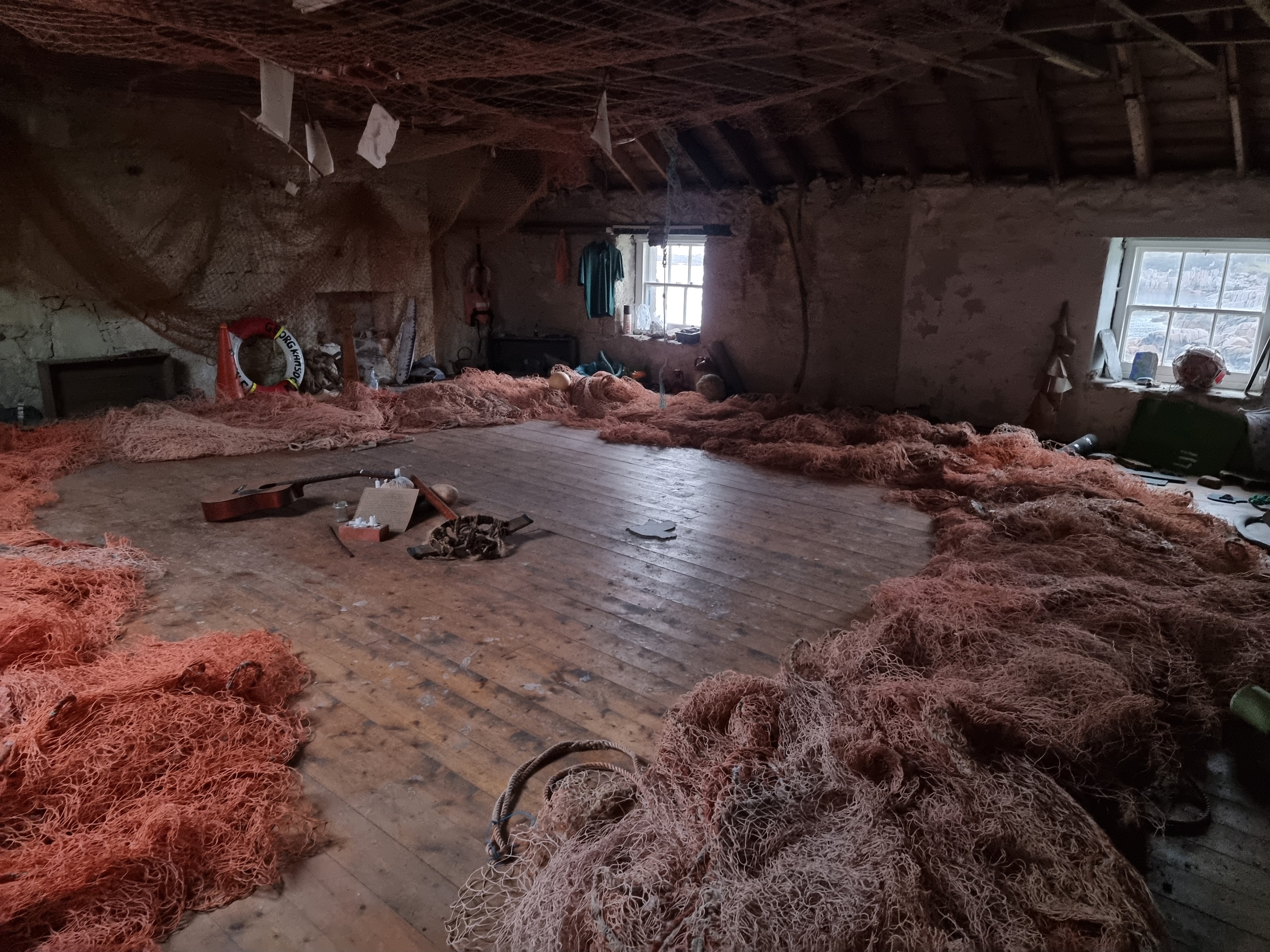
Generations passed through, and Camas became a place of retreat for groups of young people from all over the place. Often this was their first experience of wildnerness, their first time testing themselves with community, their first time sitting in the Chapel of the nets and sharing hopes and dreams in a place where God was no longer abstract.

Camas became one of those places where that beautiful-ordinary sacredness of earth and soul was simply more obvious.

If you are interested to find out more about Camas, then Rachel McCann has pulled together a wonderful book that brings together stories from all sorts of people who have made their way ‘down the track’.

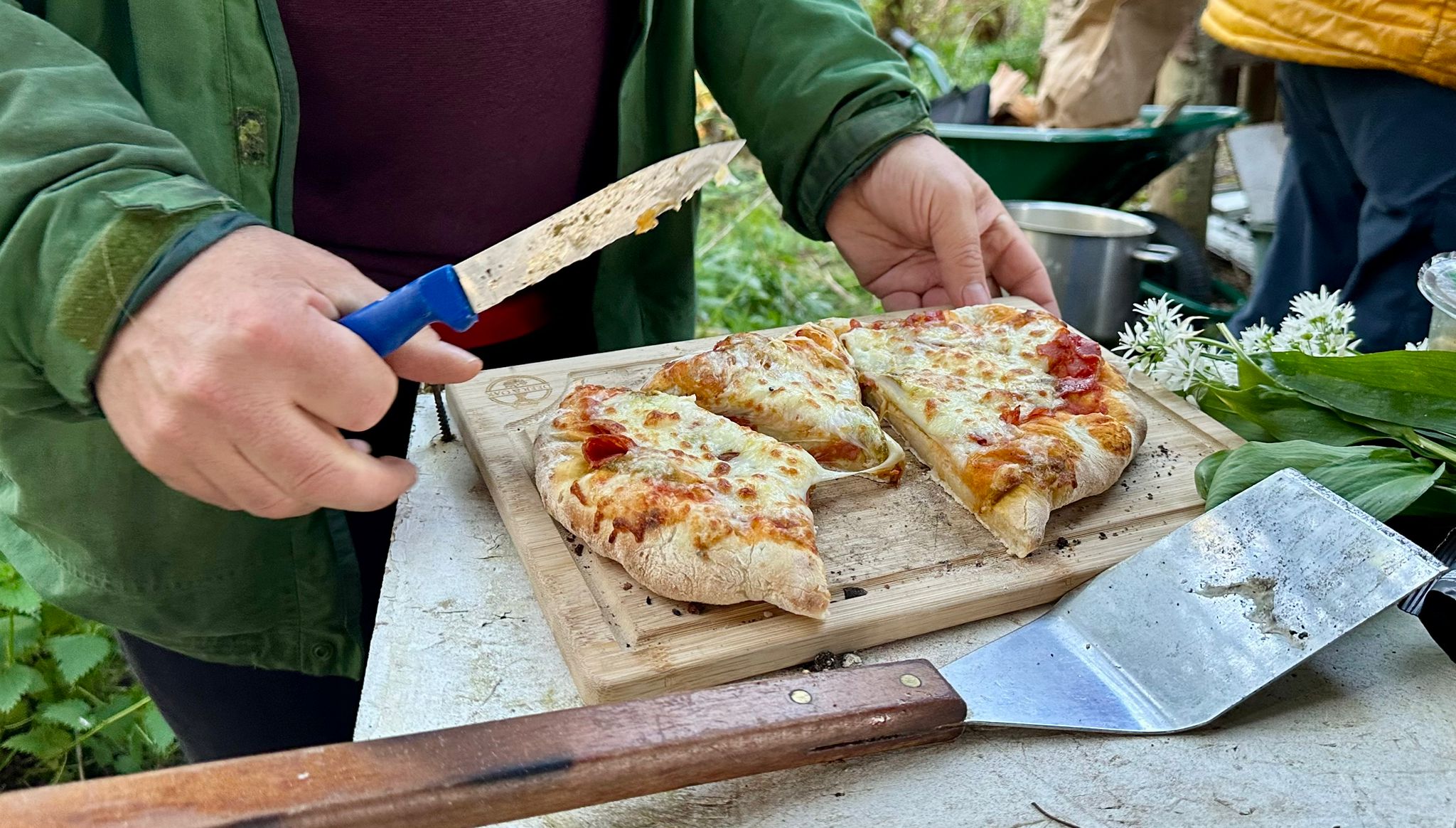
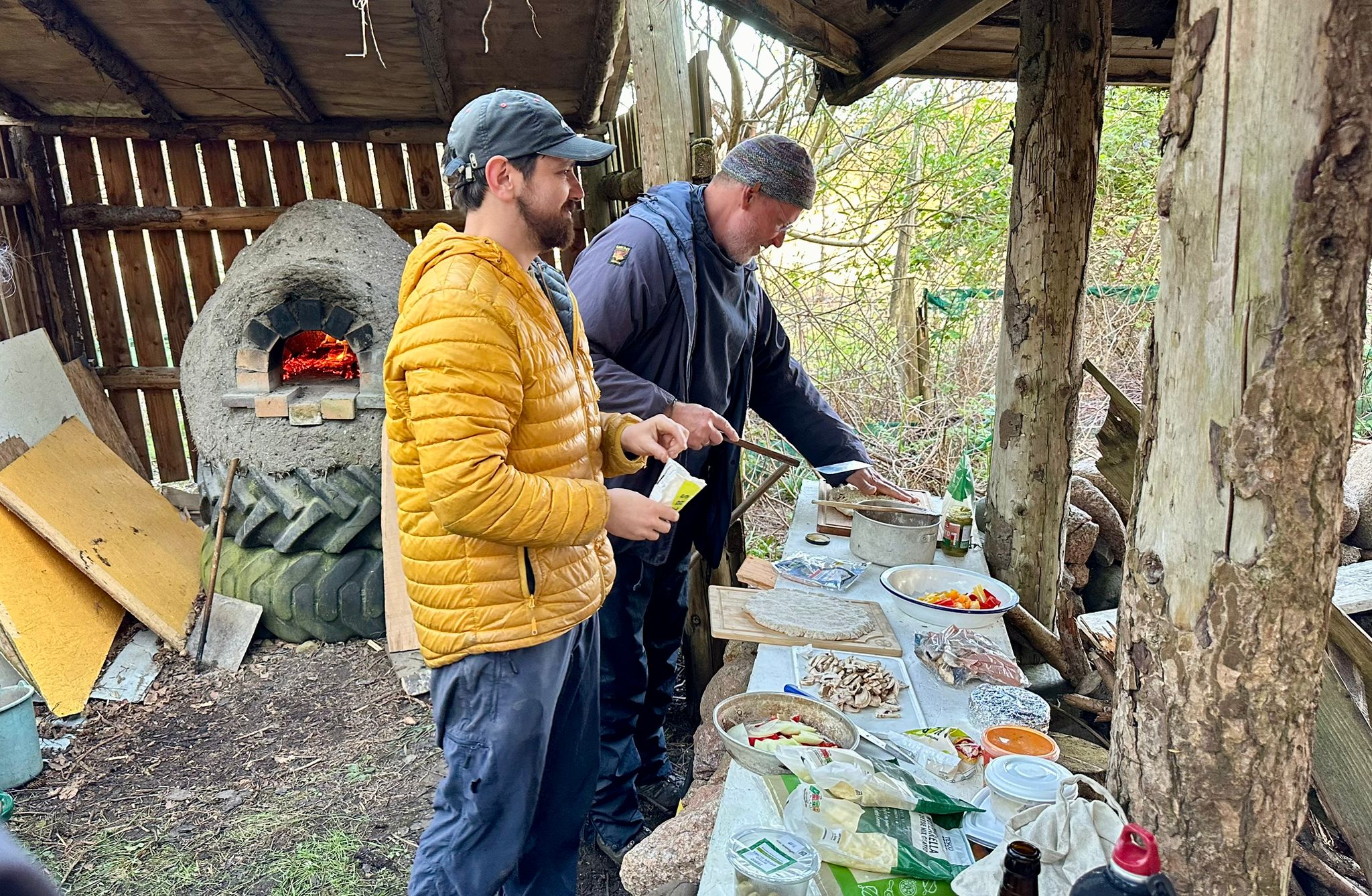
Over the decades, Camas has developed considerably. Increasingly it used outdoor pursuits, climbing, kayaking, swimming, sailing to help young people (and older groups) to make their adventures. Trees were planted, creating an oasis as the wild creatures found it and stayed. A garden was dug. Polytunnels were established. There is solar and wind power – even hot water and… a pizza oven that makes the best pizzas I have ever eaten.

In recent years, Camas has fallen on some tough times. Problems with the roof led to temporary closure, but thanks to one of my neighbours David (a fellow wilderness retreatant) connections were made with a roofer in our village who will be working on the roof right now. David has worked as a gardener at Camas for two periods- with a 30 year gap. All roads lead to Camas in these parts it would seem.

As ever, part of the challenge in keeping Camas open is a financial one – not just for repairs and maintenance, but it has always run at a deficit, being supported by wider funds from within the Iona Community. This is increasingly difficult and so the Community have started something called Camas Companions, asking those who can to support the work with some monthly donations.

In a time of such inequality and so many charities are struggling, perhaps you might still feel that Camas has something special to offer in the future, not only to groups of young people, but perhaps as a place for reconnecting to earth and soul for older people too.

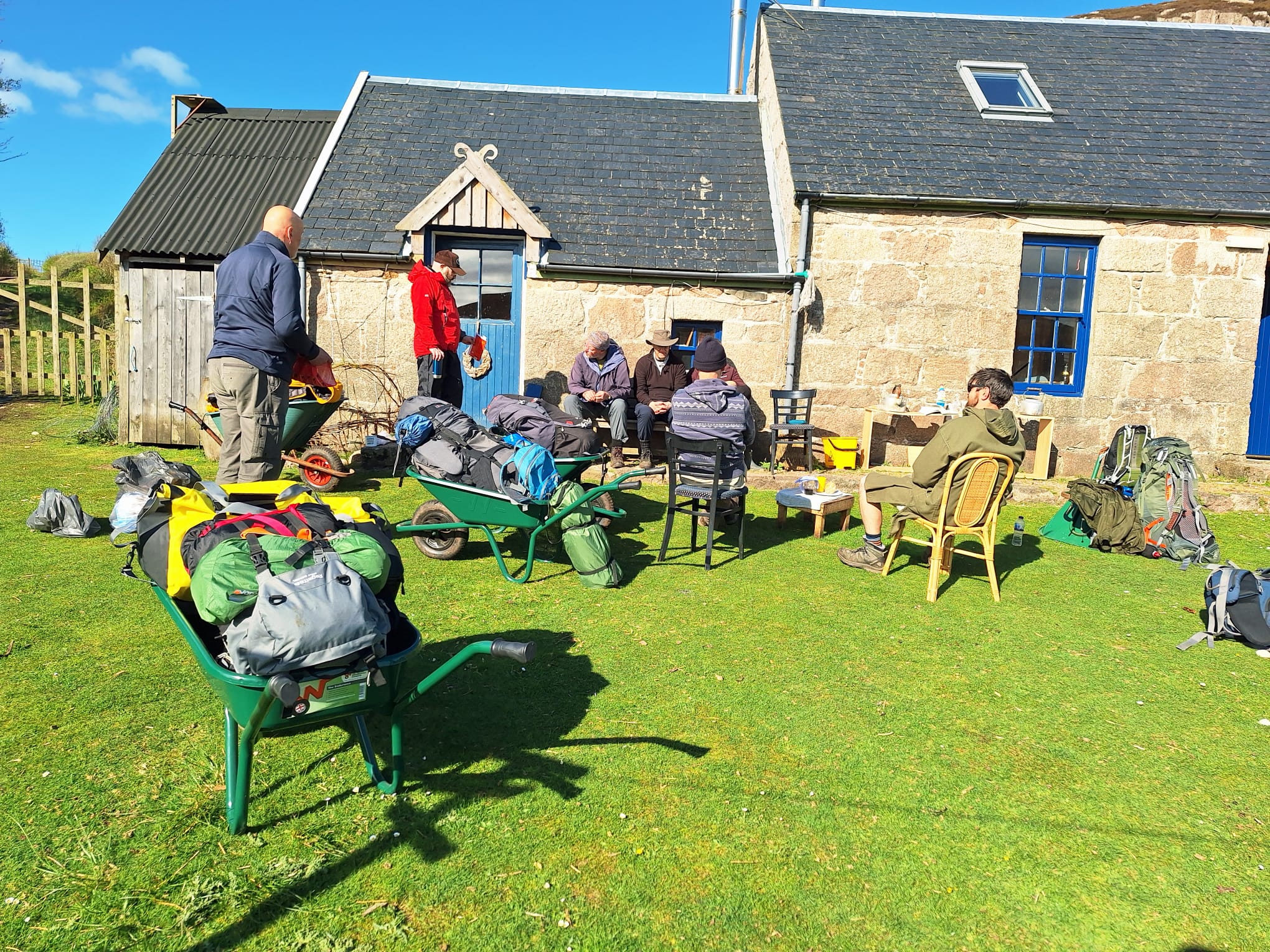
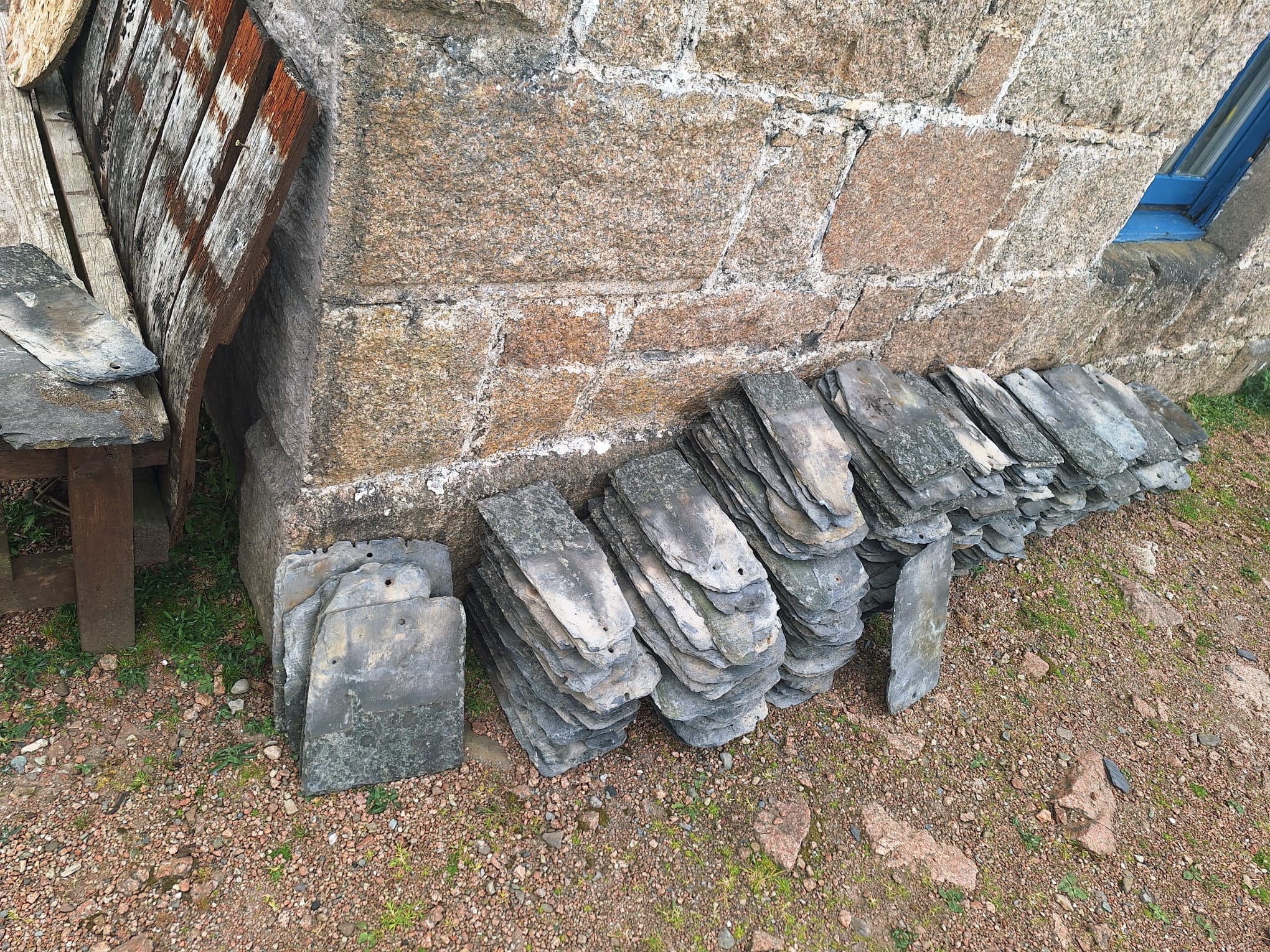
As part of our ‘rent’ for using Camas for our retreat I asked my friends to help bring some slates over the bog in wheel barrows. I worried I might be exploting them, but in the end, we all loved the oportunity to contribute something to the continuance of this wonderful place. We also repaired things, planted spuds in the lazy beds and cleaned whatever we could. It feels like Camas is almost ready to fling wide its arms once more.

As we gathered on arrival, we sat together in a circle and took in the surroundings in silence, after which I asked this;

If the earth could speak, what would it say?

What if we arrive here, not as strangers?

What if the ground welcomes us?

.

Is that so hard to believe? If so, why?

Something about us- our otherness?

Something about ownership?

Something about separation?

.

But what if the same ‘am-ness’ that is in all things is also in our own souls?

What if we are not defined most crucially by our differences but rather by our deep (even forgotten) connection to that which is also within the soil of this place, in the air of this place, in those trees, in that water, in the feathers of the birds, in the stones of this old building?

.

So I ask again, if this earth could speak, what would it say to us?

Dearest beloved , before you came to this place, I knew you

We are not the same, but we are one

Dearest beloved, I have missed you. I have longed for you

.

And now you are here.

Tell me your name

And I will whisper mine in return.

Fear and loathing in Los England…

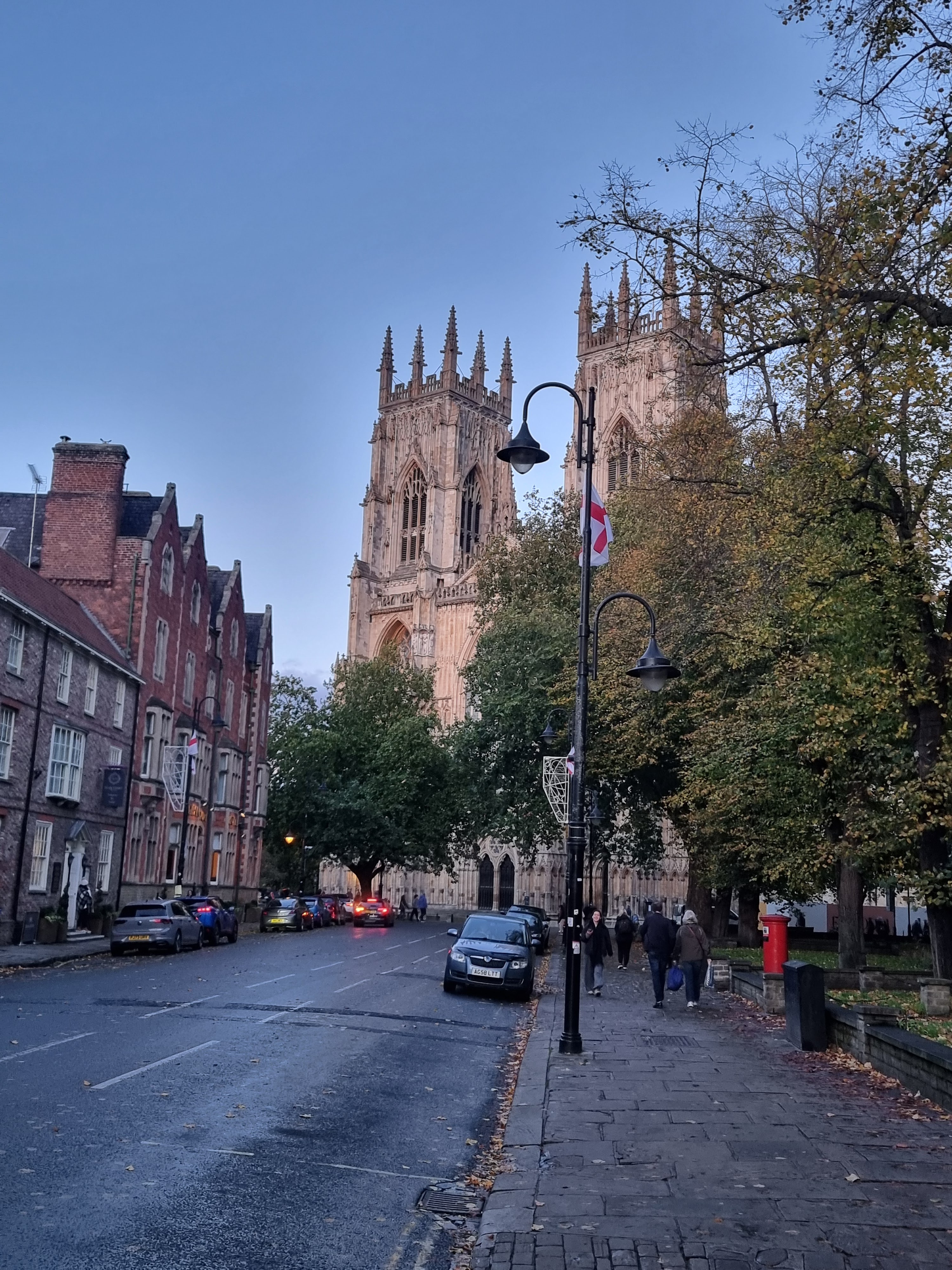
Flags flying in front of York Minster

I am just back from York, where I was attending an Iona Community event. I have started the two year discernment process towards becoming a full member of the community, and this event had two parts- firstly time spent with other new members examining one of the four ‘rules’ that form the basis for membership-

Working for justice and peace, wholeness and reconciliation in our localities, society and the whole creation.

(By the way, if you are interested in the work of the Iona Community, let’s have a chat.)

After this came a day with around 80-90 of the existing full members as we heard from Paul Parker, Recording Clark of the Quakers in Britain. The Quakers don’t have a ‘leader’ – rather Paul’s role is to seek to create good processes for the 450 worshipping groups of friends. He spoke powerfully about quiet diplomacy and the Quaker colective process of testing concern together to develop collective courage. He contrasted the ‘prophet’ role (calling out injustice) from the ‘reconciler’ (seeking to listen and love) role- how they sometimes need to be employed in different ways and in different circumstances. In other words- the two hands of non-violence, in which one is the hand held aloft to say STOP, and the other is open to say ‘I love you, can we talk?’

This discussion inevitably makes me think about the divided and splintered shape of our society just now. How do we engage – as either prophets or reconcilers? Where are the spaces in which either of these things are possible?

And even if we find these places, how will I find the courage?

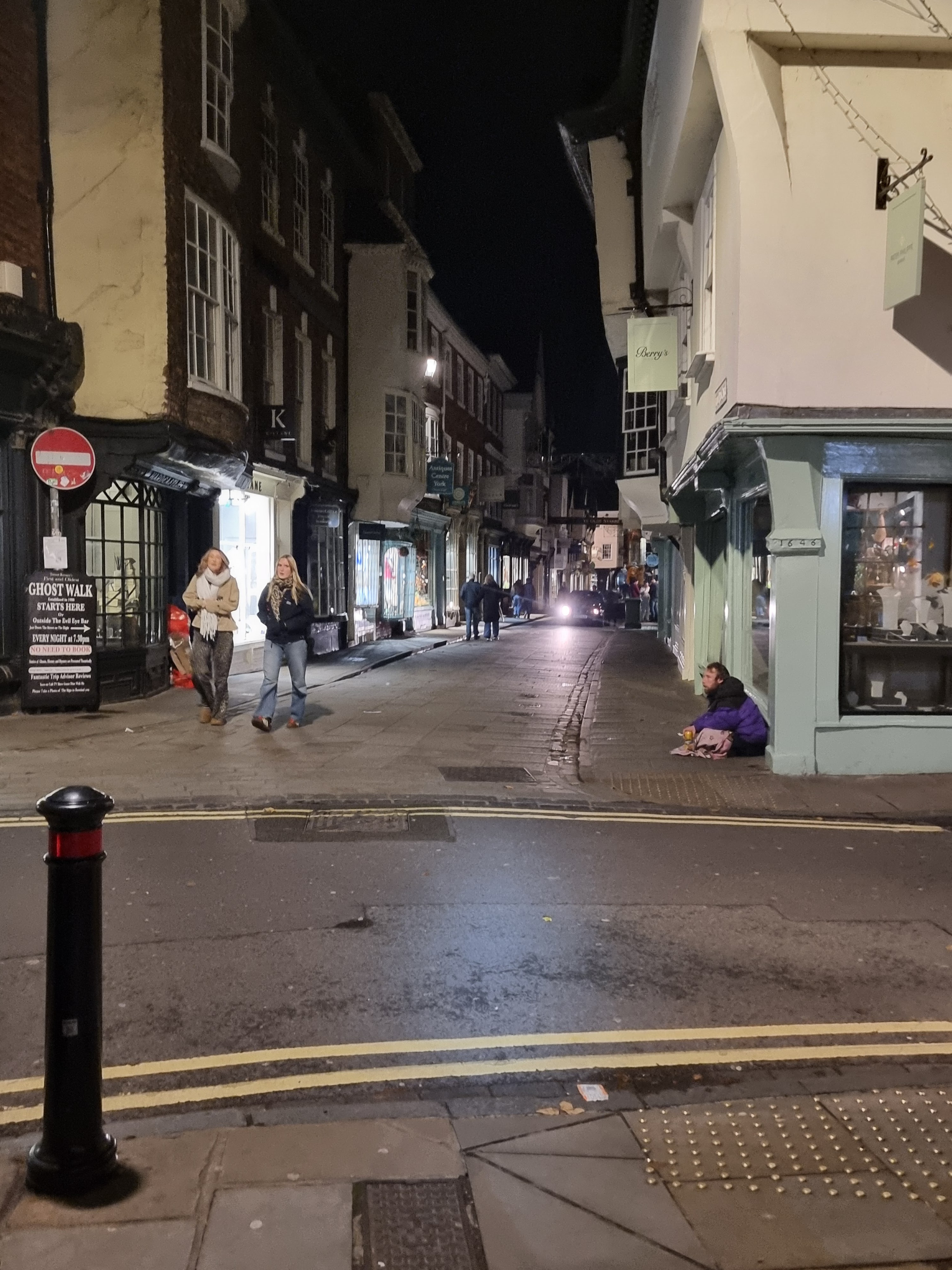
Meanwhile, there is another fear project going on at full tilt. Fear as a political instrument to create division through hatred and scapegoating of the outsider.

As you might expect, I have been trying to explore some of this through poetry. Here is what I am working on…

Be not afraid

I know you are afraid love -
Who can blame you? This broken world
Wobbles so hard it might
Shake us all off.
And all those purple-faced men
Looking for someone else to blame -
If they run out of brown people
They might wave their flags at us.

We should beware my love
For there are those for whom your fear spells opportunity.
They nurture it in toxic tubes, so
To spore the very air they feed us, and
None of us are immune because
Even those of us with those lumps in our throats
Must still breathe.

So, forgive my riding high on this highest horse
Because I need to tell you this;
If we always fear of what you do not know
It will rob our future of hope
It will tuck us up in defended spaces
Seeking only safety
Watching the world through narrow arrow slits
Flexing that persistent itch in our trigger fingers
But if we always fear the stranger
How will we ever make new friends?

I know you better my beloved -
Your heart beats beauty on your sleeve.
I know you would mend the broken if you could
With that clever glue called kindness.
I know you would never eat alone
When someone close was starving.
I know you were never made for hatred
When the core of you is love;
When the heart of you is love;
When at the bones of you is love;
When in the mess of you;
Is love.

So love.