Not Messiah, but memory…

Clear felled plantation, Glen Massan, Argyll

It has been a while since I have posted any new poetry here. This is not because I am not still writing, rather because the way that poetry allows me to explore ideas (which this blog is primarily about) fluctuates.

Today however, I am going to share a brand new poem, which makes some rather profound theological statements – ones that I know many of my friends will find troubling.

I’m not going to explore them here – at least, not yet. I am not even sure that I agree with them all just now.

This is one of the gifts of poetry – it can become it’s own voice, its own person. As well as a way of exploring then externalising, poetry can go further than this, and be part of a dialogue even with its author.

The dialogue does not even need to find agreement. It might be possible to hold more than one perspective – as if our theological constructs are just different poems.

It is in this space that this poem sits just now. In committing the words to keyboard and screen, I am able to stand back and consider them as if they were not mine.

Except they are mine. In writing them, I was consciously breaking through some barriers into places that feel new.

.

Christus

.

Not Messiah, but memory –

You are what we once forgot.

Woodsmoke.

A curve of earth

Towards completeness.

.

Not God, but goodness –

You are what we left behind.

Compost.

A fecundity of light

Awakes this forest floor.

.

Not Risen, but wide open –

We are not just the sum of skin.

Mycelium.

An animal whom, despite of evolution

Finds value most in kindness.

.

Not Saviour but revelator –

We search the stars in vain.

Insemination.

A pulse pounds insistently when

There should by rights be silence

.

CG March 2025

Temperate rainforest floor

Remaking religion 7: a return to that word ‘hermaneutic’…

This is a continuation of a series of posts in which I have been grappling with the religion I have inherited but often find myself deeply at odds with. I have this idea that what is happening to Christianity in the western world is not an end, but a transition. Lord knows, we need our holy stories more than ever to lead us towards better, to inspire the next generation and make leaders out of the old one. In these posts, I have been trying to describe what I think the shape of this transition might look like, sometimes through observation and discussion with others and sometimes by striving to get beyond my cynical frustration and letting loose hopeful imagination.

You can find the old posts by using the search box above- try ‘remaking religion’ as your search criteria…

…or if you are not in the reading mood then we have discussed some of the issues on a podcast, here.

Hermaneutic

I have spoken about this word on this blog over the years. I have usually tried to define it this way; the set of googles/telescope through which you view the world.

The optical distortions within these goggles- acknoledged or not – affect what we see and how we understand what we see.

I think this word is central to how we approach any renewal efforts towards religious story making.

I will start with a confession – I have developed a bit of a youtube habit. I would like to pretend that this arises from my deep interest in ideas- philisophy, economics, history, sociology, religion etc., but the algorithm does not lie. It knows me better than I know myself. Each twitch of the finger over the remote control is recorded as if as my unguarded conscience. So it is that alongside some material that does relate to high minded pretentiousness, there is a whole lot about car renovation, cricket, metal detecting, oppositional American politics, sailing and all sorts of other nonsense which allows me to switch off and not think. However, the algorithm sometimes serves up pure gold and the other day this came in the form of a video from the Centre for Action and Contemplation, of Richard Rohr talking about how Jesus used and quoted scripture.

Now perhaps you would have skipped along the feed towards something less cerebral – I almost did but I gave it a try, as much to save it for later. Instead I watched the whole thing, all one hour and eight minutes, despite all the other things I should have been doing.

It turns out that Richard Rohr – who I believe offers a vital prophetic, apastolic perspective to our generation – had things to say that were of great importance to my quest for a renewal of religion. He does this with a playful gentle kindness that always makes me listen all the harder. Here is the video in question;

There is so much about what RR has to say here that I find myself saying a soul-deep YES to… but towards the beginning he says something like this;

You must define and clarify tour hermeneutic- your science of interpretation. If you don’t have a consistent hermeneutic, you can make scripture say whatever you want. If we don’t make clear at the beginning how we approach scripture and the way we give it authority, then we are really not worth listening to because it will just end up being ‘opinion’. You will then just find texts that affirm your opinon.

Richard Rohr

Even the most faithful of my critics – with much justification – might point to this Remaking Religion series and accuse me of doing exactly what RR warns us against. I am expressing opinions then, if I seek to anchor this in scripture at all, then I do so only in ways that justify my opinions.

Some might chucle and suggest that my hereneutic is youtube!

Perhaps my critical friends might go even further than this, and point out that my failure to base most of my arguments on scripture is indicative of my wearyness, my cynicism towards the scripture itself and there would be truth in this criticism. I feel as though I have escaped from what I now view as a a prison in which the iron bars were made out of scripture. No wonder then that I, and others like me, are less interested in ‘proving’ or ‘evidencing’ truth based on narrow versions of scripture because the whole idea of ‘biblical authority’ feels like a prison gate. Having said that, any cursory read of this blog will notice that I am certainly not done with the bible, neither do I in any way reject the treasure and wisdom it contains.

What RR does in this video – and many others have done alongside him – is hold a mirror up to the religious traditions we were parented by in our faith and in doing so, pointing out that they too had substantial unconscious bias arising from their hermaneutics. They too then backwards interpreted scripture in such a way as to confirm these biases.

Worse than this, the bigger and more ‘successful’ these hermeneutics became, the more invisible they were, the more unasailable, the more they were given the authority of ‘truth’. The more they were seen as coming directly from God himself, as if on a velvet cushion from the sky. (Strange then, that this truth often seemed to fit well with a set of priorities that confirmed the power structure of the empires they grew within and continued to support.)

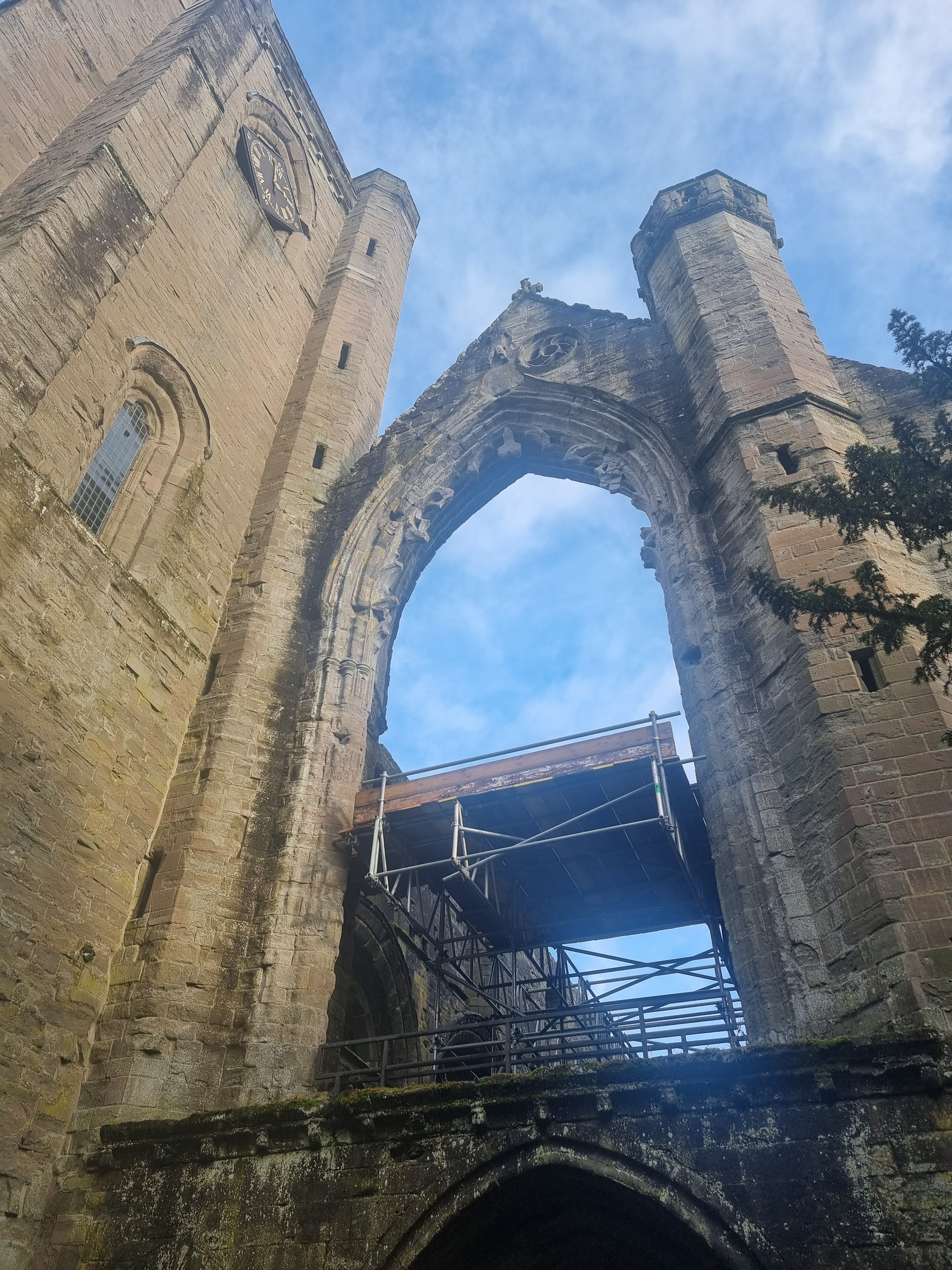
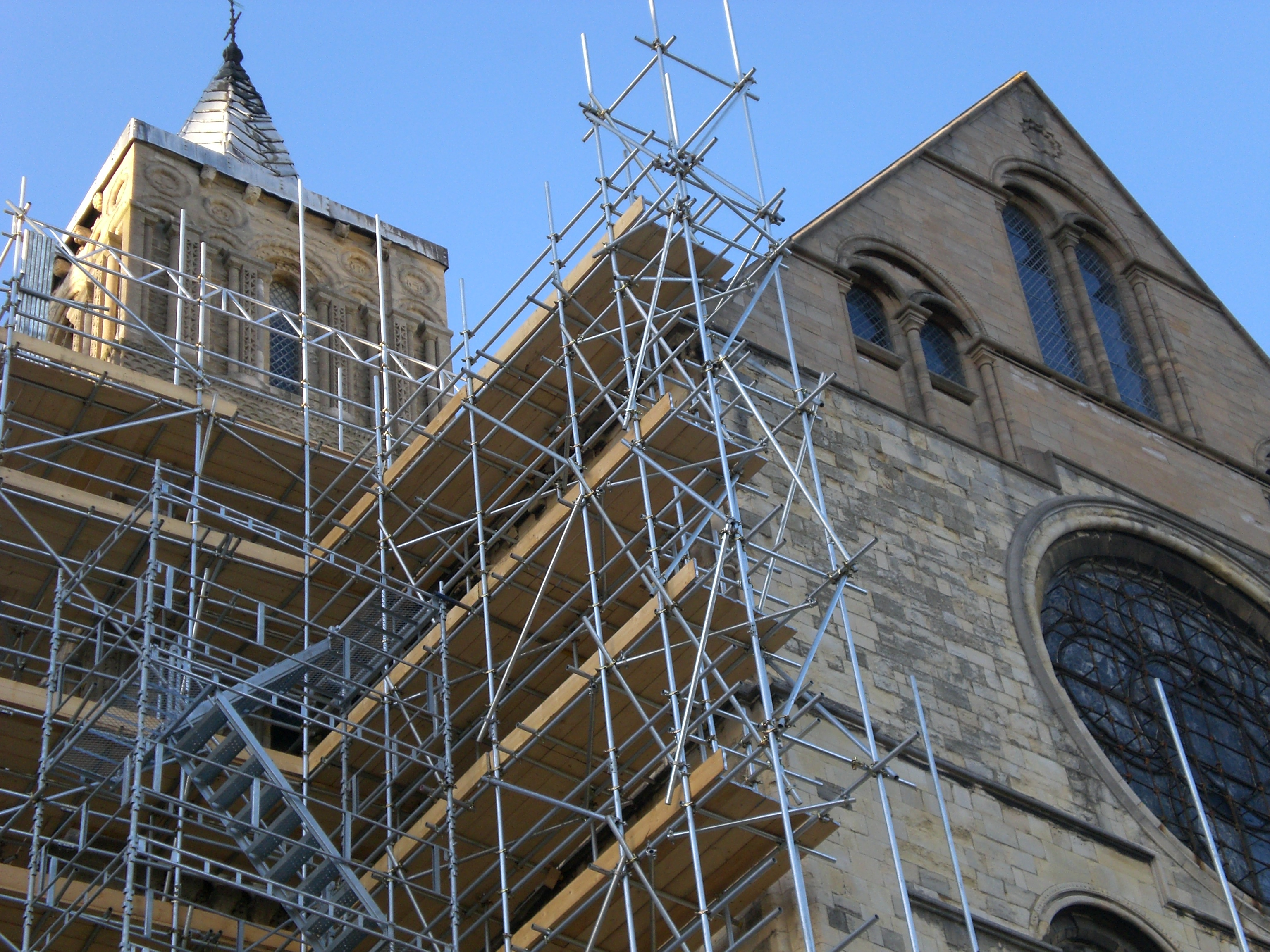
The continuing attempt to preserve the crumbling remains of the 13thC Dunkeld Cathedral

What do we do with this insight?

What might it mean as we try to remake our religion in our shifting changing context?

I think we have to refuse to get back in theological prison, and instead start to use scripture in a very different way, which involves reading it through a deliberately different hermeneutic – one that remains faithful to tradition, but free from it also.

JESUS

RR does a brilliant job in trying to describe how Jesus approached scripture, and how this seems radically different to the way we have read it. Selective quoting from just 4 OT books are recorded in the gospels- sometimes miss-quotes! Actively disagreeing/wrestling with scripture

HIERARCHY OF TRUTH

As Pope Francis puts it, not all truth is equal. Some comes first. Not every sentence in scripture can or should be given equal merit as if it were heavenly law.

INCLUSION

Jesus always includes. Critique the in-group, make the outsider the hero.

MERCY

Always Jesus started with love, continued with love and ended with love

PEOPLE OVER DOCTRINE

I loved the way that RR described the difference it makes when we engage with theology though connection to people as opposed to approaching people through theology.

PRINCIPLE OVER FINE PRINT

Back to that hierarchy of truth thing- if we can ‘prove’ something using ancient scriptural texts then we must also subject that text to the bigger principles that the text contains. We know this as Christians because that is what Jesus did.

What we are not…

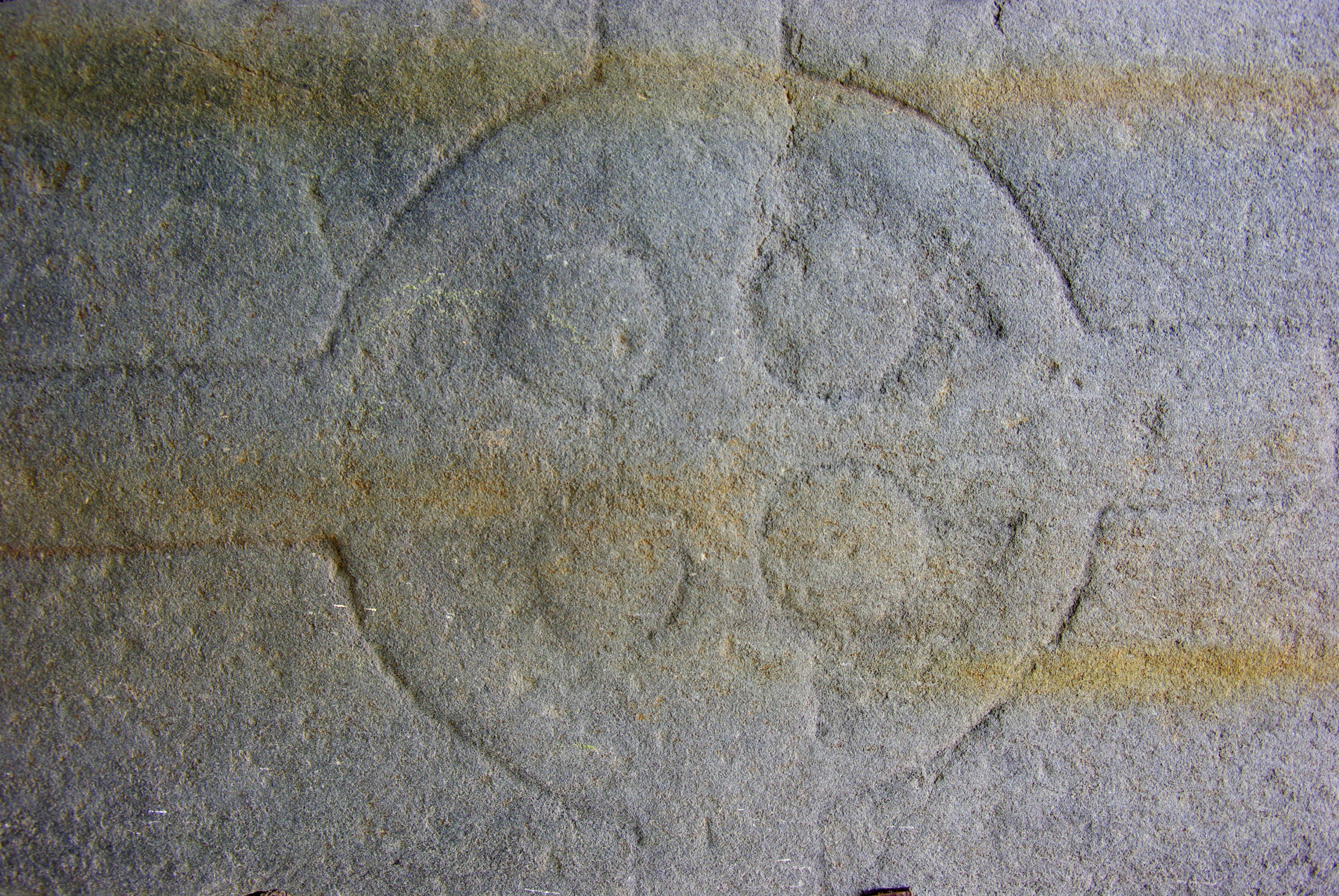
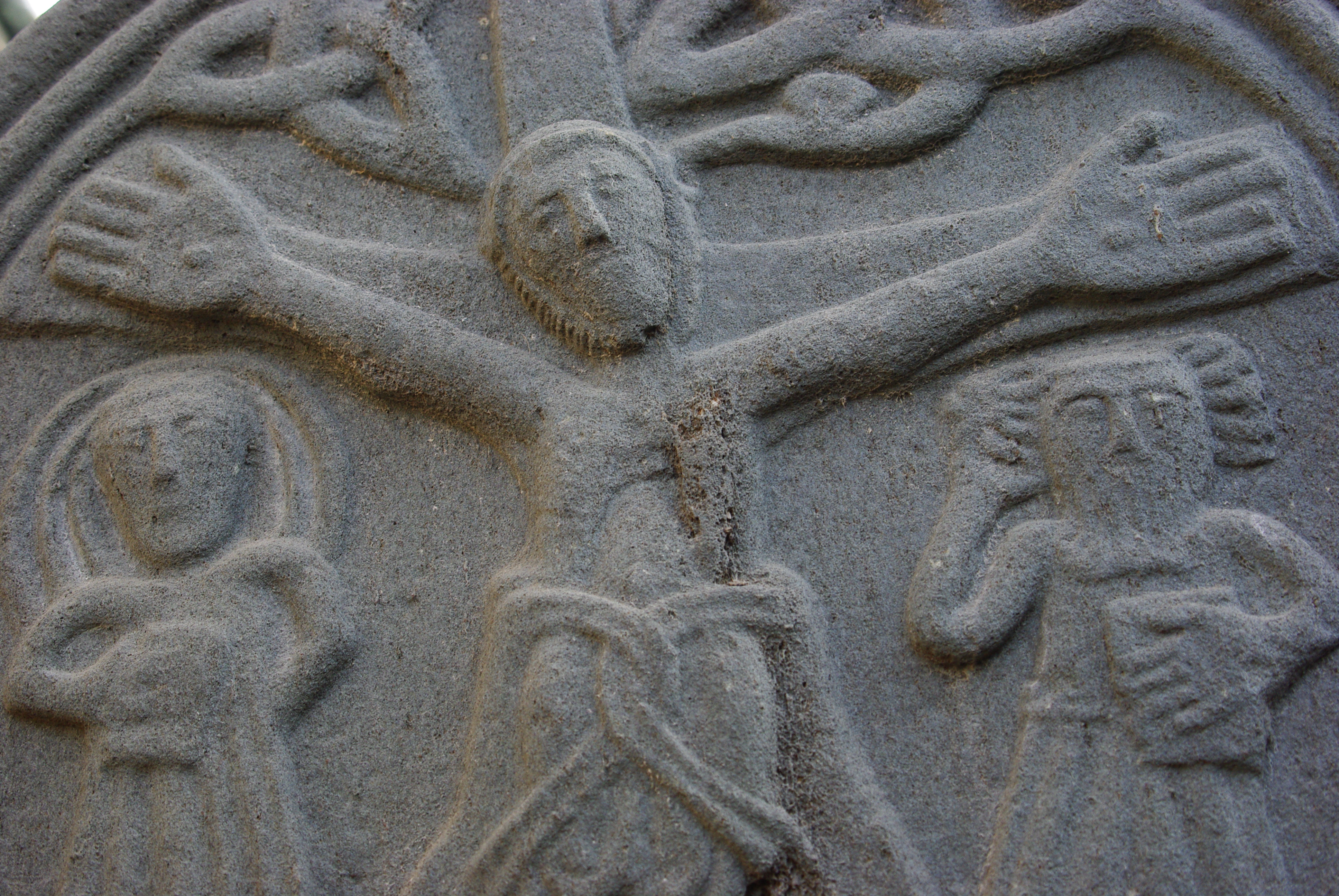
Early Christian stone 2

I read this on FB today- and loved it. I know it is easier, and even quite seductive to focus what we are NOT than to grapple with what we actually stand on, but even so, some things need saying, and Jim- you said it well…

“God is not a belief-system.
Jesus is not a religion.
The good news is not a ticket to Heaven.
Church is not an address.
The Bible is not a book of doctrines.
Transformation is not behavior modification.
Community is not a meeting.
Grace has no exceptions.
Ministry is not a program.
Art is not carnal.
Women are not inferior.
Our humanity is not the enemy.
Sinner is not our identity.
Love is not a theory.
Peace is not a circumstance.
Science is not secular.
Sex is not filthy.
The herelife is not a warm-up for the afterlife.
The world is not without hope.
There is no “us” and “them.”
Tattoos are not evil.
Loving the earth is not satanic.
Seeing the divine in all things is not heretical.
Self-actualization is not self-worship.
Feelings are not dangerous and unreliable.
The mind is not infallible.”

– Jim Palmer

The God-hoover is out of the cupboard again…

Check out the trailer for this film;

http://www.youtube.com/watch?v=1pcceK2mdFk

There have been other attempts to scare people into faith by dodgy theological interpretations of the wild meanderings of the Apocalypse of John. I have written before about my childhood experiences in this regard.

Popular culture reflects the zeitgeist in ways that are often interesting. What emerges on to the entertainment market often reflects all sorts of subliminal fears, preoccupations and prejudices. In the American heartland, still dominated by Conservative Evangelical Christianity, this film will do well. Guns, fundamentalism and fear- surely this has to sell well even if the film making itself is rubbish?

Naomi Klein makes some interesting points about what she describes as ‘Rapture Rescue’. I have posted this before- but it is worth watching again;

Western society, despite our peace, prosperity, security and excess, still seem to define itself in terms of fear of catastrophe– be this some kind of real or imagined terrorist threat, a fear of immigration, of civil unrest. We then imagine some kind of massive redemptive transforming event to solve the problem- a new saviour, a victorious war, a wonder technology.

Add religion into the mix and things can get, well just silly. Except that when so many people are caught up in it all it is not really a laughing matter.

Ideas are important. Naomi Klein said this;

“If we want the transformation, we can’t wait for it to happen in some massive jolt, we have to plan for it and model it…”

“Only a crisis, actual or perceived produces real change, and when that change occurs this depends on the ideas that are lying around. That is our function, to keep ideas alive until the politically impossible becomes politically inevitable.”

My concerns about films like the one above are partly theological (there is a discussion of some of the dispensational theology in this post) although correcting esoteric theological ideas is always a bit of a waste of time. Those who hold them do so as if to a branch out from a cliff. They will never let go.

The issue is more relevant when we consider the impact of this kind of theology on our engagement with the world. Christians have some of the best ‘ideas’. We have a story that can change whole cultures- that HAS changed whole cultures. Sadly ideas and stories like this can become the servants of culture, not part of a critical, vitalising commentary.

So if our religion takes us to a place where we believe that this world is doomed, that God is going to suck all the good people (measured according to whether or not they have said the ‘sinners prayer’) up with his great rapture hoover and the rest will get their just deserts- if this is our religion then how might this change the power of our story or the potency of our ideas? How might these ideas set us free to be engaged in works of salvation- not just for a narrow self elected few?

That is why we need to hear other voices of faith- like Tom Wright;

http://www.youtube.com/watch?v=AA0NLb0pXGI

Faced with an apparent crisis in our ability to hope and believe for the future, we people of faith have a choice…

We can proclaim the end of it all, and offer only the hope of a few of us being sucked away from the stinking rotten corpse that is this world, or we can become hopeful critical collaborators in our culture- salting those things that have good flavour, and shining light where there is darkness that requires illumination.

It does not matter what you believe…

theology

…or does it?

We had a lovely discussion tonight with some friends, sitting round a fire, talking about life and death (as you do.) The death bit because several folk were still in the midst of dealing with loss. The life bit turning on how we understood what our lives were drawing us to.

And because of our shared journeys, the meaning we have found has a lot to do with Jesus, although has been somewhat complicated by our experience of religion…

Some of us have done a lot of (perhaps even too much) unlearning/deconstructing/questioning what this religion has told us we have to believe. Not just the obvious stuff, but the sub-cultural subliminal stuff too that it even harder to come to terms with.

I found myself asking the question- does it really matter what you believe?

We kind of agreed that the religious context that we were familiar with made far too much of belief. We all knew exactly what we were supposed to believe. It was never really stated, but we all knew it was vital to get all your theological cards stacked right. This was what most ‘teaching’ was really aimed at after all.

Strange then that this did not seem to be Jesus’ preoccupation. He was not much interested in making sure that his disciples answered all those complex theological questions that we struggle with now. In fact, he seemed to take quite a lot of pleasure playing with people who came to him looking for absolute theological questions- sending them away with a parable or two- almost like he was saying ‘go and work it out for yourself’.

As I read the gospels, it seems to me that Jesus was much more interested with how faith (rather than belief) brought us to action- particularly how it turned us towards love. Those two commandments- love god and others as yourself.

My conviction is that the obsession with belief often gets in the way of active love. It does not encourage engagement with the world around us, but sits smugly on its own sense of rightness, pompously calling for others to join our club.

theology

At least that is what I believe.

As our discussion went forward we circled again towards death. We talked about the death of a God fearing man, whose passage from life was characterised by fear of God. How he was sure he would not be allowed into heaven as he had done too many bad things. And we began to wonder again about belief…

Our working conclusion was this- belief matters only as far as it becomes the means for us to move, to act, to live, to travel. Even if that journey is the last one.

The rest of it is children playing with marbles.

Is God violent?

It is a question I was discussing with a friend last week. She, like me, comes from a background in which the stories of the Bible were regarded as unquestioned absolute fact. The problem is that as you start to take a look at some of these stories, you start to hope that they are not.

But if they are not, then the absolutes that faith has been built from start to come unravelled- if you pull at these bricks the whole wall will fall in.

I wrote a series here called ‘Bible Nasties’ in which I tried to explore some of the issues that arose from my own theological meanderings. You can catch the first one here, and the others via the links in the comments.

However, Brian McLaren does it much better in this article here. Here are a couple of quotes;

Let’s define violence simply: force with the intent of inflicting injury, damage, or death. I think believers in God have four primary responses to the question of God’s violence defined in this way:

1. God is violent, and since we human beings are made in God’s image, we’re free to use violence as one valid form of political communication (to borrow a famous phrase from Carl von Clausewitz), and in fact we are commanded to use it in some cases.

2. God is violent, but in a holy way that sinful humans are incapable of. That’s why violence is generally prohibited for humans except in certain limited cases. In those cases, only those designated as God’s chosen/elect/ordained, acting under God’s explicit direction, are justified in using violence.

3. God is not violent, so human violence is always a violation of our creation in God’s image — both for the perpetrator and the victim. If it is ever employed, it is always tragic and regrettable, never justified.

4. God is not violent, so violence in any form is absolutely forbidden, no exceptions.

McLaren goes on to describe his own struggles with this issue- how the violent version of God contrasts with the other version in the pages of the Bible- the loving, forgiving, self sacrificing one, who eventually casts himself as the victim of violence, not the originator of it. Which version is the truest one, because increasingly it becomes impossible to hold them both together.

McLaren points us to Jesus, and along the way, we again bump into how we understand attonement;

In my own grappling with this subject, a single question has brought things into focus for me: Where do you primarily find God on Good Friday?

If God is primarily identified with the Romans, torturing and killing Jesus, then, yes, the case is closed: God must be seen as violent on Good Friday. The cross is an instrument of God’s violence.

But if God is located first and foremost with the crucified one, identifying with humanity and bearing and forgiving people’s sin, then a very different picture of God and the cross emerges.

Both locations present a scandal. The former, it seems to me, subverts the entire biblical narrative. God is not then identified with the slaves seeking freedom, but with Pharoah keeping them in their place. God is not with the woman caught in adultery, but with those who want to stone her. God is not with Paul, accepting Gentiles as sisters and brothers, but with the Judaizers, upholding the Law. And God is not hanging on the cross, but stooping over it, pounding in the nail. That’s scandalous in one way.

The latter understanding subverts violence and all those who depend on it for their security, affluence, and happiness. God is with the slaves, not with the slave-drivers. God is found in the one being tortured, not the ones torturing. God is found among the displaced refugees, not those stealing their lands. And God is found in the one being spat upon, not in the one spitting. A very different scandal indeed — and a very different cross, with a very different, but no less profound, meaning.


Honest doubt and fundamentalism…

I have been listening to some of this series on the old wireless during my travels this week- Richard Holloway‘s journey through the emergence of doubt in the wake of faith. Compulsive listening for old pilgrims like me.

For those of us on a quest for honest faith, we have also to be honest about doubt. The two things are intertwined, as I have written about previously. Doubt then is not the opposite of faith, but rather the means through we we engage, wrestle and ultimately it can become the way that we move towards light.

Today the discussion centred around the issue of revelation– the idea of an interventionist God, who reveals himself to his followers through dreams, visions, prophecy, and people ‘hearing his voice’.

Some of these ‘voice hearers’ began to write down these words, and it is these words that we go to most often as we seek fresh revelation.

One little morsel that impacted me today was this one, concerning the writings of Origen

Origen was a hugely influential scholar, theologian and writer of the early church, writing in Alexandria in the second and third Centuries after Christ. His views soon were controversial- he was a universalist and believed in the pre existence of souls. He was condemned later as an apostate- but perhaps we should regard him as a theological adventurer, putting forward ideas and theories for us to chew on.

Today his views on scripture were mentioned. The gospels that were circulating at the time (and there were many more than the 4 we have in our Bible now) had all sorts of areas of disagreement and contradiction. This might be hardly surprising if we read these as eye witness accounts, or scholarly collections of stories.

We might also expect a gospel to bear in some way the perspective, the creativity, the agenda of its particular author- one person might focus on one aspect of the life of Jesus- love for example, anther might be more interested in proving some other theological issue. You could describe this as observer bias.

This is of course not a problem if you understand this as you read- in fact it can be extremely enriching to view the life of Jesus from different perspectives- this is the whole point of us still having 4 gospels in our Bible is it not? However it becomes a problem when you start to treat the text not as revelation through a man, but rather the very ‘Word of God’. Then you have to deal with the contradictions in a whole different kind of way. You have to make it all fit into one homogeneous whole. As we used to hear said- ‘inerrant; without error or contradiction’.

It seems that back in the second and third Centuries there were already disputes about the validity of scripture as the inerrant Word of God. Origen however suggested that God had deliberately allowed these contradictions/disagreements to remain in scripture precisely to remind us that it was not to be taken literally– rather it was to be engaged with, wrestled with, questioned and debated.

In this time of the rise of fundamentalist doctrine, this ancient heretic might well have some more agitation to do for this generation too…

New belief…

Over the past few years, often charted on this blog, the defining codes of faith on which I have sought to live my life has changed considerably.

At first it fragmented. I was no longer sure if I believed at all, let alone had confidence in the traditions I was part of. This was sometimes traumatic. Later however faith began to emerge again less as a set of resounding assertions about the nature of the divine but more as a process of faithful questioning.

In other words, it could be regarded as faith not as the opposite of doubt but rather doubt as an integral part of a living faith journey. I wrote about this before, here.

Along the way, the emphases I place have shifted considerably. I do not think that the correct goal for the life of faith is perfecting our theology- either from the point of view of knowledge, or narrowing down our understanding of ancient text until we have nailed down every errant verse to fit an integrated whole. Rather I think that attempts to do this will always be futile, and distractions from the real business of faith, which is all about how it releases us to live.

This has led me to worry far less about all those ‘questions-in-a-bubble’ theological arguments- the sort that no one really cares about apart from theologians. Such intellectual sparring can be entertaining, but when it is mixed with angry defensiveness or attack in the name of truth I walk away.

But to suggest that what we believe does not matter is foolish.

Our actions are driven in both subtle and obvious ways by the core ideas that we build our lives on. Here is an example from a psychological point of view.

>Core belief;  People are inherently evil and untrustworthy, particularly those who are ‘different’.

>Leading to guiding assumptions; I am at risk, my family needs to be defended, you are a threat, I need to prepare for hostilities.

>Leading to instinctive interactions; Distrust, hostility, defensiveness, aggression, tendency to isolation  and separation.

Everything that Jesus taught us about love is based on the idea that if this becomes the core of everything we believe then our core assumptions about the world and our instinctive reactions to it are all affected. In this way, love is not weak, nebulous and irrational, rather it can change the whole world.

But (unfortunately perhaps) life involves a whole lot of other questions to which we have to at least form working theories, if not absolute conclusions.

So back to the point of this post- the forming of new tenants of faith out of all of the questioning. It is another regular theme on this blog- what to construct after all the deconstruction. There comes a point (or at least there has for me) when I start to feel more comfortable with making tentative statements about what you believe again.

Although as I think about it, as a young man raised in Evangelical/charismatic settings, saying what you believed was not  often necessary- it was obvious as we all kind of knew what was held in common to be ‘true’. The point at which belief was really defined was in the negative- that is when someone (usually outside out immediate group) got it wrong. We could then dissect their incorrect doctrine and discount it and in doing so we could also discount them.

I confess that there is this tendency in me still- I continue to strive towards grace in this as in many things.

What I am starting to construct however, I do not construct alone- everywhere I see a convergence of a new kind of consensus around some basic ways of approaching faith. It seems to me to be cross denominational, but typical of those of us who may have come through all of those ‘posts’ discussions (post modernity, post evangelical, post charismatic, post Christendom.)

So, here are a few of the things that I have come to believe, structured around the ancient Apostles Creed. I expect things to change- I will be carving nothing in stone, nor nailing anything to church doors- these theories are not external, they are made of flesh, some sinew, and even a little muscle.

1. I believe in God, the Father almighty, creator of heaven and earth.

I do. I believe that this unfolding universe began in the mind of God, and he let it all out in a burst of creativity. I also believe that we embody this god-quality of creativity as we are made out of the dust of the heavens, in the image of the Creator- and that this imposes deep responsibilities on us in relation to the heaven and the earth.

2. I believe in Jesus Christ, His only Son, our Lord.

If there is one thing of faith that lives in me, it is the idea, the hope, the person of Jesus. Immanuel, God-with-us, walking in our filth and turning every thing upside down. I believe in the New Kingdom he proclaimed as being here, and near.

And if I believe in Jesus, then what we know of his ways has to be the place that I start from in relation to all other belief. I have to start with the stories and parables he told, and the way he lived his life in relation to everyone around him.

And I have to concede that love is the most important thing- far more important than judgement, or doctrine, so if I am going to make any error, I am going to strive to make it on the side of love and grace. This will inform my relationships to everyone, particularly those who are marginalised or oppressed.

3. He was conceived by the power of the Holy Spirit and born of the Virgin Mary.

To be honest, this is not something I think about often- but I rest on the stories I have inherited.

4. He suffered under Pontius Pilate, was crucified, died, and was buried.

5. He descended to the dead. On the third day he rose again.

6. He ascended into heaven and is seated at the right hand of the Father.

These stories too live in me and inspire me.

7. He will come again to judge the living and the dead.

Perhaps Jesus will come again- but I am not going to spend too much time thinking about this as we were not put on this earth just to hope for some kind of swift exit or heavenly Dunkirk. We are here to learn how to love, and how to put this into action.

I believe that we should not fear judgement from a loving God, and that all of us need grace.

8. I believe in the Holy Spirit,

I do- despite all the charlatans and the hype. I believe in the Spirit of God within us.

9. the holy catholic Church, the communion of saints,

I want to believe that the collectives of the followers of Jesus might be the conscience, the peace makers, the justice dealers, the healers, the party makers and the gardeners of this world. I hope for communities of people who support one another in this direction, whilst learning to love.

I believe that God is present in these gatherings, but also elsewhere. I believe that he reveals himself to people of other faiths, and none.

10. the forgiveness of sins,

Oh yes.

11. the resurrection of the body,

I was never quite sure what this meant- something to do with a day to come when all our bodies will be raised incorruptible. To be honest, I think this is another one of those that I will just shelve with a bit of a shrug.

12. and life everlasting.

Yes, I have this hope that we might be more than flesh but also Spirit, and that those Spirits that leave before us might yet be waiting for us elsewhere.

Is this ancient creed enough to define the central things of our faith now?

As I read it over, I do not think it is. Firstly, I continue to think that we have over emphasised right belief- even to the point of burning dissenters at the stake. The creed is all about belief, and very little to do with our response to it.

What I am hungry for is to see right ways of living and ideas of how love can be put into action.

So I would add to the list above a few of my own;

13. I believe in love

For those reasons above.

14. I believe that we are called to be active subjects of the Kingdom of God, and to participate with him in acts of creativity, healing, peace making, protesting, lamenting, redeeming and the formation of community.

15. I believe in the mission/adventure/pilgrimage that God releases us on.

16. I believe that my ideas of God are incomplete and imperfect, and that not every question can be answered. And that that is OK.


Left brain/right brain theology…

Great discussion today on Radio 4’s ‘Start the week’– a debate between scientist (Dawkins and Lisa Randall) and the Chief Rabbi, Johnathan Sachs. You can listen again here if you missed it.

The debate was predictable in subject material- Dawkins expressing his logic-first model, and exorting us all to let go of our superstitious addiction to the supernatural and Sachs talking about the why questions rather than the how, and the truth and beauty we humans experience that is not understandable in a scientific way.

However, there was a respectfulness about the debate that I really enjoyed.

Sachs at one point talked about the wonder of a creator who creates a creative universe- I liked that.

He also said something about the Greek filter that many biblical texts have been through- a familiar theme to anyone who has read any Brian McLaren (the ‘Greco-Roman narrative’ that he describes so well in ‘A New Kind of Christianity’.) However Sachs approached this from a different angle.

He suggested that the Greek Language was the first one to be written left to right, and to contain vowels. Previously, writing was mostly right to left (apart from Chinese which went down.)

This is significant not just because of the left brain (analytical) right brain (instinctive/feelings) split that tends to characterise how we understand the hemispherical nature of our brains. It also asks questions about our theological lens.

Because the older languages lacked vowels, they could only be understood in context- their meaning was only understandable in the paragraph as opposed to the individual words.

So what? Well, when these earlier understandings were translated into the Greek, and then onwards into our modern languages, they were forced to take on a more concrete form- one in which every word is individual in meaning and application. Words that defined and legalised. Sacred words.

Words that try to contain God.

Kind of reminds me of this post– and this picture.


The uncertainties over the emergence of the New Testament…

Above is an image of fragment p52– first half of the second century after Jesus- a credit card sized fragment of the Gospel of John- possibly dating from less than 50 years after the book of John was written.

However, we do not have a complete book of John until hundreds of years later. How many copies of copies of copies of copies were made before P52 came into being? How many since? How many different language barriers crossed? How many different cultural contexts mixed within?

A couple of hundred years ago, John Mill looked at 100 early manuscripts written in Greek- 30.000 places where the Greek texts differ from one another. Most do not matter- accidental mistakes by scribes. Leaving out words, verses- even pages.

Some matter rather more- some appear to be intentional variations from the copied text- where the text appears to be changed to match with a developing theology. The changes get rid of potential problems in subtle ways.

Does any of this matter?

Well if you are a follower of Jesus- YES. Even if you are not- it matters too, as the building blocks of so much of our culture were made from understandings (or sometimes misunderstandings) of these scriptures.

Christians from my tradition were schooled in the idea that the collected works of the Bible are the inspired complete and sufficient work of God. The writings are reliable, and contain no contradictions that we are not capable of coming to some understanding of, given the correct interpretive goggles.

The problem, of course, with this way of interpreting the works of the Bible, is that it is all or nothing. The Bible is either the BIBLE, or it is nothing. It is either sacred, or it is worthless. We are back into the range of what Richard Rohr, and others, calls the error of ‘non dual’ thinking.

But other Christians will point to a different way of understanding scripture- as a gloriously imperfect set of writings that record the attempts of people to engage with a mysterious Living God, and to live in the ways of his son Jesus. In these writings, we see mirror images of ourselves, and saturating the whole- is the love of God, and the call to adventure in the cause of the Kingdom of God.

In this understanding- it is not either or- but both-and. The books of the Bible were written by people whose work was inspired by engagement with the Spirit. But they might also contain elements that are flawed, partisan and from a cultural and historical context alien to ours. The writings might well have been shaped by translators and copyists over the years- because they were always invested with such meaning- or employed to support a meaning that may never have been there in the first time. Some of this shaping is subtle, and may even have not been intentional.

This debate is contained really well in this debate (the voice seems to be out of sync with the images though!)


I recently confessed to a leaning towards what I would describe as a more human origin in the authorship of our scriptures- and how accepting this is not a negation of these writings, but might also bring a sense of release and freedom from an ill fitting straight jacket of legalistic religiosity. Most of this was in relation to a reflection on the Old Testament passages that I had found so difficult. How about the works that record the words and deeds of Jesus?

Because this is even more important for we, his followers.

So- here is my current take on these things too…

Jesus is described in the book of Peter as a ‘Stone to make men stumble and a rock to make them fall.’ This possibly applies more than anything to our religion- given Jesus’ intolerance of the rigid doctrines of his day. Therefore we might expect our religion to be tripped up by- Jesus. And out religion is often codified by our interpretation of the Bible.

The New Testament is a collection of some outrageously revolutionary books written by early seekers after the New Kingdom. They did not get it all sorted. They were not God-parrots, but God-seekers.

Our role is to test scripture, as well as to be tested by it. We are to be not passive receivers, but active engagers, listening for the voice of the Spirit, and paying particular attention to the life and examples found in the stories told about Jesus.

All scripture is USEFUL- said Paul. He was not able to say ‘essential’ in the same way as others understand it now- as much of it was not yet written in his time. Which suggests yet again, that we might sometimes be guilty of over emphasis- even idolatry.

But it remains our starting point, our rudder and our trampoline.

Lets bounce.