Brazilians and the Bedroom tax…

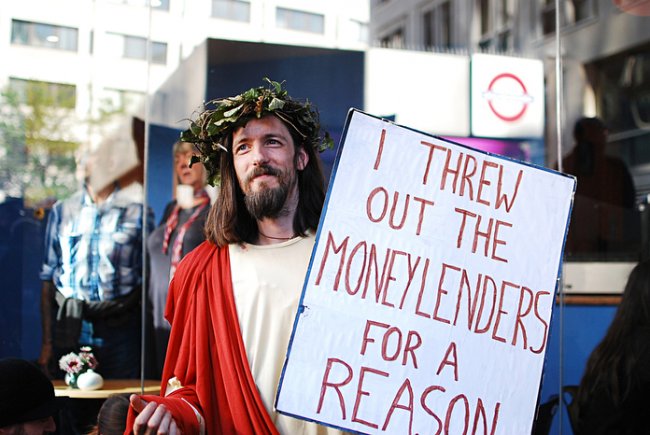
occupy-london-protests

(Political rant warning. But hey, its MY blog, and I am angry…)

I was in a meeting in Argyll fairly recently in which a presentation was made about the likely impact of the bedroom tax (whereby council tenants are lose benefit for under-occupying homes deemed too large for their needs) on the people of Argyll. Two things stick in my mind- firstly the description of the number of people likely to be affected by the bedroom tax, next the number of available one bedroom properties for these folk to move into. The first number exceeded the second one by about 4 to 1.

The next thing that I remember was a Councillor raising a point of order with the chair because of the use of the term ‘bedroom tax’. He rightly pointed out that it is actually called the ‘under occupancy penalty’. You can guess that he was a supporter, but also that he was wasting his breath as the ‘bedroom tax’ label is here to stay.

This and the mess of other largely punitive changes brought in by the Welfare Reform Act 2012 should be a cause of shame on our government. Why are we allowing them to punish parts of society directly impacted by the greed of those who are currently profiting from austerity?

Where are the voices of opposition?

There have been a few raised by the Church, but too few.

Step forward the United Nation’s rapporteur on housing Raquel Rolnik, over here on a visit to examine the impact of our social housing. This is what she said;

In her preliminary report, Rolnik broadened her attack on the bedroom tax first revealed by the Guardian, to other concerns, including the effect of benefit caps and fears that decentralisation of planning laws in Northern Ireland might lead to “increased sectarianism and discrimination”. She warned that housing benefit caps would make moving to the private rented sector increasingly difficult for those on low incomes, and complained that homes were now allowed to stand empty in London and elsewhere because they had been sold to international buyers as financial assets.

The system for helping the poor in Britain had been weakened by “a series of measures over the years, notably by having privileged home-ownership over other forms of tenure”, said Rolnik.

She cited the government’s “help to buy” scheme and failure to replace homes removed from social housing by two decades of tenants’ right to buy their council homes. “It is possible to stimulate the economy and construction industry if you provide more social housing and affordable housing,” Rolnik said, adding that such a recommendation would be made in her final report.

She also warned over increasing stigma being shown toward Gypsies, Travellers and Roma struggling to find accommodation. She had concerns too about provision for refugees and asylum seekers. Rolnik did say Britain had set an example in the way it had renovated old social housing estates and praised its mixed communities and lack of segregation.

From The Guardian

The government is furious- calling (with no small irony) the report ‘scandalous’.  They have since tried hard to attack Rolnik personally, suggesting she comes from a country where millions live in poverty, and somehow implying that her report is rogue and goes further than it ought to have done.

The truth is that when a government has to deal with the United Nations questioning the negative impact of its own policies towards the most needy members of its societies surely it ought to feel shame.

And surely we, the citizens of the country should hold to account that government?

In this age of fractured splintered self interest, perhaps it takes a Brazilian to look into our country and see things the way they are.

What a weekend…

Sitting here rather tired…

On Saturday a day Michaela and I have been rather dreading arrived- Emily, our lovely daughter, was starting University in Stirling. We filled the car with stuff and headed out there to settle her in her new environment. She has a lovely room overlooking greenery and lakes, and has already started making new friends, but at the same time it was rather emotionally exhausting. Emily leaves a very big hole now she is not in the house- she is simply so vibrant and alive and altogether wonderful. I feel a nostalgic photograph coming on…

Michaela and Emily- 2003

Still, her life moves on, as does ours. They day after was our wedding anniversary- 23 years married. We celebrated it with- cricket!

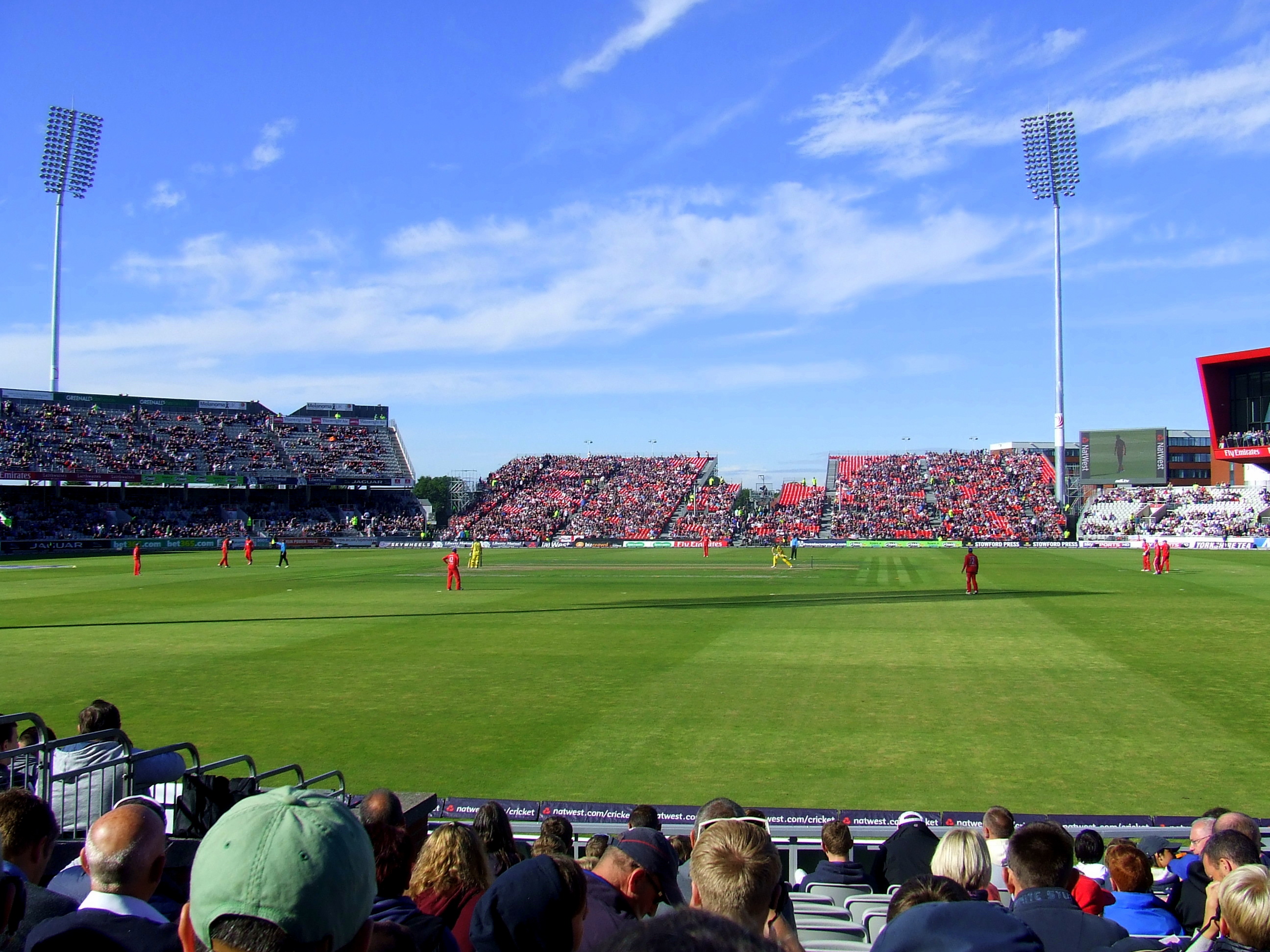
We drove down to Manchester from Stirling (along with William) and stayed in the hotel that is part of the stands at Old Trafford, then attended the second ODI between England and Australia. For the record, England lost, but we had a great day in a great atmosphere. Apparently we were the centre of some crowd shots on the TV- both the Sky footage and the highlights on Channel 5. So photogenic of course; how could they not?

We then haired back up to Scotland and missed the 10.30PM ferry by about 2 minutes- that sickening feeling as you watch it pull away from the pier as you are trapped behind a car doing 25 MPH. This meant waiting at the terminal for the last ferry at midnight.

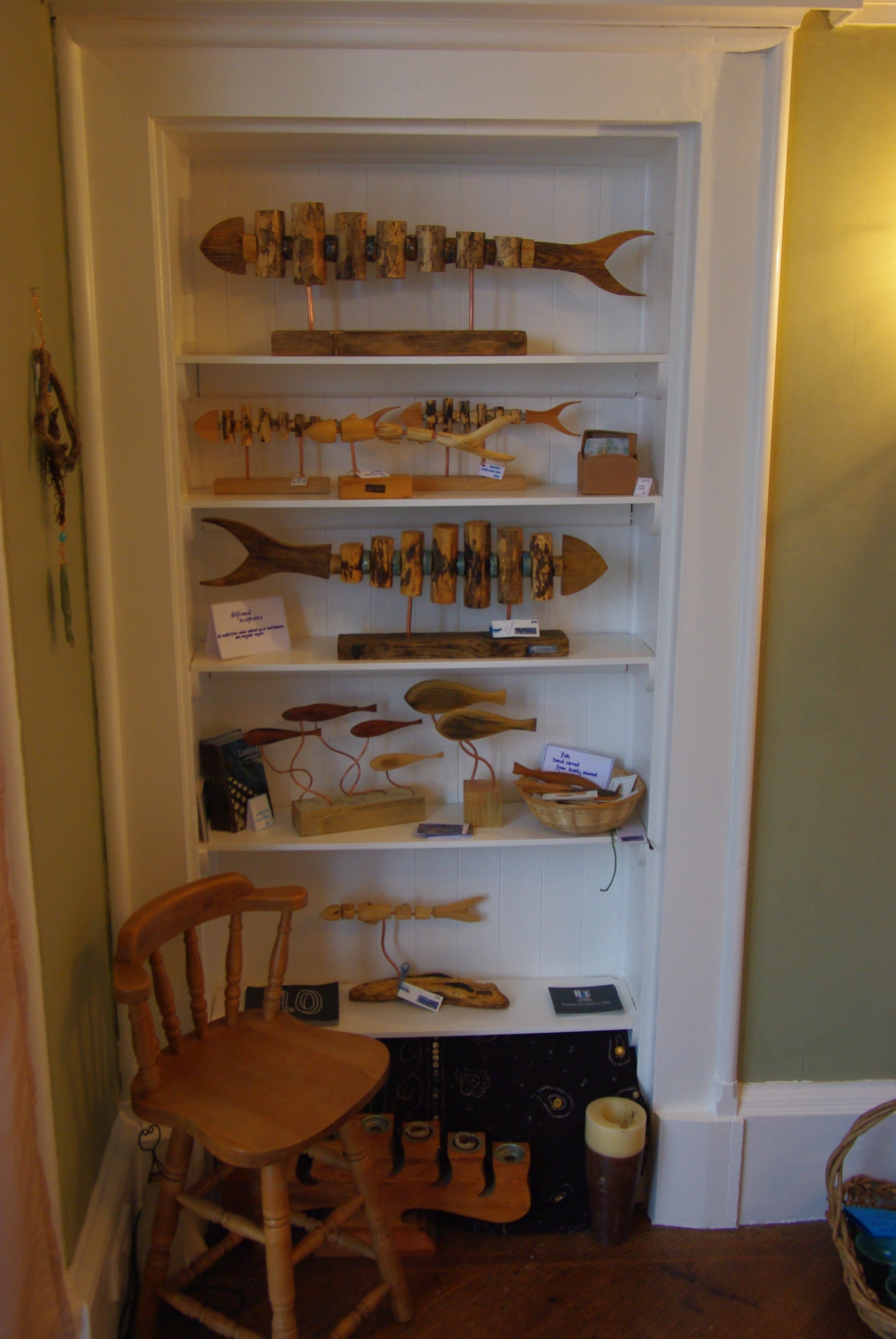
Still, I am not in a hurry to do much this morning. I have some sculptures to complete and some writing to do.

Whilst doing this I will attempt to count my blessings, but they are rather numerous and arithmetic has never been my strongest skill…

By the way, whilst talking about cricket, the season stats for Greenock are on line. Amazingly I am 4th in the batting averages. Which is indicative of a rather poor season! Still, there is always next year, when I think it likely that Williams averages will be much better than mine. It is the order of things, we decline, and our kids increase.

We would have it no other way…

Old trafford, England Australia

Giving hospitality…

sgath an tighe

We have had a house full of (paying) guest over the past week- here for the Cowal Highland Gathering.

Highland Dancers from Newcastle.

A family of highly creative folk from France and London, including a jazz musician, an opera singer and a life model.

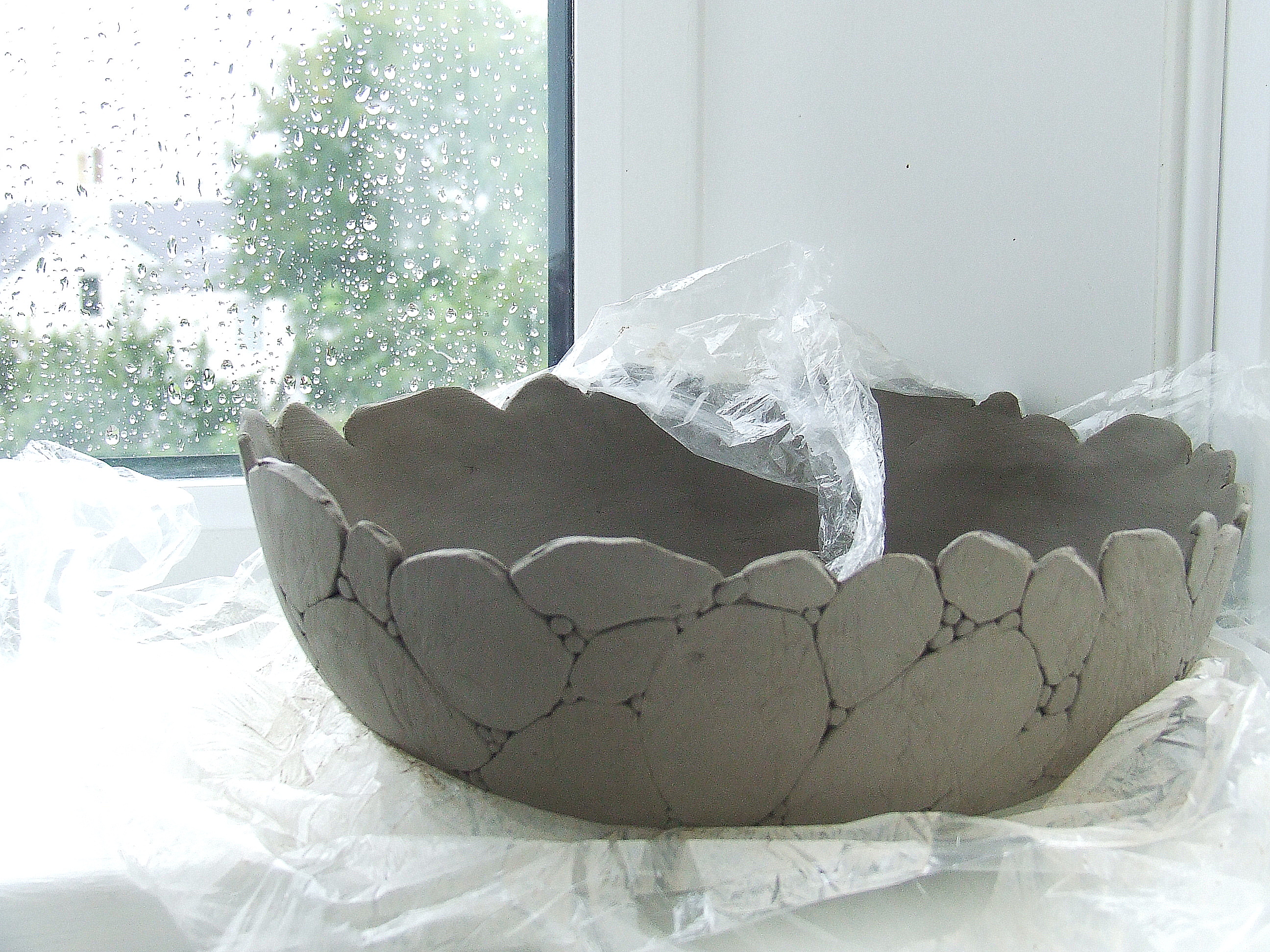
Michaela and I cooked 31 cooked breakfasts (once at 6am!) cleaned constantly, changed bedding every third day, and in the middle had time to do some pottery, some wood carving and bits of socialising. It has been a busy hectic week, but we have both enjoyed it enormously. It helped that our guests were so lovely of course, but just the process of welcoming others into our space with other people is such a simple pleasurable act.

Michaela in particular is really good at those little touches that make people feel that special effort has been made- place mats with hand lettered quotes, suggestions of places to go and things to do, etc etc. Mostly (particularly in the morning) I kept out of the way and worked in the kitchen. On one occasion whilst delivering some toast I was accused of sending it sliding down the table western bar style- with no small amount of elan I thought!

Weekends like this when the house is so full gives hope for the future of our mixed economy way of making a living. It will always be marginal, and Cowal Games comes but once a year, but it kind of fits with who we are.

This week an old friend from Bolton is using the Annex- I have not seen her for 10 years and it will be lovely to catch up with her news.

Our big old house is a demanding old aunt, but at last it feels like she has softened into genial old age…

Come and see for yourselves!

The myth of success, and better ways to use ten thousand hours…

There was an interesting discussion on the radio this morning about the so called ‘Ten thousand hours principle’. We heard a lot about this around the Olympics- leading to a general feeling that success in any given pursuit is related to one main thing- sufficient application. Time spent over and over again practicing, rehearsing, developing skill, muscle memory and endurance.

It is all based on this book;

Outliers

This from the Wikipedia entry;

In Outliers, Gladwell examines the factors that contribute to high levels of success. To support his thesis, he examines the causes of why the majority of Canadian ice hockey players are born in the first few months of the calendar year, how Microsoft co-founder Bill Gatesachieved his extreme wealth, how The Beatles became one of the most successful musical acts in human history, how Joseph Flom built Skadden, Arps, Slate, Meagher & Flom into one of the most successful law firms in the world, how cultural differences play a large part in perceived intelligence and rational decision making, and how two people with exceptional intelligence, Christopher Langan and J. Robert Oppenheimer, end up with such vastly different fortunes. Throughout the publication, Gladwell repeatedly mentions the “10,000-Hour Rule“, claiming that the key to success in any field is, to a large extent, a matter of practicing a specific task for a total of around 10,000 hours.

Makes sense right?

Success is thus democratised. With the right amount of hard work we can all succeed; we can climb the highest mountain, pass the exams, win the recording contract, make our first billion. The American dream has been quantified.

I do not want to squash your ambition; if you are aiming high, may success light your days, fickle though it will surely be- there is after all always another mountain beyond. My issue however is that the whole ten thousand idea is hogwash.

Some of this is about the relationship between application and ability. The nature of the kind of success we value is that it is a rare commodity, achieved by people with extraordinary ability. These people are out on the far edge of the bell curve- gifted with ability to run, climb, reason, sing, dance etc. Sure, in order to scale their own possibilities they need to work hard, make sacrifices etc, but do not pretend that their success was actually available to all, it simply was not.

Next, most of the successes that are quantified in this book are the ones that can be measured in terms of two things- celebrity and money. There is a nod to academic achievement too, but pretty much this is a marginal matter. It is success within a very specific context- democratic market capitalism. In order for our continued buy-in to our zeitgeist, we have to believe that the glittering gifts of our culture are available to us all, without exception.

Happiness and fulfillment- what do we know about them? Do people who succeed have a higher measure of these things, or a lower one that drives them on? Are they satisfied with their success? And where does that leave the rest of us scrabbling in their wake?

I think the answer to this is that success is not closely associated with happiness. This comes from a gentler kind of human being-ness, better understand as living in harmony and connection with each other. It is more about commonality than ascendancy- and a far better use for our ten thousand hours.

It might also be that even though most of us are ‘ordinary’ in the reach of our achievements, the value of what we are has nothing to do with celebrity or bank balance. There is such beauty in small things, in moments of grace, in every day loving.

Greenbelt 2013…

0021963_ab

Will and I are just back from GB 13- the 40th year anniversary of the first festival, back in 1973. We had a lovely time. I spent time with some old friends and as ever immersed myself in new music and ideas.

I did not take a camera this year- we were on the train as far as Preston and so took a minimalist approach (the photos here are all pinched from the GB website.) However, I thought I would pick a couple of highlights from each day;

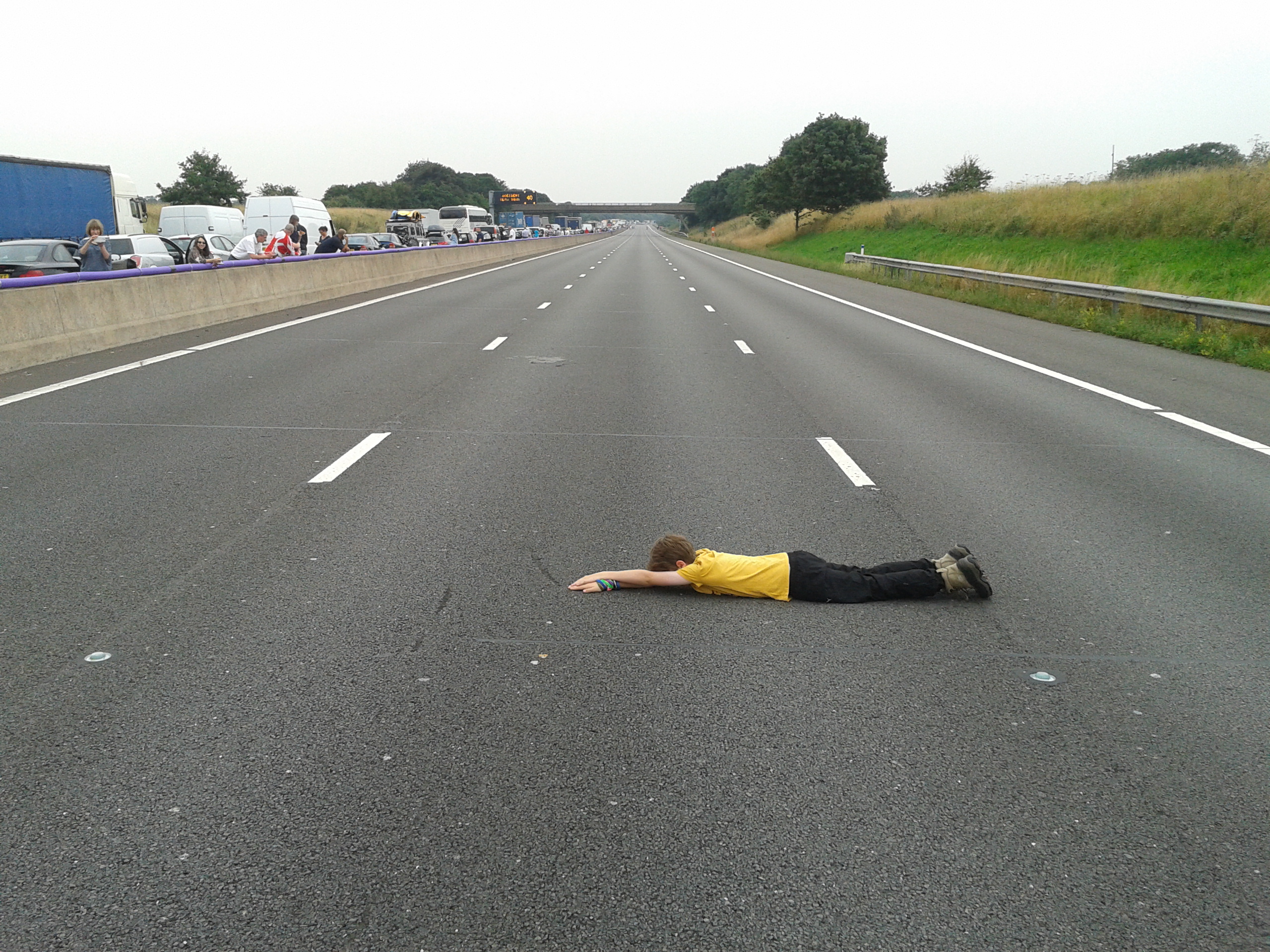
On Thursday Will and I were picked up at Preston station by Andy and Hannah, and set off down the M6 into bank holiday traffic. The inevitable happened- and accident closed the motorway in both ways and so we all got out of our cars and had a chat to one another. In fact, Will and I went over onto the empty opposite carriageway and had a game of cricket. That evening we really enjoyed Eliza Cathy and Jim Moray.

Saturday, rather amazingly belonged to Graham Kendrick. Firstly he did a worship set- all the old favourites, including the dreaded ‘Shine Jesus Shine’. Kendrick was charming, in a geeky slightly fey kind of way. We even had a ‘give God a round of applause’ moment. Hands were waved and (please do not judge me) I cried.

I think I cried for what I was, what I loved, what has gone, but was (despite all the foolish edges) still beautiful. Music does that to you.

Later Kendrick did an acoustic set of his folk songs- the things I listened to back in the early 80s when you were listening to the Clash and the Sex Pistols.

The other highlight for me was Dave Andrews– telling stories of a life of community activism- trying to live a life motivated towards the poor.

Sunday highlights would be; Jim Wallis, another man living a life of protest against those in power. I also enjoyed John Bell’s talk about the operation of power. Musically, the Moulettes were simply stunning- unusual, quirky, gorgeous music, including the use of a Bassoon.

I really enjoyed the wall of noise that was Black Rebel Motorcycle Club too…

0022344_ab

Monday morning saw Will and I listening to Pete Rollins, weaving stories, jokes, theology and philosophy together. He is very entertaining, and some of his points hit home. There is a knowingness about Rollins that has an elitist edge however which I do not warm to. He seems to be at his most creative out beyond the edge, looking at us all with a sardonic grin. It is an approach that excludes and intimidates me a little.

Finally, I might as well mention the Greenbelt institution that is Martin Joseph. Songs that are mixed out of fragile emotion. Each one teeters and might fall on each note, but in spite (or because) of this it all soars heavenward.

0021484_ab

Off to Greenbelt…

Mud greenbelt 2012

(Hope we do not get a repeat of last years conditions!)

Will and I are going down to Greenbelt Festival on our own this year- Michaela and Emily are simply too busy with other things. In fact, it was a late call to decide to go down, partly because Will was desperate to go, and also because I get the chance to meet up with some old friends. Oh- and my mate Andy had some spare tickets!

This year we are going as punters- no responsibilities, no installations to set up/services to lead. I have strangely mixed feelings about this however. Greenbelt has provided for me a sense of loose ‘belonging’ to a wider ‘church’, and I am not sure that it will be quite the same experience without actually contributing something to the festival. It will certainly be a lot less stressful however!

I watched a DVD last night called Greenbelt/40, the journey so far. It was full of the music of my youth- trips to the festival in the early 80s. It was a slightly surreal experience- like watching your life pass away into the distance. It did leave me wanting to look forward, not backwards however….

May there be sunshine, good conversation, great music and new ideas…

TV comes to Ardentinny…

p1090822-1


Some of my friends were on TV the other day- Beechgrove Garden came to Ardentinny to work on the lovely walled garden project. You can watch it all unfold on the i player, here.

We lived in Ardentinny when we first came to Scotland- a beautiful little village surrounded by lochs and mountains.

Here is the story on the Ardentinny website (where the picture above was borrowed from.)

God’s awkward squad; dissenting and the life of the Spirit…

History is littered with awkward difficult people who refused to conform. Their lives are often surrounded by conflict, particularly when their convictions confront the people in power. Think of all those Old Testament prophets.

What fuels this kind of dissent? It is often painted (by the after-the-event supporters of the dissenters at least) as a matter of conviction colliding with circumstance. I wonder however whether dissenters also are gifted/cursed with a particular kind of personality- a skew towards a simplistic world view, an arrogance even.

We can all think of people like this- they tend to be difficult to be around. Others shrink from the force of their opinion in groups, or retreat wounded from their harsh words and deeds. People I know who fit this category have often been an almost destructive force in the workplaces and groups I have been part of. They can often be far more focused on ‘the task’ than those whose task it is.

But, these people, for good and ill, are often those who we remember. They make milestones in our personal histories, and also in the history of mankind…

250px-John_Lilburne

I came across one such man recently when I was doing some reading about those dark times of the reformation (see this post on the Covenanters for example.) I say ‘dark’ because despite the tradition I come from celebrating this as a kind of glorious outpouring of freedom and enlightenment, it often took place in the context of much pain, bloodshed and heartbreak. The question I find myself asking over and over again is whether we can regard something as ‘good’ when so much evil is done in the name of Jesus. Can the ends ever justify the means?

I offer you this story by way of example (If you want to know more of the historical context that he lived in check out the aforementioned post);

John Lilburne aka ‘Freeborn John,’ 1614 – 29 August 1657

John was from a line of dissenters. His father was the last man in England to demand to be allowed to settle a legal dispute via trial by combat. By the 1630’s John was apprenticed to radical opponents of the religious times and already forced to flee to Holland because of his involvement in radical pamphlets.

He was a man whose bravery verged on lunacy. Whilst being whipped, pillaried and imprisoned, he continued unabated in writing, arguing and protesting what he called his ‘Freeborn rights‘. His writings about these were so powerful that he is credited by being a major influence on the fifth amendment of the American Constitution.

The English Civil War saw John become a soldier, rising to the rank of Colonel, a fiend of Oliver Cromwell. However, dissenters do not do well in terms of military discipline and he fell out with his superiors, and then, in April 1645, He resigned from the Army, because he refused to sign the Presbyterian Solemn League and Covenant, on the grounds that the covenant deprived those who might swear it of freedom of religion. In a time of religious extremism, John argued that he had been fighting for this Liberty among others, and would have no part of it.

Alongside such principled stands, John continued falling out with everyone around him- fighting vindictive public spats against former friends and allies.

He then redoubled his efforts to campaign for the freeborn rights of men. His views grew out of the radical movement known as ‘the Levellers‘, but John was more of a leaver than a joiner, so he refused to describe himself in this way.  He spent time in and out of prison, not just for his radical views, but also for his pursuit of former colleagues who he continued to attack in print.

And this became John’s life- fighting enemies to the left and right, raising high moral causes, in and out of jail, in and out of exile.

John began life as a Puritan, but ended it a Quaker. After all that violence, he had done with fighting, and came under the influence of a man of peace.

One epitaph written after his death was this one;

Is John departed, and is Lilburne gone!

Farewell to Lilburne, and farewell to John…

But lay John here, lay Lilburne here about,

For if they ever meet they will fall out.

Was this a great life? Certainly John did some great things but he seemed to be cast in the role of a stone-in-shoe for most of his life.

I am left pondering still the power of passion, faith and ideas, mediated through the mess that is humanity.

Thank God for dissenters.

And God save us from dissenters.

The measure of followers of Jesus, despite the context we are in, has to be the example that he set. He too was a dissenter, a table over-turner, a man who made no compromises to unjust ways of being.

But he was also a man who subordinated all things to love.