Ways of reading the Bible…

Some time ago, I posted some questions about how we understand and encounter the Bible. Someone asked me to post some answers to my questions, so I had a go at this here.

It has been quite a journey for me over the last few years- trying to come to terms with a faith that I no longer had faith in, and then discovering along the way that I was not alone, and that there were different ways to approach an understanding of God, and in particular, different ways to approach our primary source material on the life of faith- the Bible.

This process has been painful, and at times I have wondered whether my faith will survive. But the outcome has been one of renewal. The Spirit of God was once again stirring the waters…

The process of change has involved a period deconstruction- a doubting and shaking loose things that had previously seemed unassailable and absolute. This is the painful bit- when everything seems to go into freefall.

The ’emerging church conversation’- carried out largely through blogs and websites- seemed to me to be comfortable with unanswered questions. In fact after every truth and every tenet, we added a question mark.

But then there comes a time when something new starts to emerge and it is time to construct again. It feels to me that this is where we currently stand. We do not need bombastic pronunciations or new religious structures- rather it feels that our heads have come out of the clouds, and we can see further.

Along the way, I have found Brian McLaren’s writing to be a life giving. I know others have a different experience- for some his style can drag, for others his aim is too low brow, as the are more used to the theological arguments than I am- but he has taken me places that I had not dared to go alone.
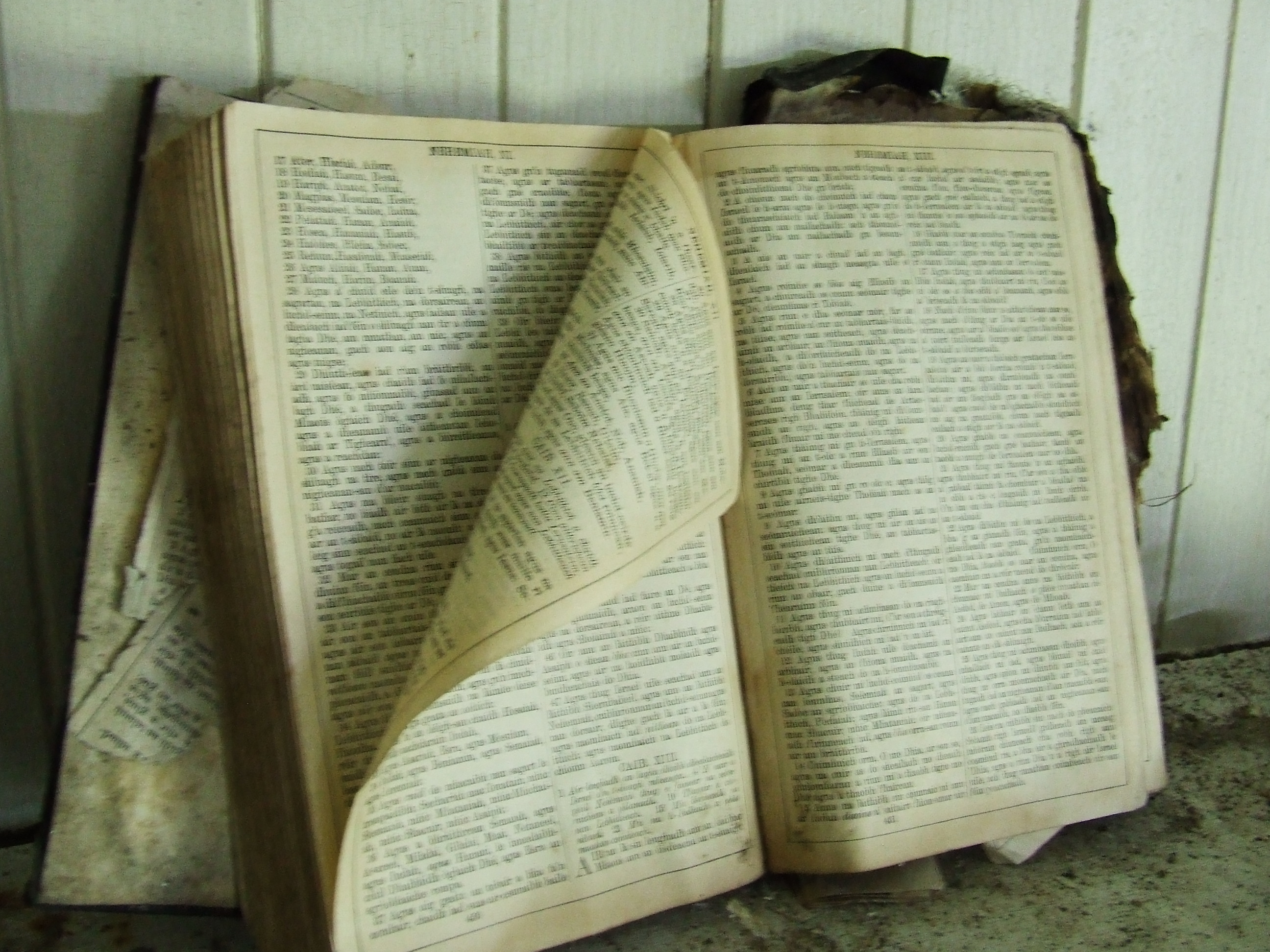
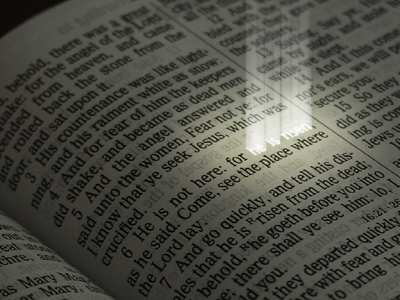
(Photo taken in a semi-ruined abandoned croft house on the island of Bernera, off Lewis, Western isles. A family bible left open above an empty fire place…)

In reading his new book (slowly and in small chunks) I came across a study guide he had written, which focussed on different ways of reading scripture, and found it so helpful that I wanted to give it a plug.

You can download it here.

But here are a few highlights-

We have been shaken loose from our previous ways of reading the Bible- the ‘modern’ way- which seemed to be all about using the text as a blueprint so that we can categorise and systematise faith. McLaren compares this to the ways that the Americans use their constitution- where each word is given equal legal weight, and is enforceable in a way divorced from emotion or wider ethical considerations.

But having shaken loose- what other ways of reading the Bible are left?

McLaren lists 14 possible ways of encountering Scripture-

  1. Narrative reading- where we get into the story, the context and history from which the words emerge from.

  2. Converstional reading- where we engage with the different conversations across the generations embraced in the Bible- for example Jesus with the religious powers of his day, the Priests and the Prophets, the Jews and the Gentiles.

  3. Missional reading- in which we ask we ask, in each passage of Scripture, how is God extending God’s overarching mission of blessing all nations through a called and commissioned community of people.

  4. Political/Economic reading- the skew of God’s attention towards those who suffer injustice at the hands of earthly empire involving money, sexuality, power, violence, and law.

  5. Rhetorical reading- in which we look for what the text it trying to do, rather than just what it is saying.

  6. Literal reading- “…when readers of the Bible develop sensitivity to the ways poets, protesters, storytellers, activists, priests and mystics use language, the Bible is liberated from its constitutional captivity to be the wild, inspired, and impassioned collection of literary artifacts that it is.” McLaren suggests that people who say they are taking the words literally often are doing the very opposite- approaching the test through a very narrow hermeneutic.

  7. Close reading- better readings of scripture will fit in with the small details of the narrative- the bits that we easily miss that the writer chose to include in the text, which is rich in culture and traditions that we easily miss.

  8. Communal reading- the Bible is complex and hard, and the only way we can really engage with it is through the broader community- firstly in terms of “the community of the dead” where we listen respectfully to how previous generations have understood scripture, whilst understanding their skew towards a western, wealthy, white, male perspective. Secondly we look for the voices of minorities- those who have been forced to the margins. It is not ONE perspective, but rather both/and.

  9. Recursive reading- understanding of the Bible, and emphases within it change, ebb and flow across generations, and within lifetimes. This might be one of the ways that the Holy Spirit brings renewal.

  10. Ethical reading- text applied without ethics have allowed our faith to justify slavery, genocide, anti-Semitism, oppression of women and gay people- therefore we have to accept that interpretation is a MORAL ACT, so we should test an interpretation by reason and scholarship,using our rational intelligence, and a sense of justice and ethics. How might I treat people if I follow this interpretation? Whom might I harm? What unintended socialconsequences can we predict if this interpretation is widely embraced? Could people be vilified, harmed, or even killed because of this interpretation? McLaren points to those in Scripture who have wrestled with God in the face of his seeming injustice… Job, Moses, Abraham.

  11. Personal reading- “the reader is himself or herself in the predicament the text addresses. So faithful readings are habitually humble, expectant, open, and hungry and thirsty to encounter the Living God. Even the “professional” reader and teacher of the Bible must remain forever an “amateur” too …”

  12. Mystical reading- we must “…develop the habit of mystical openness, receptivity not only to understanding from the text but to enlightenment from the Holy Spirit, not only to interpretation but to revelation, not only to intelligent engagement with the text but also to personal abduction by its message.”

.
Finally McLaren points to one further reading, and makes clear that he believes this one to be the most controversial of his readings.

It is the one that might make people worry about the undermining of Biblical authority

Christo-focal reading

McLaren proposes that we no longer approach the Bible as a collection of words of equal weight- but rather that we approach all other words through those of Jesus.

He suggests we need to leave behind three old ways of reading the Bible that have perhaps dominated-

  1. Flat reading- where we see all Jesus’ life and words pressed down and flattened to the same level as those of Abraham, Moses,David, Isaiah, Paul, and Jude. This results in the raising of the Bible above Christ- which is a kind of idolatry. For example, it might be biblical to commit genocide by quoting Deuteronomy 7, but one could never claim it is Christ-like.
  2. Descending reading- where we start with an ideal state in Genesis, and then it all goes wrong, leading to a time when God is going to destroy everything, and Jesus is but a lifeboat for a few. Or the other decent comes from the fall too- “the problem is sin and the solution is law-keeping, with sacrifice-making as a back-up plan. The rest of the story descends from this high point, so that the life and ministry of Jesus have value to the degree that they solve the problem.”
  3. Ascending reading- “Moses’ teaching was good, David’s perspectives were better, Isaiah rosehigher still, John the Baptist ascended even higher, and Jesus was really wonderful andunique, but the crowning revelation comes with Paul and his writings.”

What McLaren proposes is something more radical- “When Jesus is the focal point of the story, he is the climax, the hero, the summit, the surprise, the shock, the revelation that gives all that precedes and all that follows profound and ultimate meaning. If we follow this approach, we’ll speak less about the Bible as the supreme Word of God and more about Jesus as the supreme Word of God. We’ll let the person of Jesus –including and integrating his birth, life, teachings, miracles, death, resurrection, abiding presence, and ongoing mission through the Holy Spirit – become the light in which all interpretations are evaluated, the key in which all interpretations are played, the leader behind which all interpretations arrange themselves as followers, and the meaning in which all interpretations have meaning.”

If we start to apply these ways of reading the Bible, how might our understandings change?

This my friends, is our work-in-progress…

Some music on Monday 2- Insane Clown Posse…

(In total contrast to my previous post!)

Did any of you read this story in the weekend Guardian a couple of weeks ago? Bizarre was the first word to come to mind…

It concerns the recent decision by the Insane Clown Posse to come out as ‘Christians’-

Foul mouthed, misogynist, violent and aggressive Christians perhaps- but apparently this image was really all an act to get on the wavelength of their audience, so they can hit them with the ‘message’.

If you are not familiar with ICP (and I confess they are not on my MP3 player) here is a sample of their new Christian output-

(Warning! Sweary words abound…)

The Guardian article reveals the two members of ICP as somewhat troubled and confused, so I am not going to have a go. I hope they find something of meaning in spite of all the baggage they seem to be carrying with them.

What is interesting is the clash of cultural world views.

On the one hand, you have gangsta rap, celebrating the stabbing of whores, violent threats and the carrying of weapons.

On the other hand you have conservative Christianity, with it’s distrust of science, and it’s desire to find evidence for God in nature.

All wrapped up in a shallow manipulative image- behind which real people have lost themselves.


Some music on Monday 1- memories…

I heard a song on a late night BBC three programme recently, and it was instantly familiar- although I had not associated it with Jackson Brown.

I remembered that I had played and sung it with an old friend Sue around 10-15 years ago. Sue still lives in Lancashire, and recently gave birth to her second child (congratulations Sue!)

The song takes me back to a happy time- friendship, a small house full of laughter and music, and the birth of our own first small dancer.

It also reminds me of my friend Neil, who took his own life.

I discovered that the song that reminded me of this time was written after Jackson Brown’s wife had committed suicide.

So it is a bitter sweet memory.

The power of music to bring us to this is a power indeed…

Keep a fire burning in your eye
Pay attention to the open sky
You never know what will be coming down
I don’t remember losing track of you
You were always dancing in and out of view
I must have thought you’d always be around
Always keeping things real by playing the clown
Now you’re nowhere to be found

I don’t know what happens when people die
Can’t seem to grasp it as hard as I try
It’s like a song I can hear playing right in my ear
That I can’t sing
I can’t help listening
And I can’t help feeling stupid standing ’round
Crying as they ease you down
‘Cause I know that you’d rather we were dancing
Dancing our sorrow away
(Right on dancing)
No matter what fate chooses to play
(There’s nothing you can do about it anyway)

Just do the steps that you’ve been shown
By everyone you’ve ever known
Until the dance becomes your very own
No matter how close to yours
Another’s steps have grown
In the end there is one dance you’ll do alone

Keep a fire for the human race
Let your prayers go drifting into space
You never know what will be coming down
Perhaps a better world is drawing near
And just as easily it could all disappear
Along with whatever meaning you might have found
Don’t let the uncertainty turn you around
(The world keeps turning around and around)
Go on and make a joyful sound

Into a dancer you have grown
From a seed somebody else has thrown
Go on ahead and throw some seeds of your own
And somewhere between the time you arrive
And the time you go
May lie a reason you were alive
But you’ll never know


Sun shining on water…

What a lovely day. It was a time for Sabbath, after a particularly busy few weeks…

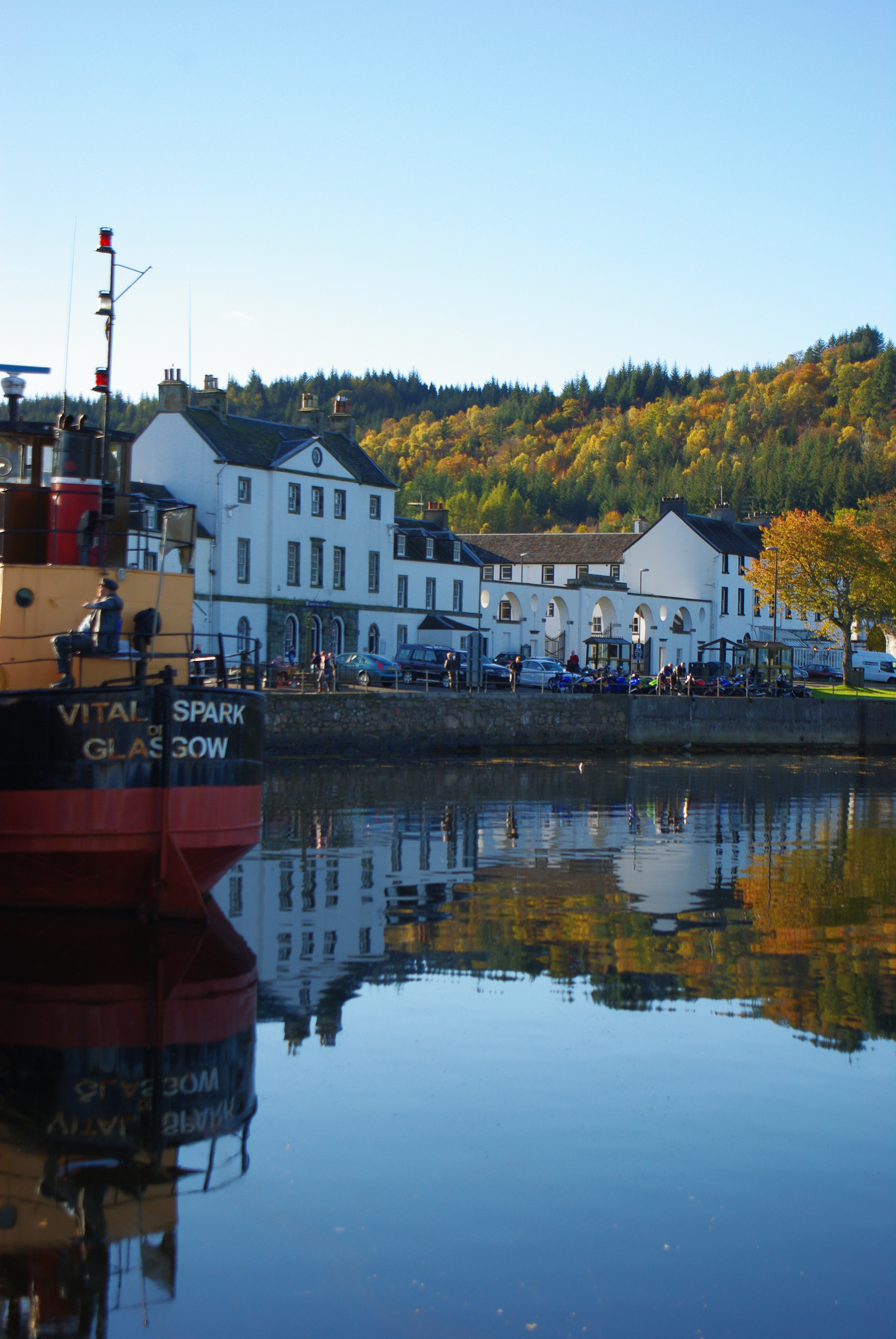
Ice in the morning- then a glorious autumn day, with calm waters holding the reflection of the trees and mountains.

We drove to Inveraray to meet some old friends, Mark and Joy who are holidaying in Oban. It was great to see them again. Mark and I used to lead a music team at a church in England, and Joy has the most lovely pure singing voice. We had lunch in the George Inn, and then ate an unseasonal ice cream.

And sat at the waters edge, enjoying Scotland in the sunshine…

Before going home at sunset, deeply grateful…


Silence…

Vodpod videos no longer available.

1st collector for Silence…
Follow my videos on vodpod

I have just watched this programme on the i player. I have been looking forward to it for some time, as our friend Maggie, who is a retreat director at St Beuno’s abbey in North Wales, had mentioned that some of the programme was filmed there.

It did not disappoint.

The format of the programme is simple- take a fairly random assortment of people and soak them in silence, led by Catholic monks who are able to guide them on the journey. It is reality TV that seems very real. Then end is not to make people Christian- rather to allow them to encounter themselves, and in doing so, to encounter God.

Here are a few things that hit me as I watched the programme-

Silence is a gateway to the soul, and the soul is the gateway to God.

Yet I find silence hard. For most of us, life is a process of constantly seeking distraction from- life.

It is a lifetimes work to find the silence that allows us to hear the voice of God.

Ah, well perhaps there is hope for me yet. How ever much life I have left…

Both the purpose and the means of the process is- purity of heart.

I know my heart a little- and it is not pure.

My spiritual encounters in the past have tended to revolve around repeatedly saying sorry for things that I know I will do again. As I became older, the pervasive guilt I felt as a young man trying to be Christian has ebbed away- which is good- but perhaps this might also mean that I am more comfortable with my impurity.

If you have not got a pure heart, you can not see God.

Is this true? How pure does it have to be? Or is it just something to do with desiring purity, and genuinely seeking to deal with all the things that get in the way?

The God of Surprises is going to give you some wonderful surprises.

I hope that this is true for these folk in the programme.

And I hope it is true for me, and you.

Because life without the surprise of God is half life, or no life.


Terrorism and Muslims…

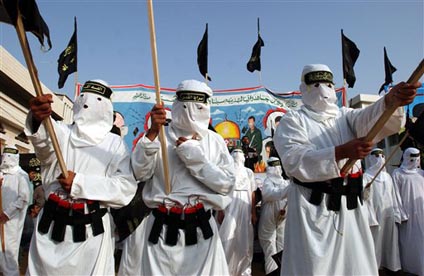
Two words that are often used together in the press and perhaps in our consciousness.

We tend to be of the view that whilst not all Muslims are terrorists, most terrorists are Muslims.

Until you look at the evidence that is.

Brian McLaren posted a link to this information on loonwatch.com-

In my previous article entitled “All Terrorists are Muslims…Except the 94% that Aren’t”, I used official FBI records to show that only 6% of terrorist attacks on U.S. soil from 1980 to 2005 were carried out by Islamic extremists.  The remaining 94% were from other groups (42% from Latinos, 24% from extreme left wing groups, 7% from extremist Jews, 5% from communists, and 16% from all other groups.)

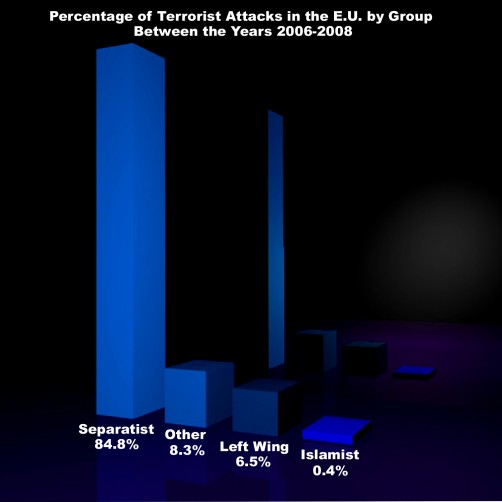
In Europe, data from 2007-2009 showed similar patterns-

The results are stark, and prove decisively that not all terrorists are Muslims.  In fact, a whopping 99.6% of terrorist attacks in Europe were by non-Muslim groups; a good 84.8% of attacks were from separatist groups completely unrelated to Islam.  Leftist groups accounted for over sixteen times as much terrorism as radical Islamic groups.  Only a measly 0.4% of terrorist attacks from 2007 to 2009 could be attributed to extremist Muslims.

Forgive me if I come over all ranty- but I think we need to know this.

We need to consider this in relation to the foreign policies pursued on our behalf by our governments.

And we need to seek understanding with those whose faith is different to ours, not demonise and misconstrue.

And where violence and terror is being propagated in the the name of God, we should perhaps also understand that God has been used as an idolatrous way of achieving power before, and he will be again.

And that violence repaid with violence leads only to more… violence.

Green…

I force my way into the wet wood

Kicking my way through

The tangle of moss covered branches

And the hungry ground sucks at me

Wanting to wrap me in all shades of aggressive green

And from my feet upwards

I am mulched


It could swallow me whole

And I would need no grave


Still, birch bark makes a fine memorial

And the ragged hanging lichens

Will flutter their prayers

Above me


Gunpowder, Empire and old industry…

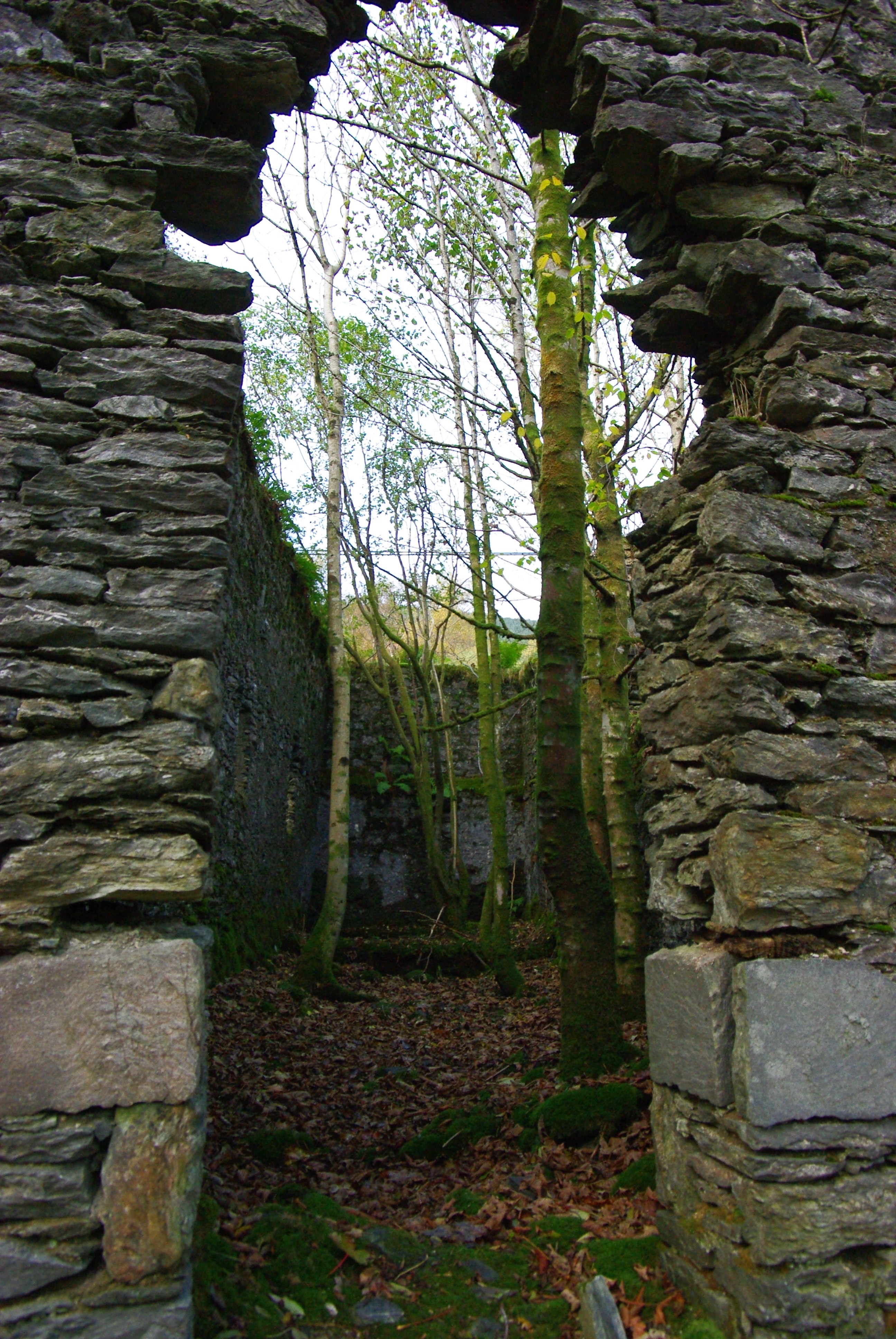
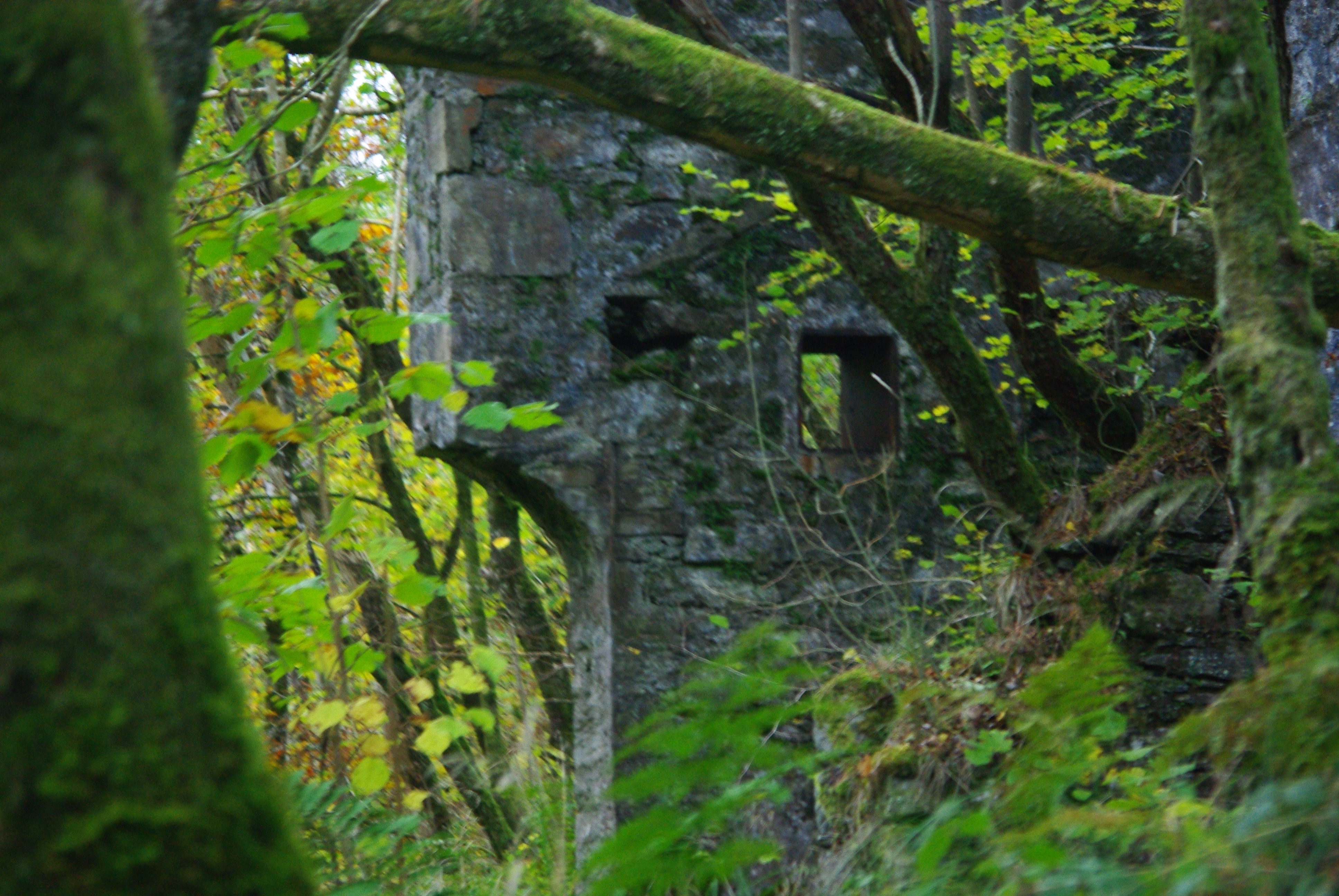
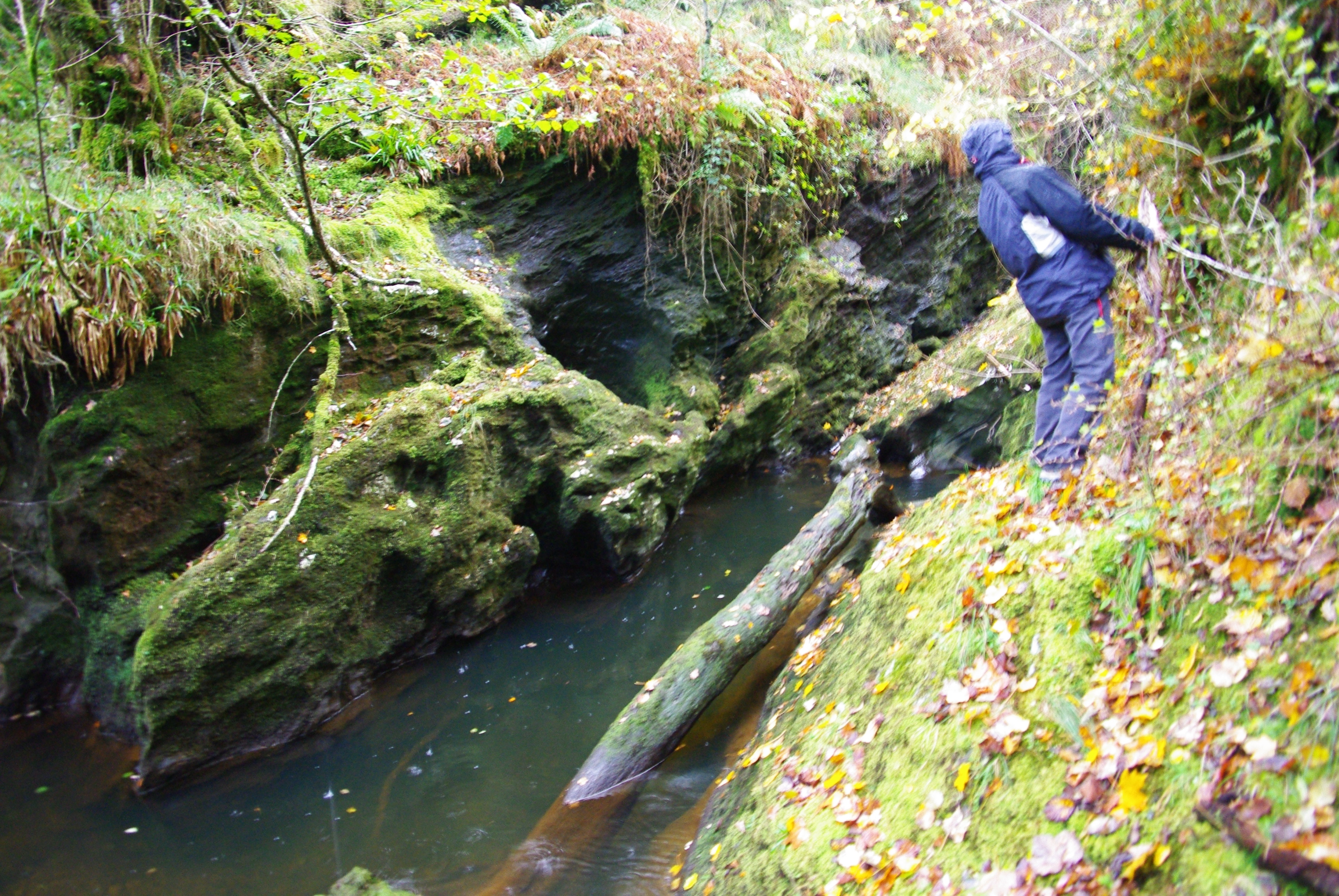
I took a walk out into the woods with my friend Simon this afternoon. I had been wanting to explore an old overgrown collection of buildings out along Glen Lean for a while. The last time we tried, the heavens opened, but today the sun was shining- until we got there that is, but this time we decided that a little rain should not put us off.

The old buildings were part of the former Argyll Gunpowder works, which operated over 4 sites in the county from around 1840 to 1903.

There is very little information about the Glen Lean site on the web- apart from this entry on Secret Scotland. There is however a good article by Kennedy McConnell summarising the history of one of the other locations where gunpowder was manufactured in this area (near Tighnabruaich on the other side of the peninsular) here.

It tells of a time when Argyll was famous for its manufacture of fine quality gunpowder, which was exported all over the world.

Powder used to blast and shoot our way towards the creation of an Empire.

Here is a quote from McConnell’s article-

The conversion of the raw materials from Kames into gunpowder at Millhouse required ten separate processing stages, each accommodated in a specially constructed building known as a “house”. A detailed description of these processes is outwith the scope of this article, but the names used to identify the various houses were Mixing, Charging, Breaking-down, Pressing, Corning, Dusting, Glazing, Stoving, Heading-up and Packing, These processing houses were widely dispersed throughout the grounds to minimise the risk of an explosion spreading from one building to another. Trees were planted in the intervening spaces for the same reason. Horse drawn bogeys were used to convey the goods around the works, and these ran on a small gauge railway system. The production machinery was driven by water power.

It was a dangerous business. He lists a whole series of accidents and explosions in which as many as nine people died. I think we can assume a similar history in Glen Lean.

The location of these mills was no doubt chosen at least in part because of their remoteness, as well as the availability of water power and raw materials. Whole communities developed that were dependent on the mills for work, and were decimated when we found more efficient ways of blowing each other to kingdom come, and so closed the mills one after the other.

I suppose you could say that this area has continued the tradition of providing the means of causing very large explosions. The Faslane naval base, location of the nuclear submarines, is just across the water from here.

Walking round the old buildings today was a walk through our military-industrial history. They are being swallowed by the encroaching trees, like an Aztec temple in the rain forest.

There has been no attempt locally to make this part of our history known. No footpaths into the site- you will need some serious footwear to get anywhere near it- and certainly no interpretive history boards.

Soon it will all fall into the river below.

The whole thing seems to be to be a poignant visual analogy of Empire. Our former means of producing arms and ammunition have mouldered away. Obscured and forgotten in a forest of new trees.

And much of what we were, I am glad to leave behind.

And yet there is something still that pulls at me with pangs of regret. Memories of a something precious that we might also have lost. A simpler, more idealistic time, where all things seemed possible.

Or perhaps these are constructed memories, projected onto these old walls.

Old ruins like this tend to foster this kind of thinking.

Praxis…

Praxis is the process by which a theory, lesson, or skill is enacted or practiced, embodied and/or realized.

You could say that it is all about getting your hands dirty.

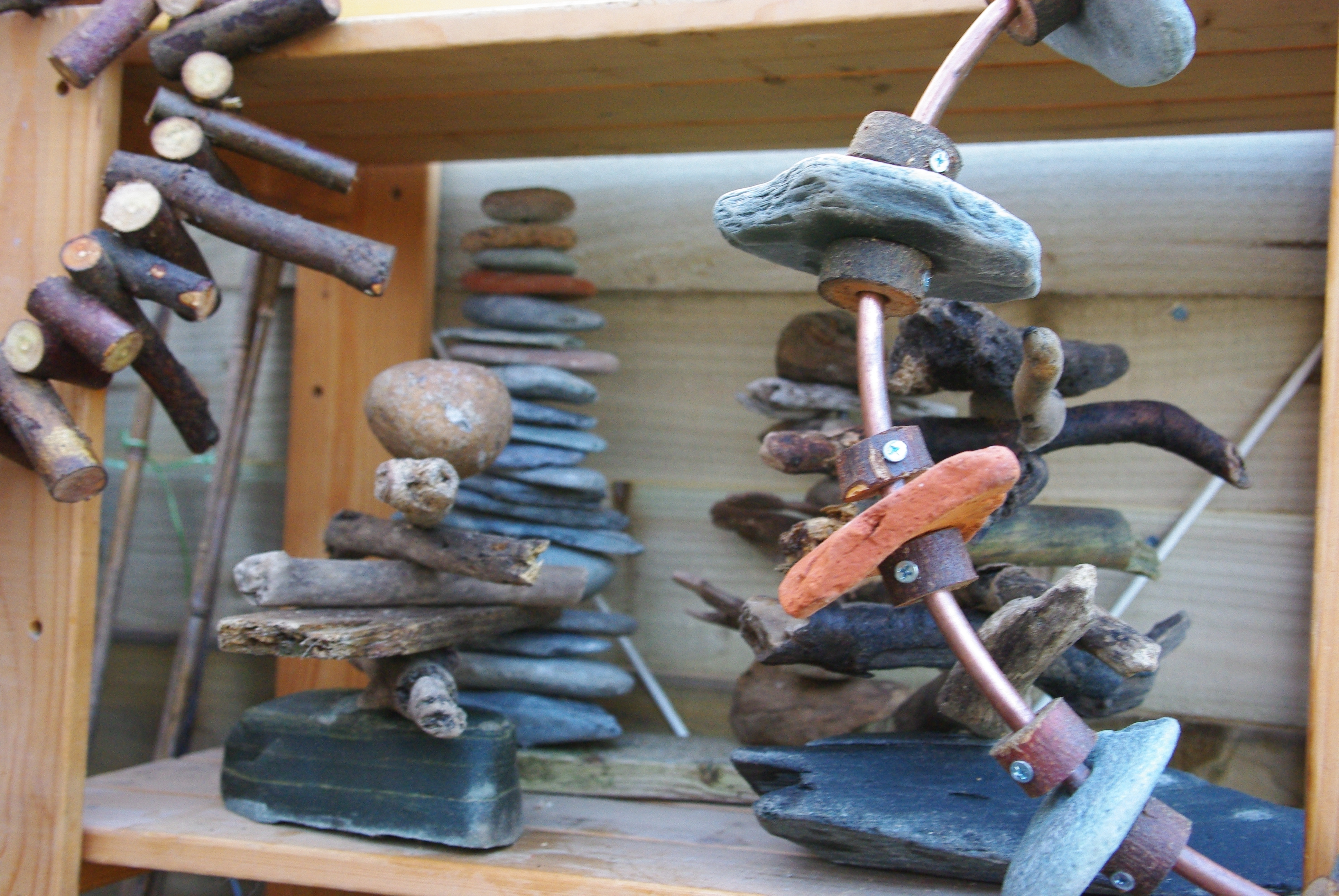
I am on leave from my day job, so spent today day in my shed, making things.

And it was great- sawdust in my hair and things taking shape on a workbench.

I have come to love creating things out of bits of rubbish- driftwood, fallen branches, old rope. A lot of what I do is cerebral- it happens in an office and has little physical end product.

There is a point to this activity though- we have an embryonic craft co-operative, and my contribution is to be photographs and some sculptures made from ‘found’ objects.

So far I have enjoyed the making, but I have not got round to actually selling anything!


Eschatology and the Book of Revelation…

I have been dipping my clumsy toe back into some murky theological water…

I have written before of my encounters with End Times theology- those folk who believe that the world is about to come to an end.

Otherwise known as eschatology.

For some of you this will conjure up a rather ridiculous picture of some bloke with a sandwich board…

But religious ideas have the power to shape the world, for good and for ill.

The dominance of a particular interpretation of the apocalyptic writing contained in the Bible on American politics is difficult to understand from this side of the Atlantic. It is part of a package of belief that has become part of a middle American world view.

One of the individuals who first put apocalypticism on the bestseller lists in the United States was a charismatic preacher named Hal Lindsey. His book, The Late Great Planet Earth, was published in 1970 and has sold over 35 million copies to date. Ronald Reagan was so influenced by Lindsey’s book, that he wanted his military leaders to fully understand its significance. With Reagan’s blessing, Lindsey was invited to brief the Pentagon on the “divine implications” of their hostilities with the Soviet Union.

Since then, Tim la Haye’s ‘Left behind’ series of novels from 1998 have also had enormous influence, popularising and sensationalising the basic ideas. A 2002 Time/CNN poll found that 59 percent of Americans believe that the prophecies found in the Book of Revelation are going to come true. Nearly one-quarter think the Bible predicted the 9/11 attacks.

This from here

Tune in to any of America’s 2,000 Christian radio stations or 250 Christian TV stations and you’re likely to get a heady dose of dispensationalism, an End-Time doctrine invented in the 19th century by the Irish-Anglo theologian John Nelson Darby. Dispensationalists espouse a “literal” interpretation of the Bible that offers a detailed chronology of the impending end of the world. (Many mainstream theologians dispute that literality, arguing that Darby misinterprets and distorts biblical passages.) Believers link that chronology to current events — four hurricanes hitting Florida, gay marriages in San Francisco, the 9/11 attacks — as proof that the world is spinning out of control and that we are what dispensationalist writer Hal Lindsey calls “the terminal generation.” The social and environmental crises of our times, dispensationalists say, are portents of the Rapture, when born-again Christians, living and dead, will be taken up into heaven.

The most powerful nation on earth has at it’s core an idea that the world is coming to an end soon. Does that worry you?

It is a view that makes looking after our environment pointless. It will all be gone soon.

It is a view that tends to go hand in hand with Christian Zionism– and so to justify military and economic support to Israel, and to encourage crusading interventions in the middle east, with a view to somehow hasten the second coming. Check out articles like this one on Rapture watch.

It may seem mad to you- but for many in the USA, this way of understanding our future is accepted as an unassailable tenet of their faith.

I grew up in an Evangelical Christian world where people had their own version of this belief, more or less. But at the risk of stating the obvious, this is simply not the only way to understand what the Bible says.

If you are interested, some of the main arguments are rehearsed quite well in this video-

Vodpod videos no longer available.