‘Woke’ history, or restorative justice?

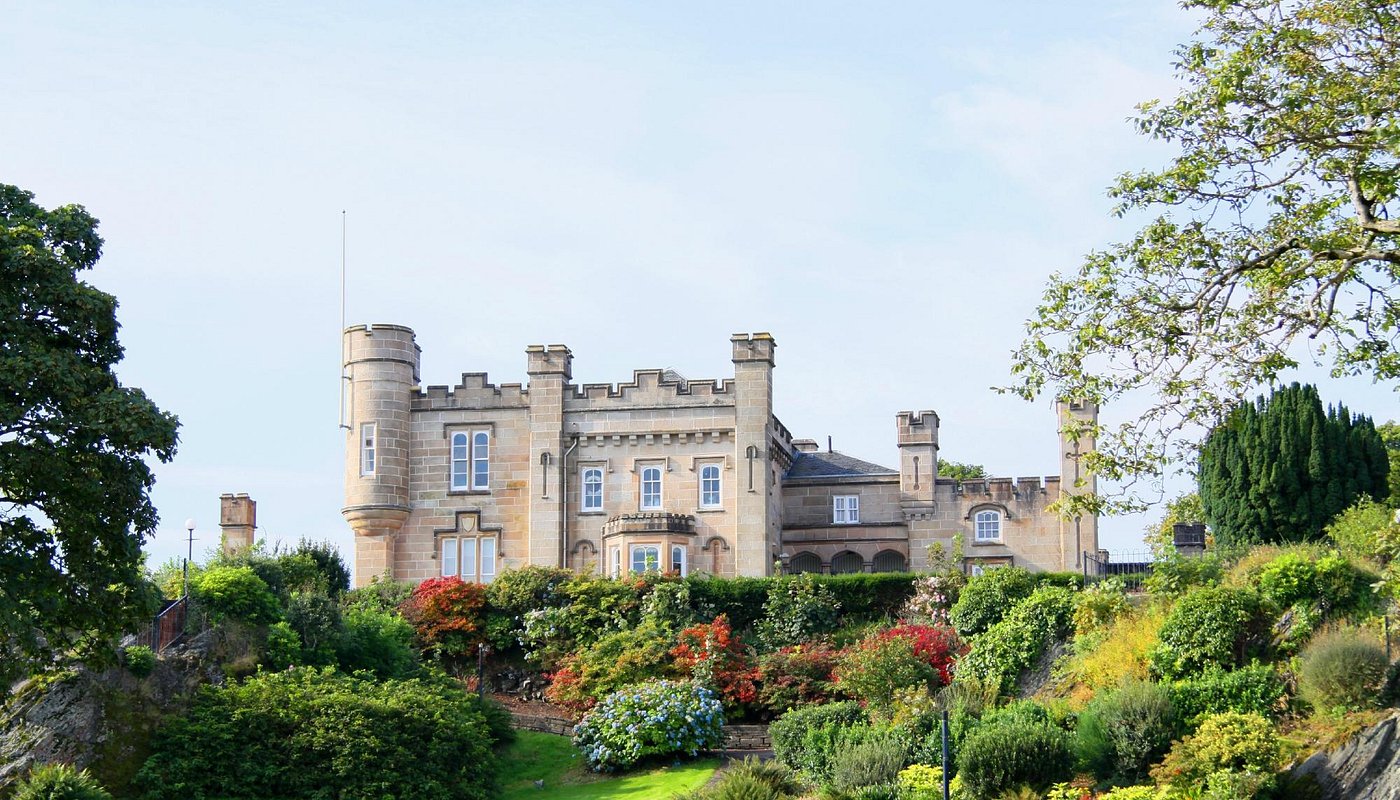
This is Castle House, the large holiday home built by James Ewing, Lord Provost of Glasgow, as a holiday home in 1822. It put Dunoon on the map, literally, and became the start of a move to Cowal peninsula (where I now live) by many of Glasgow’s great and good, who built their versions of the Castle all along the shorelines in every direction.

A few months ago, Michaela and I went to a talk given in Castle house – which is now a museum – by Dr Stephen Mullen, on the subject ot the aforementioned James Ewing. In this talk, Ewing was revealed as a particularly unpleasant figure, whose power and influence was built on vast wealth built from slavery in Jamaica. More than this, through his political activities, clubs and networks, he was able to delay the abolition of slavery for decades, as well as being part of the negotiaton that led to compensation being paid by the government to slave owners.

His ancestors still own plantations in Jamaica to this day.

This is a version of some of the chat from Stephen Mullen- he is a very engaging speaker.

In the wake of this inglorious wealth building, Ewing then turned to philanthropy. He became the benefactor to many good causes, including Glasgow University, who have been through a very painful process in 2018 (assisted by Mullen) of attempting to divest and compensate enslaved people for the wealth that it still owned from their brutal enslavement.

It has taken Edinburgh University longer- today, the role of leading figures in promoting racist and zenophobic ‘science’. This from today’s Guardian;

The University of Edinburgh, one of the UK’s oldest and most prestigious educational institutions, played an “outsized” role in the creation of racist scientific theories and greatly profited from transatlantic slavery, a landmark inquiry into its history has found.

The university raised the equivalent of at least £30m from former students and donors who had links to the enslavement of African peoples, the plantation economy and exploitative wealth-gathering throughout the British empire, according to the findings of an official investigation seen by the Guardian.

The inquiry found that Edinburgh became a “haven” for professors who developed theories of white supremacism in the 18th and 19th centuries, and who played a pivotal role in the creation of discredited “racial pseudo-sciences” that placed Africans at the bottom of a racial hierarchy.

It reveals the ancient university – which was established in the 16th century – still had bequests worth £9.4m that came directly from donors linked to enslavement, colonial conquests and those pseudo-sciences, and which funded lectures, medals and fellowships that continue today.

Does any of this matter? Is it not just ancient history, from different, less ‘woke’ times? Of course, there are many voices – historical, political, journalistic – that would loudly proclaim processes of revisionism such as those undertaken by the two universities above as political correctness gone mad.

Some of this argument has polarised around the renaming of streets, or the removal of statues. The issue has become totemic in the culture war that is raging in our politics – a convenient way to create outrage, and to appeal to a kind of empire nostalgia for Great Britain and her glorious history.

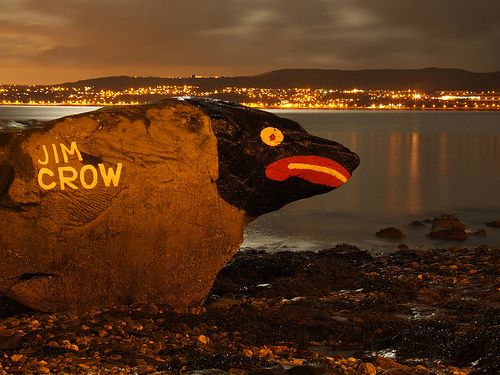
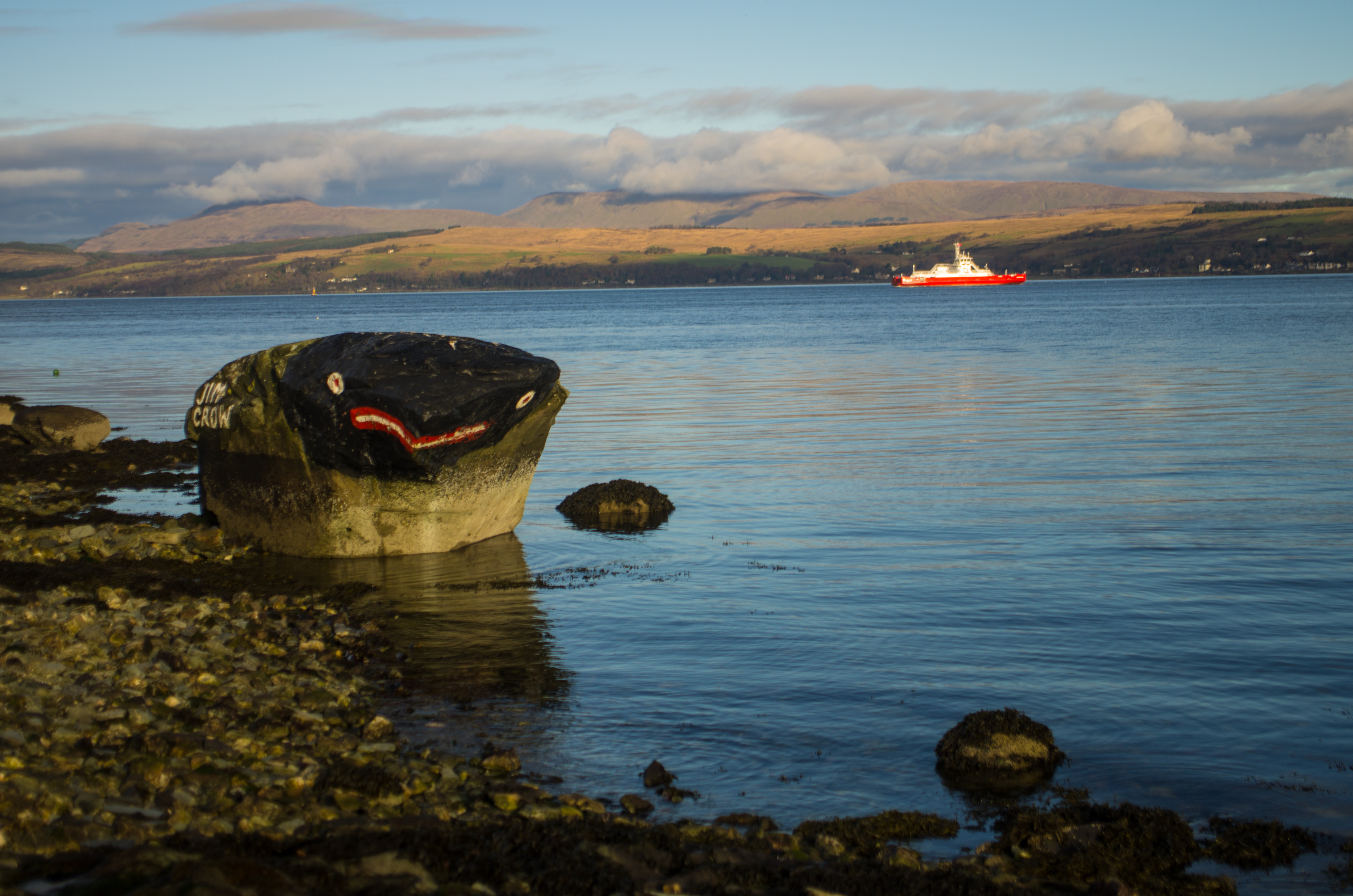
Dunoon had its own battle, over this racist Victorian grafiti which survived until only a few years ago. Some here will still insist it was harmless fun (including local historians!)

Presently it feels as though the anti-woke warriors might be winning the culture wars. Views that might once have been politically radioactive are now seen as vote winners. Trump and all his imitators compete to say ever more outrageous things, and point to any attempt to understand the darkness that we unleashed on the world through the Empire as ‘the problem’ not the solution.

I am weary of culture wars. I wish we can just agree that some things are good (compassion, justice, peace) and some things are bad (conquest, slavery, exploitation.) Once we do this we also have to acknowledge that the privileges we enjoy in this country- despite the perception of decline – were built on the bad things more than the good.

What we do with this conclusion marks us for generations.

Indigenous spirituality 1 – can we learn from where we came from?

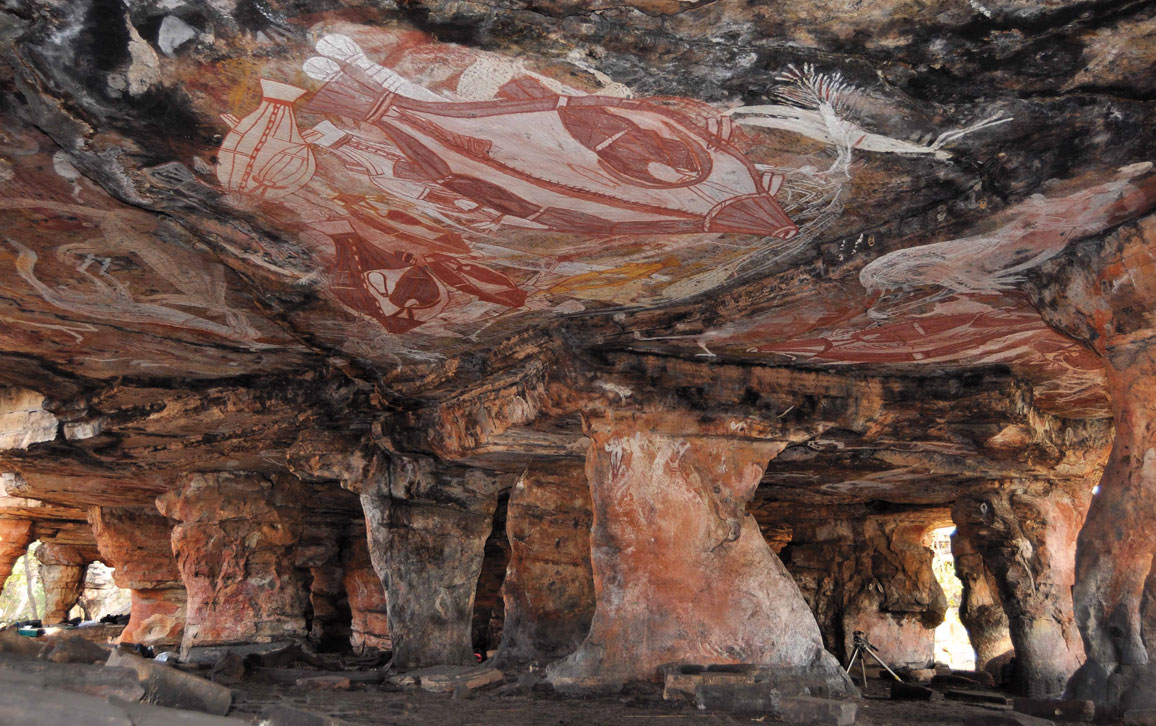
Australian Aboriginal rock art, 28 000 years old

A few months ago, I started a conversation with some people about indiginous spirituality. I had this itch that I wanted to scratch to do with how the Celtic tradition that I had found so deeply compelling might have some things in common with other indigenous spiritualities, so I reached out, looking for others who had connections and knowledge that I lacked.

Celtic idigenous traditions

My quest faced lots of problems. Firstly, reaching a definitive understanding of my own tradition is far from easy. The indigenous religion of the Celts stretches back thousands of years into myth and legend so it is hard enough to say much that is certain, and even harder to understand meanings that belong to a former culture and time. What little is known about the pre-Christian Celts mostly comes to us through highly questionable records of an occupying Roman Empire. Christianity came to these islands and first assimilated, then colonised the tradition, burying it under layers of ‘progress’. Some have tried to tell the Celtic story anew in order to make it meaningful – to me and others – but it can be hard to tease apart the facts from the fancy.

Perhaps this is part of the appeal to spiritual nomads and outsiders to institution like me. What we know as ‘the Celtic wisdom traditoin’ has a malleability that allows us to make it fit into whatever we want it to fit. It has subjective utility, but might be seen to lack authentic objectivity. In acknowledging this reality, it is then for each of us to decide whether the benefits outweigh the disadvantages.

For me, they most certainly do. Perhaps this is because I am a poet, more driven by spirituality of the mystical kind. Travelling in this tradition connects me with something visceral deep inside. It is a ‘feeling’ as much as an intellectual acceptance. I quite understand why friends of mine, more driven by systematic interpretation of scriptures might take a more cautious view.

Like all religious technologies, we must travel with a certain caution, looking around for other perspectives- paying particular attention to those that Empire has marginalised.

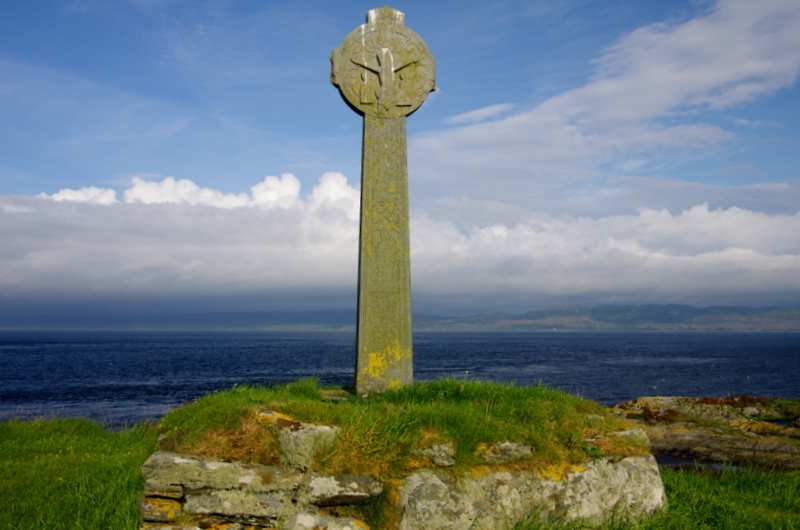
Celtic cross, Inner Hebrides, West Scotland

What do we mean when we talk about the ‘Celtic wisdom tradition’ then?

We have some tantalising clues in the form of stories and legends. Mostly these are survival traditions out on the fringes of the Celtic world- which like all cultures colonised by empire, retreated to the distant edge of its former hearlands – Atlantic coasts and islands or to rural Ireland and Wales.

We can also have some clues about the nature of this tradition from what is absent and outcast from mainstream religion. By this, I mean things that have been suppressed and persecuted that once belonged to ordinary believers. I have said more of this before, here for example. Many others have described and lamented what happened when indigenous, authentic and local spiritualities become subject to the priorities of institution and Empire.

Finally we know it as a deep ‘yes’ that we feel in our souls when we hear about ideas like ‘original goodness’ and hear how all things are connected and held together.

Colonialism and Christianity

Across the world, almost all indigenous cultures have been subjected to our colonial expansion – from St Kilda to Sarawak, through Australia and the Americas and so on. The Celtic experience might have begun earlier, but in many ways it was the same. Religion was an essential part of the ‘civilision’ of ‘native’ cultures – a conquest of the spirit alongside economic or geographical.

There is a problem here for followers of Jesus, in that Christianity has often been the religion of the worst and most oppressive forms of colonialism. I think however that the Celtic experience might heip us to decolonise Jesus from the religion that was made in his name. If we are right to describe Celtic Christianity as an assimilation of a the teachings of Jesus with pre-existing ideas, in such a way as to deepen and give further shape to the connections to earth and spirit, then we might conclude that this version of Christianity did not have at least some of the oppressive overtones that came later. Perhaps colonialism was done to Christianity as much as facilitated by it.

This does not get Chrsitianity off the hook. It remains a religion of the middle east, defined and propogated by the West, that grew and expanded because of the pursuit of Empire and profit.

Perhaps we should burn it all down and start again… but where do we start? How far back do we need to go? Whose teachings and example might be most helpful? Is there really a purer, less compromised, older and more true indigenous spirituality that we can still encounter?

This is still my quest, and it led to me reaching out towards some other people who were trying to make sense of the spirituality they were encountering via indigenous people in their parts of the world- two very different parts of Australis, Canada and Middle England. It has been an interesting journey so far… five white people, trying to make sense of black, brown and red religion.

Can we make connections with other indigenous cultures?

Part of my motivation fot this journey has been a desire to remake/rediscover a religious story that was more earth-connected, more able to provide us with a mass movement away from the damage we are doing to eco-systems. It was this ‘earth connectedness’ I felt in my Celtic roots that seemed to find echoes in other indigenous traditions – connections to land and place, to animals and holy mountains, to the spirit in other things. At least, this is what I had heard glimmerings of in films and books.

Perhaps there was more than this. I started to wonder if all the condemnation of ‘primative’ religion I had grown up with – which was characterised as animistic, or pagan, or pantheistic – had lost some things that really mattered. We were told of the foolishness of a belief that trees or rocks or lizards have spirits. How backwards to worship simple totems or forest spirits. After all, we have the wisdom of the Bible. Look where that got us.

I remembered well the simple goodness of Bob Randall’s Kanyini;

I first encountered Bob as a commentator on cultural breakdown, whilst I was working as a social worker amongst men and women in mental health services, within broken communities in the UK, not Australia. Back then, any implications for religion seemed secondary. Now they seem inseperable.

But in the face of so much variety, so much diversity, is it really possible to make any general statements about indigenous spirituality? Can we claim that it is more ‘earth connected’ or more authentically human? Is it ‘better’ than what we have have experienced in our religious institutions?

This is the conversation I have been having with my four friends from far away – more of this to come.

I will leave you with a quote from the First Nations Version New Testament. This is a book written in English by a first nations pastor in America, working first with prisoners, later with others trying to reconcile the words of the Bible with their own culture and it’s colonial history. Here are the beatitudes, through first nations eyes.

It is the same, but also very different.

BLESSINGS OF THE GOOD ROAD Matthew chapter 5

3“Creator’s blessing rests on the poor, the ones with broken spirits. The good road from above is theirs to walk.

4“Creator’s blessing rests on the ones who walk a trail of tears, for he will wipe the tears from their eyes and comfort them.

5“Creator’s blessing rests on the ones who walk softly and in a humble manner. The earth, land, and sky will welcome them and always be their home.

6“Creator’s blessing rests on the ones who hunger and thirst for wrongs to be made right again. They will eat and drink until they are full.

7“Creator’s blessing rests on the ones who are merciful and kind to others. Their kindness will find its way back to them—full circle.

8“Creator’s blessing rests on the pure of heart. They are the ones who will see the Great Spirit.

9“Creator’s blessing rests on the ones who make peace. It will be said of them, ‘They are the children of the Great Spirit!’

10“Creator’s blessing rests on the ones who are hunted down and mistreated for doing what is right, for they are walking the good road from above.

11“Others will lie about you, speak against you, and look down on you with scorn and contempt, all because you walk the road with me. This is a sign that Creator’s blessing is resting on you. 12So let your hearts be glad and jump for joy, for you will be honored in the spirit-world above. You are like the prophets of old, who were treated in the same way by your ancestors.

SALT AND LIGHT

13“As you walk the good road with me, you are the salt of the earth, bringing cleansing and healing to all. Salt is a good thing, but if it loses its saltiness, how will it get its flavor back? That kind of salt has no worth and is thrown out.

14“As you walk the road with me, you are a light shining in this dark world. A village built on a hill cannot be hidden. 15No one hides a torch under a basket. Instead it is lifted up high on a pole, so all who are in the house can see it. 16In the same way, let your light shine by doing what is good and right. When others see, they will give honor to your Father—the One Above Us All.

FULFILLING THE SACRED TEACHINGS

17“When you hear my words, you may think I have come to undo the Law given by Drawn from the Water (Moses) and the words of the prophets. But I have come to honor them and show everyone their true meaning. 18I speak from my heart, as long as there is a sky above and an earth below, not even the smallest thing they have said will fade away, until everything they have said has found its full meaning and purpose.

Remaking religion 5: mission…

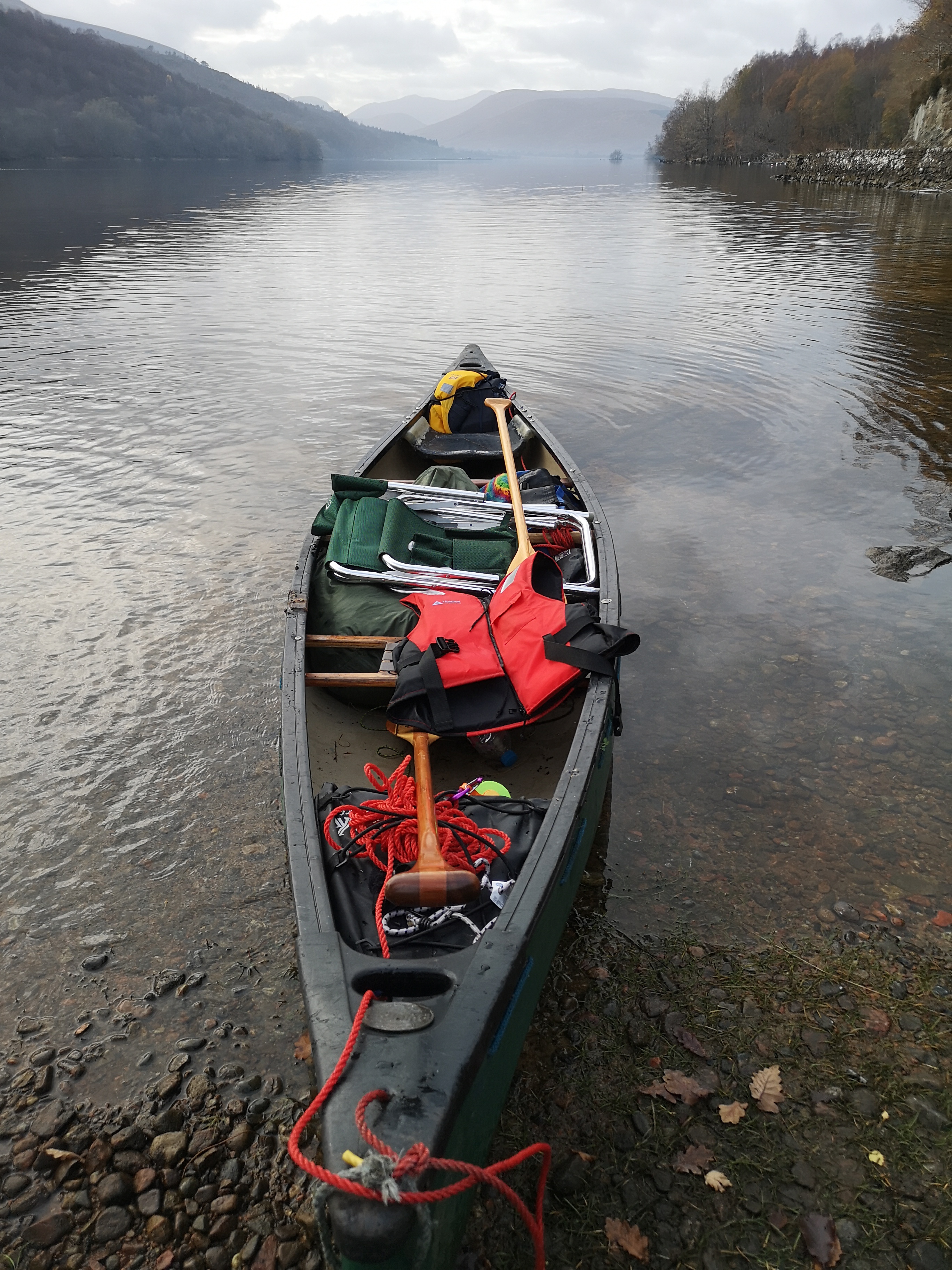
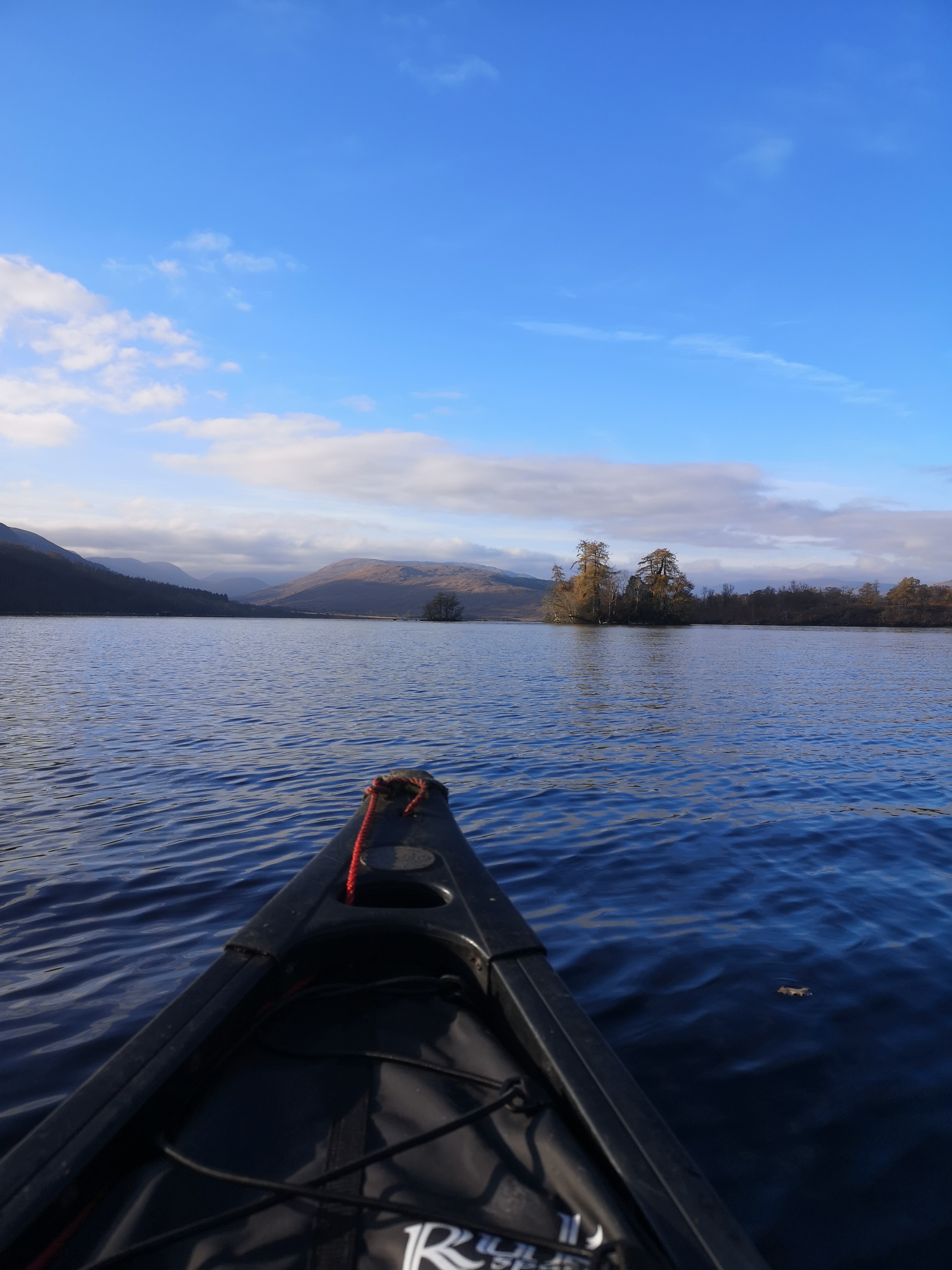
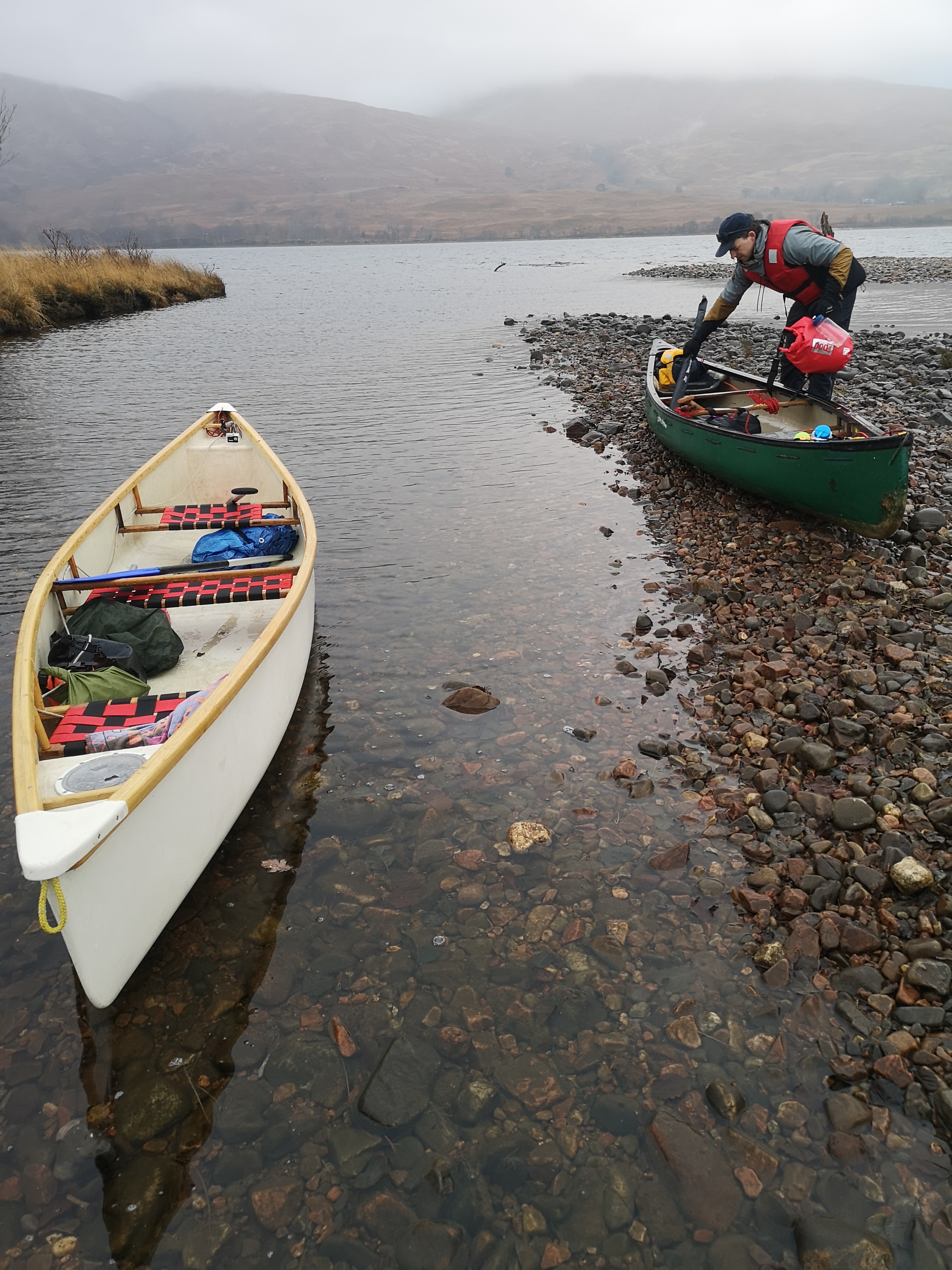
I am just back from a late Autumn canoe trip on Loch Arkaig, a place of sublime beauty, lined with ancient woodland and high mountains. We stayed in a bothy maintained by the Mountain Bothy Association, who make it freely available to the wide community of walkers, climbers and paddlers. There were four of us, and amidst the usual profanity and age-related moans and grouns we spent a lot of time talking about things that mattered. (I made a short video about the woods, here.)

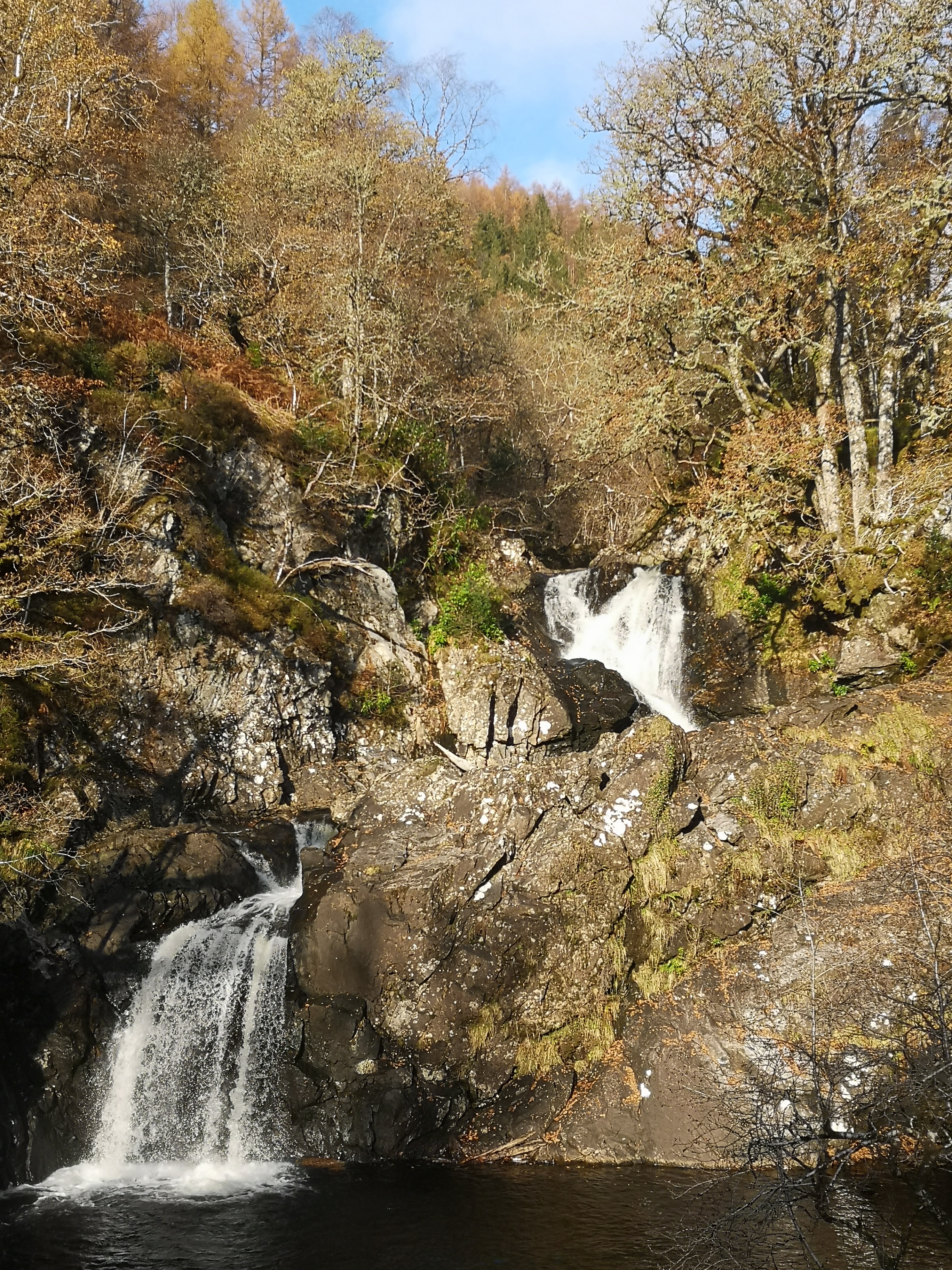
In many ways, this landscape captures the best of what the Scottish landscape and history has to offer. The huge expanse of the mountains around a twelve mile long loch. Wild boar, deer, eagles, Ospreys (who had left for warmer places when we were there.) The Caledonian pine forest there feels holy, in the way it demonstrates connectedness, but also what being there does to me deep inside my chest.

Approaching St Columba’s isle – Island Columbkill or Chalum Cille Loch Arkaig

Out in the loch is a very small island with the remains of a chapel so old that no-one knows when it was built. It is known as St Columba’s chapel, and the island as St Columba’s island – who knows, it may well have a connection to one of the saint’s missionary journeys.

I always find myself wondering about what motivated Columba and his fellow Irish missionary monks. What problems were they trying to solve? Was it always about saving souls? Did they see themselves as right and the pagan world they set off towards as wrong? The assumption in the old stories always seems to be that these questions had obvious answers. Of course they were ‘right’, and of course those who had not encountered the Christian story needed to hear it. In a black and white world, colour is confusing. Better not to see it.

But perhaps I judge Columba (and his generation) too harshly, because their mission was not the same as those that came later – or at least I don’t think so. Theirs was a mission of peace to a world of tribal/clan conflict. What came later was much worse. Celtic Christianity developed and flowed amongst the culture and traditions of its time – perhaps even sitting alongside older spiritualities rather than replacing them. There is a much longer conversation to be had about this, but my point here is to wonder what might be the mission that religion would/could send us on now. What problems might/must we engage with? What cultural context might/must shape our mission?

It is worth saying right now that the religion we are largely leaving behind continues to make mission. I have been (rightly) critical of some – the legacy of which has left toxic stains across the world. Those kinds of missions had as much to do with cultural and economic conquest as they did with religion. They were a product of empire, a means of colonisation and subjugation. But despite this dark legacy, there have always been people motivated by their faith who have become activists of a different kind- peace makers, feeders of strangers, animal lovers, adventurers. Even now, if you look to the workforce of charities around the world – from our city streets to the furthest flung war zones – you will find that an outsized proportion who are there because of their religion. We should celebrate these people, and the way that faith has sent them on missions of healing and goodness.

My strong feeling is that people of faith have a duty – we might even say a religious obligation – to engage hopefully and critically with the context in which we are living. This means bringing as much passion, integrity and energy to bear as we can, illuminated by a set of principles not of this world (not of empire) but of another, sometimes known as ‘the Kingdom of God’.

This might mean opening our eyes to the spirit of our age, and exposing it to a different story- to the considerations of the Kingdom of God. At a time of widening inequlaity, of climate breakdown and mass extinction, of war-by-drone waged on defenseless children, we surely do not have to look very far…

This Kingdom of God always had a different set of priorities – above all, it was a call towards living in compassionate community with each other and with the beautiful world we are part of. In so many ways this simple, radical message was always at odds with the logic of empire, and as such, the counter-cultural part of the message was often reduced to a far less problematic priority of personal individual sins – particularly sexual sins.

Furthermore, the dualistic message that the old story was bound up in (saved/unsaved, evil/holy, sacred/profane) was never a good fit with the Jesus story, let alone the indigenous religion of the Jews. It was, however, a good fit with the logic of Roman exceptionalism (or all the other empire exceptionalisms that have followed since.) It has been so easy to forget this inside the small rooms we have made out of our personal religion – to imagine ourselves as special, and anyone outside our ‘chosen-ness’ as dwelling in darkness.

But this takes me back to the first post in this series, which is to wonder how a (religious) story might inspire action – or mission.

If we embraced that part of our tradition that calls us back towards connection to the earth – with our non human brothers and sisters – what missions might this inspire?

If we embraced that part of our tradition that calls us back towards radical inclusion of the outcast and outsiders, how might we use our homes and communal spaces?

If we embraced that part of our tradition that calls us back towards honouring the poor what will that mean for our comfort and our bank balances? When will we have enough? What will we share with those who have less and how will we share it?

If we embrace that part of our tradition that calls us to make peace with our enemies, then how will be relate to those around us? How will we hold the war-mongers to account?

And if these are the priorities of our religion as it seeks to make a mission in our broken and hurting world, then what collective rituals and practices might assist us, encourage us and inspire us? Where will we make our church, and what will it look like?

Mostly the mission this might send us on will be human-scale. Those who get to influence great events or act as major change agents have a rare and precious opportunity.

The rest of us use what power we can within our arms reach – and this is not a small thing. A mass movement of individuals can be more powerful than a King, but what might create this mass movement in an age of a million divisive voices screaming at us through all those little screens?

If not a religious story, committed to action that is as loving and truth-centred as we can make it.

There is nothing else worth living towards.

Love your inner Neaderthal…

neanderthal_skull_big


Science keeps telling us little bits more about the origin of the beautiful creature…

A news story the other day took me back to Genesis chapter 4;

Now Abel kept flocks, and Cain worked the soil. 3 In the course of time Cain brought some of the fruits of the soil as an offering to the Lord. 4 And Abel also brought an offering—fat portions from some of the firstborn of his flock. The Lord looked with favor on Abel and his offering, 5 but on Cain and his offering he did not look with favor. So Cain was very angry, and his face was downcast.

6 Then the Lord said to Cain, “Why are you angry? Why is your face downcast? 7 If you do what is right, will you not be accepted? But if you do not do what is right, sin is crouching at your door; it desires to have you, but you must rule over it.”

8 Now Cain said to his brother Abel, “Let’s go out to the field.”[d] While they were in the field, Cain attacked his brother Abel and killed him.

9 Then the Lord said to Cain, “Where is your brother Abel?”

“I don’t know,” he replied. “Am I my brother’s keeper?”

The story in question concerned the latest research about our genome;

Most people living outside Africa can trace up to 4% of their DNA to a Neanderthal origin, a consequence of interbreeding between the two groups after the great migration from the contintent.


Anthropologists have long speculated that early humans may have mated with Neanderthals, but the latest study provides the strongest evidence so far, suggesting that such encounters took place around 60,000 years ago in the Fertile Crescent region of the Middle East.


Small, pioneering groups of modern humans began to leave Africa 80,000 years ago and reached land occupied by the Neanderthals as they spread into Eurasia. The two may have lived alongside each other in small groups until the Neanderthals died out 30,000 years ago.


Scientists led by Svante Pääbo at the Max Planck Institute for Evolutionary Anthropology in Leipzig took four years to sequence the whole Neanderthal genome from powdered bone fragments taken from three females who lived in Europe 40,000 years ago.

How are the two related?

My suggestion is that both are part of our continued attempt to make sense of what we are and where we have come from.

The passages in Genesis hinted at how our process of becoming was not just a process of rational logical progress, but that our history is shadowed by darkness, conquest, fratricide. It suggests that way back at the start of the humanity project we were capable of terrible things on a petty whim.

The science tells us that people contain within us the history of our becoming in genetic code. Including the overwhelming of our Neanderthal brothers and sisters, by violence of by sexual submission. Cain kills Abel.

Don’t get me wrong, I am not seeking to make the Bible some kind of code for history, more suggesting that the meaning of one informs our understanding of the other.

Jim Crow- another letter!

Western ferries passing jim crow

Here I go again. I keep thinking that I will stop talking about this rock, and then I get sucked in again. This time I am responding to another letter in the local paper suggesting the rock can not be racist in origin or association for a whole set of reasons that seem to me to be at best questionable.

History is never value free- it tells the story we want it to tell, despite the best efforts of historical research methods. It serves our own world view.This was demonstrated most clearly recently by Michael Gove, our rather dreadful Education Secretary, who had a go at ‘left wing’ historians who described the first world war as an unnecessary slaughter in which lions where led by upper class fools. Gove suggested the first world war was in fact a ‘Just War’ in which Britain and her Allies responded heroically to German imperial expansionism. The reality of course is far more nuanced and complicated than can be painted by narrow dogmatic historical interpretations.

What story am I wanting my history to tell? Am I too captured up in a Marxist approach that sees history a struggle by the weak against the powers of empire?

Perhaps I am- but at the same time, I think that a history skewed towards an appreciation of the poor and disenfranchised is needed more now than ever. We live in a time of recession. We know that in such times there is a tendency to scapegoat, to caricature, to blame. For a brief while it was all the fault of the bankers. Now it is the fault of the benefits scroungers.

So every time I leave my front door and see the rock above, I find myself thinking of these images;

doll2

Picaniny

…and I end up composing another letter to the paper. The last one, honest!

Dear Editor


Thanks once again to John A Stirling for his detailed and helpful reply to my previous letter suggesting an information board next to Jim Crow rock. He makes several statements about the rock, which I would like to examine further. I do this with some reluctance as my original suggestion was an attempt to bring together polarised opinion, not engage in more sectarian opinionising.

A lot of our discussion has been about the origin of the name given to the rock, and whether the words ‘Jim Crow’ were understood at that time to represent a racist stereotype. John feels that this cannot be the case as 1) the rock was so named prior to possible American slave connections (as early as 1726) and 2) back in 1726 there were no houses in the area so the rock was unlikely to attract the attention of local residents.  There are some leaps of logic in these statements that you must judge for yourself, but the truth is we are unlikely to ever know for sure.

John also mentions an often repeated local belief that the name of the stone relates to a local builders yard. One of my friends researched this possibility as part of an educational dissertation- spending time digging into records, both locally and in Lochgilphead. He was unable to find any evidence for the existence of such a business. Again, this is not to say it did not exist, more that we are unlikely ever to know for sure.

Next John mentions the possibility of the word ‘Crow’ being derived from ‘Croadh’- Gaelic for cattle and perhaps related to old Drover’s routes. However it seems to me unlikely as the rock is well away from known Drover’s routes (the nearest one being a crossing at Ardentinny.) However, once again, we are unlikely to ever know for sure.

John pointed us also to the apparent change in how the rock has been decorated- which appears to have become ever closer to what we understand as a ‘Golliwog’. Early photographs (1905) do indeed show the rock decorated with something more primitive, and with teeth. Could this have actually been meant to represent a crow? If so, why not with a yellow beak and with no teeth? Interestingly, there are other ‘Blackface’ stereotypes that include exaggerated teeth. However no one reading the words ‘Jim Crow’ in the 19th Century is likely to have missed the association with black people. Therefore it is perfectly possible that an existing local land mark was co-opted to a new racist purpose. Once again however, we are unlikely to ever know for sure.

What we do know however is that this area owes much of its early prosperity to the slave trade- from well before 1726. We know that in the great age of Clyde Steamers people promenaded the sea front and visited a many places of entertainment. We know that one of the most popular forms of entertainment were the Minstrel Shows. We know that racism has done terrible damage to millions of people the world over, and that one of the means by which this was perpetuated within popular culture was through the remarkably persistent Blackface stereotypes.

We can also be pretty sure that in anywhere else in the world, if the words ‘Jim Crow’ were emblazoned on a rock next to a Golliwog painting people would assume (rightly or wrongly) that it was making a racist statement. They might expect some kind of explanation as to why local residents allow such a thing to remain unexamined, unexplained, unchallenged.

So, we have a choice as to how we respond to this. We can accuse/deny, or we can display our uncertainty in a way that shows to others that we understand it, and have learnt something from the last few hundred years of local and international history.

Which brings us back to my suggestion of an information board.

God’s awkward squad; dissenting and the life of the Spirit…

History is littered with awkward difficult people who refused to conform. Their lives are often surrounded by conflict, particularly when their convictions confront the people in power. Think of all those Old Testament prophets.

What fuels this kind of dissent? It is often painted (by the after-the-event supporters of the dissenters at least) as a matter of conviction colliding with circumstance. I wonder however whether dissenters also are gifted/cursed with a particular kind of personality- a skew towards a simplistic world view, an arrogance even.

We can all think of people like this- they tend to be difficult to be around. Others shrink from the force of their opinion in groups, or retreat wounded from their harsh words and deeds. People I know who fit this category have often been an almost destructive force in the workplaces and groups I have been part of. They can often be far more focused on ‘the task’ than those whose task it is.

But, these people, for good and ill, are often those who we remember. They make milestones in our personal histories, and also in the history of mankind…

250px-John_Lilburne

I came across one such man recently when I was doing some reading about those dark times of the reformation (see this post on the Covenanters for example.) I say ‘dark’ because despite the tradition I come from celebrating this as a kind of glorious outpouring of freedom and enlightenment, it often took place in the context of much pain, bloodshed and heartbreak. The question I find myself asking over and over again is whether we can regard something as ‘good’ when so much evil is done in the name of Jesus. Can the ends ever justify the means?

I offer you this story by way of example (If you want to know more of the historical context that he lived in check out the aforementioned post);

John Lilburne aka ‘Freeborn John,’ 1614 – 29 August 1657

John was from a line of dissenters. His father was the last man in England to demand to be allowed to settle a legal dispute via trial by combat. By the 1630’s John was apprenticed to radical opponents of the religious times and already forced to flee to Holland because of his involvement in radical pamphlets.

He was a man whose bravery verged on lunacy. Whilst being whipped, pillaried and imprisoned, he continued unabated in writing, arguing and protesting what he called his ‘Freeborn rights‘. His writings about these were so powerful that he is credited by being a major influence on the fifth amendment of the American Constitution.

The English Civil War saw John become a soldier, rising to the rank of Colonel, a fiend of Oliver Cromwell. However, dissenters do not do well in terms of military discipline and he fell out with his superiors, and then, in April 1645, He resigned from the Army, because he refused to sign the Presbyterian Solemn League and Covenant, on the grounds that the covenant deprived those who might swear it of freedom of religion. In a time of religious extremism, John argued that he had been fighting for this Liberty among others, and would have no part of it.

Alongside such principled stands, John continued falling out with everyone around him- fighting vindictive public spats against former friends and allies.

He then redoubled his efforts to campaign for the freeborn rights of men. His views grew out of the radical movement known as ‘the Levellers‘, but John was more of a leaver than a joiner, so he refused to describe himself in this way.  He spent time in and out of prison, not just for his radical views, but also for his pursuit of former colleagues who he continued to attack in print.

And this became John’s life- fighting enemies to the left and right, raising high moral causes, in and out of jail, in and out of exile.

John began life as a Puritan, but ended it a Quaker. After all that violence, he had done with fighting, and came under the influence of a man of peace.

One epitaph written after his death was this one;

Is John departed, and is Lilburne gone!

Farewell to Lilburne, and farewell to John…

But lay John here, lay Lilburne here about,

For if they ever meet they will fall out.

Was this a great life? Certainly John did some great things but he seemed to be cast in the role of a stone-in-shoe for most of his life.

I am left pondering still the power of passion, faith and ideas, mediated through the mess that is humanity.

Thank God for dissenters.

And God save us from dissenters.

The measure of followers of Jesus, despite the context we are in, has to be the example that he set. He too was a dissenter, a table over-turner, a man who made no compromises to unjust ways of being.

But he was also a man who subordinated all things to love.

RIP Eric Hobsbawm…

Historian, marixist commentator and intellectual Eric Hobsbawm has died aged 95.

His is a name that has has stayed with me from being a student 25 years ago- someone who was prepared to look at history through the eyes of poor people. Who was prepared to analyse what have become by understanding the inequalities of power and wealth.

Emily has left school and is taking her higher/advanced higher qualifications at a Cardonald College- where she has chosen to study (much to her old dads pleasure) Sociology and Psychology. She is being exposed to all those old questions that excited me in the past (and the present.) How did we get here? Who is calling the shots? How could we be better- how could we organise ourselves so as to protect the poor and weak, and reign in the excesses of the strong and powerful?

Hobsbawm was a large part of this for me in the past. A left field calm voice who was able to speak with a quiet authority.

In praise of him, here are a few quotes (courtesy of the Guardian.)

On socialism and capitalism: “Impotence therefore faces both those who believe in what amounts to a pure, stateless, market capitalism, a sort of international bourgeois anarchism, and those who believe in a planned socialism uncontaminated by private profit-seeking. Both are bankrupt. The future, like the present and the past, belongs to mixed economies in which public and private are braided together in one way or another. But how? That is the problem for everybody today, but especially for people on the left.” 2009 Guardian article

On Tony Blair: “Labour prime ministers who glory in trying to be warlords – subordinate warlords particularly – certainly stick in my gullet.” 2002 interview

And from this essay;

…This was the way of thinking about modern industrial economies, or for that matter any economies, in terms of two mutually exclusive opposites: capitalism or socialism.

We have lived through two practical attempts to realise these in their pure form: the centrally state-planned economies of the Soviet type and the totally unrestricted and uncontrolled free-market capitalist economy. The first broke down in the 1980s, and the European communist political systems with it. The second is breaking down before our eyes in the greatest crisis of global capitalism since the 1930s. In some ways it is a greater crisis than in the 1930s, because the globalisation of the economy was not then as far advanced as it is today, and the crisis did not affect the planned economy of the Soviet Union. We don’t yet know how grave and lasting the consequences of the present world crisis will be, but they certainly mark the end of the sort of free-market capitalism that captured the world and its governments in the years since Margaret Thatcher and President Reagan…

…The test of a progressive policy is not private but public, not just rising income and consumption for individuals, but widening the opportunities and what Amartya Sen calls the “capabilities” of all through collective action. But that means, it must mean, public non-profit initiative, even if only in redistributing private accumulation. Public decisions aimed at collective social improvement from which all human lives should gain. That is the basis of progressive policy – not maximising economic growth and personal incomes. Nowhere will this be more important than in tackling the greatest problem facing us this century, the environmental crisis. Whatever ideological logo we choose for it, it will mean a major shift away from the free market and towards public action, a bigger shift than the British government has yet envisaged. And, given the acuteness of the economic crisis, probably a fairly rapid shift. Time is not on our side.

History of here…

Our house, circa 2003

We have just had a lovely couple of days with my brother Steve, his wife Kate and little Jamie. Lots of sillyness and laughter, too much food and not a lot of sleep. I only wish my sister could have been there too- but life has thrown us all into a complication of geography and distance.

This morning we intended to take a walk through Dunoon, but it was lashing down with rain, so we went to Castle House museum. I have only been once before- years ago- and we were wondering whether they would have any information about our house- who lived here previously, what it was used for etc.

Because here is where we are, and being fully here seems to me to involve an appreciation of connection- with family and friends now, but also with who has been here before us.

I discovered today that behind where we live there was an Episcopalian church- made of corrugated iron, which eventually burnt down. And a little further back into the woods is a mound that was thought to be a Roman Fort.

What we discovered about our house turned out to be a little more than we expected. Maps of the plot of land before the house was built, old land records listing the details of the person who built it, a Robert Donaldson, who seems to have been an instrument maker from Glasgow. We need to go back to dig a little deeper into the copper plate records, but another thing we discovered is that our house used to be a ‘nursing home’- not in the sense of elderly care, but rather a place where people went to give birth to babies, or to recover from illness. It was called ‘St Margaret’s nursing home’ and there are people alive today in Dunoon (and elsewhere) who were born here.

Scratch the surface, scrape back the paint and peeling paper, and there are whole lives laid out before us. The hopes, aspirations, triumphs, disappointments and tragedies of those who used to be here, but now are elsewhere.

It is humbling, but also makes me grateful.

(Not least as this week, Michaela and I have been married 21 years!)

The shadow cast- Culloden…

Ali phoned to tell me to watch this documentary tonight…

culloden

It is remarkably effective- telling the story of the fool-french prince, who thought he could take back the English throne by divine right, and by the blood of Highlanders.

And of the last land battle fought on British soil, in 1746, on a field near Inverness called Culloden.

The film tells of Highland brothers fighting on opposing sides, of how more Scots fought against the young Prince than with him, and of the terrible aftermath…

Well worth watching again- in case the version of Scottish History you subscribe to needs a to connect with the messy reality.

You can watch it again via the BBC i-player here.