
A final look at Hartmut Rosa’s reframing of modernity, this time in order to place his thinking alongside some other broad themes.

This post might be stating the obvious, but I wanted to sketch out a few ways that Rosa’s description of our human condition has resonated with many other themes explored on this blog. Here they are then, in no particular order…
Downshifting/slowing down/degrowth
If I am evangelical about anything these days, it is to encourage people to step back from those high pressure, high consumption, high stress lifestyles that can trap us in cycles of mortgage making and shiny-stuff-owning. Our experience has been that even when we percieve this way of living to be toxic, we find it extremely difficult to stop. Perhaps this is a cultural pressure, an mutual anxiety about being left behind or losing significance, or even falling into poverty and non-citizenship. Perhaps too this is an ecomomic issue, given that unsustainable growthism is built in to the very DNA of our ideas of what a ‘good’ economy might look like.
But even as I have tried to go against the flow – as I have turned towards simpler ways of life, as I have dug my veg beds and put up my poly tunnels – I have often wondered what difference I was making, even to myself. It has felt indulgent, a lifestyle new middle class dream in which I remake a paradise for me and mine. Is it credible that enough people might follow this path to make any kind of difference to the ecocide we are inflicting on the natural word?
Rosa had similar questions, and this led him away from ‘slowing down’ as a solution towards the more difuse and (dare I say) ‘spiritual’ idea of resonance. He pins his flag of hope to a solution dependent on a mass increase of connection to the essence, or the ground of our being, via deeper appreciation and communication with the natural world, or with the great beyond, or with art. Is this a crazy idea?
After the apocalypse
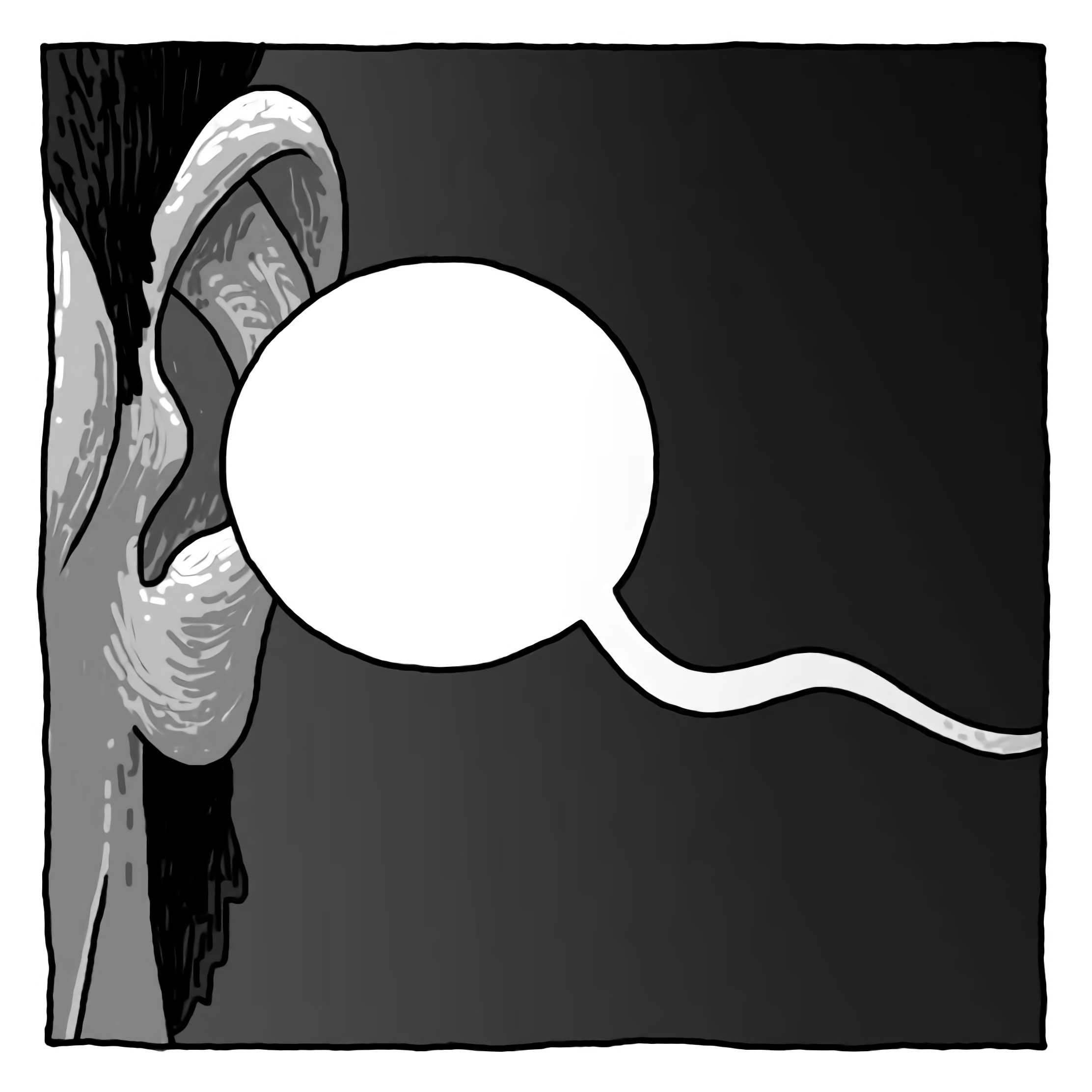
Perhaps it is crazy, but this idea oddly mirrors the arc of my last book – the collection of poetry entitled After The Apocalypse (Si Smith’s wonderful images for this book are all over these posts). I began writing the work for this book before the pandemic, as a kind of passive/active resistance to the rise of so many political and economic powers I found deeply troubling- the swing to the far right and the mainstreaming of lies and dishonesty, often in service of those who were happy to prioritise short term profit over climate or social justice.

In the end, because of the intervention of the pandemic. the book fell into three parts- before (protest) during (silence and enforced slowing down) and finally after, which dared to hope for change… even if the only way I could envisage this change was in a wider turn towards meaning, towards spirituality and connection with the earth.
Rosa would call this resonance.
It did not feel enough. I wanted to tear down border walls, remake the world better, liberate captives and feed the hungry. But given that none of these things were available to me (and even if they were, I am not the Messiah) what is left is to go deeper into the world, to live more fully and to connect with those I am in community with, both human and non human. If enough of us do this, then surely the wall will fall anyway.
(Celtic) Spirituality/Mysticism
It will be of little surprise that when Rosa talks of resonance, I hear it first and foremost as a spiritual matter.
Even the detail of how he described the process of resonance – in terms of how we feel a call towards something…
Phenomenologically speaking, we all know what it means to be touched by someone’s glance or voice, by a piece of music we listen to, by a book we read, or a place we visit. Thus, the capacity to feel affected by something, and in turn to develop intrinsic interest in the part of the world which affects us, is a core element of any positive way of relating to the world. And as we know from psychologists and psychiatrists, its marked absence is a central element of most forms of depression and burnout. Yet, affection is not enough to overcome alienation. What is additionally required is the capacity to “answer” the call: when we feel touched in the way described above, we often tend to give a physical response by developing goose bumps, an increased rate of heartbeat, a changed blood pressure, skin resistance, and so on. Resonance, as I want to call this dual movement of af<-fection (something touches us from the outside) and e->motion (we answer by giving a response and thus by establishing a connection) thus always and inevitably has a bodily basis. But the response we give, of course, has a psychological, social, and cognitive side to it too; it is based on the experience that we can reach out and answer the call, that we can establish connection through our own inner or outer reaction. It is by this reaction that the process of appropriation is brought about. We experience this kind of resonance, for example, in relationships of love or friendship, but also in genuine dialogue, when we play a musical instrument, in sports, but also very often at the workplace. The receptive as well as active connection brings about a process of progressive self- and world transformation.
Does this not sound like a mystical experience? An embodied call and response to something deeper than ourselves that ultimately is transformative?
More than this, there is something about resonance that takes me back into my appreciation of the Celtic Wisdom tradition, which might be understood as first and foremost about connection with the great spirit that holds everything together. In other words, we resonante because we connect with the truest form of ourselves, which is god.







 this fragile tent