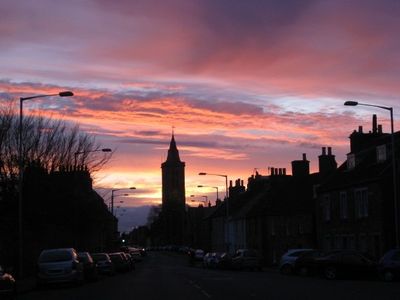
The stones of Kilmartin…

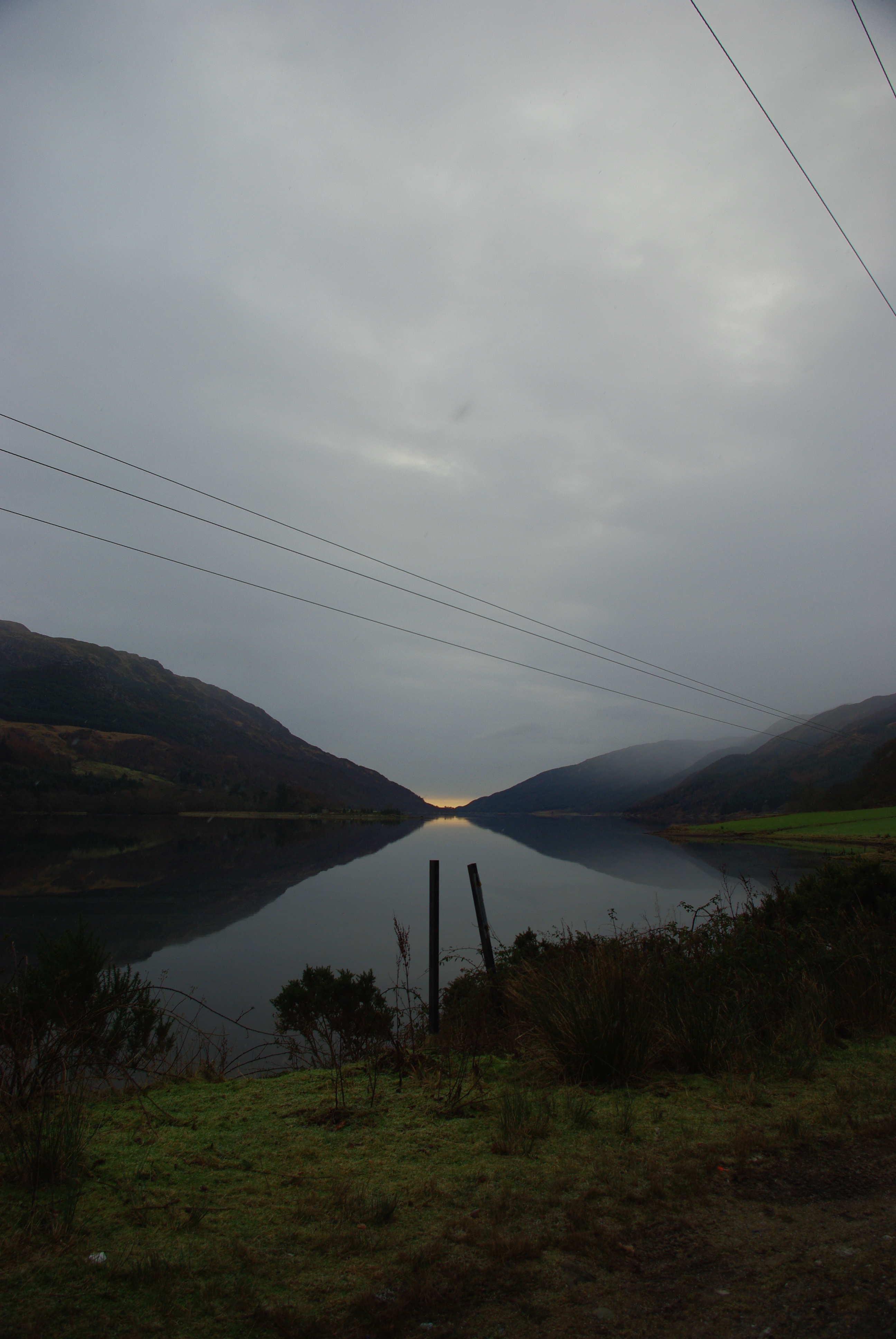
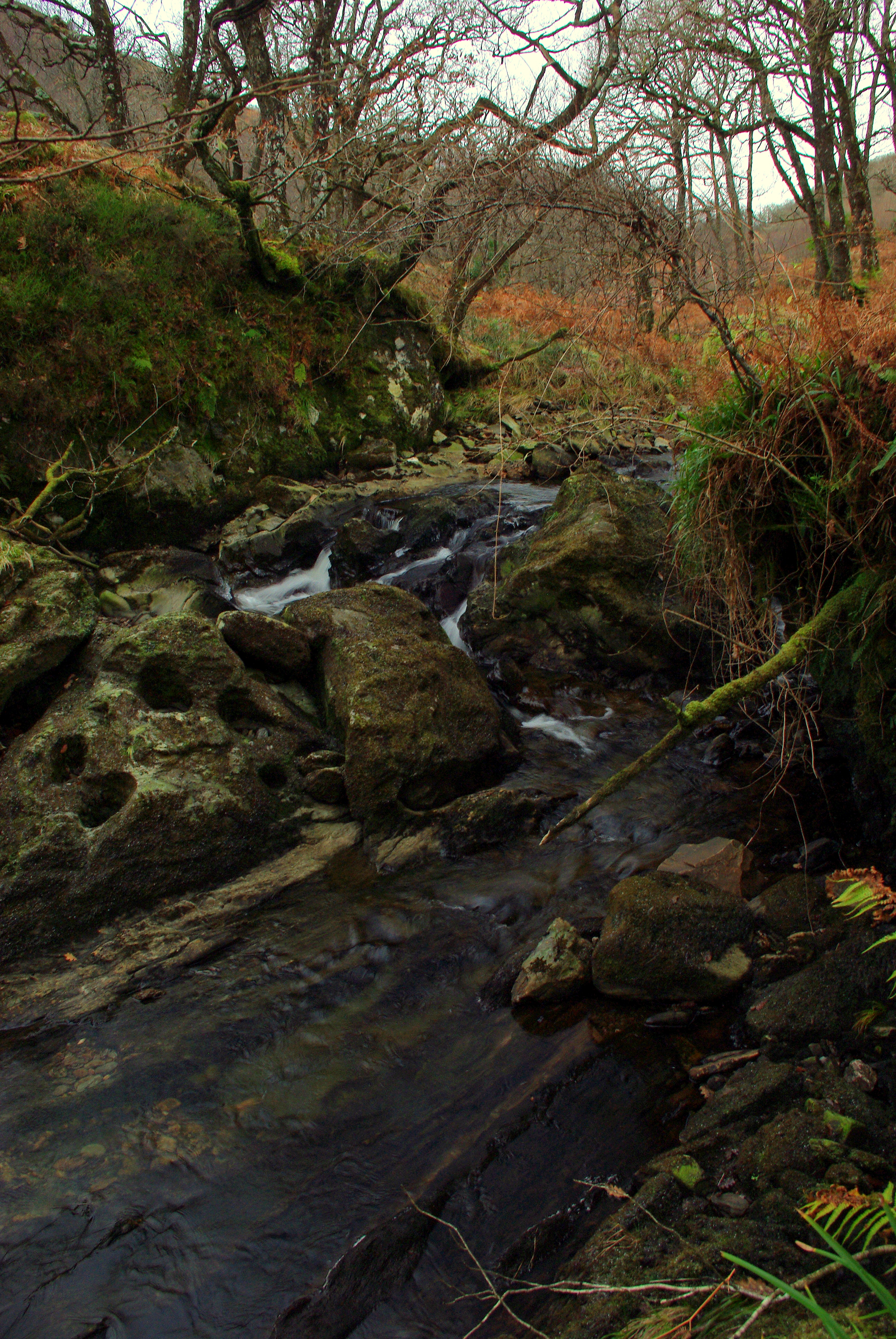
I took a little walk in Kilmartin Glen this lunchtime, as I had an hour to kill between meetings.

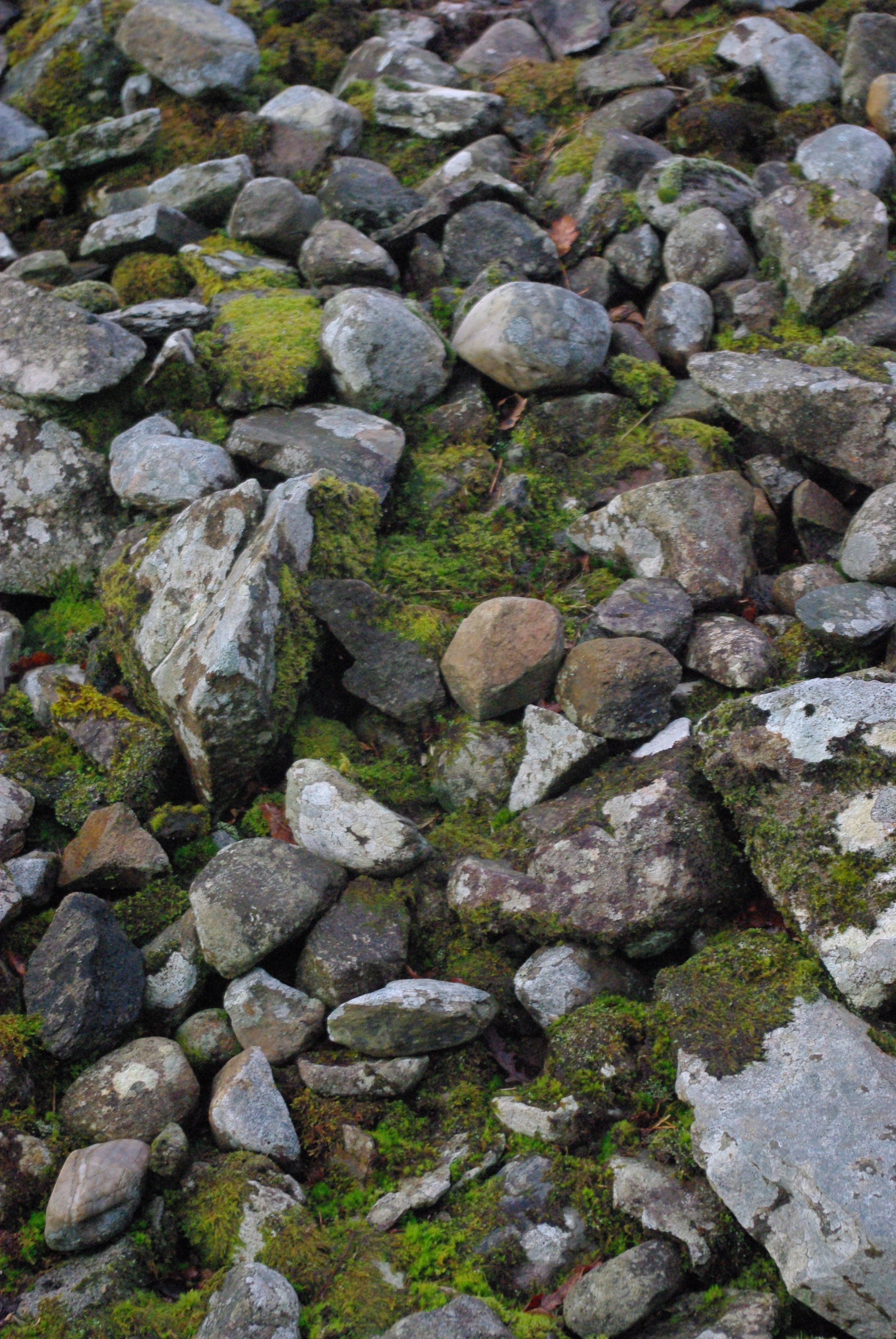
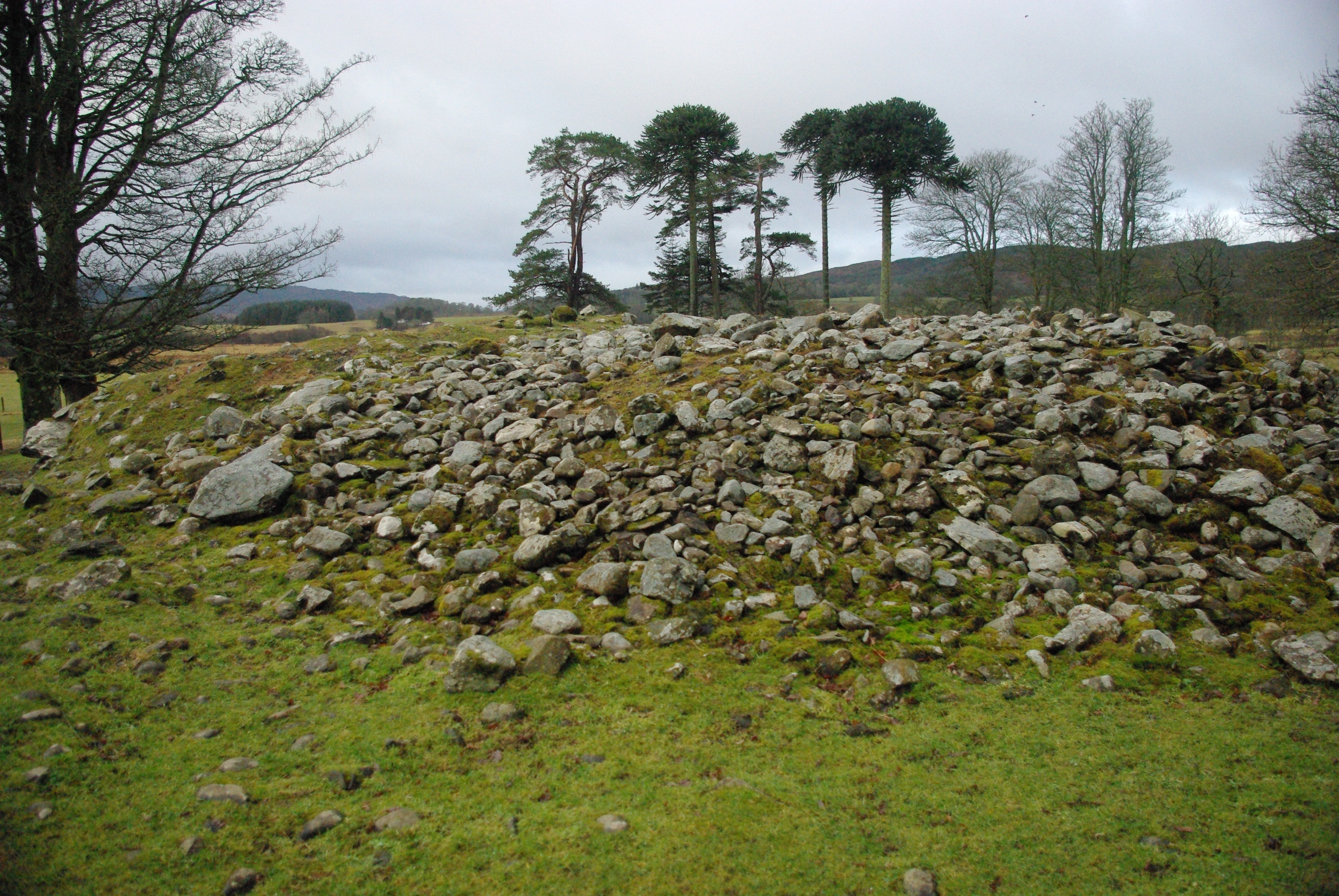
It is a landscape littered with ancient history- revealed in stone. It contains a concentration of neolithic and bronze age sites that is probably the richest and most concentrated in all Europe. There are more than 350 ancient monuments within a six mile radius of the village of Kilmartin, 150 of them prehistoric. Monuments include standing stones, a henge monument, numerous cists, and a “linear cemetery” comprising five burial cairns. Several of these, as well as many natural rocks, are decorated with cup and ring marks.

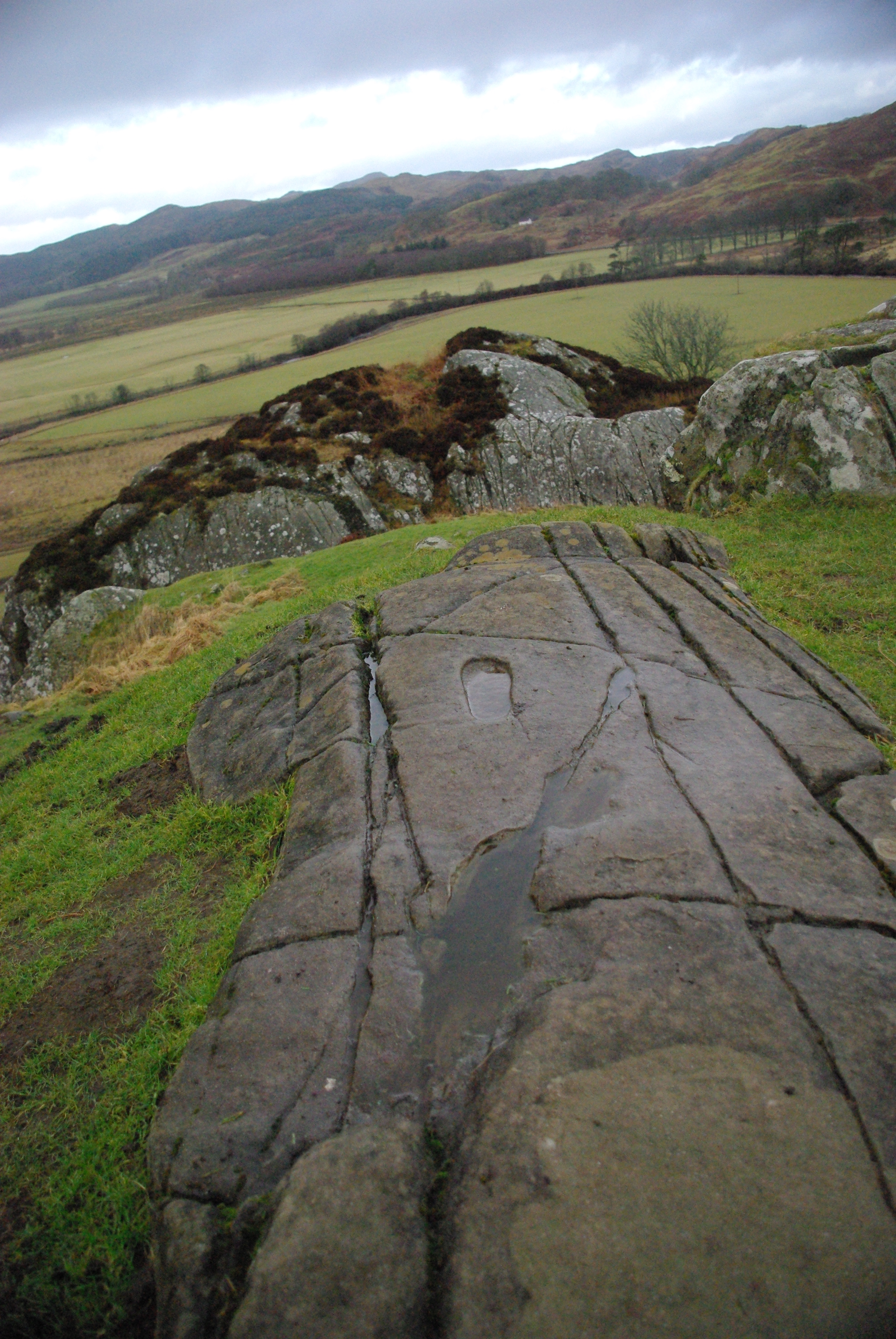
I took a little stroll up the old hill fort of Dunadd– centre of the ancient kingdom of Dal Riata, the original Scots- who came over from Ireland some time in the pre Christian period.

It was a place visited by St Columba on his great missionary journeys.

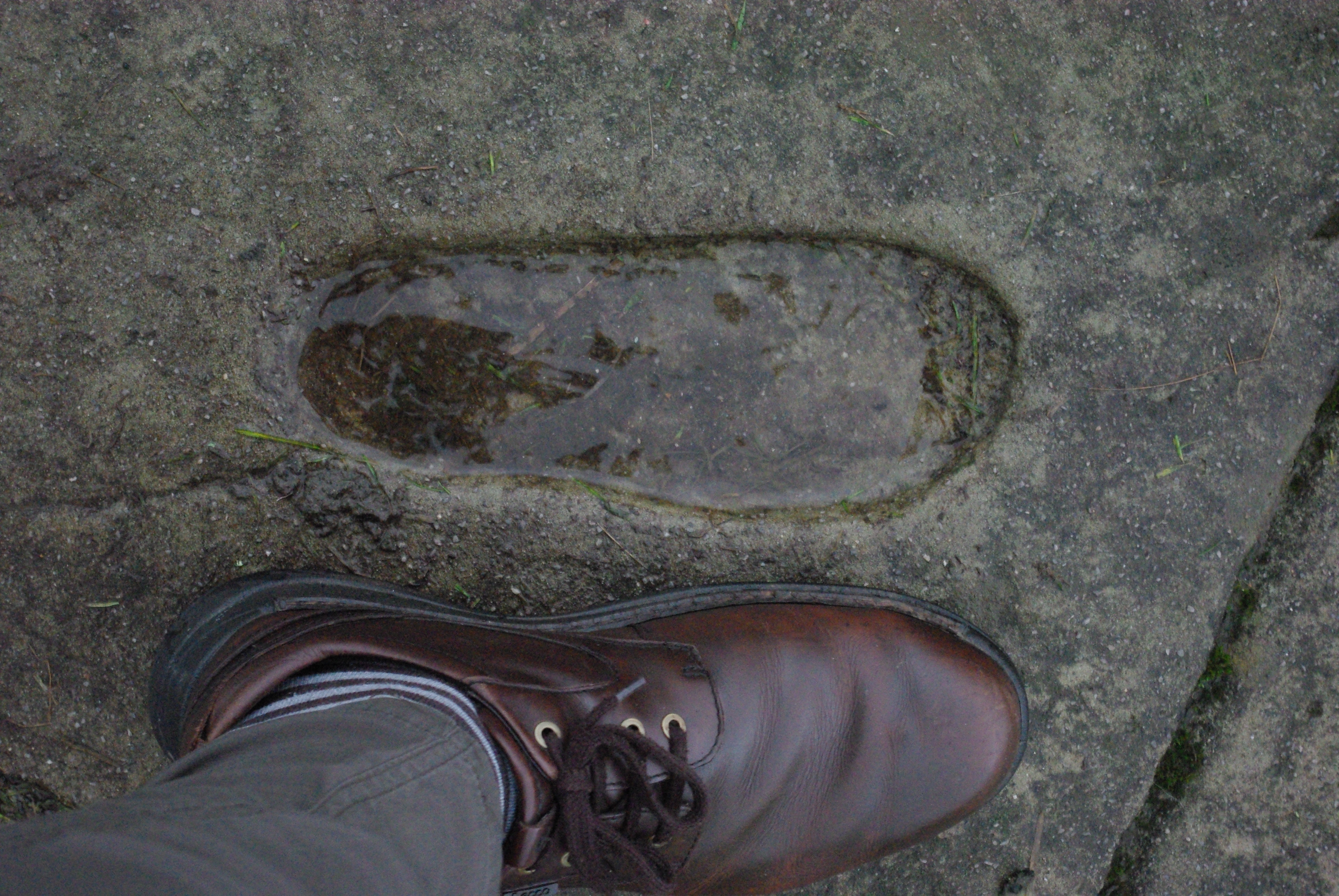
Marked in the rocks are a carved footstep and bowl, thought to have been used as part of the coronation ritual for kings. They would be no use to me (should anyone suggest me as the next king) as my feet are too big.

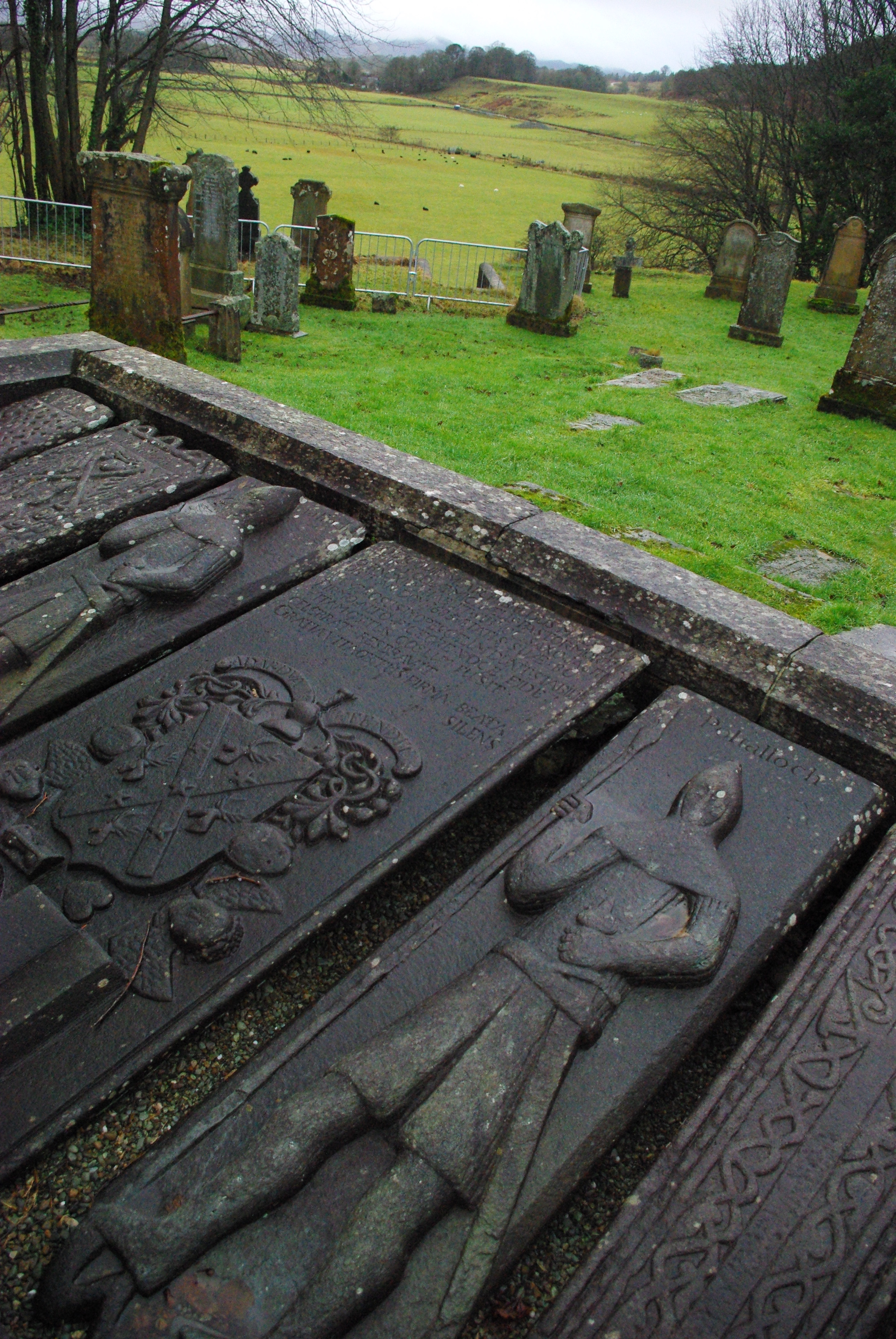
Around the kirk in Kilmartin Village are many medieval stones- to complete the journey towards modernity. Lives of fighting men remembered in intricate recorded stone. Our longings to be as close to immortal as technology will allow us to become.

It is a place where we feel our beautiful fragility.

And in my case, then go to another bloody meeting.

More on the ’emerging’ word (weary sigh…)

If this is a new issue for you, it might be worth reading some earlier posts on this blog- here, here and here.

I have been reading various blogs and comments about the jolly old Emerging Church. It all went something like this-

TSK kicked it all off here. In an interesting piece of reflection, he suggested that EC had progressed to a point where the early radicalism and controversy had more or less subsided, as ideas from the early debates and conversations are increasingly adopted by mainstream churches. Here, for example in the UK, by the Church of England, the Methodists, the Church of Scotland and the United Reformed Church amongst others.

TSK also gave a list of more global church developments that have moved from left wing to become more mainstream in this post.

The kiwi feller is far better placed than me to make general statements about the state of the Emerging world. However, he seems to have tweaked a dragons tail. Others, notably Tony Jones appeared to feel that TSK was saying that the EC was OVER. So he had a bit of a go- taking a swipe at a couple of other church movements along the way.

Then there was the inevitable (and rather graceful I thought) response  from TSK here. And other issues started creeping in- marriage, homosexuality, Marx… how I weary of these shallow self defeating arguments. I have met some of the folk involved, and communicated with others. They may be good folk, but this kind of discussion is not good.

It seems an inevitable progression of fragile allegiances of activists however. Eventually they collect as many reasons to disagree as they do to co-operate… and we followers of Jesus continue the same discordant path that we are so familiar with over the last 2000 years.

If this is how we in the EC (or whatever we come to call it) deal with one another- then perhaps we have no right to any kind of organisational future…

I spent a couple of days chewing on it.

The first thing that surprised me, is that I found I did not really care whether the EC was ‘over’ or not. I think I would have done previously. Perhaps this in itself is an indication of some kind of change afoot…

I should be clear that I still hold the term (and the conversation that is around it) in great affection. It is still a label I find useful- in terms of defining who I am, and the streams of good things and good people that it connected me with.

Here in Scotland, it seems to me that we still need connection, encouragement and hope for new things. We are some distance behind other parts of the UK in engaging with the decline of church, and the post modern realities of an unfolding new Scotland. It seems to me that we have more need for the label here still…

As I see things from Dunoon, we still face some real challenges here.

If TSK is right, and established church is adopting the ’emerging’ stuff- then I for one celebrate this. These ideas can be carriers of new life into our declining faith organisations.

But I fear it too. Because establishments tend to kill movements in the cage of their own tradition- or dilute the ideas in a brew that has too many existing constituents for the new yeast ever to succeed. Also-  activists are not good at joining, and tend to be unwelcome in polite circles.

To put it another way- ’emergence’ can be seen as a lifeboat for sinking ships of faith. A way for the empty pews to fill, and leaky roofs to be made secure again. A way of returning to the past. A change of language but business as usual.

For people like me, this will never be enough.

What we hoped for was a new move of the Spirit of God- inspiring and shaping us to think new thoughts about the mission of Jesus. Driving us out of our narrow traditions and religious boxes to where the people are. Not in order to hit them with our bible clubs and capture them for the Lord, but rather to serve and bless wherever we can.

Has this happened already?

Perhaps in a thousand small ways, it already has. A very different kind of revolution.

An emergence…

Scottish advent calendar?

(What do you think to the snow on the blog by the way? A bit naff?)

My mate Andy sent me this today-

It made me laugh out loud.

Then smile ruefully.

Then feel a bit sad.

There will be a lot of drinking done in the next few weeks in the name of Jesus. Not that he was averse to the odd pint, or a carafe or two of the finest wine- just that this was never an end in itself…

So raise a glass or two with me and lets drink to wet the head of the Christ child, but as we all know, there is a morning after- and a glorious one at that. It would be a shame to spoil it with a hang over.

The church and social economy…

community 1

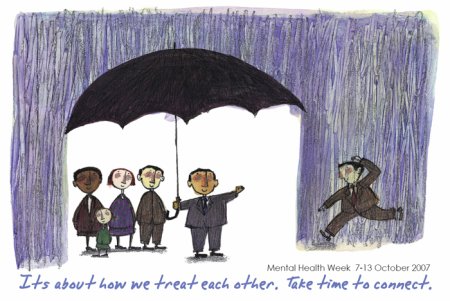
As part of my job, I am currently leading one of the groups responsible for planning a redesign of mental health services. I am enjoying it so far- I like the creative process of developing new things.

The remit of my group is to look at how we develop mental health services in primary care and also to think about how services might help to prevent mental health problems- and contribute to the mental wellbeing of our society.

It is a huge subject, that requires connections across many parts of society- statutory services, housing providers, voluntary bodies, social networks etc etc. It does not take long to realised that mental wellbeing and mental health are very different issues. It is possible to have a severe mental illness, and yet still have good mental wellbeing, but poor mental wellbeing can easily lead to mental ill health. In fact, good health of any sort is simply not possible without goon mental wellbeing.

It is a subject close to my heart, as it resonates deeply with my faith.

I believe that the followers of Jesus are to be a source of blessing for our communities. Too often, we get into pointless condemnation or narrow defensiveness- the foolish idea that we need to ‘defend the faith’ against rising secularism and Godless sinfulness. But the call of Jesus is to show a better way- a way of love and service that transforms lives and communities, and wherever we see the flowering of these good things in society, then we are to savour them with salt, and illuminate them with light.

Because the alternative is grim.

Here is a quote from one of the documents that I have been re-reading for my group-

Across Scotland, the UK and European Union, stress, anxiety, depression,hopelessness, isolation, fear, insecurity and distrust are increasing. We witness daily the effect of this on the lives of individuals, families and whole communities.

Many people in Scotland find themselves isolated and vulnerable due to their mental health status, poverty, class, ethnicity, age, disability, gender, sexuality, homelessness and many other forms of exclusion. The resulting lowself esteem and feelings of being undervalued have serious effects for them
as individuals, for their families, their colleagues, the wider community andScotland.

The consequences of cycles of social exclusion for how people think and feel are complex:

Some people faced with chronic stress and disadvantage may retreat and stop participating. Their social networks reduce, their vulnerability increases, their incomes and security reduce and many spiral into cycles of anxiety, depression and other more severe mental health problems. This not only impacts on them as individuals but can damage relationships between family members, partners, parents,
children and siblings with a chain of negative results-

  • changes in life situations – having babies, getting old, losing a job, becoming disabled, getting ill or family separation – can result in people becoming isolated, vulnerable and excluded
  • others may get resentful and angry and act on these feelings in their personal and community relationships, through aggressive behaviour, violence, abuse, theft or vandalism
  • hopelessness and low expectations may mean some people do things which might be considered to be ‘risky’

Taken together, such experiences are damaging to wellbeing. People, families, groups and communities of interest do not feel involved, connected,safe, secure, caring, creative or active. These types of experiences also affect how communities function: communities can come to feel more and more
vulnerable and close ranks, displaying exclusive attitudes and behaviour; or become divided and disarmed by fear of ‘the other’; or find it hard to believe that it is possible to break the cycle and create a different future.

From the ‘Small change, big impact’ conference report, 2006.

It is possible to get all doom and gloomy when looking at this picture. The question is what can we do about this? How can we break the negative cycles that are at work on individuals and groups? How do we break down isolation and low confidence and self esteem? How do we do this in a way that supports, encourages and empowers, rather than just further labels people as responsible for their own failures?

The report digs into some community projects that have begun to do this, and identified some of the characteristics that appeared significant-

Even though the projects developed independently they articulated a shared sense of purpose: to bring about connectedness

  • With self – A sense of self and worth internally for the individual,
  • With others – A sense of belonging and worth in relation to family, communities of interest and the community
  • With the bigger picture – Creative engagement between individuals,the family, diverse communities of interest and the community that opens doors for a caring and creative society to flourish
  • Between communities of interest and individuals,
  • Spatially – Knowing it is ‘my place, I belong here’ so that people feel safe, involved and want to invest
  • Institutionally – We delivery agents participate too, it effects us also.

It is OUR agenda, our community, our Scotland. We are community too. We are participants with a specific role to facilitate processes that encourage and enhance social development across services to make it easier to respond effectively and holistically to a community as it develops and grows.

The report goes on to speak of the importance of the arts in this process too…

Does this sound familiar? That list of characteristics of groups that build communality, health and satisfaction- does it not sound like what CHURCH is supposed to be? Is it not possible that this is the role that church USED to fill within society?

No longer however. Perhaps we squandered the opportunity, or perhaps the world left us behind. But the challenge to us all- perhaps particularly those of us in church, is how we might again be a blessing to our communities- not so that they might fill our pews again (at least not as an end in itself,) but rather so that we might be change-agents of the Kingdom of God.

This perhaps requires a different set of skills traditionally valued by church- networking, hospitality, reconciliation, listening, neighbourlyness- providing opportunities for real, deep connections between people.

Perhaps it also demands of us that we become JOINERS with others, rather than just INVITERS to our own safe places.

MentalHealthWeek1

Scotland, booze and dying young…

alcohol

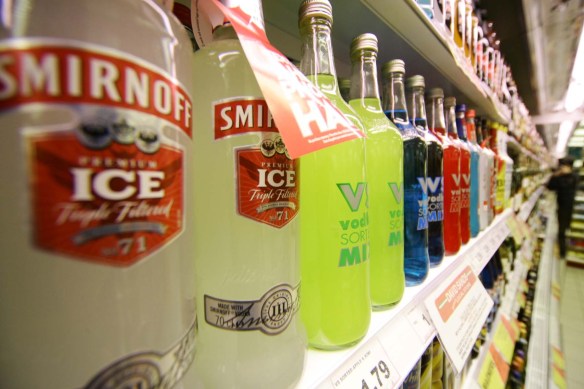
As someone who works in social care and mental health, I have a particular interest in the effects of alcohol on the lives of individuals and wider communities. A recent draft policy document I was reading suggested that people whose lives were directly threatened by addiction may well be referred to community mental health teams for emergency intervention. This was of some immediate concern as I manage some of these teams, and resources/skills/training to meaningfully engage with trying to help people at a point of life such as this have not been discussed as yet- although it is already a major part of what we try to do.

I am also a director of a addictions charity, providing counselling and support, employment advice and links to other health care and rehabilitation. It is a good organisation, but there is always the perception that we can only do so much, for some people.

The recent news about alcohol related deaths in Scotland is staggering. A recent NHS study took a long hard look at death rates from statistics collected in 2003, and examined the root cause of death of people from cancer, liver failure, as well as serious accidents and mishaps. Their conclusion was that one in 20 people in Scotland die as a direct result of alcohol- roughly twice the previous assumed rate. Check out the story from the Herald here, or from the BBC here.

Here are some of the facts-

8 people die every day.

More men than women, and significant amounts of younger adults.

Alcohol accounts for one in four men and one in five women who die between the ages of 35 and 44.

It also accounts for one in twenty hospital admissions- 41,400 in 2003. Goodness knows what the cost of this care was in terms of lives shattered, employment lost and taxes spent.

Scots spend £5 billion each year on booze.

Deaths have doubled in the last 15 years.

Co-incidentally, the amount we drink has also doubled.

Prices of alcohol have plummeted. (70% more affordable than in 1980.)

Scotland has the eighth highest consumption rate in the world.

Compared with the latest figures compiled by the World Health Organisation (WHO), the Scottish Government said this would place Scotland as having the eighth highest pure alcohol consumption level.

This put the country behind Luxembourg (15.6 litres per capita), Ireland (13.7 litres), Hungary (13.6 litres), Moldova (13.2 litres), Czech Republic (13.0 litres), Croatia (12.3 litres) and Germany (12.0 litres).

But it put Scotland ahead of Russia – where alcohol-related deaths have cut the average life expectancy for men to 59 – and also the US and China.

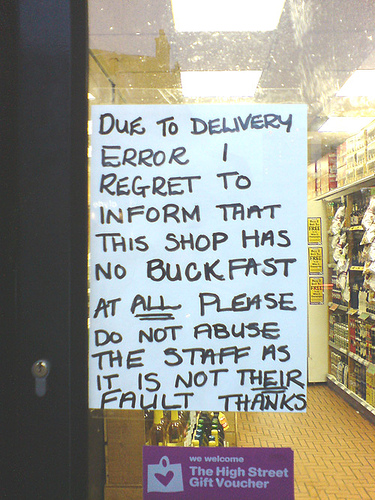
No_Buckfast.ashx

What is to be done?

This is certainly no simple issue- but rather a complex socio-economic-sociological one.

For my money (even as someone who enjoys the odd pint, or dram) prices have to go up. High prices =people drink less. It works.

And we need to do everything we can to challenge the drunken-hero-good time girl/boy- morning after war story culture. The getting off your face in order to have fun- seen across class, gender and age barriers in Scotland. Works nights out, birthdays, Saints days, sports events- all are a reason to drink, and to celebrate excess.

And for people caught in addiction- these are not second class citizens who are burden on the health services- characterised as ‘scum’ and ‘neds’. They are you and me- a product of the society that we have created together.

The role of Christians in this issue is interesting. The tradition of evangelical groups who championed the temperance movement as a response to the Victorian concerns about their own alcohol related societal problems is interesting. There are still Christian groups who operate in this tradition- sometimes adding a charismatic fervour to this tradition- for example the Maxie Richards foundation who are active in our area.

I am not convinced that temperance is the answer. But all power to those who try to make a difference. There are many chains that need to be broken…

Cartographers conspiring with Jesus?

barbed_wire_fence-575x450

I have this thing about boundaries and borders.

They are such artificial things. They are constructs of history, of politics, of tribalism- both ancient and modern.

They seem to represent to worst of us- the attacking and defending, the in-outing, the asylum seeking and the last refuges of scoundrels.

They seem to me to be the visible manifestation of our o-so human characteristic of constructing walls to hide behind and throw stones from. We do it in the playground, and in our theology. We do it in our politics and over our suburban garden fences.

Safe behind these walls we construct, it is possible to make generalisations about the dwellers on the other side. It is likely that we will be skewed towards constructing a reality that is only partially based on fact, and serves to somehow strengthen the boundaries about us. If your failings are evident, mine submerge. If your history and culture can be caricatured and undermined, then ours will be all the stronger. If you are worth less, then what you have, I can take.

great-wall-badaling-2

There is a lot of discussion around at the moment about Britishness. Our (Scottish) prime minister has made it a central part of his message- perhaps (he says cynically) as a reaction to the rise of the Scottish National Party in his native land. Check out this programme on Radio 4, complete with interview with the Prime minister.

In this programme, there is a discussion about Scottish Nationalism. As an English/Irishman, living in Scotland, and trying to understand what it means to follow Jesus in this time and place, some of this debate troubles me.

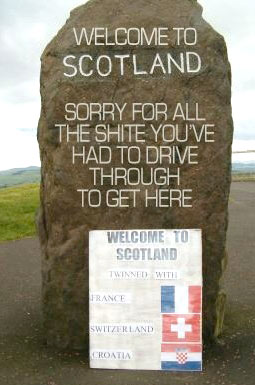
welcome_to_scotland_214189a

If you have an English accent, you can’t say this stuff- you have no right.

You are from the other side of the fence you see- the oppressive, domineering, 1966-boasting, Redcoat-wearing, clearance making, absentee landlord side…

Except, I am the son of an Irish man, the result of his brief marriage to the daughter of a miner. I grew up in a northern England ravaged by the end of industry- in the middle of a miners strike and about as far removed from the City of London as it was possible to get and still be rained on.

All my life, I have been outside fences- perhaps this is the legacy of a particular kind of childhood, or a particular kind of personality. There are a lot of us though.

Anyway- back to Scottish nationalism. A couple of years ago, I listened to Doug Gay’s talk at Greenbelt entitledtowerofbabel ‘Breaking up Britain- how to be a Christian Nationalist’. I really struggled with it at the time, but it was provocative and well presented, and gave me much food for thought.

Doug spoke about the Tower of Babel story- as evidence that God chose to bless us with nationhood and cultures…

And how God chose to engage with one holy nation called Israel…

But I rather thought the point of the Babel story was about mankind getting too big for it’s boots- and the whole Israel thing- well it did not end well did it?

I have a number of difficulties too about nationalism-

  • I am really struggling to think of anything positive about a strong nation state- even one positive example from history
  • Nationalists rarely make good neighbours
  • Nationalism always tends to need to define itself AGAINST the other
  • Nationalists tend towards simplified versions of history
  • They tend to demonise the other in order to unite masses behind a flag
  • If celebration of our shared and separate cultures demands that we denigrate others, then I am not interested
  • Jesus seemed to have other priorities
  • He seemed to be more interested in transcending boundaries, and working for peace and reconciliation and healing of wounds

So, for those of us who agree with Tom Stoppard’s suggestion that nationhood is perhaps just a ‘conspiracy of cartographers’- perhaps we can hope that there may yet be a new way to celebrate our nationhood…

I love my adopted country of Scotland. But let us seek to tear down borders, not find new ways to erect them.

Winter (and William) stage a comeback…

Will with hood up

Will with hood up

William has been away to the Lochgoilhead Feis this weekend, run by Lochgoilhead fiddle workshop.

He has had a ball- lessons on the Clarsach (hence the photo in the earlier post) the fiddle, and whistle, as well as Gaelic singing and pecussion.

He also had a chance to do a high ropes course, go out on a high speed boat, and shoot arrows. We missed him, but he had loads of fun.

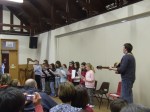
We went to fetch him this afternoon, and to watch some of the kids put on a bit of a show. It was great to see so much enthusiasm for making music- which I think is one of those key things that holds communities together. Because Will is at a Gaelic unit in school, he has a chance to get involved in all sorts of Scottish cultural events- and it gives us such pleasure to see him soaking into the stuff of our adopted land.

A few weeks ago he went to a Celtic connections event with school, and seemed to pick up a hero in young singer Norrie MacIver, accordionist, beatboxer and member of the band Bodega. Norrie was one of the tutors at the Feis, and Will has come back full of enthusiasm- wanting to take up learning an instrument again. Thanks Norrie! We all need role models, and people to draw us on…

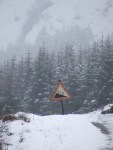
The weather was dreadful though! The drive down the spectacular Hells Glen is always a challenge- and when there is snow on the road it can be treacherous.

So here are some photos…

WANTED- people ready for some small adventures…

dscf1510

So- a new year turns.

If you are like me, you will have been indulging in a little self examination- thinking about how life has been, and what possibilities the new year might bring.

Perhaps you have had thoughts of stepping out the old routines, and opening up some new things- finding new places, new connections and deeper spirituality.

Perhaps you are ready for some adventure. Small ones perhaps- not all of us are Bear Grylls!

Anyone fancy some fish by the way?

Assuming that this is not your fancy- how about joining us for trips into the wilderness to find something slightly more palatable?

If so, we at Aoradh would love to hear from you.

We are planning some trips out into the wild places hereabout- to find places where we can appreciate the beauty of the mountains and hills about us, and also to use some of these spaces for group and individual meditation. These will mostly be based within Argyll, Scotland- or in the Cowal Area, where we are based.

Nick and I have been working on some wilderness meditations- some of which are on the aoradh website- here. We would very much appreciate some folk who are willing to be our guinea pigs (or should I say, Red Squirrels) as we give them a wider road test.

As part of this, a few of us are planning a trip to a small uninhabited island on the bank holiday that begins Friday the 1st of May. We have not finally decided the venue for this yet- there are a couple of possibles, and it rather depends on transport. Past trips away have included trips to Coll, Little Cumbrae and the Garvellachs.

The format of these trips has been that people are prepared to be self supporting- with their own camping and back packing gear. We will then make our own small community for a weekend, in a beautiful, wild and uninhabited space.

For the weekend trip, there may be some transport costs- but that is all, we are not interested in profit- but rather in friendship with each other and a deeper relationship with God.

So we are clear about the legalities of this- we offer a partnership- not a package tour. You come at your own risk!

For those who need to be more organised- we have set some dates for later in the year when we hope to organise one day events- which will include a mediation around a ‘found’ space in the wilderness- caves, rivers, mountains etc.

16th May (Family weekend??)

20th June

18th July

19th September

24th October

contact me for more info!

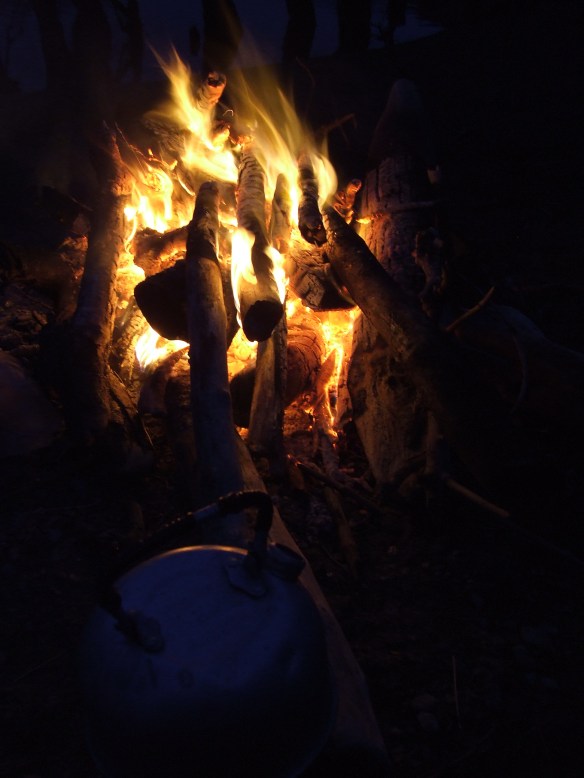
Pull up a log- sit by the fire. The Kettle is on…

dscf1486

Braveheart, Inchailloch and Scottish/English history.

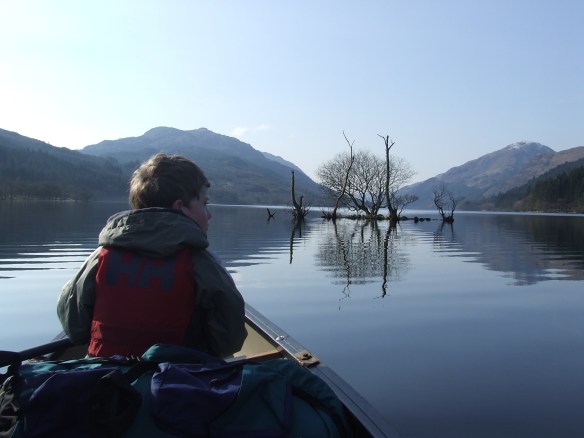
Back in the spring Ali and I took a canoe trip on Loch Lomond, and spent some time exploring the island of Inchailloch. Check out here for some details of this wonderful place…

The island was the site of an ancient nunnery, sacked by the vikings, and for hundreds of years was the burial ground for Clan McGregor- Clan of the famous Rob Roy.

dscf1159.jpg

My Daughter Emily told me that her school, like the good Scottish Grammar school that it is, is studying Scottish history. And in order to aid their 12 year old understanding, the kids are shown the Mel Gibson film ‘Braveheart’.

It is just possible that Emily told me this to wind me up, as she has heard me rant about this film. It takes so many liberties with history that the very idea of it being shown in school is enough to make me grind my teeth! You know the stuff- the wild and free Highlanders, living in high minded moral purity in the pure mountain air, are set upon by the despotic English, who receive their just deserts from the edge of a rusty Claymore…

Ignore the fact that the film Americanises and romanticises the story, re-drawing the characterisations to make the blockbuster market-friendly. Can we really learn anything from this view of history beyond the reinforcement of narrow stereotypes?

The narrow views that live on in football rivalry, and a kind of anti-Englishness that is understandable in part, but is a prejudice that is justified in many circumstances where people should know better.

But I am an incomer- born in England, with an English/Irish ancestry. Therefore this talk will get me into trouble…

I am well aware that I can never fully understand what it means to grow up as a Scot, and to learn to define yourself against the old enemy… with hostilities now ritualised and categorised according to the modern age. But I grew up as a working class northern English lad, in Thatcher’s fractured Britain. My English forebears experienced forced industrialisation and unrbanisation, and became the workers who fueled an empire, but reaped none of its benefits. The death of the UK as an industrial power was our story too. I say this because we all have out stories of ancestral hardship. Some of them are shared…

And my father is Irish, a Catholic from Northern Ireland. He comes from a town called Strabane, scarred still by bombings, shootings and violence, and polarised into groups defined by skewed historical inherited memory.

This redrawing of history to suit a particular prejudice is often the recourse of the powerful. In our case in Scotland, it seems to me that it is also something indulged in by our small nation, in order to justify chip-on-the-shoulder victim mentality. Ouch. That is harsh- but is there truth in there somewhere?

Scotland, in this view of history, is the proud wild nation, whose heart is to be found in the mountains of the North West. It has been beaten down and oppressed by the neighbourhood bully from the south for hundreds of years, but still, it’s heart beats strong and proud.

But when you look at the realities of history- these things are not so clear. The clearances were perpetrated by the English were they? Or was it the English-centric Scottish nobility? Were the famous and tragic battles fought in the name of Scotland, or were they as much Scottish civil wars, with only one outcome possible when one grouping has a modern, well equipped army on its side?

And what of these pure proud Highlanders?


On Inchailloch one of the graves is marked with the Clan McGregor motto- interpreted on the board above.

If unsure or if there is any back-chat, kill.

These were the times that the mythology of Scottish history sprang from. Desperate times, when old Clan loyalties may as easily been applied to local rivalries, or cattle stealing as to the cause of noble Scotland. Where life was brutal, and brutalised, and the domesticated folk in the south grew up in fear of the Highlanders coming south to raid and rampage, in perhaps the same way that we fear terrorist attack today. The Highlanders could be said to be Al Quieda, the IRA and the Taliban all combined into one for 17th and 18th Century lowlanders…

And we know that this was the mythology that was eventually exploited and wasted by the weak and foolish Bonnie Prince Charlie, as he followed his own power-hungry agenda, in the hope that France would support his cause. Resulting in a time of terror, then of terrible and vengeful persecution by the victorious English army that casts its shadow even today, 200 years later.

I love this country. If we move towards greater independence then let us do it with honesty and respect for the shared history of these islands.

And let us stop this small minded prejudice, that interprets everything through a set of distorted goggles. These sorts of narrow mind sets have been the cause of violence and hatred, and may yet be again.

We Scottish Christians, let us be people of peace and reconciliation. Where there is hatred, let us bring love.

Even to the English.

Blogged with the Flock Browser