The bench…

I started a new thing today.

I love the beginning of new adventures- the chance to allow new things to unfold.

This one involves a commitment to meet with my friend Paul on a regular basis, and spend some time doing some deliberately spiritual practices, and writing about them. The idea is that we take a few hours and walk into the wilderness, talk, think and meditate.

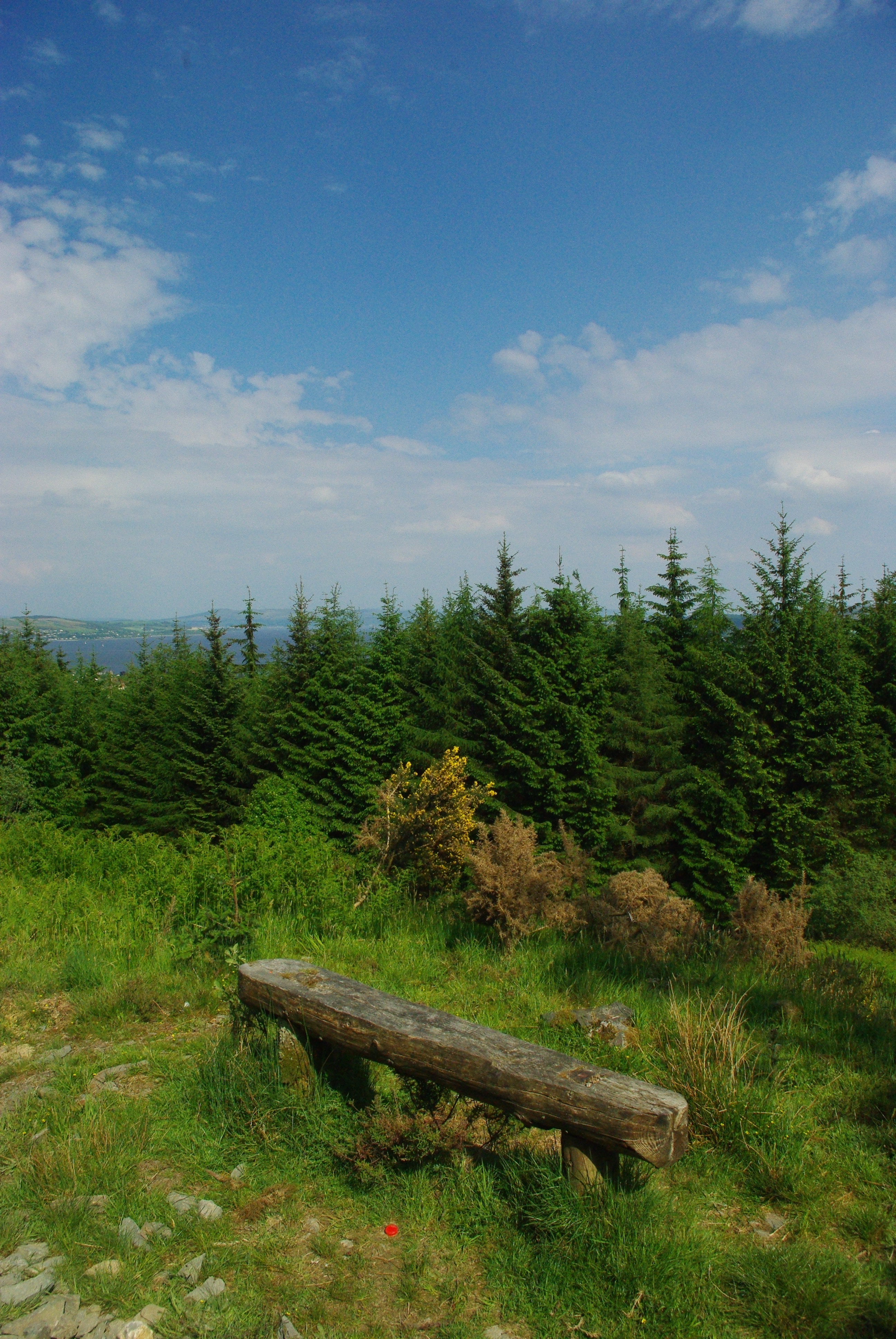
On a bench.

This was today’s bench, in the hills above Dunoon…
Today we used one of my favourite psalms-

1God, I’m not trying to rule the roost, I don’t want to be king of the mountain.
I haven’t meddled where I have no business
or fantasized grandiose plans.

2 I’ve kept my feet on the ground,
I’ve cultivated a quiet heart.
Like a baby content in its mother’s arms,
my soul is a baby content.

3 Wait, Israel, for God. Wait with hope.
Hope now; hope always!

Psalm 131 (The Message)

As I reflect on these ancient words, I am concious of a soul that is not content, and a heart that is unquiet.

I am puzzled too as to what things David was writing about that were ‘too great’ for him (at least in the un massaged version.) He was a king after all- but perhaps a king all too aware of his failings.

And I wonder whether I really want to stop dreaming grandiose plans- it is part of who I am. I kind of believe that our dreams should lie just beyond our grasp- just outside our comfort zones…

But in all of this, I am so aware that I need to hold on to hope.

Hope for life lived in communion with good friends.

Hope for life that is rich and deep and saturated with the things of God.

Hope for life that measures it’s meaning not by a kind of success that rots the soul.

Hope for life that is life-giving to others.

And in awareness that in this life there are no guarantees- no easy short cuts. But there are moments when what has been grey can become saturated with new colour.

Like today, on this bench…
The bearing of burdens…

Our housegroup met tonight- as we do every Tuesday.  A smaller group than usual, just 7 of us. We have been reading through the Gospel of Mark and talking and debating the meaning of these wonderful stories. Encountering again the words of Jesus, recorded by someone who was right there to hear them spoken…

I needed to be there tonight more than usual. I was tired and weary, with a familiar weight on my soul that I feel like a band around my chest. Nothing dramatic- nothing unexpected, just the old black dog reasserting himself and shadowing me again for a while. A window given by a combination of circumstance and vulnerabilities that never quite go away.

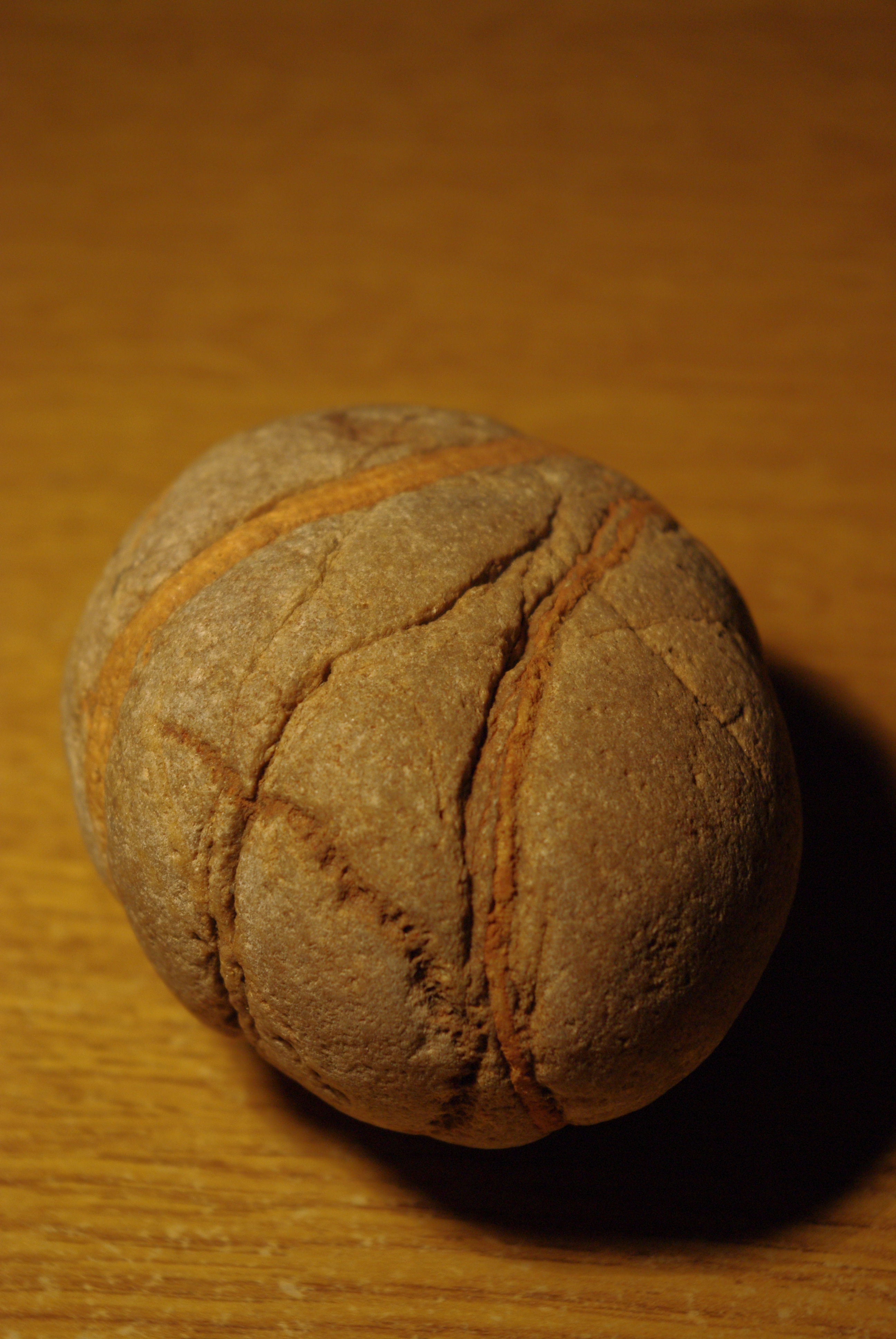
Before we began to read, we spent some time in a simple meditation. We sat around a table on which were stones and rocks brought in from the garden, a small cross and a jug of water and glasses to drink from.  Audrey read these familliar words from Matthew 11-

Come to me, all you who are weary and burdened, and I will give you rest. Take my yoke upon you and learn from me, for I am gentle and humble in heart, and you will find rest for your souls. For my yoke is easy and my burden is light.

We were then invited to take a stone and consider the burdens we were carrying. And to deliberately lay them down at the foot of the cross.

Next, it was suggested that we drink in water, as a sign of God’s promise to bring life and refreshment- to fill us with living water.

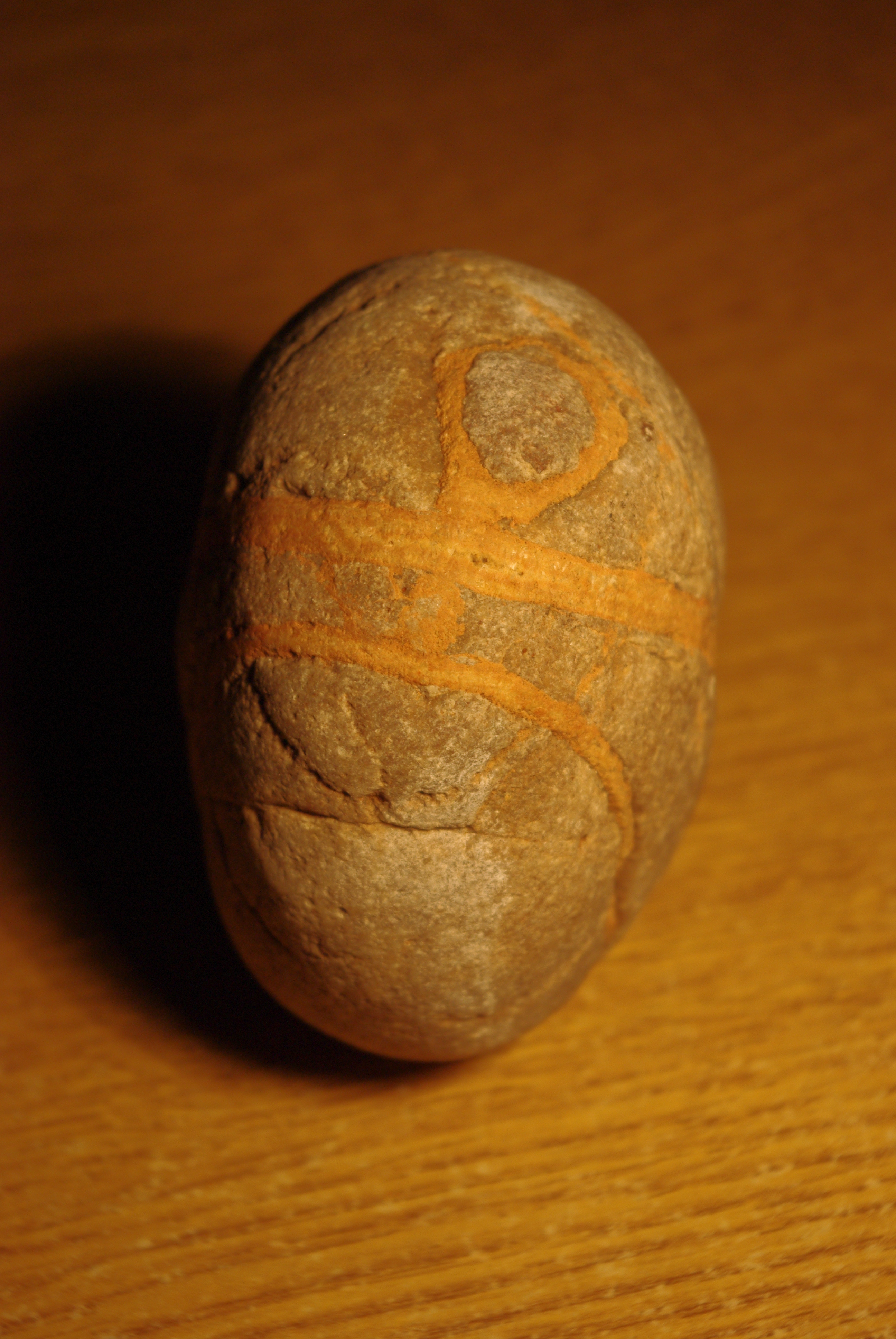
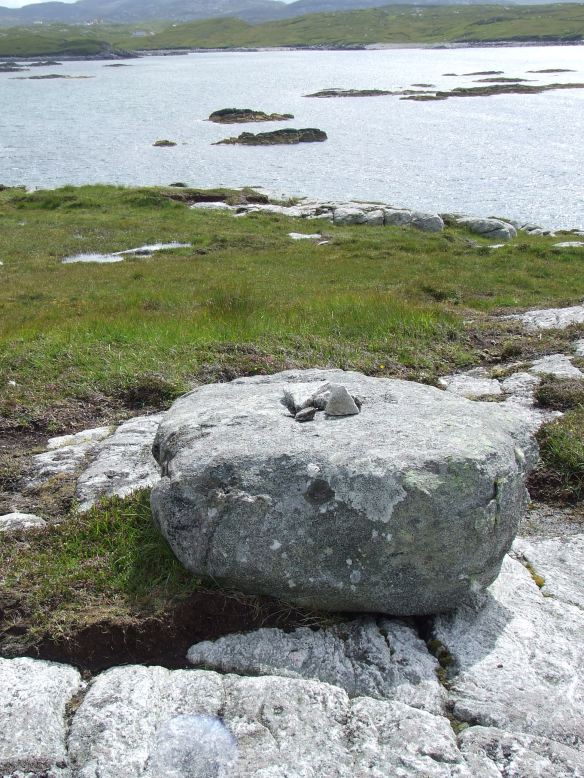
But I rebelled a little. I did not want to lay down my stone. The more I looked at it, the more fascinated I was by the shape in it- which was entirely natural- cracks revealed as the stone was eroded by the action of waves on the beach we picked it up on.

What was I looking at?

Initially it looked as though I was looking at a man- and I wondered if this somehow symbolised a person.

But then I realised that the markings on the rock actually looked like a man with his arms and legs wrapped around a huge burden- and that in fact, they were carrying this burden.

Almost like they had taken on the weight of others…

It seemed to me that there was a message here of promise- or perhaps a reminder of a promise. My burden is being carried- not by me, although I easily labour under the weight of it. Rather the burden is being borne by someone else. Leaving me with the possibility of lightness and freedom. Because he is gentle and humble in heart…

This life of faith is wrapped up in mystery and doubt, or at least it is for me. But today I hold in my hand a solid sermon in stone.

And for those of us who look for doubt- we will find it.

But we should also consider this. At some point, we picked up a few stones on a beach, and left them in our garden amongst a rockery. There are thousands of stones there. Michaela gathered a few, and as part of a meditation, at a time of need, I picked up this very one…

Chance?

Serendipity?

Or- a God who seeks after us, despite everything?

Praying with maltesers…

Michaela meets with a few friends to pray and chat about once a week. They sit round a table and make art whist they pray. Women are so much better at these things than we blokes I think.

Of course, being women, chocolate is involved.Today they sat round a big bag of maltesers. I am not sure what exact spiritual role the sweeties played.

Perhaps a kind of woman’s communion celebration?

One prayer, three maltesers.

One answered prayer, a bar of dairy milk.

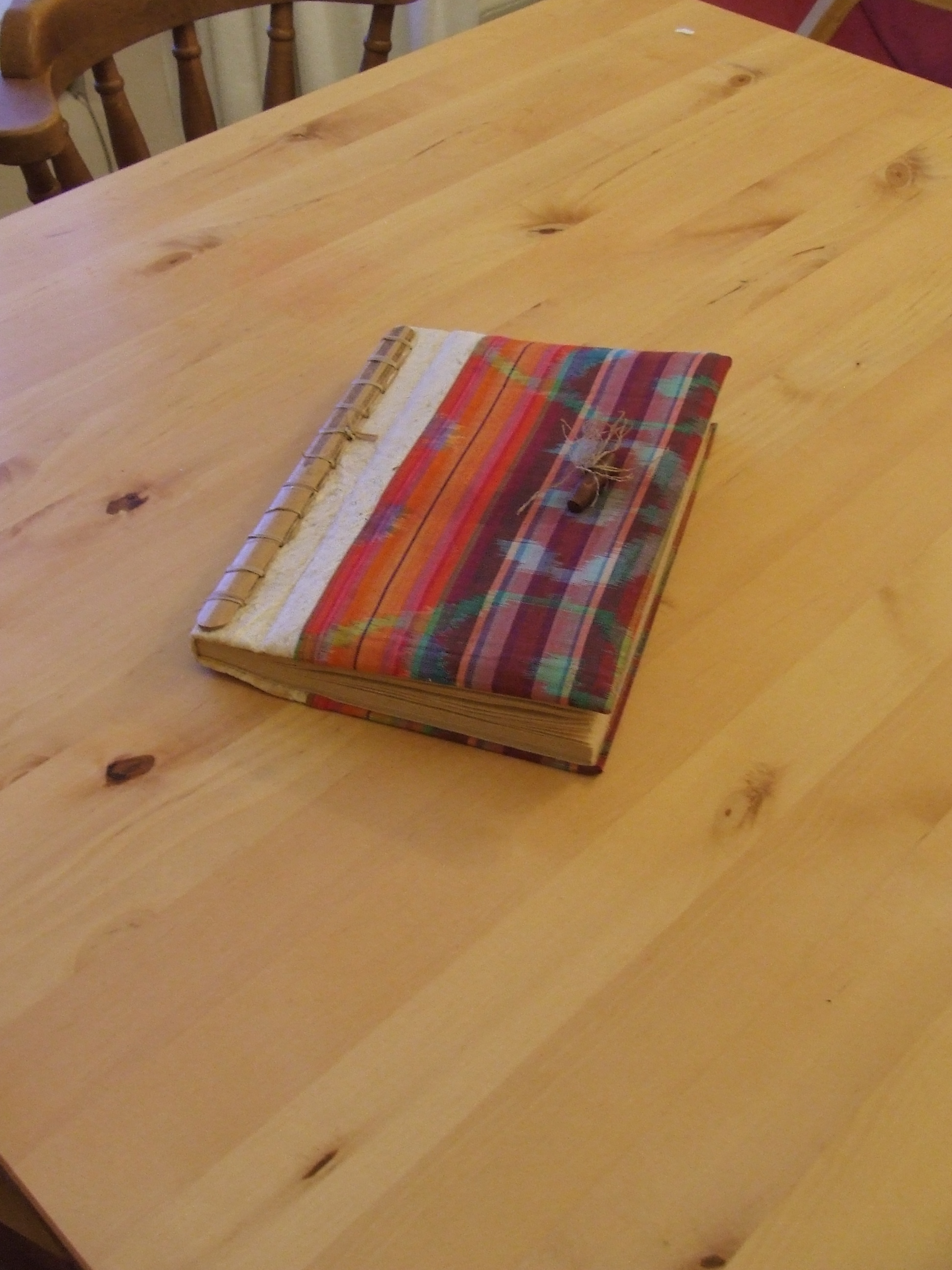
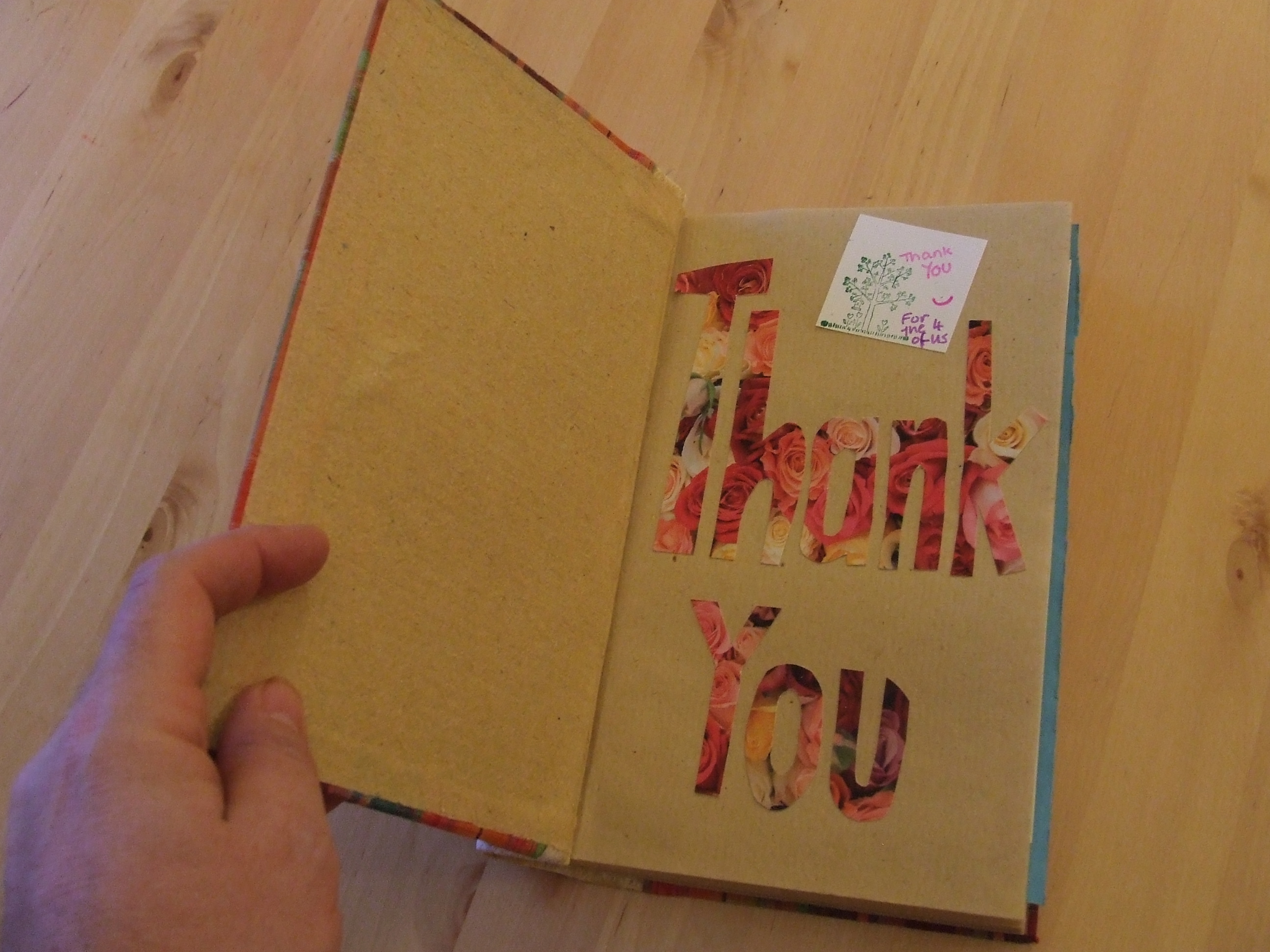
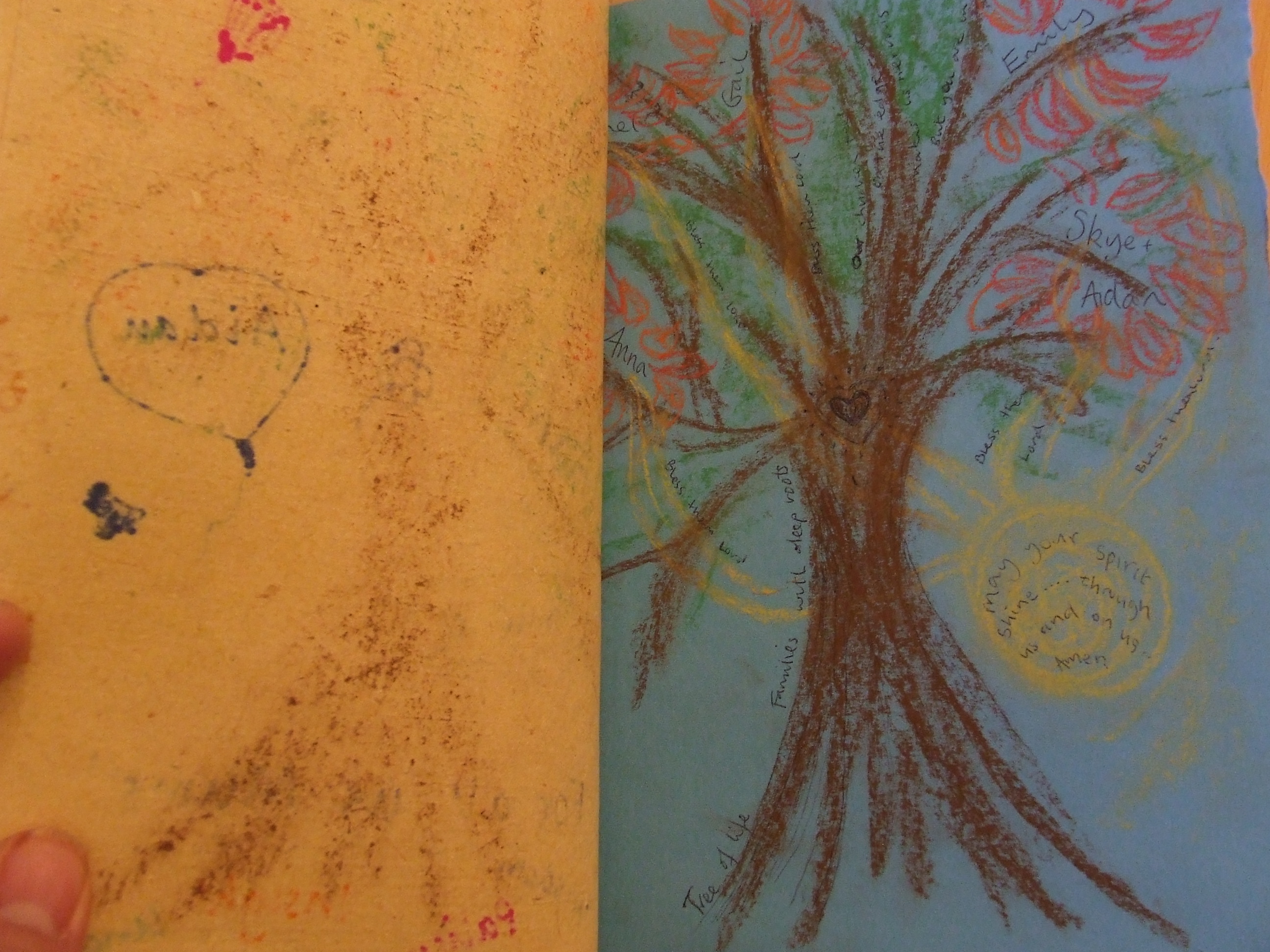
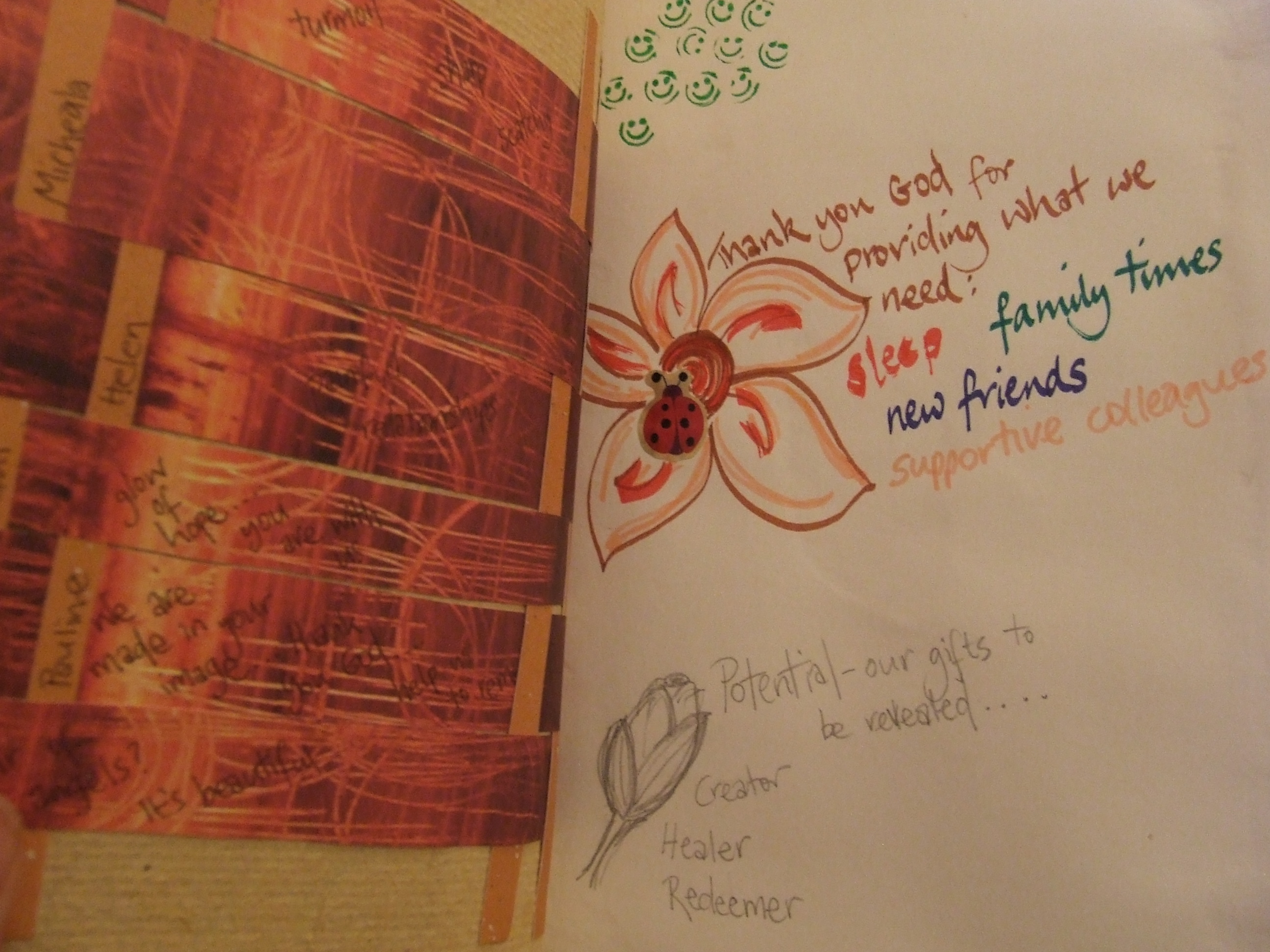
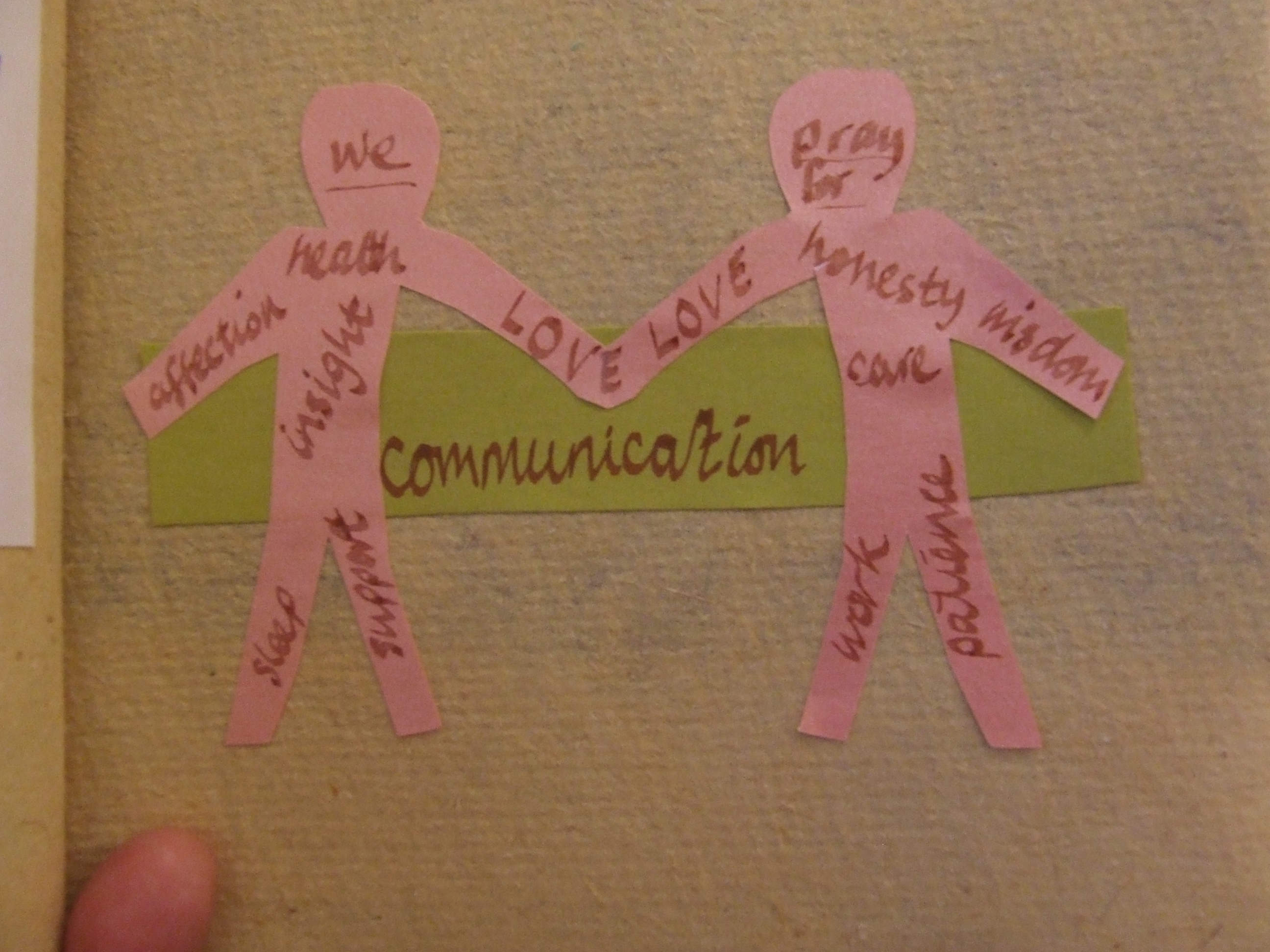
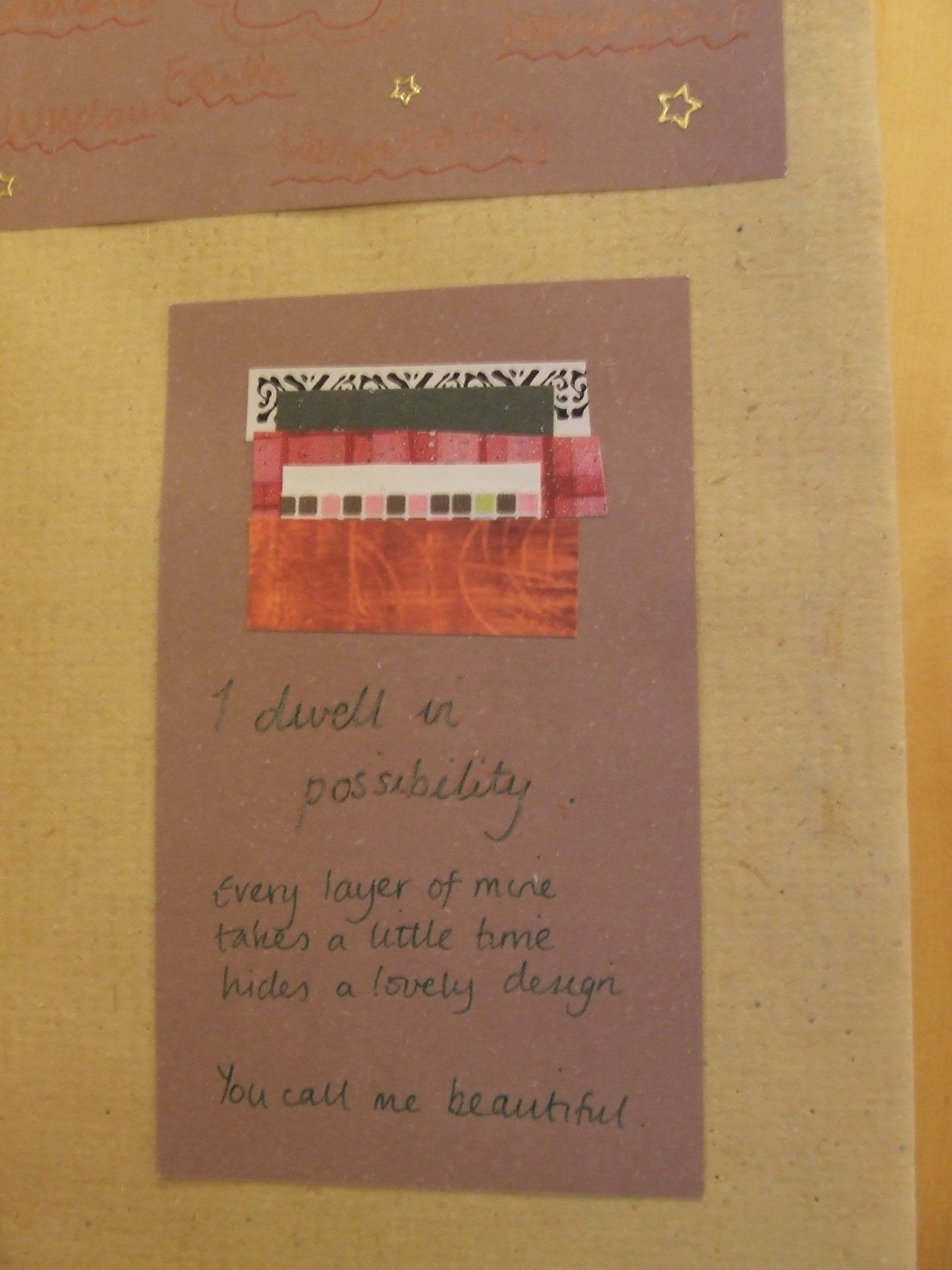
They keep this lovely book of things they have made- pictures and crafts. It is such a beautiful thing- like a living prayer

I got (grudging) permission to take some photos of the pages that are not personal. I hope you enjoy them, it is like an invitation into another world.

Where chocolate is freely available…

Lessons on mindfulness from early French photographers…

I was listening to Johnathan Miller talking about early photography on Radio 4’s Front Row programme this evening.

Apparently, photographers struggled to convey the idea of movement.

In fact, because of the long exposures needed by photo chromatic material available, photographs of street scenes were eerily empty when developed. Movement rendered people invisible- blurred into oblivion.

It was only people who were still whose image could be captured.

So- to all you preachy types, I give you this as a sermon illustration.

Something to do with the need to find stillness- to linger and to be fully present. To learn the art of mindfulness and openness to God and others.

Otherwise we become caught up in a lesser life- lived in a fast pace, here, then gone.

Becoming the beloved…

We watched a DVD in housegroup this evening, borrowed from Michaela Kast (Thanks Michaela!) of Henri Nouwen, great catholic writer, friend and companion of Jean Vanier and standing a great tradition of writers and Spiritual thinkers who are influenced by liberation theology.

Here is a clip from the DVD I discovered on you tube-

There were two more talks on the DVD, and we watched them all.

The second one talked about communion- how the breaking of the bread was an image for how we were to live our lives.

TAKEN- Chosen so that we might see the chosen-ness in others.

BLESSED- but blessed most through our encounter with the other- in learning how to give blessing, not through seeking to receive for our own sake. Speaking well of one another- not looking for evidence for the prosecution…

BROKEN- being aware of our own brokenness, but not living in fear of it- rather placing it under the blessing.

GIVING- our life finds real purpose when we practice active loving of others

The third one focussed on the discipline of becoming the beloved- and had three elements-

LISTENING to God- time aside to be alone.

COMMUNITY- not the dependent, mutually needy but friction related community, but rather a community of people who are aware of being the Beloved…

And finally- MINISTRY- which is the practical out pouring of the two above.

I will post some more about this some time later, as it is a central theme for me at the moment…

I first discovered Nouwen through our friend and former pastor Judith Warren, who was helping me through some counselling at the time. I was struggling to ever believe that I could be the Beloved of anyone- let along God. It is a struggle that continues in me at times still.

And it was not until I listened to Nouwen again this evening that I realised how much these teachings have become central to the way I understand God, and the life of faith. Not because I think these things are now sorted and OK in me- but rather because contained within the hope love and joy of these words is something ineffably GOOD and right.

It is a return again to simple things, running deep.

The beloved who are free to love.

Nouwen died in 2006, of a sudden heart attack.

It is perhaps worth noting that he struggled with clinical depression. His book ‘Wounded Healer‘ written in 1969, speaks of a way of reaching out to others through connecting with our own brokenness and pain.

His life and ministry is another reason that I am grateful for the Catholic tradition.

Spirituality and photography…

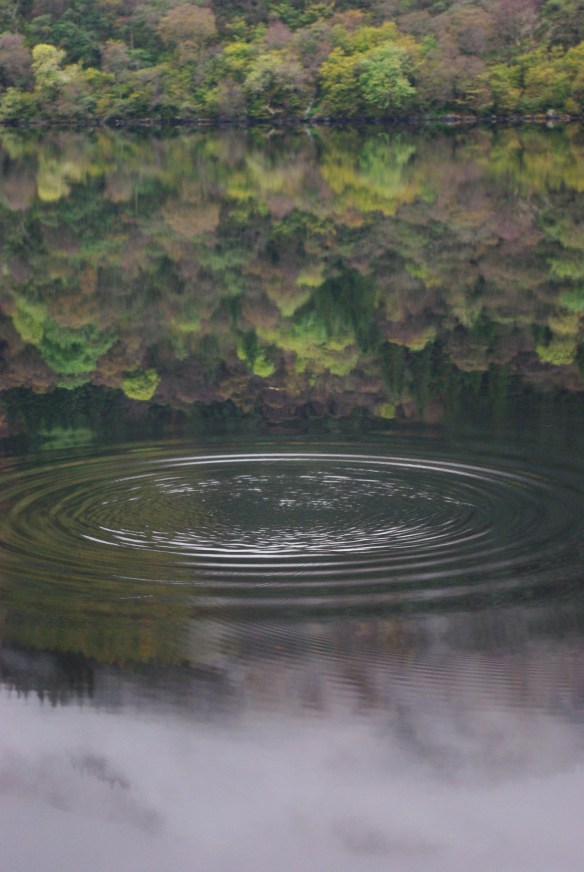
pebble ripples, reflection, loch eck

Another couple of drives around Argyll in the last few days. On Tuesday we drove to Oban to see William sing in the Mod. This is the annual festival of Gaelic language, music and culture. Will was entered in a solo unaccompanied singing competition, and did himself (and me of course) proud, finishing just three points behind the eventual winner.

Yesterday was a bad day for photography- the weather was poor, and I was too nervous to photograph William. Sometimes, it is best just to be in the moment, without the enforced detachment of a lens between you and the action.

But today, I drove to Lochgilphead on a day of Autumn mists and still reflections. I left for an early meeting, and had no time to stop, but on the way home I slowed down.

And took some photographs.

Which set me thinking about why I do it, what the practice of photography brings into my life and how it interacts with the spiritual side of who I am.

I mentally made a list-

  • It allows me to be creative, and in creating, we encounter the Creator
  • It allows me to be appreciative- of the wide vistas, but also of the tiny small things- like the catch of dew on a leaf, or the light falling on yellow sea weed at low tide
  • It makes me look deeper, and that the more I look, the more I see
  • It slows me down and forces me to be more aware of the interplay between sun and scene and settings- the where I am, and the moment I am in
  • It teaches me patience- good photographs rarely happen in a hurry
  • It teaches me discipline- the need to understand how to do something
  • But it also teaches me that despite the acquisition of skill, there is still so much room for spontaneity and the seizure of opportunity
  • And that out of 500 attempts to capture something beautiful, then you might have just one photograph that captures the essence of something…
  • The rules of composition are useful, but are always meant to be played with
  • The capturing of images is a futile pursuit unless shared

Any more suggestions? Sit down a while and think…

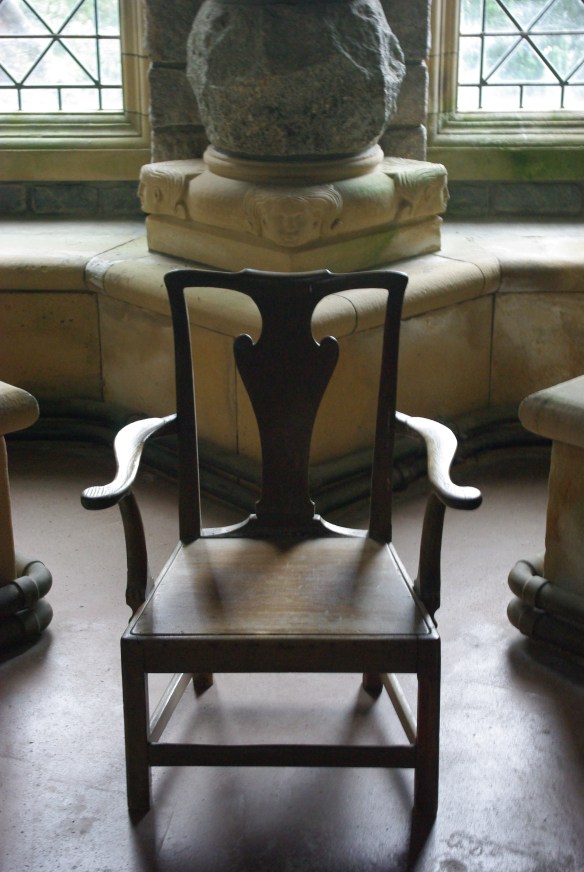
chair, symmetry, St Conan's Kirk, Loch Awe

My Uncle Napoleon, and Iranian culture…

I recently confessed to an attempt to find a deeper understanding of Islamic cultures through reading literature.

The books I read were wonderful, but very much from a western perspective. I needed to adventure a bit further- and given that this was around the edges of bits of leisure time, I needed it to be reasonably digestible.

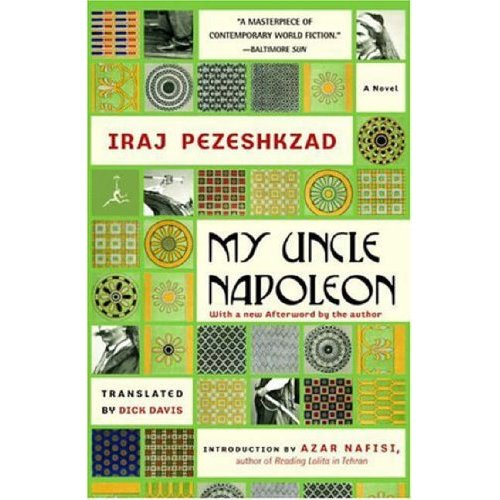
This evening, I watched two programmes on BBC 4 about Iran. One of them was about this book

my uncle napoleon

This book (and this programme) deals with a different part of Iranian history- that we British people are very ignorant about- that is the occupation and manipulation of Iran as part of the power struggles first with Imperial Russia, and later as a way of ensuring the continued flow of oil to fuel our battleships. 4 separate invasions, and 100 years of political manipulation.

And we wonder why Iran today has no trust of western powers whatsoever?!

The second programme (also available on the i-player, here) follows a BBC foreign correspondent on a journey through his homeland- again Iran. It shows the beauty of the countryside, then richness of the culture, and the vibrant life of the people. It paints a picture of a country a million miles from the dark satanic oppressed place that we may have been led to understand. The film was almost certainly made under reporting restrictions, and does seem just a little too air brushed- almost like a tourist board film- but it is well worth watching.

And it reminded me that it was time I read some more Persian poetry- Rumi, Hafez and Saadi for example. 600 years of distilled beauty, spirituality and culture both alien, and yet so very familiar. The turning of seasons, and the preoccupations of love and and the approach of death…

Postcards from the western fringe 4- footpaths…

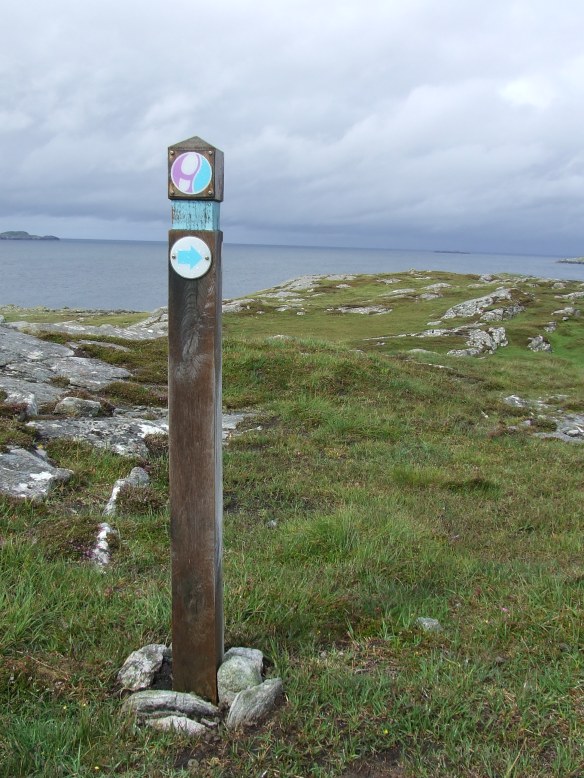
DSCF4326

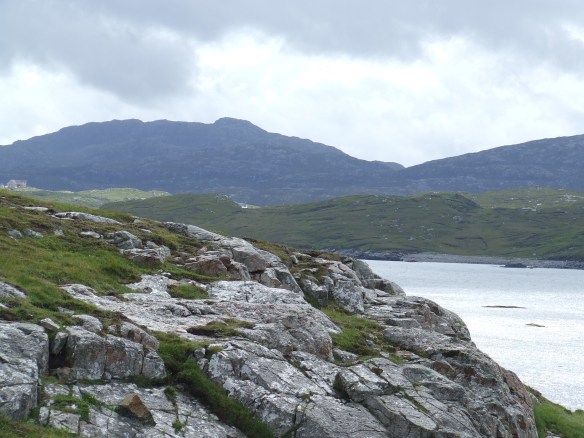
I took this walk out along the coast towards Bosta.

It was lovely. Wind coming in from the sea, sun shining through scudding clouds.

And I started thinking about footpaths. And theology.

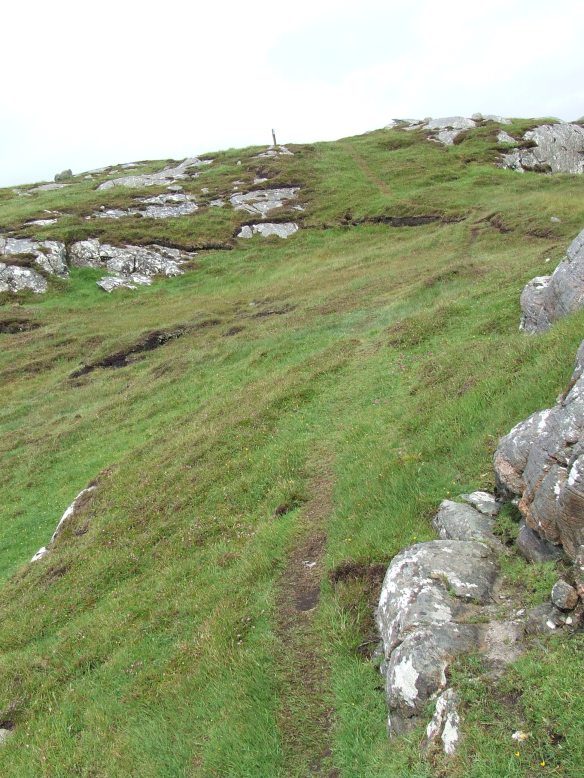
It started with a boggy patch- you know the sort- a lush patch of green that looks all firm and supportive, but turns out to be a cunning thin skin over a foul boot sucking bog. Such things always remind me of Bunyan’s Pilgrim’s Progress. Christian wending his way on the journey of life, until he leaves the path again, and falls into the slough of despond.

It seemed to me that this way of understanding the walk of faith weighed on me for years. It is based on a view that God has proscribed paths for all of us, and should we step to the left or the right of it then well betide us. The best we could hope for, like Bunyan’s Christian, is to stumble back out of the wilderness back onto the golden path…

DSCF4324

Now paths are useful things, as long as

  • You know where you are going
  • The destination is the object of the journey
  • Others have been there before and marked the journey well

But what I found in my spiritual journeying was that the linear, proscribed paths I grew up with became no journey at all. What Bunyan’s followers handed down to me was a spirituality that mapped and measured the life out of each step. A Spirituality that had all the signposts, but had lost all the adventure. That became fixated on the destination, not the joy in the moment, and the companionship of the road.

Walking the mountains of Scotland, as opposed to England, means contending with a much wilder country. The few footpaths are faint, and easily confused with animal tracks. Making your way over rough land is hard work. But these landscapes are no mere backdrop to be drawn past the journey- they are the very place were we encounter the quickening that comes from being tested, inspired and humbled by real wilderness.

The old well trodden spiritual paths are falling out of use. People no longer appear to believe the old signposts, nor are attracted by the destination.

Perhaps the analogy of faith as footpath to be mapped and trod is a poor one. It certainly lacks something for me.

Perhaps the useful analogy should be less focussed on destination, and more on encounter, adventure and dependence. Of moving outwards, looking for the traces of Jesus and listening for the whisper of the Spirit in the wind and the waves.

DSCF4328

But in this wild country, we still need pioneers. We still need to connect with others who walk in the way…

DSCF4335

Kindness- as a measure of spiritual maturity

Another great collection on Radio 4’s start the week programme. Listen again to it here.

There was this fascinating discussion about KINDNESS, relating to this new book, co written by a psycho analyst Adam Philips  and Historian Barbara Taylor.

on-kindness

They appear to take the view that our society has retreated from kindness as a way of interacting and engaging with the people around us. We assume that we are no longer inter-dependent and needful of others, and so kindness becomes identified with a kind of weakness and vulnerability.

They go as far as to suggest that we tend naturally towards kindness, but learn to suppress this as we grow into our culture. All Kindness, suggests Philips, is a RISK- but a risk that is transformative in the taking.

There is a review of this book in Guardian by Mary Warnock where she says this

Kindness to others arises out of sympathy. As the authors note, there is much evidence that other animals besides human beings (or “men” as they properly designate them) can enter into the sufferings and fears of others of their kind. But it is human animals alone who, because of their imaginative powers, can enter into the feelings of other people far removed from them, whom they cannot see or touch, but whose plight as fellow-humans they can share

In the Gospel of St Luke, a lawyer is told by Jesus that to live well he must love his neighbour as himself and, when he further asks who is to count as his neighbour, Jesus answers with the story of the good Samaritan, for many the very essence of Christianity. Kindness here arose spontaneously, not in obedience to any rule, in fact in defiance of convention. But as Christianity became increasingly ecclesiastical and hierarchical, with the consequent corruption of the priesthood, the good Samaritan was forgotten.

The new Protestantism declared man to be fundamentally sinful, such good actions as he could do dependent on the grace of God; and so the possibility of natural kindness disappeared.

So we come back to Jesus, and his call to live for a radically different agenda, according to the rules of a New Kingdom. And one of the watch-words of this new kingdom- is kindness.

It is one of those fruit listed by Paul as evidence of the indwelling of the Holy Spirit. (See here for some more ponderings on this.)

When we come into contact with kindness at a point of real need, we rarely forget it. It lives on in our souls. As Paul said in 1 Corinthians- all sorts of other loud and visible manifestations of faith will clang like gongs and then fall silent- but love will last for ever.

Which makes me think again about the myth of the super-Christian. I am interested in the stature aquired and the adoration we give to some of our leaders- perhaps for their charisma, their vision or their oratory power. When one of these paragons of Christianity falls from Grace, how dreadful it seems… how shocking.

Might this be because we measure spirituality according to a strange criteria? We equate knowledge with understanding, declaration with practice and power with ordination from on high.

Might we best return to a simple measure- of kindness shown, and a skew towards grace in all things. These are the leaders I look for. Jesus has ruined the others for me!