Cross…

ancient cross carved inside the hermits cave- 7th C


Cross


They scratched it on the walls of caves

Carved it in flesh

Marched it towards crusader carnage

They formed it from pure gold

And festooned it with precious stones


There it is in neon against the city sky

Tattooed on the chest of a football fan

Worn at the neck of a Nazi soldier

And standing in serried ranks

Over massed graves


The shape of this thing was made for murder

It was for pinning dissent like a butterfly

It was a ragged signpost towards public disgrace

A rough pole to fly a flesh-flag of warning;

Conform, or this will be you


Simon

Carry my cross


Economic lie no.6; inequality of wealth creates incentive and effort…

(The last posts in this series are here and here. Post no.4 dealt with similar territory. These posts are part of an on going attempt to search for alternatives to the economic status quo, which I would contend is costing the earth at the expense of the poor.)
downton_abbey_1724595c

A recent book by French economist Thomas Piketty (Capital in the Twenty-First Century) has taken the issue of inequality on directly. So much so that the book has become something of a sensation amongst the movers and shakers of the economic world.

To recap- the world is becoming increasingly unequal. This from The Guardian;

Inequality of wealth in Europe and US is broadly twice the inequality of income – the top 10% have between 60% and 70% of all wealth but merely 25% to 35% of all income. But this concentration of wealth is already at pre-First World War levels, and heading back to those of the late 19th century, when the luck of who might expect to inherit what was the dominant element in economic and social life. There is an iterative interaction between wealth and income: ultimately, great wealth adds unearned rentier income to earned income, further ratcheting up the inequality process.


…the period between 1910 and 1950, when that inequality was reduced, was aberrant. It took war and depression to arrest the inequality dynamic, along with the need to introduce high taxes on high incomes, especially unearned incomes, to sustain social peace.


Now the ineluctable process of blind capital multiplying faster in fewer hands is under way again and on a global scale.

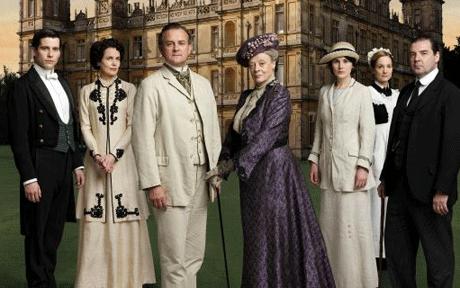
Take a moment to think about this- the rampant growth in the wealth of a tiny super rich elite has now taken us more or less back to the division of wealth that would have been familiar to an Edwardian farm worker or mill worker before the first world war. A world of vast country estates and stately homes serviced by an army of domestics. This is the world we are heading back to it seems.

How did this happen?

Consider the recent political reaction to the financial crisis- austerity hits public spending projects aimed at the poorest sections of society, whilst at the same time lowering inheritance taxes, refusing to reshape the council tax and boast promote ‘business-friendly’ low capital gains and corporation tax regimes.

They can get away with this for one simple reason- we have accepted a myth as truth- the myth of the wealth-creators, whose aspirations to accumulate are the engine of our national success. Set this in the context of the other myth- that national economies operate like household budgets, and the sense of looming crisis has meant that the current government has been able to slash and burn, whilst letting lose the greed of the few.

But back to Thomas Piketty. He has carefully analysed data from about 200 years of capitalist expansion, and came to this rather startling conclusion;

Capital, he argues, is blind. Once its returns – investing in anything from buy-to-let property to a new car factory – exceed the real growth of wages and output, as historically they always have done (excepting a few periods such as 1910 to 1950), then inevitably the stock of capital will rise disproportionately faster within the overall pattern of output. Wealth inequality rises exponentially.


The process is made worse by inheritance and, in the US and UK, by the rise of extravagantly paid “super managers”. High executive pay has nothing to do with real merit, writes Piketty – it is much lower, for example, in mainland Europe and Japan. Rather, it has become an Anglo-Saxon social norm permitted by the ideology of “meritocratic extremism”, in essence, self-serving greed to keep up with the other rich. This is an important element in Piketty’s thinking: rising inequality of wealth is not immutable.


Societies can indulge it or they can challenge it.

Piketty goes further however- he argues that this indulgent greed, this ‘meritocratic extremism’ will be the end of Capitalism itself. Those of us familiar with the Marxian view of the progression of history will remember this- how eventually those of us with little will get sick of a society that requires us to work to maintain the wealth of the few.

Anyone with the capacity to own in an era when the returns exceed those of wages and output will quickly become disproportionately and progressively richer. The incentive is to be a rentier rather than a risk-taker: witness the explosion of buy-to-let. Our companies and our rich don’t need to back frontier innovation or even invest to produce: they just need to harvest their returns and tax breaks, tax shelters and compound interest will do the rest.

Capitalist dynamism is undermined, but other forces join to wreck the system.


Piketty notes that the rich are effective at protecting their wealth from taxation and that progressively the proportion of the total tax burden shouldered by those on middle incomes has risen. In Britain, it may be true that the top 1% pays a third of all income tax, but income tax constitutes only 25% of all tax revenue: 45% comes from VAT, excise duties and national insurance paid by the mass of the population.


As a result, the burden of paying for public goods such as education, health and housing is increasingly shouldered by average taxpayers, who don’t have the wherewithal to sustain them. Wealth inequality thus becomes a recipe for slowing, innovation-averse, rentier economies, tougher working conditions and degraded public services.


Meanwhile, the rich get ever richer and more detached from the societies of which they are part: not by merit or hard work, but simply because they are lucky enough to be in command of capital receiving higher returns than wages over time. Our collective sense of justice is outraged.


The lesson of the past is that societies try to protect themselves: they close their borders or have revolutions – or end up going to war.


Piketty fears a repeat.

His solutions- a top income tax rate of up to 80%, effective inheritance tax, proper property taxes and, because the issue is global, a global wealth tax- are difficult to imagine at present. The elite are too comfortable in their neo-Georgian luxury.

But if Pinketty is right, the seeds of destruction are at the heart of capitalism- and it is the result of greed.

Jesus would have a few words to say about this too I think…

 

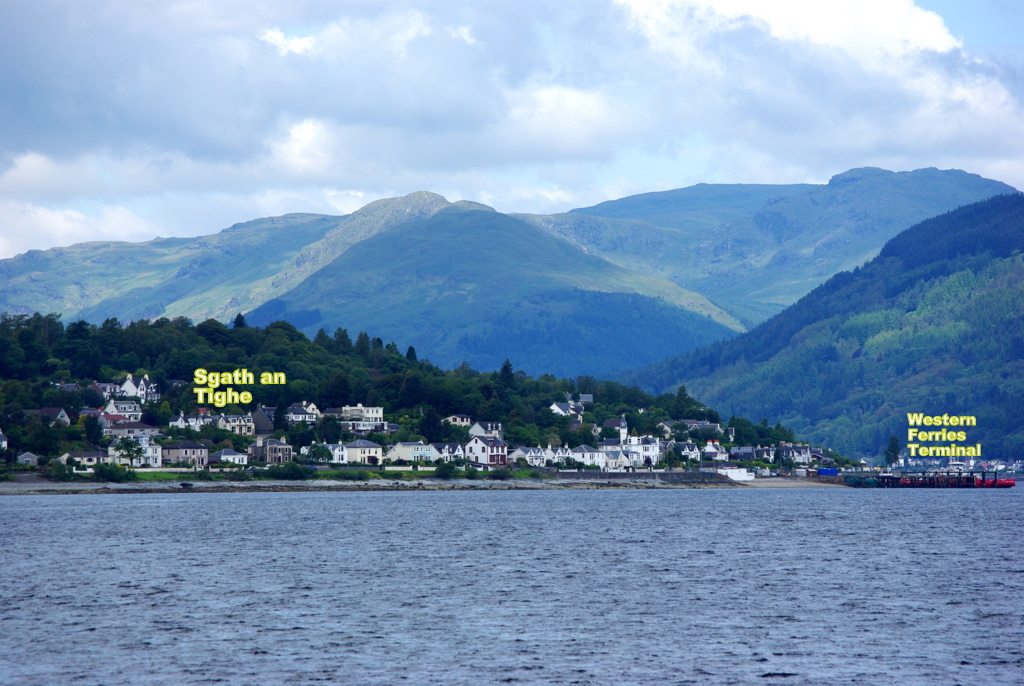
Our house is on the market…

sgath an tighe

… take a look– if only because it is always slightly delicious to stick your nose into other people’s cupboards.

We bought this house 11 years ago, at which point only two or three rooms were usable. It had previously been a guest house/hotel but had been very much neglected. No-one else wanted it at the time. The electrics were dangerous, the roof full of holes, the was no kitchen and the whole place smelled of dereliction.

It is not like that any more.

It is not perfect of course- it would not photograph well for a posh magazine.

Shedding a house is a bit like shedding a skin. It is a strange kind of vulnerability- one that is nevertheless the only way that new skin can be revealed.

Life is not defined by the skin we wrap around it my friends.

But if you are looking for a new one, then feel free to come and talk to us…

Coll, day 3…

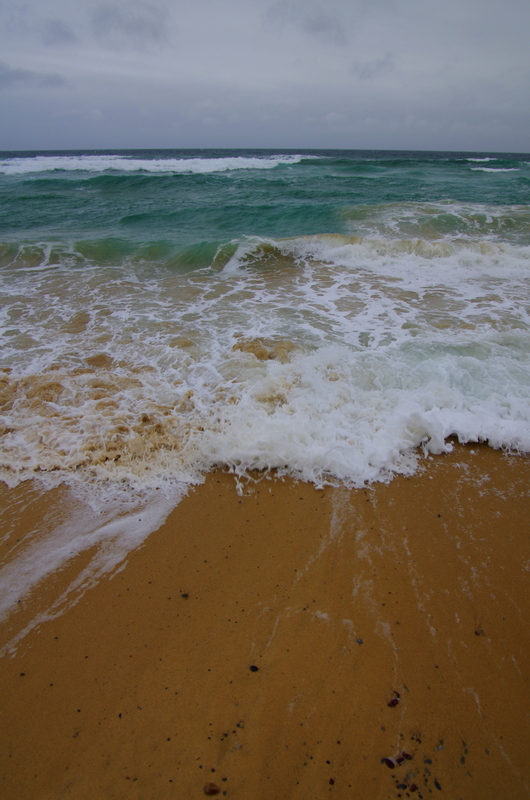
Colours of the west

All change.

Yesterday was amber

Today jade, draped in damask

The wind carries parcels of sea and salt

For whom can contain the waves?

Coll, Day 2…

William flies the flag

I know, other people’s holiday snaps are rather passe. But I feel the need to prove to you that early spring in the Hebrides is but a small step from heaven.

It was one of those days in which you could wear hats and scarves or shorts and tea shirts, dependent on your age or fortitude.

Some of us even went swimming…

Happy birthday Michaela!

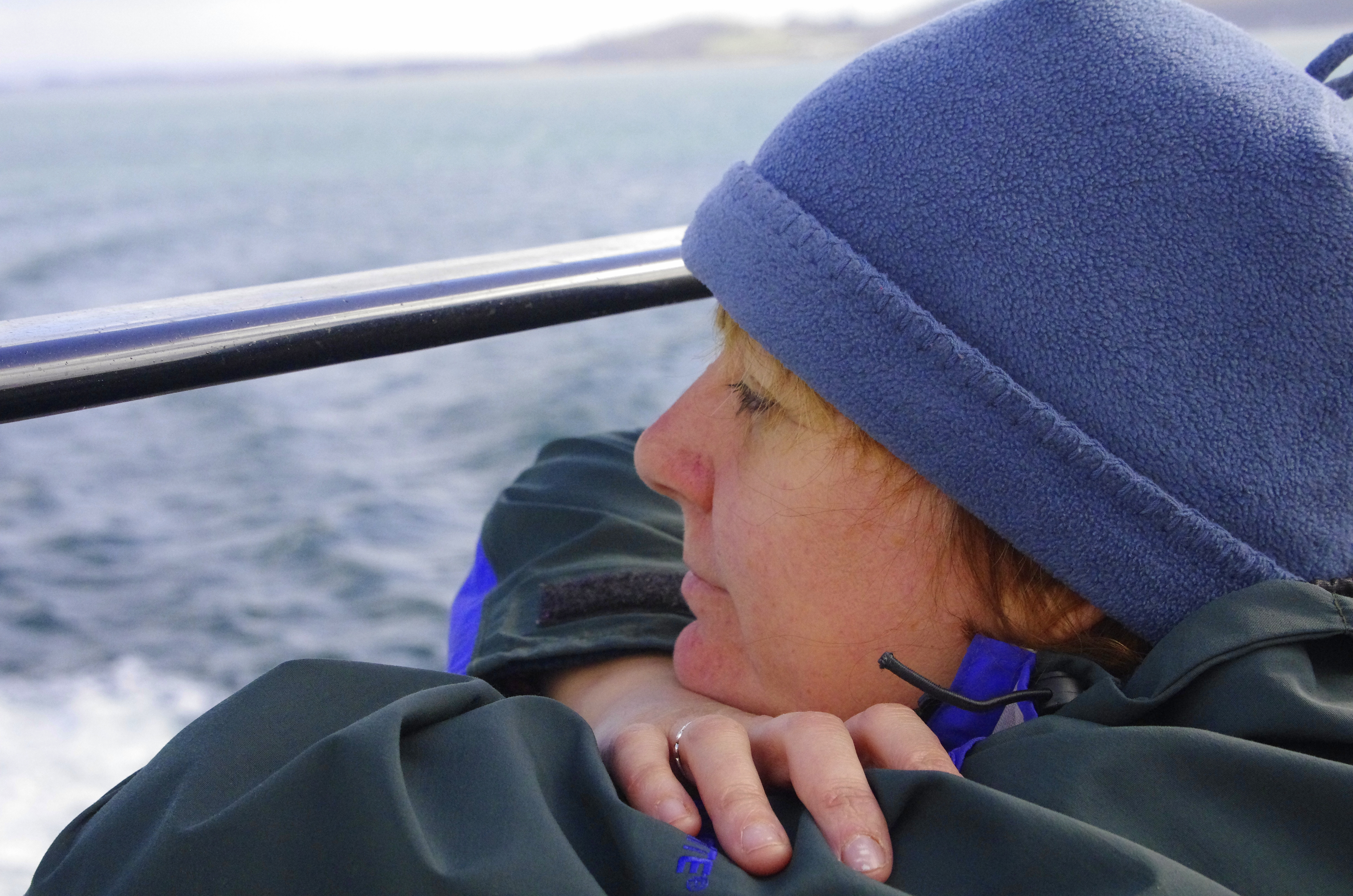
Michaela, journey

Today my lovely Michaela is 46.

We are away on the island of Coll with some friends… a few photos are required I think…

Away on the high seas…

ferry, Islay

It is all go for us these few weeks. Over the weekend we have been down in England visiting family- I loved spending time with my sister and her managerie of dogs and no-longer-kids. It was Ben’s birthday and Lily is off to work in a hospital in darkest rural Uganda…

I also took my mum out for the day to Woolaton Park– it is so long since I lived in my place of birth that these excursions to what where once local land marks increasingly feel like anchorage point on the high seas.

Talking of high seas, our next excursion is with a group of friends out to the Hebridean island of Coll. It is Michaela’s birthday on Wednesday and 15 of us have taken over the recently built community owned bunkhouse. Our ages range from 13 to 75.

See you the other side of the sea…

Raising fences…

new fence

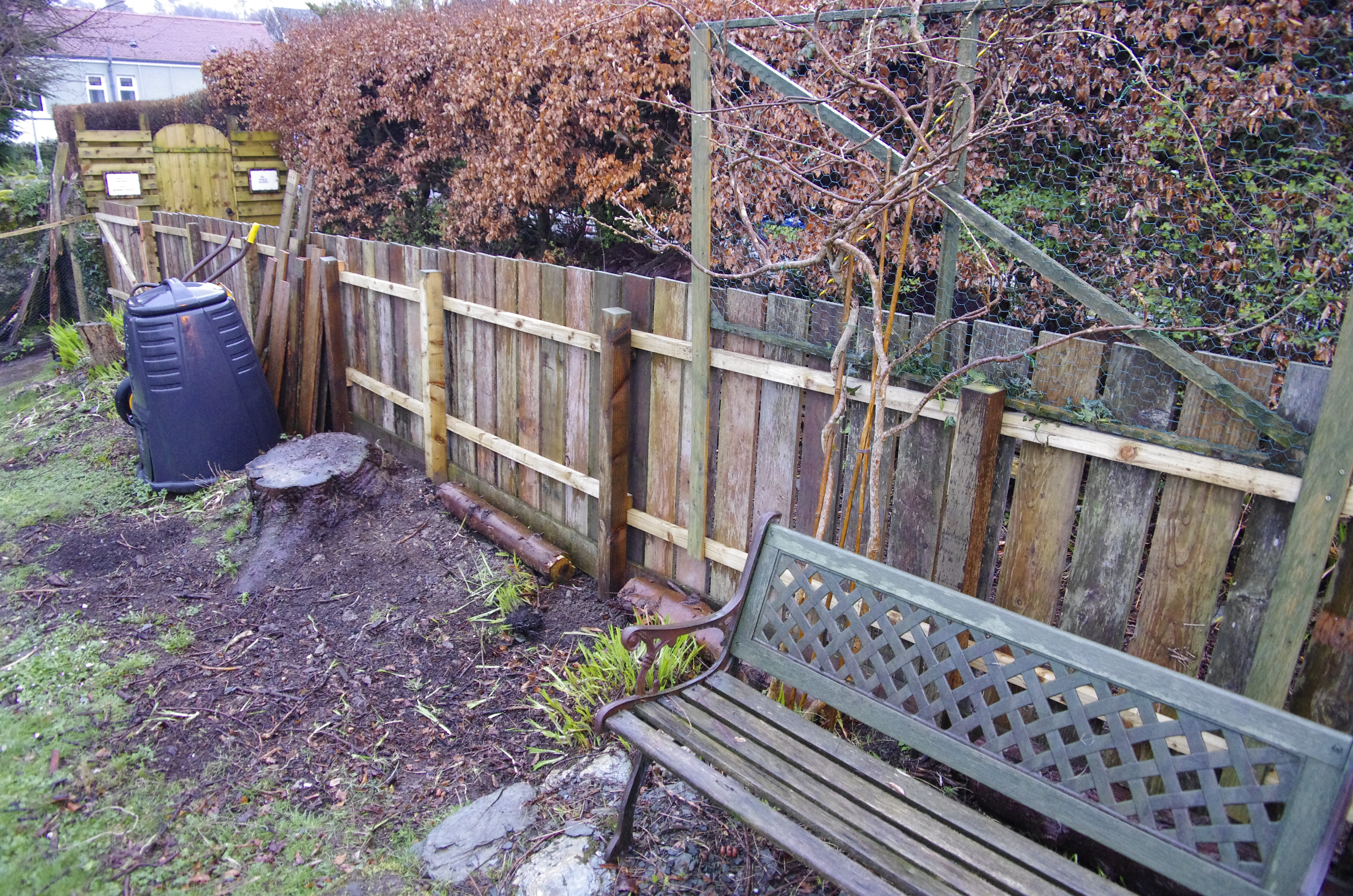
I spent four days building a new fence. The big winter winds did for the last one and now it is replaced by a smaller more solid version. My arms and knees are knackered from the labours.

I normally like doing things like this; I am in my own head, working with my hands, but still with a whole interior world to explore. I love too the sense that what was not is slowly becoming.

This time, it felt slightly different. The house is surrounded by other kind of fences- over which neighbours are at war with neighbours. I am building this fence just as my house is going on the market. I am building it to define the lines of defence for the next occupants.

Fences.

OK for keeping chickens in, but useless as a method of building communities.

I am not done with community, but it is time to move on…

What is it with the Tories and wind farms?

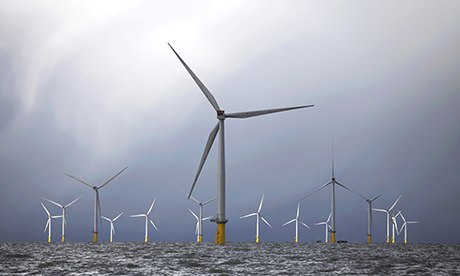
London Array

Picture from The Guardian.

Our prime minister, David Cameron, has revealed that he intends to cap the number of wind turbines in our oceans and on our hillsides. It seems a long way from his ‘Vote blue, go green’ days.  “get rid of all the green crap”, he said recently.

It is hot news in our parts– the rights and wrongs of wind farms.

I have always found myself slightly divided in my opinions about the giant turbines springing up on our hillsides. On the one hand, I love the wilderness of Argyll, and I do not want anything to steal from this. On the other hand, far too much of the land is covered already with contour planted conifers, and these offend my eyes every time I drive north. The fact is, despite how wonderful Argyll is, very little of it is true wilderness. Every hill has been shaped and changed by man, or by the animals we put there.

But a whole hillside full of white windmills? You can’t ignore them can you?

I still remember the first time I saw a wind turbine. I was about 19 or 20, and visited the Alternative Technology Centre in Macynlleth, Mid Wales with my friend Mark. It was a magical place full of hippies eating bean burgers and experiments with compost and conserved fart gas. Up on the hill they had two of these new fangled turbines, turning in the Welsh wind, regal and wonderful. I could not take my eyes of them. They had a grace and a wonder- they promised to my naive eye the possibility of a real alternative to the consumption of fossil energy that was surely of the devil.

They seem to have gone all posh these days- not a tie died pair of underpants on show anywhere;

But just because I went all tellytubby back in the 80’s, this does not really make an argument for or against industrialised wind farming now does it?

Well, perhaps it does. I suspect that our opinions about these turbines has little to do with the hard ecological/economical facts. These are obscured by entrenched battlements, from behind which hand-grenade statistics are lobbed out by each side.

One side opens with stats that suggest that wind farms are not an economic reliable source of power- wind is not constant, it can not be matched to peak demand, it can only manage a few 40 watt bulbs.  The other side counters with the fact that wind IS constant enough in the right sites, of which the UK is almost uniquely blessed, and technology to store energy (such as using pumped hydro electric schemes) is getting better all the time. They would also suggest that the unit price of wind power is less than that using generation through heat from fossil fuels. (If you are interested in some of the more balanced use of facts around all this, check out the wikipedia entry.)

The other side comes back with the impact on wild life- bird strikes in particular. We are siting these giant scimitars in the paths of migrating birds, and in places where some of our most iconic raptor species cling to the fringes in small numbers. This is countered with the fact that any bird deaths caused by wind turbines are localised, and tiny by the numbers killed by the polluting effect of more traditional generation technology, which kill birds a thousand miles from their smokestacks.

Perhaps the real issue is that we feel out of control of all these carbunkles festooning our hillsides. They are schemes cooked up by big business and planning departments- contrast this with the German situation, where most windfarms are owned and administered by local communities.

Back to David Cameron and the Tories. Given the global and national pressure to reduce greenhouse gas emissions, their willingness to stop new wind farm development seems rather bizarre.

Perhaps Cameron is pandering to the far right of his party, who would see The Centre for Alternative Technology as some kind of hell. They shoot Grice in these places old boy…

Perhaps the other driver is the fact that even though wind farms are big business, they are not the right kind of big business- too European, too beanfeast. The City of London prefers Nuclear. Even French Nuclear.

But I think the main reason is that they never stood before a turbine as an impressionable teenager, slightly bloated from undercooked pulses, awed by the grace of the things- and the possibility that technology could be good, not just expensive.

I, on the other hand, would happily strap one to my house…