Cricket apologetics…

My closest friends know that I have this secret addiction. Some would describe it as an affliction.

It is called… cricket.

If all sport is distraction then it seems to me that cricket is one of the best ways to waste time. Today, for instance, is Saturday. The weather has closed in outside and the rain is rattling against the windows. We have an empty house after a week full of family and hard work re-plumbing. The house is warm and the kids happy.

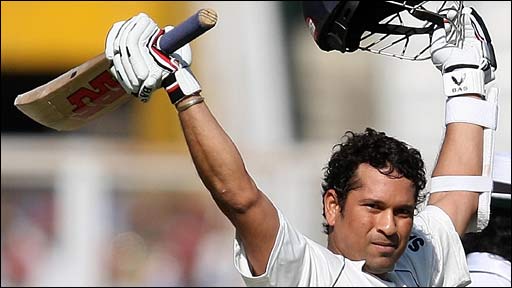
And India are playing Australia in the heat of the Punjab- brought to me by the power of TV here in autumnal Scotland. India are in the ascendancy after a drawn first test match. The Genius Sachin Tendulkar has broken the record by compiling the most runs scored by a batsman in a career, and two spin bowlers are twirling away in the kind of attritional subtle cricket that Indians excel at.

Some of you will not have a clue what I am talking about. Others will already be curling a sardonic smile at my stupidity for suggesting that cricket is worth watching. It is like watching paint dry you say. Here in Scotland, despite the fact that cricket is still played, most people love to have a go at the game. Perhaps this is because cricket is seen as an English game- conjuring up images of imperialism and empire.

This makes little sense- as the powerhouse of cricket has shifted permanently east- where it is the obsession of millions of Pakistani’s and Indians. English teams have become famous for getting well beaten all around the world.

In Scotland, cricket was the most popular sport with working people until around 1900, when that other English invention- football- began to take over. Celtic bought the site of their football stadium from a cricket club.

Well, I thought I would indulge in a little cricket apologetics… For the sake of the argument, I will limit the discussion to international cricket.

Cricket is boring. Some of the games last for 5 DAYS for heaven’s sake!

Test matches do indeed last 5 days. Most purists think this is the ultimate test of skill, captaincy, stamina and strategy. These matches are full of individual one-on-one battles of wit and talent, and the whole thing ebbs and flows with high drama and tension. It is a team game, played out by individuals. Strategy is everything, and the captain’s role is crucial.

Like all things- this will indeed be boring if you do not understand what you are watching- and test matches are not for everyone. Numbers attending have been falling around the world- apart from India, and surprisingly, England, where matches are sold out routinely.

But there are also one day matches- where each team has one innings of 50 overs (each over is 6 balls).  whole different set of skills and talents need to be honed.

The current craze is for 20/20 cricket though- each side facing only 20 overs. This is frenetic, crash bang whallop stuff, often played under lights in the evening. Not for the purists, but great fun and seems to be a marketing phenomenon.

It is not a sport- people walk about in white clothes in the sunshine. You can be fat and still play cricket. It is a soft game played by wimps.

Anyone who has ever tried to bowl fast, or face a ball bowled by someone who knows what they are doing and is out to hurt you, will suggest that cricket can be a serious business. At the highest level it demands great fitness, huge concentration, and above all things, strength of character.

It was the West Indian bowlers of the 70’s and 80’s whose tall fast bowlers terrified and humbled cricketers around the world. The bouncer, aimed at up into the ribs of the batsman, or whistling into the odd nose, became stock in trade. Most batsman since these days, despite helmets, padding and glove, walk from the field covered in bruises. This summer a wicked bouncer from James Anderson knocked the teeth from an unfortunate New Zealand batsman. And we were all impressed.

See if you think you could face this kind of pressure. Here is England’s talisman in full flow

Cricket is all about snobbery and English stiff upper lip affectation. It lacks passion and real emotion.

Nonsense.

Cricket is played all over the world (unlike the American baseball so-called ‘world series’) and different nations bring their own characteristics to the the game. So the West Indians bring a calypso cavalier brilliance, the Australians bring ruthless professional gritty determination to win, the New Zealanders somehow maximise the mixed bag of limited talent through working as a close team, and the English- well expectations are usually exceeded by achievements.

Then there is the fine art of sledging- the practice of teasing, humiliating and abusing the batsman. The Australians became past masters at this- a ring of foul mouthed close fielders for whom nothing was off limits. It was criticised around the world- particularly by the ‘whinging poms’ as the English were termed by the Australian media. And damn it- the Aussies kept winning!

But sledging is here to stay- here is another bit of Flintoff. The famous ‘mind the windows Tino’ episode. You decide whether English cricket is soft and gentlemanly!

Cricket is a waste of time.

I could go on about the old imperial stereotypes of preparation for life by the building of character- but of course, cricket is indeed a waste of time.

But there are so many others. I reckon this is better than most.

So- if you fancy a game…

Poverty in the UK- Blog action day

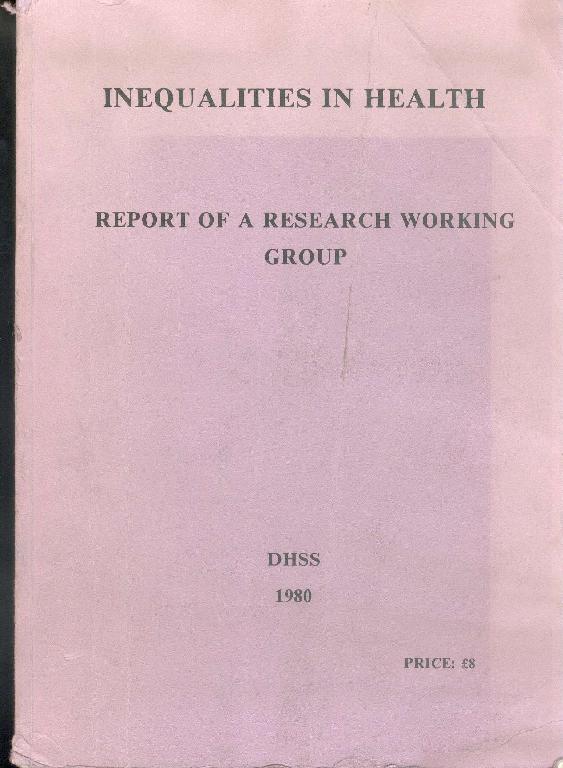
In the dying days of the ill fated Labour government in the late 1970’s, a report was commissioned from Sir Douglas Black into the causes and potential solutions to the inequalities in the health of the people of Britain.

This report, known as the Black report has become infamous amongst political and social scientists.

By the time the report had been completed, Thatcher had been swept into power on a platform of promises to break the power of the Unions, and to cut and control public expenditure. The report must have landed on her desk like an old kipper The Government wanted to bury it, but eventually released it on a bank holiday Monday, with a minimum of publicity. The report was never published- instead 260 photocopies were made available.

What was so controversial?

Black provided convincing figures that showed what many suspected—that the poorest had the highest rates of ill health and death. He argued that these rates could not be explained solely by income, education, mobility, or lifestyle, but were also caused by a lack of a coordinated policy that would ensure uniform delivery of services. He recommended health goals, tax changes, benefit increases, and restrictions on the sale and advertising of tobacco. Patrick Jenkin, the social services secretary, estimated with a shudder that Black’s proposals, which he hinted were little short of outrageous, would cost an unthinkable £2bn a year.

Excerpt from Sir Douglas Black’s obituary in the BMJ- here.

Leaving aside the economic questions raised by the cost of Trident nuclear weapons systems, or a war in the Falklands, the real political dynamite of this report was simply this- poverty makes people ill, and many of them die young.

This report was not talking about people who living marginal existences in sub-Saharan Africa- it was describing families living in one of the richest countries in the world- the worlds first industrialised country- Great Britain.

The Black report was not alone in reaching this conclusion. 28 years later World Health Organisation figures record a gap of 10 years between affluent Kensington and Chelsea, and post industrial Glasgow. Check out this article from the BBC.

This hides the real issues though- the figures represent areas, not individuals at risk. For example, if you are a homeless rough sleeper, your life expectancy is 42 years.

There have been many discussions about how poverty leads to poor health in Britain. Poor diets, obesity, poor education, poor housing, unequal access to health services, stress- all these no doubt play a part- but the common issue that even the New Labour administration are not happy to dwell on is… poverty.

I do not intend to get into a discussion about how we define poverty- the whole relative or absolute thing. Poverty, once seen, is recognised by most of us. It is easy to blame. It is easy to be repelled and repulsed by squalid living.

Because poverty brutalises.

I have worked as a social worker for all my adult life. I have seen people living in conditions that are hard to believe. A man who lived in a house with a broken overflowing toilet for 15 years. A young woman whose body was broken by drug use and prostitution to the extent that she simply forgot to eat. A woman who was so caught up in her need to escape that she drinks the alcohol based handwashes in the hospital. And many many people who live in fear of a loss of benefit, because life is so marginal- with choices to be made over whether to feed the electricity meter, or the cat, or sometimes- the kids.

These people are not described as poor. We now talk about ‘social exclusion’. Almost as if we stopped inviting them to parties.

There are no easy answers. This, I think, is the reason that Jesus said the the poor would always be with us– and why the early church seemed to have at it’s very heart a desire to serve the poor. Strange then to hear these words of Jesus spoken as justification for inaction.

There are some national policy decisions that will always impact the poor. Progressive taxation, as opposed to the imposition of tax on food or fuel. Public transport, good social housing, employment opportunities and support, adequate benefits- particularly to single parents or vulnerable older people. These things are all good- and we might raise our collective voices in support… but for me there is also a personal dimension.

Because those of us who are paid to try to make a difference soon realise that all we do is administrate. We may have some small success- and this keeps us trying- but ultimately, we bring only sticking plaster to road traffic accidents.

But I believe in redemption and renewal, and lives transformed. And for this to happen- this brings humanity and hope to my own brokenness- and richness to my own poverty. As Jean Vanier put it

Jesus came to bring good news to the poor, not those who serve the poor! … The healing power in us will not come from our capacities and our riches, but in and through our poverty. We are called to discover that God can bring peace, compassion and love through our wounds.

Some more links to poverty issues in the UK

Child poverty

Save the Children

Health inequalities, Scotland

The last great liner leaves the Clyde…

I kind of knew that something was happening today out on the Clyde.

It was a beautiful day- one of those soft sunny October days when summer kind of forgets her wrinkles and hitches the tweed skirts and goes for a paddle. And the water was full of boats and sails. Naval vessels like great grey sleek speed boats, tugs pushing a bow wave way above their station and countless craft whose size was proportionate to the wallets of their proud owners.

But there was a kind of hummm to the day that was more than the sum of the distant outboard motors.

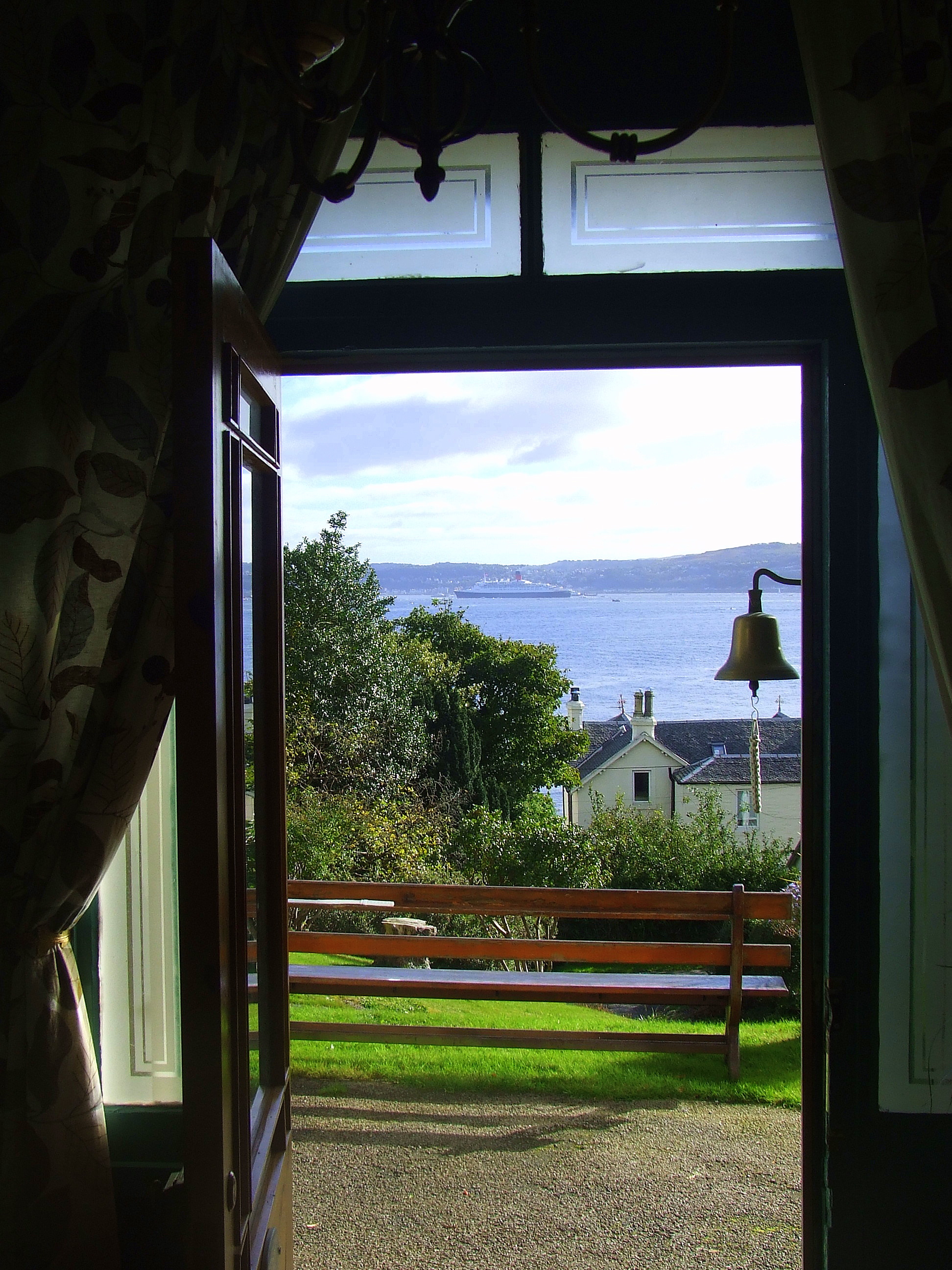
And then, I glanced up, and there she was- filling my doorway.

Then I remembered.

The QE2- making her last ever visit to the Clyde- where she was built. In a different age.

When the Clyde still made the best and biggest ships that sailed the seas.

And whole generations lived a life in sight and sound of the shipyards.

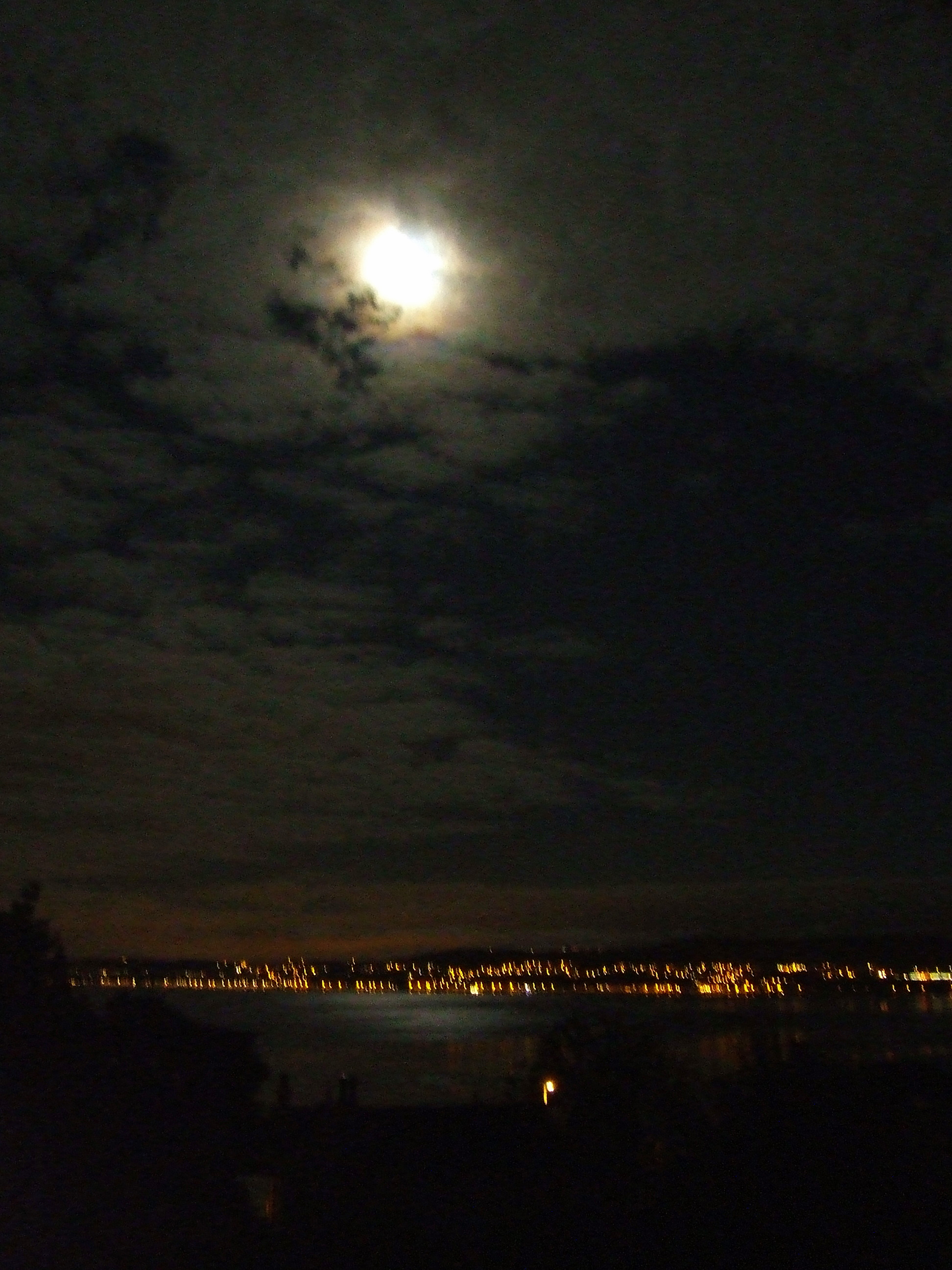
Late tonight the mighty ship made its way out again- to a mooring somewhere far away as a floating hotel. Fireworks split to cold night air and temporarily obscured the stars.

And with long mournful blasts on her foghorn, she was gone.

First fires of autumn…

Michaela is doing a course in Perth (spirituality and bereavement) and so has been away overnight.

It has been a lovely day- the sun has been shining, but squalls come down the Clyde from time to time and the sky goes dark black.

There is a bite in the wind and the cold air carries less moisture, making each breath taste like crisp white linen.

But I miss Michaela, and tonight, I light the first fire of autumn to welcome her home.

And we will sit close

By the fire.

Power dressing and incarnational spirituality

Suits.

Stuffed suits. Pin striped suits. Business suits. Power suits. Penguin suits.

Corporate uniforms.

Boys together in gentleman’s clubs.

Power. Control.

Management by the application of… image.

Or do I make too much of this?

Tomorrow I am going to a meeting in Lochgilphead for Social Work and Health managers, which is to discuss some governance issues thrown up by a redesign of Mental Health services (get the language there- ‘governance’ and ‘redesign’.) I will not wear a suit. I reckon I will be in a minority of perhaps, one.

Informality of dress seems to be trendy in some quarters. It is strange to me that within my social work department, things have gone entirely the other way for managers at least. The women, perhaps surprisingly, seem to escape this pressure for the most part.

Another redesign process recently replaced whole swathes of managers. The new folk often do not live in Argyll- they have not chosen to live and contribute to the communities they serve. That is not criticism- but it is just different.

For people like me, who try to find a way to carry that salt and light thing into the places I inhabit, the suits just seem to get in the way…

They seem like a barrier- a way to create distance between people.

I find myself at odds with the world about me… and the visible sign of this comes in the form of a table surrounded by men in dark suits.

I can see the point of this at times- the management thing- distance is sometimes required. But for me, this non-suit wearing has become my little point of rebellion, owing much to a lack of comfort with the work culture of my organisation- which at times seems highly toxic.

It is also how I choose to express something of my individuality- and my spirituality. I may yet be instructed to suit up-

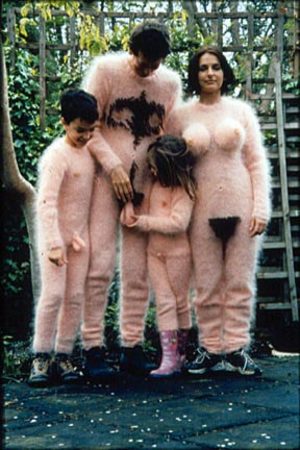
But for now, the only suit I will wear regularly…

Is my birthday suit.

My talented neice @ the fringe…

I am very proud of my niece, who is part of Nottingham youth dance company. She is just about to start proper ballet school, so all the very best Elizabeth- my very favourite niece… ( I had to have a think then to make sure that she is my only niece!)

Lily and her company were dancing @ the Edinburgh Festival this year, and I have just been looking at some photos of them performing in the street.

I am no dancer. I am six and a half feet tall and almost as wide. People who can dance have a gift that is beyond my understanding, but through watching these talented young people, I am learning to appreciate the power of bodies moving to music- the ability to convey emotion, beauty, even truth.

The Bible too is full of references to dancing. Dancing as worship, dancing as celebration, dancing as a kind of childlike innocence, and dancing to ensnare and entrap.

Dance on then Lily. It will always be a joy to come and watch…

Choose life…

Today I attended the choose life conference @ Stonefield Castle near Tarbet.

Choose life are an organisation whose purpose is to support initiatives that seek to help reduce the suicide rate in Scotland.

Scotland has one of the highest suicide rates in Western Europe, particularly in men. Suicide is the largest single cause of death in males under 35.

Suicide rates are almost always higher in areas of deprivation- in urban areas. However, when you control for deprivation, the next highest risk group are older men in rural areas. Strangely enough, living in rural areas seems to be a protective factor for women, but the opposite for men.

Speculation about the causal factors behind these figures might include the availability of instruments of greater violence in rural situations- farmers and forestry workers who have access to fire arms, and the isolation and poor support networks for people living and working in such situations.

Perhaps above all things however, people are at most risk when they become unable to think positively about the future- when they have lost hope.

Choose life run courses that help people think about the issue of suicide, and how we might help one another to spot those who are at risk, and access the help that might be needed.

Today there was also someone there from Breathing Space, a telephone/online helpline which attracts thousands and thousands of calls, and was originally aimed towards young men. Give it a try- here.

Christians deal in hope. It is this that Jesus gave us above all things. Hope of a world blessed by grace and beauty, and the possibility of healing and renewal. The New Kingdom- promised and possible- here right now.

And because of this, wherever we might be able to see increase of the things of the Kingdom- wherever we might be able to fan the flames of hope- there we should be, I reckon.

Margaret Thatcher and Elvis Costello

news-graphics-2008-_661518a.jpg (JPEG Image, 350×330 pixels)

Margaret Thatcher’s daughter Carol has recently written movingly about her mother’s advancing Alzheimers Disease. THere was an interesting debate on the radio this evening concerning whether Carol should have revealed these intimate details of her mothers dementia, as her mother now lacks the ability to give her consent to this.

The spectre of old age infirmity and loss of faculties hangs over all of us. Author Terry Pratchett has been outspoken about his own dementia, and it seems to me that any publicity that raises the profile of the experience of this growing group of people is a good thing. Even better if this results in increased funding for research and development in treatment and care of older folks.

Anyone who has to visit the back wards of the oldest parts of our hospitals (where the ‘elderly acute’ wards are almost always to be found) will be aware that such places often appear to be nothing more than warehouses for amateur cadavers. Despite some wonderful staff, for most of the people who end their days there- after a referral of last resort- dignity has long gone.

But- Margaret Thatcher- vulnerable, human, just like the rest of us…

I grew up in Thatcher’s Britain. Communities I lived in where split apart by her calculated battle with the National Union of Miners, and now almost all the pits are gone. I write this sat in a car driving through Sheffield on out way down to Derbyshire to attend a family wedding. All the steel works are gone. The old industrial sites are covered with scrub, or been cleared back to make shrines to the great patron of retail parks, Margaret herself…

Were all those broken communities and broken lives necessary? Did economic reality make them inevitable, as Margaret always said? Did the Free Market really know best? History will decide, I suppose. But her status as an iconic epoch shifter is already cast in bronze.

But in the 1980’s, we knew who our enemy was. She was Satan in a twin-set. She personified everything that we rejected. It all came back to ideology- and hers was based on a selfish individualism, and an elevation of greed as an engine for social change. Or that is the way half of Britain saw it.

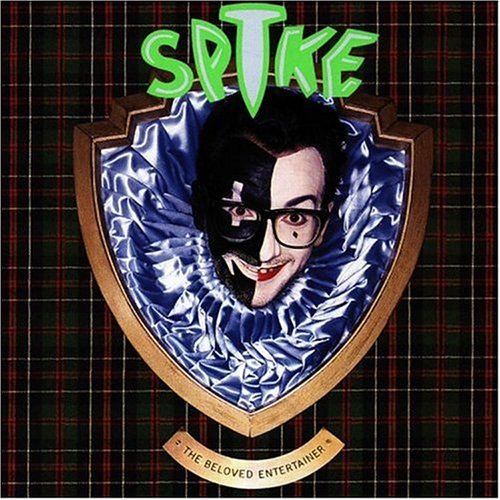
She inspired incredible idolatry from her followers. And generated genuine loathing from the other side of the spectrum, perhaps like no other democratic politician before or since. It is possible to understand the divisive effect she had more fully by remembering a song by Elvis Costello called ‘Tramp the dirt down.’ It included these lines;

I saw a newspaper picture from the political campaign
A woman was kissing a child, who was obviously in pain
She spills with compassion, as that young child’s
face in her hands she grips
Can you imagine all that greed and avarice
coming down on that child’s lips

Well I hope I don’t die too soon
I pray the Lord my soul to save
Oh I’ll be a good boy, I’m trying so hard to behave
Because there’s one thing I know, I’d like to live
long enough to savour
The day they finally put you in the ground

I’ll stand on your grave and tramp the dirt down

Words by Elvis Costello, from the album ‘Spike’, 1989
.


With the benefit of a few years family-raising and Brodski-quartet-consorting, the angry man of pop might regret these words now, but the point is, some of us sang along to these words with relish at the time.

So Margaret, may your end be kind.

And may those whose fate was once in your hands not wish upon your head the pain of poverty and powerlessness.

And may each one of us be worth so much more than a distant decimal point in an economist’s prediction…

Blogged with the Flock Browser